Few musical forms carry the weight and grandeur of the symphony.
For over two centuries, composers have turned to this genre to express their most profound ideas, from personal turmoil to universal truths. The symphony has evolved dramatically – from the poised elegance of Haydn to the vast, existential canvases of Mahler and Shostakovich – yet it has always remained a crucible for orchestral imagination, where melodies soar, structures astonish, and emotions run deep.
This list celebrates the greatest symphonies ever written: landmark works that transformed music, captured the spirit of their age, and continue to move audiences around the world. These are not just pieces to admire, but to return to again and again – each time revealing new depths and details.
To help guide your listening, we've also included recommended recordings for each symphony: legendary interpretations, audiophile favourites, and modern standouts that best illuminate the music’s power. Whether you’re a seasoned concertgoer or just beginning your journey into classical music, these selections promise an unforgettable experience of orchestral mastery.
From Beethoven’s defiance to Sibelius’s icy poetry, dive in and discover the symphonies that changed music – and might just change you.
The best symphonies of all time
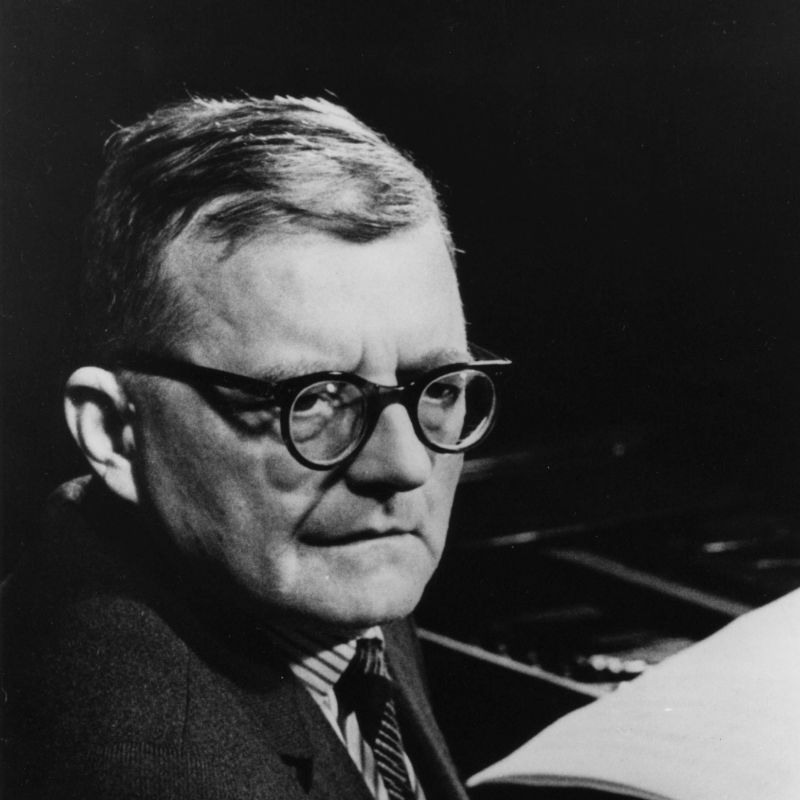
27. Shostakovich Symphony No. 10 (1953)
Shostakovich’s Tenth emerged in the aftermath of Stalin’s death, and its bleak atmosphere inevitably invites political interpretation. The composer himself was elusive about its meaning, but there is no mistaking the work’s emotional extremes: icy introspection, grotesque humour, explosive violence and, eventually, a hard-won sense of liberation. The terrifying second movement, often interpreted as a musical portrait of Stalin, lasts barely five minutes. Few symphonies pack such psychological intensity into so vast a canvas.
We recommend: Boston Symphony Orchestra/Andris Nelsons
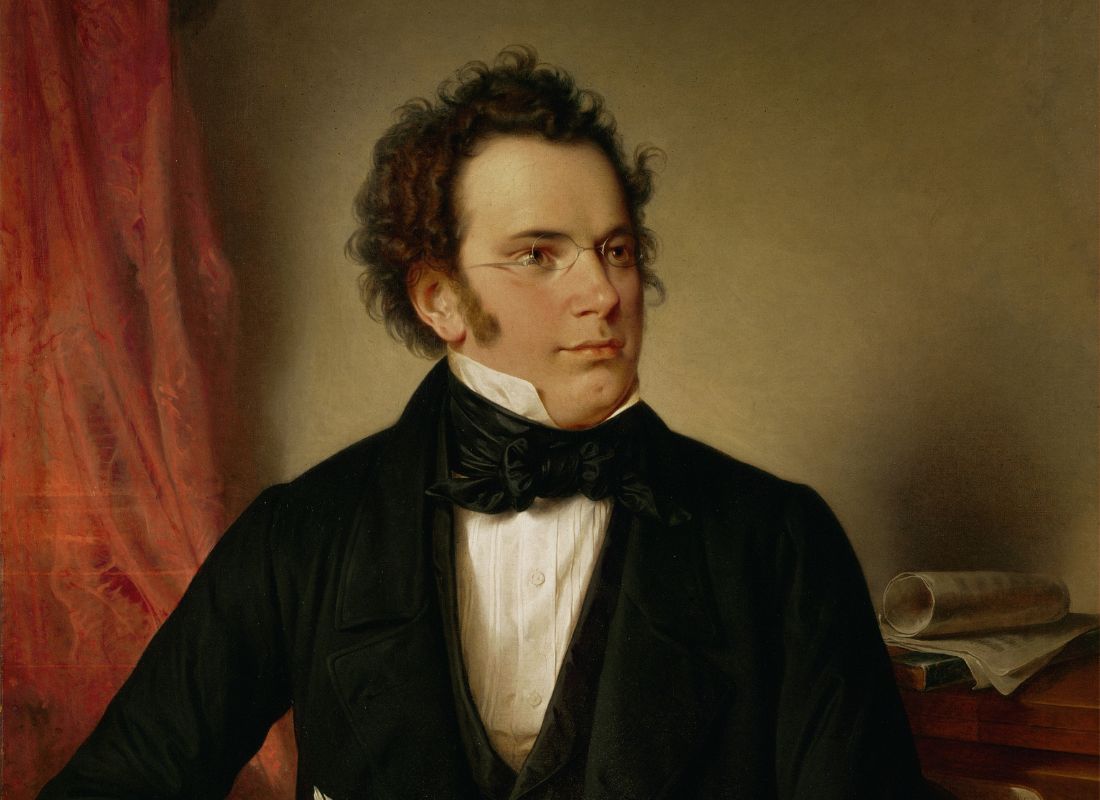
26. Schubert Symphony No. 8 ‘Unfinished’ (1822)
How can a symphony with only two completed movements feel so complete? Schubert’s ‘Unfinished’ achieves it through the extraordinary concentration of its musical world. The opening plunges immediately into mystery and melancholy, while the second movement offers moments of radiant calm without ever entirely escaping the shadows. Its fragmentary nature only adds to its fascination: rather than feeling incomplete, it sounds like a glimpse into a vast landscape Schubert chose not to explore further.
We recommend: Royal Concertgebouw Orchestra/Nikolaus Harnoncourt
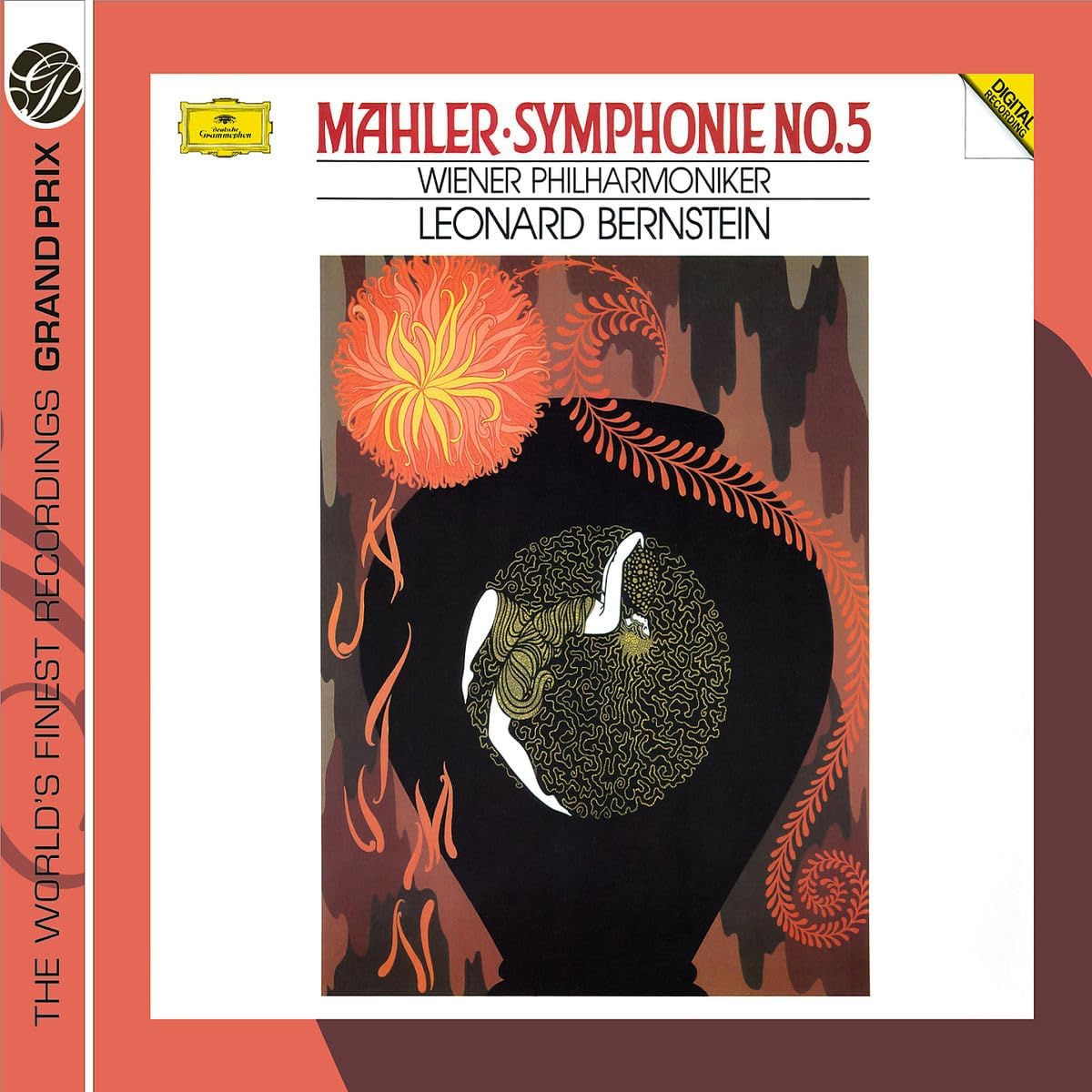
25. Mahler Symphony No. 5 (1902)
Mahler’s Fifth is often reduced to its ravishing Adagietto, but the complete work is far stranger and more ambitious. It begins with a funeral march, descends into violence and anguish, then gradually fights its way towards a joyous, almost manic finale. There are no voices or explicit programme this time: Mahler lets the orchestra tell the story. The result is a vast emotional journey, brilliantly orchestrated and endlessly revealing.
We recommend: Vienna Philharmonic/Leonard Bernstein
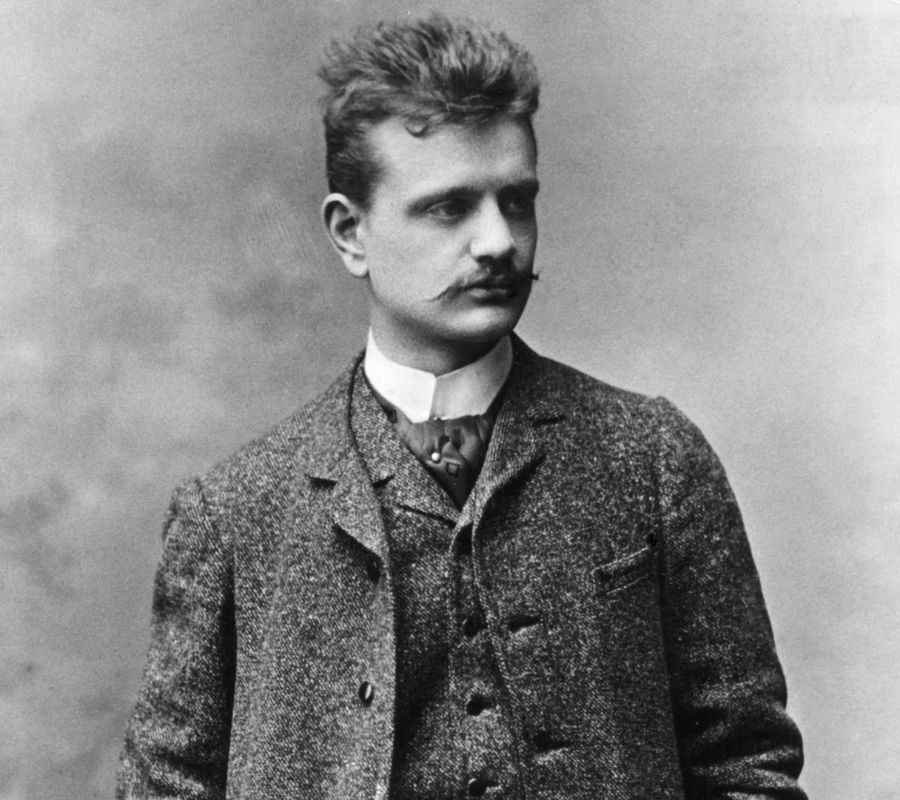
24. Sibelius Symphony No. 5 (1915/1919)
Sibelius’s Fifth begins in a world of mysterious brass calls, trembling strings and fragments that seem to be searching for their destination. Gradually, those disparate ideas coalesce into something magnificent, culminating in the famous sequence of six swan calls and the enormous final chords. Sibelius famously watched swans taking flight while composing the work. Few symphonies so convincingly turn the rhythms and grandeur of nature into musical architecture.
We recommend: New York Philharmonic/Leonard Bernstein
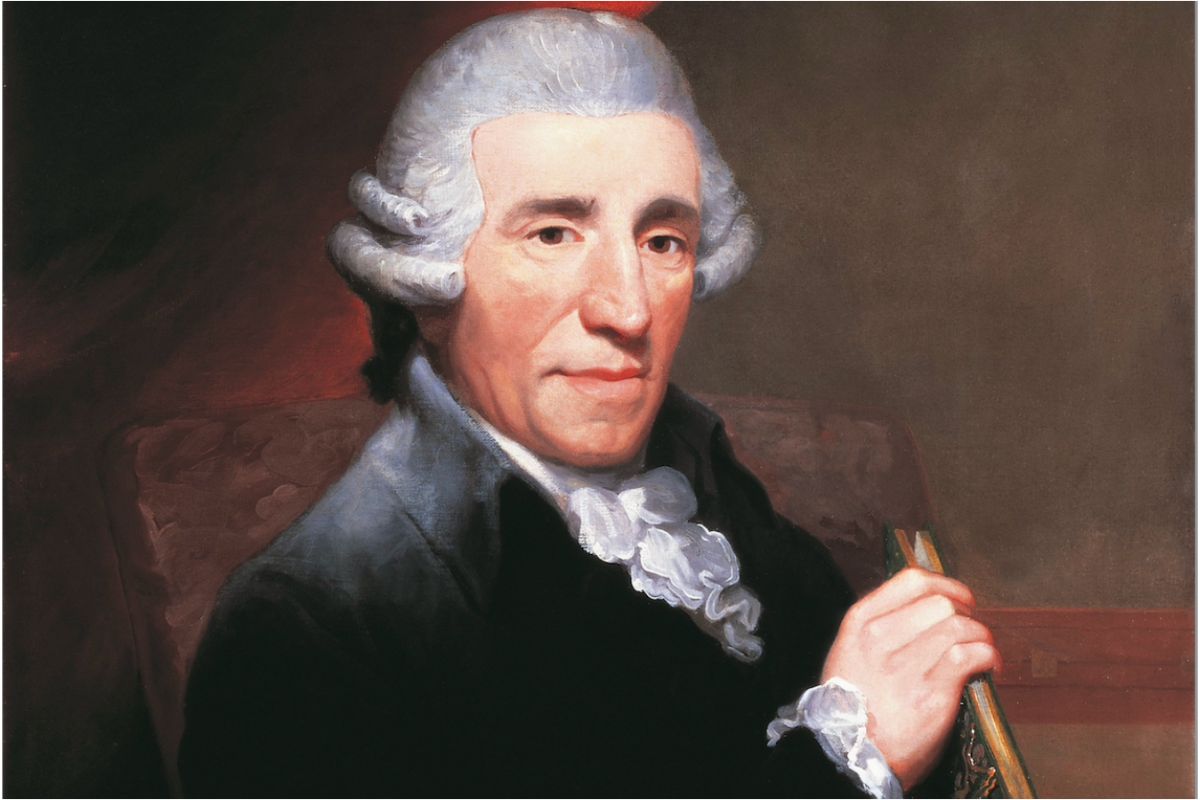
23. Haydn Symphony No. 104 ‘London’ (1795)
Haydn more or less invented the mature Classical symphony, and his final example shows just how far the form had come. The ‘London’ combines elegance, wit and astonishing formal control, from its grand opening to the dancing finale. Yet beneath the polish is a composer constantly playing with expectations: rhythms are disrupted, themes transformed and surprises spring from apparently simple ideas. Beethoven could hardly have had a better starting point.
We recommend: Royal Concertgebouw Orchestra/Colin Davis
22. Dvořák Symphony No. 9 ‘From the New World’ (1893)
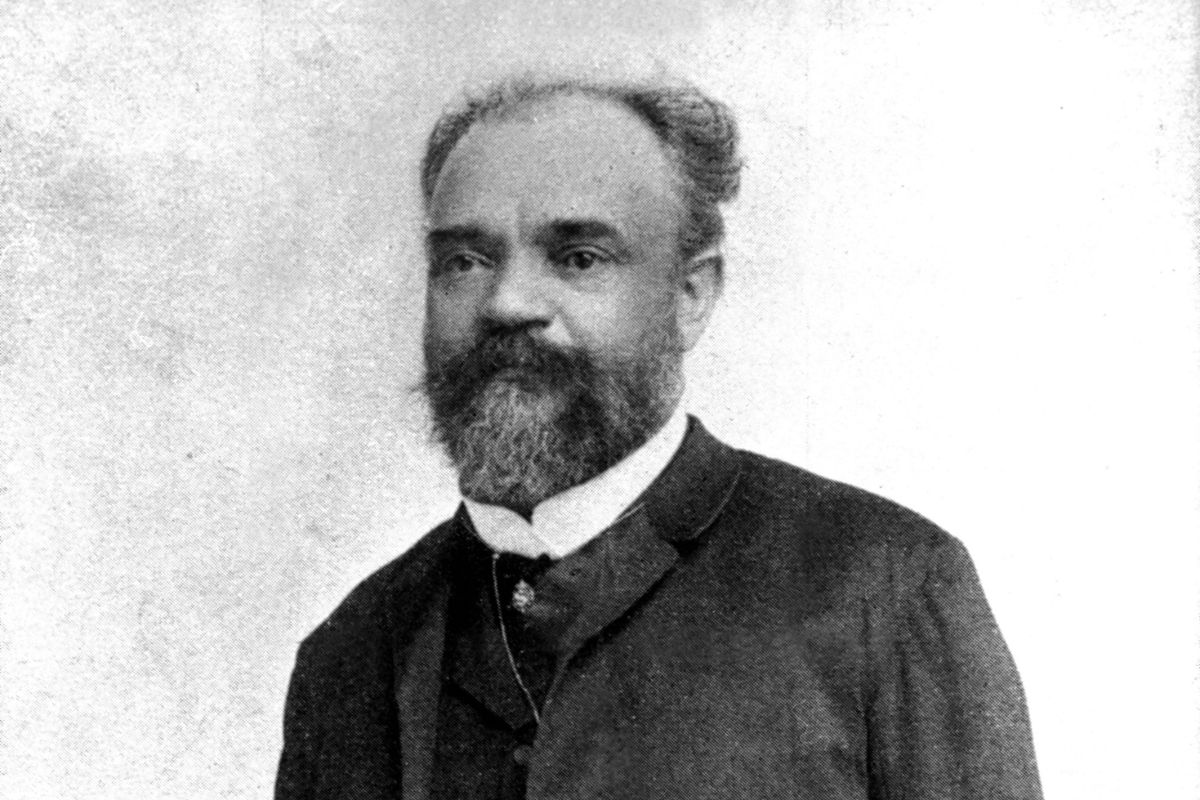
Dvořák’s Ninth is one of those rare symphonies whose melodies seem to belong to everyone. Its famous Largo is only part of the story: the whole work fuses Czech musical traditions with the sounds and rhythms Dvořák encountered in America, creating something both instantly accessible and remarkably sophisticated. From the mysterious opening to its thrilling finale, it remains one of the great popular masterpieces of the symphonic repertoire.
We recommend: Cleveland Philharmonic/George Szell
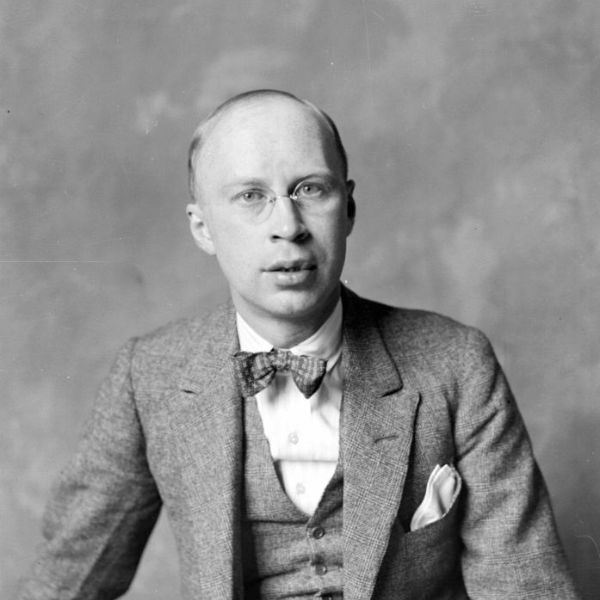
21. Prokofiev Symphony No. 5 (1944)
Prokofiev’s Fifth is a triumph of power, lyricism, and irony. It balances sweeping grandeur with biting wit, reflecting both wartime struggle and human resilience. Its soaring melodies and rhythmic drive showcase Prokofiev’s brilliance as a symphonist, making it one of the most compelling and accessible works of the 20th-century orchestral repertoire.
We recommend: Scottish National Orchestra/Neeme Järvi
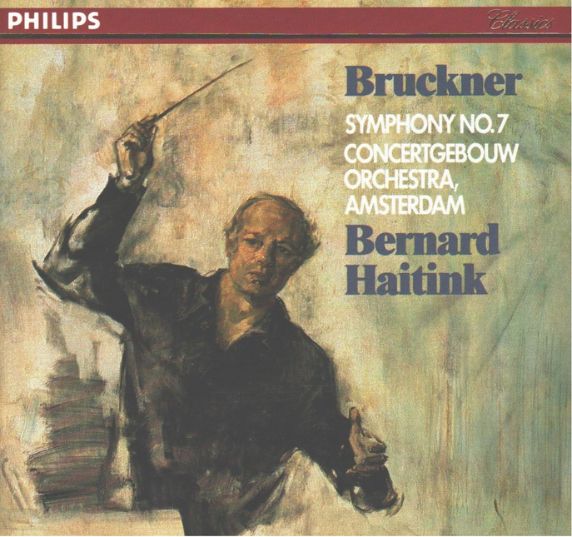
20. Bruckner Symphony No. 7 (1883)
Hailed as a masterpiece after its Leipzig premiere in 1883, Bruckner’s Seventh Symphony became his first (and only) instant success. From the yearning opening cello melody to the dramatic hunting horn motif that begins the third movement, the Seventh is full of striking moments, none more so than the brilliant finale, in which shimmering strings and heroic horns surge upwards to a euphoric close.
We recommend: Royal Concertgebouw Orchestra/Bernard Haitink
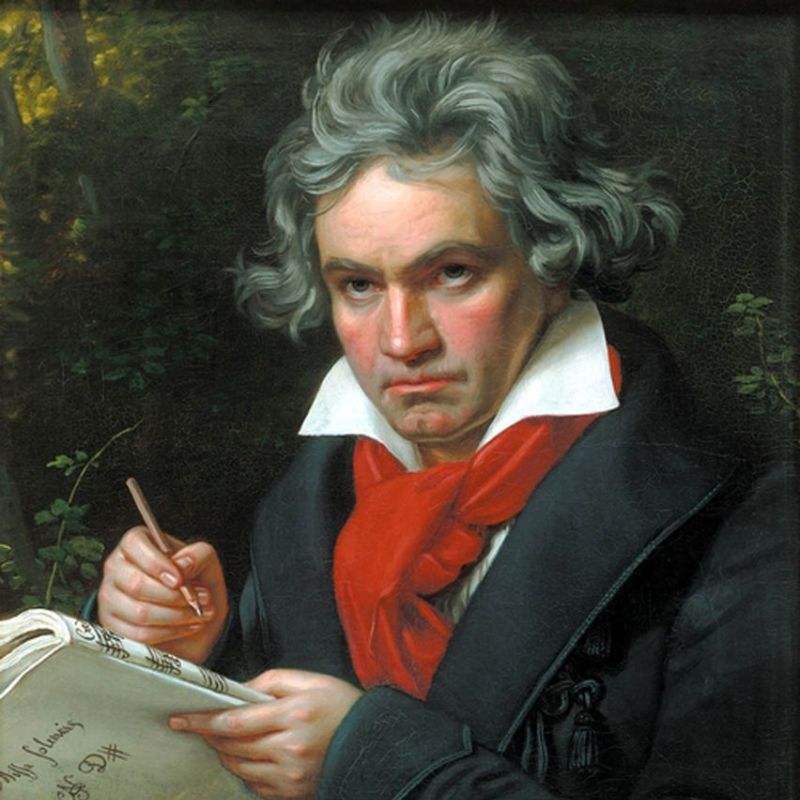
19. Beethoven Symphony No. 6 (1808)
Cast in five titled movements, Beethoven’s Pastoral takes us on a tour of the countryside, complete with birdsong and a sense of bucolic joy. Where Beethoven's Fifth Symphony progresses inexorably, the Sixth meanders and lingers. Until, that is, the Storm, which rips through this peaceful idyll with extraordinary violence.
We recommend: London Classical Players/Roger Norrington
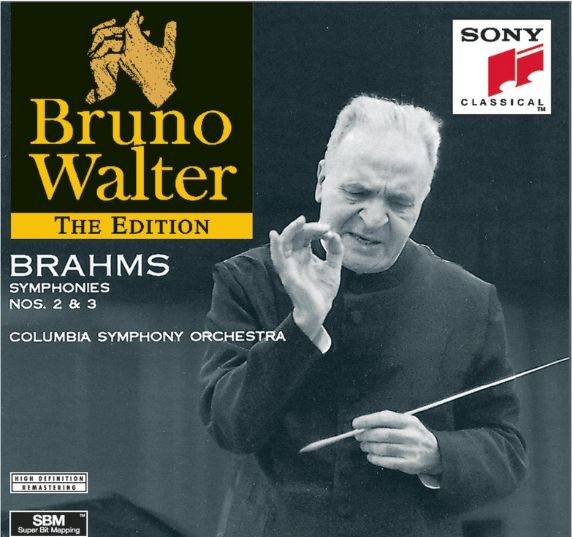
18. Brahms Symphony No. 2 (1877)
Written in the summer of 1877, this is on the surface a sunny, serene work. It’s even been dubbed Brahms’s Pastoral. Yet, as ever with his music, a darkly elegiac tone is never far away, set up in the opening movement by timpani, trombones and tuba. No wonder it went down well at the premiere, with the critic Eduard Hanslick declaring it an ‘unqualified success’.
We recommend: Columbia Symphony Orchestra/Bruno Walter
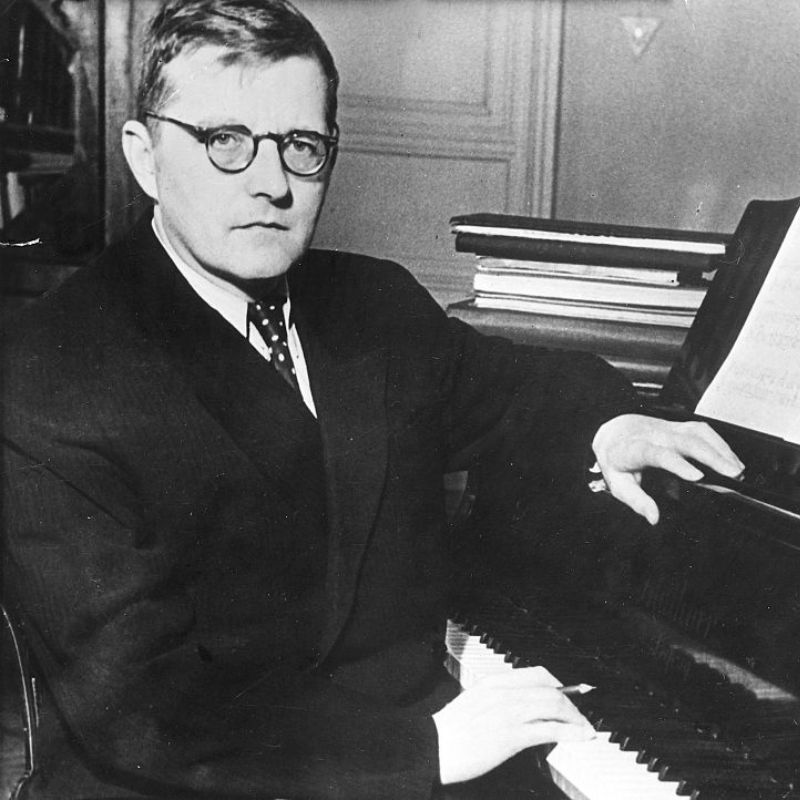
17. Shostakovich Symphony No. 5 (1937)
Shostakovich's agonised, emotive Fifth Symphony sounds a lament in its third movement, expressing what was too dangerous to be said during Stalin’s ‘Great Terror’. Many of the audience at its premiere were reduced to tears by this movement, and the work received a half-hour standing ovation.
We recommend: BBC National Orchestra of Wales/Mark Wigglesworth
16. Beethoven Symphony No. 7 (1812)
Beethoven’s Seventh is a restless beast, full of driving, unnerving energy – less about melody, more about rhythm and orchestration. For sure, it teeters on the edge of obsession, in the hypnotic repetitions of the ambiguous Allegretto (the work’s only ‘slow’ movement) and the syncopated, wayward rhythms of the final Allegro that pushes the orchestra to its absolute limits.
We recommend: Staatskapelle Berlin/Daniel Barenboim
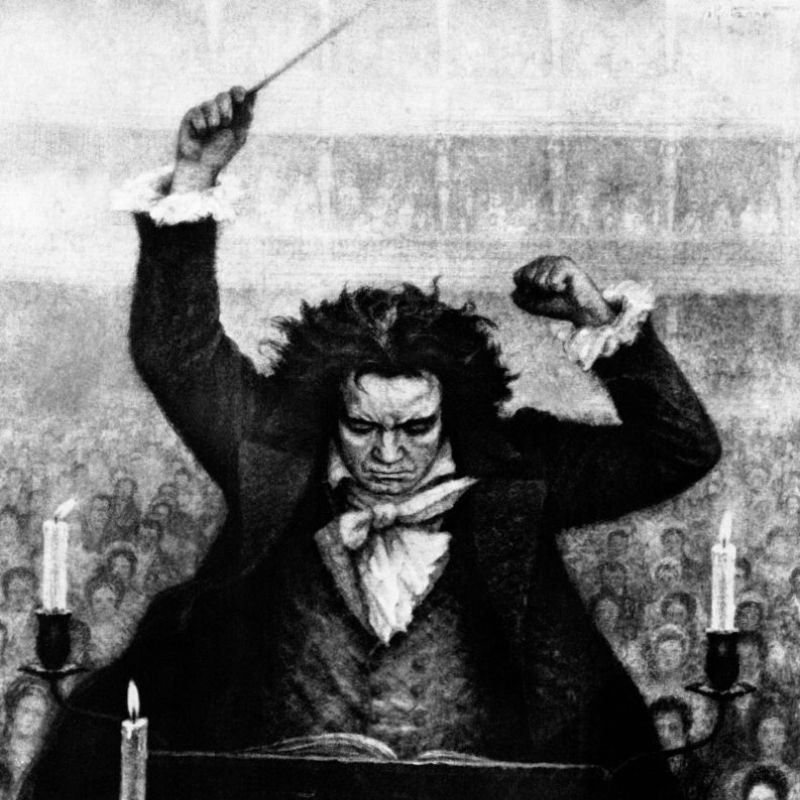
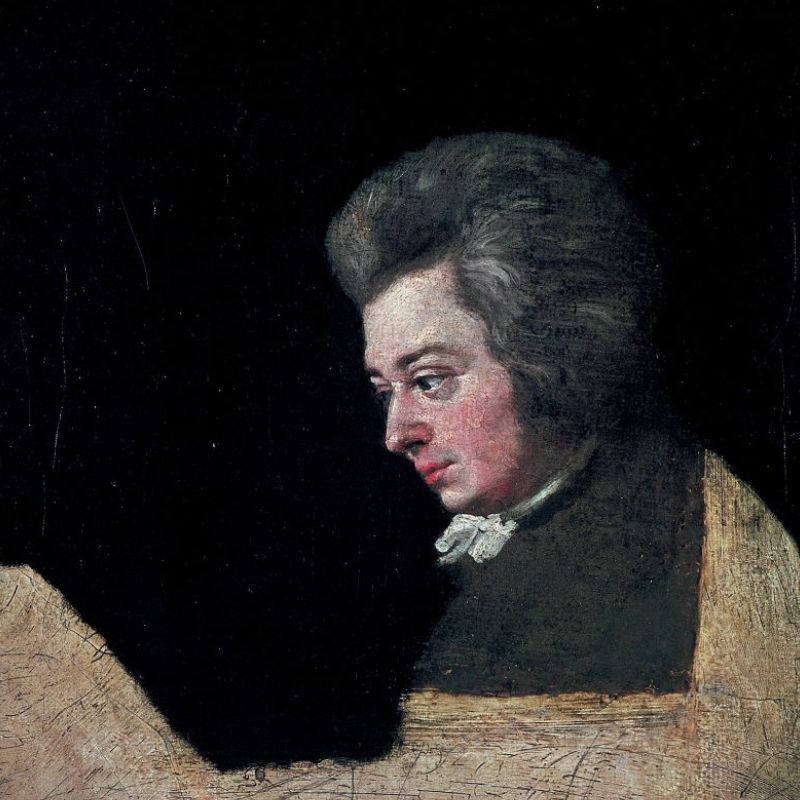
15. Mozart Symphony No. 40 (1788)
Mozart 40 combines elegance and unease, its dark opening yielding to calmer waters, only to return to despair. He explores this pattern again in the Andante, harmonic clashes, falling motifs and rhythmic twists gently poisoning its bucolic charm. A stately, stormy Minuet precedes the brilliant, fizzing finale which has at its heart a moment of baffling brilliance.
We recommend: Scottish Chamber Orchestra/Charles Mackerras
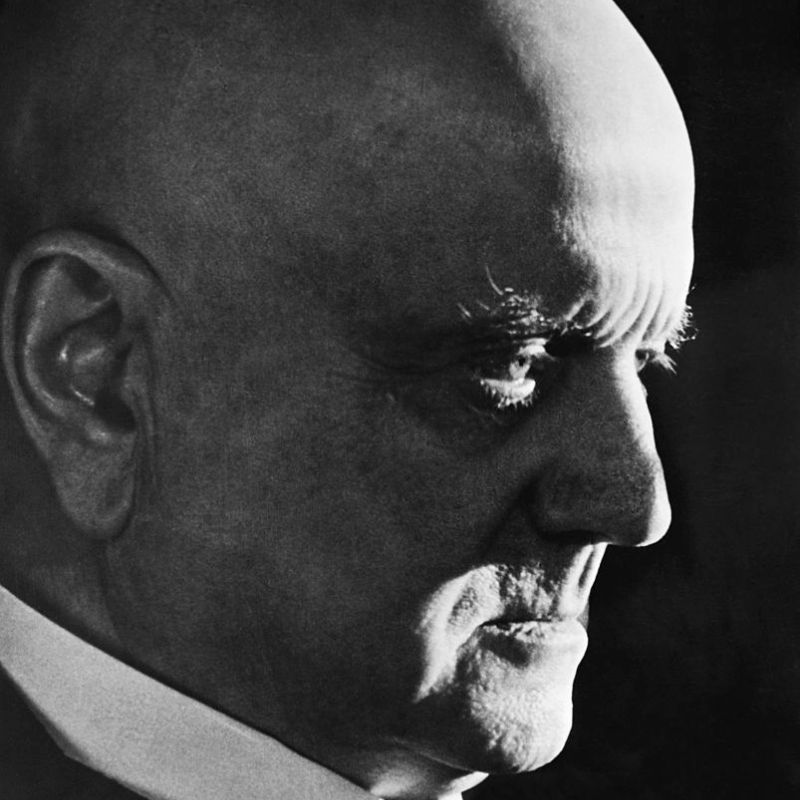
14. Sibelius Symphony No. 7 (1924)
Scored in one 22-minute-long movement, originally christened Fantasia sinfonica, Sibelius wrote his Symphony No. 7 at night, aided by substantial amounts of whisky. Extraordinarily, though, the work is among his most lucid and profound musical statements. It would be his last symphony before a 30-year musical silence – its closing bars, a major seventh B rising to a burnished C major chord, were described by conductor Sir Colin Davis as ‘the closing of the coffin lid’.
We recommend: Lahti Symphony Orchestra/Osmo Vänskä
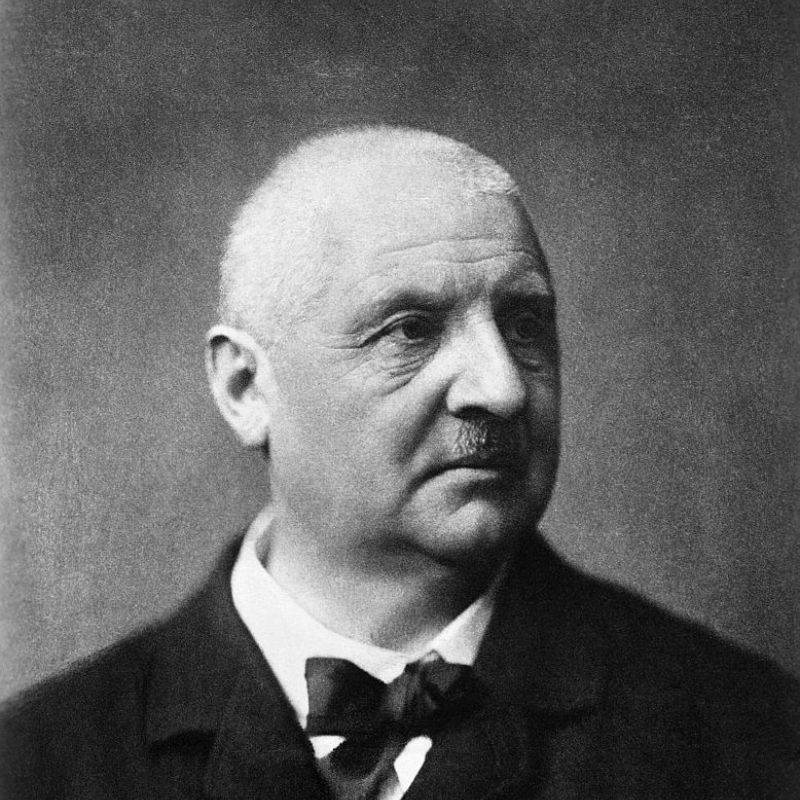
13. Bruckner Symphony No. 8 (1887/1890)
A synthesis of Bruckner’s symphonic genius – majestic, sensuous and conflicted. The Austrian’s cathedral-sized Eighth is the apogee of his symphonic achievements. Although Wagner-like in character and scope, chorale-like themes and harmonies flow through all four movements as Bruckner brings his skill as an organist to bear on this grandest of masterpieces.
We recommend: Royal Concertgebouw Orchestra/Riccardo Chailly
12. Brahms Symphony No. 3 (1883)
From contentment to passion, emotion wells up and subsides in music of yearning, bittersweet beauty and each movement ends quietly – rare for symphonies of this time. It also pays homage to Robert Schumann, echoing the Rhenish Symphony in the violins’ first melody, and when Brahms sent the score to Clara Schumann, she said it was a ‘wonderful work.’ One of the sunnier entries in our 20 greatest symphonies of all time.
We recommend: Gewandhaus Orchestra/Riccardo Chailly
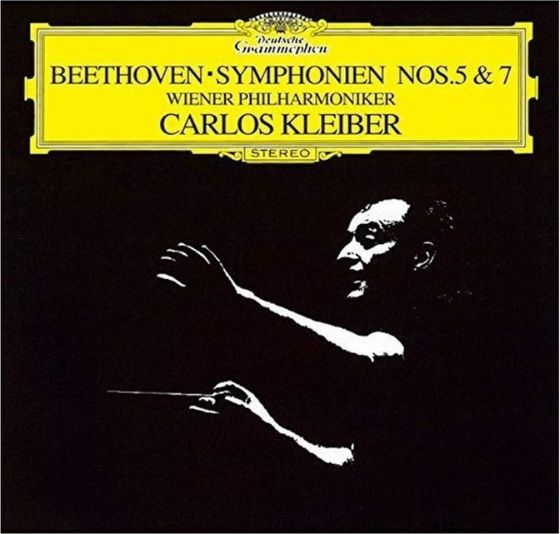
11. Beethoven Symphony No. 5 (1808)
Beethoven's Fifth blazes from turbulence to triumph, its structure unfolding from a single motif. Beethoven gives the entire work a remarkable cohesion by referring to that opening rhythmic motif at key moments, for instance by the horns in the penultimate Scherzo movement, recalling it in the finale. In another inspired touch, Beethoven uses the rhythmic motif as a subdued timpani pulse which links the Scherzo to the glorious blaze of the finale’s opening.
We recommend: Vienna Philharmonic/Carlos Kleiber
Best symphonies: the top ten
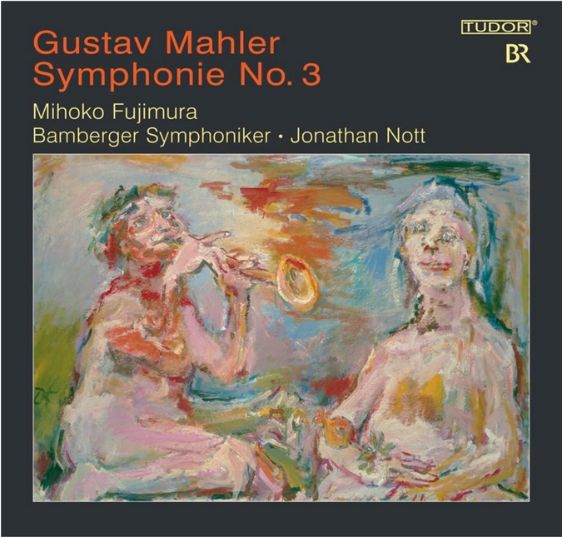
10. Mahler Symphony No. 3 (1896)
A century on, the progressive despoliation of the planet is sharply evident, and the relatively benign relationship in the Third between human beings and their environment has drastically deteriorated. Mahler loved the natural world, and all the creatures in it: the Third Symphony encapsulates that profound attachment, in music of life-enhancing physicality and wresting melodic beauty. Nature makes a grand entry in our list of 20 greatest symphonies of all time.
We recommend: Bamberg Symphony Orchestra/Jonathan Nott
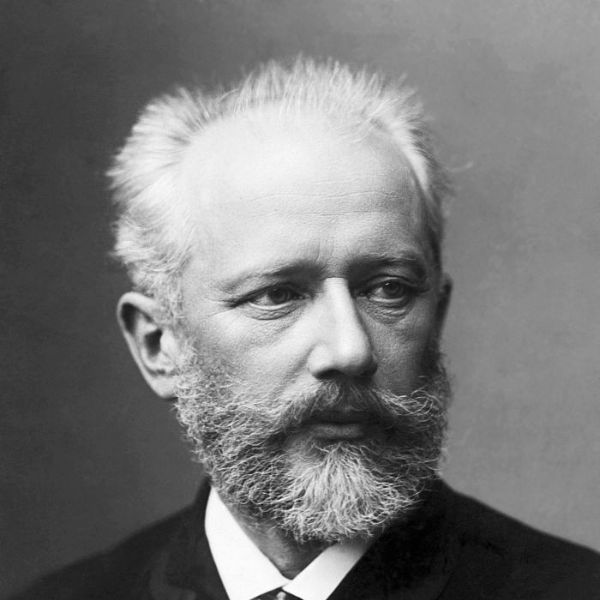
9. Tchaikovsky Symphony No. 6 'Pathétique' (1893)
What really marks this work out is the brilliant way in which Tchaikovsky manipulates the emotional argument and brings a new, frightening dimension to symphonic thinking, the unifying factor a sequence of descending scales that mirrors the Symphony’s long-term narrative of a descent into the abyss. Tragic and nakedly emotional, it's one of classical music's most turbulent and cathartic experiences.
We recommend: Leningrad Philharmonic/Evgeny Mravinsky
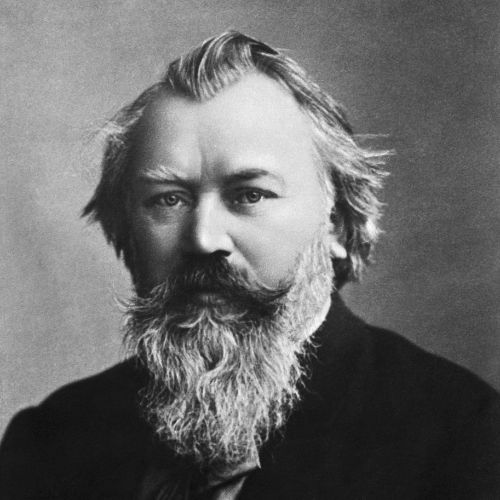
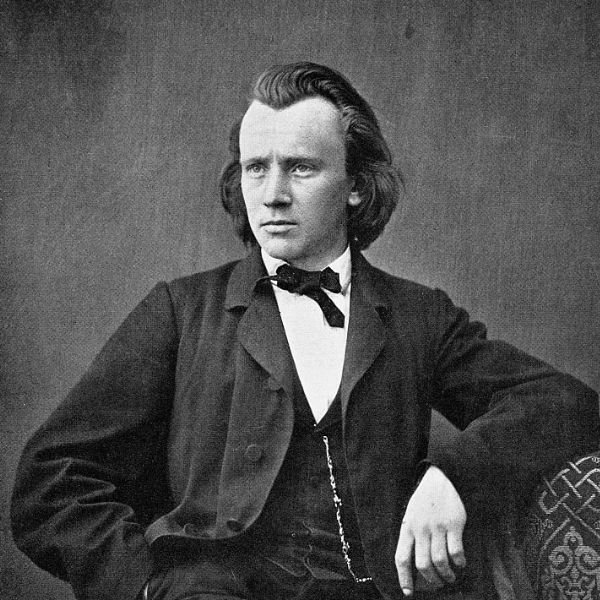
8. Brahms Symphony No. 1 (1876)
Brahms’s First was the result of a 20-year struggle to escape Beethoven’s shadow. He destroyed early drafts, fearing they fell short of his hero’s legacy. But when it finally premiered in 1876, the symphony revealed a towering work of emotional depth and structural mastery. Often dubbed “Beethoven’s Tenth,” it balances stormy intensity with lyrical beauty, affirming Brahms as Beethoven’s true symphonic heir.
We recommend: Philharmonia/Otto Klemperer
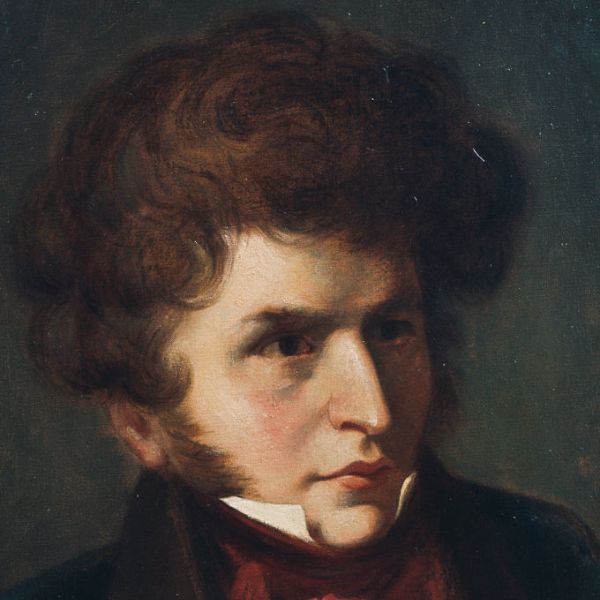
7. Berlioz Symphonie Fantastique (1830)
Hector Berlioz led the symphony into new realms of reverie and imagination with this extraordinary work. No one before 1830 had come close to writing the note clusters for four timpani that produce such an extraordinary sound at the end of the ‘Scene in the Fields’ (li sten below)– not to mention the bizarre alternations of D flat major and G minor towards the end of the ‘March to the Scaffold’.
We recommend: Mahler Chamber Orchestra/Marc Minkowski
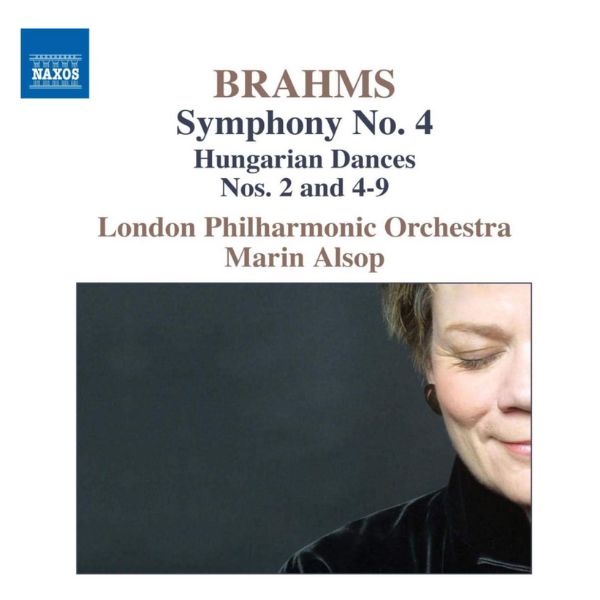
6. Brahms Symphony No. 4 (1885)
Brahms’s Fourth baffled even his friends. Sombre, austere, with a passacaglia final movement that brought echoes of the Baroque era – it appeared wilfully unfashionable. There’s something almost intimidating about the Fourth’s formal perfection: its thematic integration, economy, richness of variation, fusion of polyphony with sonata form.
We recommend: London Philharmonic Orchestra/Marin Alsop
The best symphonies of all time: the top five
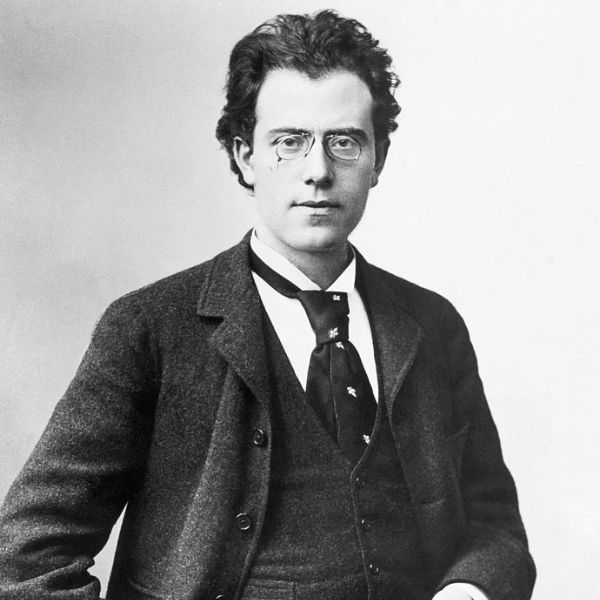
5. Mahler Symphony No. 2 (1894)
Mahler’s Second is symphonic ambition on an almost absurd scale. It begins with a funeral march that seems to ask what remains after death, then expands into ghostly scherzos, tender visions and finally a colossal choral resurrection. When the voices finally emerge from the silence, the effect is overwhelming. Few symphonies make the journey from despair to transcendence feel quite so monumental.
We recommend: Czech Philharmonic/Semyon Bychkov
4. Mahler Symphony No. 9 (1909)
Scored for vast orchestral forces – huge woodwind and brass, with a percussion section that includes timpani, bass drum, side drum, triangle, cymbals, tam-tam, glockenspiel and three deep bells – the most striking thing about its soundworld is Mahler’s exquisite handling of sonorities.
We recommend: Berlin Philharmonic/Herbert von Karajan

3. Mozart Symphony No. 41 'Jupiter' (1788)
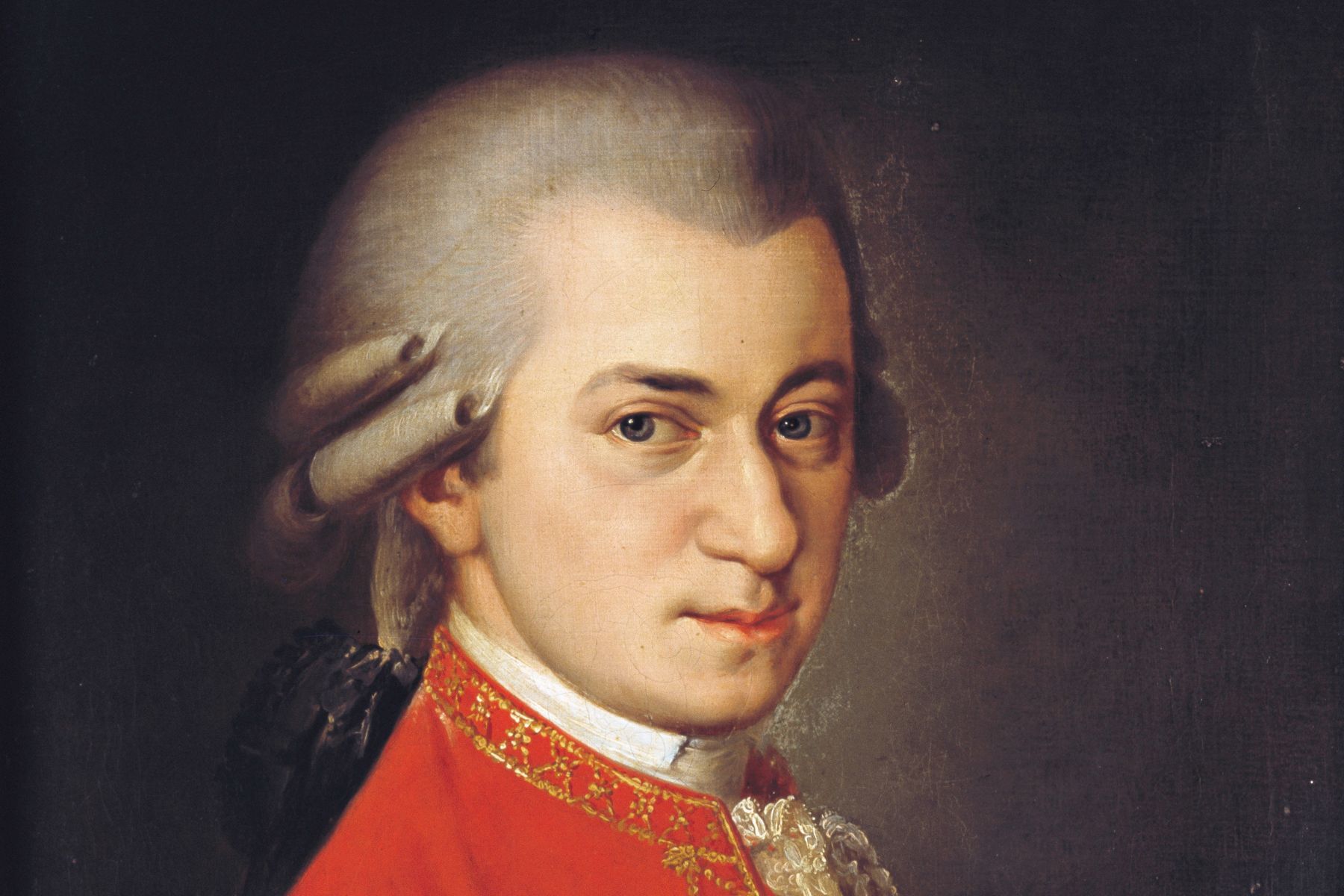
A triumph of structure, crowned with one of music’s most dazzling fugal finales
The miracle of Mozart's final symphony is its immense design, with a mixture of celebratory fanfares, cascading scales and yearning figures. The main body of the final movement has climaxes in which stunning descending passages alternate and then combine with tremendous upward thrusts; while the centre of the movement enters areas of dense conflict from which there seems no escape. There is no greater or more exhilarating feat than this, nor could there be. Listen below - and marvel.
We recommend: Orchestra Mozart/Claudio Abbado
2. Beethoven Symphony No. 9 (1824)
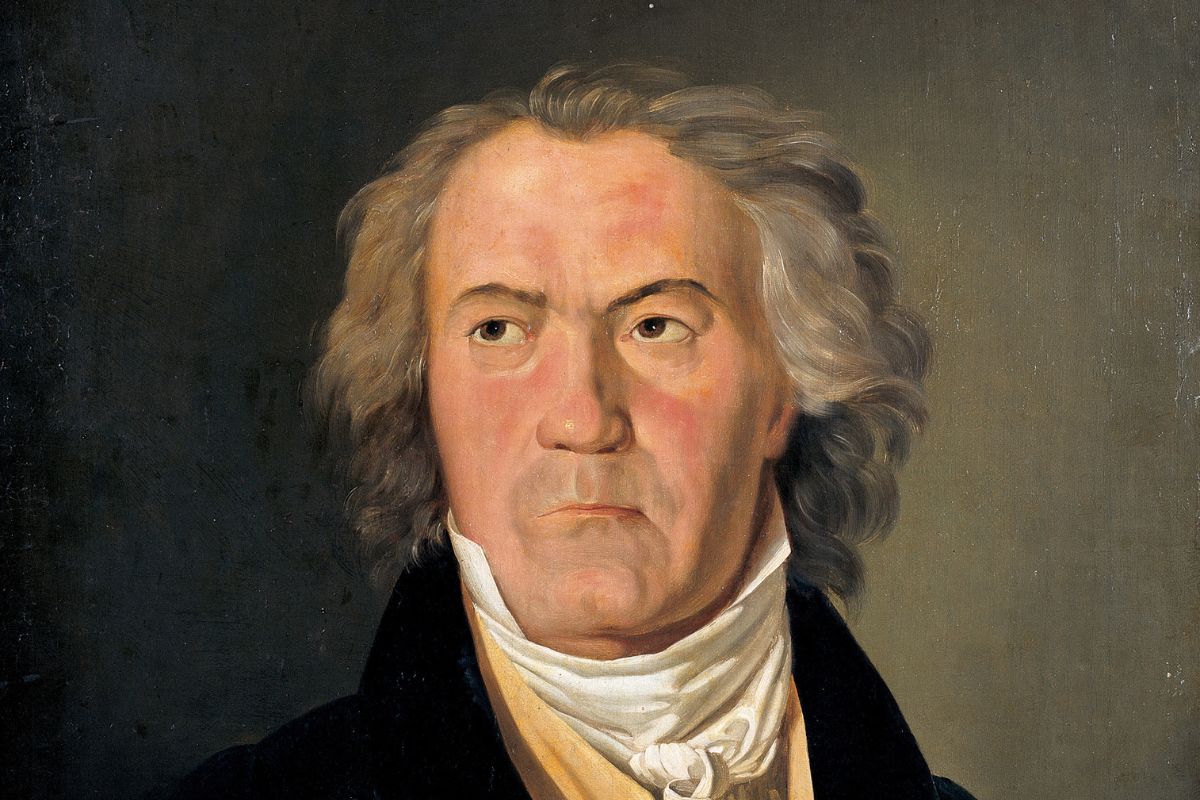
The symphonic game-changer which has both terrified and inspired composers ever since
Had audiences in 1824 heard anything more elemental than the opening bars of Beethoven's Ninth? And it was a stroke of genius to place the slow movement not second but third, enabling its climactic profundity – something Gustav Mahler learnt from. So the first three movements clinch the Ninth’s greatness – but then comes Schiller’s utopian Ode to Joy, set to a once-heard-never-forgotten tune that everyone wants as an anthem.
Thanks to that, the Ninth today still has a growing cultural significance. It casts a long shadow – had it never been written we would surely have far more symphonies to talk about. But would you give up Beethoven Nine for a chance to hear them? Of course not.
We recommend: Orchestra of the Age of Enlightenment/Charles Mackerras
The best symphonies of all time: And the winner is....
1. Beethoven Symphony No. 3 (1803)
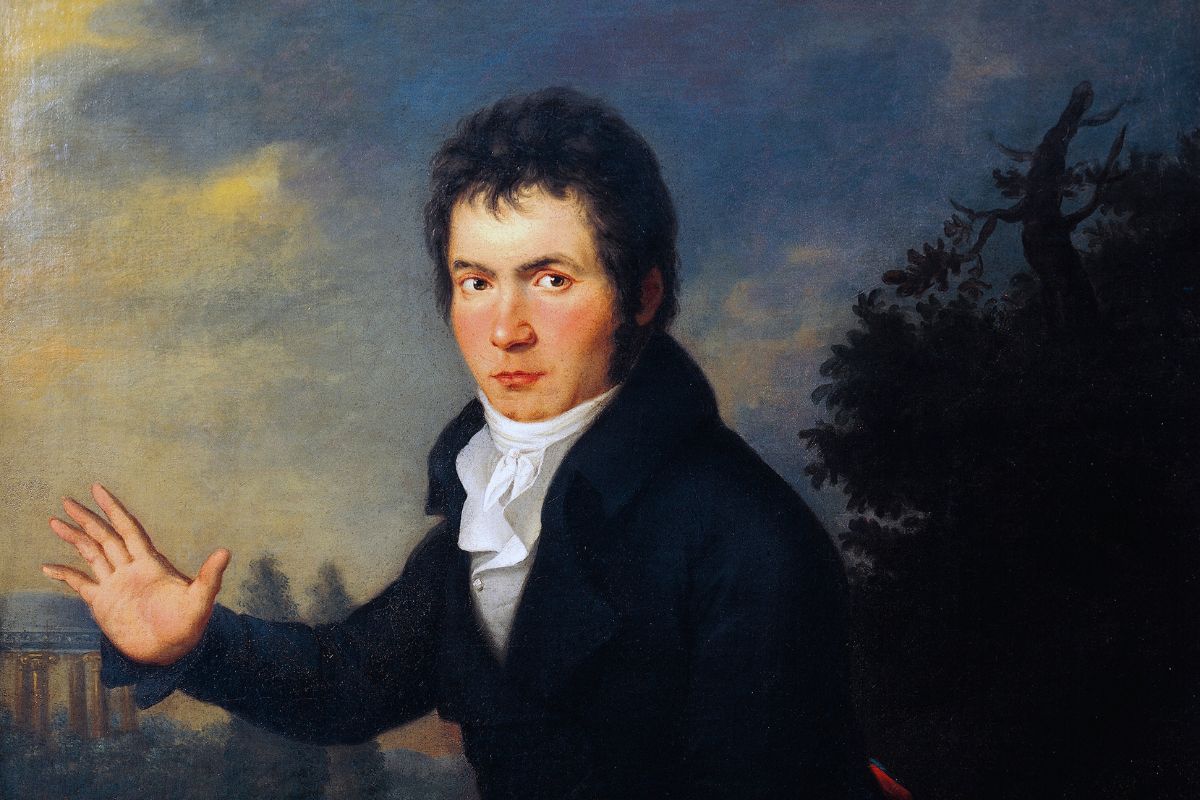
A trailblazing, mammoth masterpiece, glorifying the life of a great heroic figure
The best symphony of all time has to be the Eroica.
From those first two electrifying orchestral chords to the final victorious timpani flourishes it never puts a toe wrong. Architecturally, it’s stunning. The whole thing is wrought from the brilliantly simple notion of a not-quite-finished tune (first heard on the cellos) that continually strives for completion, and each time goes off in some fascinating new direction.
Music that stirs, challenges and delights, a sense of vibrant musical form which ensures coherence yet remains elastic enough to admit the most acute human drama – surely that’s enough? But the Eroica also outlines what Jung what call an ‘archetypal’ pattern. Many of the world’s great myths tell of a hero/heroine who strives, fails, dies and then miraculously returns.
There is, Jung would argue, a universal human truth contained in that story. Because Beethoven’s Eroica tells that story in music, not words, it presents that truth in its purest, most universal form. But you don’t have to know any of that to be thrilled by what Beethoven forged from it: by democratic consent, the greatest symphony ever composed.
We recommend: Chamber Orchestra of Europe/Nikolaus Harnoncourt
This article first appeared in the May 2016 issue of BBC Music Magazine.