

With orchestral music increasingly overlapping with film and concert traditions, Nathan Henninger writes music that feels at home in both worlds. Based between New York and the Azores, he creates work that is melodic, expressive and carefully crafted. His new album, Romanza, extends the approach first heard in his debut recording, Five Scenes for Orchestra (2025), placing lyricism, atmosphere and emotional immediacy at its core.
A contemporary voice
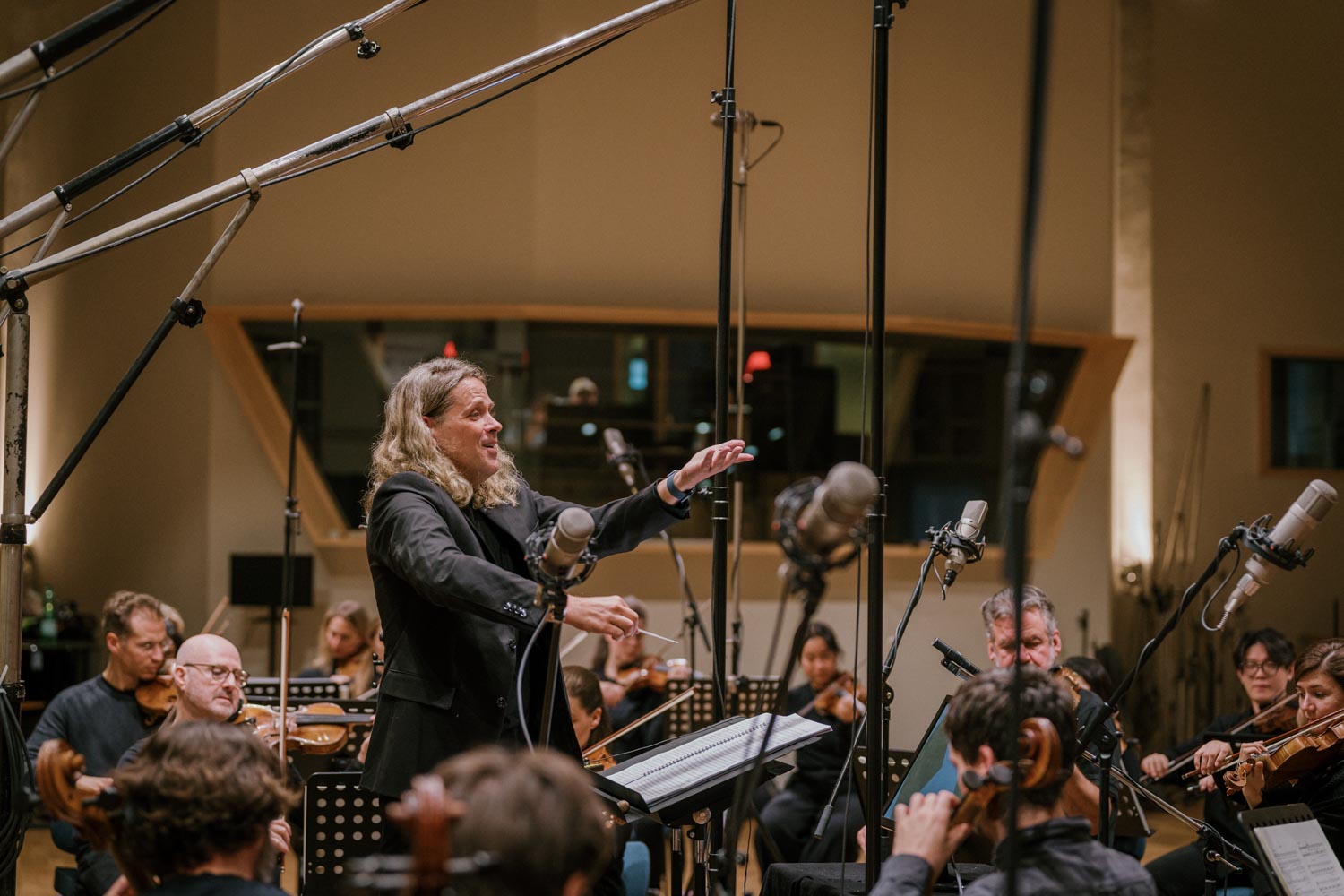
Central to Henninger’s music is the idea that contemporary orchestral writing can still speak directly and emotionally to modern listeners without sacrificing complexity or expressive depth. This idea shapes both Five Scenes for Orchestra and Romanza, informing his approach to melody, texture and large-scale musical structure.
From early influences to orchestral storytelling
Originally from Canada, Henninger studied piano from an early age and later trained at Pomona College and Juilliard, before graduating from the Film Scoring Academy of Europe.
He has been influenced by the sweeping lines of Mahler, the colour of Debussy and Puccini’s gift for melody, alongside the pacing and dramatic flow of film music. Rather than drawing directly on these influences, he lets them inform a style focused on mood and clear musical direction.
These qualities were already present in Five Scenes for Orchestra, recorded at Berlin’s Teldex Studio with the Scoring Berlin Orchestra. Bringing together musicians from ensembles including the Berliner Philharmoniker, the Deutsches Symphonie-Orchester and the Deutsche Oper Berlin, the recording introduced audiences to a narrative-driven orchestral style rooted in lyricism and atmosphere.
A continuous melodic journey
Romanza, recorded in Budapest with the Budapest Scoring Orchestra and pianist Marouan Benabdallah, takes the approach seen on Five Scenes a step further. Instead of dividing the music into separate movements, the work is conceived as a single, continuous tone poem. The piece unfolds over a 20-minute unbroken arc, exploring themes of connection, memory and the persistence of love.
A sense of continuity shapes Romanza – not only in the structure of the music, but in its emotional character. The piano plays a distinctive role throughout, sometimes coming to the foreground, sometimes blending into the orchestral texture, acting as an intimate voice within the larger sound.
Inside the creative process
Collaboration is a key part of Henninger’s working process. Both albums were created with world-class musicians and production teams chosen not only for their technical skill, but for their ability to engage with the music’s narrative.
For Henninger, recording is not separate from composition, but an extension of it. Careful attention is paid to balance, clarity and spatial depth, allowing details within the orchestration to be clearly heard. Romanza is available in high‑resolution stereo as well as Dolby Atmos, offering listeners a more immersive way to experience the music’s orchestral landscape.
This attention to sound detail reflects Henninger’s belief that modern orchestral music should communicate across many forms of listening, from concert halls and vinyl playback to headphones and immersive audio systems, without losing nuance, clarity or emotional presence.
A developing orchestral voice
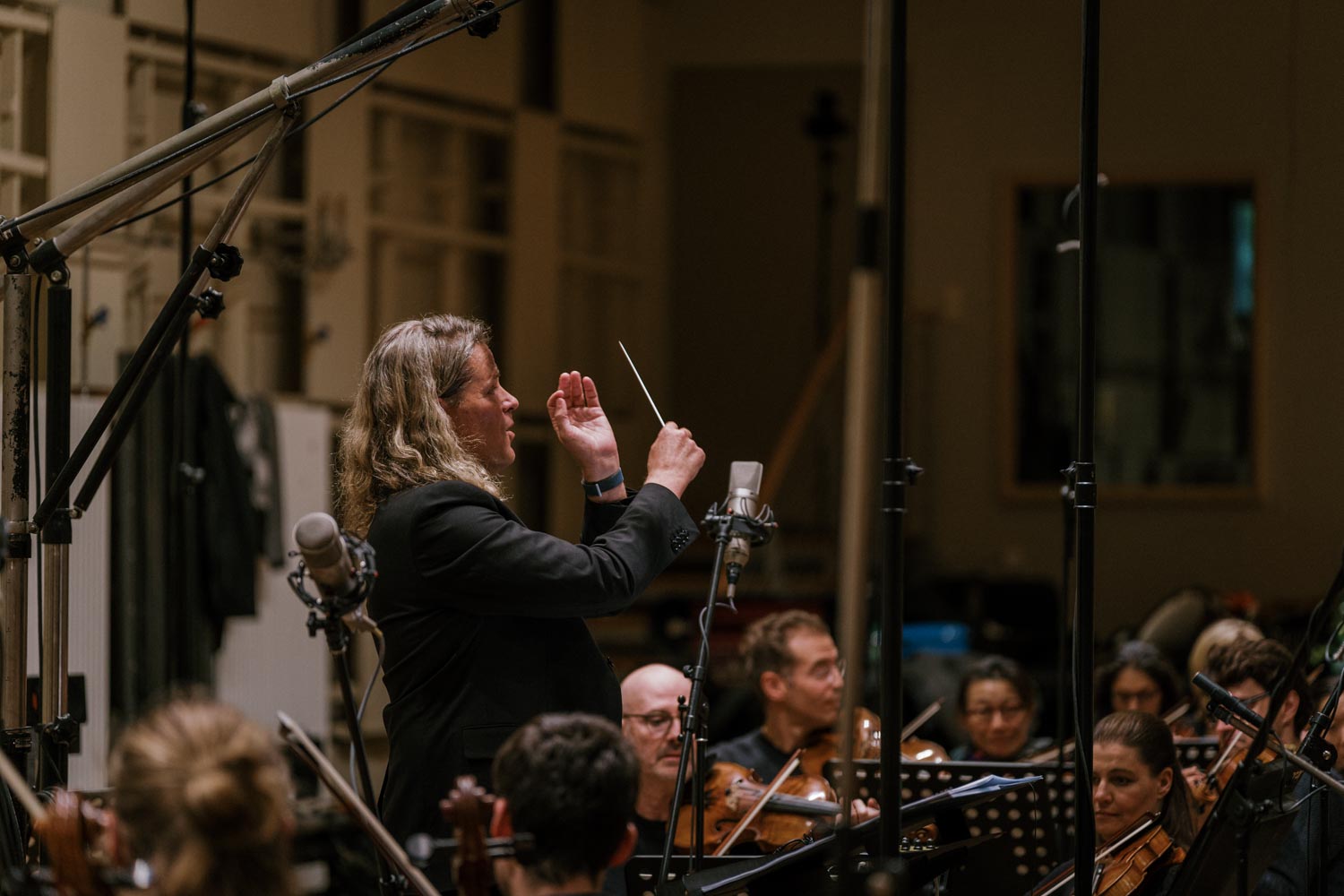
Taken together, Five Scenes for Orchestra and Romanza trace an evolving orchestral language, with the later work extending ideas first introduced in the earlier recording.
At a time when orchestral music is increasingly experienced across both traditional and digital spaces, Henninger’s work remains centred on melody, atmosphere and emotional communication.
Romanza is available now on CD and major streaming platforms, alongside Five Scenes for Orchestra. Both recordings are also available in immersive audio, with Five Scenes for Orchestra additionally released on vinyl.
Explore Romanza streaming and CD options
Five Scenes for Orchestra on vinyl
