

The minimalist beauty of Arvo Pärt’s Spiegel im Spiegel relies heavily on the delicacy of space, the ability to sustain each note and the warm resonance of the piano. This level of detail carries emotional weight for the listener yet is also vulnerable to external noise.
An audio system is constantly alive with activity. Unwanted noise, vibration and resonance can blur the fine detail that gives music its atmosphere and emotional depth.
There are several ‘bad actors’ that can disturb an audio signal, including EMI (electromagnetic interference) – unwanted electromagnetic energy generated by devices such as wi-fi routers, smartphones and household electronics. RFI (radio frequency interference) can also contaminate sensitive circuitry, while mechanical vibration travelling through chassis and circuit boards may introduce resonance that muddies musical detail. Power instability, often caused by electrical fluctuations, can further corrupt the signal path.
The result is subtle but significant with flattened dynamics, blurred instrument separation and a listening experience that feels less emotionally convincing.
How does this affect the listening experience?

Audio disturbance can subtly alter the way music is experienced, affecting everything from tonal clarity to spatial depth and dynamic precision.
Harmonic distortion
Poor circuit design or overloaded components can cause audio equipment to add frequencies that were not originally there. Too much harmonic distortion can make music sound muddied – a bit like a photograph that’s very slightly out of focus.
Intermodulation distortion
When the individual instruments in an orchestra sound blended, or there is a blurring effect between passages of music, it could be caused by overloaded amplifiers or inadequate power delivery creating intermodulation distortion. The effect can reduce musical clarity.
Jitter
Unique to digital audio, jitter takes place when digital information becomes unstable. Poor signal transmission or electromagnetic interference can be the cause, and the effect is music that has lost its rhythmic precision or sense of immediacy.
Mechanical resonance
Audio equipment naturally vibrates but a poorly controlled chassis resonance can amplify these movements and interfere with the signal path. The result may be smeared or softened detail, or bloated bass.
Contamination within an audio system can arise from many sources, including poor design, unstable power supplies and wireless interference. The challenge of reducing this invisible noise is ultimately one of engineering.
Using engineering to quieten the noise
When we think of high-end audio systems, we imagine how they amplify the listening experience. Rather, the focus should be on how sophisticated engineering can remove the interference listeners may not even realise is there.
Naim Audio is a British manufacturer of high-end hi-fi equipment founded in 1973. Its philosophy is built around the idea that unwanted interference should be minimised at the source through meticulous engineering decisions.
Its mission, says Naim, ‘is simple to state, and extraordinarily difficult to execute: get out of the way of the music. Every design decision Naim makes – every circuit layout, every power supply, every chassis material – exists to serve that goal.’
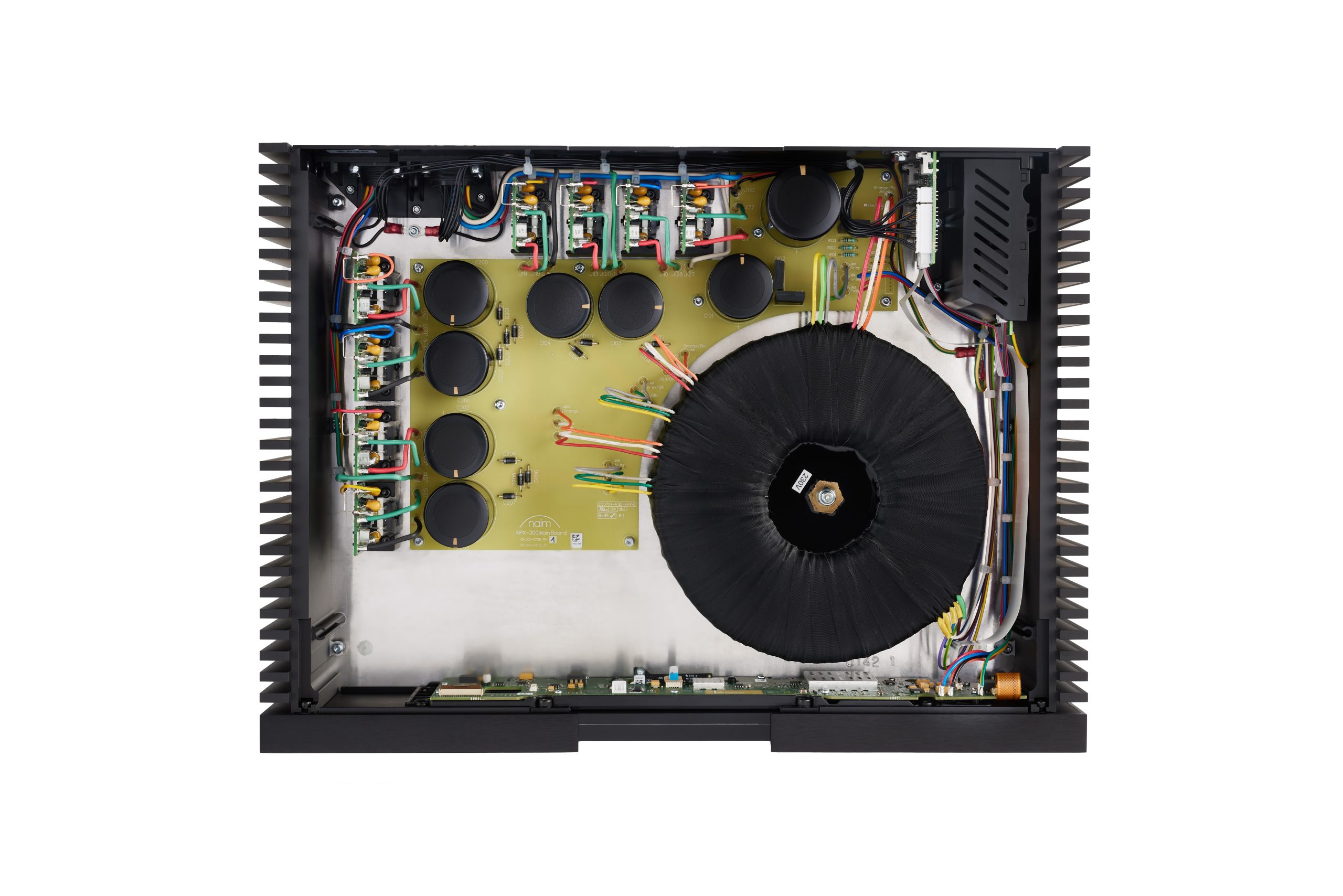
Power supply design is central to reducing interference within an audio system. Stable, carefully regulated power helps preserve signal integrity, while unstable or contaminated power can introduce distortion and unwanted noise into the signal path. Naim approaches this challenge by treating the power supply as a fundamental part of audio performance. Its systems use separate, purpose-built power supplies designed to isolate sensitive circuitry and minimise contamination.
‘An amplifier has more than one input, other than it’s “audio input”,’ explains Steve Sells, Naim’s technical director of electronics. ‘Radio Frequency (RF) from strong transmitters can demodulate and be heard, magnetic noise from internal power supplies can induce unwanted footprints of the supplied current, vibrations can distort components that behave like miniature low efficiency microphones and thermal noise can also influence the sound.’
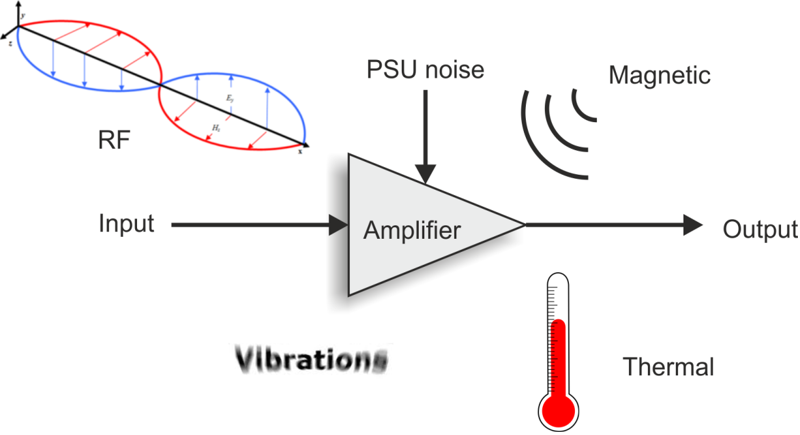
‘There is the connection carrying the music,’ Steve continues ‘but its power supply and surroundings can also influence the signal. We design the power supply and circuitry together to minimise those unwanted influences. Once interference has become part of the music signal, we cannot simply separate it out again.’
Mechanical vibration presents another challenge. Poorly controlled resonance within a chassis can interfere with delicate circuitry and blur musical detail. Through careful enclosure design and vibration isolation, Naim aims to reduce resonance and protect the integrity of the signal path.
Its components are hand-built by specialist engineers, with chassis materials and structural design chosen to minimise vibration and preserve clarity.
‘Vibration is another way the outside world can influence an audio circuit,’ says Steve. ‘That makes the mechanical design part of the audio design: how we support the circuit boards, mount components and control resonance all matters. The aim is to minimise the effect of vibration on the signal, preserving the small musical details that make a performance expressive.’
For the love of music
Whether you listen to music on vinyl, CD, download or via a streaming service, what matters most is that you are hearing it as intended. Every note has clarity. Each instrument occupies its own space and the timing of a complex piece of jazz, classical or rock music is true to the artist’s design. It is, after all, the nuance of music that makes it truly intimate.
Recordings you think you know can reveal something entirely new when heard through a hi-fi system engineered to reduce interference and preserve detail, ensuring there’s silence and clarity behind each note, chorus or crescendo.
To discover more about Naim Audio and the engineering behind the design visit naimaudio.com
