ADVERTISEMENT FEATURE

A new era at America’s first conservatory
Rigorous training, expanded access and new creative pathways are shaping the next chapter of conservatory education
For centuries, conservatories have primarily focused on classical rigour as a key pillar for training performers. Today, however, artists are facing a far different landscape shaped around new technology, collaboration and musical genres. How does a conservatory rooted in tradition meaningfully move towards a changing artistic landscape?
Founded in 1857, the Peabody Conservatory of the Johns Hopkins University is based in Baltimore and was the first conservatory in the United States. Over generations, it has built a reputation for rigorous training across music, dance and other disciplines. While its foundations are rooted in conservatory tradition, Peabody is evolving its educational pathways and access for today's performing and recording artists.
Investing directly in talent
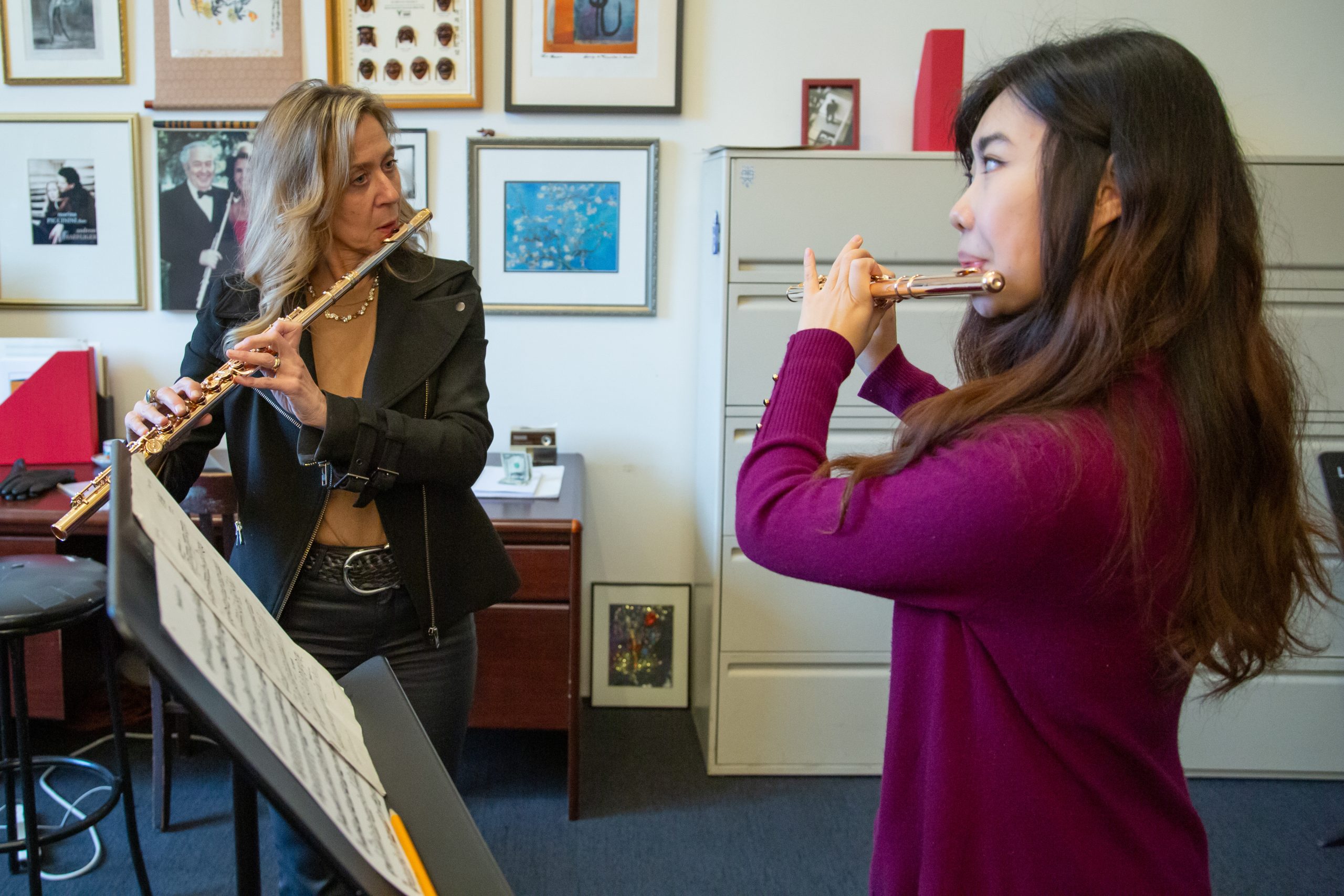
In 2024, Peabody Conservatory began meeting 100 percent of demonstrated financial need for eligible domestic undergraduate students, reducing financial barriers for aspiring young artists. That commitment to making a Peabody education more accessible extends across degree levels, with full-tuition scholarships for all admitted Doctor of Musical Arts students during their two-year full-time residency. In addition, all domestic students, undergraduate and graduate, are considered for Peabody Merit Scholarships when they apply for admission.
Peabody's core philosophy centers not only on nurturing young artists’ creative expertise, but also on empowering them to pursue their own professional pathways and explore new forms of artistic expression. The breadth of courses on offer supports this ethos, ranging from first-of-their-kind hip-hop programmes led by award-winning producers to videogame soundtracks, and from professional skills like portfolio management to copyright law.
Expanding artistic pathways

As the musical world evolves rapidly, so too does Peabody in its efforts to give its students grounding in new disciplines, formats and artistic pathways. It does so through a broadening foundation in rigorous conservatory training across disciplines: tradition and innovation go hand in hand.
The Bachelor of Music in Hip Hop is a first-of-its-kind programme led by award-winning producer Wendel Patrick, which combines traditional one-on-one conservatory studio lessons with a keen focus on cultural history and hip hop's sociopolitical roots.
With a long and rich history, Peabody Jazz emphasises experiential learning, augmented with real-world opportunities and a curriculum that crosses artistic boundaries. Over the years, Peabody Jazz has also welcomed leading artists including drummer and composer Terri Lyne Carrington and acclaimed bassist John Patitucci.
Students enjoy hands-on tutorship with electronic music composition, exploring music for new media, such as virtual reality, film and television scores. Peabody also intertwines music technology with science, granting students audio production opportunities.
And for those interested in business and leadership, the Peabody 4+1 accelerated programme allows undergraduates to earn both a bachelor's and master's degree in approximately five years. This flexibility further extends to working professionals. Peabody’s HyFlex (Hybrid-Flexible) format for its Master of Music Education programme grants part-time and mature students increased flexibility to earn their degree through in-person or online study.
Wider university benefits
Bolstering Peabody’s combination of tradition and innovation is its connection with Johns Hopkins University. As a division of Johns Hopkins University, students can complement conservatory training with entrepreneurship opportunities through the Pava Center, developing real-world experience outside their academic curriculum.
Students can also broaden their academic experience across Johns Hopkins University through minors, interdisciplinary coursework and cross-divisional degree pathways. The Peabody/JHU Double Degree Program allows students to combine conservatory training with a second undergraduate degree from the Krieger School of Arts and Sciences or Whiting School of Engineering, while a new accelerated pathway with the Carey Business School allows qualified Peabody undergraduates to pair their artistic practice with graduate study in business.
These wider benefits extend beyond study. Alongside university-wide student health and well-being resources, Peabody continues to invest in spaces that benefit creativity and community. The new Peabody Residential Commons, contemporary apartment-style student housing, is part of a broader campus investment to support students, faculty and the surrounding community.
Embed yourself within art
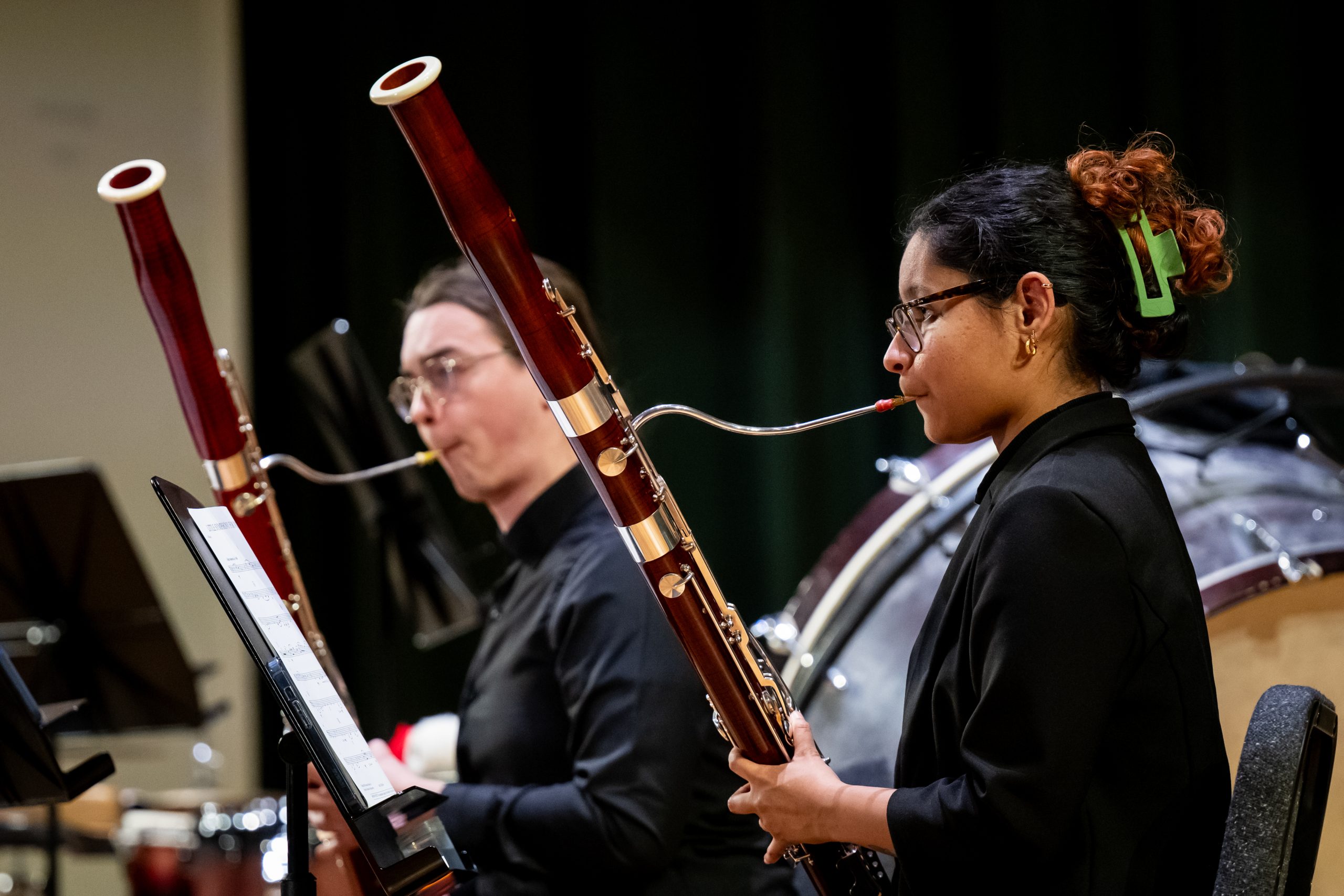
Peabody's Baltimore location encourages students to engage with the city’s rich cultural and artistic communities. One such example is Peabody LAUNCHPad, which provides support for students and recent alumni to pursue their ambitions and gain paid, mentored and volunteer opportunities in the arts.
Partnering with Johns Hopkins Hospital provides avenues to explore music and movement to facilitate healing. Students have the opportunity to perform in hospital spaces and to spread wellness and joy, to examine how music and dance impact cognitive function and gain access to health services that prioritise injury prevention in the performing arts.
Baltimore itself is also a vibrant, energetic college town home to a Baltimore College Network connecting students with internships, Industry Day networking events and opportunities to explore classes – everything from biometrics to dance – at other colleges if your campus doesn't offer them.
Discover your future
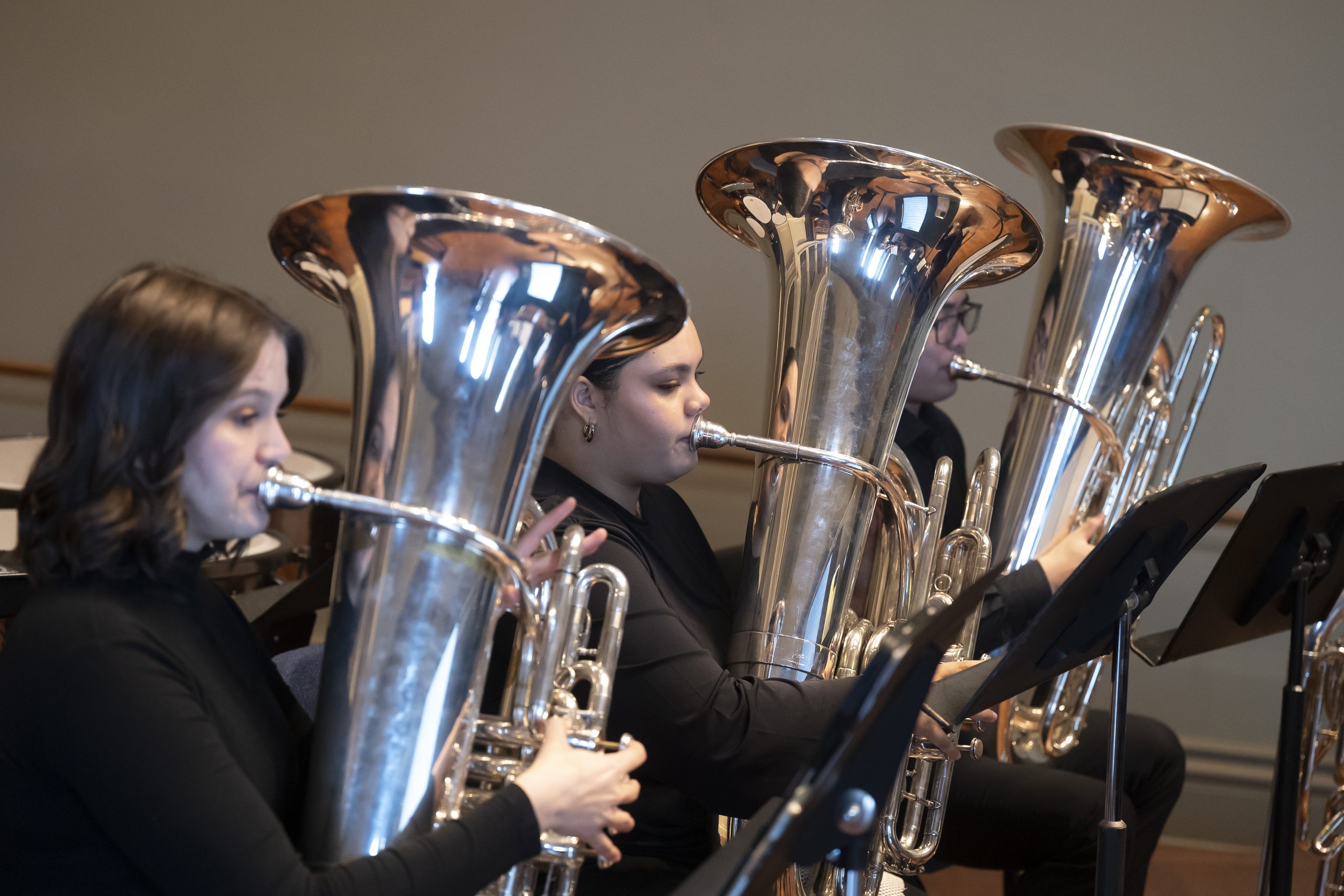
Peabody shows how conservatory traditions can evolve to serve artists in a changing world. By combining artistic rigour, expanded access and new pathways for creative growth, the conservatory is redefining what education looks like today.
If you are interested in applying, please note the Regular Decision application deadline for fall 2027 enrollment is December 1, 2026.
