Gabriel Fauré (1845–1924) occupies a unique place in French music.
A contemporary of Saint-Saëns and a profound influence on younger composers such as Ravel, he largely avoided the grand gestures and overt drama that characterised much late Romantic music. Instead, Fauré cultivated an art of subtlety: melodies that seem to float effortlessly, harmonies that shift with exquisite delicacy, and an emotional world of tenderness, melancholy and quiet radiance.
His music is instantly recognisable for its elegance and restraint. Even in his most passionate moments there is a sense of poise and balance, while his later works explore ever more adventurous harmonies without sacrificing their luminous beauty. Whether writing songs, chamber music, orchestral works or sacred music, Fauré created music that speaks intimately to the listener – music of refinement, grace and profound humanity.
1. Requiem
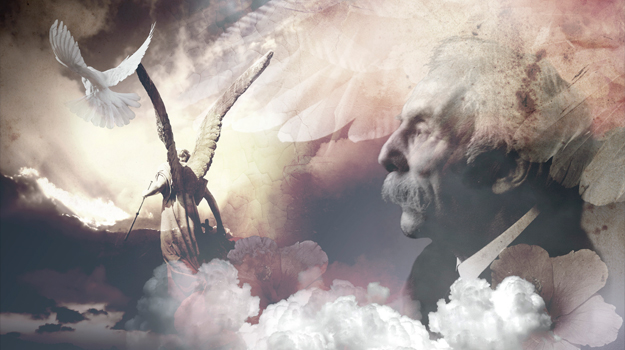
A gentle work, written as Fauré said for the living rather than the dead, there is only passing reference to the ‘Dies irae’ and the final impression is left by the serene ‘In paradisum’.
Recommended recording:
Agnès Mellon, Peter Kooy; La Chapelle Royale; Ensemble Musique Oblique/Philippe Herreweghe
Harmonia Mundi HMG 501292
2. Pelléas et Mélisande
Written for an English production of Maeterlinck’s play, the charm and gentle melancholy of Fauré’s music reveals an affinity with Elgar at his most intimate.
Recommended recording: Ulster Orchestra/Tortelier Chandos CHAN 8952
3. Masques et Bergamasque
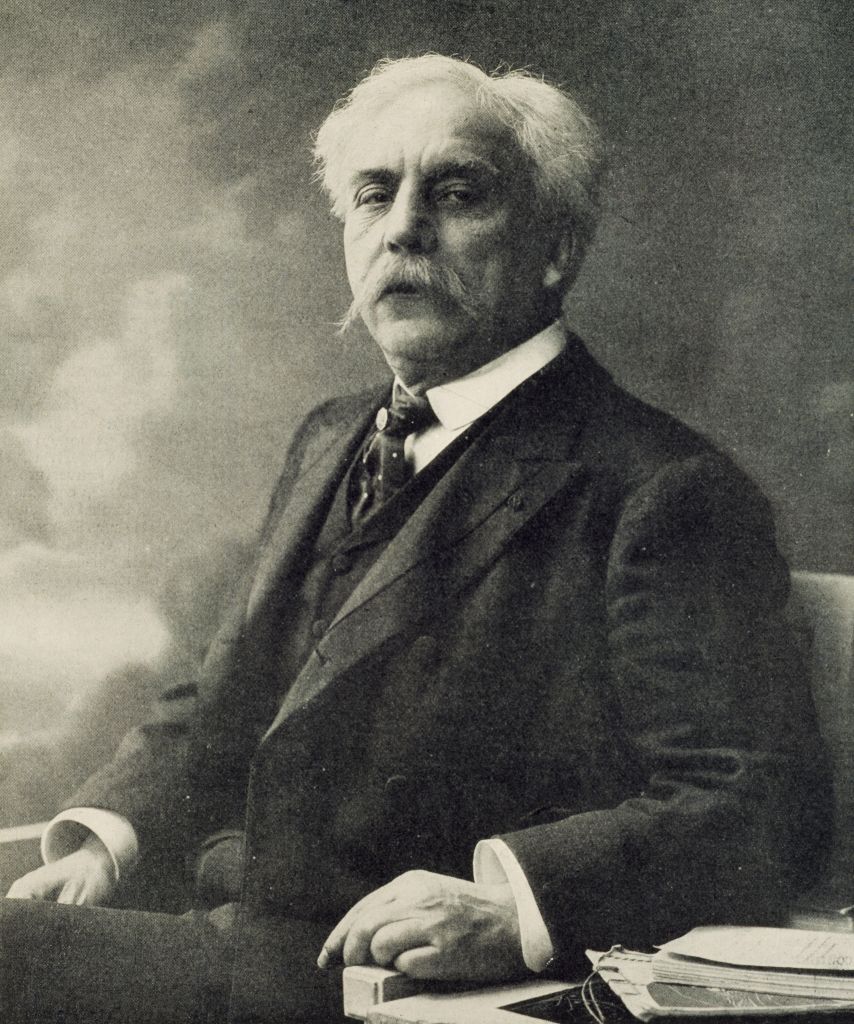
Bright and neo-classical in style, much of this music was compiled in 1918 from early works, such as the ‘Ouverture’ composed 50 years earlier, which the final ‘Pastorale’ wistfully recalls.
Recommended recording: BBC Philharmonic/Tortelier Chandos CHAN 9416
4. Mélodies
Fauré was arguably France’s greatest songwriter at the turn of the 20th century, evident in the luscious beauty of ‘Les roses d’Ispahan’ or the joy and apprehension in the cycle La Bonne Chanson.
Recommended recording: Elly Ameling, Gérard Souzay; Dalton Baldwin (piano) Brilliant Classics 92792
5. Piano Quartet No. 1
The First Piano Quartet is one of his most readily accessible works, charming and gently melancholic music off-set by a sparkling scherzo.
Recommended recording: Domus Hyperion CDA 66166
6. Nocturnes
Among Fauré’s greatest achievements are his thirteen Nocturnes for solo piano, written across almost his entire creative life. Beginning in the lyrical, Chopin-inspired style of his youth and ending in the elusive, harmonically adventurous language of his old age, they form a remarkable musical autobiography. The Sixth Nocturne is perhaps the most immediately captivating, while the later works possess an enigmatic beauty unlike anything else in French music.
Recommended recording: Jean-Philippe Collard EMI 50999 2 16210 2 5
Pics Getty Images