
Jazz has a reputation for being a little mysterious – a vast, century‑long conversation full of genius, invention and improvisation.
But the truth is simpler: jazz is just music that rewards curiosity. You don’t need theory, you don’t need history, and you definitely don’t need to “get” everything on first listen. You just need the right doorway in.
That’s what this list is for. These 13 albums aren’t the “best” or the “most important” – though many of them are both – but they are the most welcoming. They’re records that open up the world of jazz rather than gatekeeping it: albums with strong melodies, irresistible grooves, unforgettable voices and moods you can fall into instantly. They show jazz in its many shapes – cool, fiery, romantic, spiritual, playful, intimate – without ever overwhelming newcomers.
Think of this as a guided tour. Miles Davis will ease you in with spacious calm; Coltrane will show you the power of a great solo; Ella and Louis will remind you that jazz can be pure joy; Mingus will shake you awake; Bill Evans will slow your heartbeat; Monk will make you smile at his beautiful oddness. Every album here is a different doorway, and you only need one of them to swing open.
So if you’ve ever thought, “I’d love to get into jazz, but I don’t know where to start,” start here.
Essential jazz albums
1. Miles Davis Kind of Blue (1959)
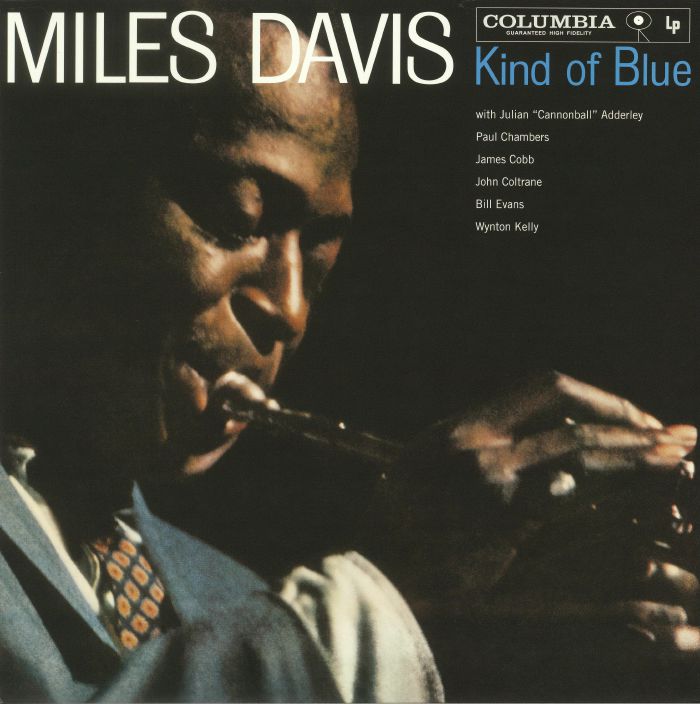
In a nutshell: The most inviting, spacious and beautiful jazz album ever recorded.
If you’re new to jazz, Kind of Blue is the perfect doorway – not because it’s “important” (though it is), but because it simply feels good from the first note. Davis and his band strip away complexity and let melody and mood do the work, creating a calm, floating atmosphere that pulls listeners in without demanding any prior knowledge.
Kind of Blue an album you can sink into immediately, yet it rewards deeper listening for years. Its clarity, warmth and unhurried confidence make it the ultimate beginner’s companion.
Start here: 'So What'
2. John Coltrane Blue Train (1957)
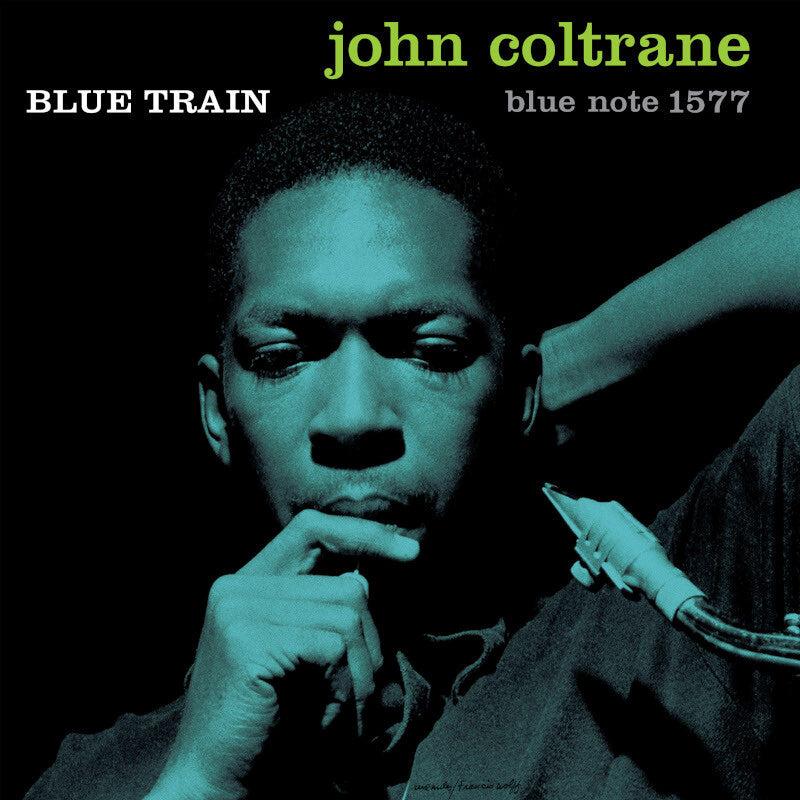
In a nutshell: Hard‑bop with unstoppable momentum and a heroic, unmistakable saxophone voice.
Blue Train shows Coltrane at the moment he became Coltrane – powerful, searching, and full of fire. The tunes are bluesy and accessible, the grooves are strong, and the solos have a sense of purpose that even newcomers can feel.
It’s a perfect introduction to the hard‑bop sound: muscular but melodic, energetic but not overwhelming. You hear a band pushing forward together, and Coltrane leading with a tone that seems to glow. It’s jazz that feels alive, confident and instantly gripping.
Start here: 'Blue Train'
3. Dave Brubeck Quartet Time Out (1959)
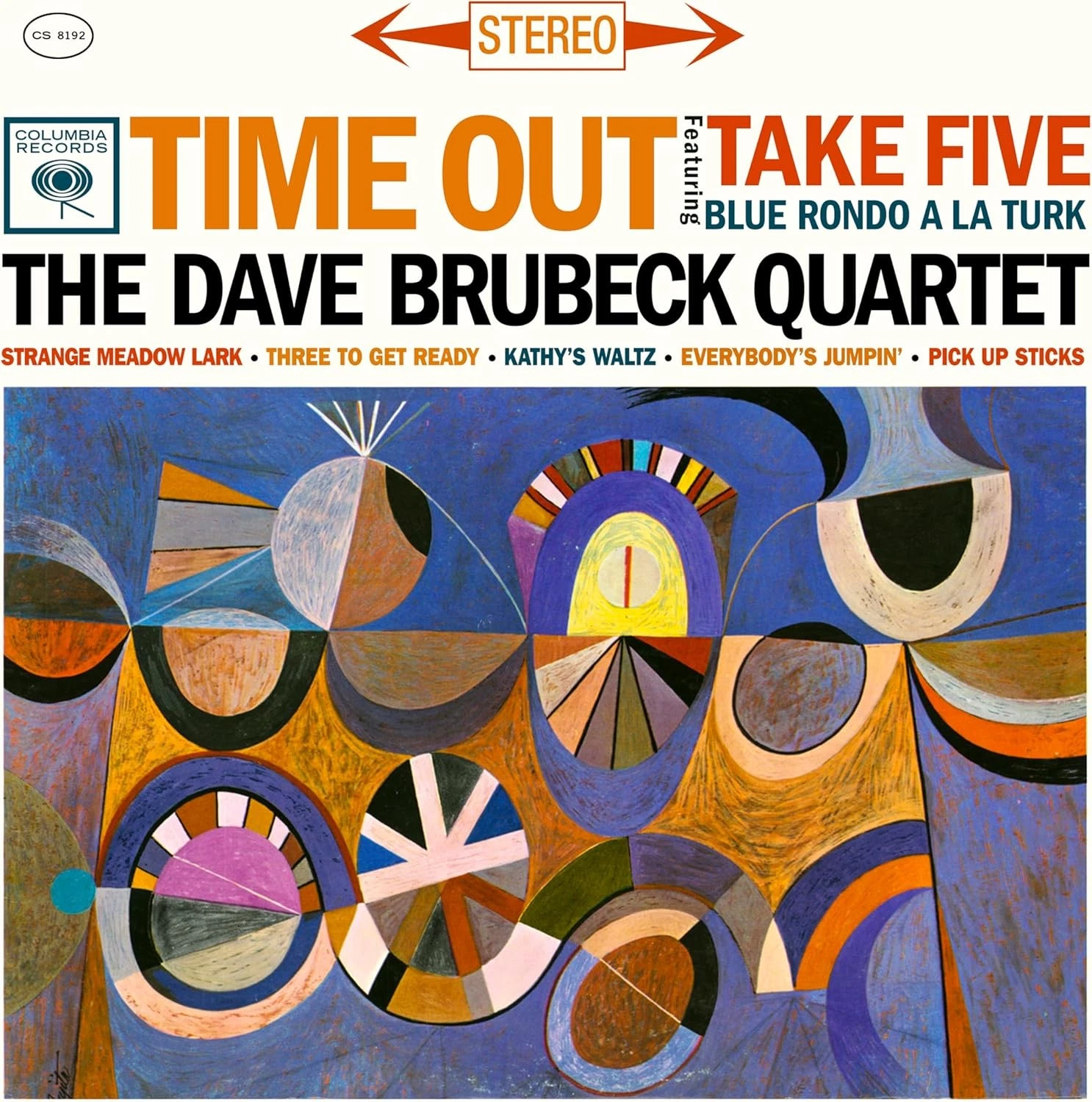
In a nutshell: Playful rhythmic experiments wrapped in tunes you can hum immediately.
Time Out is the friendliest kind of clever. Brubeck and his quartet explore unusual time signatures – 5/4, 9/8 – but they do it with such charm and melodic sweetness that listeners barely notice the maths. The album has a breezy, West Coast feel, and Paul Desmond’s silky alto saxophone gives everything a cool, relaxed glow.
A brilliant way to show newcomers that jazz can be both inventive and instantly enjoyable, offering sophistication without ever sacrificing pleasure.
Start here: 'Take Five'
4. Ella Fitzgerald & Louis Armstrong Ella and Louis (1956)
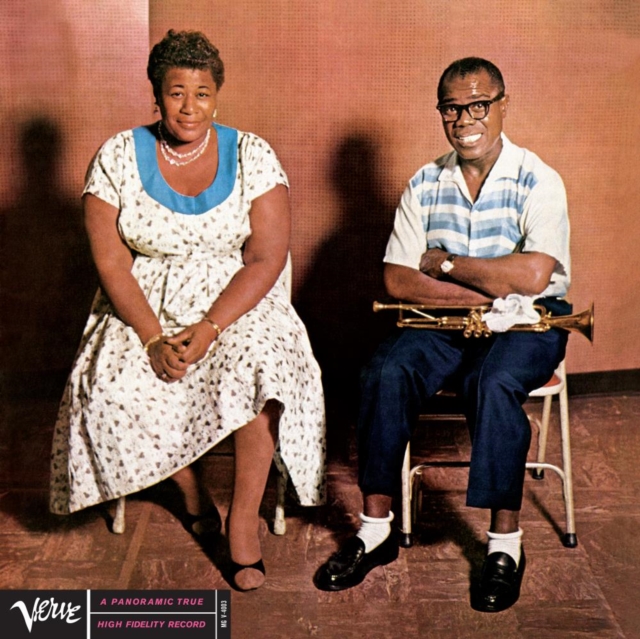
In a nutshell: Two iconic voices trading warmth, humour and effortless musical chemistry.
Few albums radiate joy like Ella and Louis. Their contrasting voices – Ella’s pure, bell‑like clarity and Louis’s gravelly charm – create a conversation that feels intimate and human. The backing trio, led by Oscar Peterson, keeps things light and swinging, letting the vocals shine.
Ella and Louis is an ideal gateway into vocal jazz because it’s so emotionally direct: no complexity, no barriers, just two legends having fun and inviting you in. Even jazz‑shy readers will be won over within seconds.
Start here: 'Cheek to Cheek'
5. Charles Mingus Mingus Ah Um (1959)
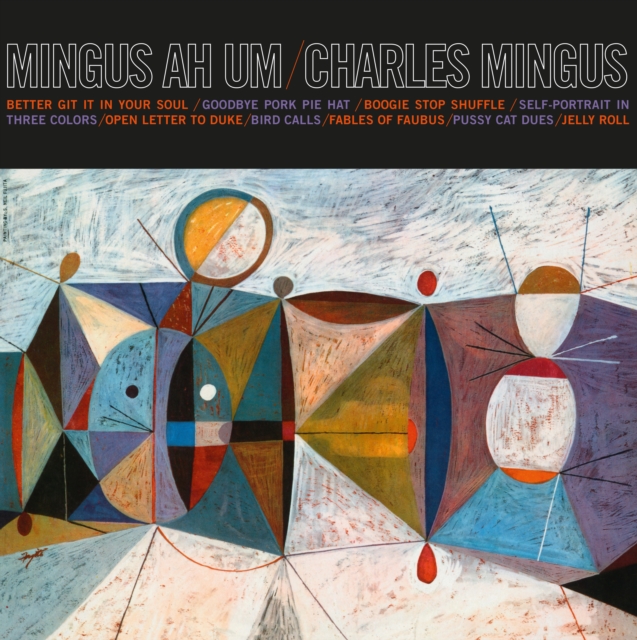
In a nutshell: Bluesy, brash, emotional jazz that feels like a living, breathing argument.
Mingus was a force of nature, and Ah Um captures his music at its most vivid and accessible. The album blends gospel, blues, swing and modern jazz into something raw and theatrical. Every track feels like a story – sometimes joyful, sometimes furious – and the band plays with a collective intensity that’s impossible to ignore.
For newcomers, it’s a thrilling introduction to jazz’s emotional range: this music laughs, shouts, mourns and celebrates, often within the same tune.
Start here: 'Better Git It in Your Soul'
6. Herbie Hancock Maiden Voyage (1965)
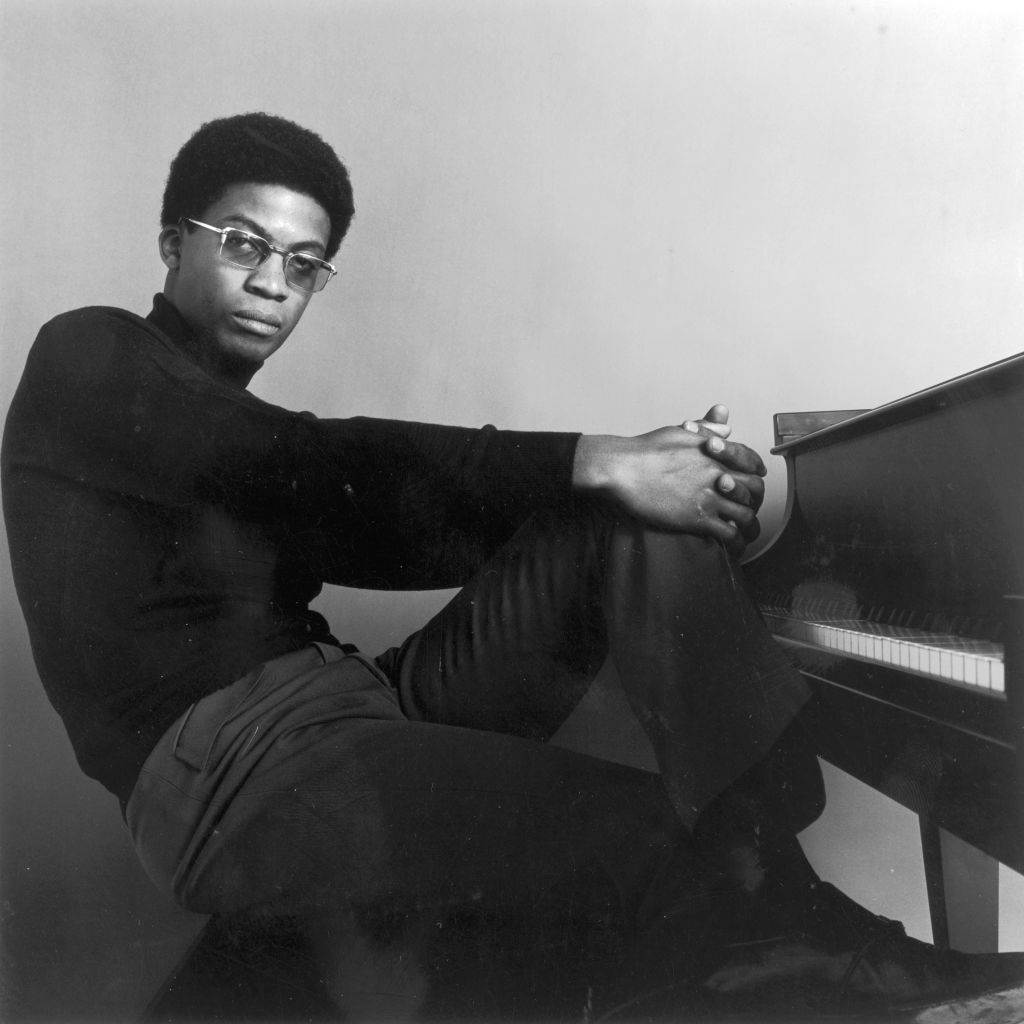
In a nutshell: Dreamy, oceanic post‑bop that’s adventurous yet beautifully serene.
Maiden Voyage is modern jazz at its most inviting. Hancock builds each piece around a gentle, floating atmosphere – you can almost feel the sea breeze in the harmonies. The music is sophisticated but never intimidating, and the band (including Freddie Hubbard and Tony Williams) plays with a quiet, exploratory confidence.
It’s a perfect bridge for readers who want something more contemporary than the 1950s classics but still melodic and approachable. The album rewards curiosity without ever overwhelming beginners.
Start here: 'Maiden Voyage'
7. Art Blakey & The Jazz Messengers Moanin’ (1958)
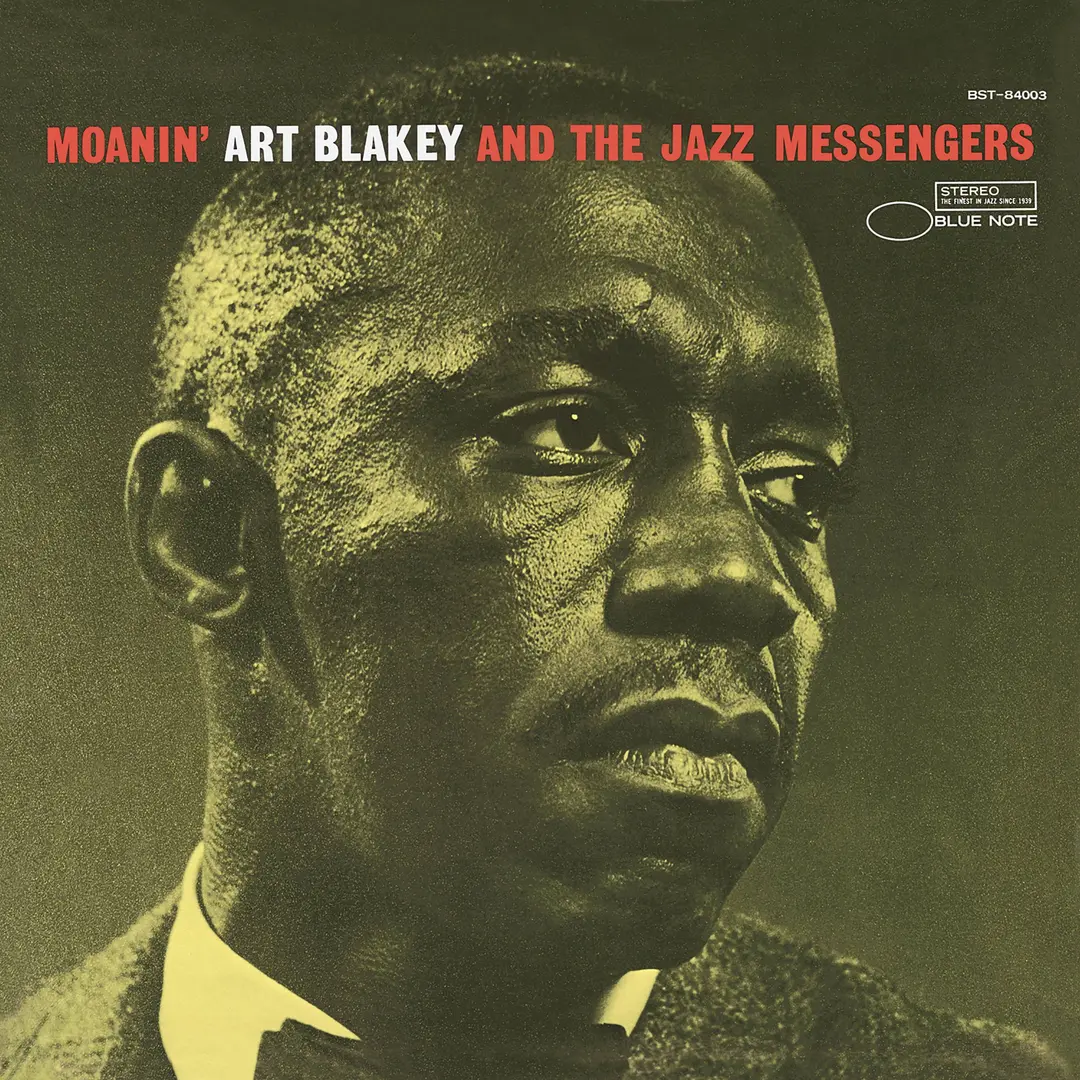
In a nutshell: Hard‑bop at its most swaggering, soulful and instantly addictive.
Blakey’s Jazz Messengers specialised in music that swung hard and felt great, and Moanin’ is their defining statement. The title track’s call‑and‑response riff is one of jazz’s great earworms, and the whole album has a churchy, blues‑soaked energy that grabs listeners immediately.
Blakey’s drumming drives everything forward with muscular authority, while Lee Morgan and Benny Golson deliver solos full of personality. It’s a brilliant entry point for anyone who wants jazz that’s bold, rhythmic and full of attitude.
Start here: 'Moanin’'
8. Bill Evans Trio Sunday at the Village Vanguard (1961)
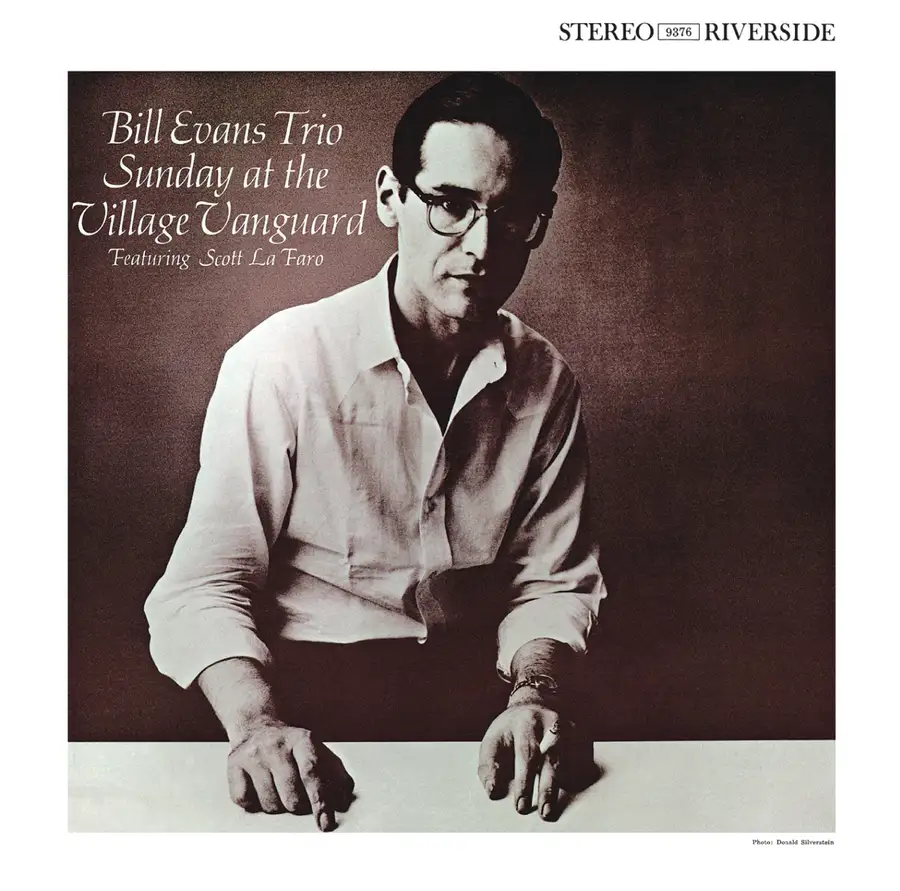
In a nutshell: Intimate, conversational trio jazz that rewards deep, attentive listening.
Recorded live in a New York club, this album captures the Bill Evans Trio at the height of its telepathic interplay. Evans, bassist Scott LaFaro and drummer Paul Motian weave around each other with extraordinary sensitivity, creating music that feels like a quiet, profound conversation.
It’s subtle, delicate and deeply emotional – a perfect introduction to the piano‑trio tradition. For newcomers, it shows that jazz isn’t always about big gestures; sometimes the magic is in the spaces between the notes.
Start here: 'Gloria’s Step'
9. Stan Getz & João Gilberto Getz/Gilberto (1964)
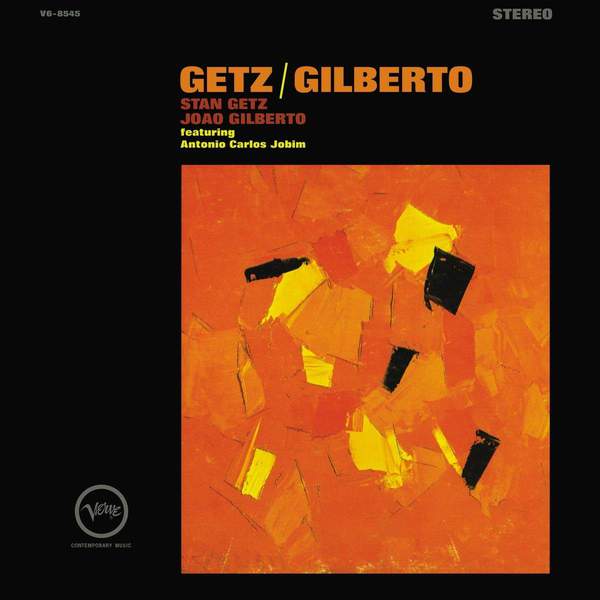
In a nutshell: Breezy, romantic bossa nova that feels like sunlight in musical form.
Getz/Gilberto is one of the most effortlessly beautiful albums ever made. João Gilberto’s whisper‑soft guitar and vocals, Astrud Gilberto’s iconic guest appearance, and Stan Getz’s velvety saxophone combine to create a sound that’s warm, relaxed and irresistibly melodic.
For anyone who might be wary of jazz’s complexity – this is music that simply washes over you. The album’s gentle rhythms and intimate mood make it a perennial favourite for newcomers.
Start here: 'The Girl from Ipanema'
10. Thelonious Monk Monk’s Dream (1963)
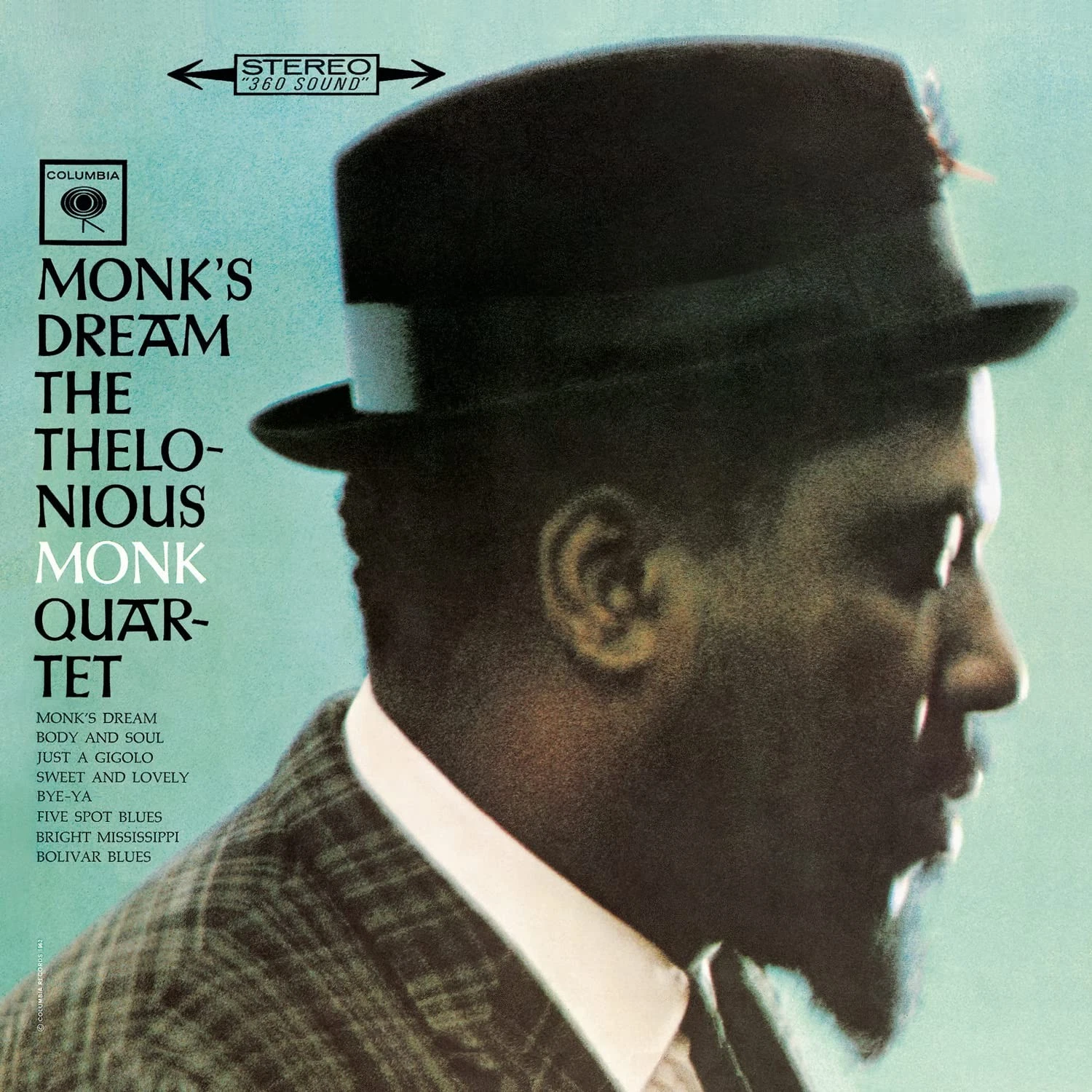
Monk’s music can be quirky and unpredictable, but Monk’s Dream is one of his most approachable albums. His off‑kilter melodies, playful pauses and percussive piano style are all here, but wrapped in tunes that swing with easy charm.
The quartet gives Monk plenty of space to be himself, and the result is a perfect introduction to his singular world. For beginners, it’s a great way to discover that jazz can be funny, strange and joyful – sometimes all at once.
Start here: 'Bye‑Ya'
11. Cannonball Adderley Somethin’ Else (1958)
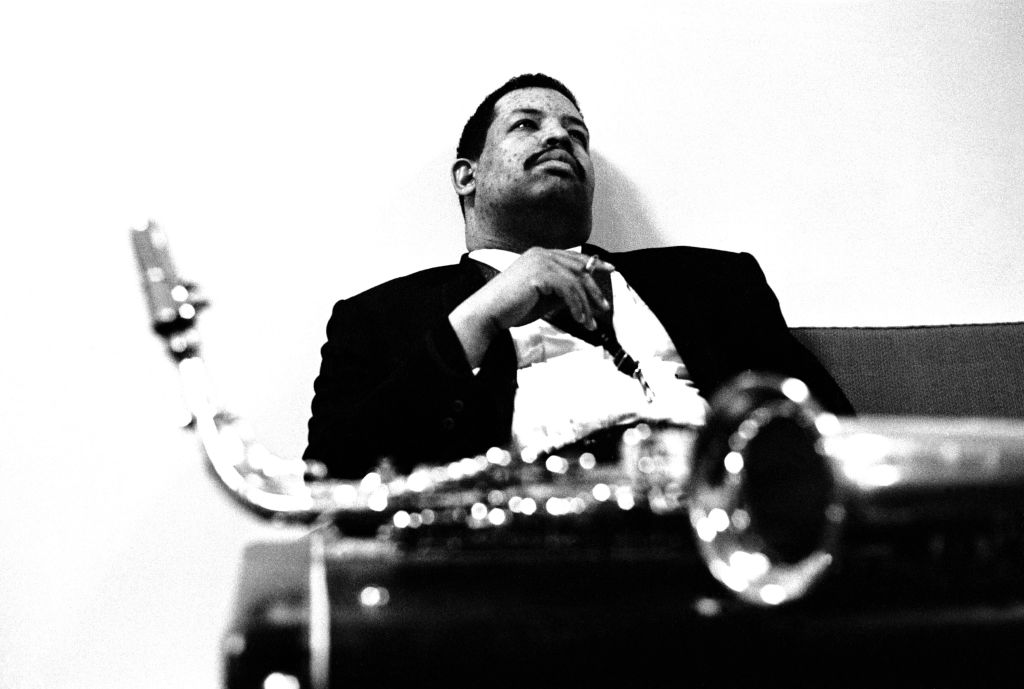
In a nutshell: Soulful, swinging jazz that feels warm, welcoming and effortlessly cool.
Somethin’ Else is one of the great “this is what jazz feels like” albums. Cannonball’s alto saxophone is full of bluesy warmth, and Miles Davis (guesting on trumpet) plays with exquisite restraint.
The tunes are simple, elegant and beautifully recorded, making the whole album feel like a masterclass in mood. It’s an ideal gateway for readers who want jazz that’s expressive but not demanding – music that invites you in and keeps you there with its easy, glowing charm.
Start here: 'Autumn Leaves'
12. Nina Simone I Put a Spell on You (1965)
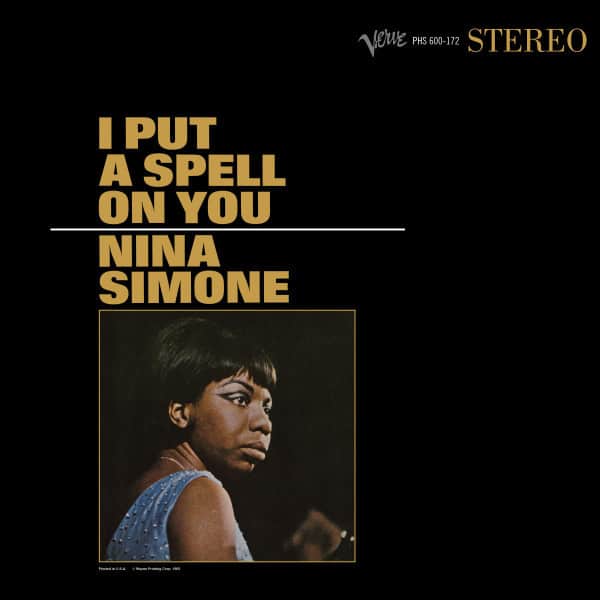
In a nutshell: Jazz, soul and classical influences fused into raw emotional power.
Nina Simone defies genre boundaries, and this album shows her at her most commanding. Her voice carries extraordinary emotional weight – tender one moment, fierce the next – and the arrangements give her room to explore every corner of a song.
Simone’s storytelling is so direct and compelling that I Put a Spell on You is a superb gateway for readers who come from soul, pop or singer‑songwriter traditions. The album demonstrates how jazz can be dramatic, personal and politically charged without losing musical elegance.
Start here: 'I Put a Spell on You'
13. Herbie Hancock Head Hunters (1973)
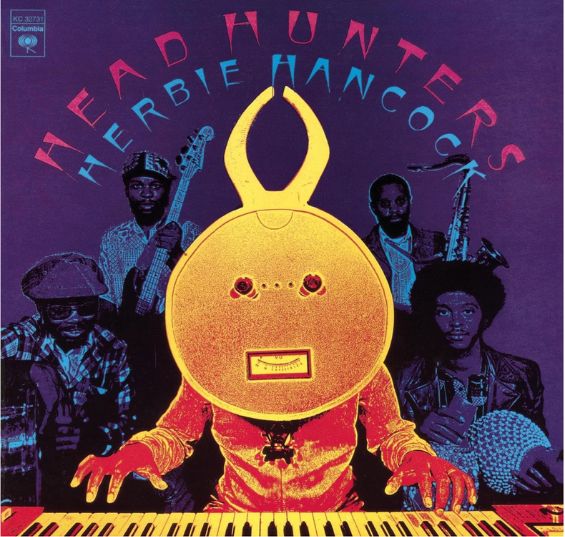
In a nutshell: Funky, futuristic jazz that proves improvisation can groove as hard as anything.
If the word 'jazz' makes you imagine smoky clubs and complicated solos, Head Hunters is the record to blow that image apart. Herbie Hancock takes the exploratory spirit of jazz and plugs it into funk, creating an album driven by irresistible basslines, synthesizers, percussion and grooves that seem almost impossible to sit still to.
'Chameleon' is the obvious starting point: its hypnotic bass-and-keyboard groove gradually opens out into Hancock’s playful improvisation, showing that jazz experimentation doesn't have to mean abandoning melody or rhythm.
Head Hunters is also a brilliant bridge to the wider world of fusion, funk and jazz-influenced popular music. For newcomers, it delivers one of the most important lessons jazz can teach: this music can be cerebral, adventurous and enormous fun at the same time.
Start here: ‘Chameleon’
The best thing about jazz is that it keeps expanding. Once you’ve lived with these albums for a while, you’ll start to notice what pulls you in – maybe it’s the smoky intimacy of a piano trio, the swagger of hard‑bop horns, the breezy lift of bossa nova, or the emotional force of a great vocalist. Follow that thread and you’ll find whole new worlds waiting.
But don’t rush it. Jazz isn’t a checklist; it’s a relationship. These 13 albums are enough to keep you company for months, maybe years, revealing new details every time you return. And when you’re ready to go deeper, the map of jazz opens out in every direction – spiritual jazz, fusion, avant‑garde, big band, modern innovators, forgotten gems.
For now, though, you’ve got 13 perfect starting points. Put one on, let it breathe, and see where it takes you.
Artist pics: Getty Images

