

What makes music feel ‘alive’?
We all know the feeling of being stopped short by a piece of music – prickling goosebumps, a racing heart, rising tears. These heightened responses are often the very reason we listen to music.
But what are the components of music that make it resonate? The answer is, of course, not one single thing, but rather an orchestra of factors working together to stimulate the emotions.
Music theorist and composer Leonard Meyer explored this idea in Emotion and Meaning in Music (1956), arguing that it is the anticipation of resolution, shaped by harmonic progression, that gives music much of its meaning.
The melody of a piece of music is its roadmap, guiding the listener through a sequence of notes that evoke emotion and trigger memory. But melody and harmonic progression are not alone in doing the heavy lifting – it’s the subtler, more complex layers of sound that truly bring music to life.
What are these layers of sound? Why do they matter? And how can they be preserved or restored by sound engineers in playback systems?
The layers of sound
Harmonic overtones
Higher-frequency vibrations that sit above the main pitch. Subtle but vital in shaping timbre, they give music its identity and contribute to its emotional impact. These elements add texture, space and richness, so when they are lost or flattened by poor playback systems, the listener gets only part of the experience.
Reverb tails
When a note is played, it doesn’t simply stop. The fading after-sound in a space is the reverb tail, and it helps define the environment of the performance, giving the listener a sense of space and location.
Sub-bass and low-frequency depth
Sub-bass sits at the lowest end of the frequency range (around 20 Hz to ~60 Hz). Low-frequency depth describes how we experience this range – it’s the weight and physicality of music, capable of triggering strong emotional responses such as tension, excitement or anticipation.
Parts that create the whole
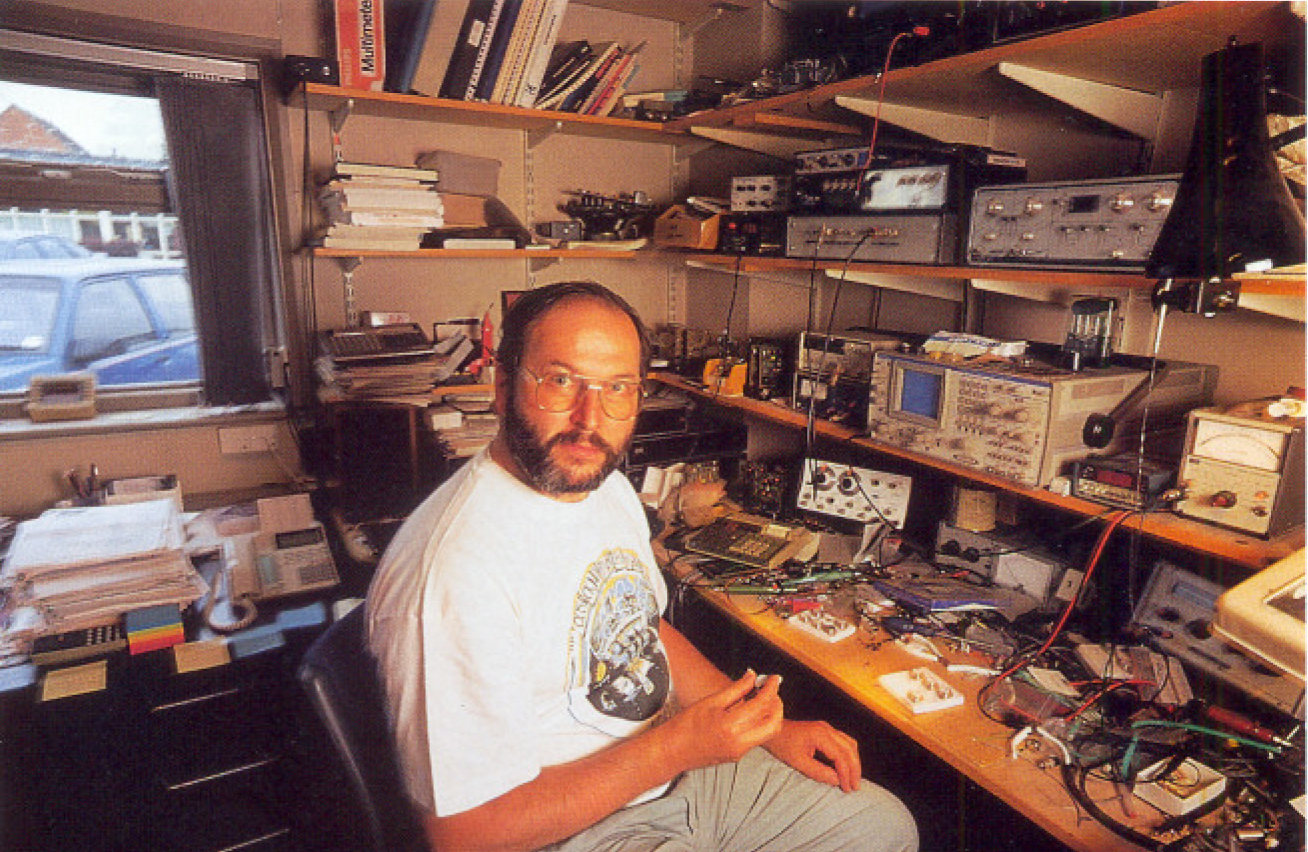
Naim Audio is a high-end hi-fi manufacturer that was launched in 1973 after its founder, Julian Vereker, became frustrated by how different music sounded at home compared to hearing it live. ‘Listening as the artist intended’ has been the company’s mantra ever since.
Naim understands that music is not heard in a vacuum and its engineers apply their expertise to enhance the impact of music on the listener.
‘The environment around us shapes the sound in a multi-dimensional way,’ says Bogdan Bacilia, R&D software test engineer at Naim. The very first few milliseconds in which sound bounces off the walls will enhance the Apparent Source Width (ASW). The late reverberation tails, on the other hand, are essential in providing a sense of immersion. This is called Listener Envelopment (LEV) and in practice it is the glue that ties together the music to the environment. Together, these aspects resolve in a multidimensional auditory experience, which brings width, height and depth to our experiences.’
As the artist intended: engineering emotional impact

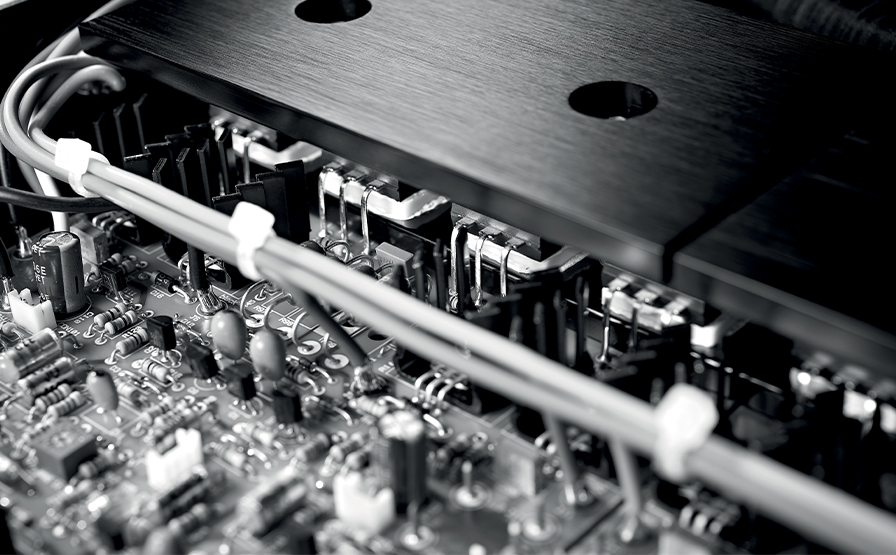
Naim Audio – and its partner company, French acoustic specialists Focal – are dedicated to highlighting, or restoring, these delicate sound details from source to speaker. They achieve this through the expertise of their sound engineers.
Naim says that high-quality audio should reveal why music feels intimate or powerful, not just that it does. The goal is to translate a recording as accurately as possible. Naim and Focal’s sound and recording engineers intentionally shape frequency layers to highlight the texture of sound, which in turn elicits a deeper emotional response from the listener. ‘Once you’ve heard them’, says Naim, ‘you can’t unhear them.’
As listeners, we tend to describe our responses to music in emotional or sensory terms: ‘the music feels warm, clear or powerful’. For the engineer, this response is viewed in a different light, informing precise acoustic and electro-acoustic decisions.
‘There are a few key benchmarks we engineer for that go beyond the traditional specifications, such as frequency response, power output and distortion figures,’ explains Naim’s technical director Steve Sells.
‘One important aspect is ensuring the entire audio chain remains free from distortion artefacts that do not occur naturally in voices or acoustic instruments. This is not unlike the way piano designers carefully position the hammer strike point to suppress certain harmonics. By avoiding unnatural artefacts, the listener’s attention remains focused on the music itself, rather than being subtly distracted by the reproduction system.
‘We also place great emphasis on linearity at the small-signal levels where much of the texture, ambience and expression in a performance reside. When this is achieved, the equipment seems to disappear, allowing the listener to hear deeper into the recording and experience a stronger sense of space and realism.’
Naim and Focal: honouring sound

Focal brings decades of acoustic research in in-house driver design and material innovation, along with a deep understanding of how sound behaves in real spaces. Naim Audio’s expertise lies in signal integrity, amplification and system design, ensuring nothing is lost in translation.
To learn more about how to experience the full emotional impact of music with Naim Audio and Focal products, click here.
