Few decades saw as much upheaval in rock music as the 1980s.
Synths surged, punk gave way to new wave, and MTV changed how bands were seen – and sold. For the giants of the 1970s, the new decade presented a challenge: evolve or fade. Some artists rose brilliantly to the occasion, finding fresh energy in changing times. Others floundered, either unable or unwilling to adapt their sound, losing relevance – or artistic direction – in the process.
This wasn’t just about chasing trends. The ‘80s demanded a different kind of engagement with technology, image, and production. For some, like Peter Gabriel and Genesis, this meant harnessing innovation to unlock a new creative era. For others, like David Bowie, it meant a painful identity crisis before eventual reinvention. Meanwhile, once-untouchable names such as ELP or Led Zeppelin found themselves adrift in a rapidly shifting cultural tide.
Here are seven 1970s giants who genuinely reinvented themselves for the new decade, plus five more who found ingenious ways to remain relevant. Whether by artistic reinvention or sheer adaptability, these artists’ ‘80s journeys reflect a time of dramatic change – and offer a fascinating glimpse into rock’s resilience under pressure.
1970s rockers... reinvented for the 1980s
1. Peter Gabriel
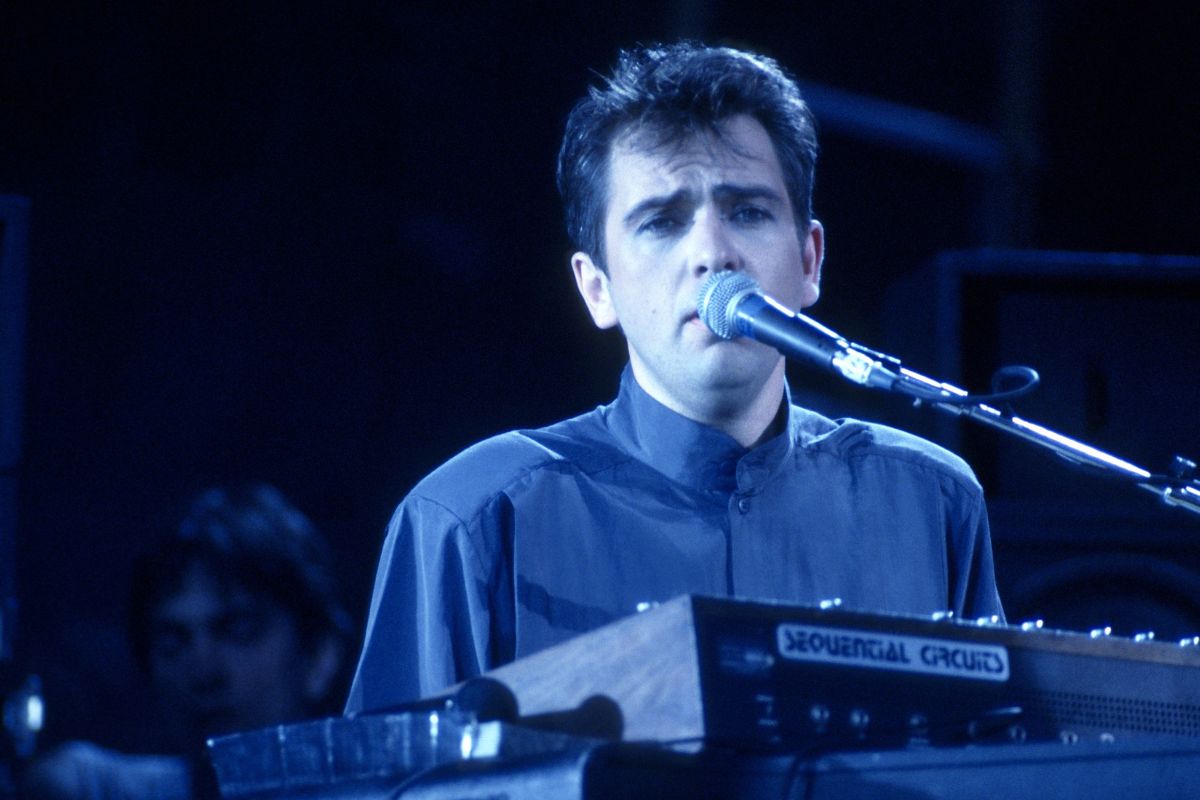
As lead singer and theatrical frontman of Genesis during the first and most creative phase of their trajectory, Gabriel was one of the faces of 1970s rock. After leaving the band in the mid-1970s, Gabriel slowly but surely began to forge his identity as a solo artist. Across the 1980s, he blended art rock, world music, and cutting-edge technology with fearless experimentation and emotional depth.
His 1986 album So was a landmark. It combined artistic ambition with mainstream appeal, producing global hits like 'Sledgehammer', 'In Your Eyes', and 'Don’t Give Up' (a duet with Kate Bush). So was both a critical and commercial triumph, showcasing his ability to turn complex ideas into pop gold.
Gabriel also pushed visual boundaries with visionary music videos – especially for 'Sledgehammer' – and was a strong advocate for world music, launching the Real World label and the WOMAD festival.
In short, Gabriel not only adapted to the 1980s – he helped define them on his own uncompromising terms.
2. Talking Heads
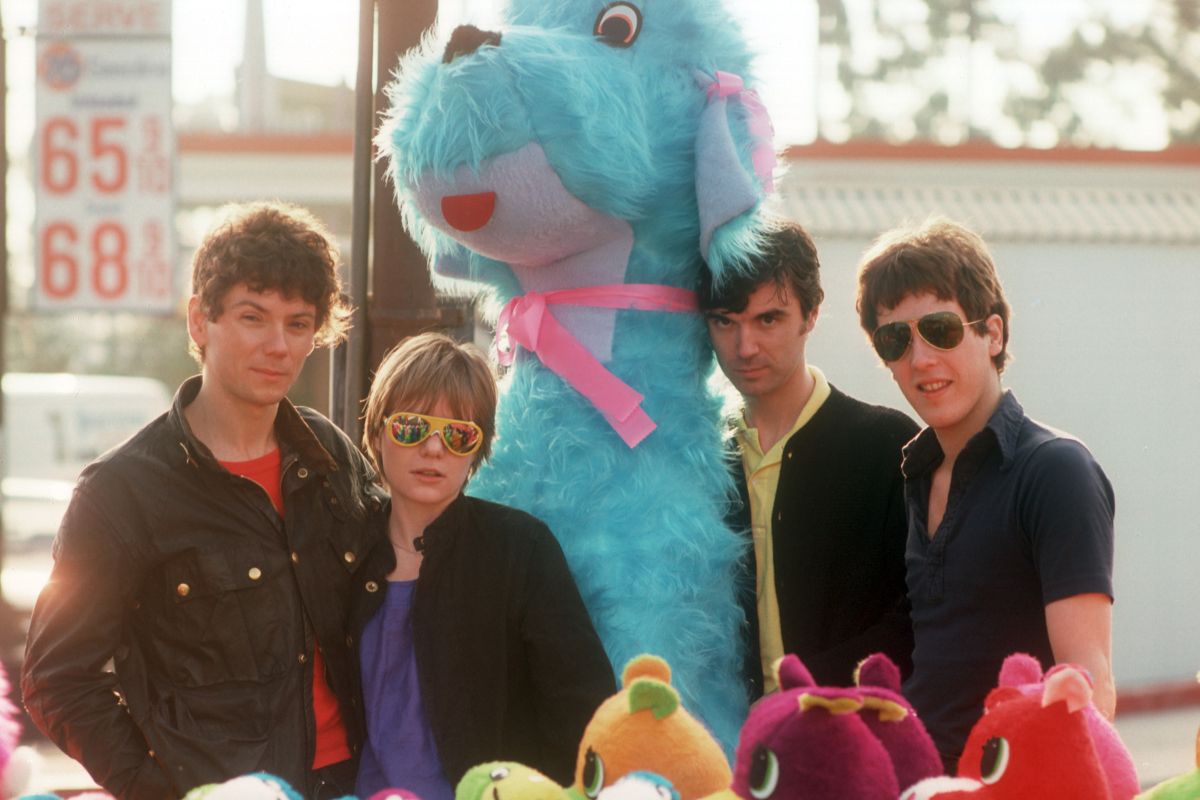
Talking Heads began as a nervy art-rock band in the late 1970s, but they truly flourished in the 1980s, embracing the era’s sonic possibilities while staying true to their quirky, cerebral identity. Collaborating with producer Brian Eno, they evolved their sound with albums like Remain in Light (1980), blending African rhythms, funk grooves, and electronic textures.
David Byrne’s eccentric persona found a perfect match in the decade’s visual culture, culminating in the groundbreaking concert film Stop Making Sense (1984). The band consistently experimented without alienating audiences, producing innovative yet accessible tracks like 'Once in a Lifetime' and 'Burning Down the House'.
Their embrace of global influences, technology, and multimedia performance made them one of the most forward-thinking bands of the 1980s – and helped ensure their lasting cultural relevance.
3. Rush
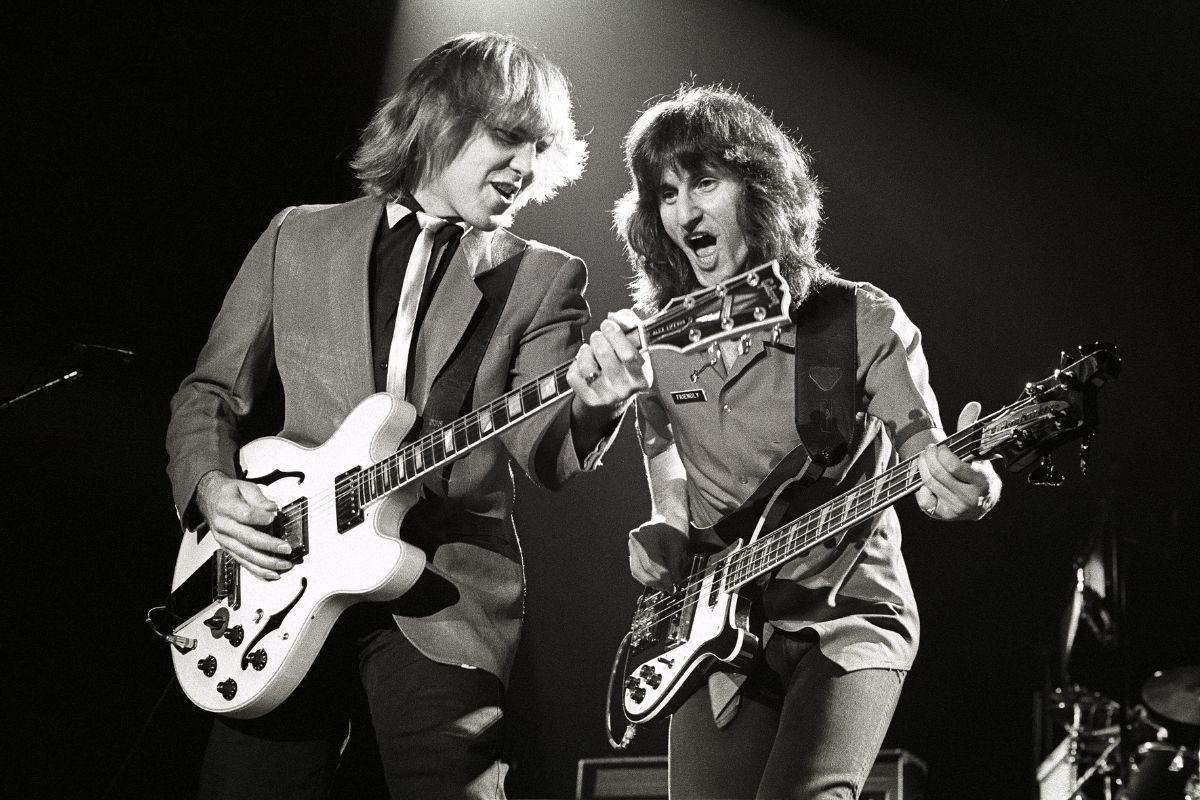
Rush is the gold standard for 1970s reinvention. They successfully transitioned from a kimono-wearing progressive rock power trio into a sleek, synthesizer-driven New Wave juggernaut. While their 1970s work was defined by side-long sci-fi epics like 2112, they spent the 1980s streamlining their sound.
By integrating reggae rhythms, digital sequencers, and Geddy Lee’s dominant keyboard layers on albums like Signals and Power Windows, they managed to sound contemporary alongside bands like The Police without sacrificing their technical virtuosity.
A key track for this reinvention is 'Subdivisions', from 1982's album Signals. The song is driven entirely by a massive, brooding Oberheim synthesizer riff, relegating the guitar to atmospheric textures and signalling the band's total embrace of the digital age.
4. Genesis
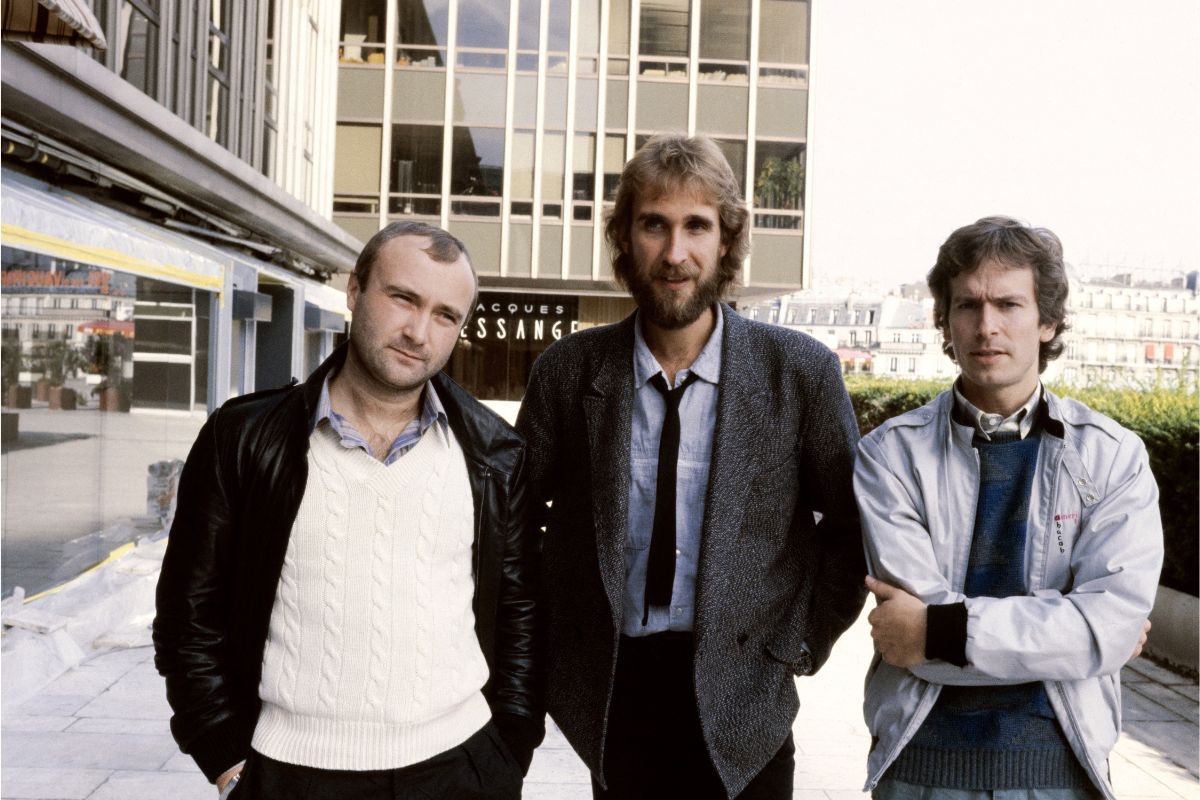
Genesis adapted remarkably well to the 1980s, transitioning from complex 1970s prog rock to polished, chart-friendly pop-rock without losing their distinctive identity. With Phil Collins stepping forward as frontman, the band embraced more concise songwriting and contemporary production while retaining musical sophistication.
Albums like Duke (1980), Abacab (1981), and the self-titled Genesis (1983) blended catchy hooks with rhythmic complexity and atmospheric textures. Songs such as 'Mama', 'Home by the Sea', and 'Land of Confusion' showed they could be both accessible and adventurous.
- We've ranked all the Genesis albums – and their 16 greatest songs
Their stadium-filling success didn't come at the expense of creativity – many tracks from this era still bore the hallmarks of their prog roots. Genesis’s 1980s reinvention not only kept them commercially relevant but made them one of the defining British bands of the decade, proving that artistic evolution and mass appeal could go hand in hand.
5. Grace Jones
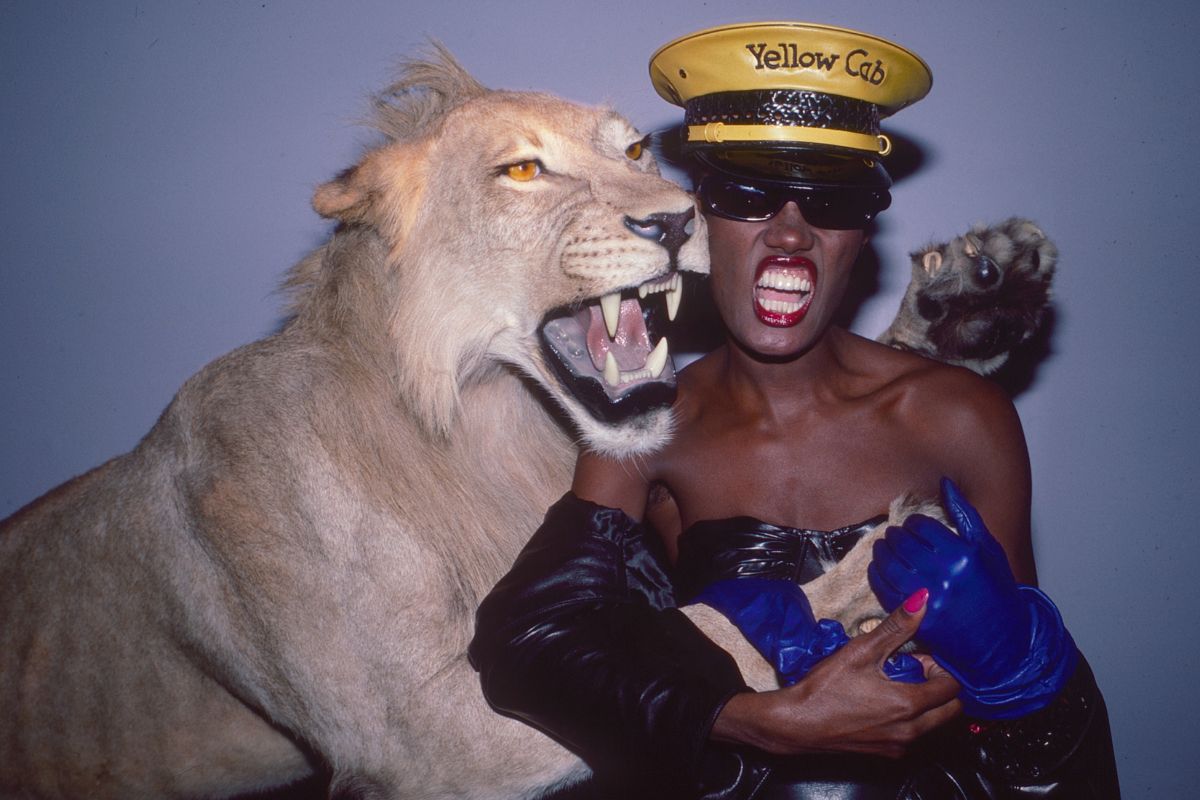
Grace Jones stands as a dazzling example of artistic reinvention. Emerging in the 1970s as a disco-era model-turned-singer, she reshaped her sound and image in the 1980s, blending new wave, reggae, funk, and art pop into something utterly original. With albums like Warm Leatherette, Nightclubbing and Slave to the Rhythm, she became a cultural icon – bold, androgynous, fearless.
Her collaborations with visionary producers and musicians pushed boundaries, while her theatrical persona influenced generations. Jones didn’t just adapt to the decade: she helped define it, musically, visually, and culturally, blazing a trail for the avant-garde in mainstream pop.
6. King Crimson
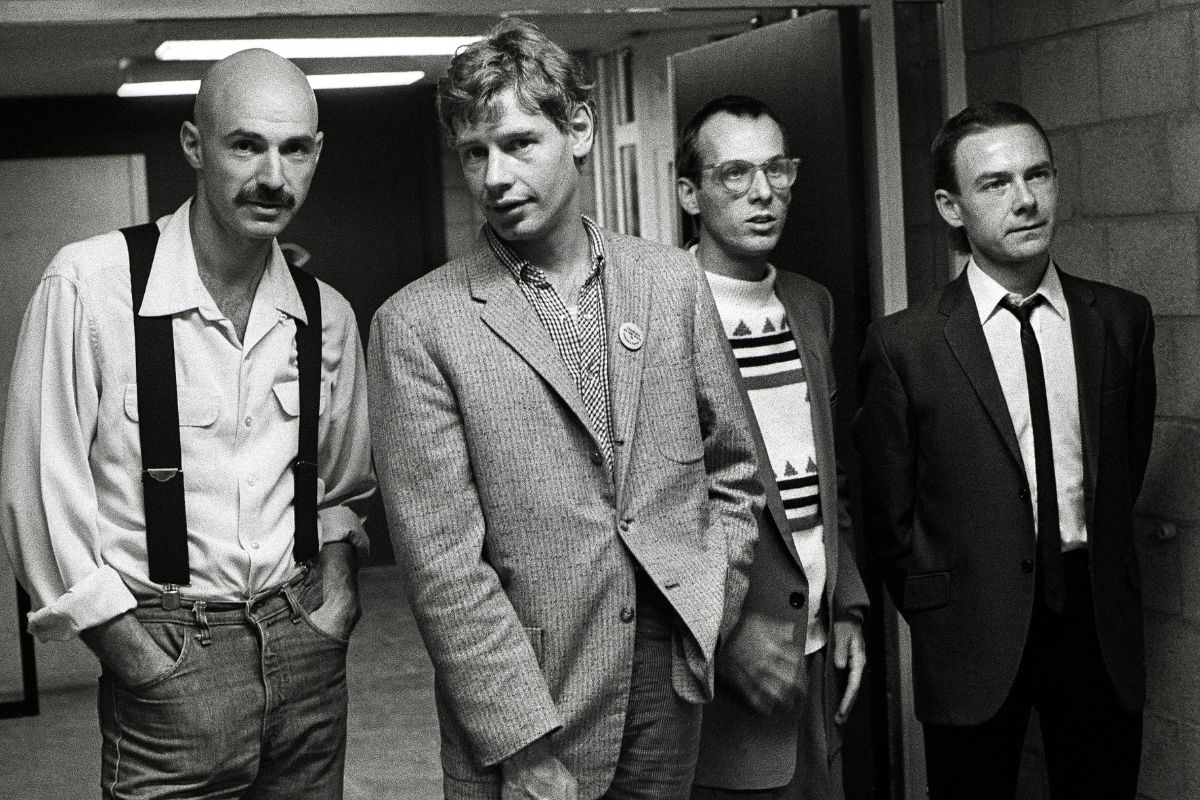
King Crimson’s 1980s resurgence was one of the most radical reinventions in rock history. After a seven-year hiatus, Robert Fripp returned with a completely new lineup and sound, launching the band into an angular, high-tech fusion of new wave, prog rock and gamelan-inspired polyrhythms.
Albums like Discipline (1981), Beat (1982), and Three of a Perfect Pair (1984) showcased a tightly interlocked band, with Adrian Belew’s quirky vocals and Fripp’s interwoven guitar lines driving the music into bold, unfamiliar territory. Rather than chasing past glories, Crimson embraced the decade’s sonic innovations – digital technology, minimalism, looping – while maintaining their signature complexity and intensity.
Crimson's live performances during this era were taut and adventurous, proving they could evolve without compromise. The '80s King Crimson wasn’t just a continuation: it was a rebirth, placing them at the vanguard of art rock once again, and influencing countless progressive and alternative acts in the years to come.
7. Roxy Music
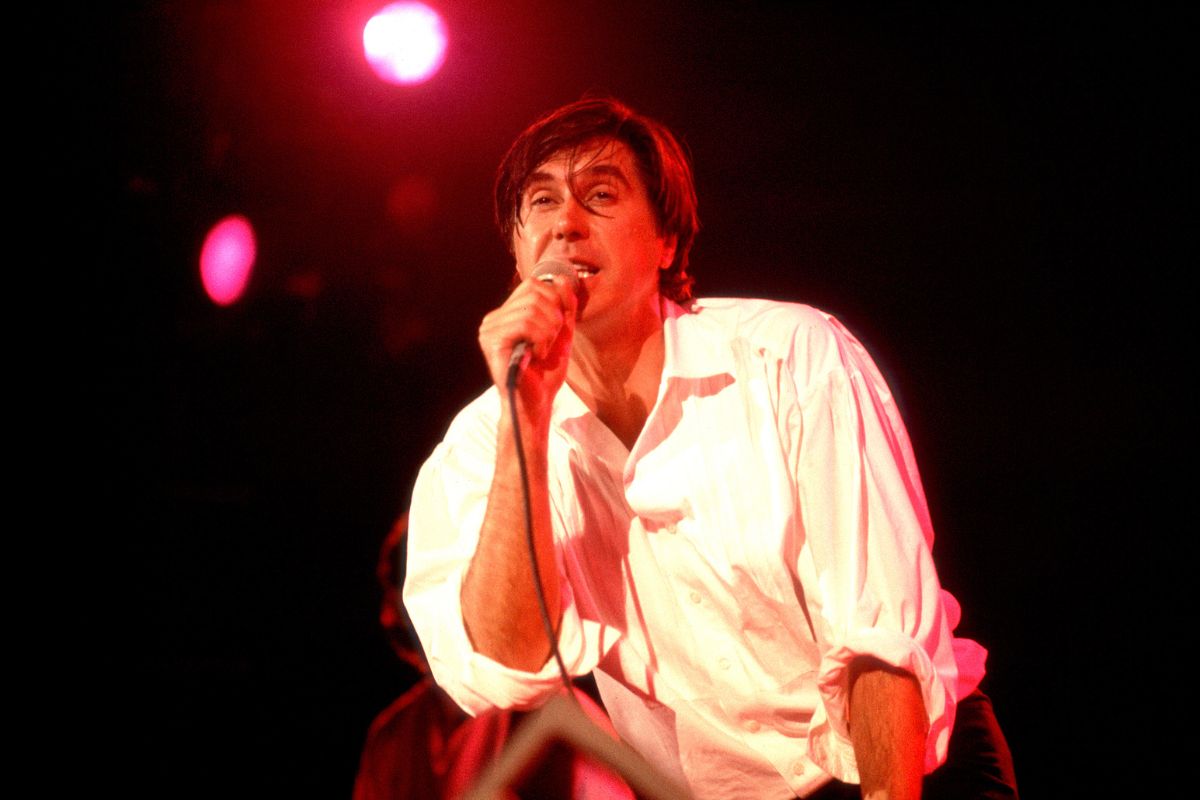
Roxy Music are a prime example of a 1970s band who not only survived the seismic shifts of the 1980s but helped shape them. Emerging in the early ’70s as glam rock pioneers with a flair for art-school experimentation, they refined their sound over the decade, gradually embracing a sleeker, more elegant style.
By the time they released Avalon in 1982, they had become sonic architects of sophisticated, atmospheric pop. Bryan Ferry’s suave vocals, ambient textures, and tasteful production defined a new kind of emotional cool: seductive, stylish, and modern. Their music no longer leaned on the confrontational edge of early glam but instead radiated a timeless, cinematic smoothness that resonated deeply with the new decade.
Avalon became a landmark album, beloved then and rediscovered often since. Roxy Music proved that evolution, not compromise, was key to longevity – and in doing so, they became icons of both decades.
Five more 1970s acts who found ways to survive the new decade
Fleetwood Mac
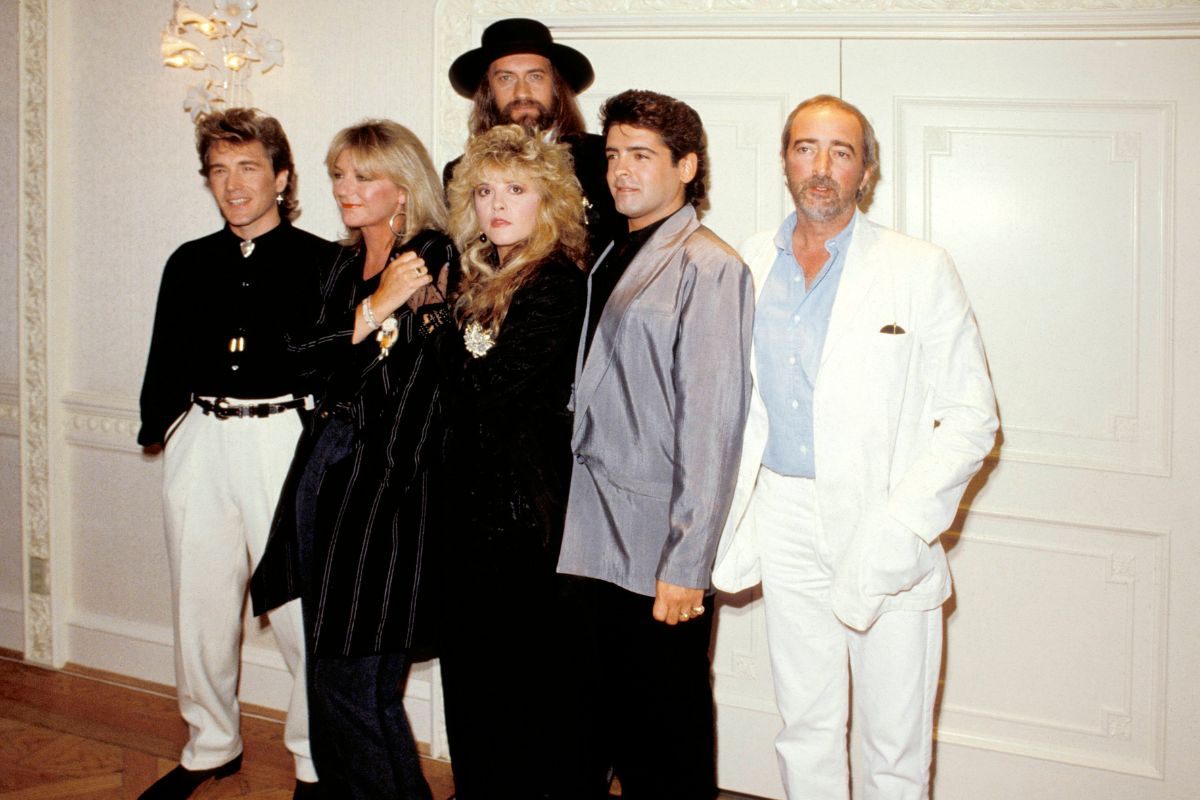
While many 1970s titans faltered during the MTV revolution, Fleetwood Mac survived by aggressively embracing the decade’s new sonic vocabulary. This reinvention was spearheaded by Lindsey Buckingham, who traded the organic, blues-rock warmth of Rumours for the experimental, high-tech sheen of the 1980s.
On 1982’s Mirage and 1987’s Tango in the Night, the band integrated Fairlight CMI synthesizers, digital sampling, and gated reverb drums, transforming their folk-rock roots into sophisticated art-pop. Buckingham’s obsession with 'painting' with sound – using sped-up vocal tracks and Fairlight-simulated percussion – made them sound contemporary alongside New Wave acts.
By blending their signature three-part harmonies with a polished, neon-lit production style, they avoided becoming a nostalgia act, instead delivering massive 80s hits like 'Little Lies' and 'Big Love' that utilized the studio as a futuristic instrument.
Elton John
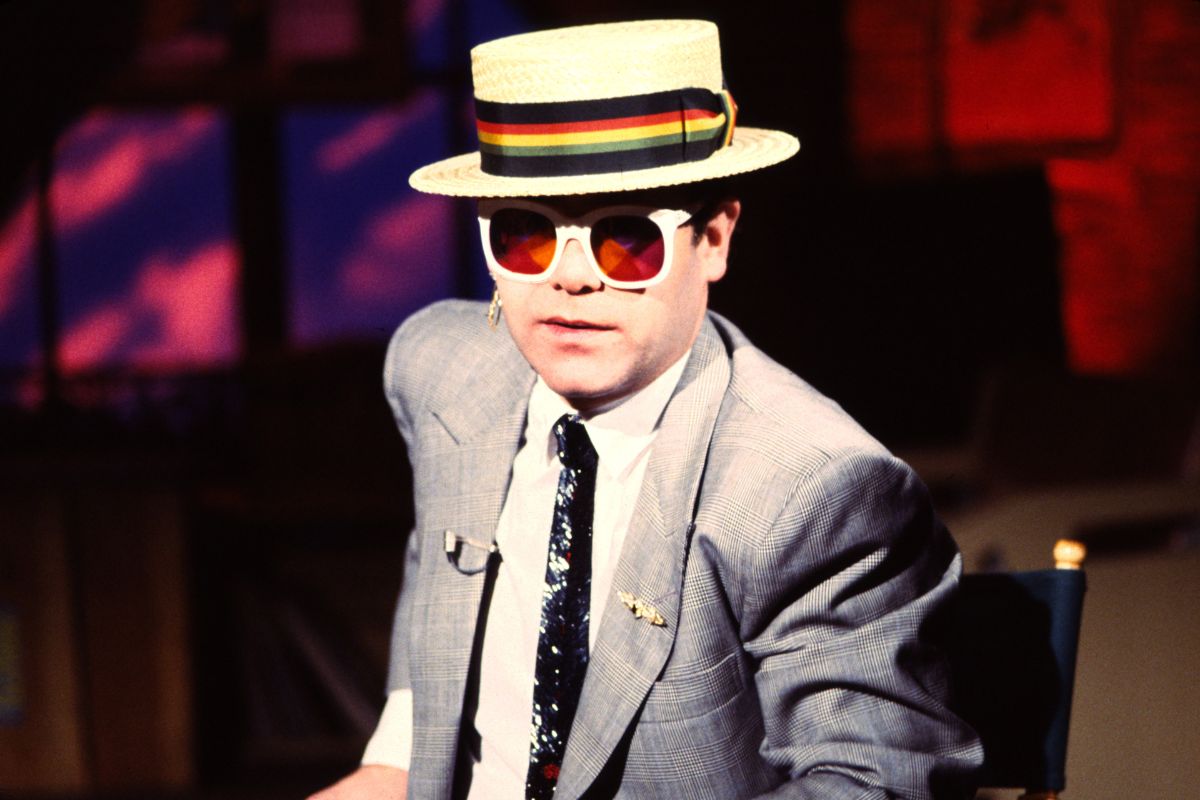
Elton John’s transition from 1970s piano-rock royalty to 1980s pop survivor is a masterclass in professional versatility. While the previous decade was defined by flamboyant glam and sprawling conceptual double albums like Goodbye Yellow Brick Road, the 1980s saw Elton strip back his sound to meet the demands of a high-gloss, synth-driven market.
He thrived by embracing the burgeoning music video medium and modernizing his production with digital synthesizers and LinnDrum machines. By collaborating with lyricist Bernie Taupin again in 1983, he delivered Too Low for Zero, an album that successfully fused his signature melodicism with the era's sleek, electronic pulse. Hits like the defiant 'I'm Still Standing' weren't just catchy pop; they were strategic anthems of resilience that redefined his public persona from a fragile 70s eccentric to a durable, hit-making powerhouse who could compete with Michael Jackson and Madonna on the global charts.
Aerosmith
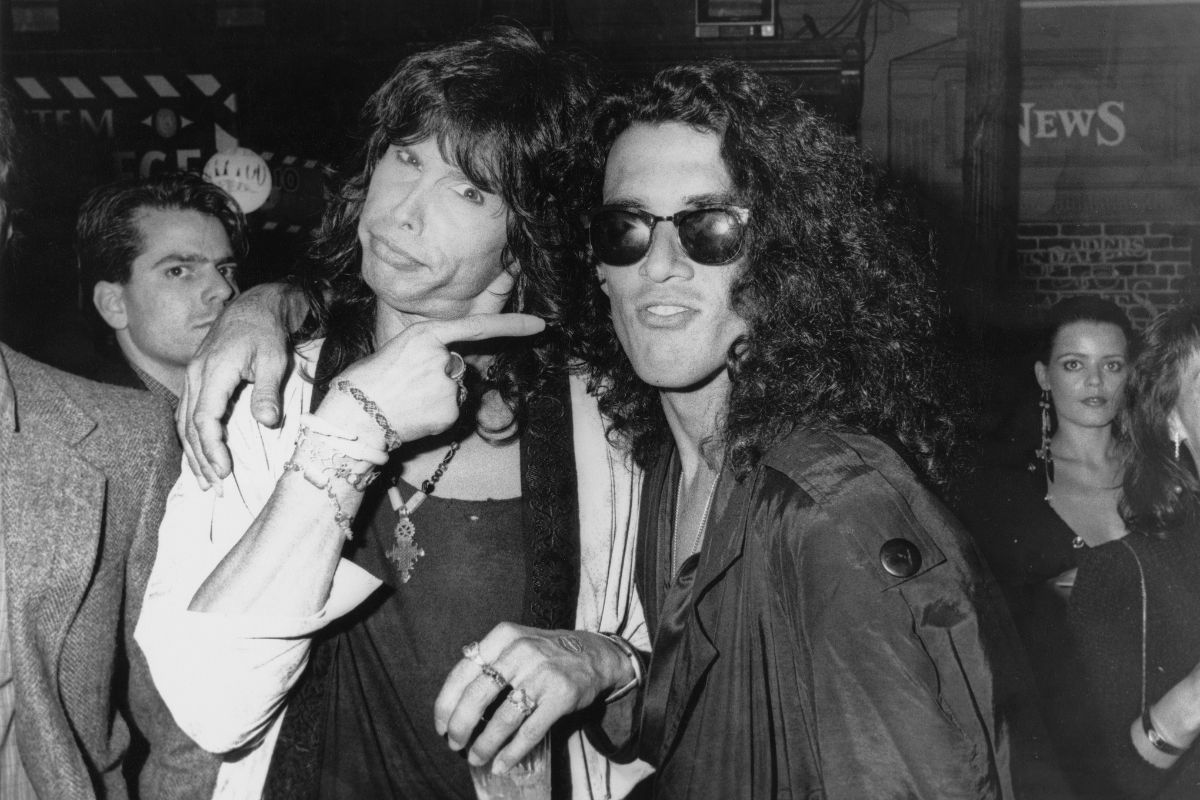
Aerosmith’s 1970s identity was built on gritty, sleazy blues-rock, spearheaded by the band's inseparable hedonists, 'Toxic Twins' Steven Tyler and Joe Perry. By 1984, however, they were seen as something of a dinosaur act. Their 1980s survival was a two-step masterclass in cultural adaptation.
First, working with producer Bruce Fairbairn and songwriter Desmond Child, Aerosmith ditched their loose, 1970s garage sound for a high-gloss, heavily produced style on Permanent Vacation (1987) and Pump (1989). They integrated brass sections, synthesizers, and massive gated-reverb drums, turning their blues-rock into a sleek, cinematic pop-metal hybrid designed specifically for MTV rotation.
Plus, of course, there was 1986's genre-bending collaboration with rappers Run-D.M.C. for a remake of Aerosmith's 1975 single 'Walk This Way'. This wasn't just a hit; it was a cultural earthquake that bridged the gap between old-school rock and the burgeoning world of hip-hop, making Steven Tyler and Joe Perry cool to a teenage audience that had no clue about their 1970s peak.
Bee Gees
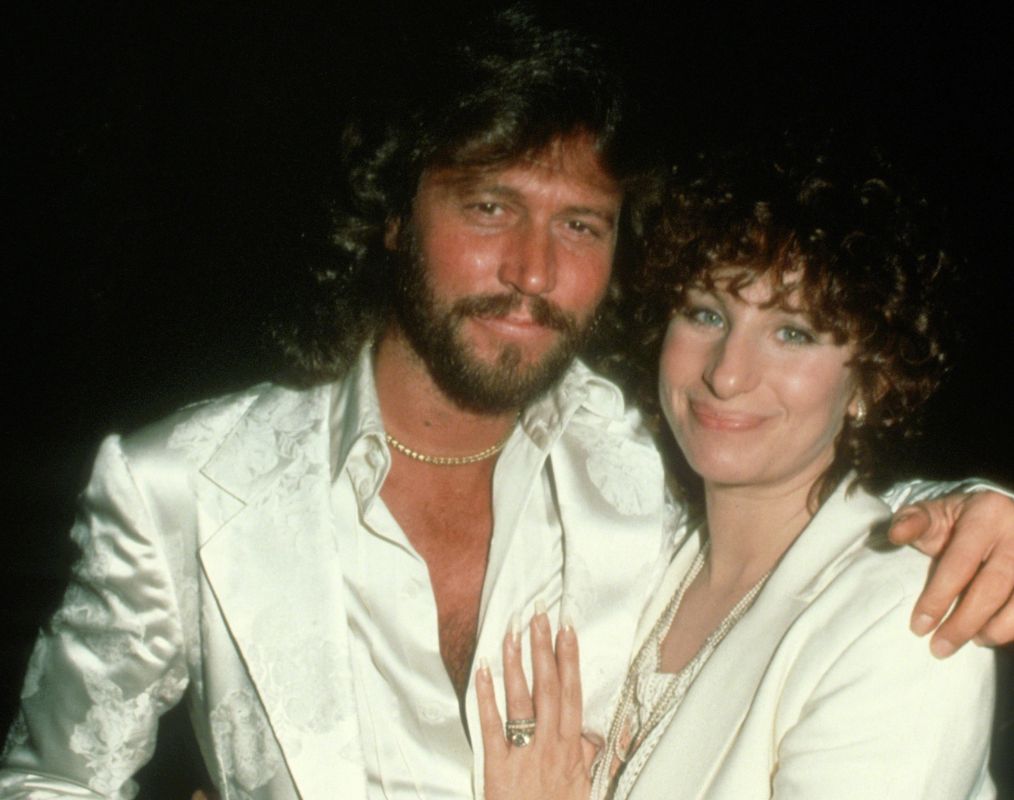
As a band, the Bee Gees did not go on to replicate the huge success they'd enjoyed after their Saturday Night Fever disco makeover circa 1977. After their 1981 album Living Eyes tanked, brothers Barry, Robin and Maurice Gibb went on hiatus as a band for six years.
However, if their own band fortunes went south, as songwriters the Bee Gees were hugely in the ascendant. They were a veritable 1980s hit making machine, writing mega hits for Barbra Streisand ('Guilty', 'Woman in Love'), Dionne Warwick ('Heartbreaker', 'All the Love in the World'), Dolly Parton/Kenny Rogers ('Islands in the Stream'), Diana Ross ('Chain Reaction') and more.
They then came back hard with two hit albums at the end of the 1980s, the first of which included 'You Win Again' – a number one hit in the UK.
Journey
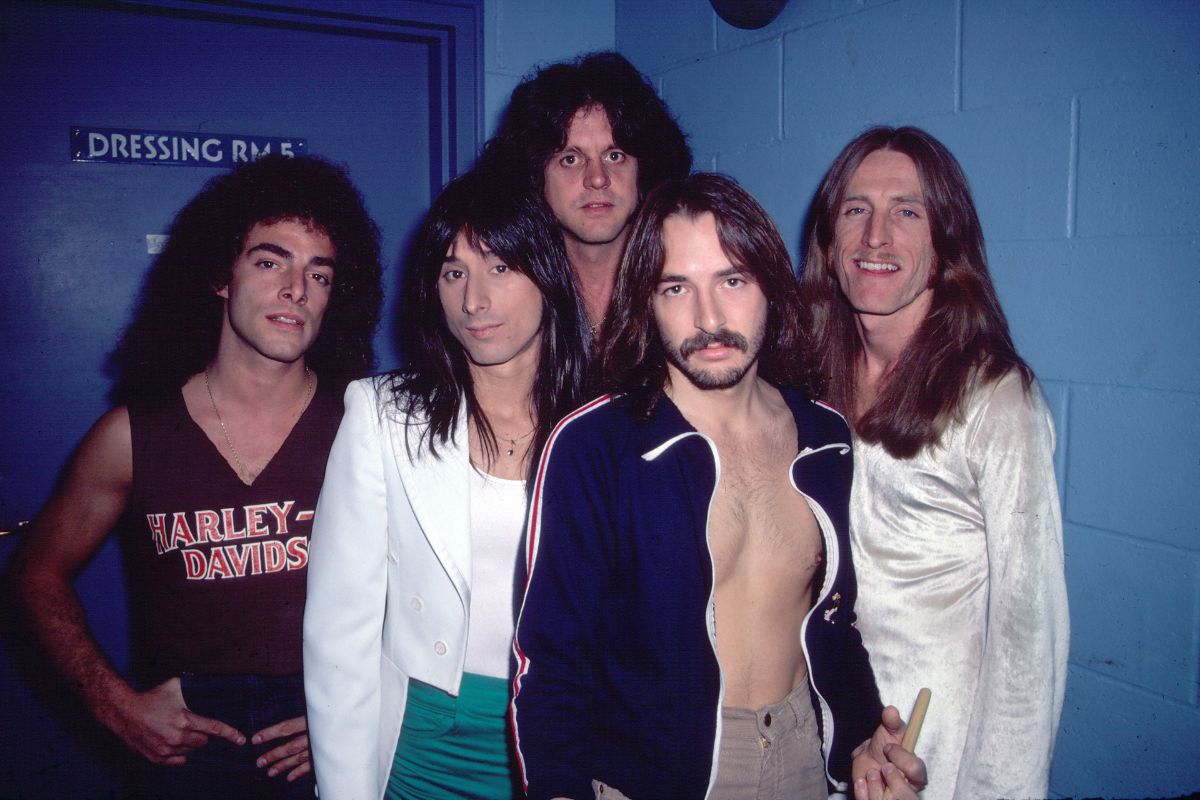
Journey’s 1980s trajectory was less a radical pivot, more a high-tech refinement of the melodic foundation they laid in 1978 with Steve Perry. While they remained rooted in arena-rock, they aggressively modernized their palette, integrating Roland synthesizers and massive, gated-reverb drums.
On Escape (1981) and 1983's Frontiers, Journey perfected the power ballad and the synth-driven rocker, becoming the sonic architects of 80s Adult Oriented Rock (AOR). Their success came from streamlining their prog-rock origins into a sleek, radio-ready juggernaut.
Pics Getty Images
Top pic Genesis, 1981. L-R Phil Collins, Mike Rutherford, Tony Banks