The 1980s were uniquely fertile ground for one‑hit wonders.
This, after all, was the decade when technology, taste and timing collided in ways that rewarded lightning‑strike success but rarely sustained it. MTV suddenly made image as important as songwriting; radio formats splintered; new wave, synth‑pop and novelty singles all jostled for space; and labels chased quick wins over long careers.
In the middle of that churn, one particular year produced an almost comic glut of acts who flared brilliantly and vanished just as fast. You’ll spot it as you read – a moment when the pop machine briefly turned into a one‑hit factory.
Anyway, strap in and enjoy our colourful ride through 17 Eighties blink-and-you-missed-'em wonders.
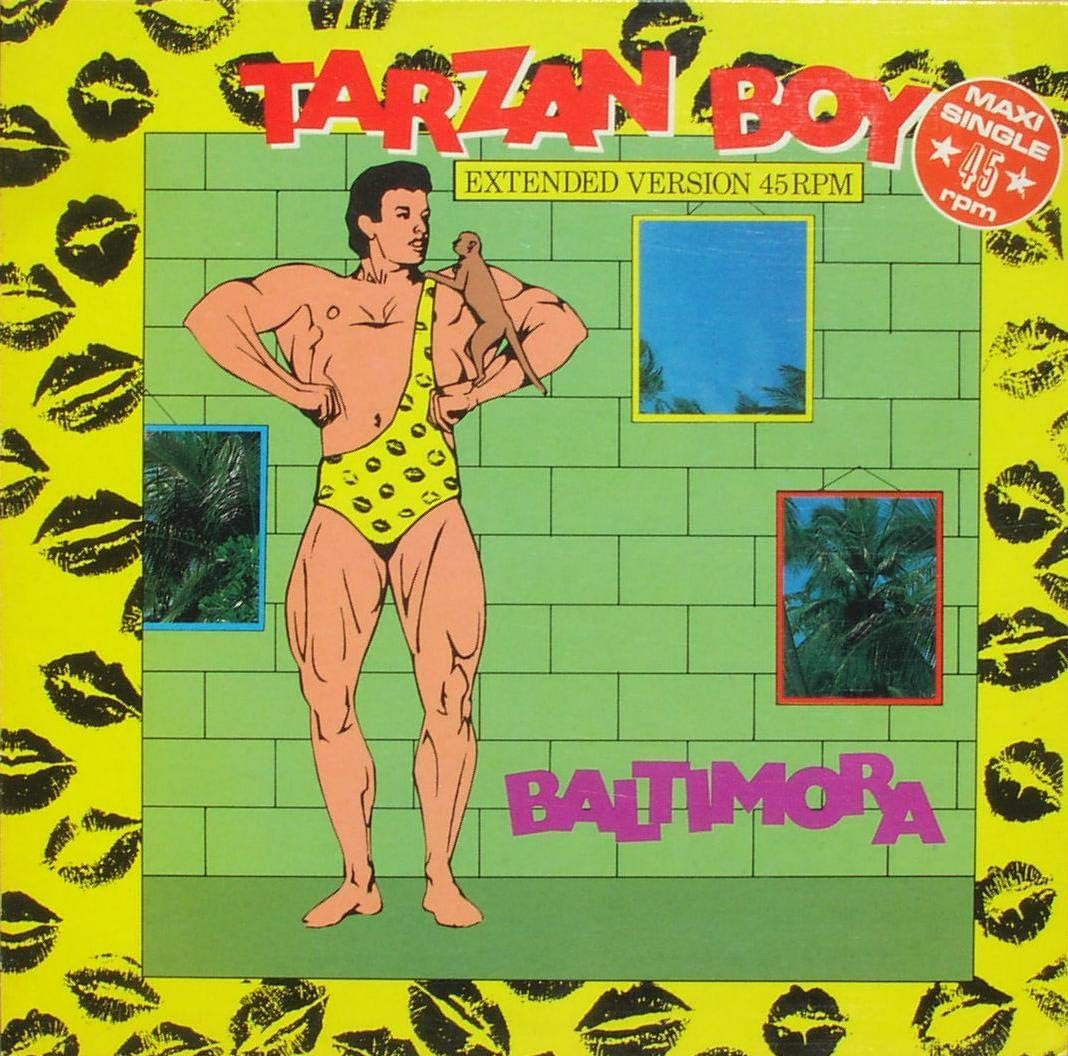
1. Baltimora – ‘Tarzan Boy’ (1985)
Few songs capture mid‑’80s Euro‑pop as vividly as ‘Tarzan Boy’, with its jungle‑yodel hook and glossy production. American listeners embraced the novelty, sending it into the Top 20, but Baltimora’s subsequent releases barely flickered. The track’s kitsch appeal has endured through adverts and film soundtracks, ensuring its status as a one‑hit wonder remains unshakeable.
2. Nena – ‘99 Luftballons’ (1983/84)
A protest song disguised as a pop anthem, ‘99 Luftballons’ floated into American consciousness in 1984 and never left. Its anti‑war message was largely incidental to US audiences, who embraced the hook, the urgency and the novelty of hearing German on Top 40 radio. Nena’s subsequent releases barely registered, leaving this Cold War earworm as their sole American footprint.
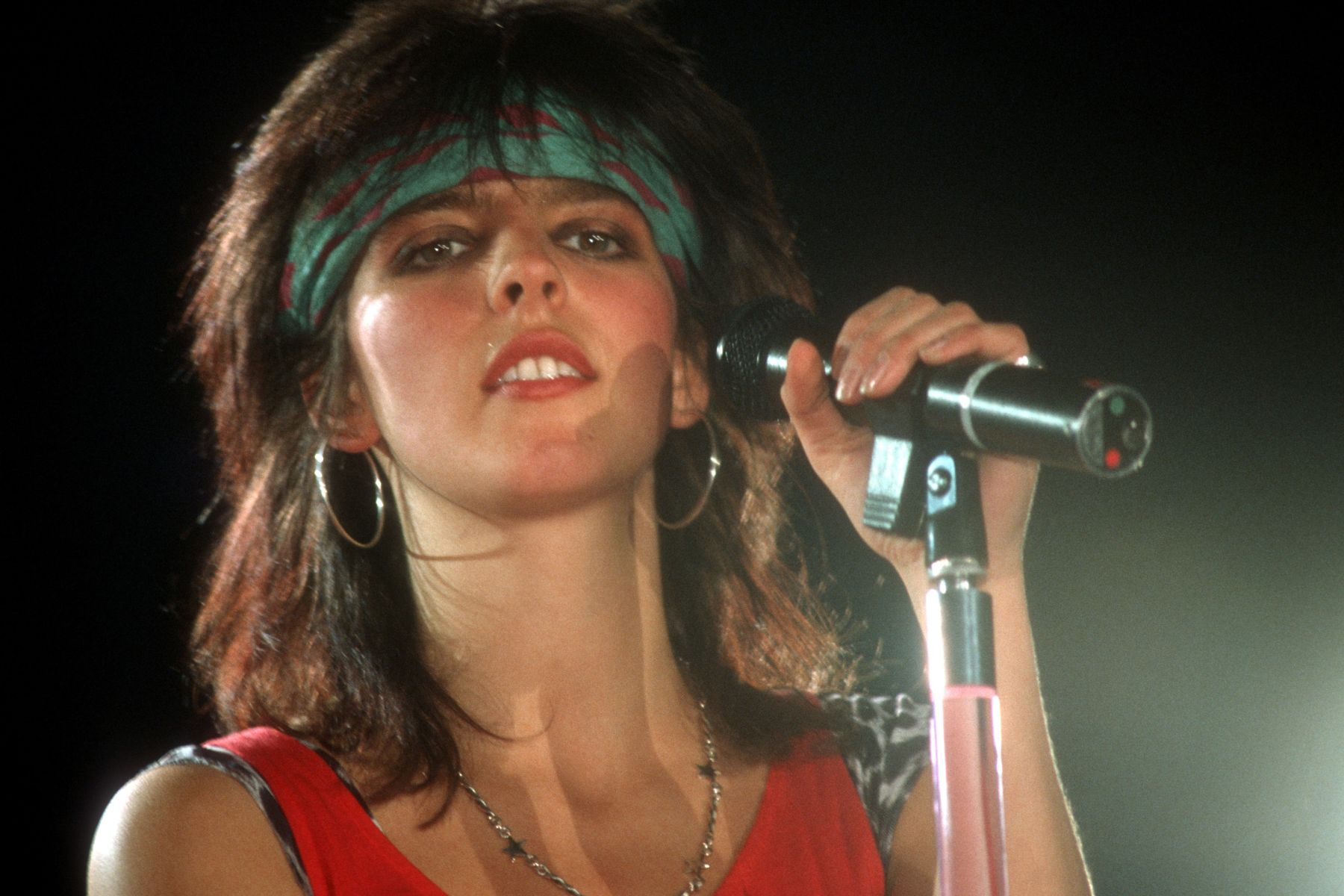
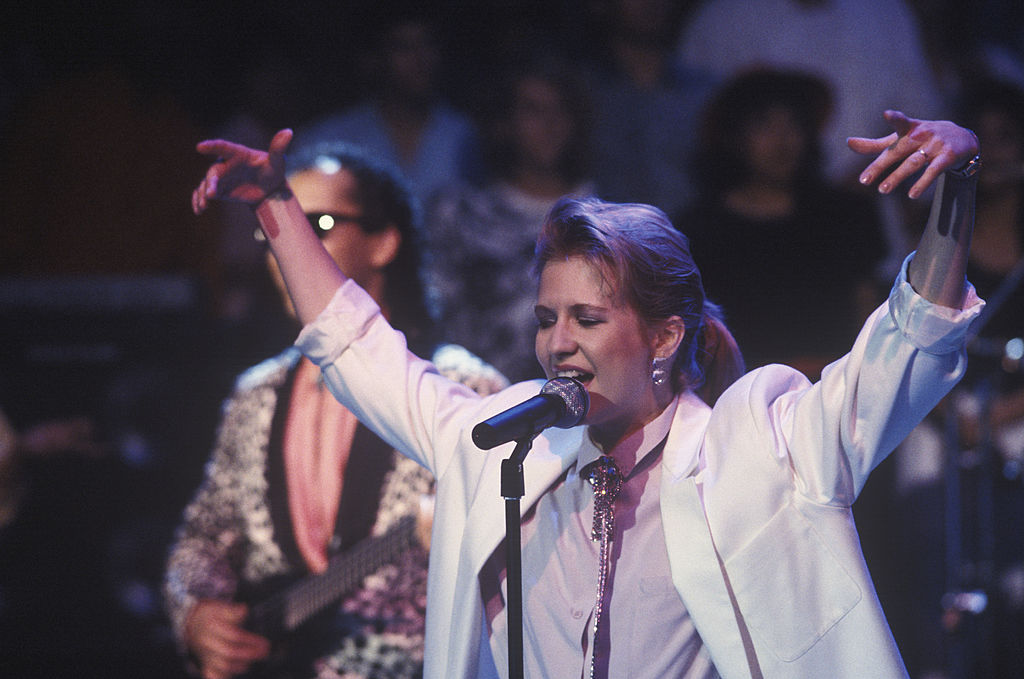
3. Nu Shooz – ‘I Can’t Wait’ (1985)
Portland duo Nu Shooz came seemingly out of nowhere with this wonderfully strange mixture of synth-pop, funk and clipped electronic percussion. Valerie Day’s breathy vocal gave the song an airy, almost dreamlike quality, while the primitive-sounding synthesizers made it unmistakably 1985. Originally released independently, it was picked up after attracting attention on American radio and became a Top 20 hit in Britain and a Top 10 success in the US. Nu Shooz continued recording afterwards, but nothing matched the peculiar magic of their one huge international hit.
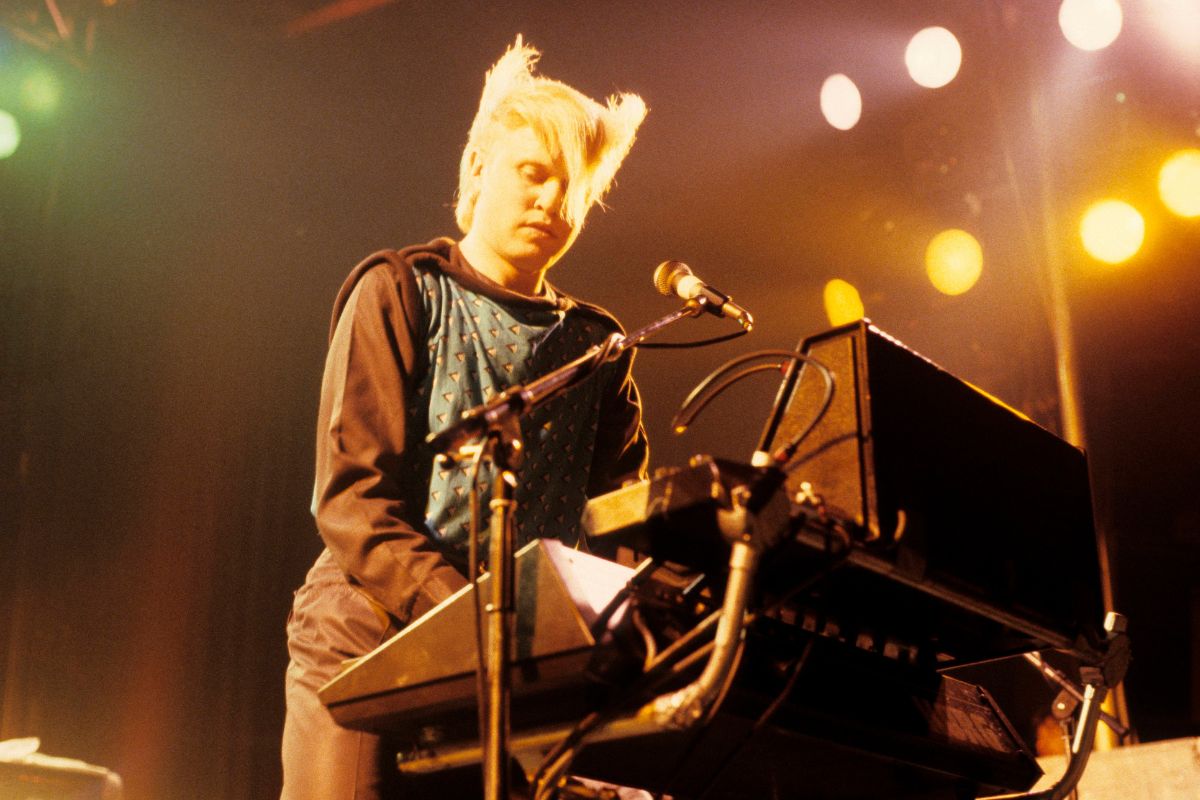
4. A Flock of Seagulls – ‘I Ran (So Far Away)’ (1982)
What made ‘I Ran’ explode in 1982 wasn’t just the synth‑pop shimmer but the sheer visual impact of Mike Score’s gravity‑defying haircut. MTV rotation turned a modest UK act into a US sensation, yet nothing else they released came close. The song’s mix of alienation, echo‑laden guitars and futurist gloss captured the early‑’80s mood perfectly – then froze the band in amber as quintessential one‑hit wonders. Even if, technically, they weren't – 'Wishing' made the top 10 – but they definitely *felt* that way.
5. Animotion – ‘Obsession’ (1984)
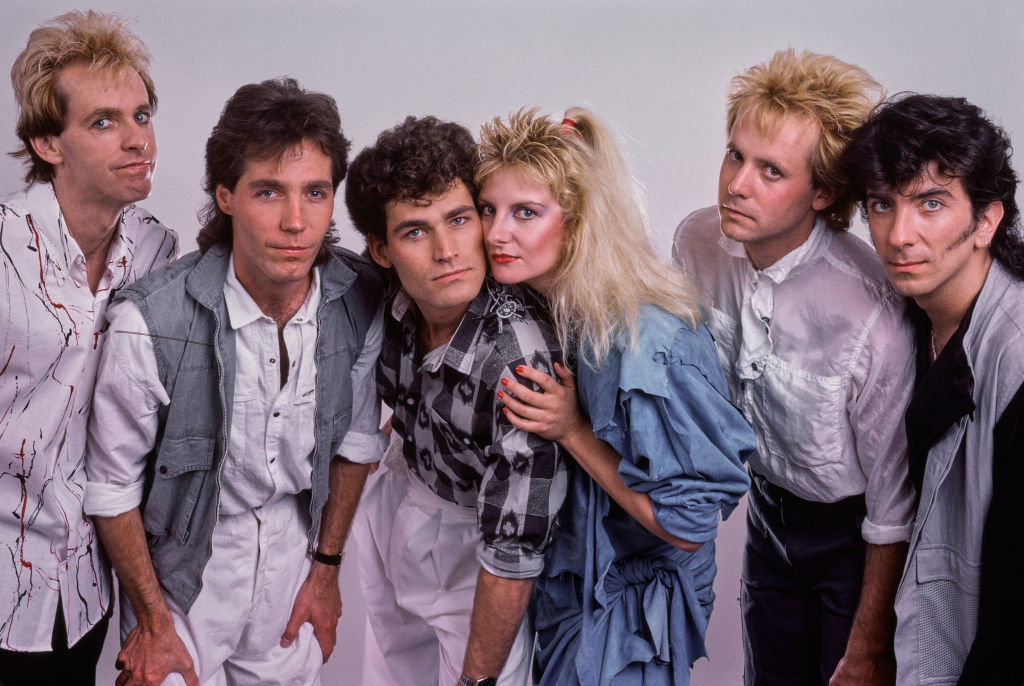
‘Obsession’ was gloriously excessive even by the standards of 1980s synth-pop. Written by Holly Knight and Michael Des Barres, the song had already been recorded by Des Barres before Los Angeles band Animotion transformed it into a theatrical new-wave hit in 1984.
Cynthia Rhodes and Bill Wadhams shared the vocals, while the video embraced the song’s decadent, slightly sinister atmosphere. ‘Obsession’ reached the Top 10 in both America and Britain, but Animotion never came close to repeating the feat. Their perfect blend of synthesizers, melodrama and sexual menace remains an unmistakable snapshot of MTV-era pop.
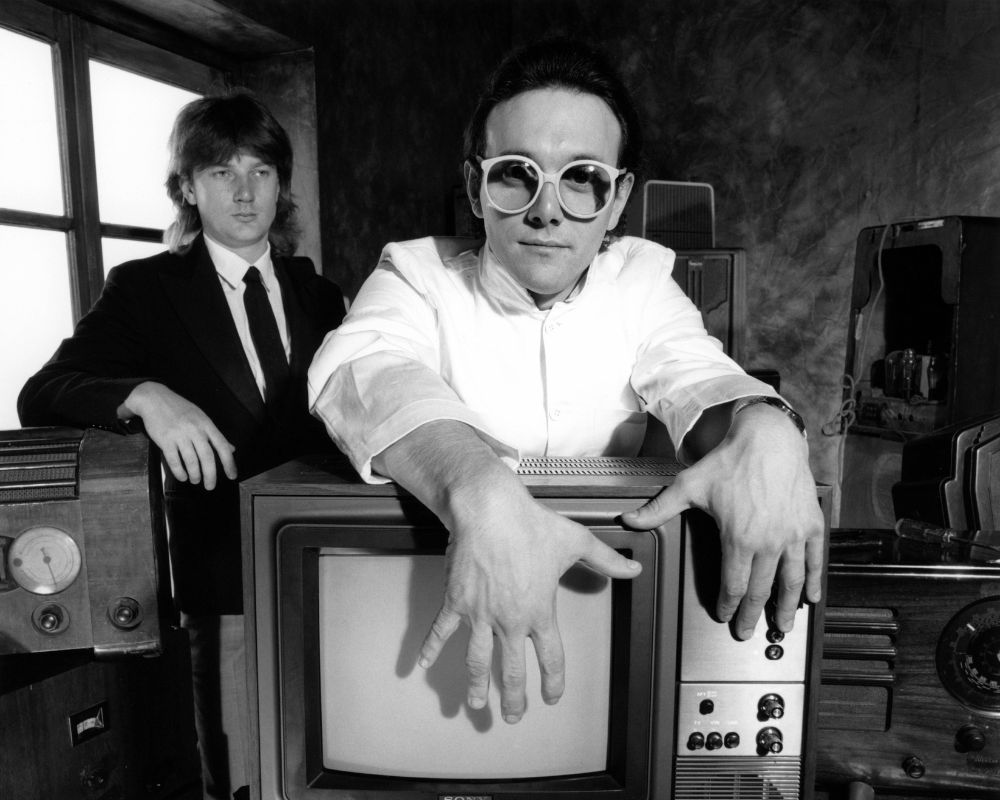
6. The Buggles – ‘Video Killed the Radio Star’ (1979/81)
Although released in 1979, the song’s true cultural moment arrived in 1981 when MTV chose it as the first video ever broadcast. That single decision turned Trevor Horn and Geoff Downes into accidental prophets of the video age. Their other work – clever, intricate, often brilliant – never made a dent in the US charts, leaving ‘Video Killed the Radio Star’ as their lone American claim to fame.
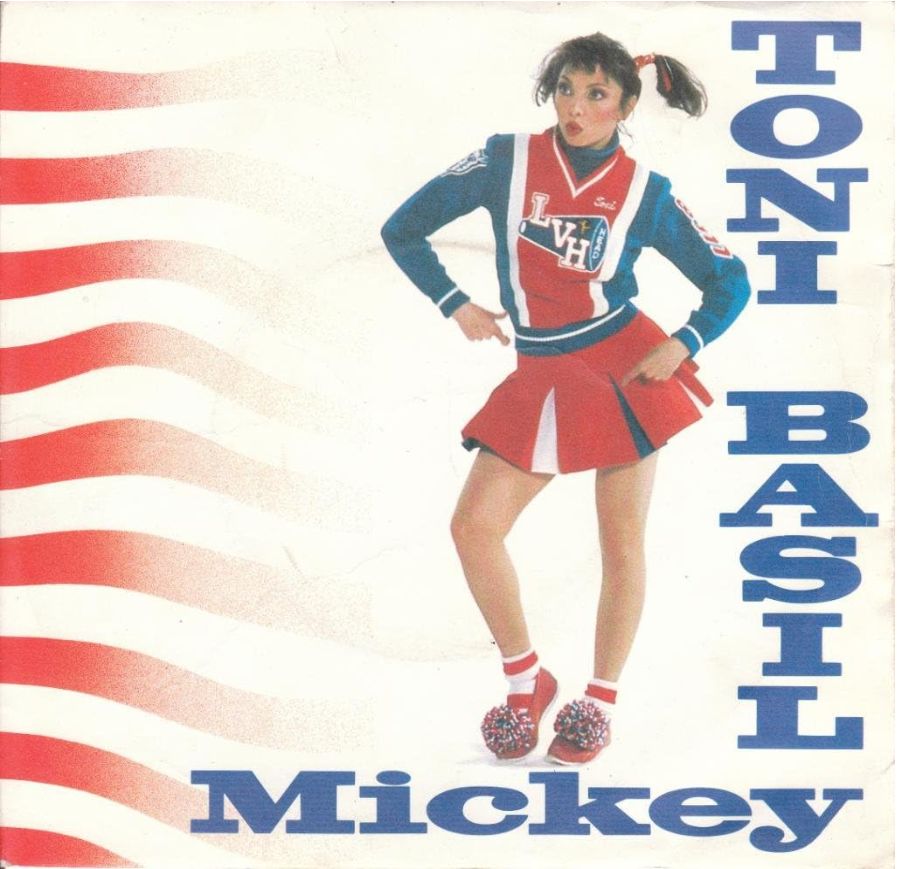
7. Toni Basil – ‘Mickey’ (1982)
Cheerleader chants, handclaps and a video that MTV played to death: ‘Mickey’ was engineered for early‑’80s pop culture dominance and for a few weeks in late 1982 this song was everywhere. Basil herself had a long, eclectic career as a choreographer and performance artist, but American audiences only ever saw the pom‑poms. The song’s bubblegum punch proved impossible to follow, cementing her as one of the decade’s most recognisable – and most narrowly defined – one‑hit wonders.
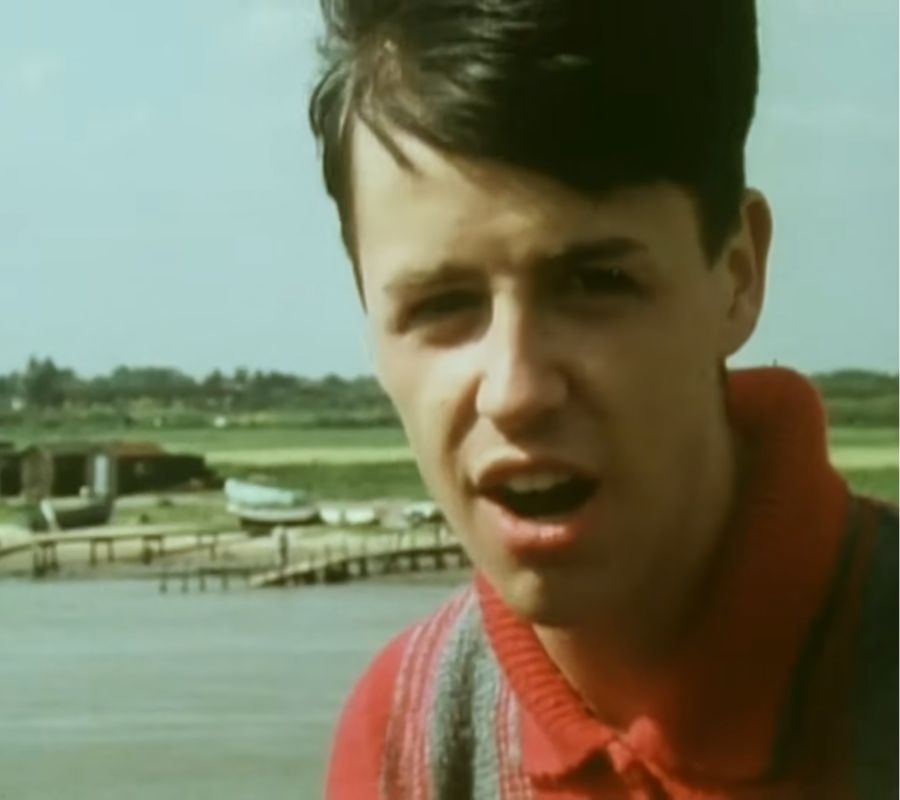
8. The Lotus Eaters – ‘The First Picture of You’ (1983)
It sounds like the quintessential lost early-’80s pop classic: shimmering guitars, gentle keyboards and Peter Coyle’s wistful vocal wrapped around an impossibly romantic melody. Released in 1983, 'The First Picture of You' reached No. 15 in Britain but proved impossible to follow, leaving the Liverpool band with a single enduring chart moment. Their music was considerably more sophisticated than the one-hit-wonder tag suggests, blending post-punk melancholy with elegant pop.
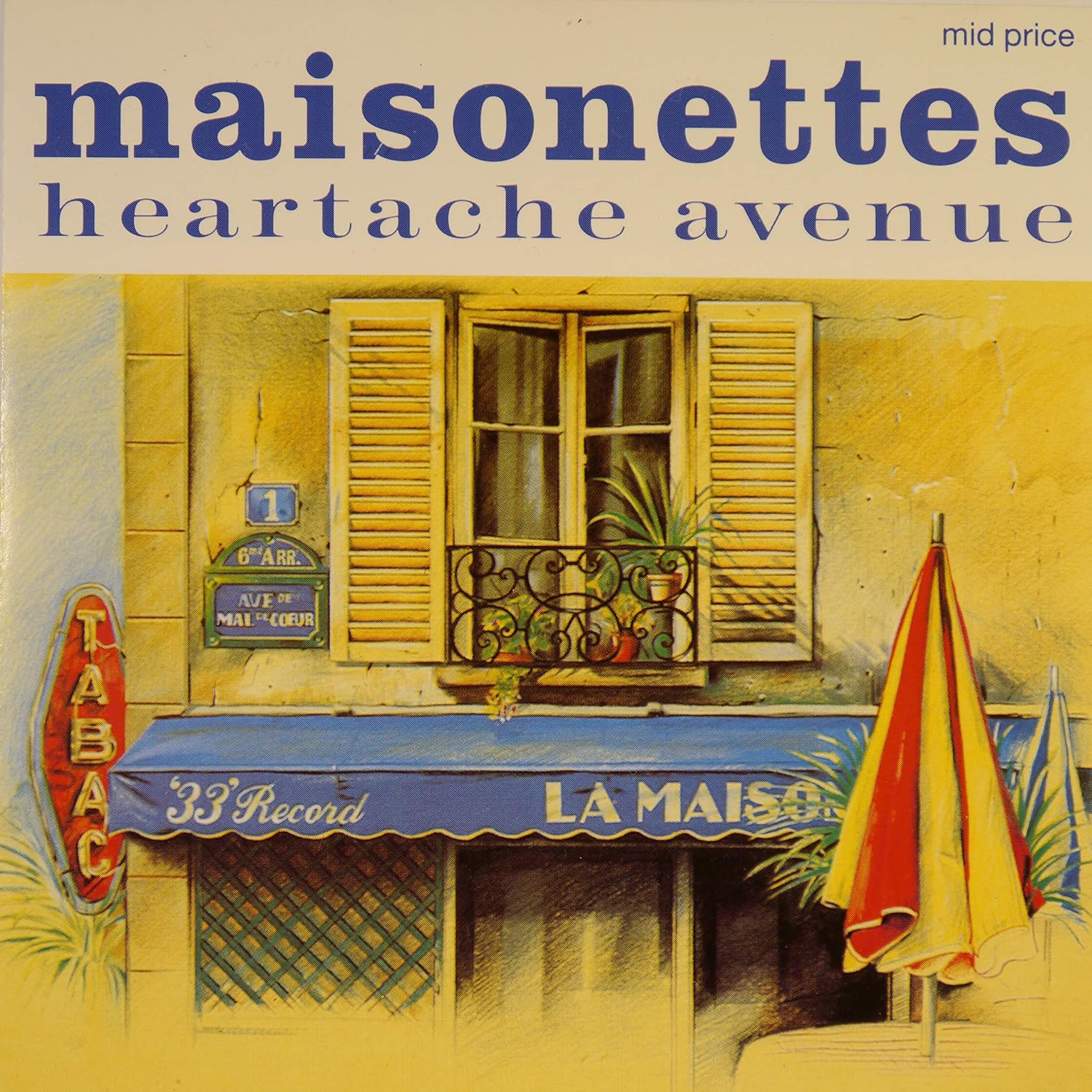
9. The Maisonettes – ‘Heartache Avenue’ (1982)
Birmingham's Maisonettes was essentially a studio creation masterminded by producer and songwriter Robert Howard, who had previously worked with the Flying Lizards (of 'Money' fame). ‘Heartache Avenue’ was a knowingly quirky slice of new wave pop, complete with handclaps, strings and a distinctly kitchen-sink British sensibility.
It reached No. 7 in Britain in 1982, but nothing else came close. Howard subsequently worked with artists including Elvis Costello and Robert Plant, while The Maisonettes became a footnote in pop history.

10. Bow Wow Wow – ‘I Want Candy’ (1982)
Bow Wow Wow’s catalogue was stranger, sharper and more inventive than their reputation suggests, but American audiences only ever encountered this glossy remake of The Strangeloves’ 1965 hit. Annabella Lwin’s charismatic vocals and the band’s Burundi‑beat rhythms gave the track a distinctive snap, yet nothing else crossed over. MTV loved it; radio loved it; the band’s broader ambitions were left behind.
11. The Vapors – 'Turning Japanese' (1980)
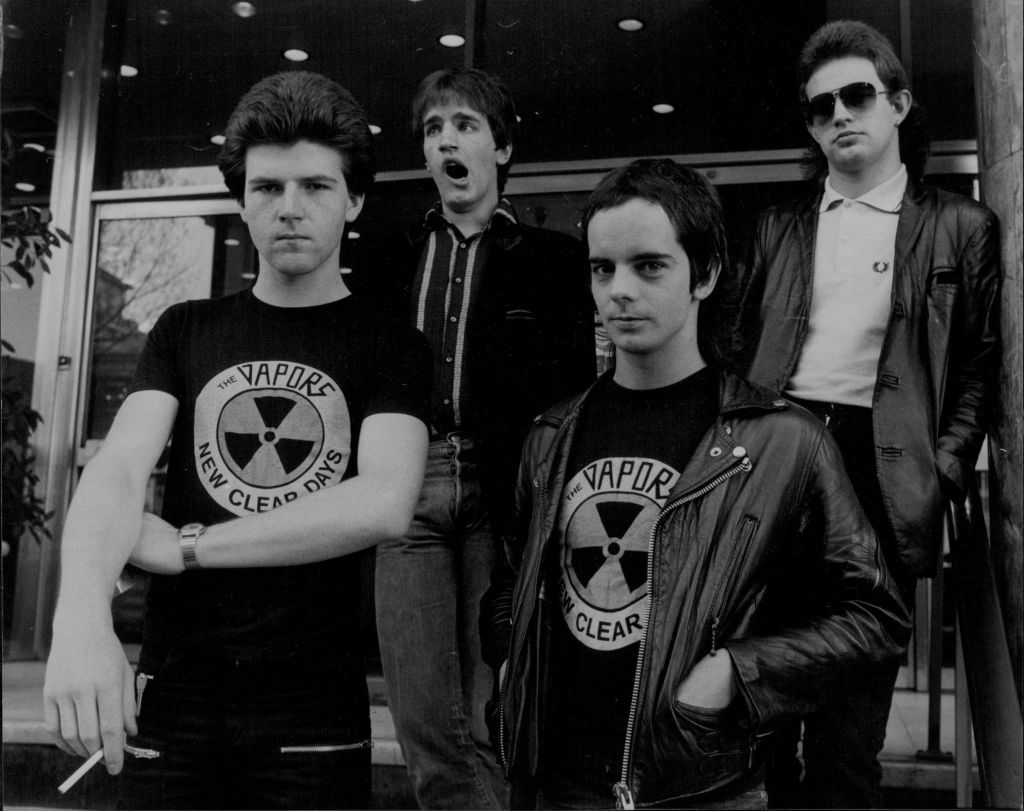
Misread meanings have clung to ‘Turning Japanese’ for decades, becoming almost as famous as the song itself. The Vapors always maintained it was about emotional dislocation and identity – essentially a breakup song – yet listeners insisted on reading it as a euphemism for masturbation, an orientalist gag or some coded commentary on cultural fetishisation.
None of that was true, but the rumours stuck, overshadowing a sharp, nervy new‑wave single with real melodic bite. Their more nuanced follow‑up work never charted, especially in the US, leaving this misunderstood oddity as their lone pop landmark.
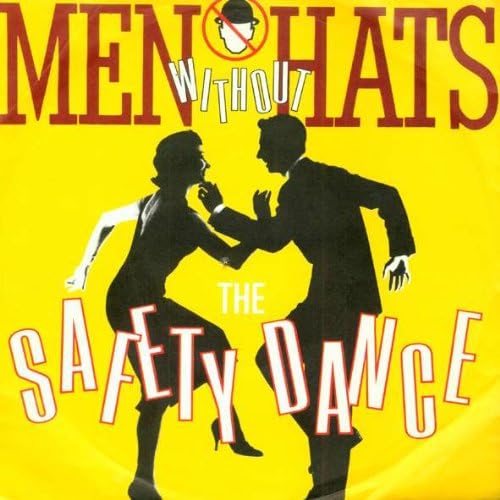
12. Men Without Hats – ‘The Safety Dance’ (1982)
A synth‑pop oddity with a medieval‑themed video, ‘The Safety Dance’ became a US smash largely because it was impossible to ignore. Ivan Doroschuk’s deadpan delivery and the song’s anti‑authoritarian message struck a chord, even as the band’s later work drifted into cult territory. For most Americans, the phrase “We can dance if we want to” is the beginning and end of the story.
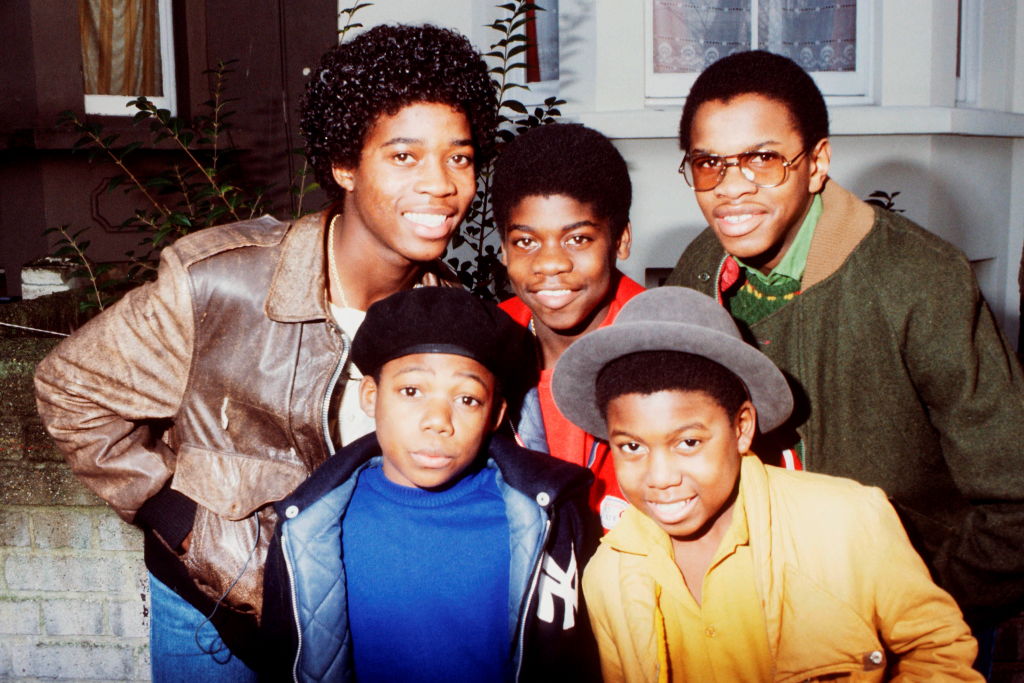
13. Musical Youth – ‘Pass the Dutchie’ (1982)
A group of Birmingham schoolkids scoring a global hit with a reworked reggae tune was one of 1982’s most charming surprises. ‘Pass the Dutchie’ soared to No. 1 in the UK and cracked the US Top 10, yet the band’s momentum evaporated almost immediately. The song’s exuberance proved impossible to repeat, leaving Musical Youth as one of the era’s most fleeting phenomena.
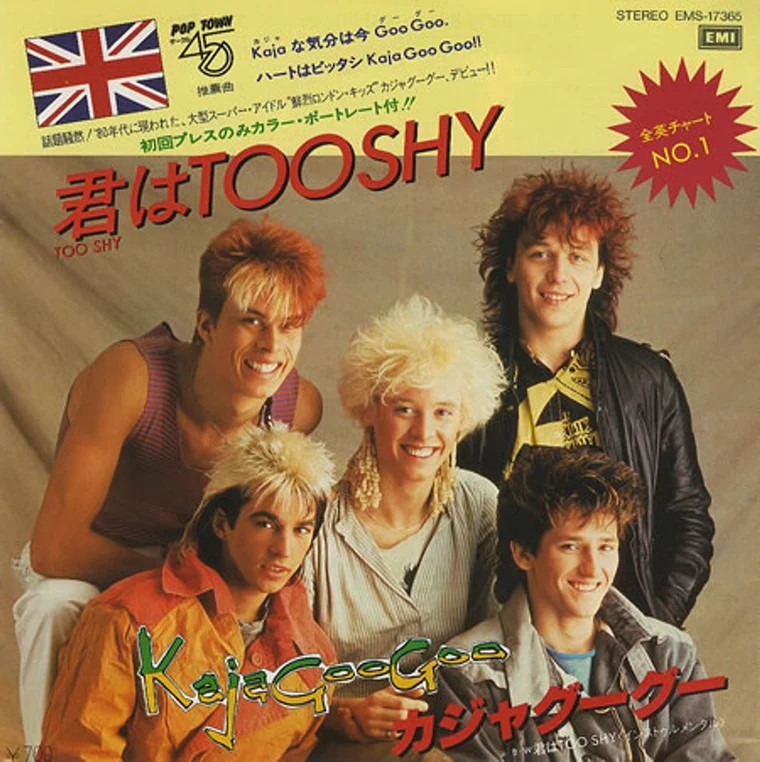
14. Kajagoogoo – ‘Too Shy’ (1983)
Limahl’s breathy vocals and the band’s glossy synth‑pop production made ‘Too Shy’ a transatlantic smash in 1983. But internal tensions and shifting musical trends meant Kajagoogoo couldn’t sustain the breakthrough. In the US, they’re remembered solely for this one shimmering hit – a perfect snapshot of early‑’80s pop aesthetics, and a reminder of how quickly MTV‑era fame could evaporate.
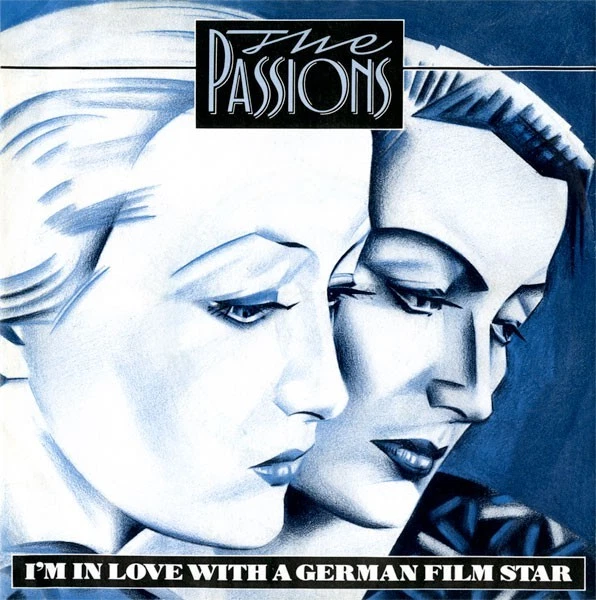
15. The Passions – ‘I’m in Love with a German Film Star’ (1981)
The Passions emerged from London’s post-punk scene with a song that sounded far more glamorous than its modest surroundings. ‘I’m in Love with a German Film Star’ was inspired by singer Barbara Gogan’s fascination with German actor Klaus Kinski, whose intense screen presence gave the song its air of dangerous romantic obsession. John Williams’ chiming guitar and Gogan’s cool, detached vocal created something wonderfully atmospheric, and the single reached No. 25 in Britain in 1981. Nothing else came close to matching its impact, making The Passions one of the era’s most intriguing one-hit wonders.
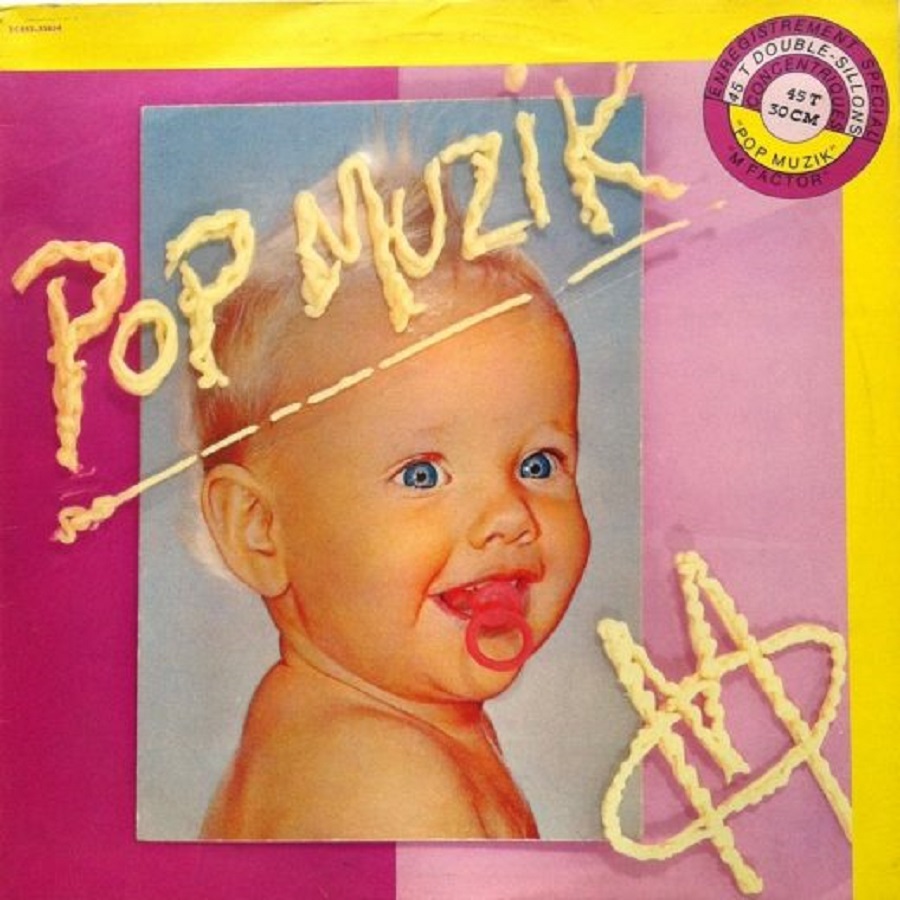
16. M – ‘Pop Muzik’ (1979)
Although technically a 1979 release, ‘Pop Muzik’ became a foundational text for the MTV era and sits comfortably in any 1980s one‑hit list. Its playful deconstruction of pop itself, delivered over a disco‑new‑wave hybrid, made it a US No. 1. Yet M’s later experiments never caught on, leaving this clever, self‑referential track as their sole American triumph.
Rockwell – ‘Somebody’s Watching Me’ (1984)
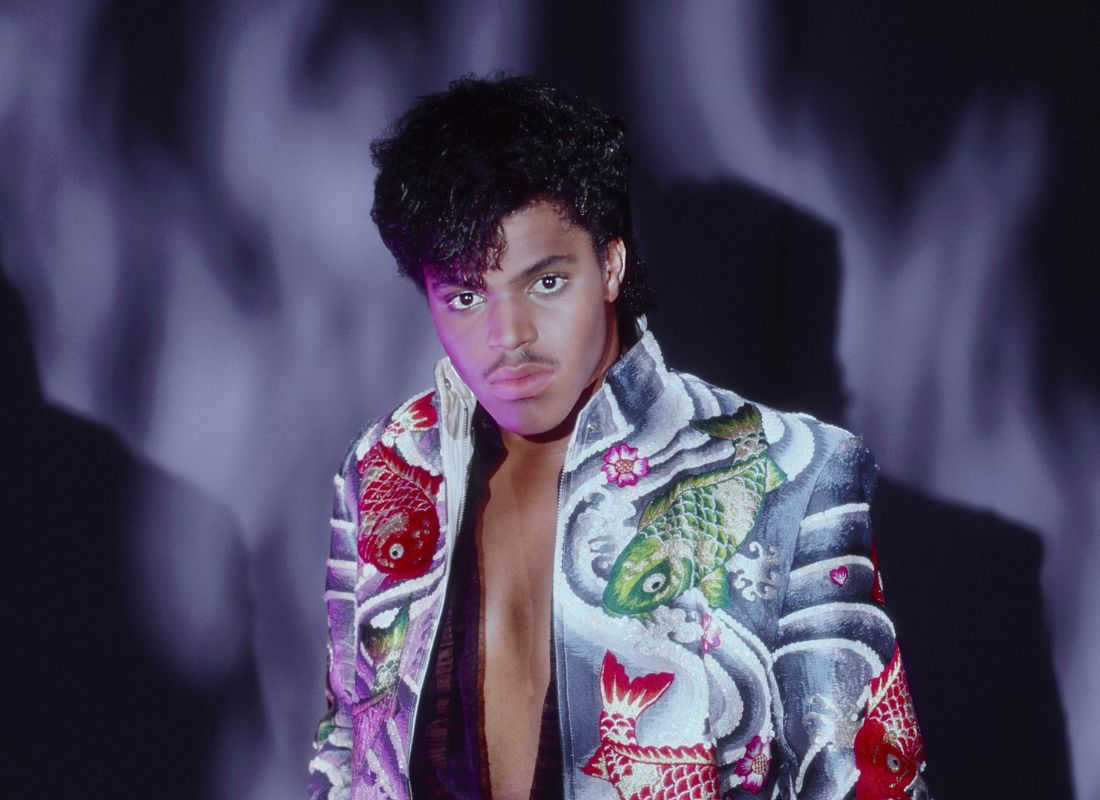
‘Somebody’s Watching Me’ had an extraordinary secret weapon: Michael Jackson. Rockwell was actually Kennedy Gordy, son of Motown founder Berry Gordy, and he persuaded Jackson to provide backing vocals on his paranoid 1984 synth-funk hit. Jackson’s unmistakable voice can be heard on the chorus, giving the song an instant pop pedigree – although Rockwell himself handled the verses.
The result became a Top 10 hit in Britain and America, helped by its wonderfully creepy video. Rockwell never again came close to matching it, leaving him forever associated with one of the strangest Jackson-assisted hits of the 1980s.
Artist pics Getty Images. Lotus Eaters pic: YouTube
Top pic: Rockwell