
On 14 September 1984, some of the biggest names in music gathered at New York's Radio City Music Hall for an awards ceremony that, on paper, had something to prove.
MTV had been on air for only three years. It was a young cable channel built around an idea that still seemed faintly ridiculous to some of the established music industry: that people might want to watch their favourite songs rather than simply listen to them.
Now MTV was giving those videos their own awards show.
The first MTV Video Music Awards were intended to establish the channel as a serious cultural force. Instead, they established something rather different: an awards ceremony in which anything might happen, where the performances could matter more than the trophies, and where a few minutes of live television could change an artist's career.
Cyndi Lauper led the field
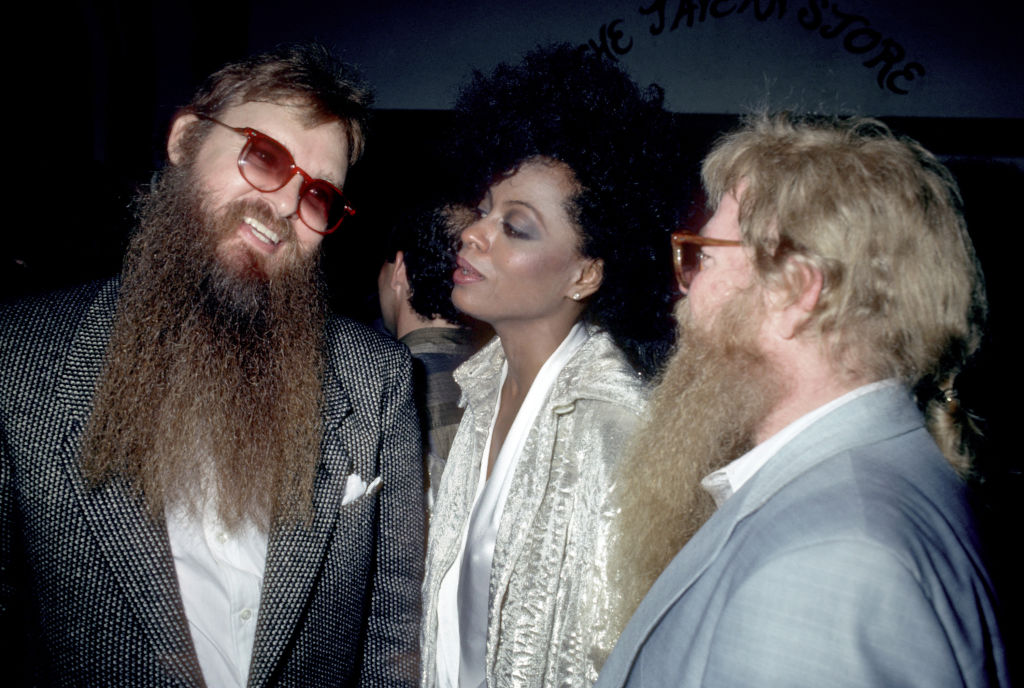
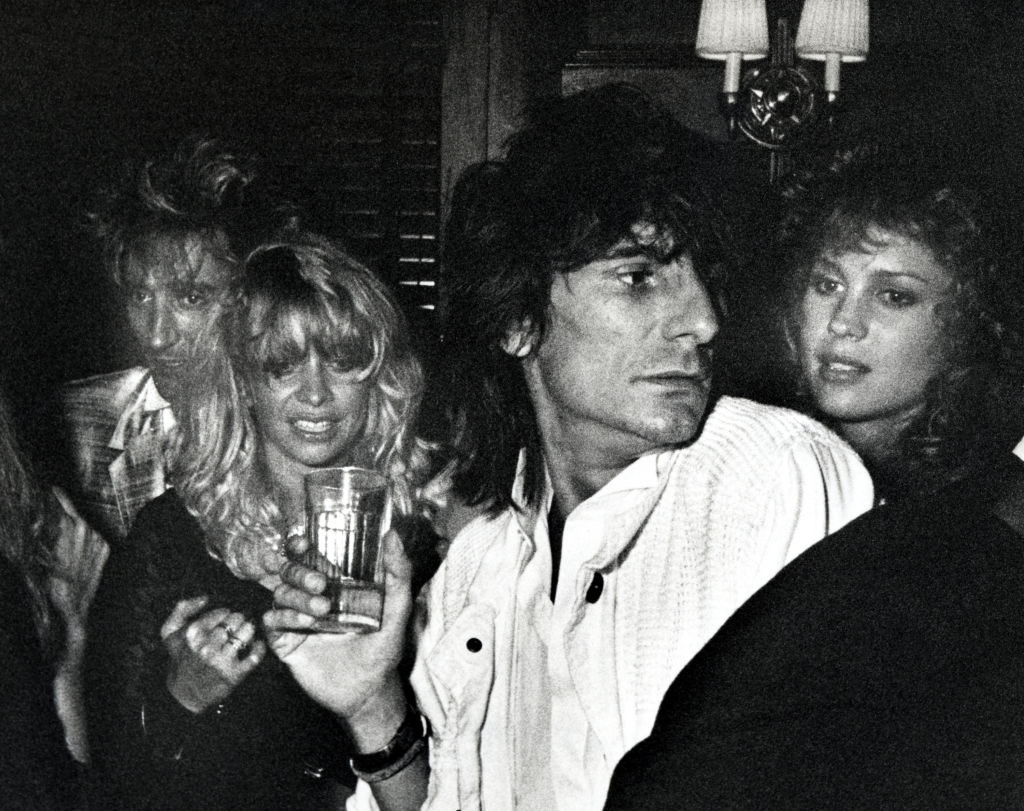
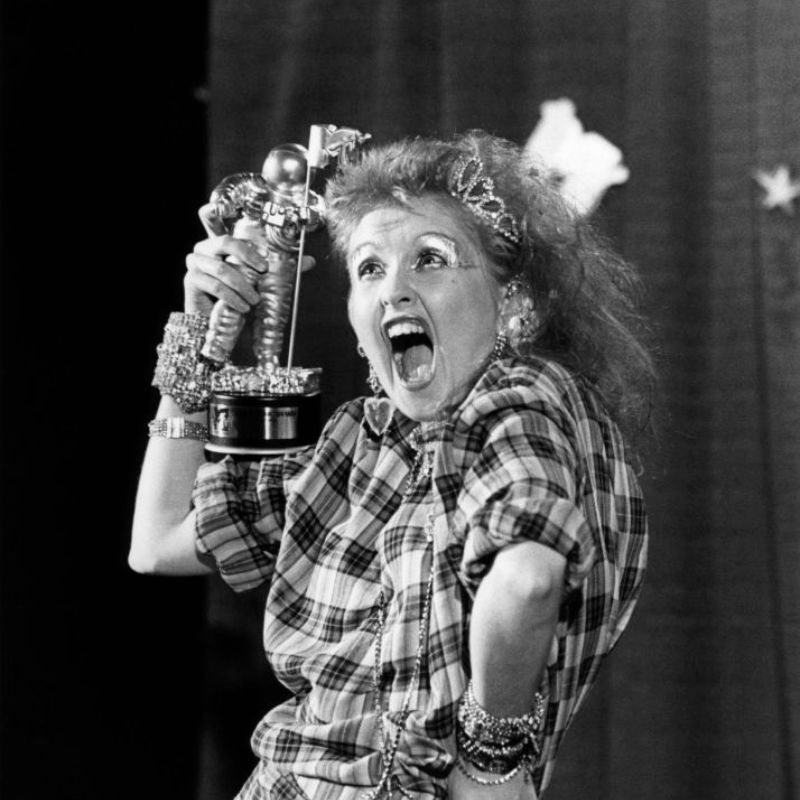
The ingredients were certainly there. Dan Aykroyd and Bette Midler were the hosts, while the audience included David Bowie, Tina Turner, Rod Stewart, Billy Idol, Ron Wood, Roger Daltrey and a host of other stars. The nominees reflected the extraordinary mixture of rock, pop, new wave and emerging video culture that MTV had helped create. Cyndi Lauper led the field with nine nominations; Michael Jackson, The Cars and ZZ Top each had six.
But there was still a sense that MTV was the outsider trying to gatecrash the industry's establishment party.
The network had reportedly struggled to persuade some major artists to take its first awards seriously. MTV was reportedly having such difficulty booking established acts that it threatened to pull ZZ Top’s videos from rotation if the Texas trio didn’t appear.
That tells you something about how quickly the balance of power was changing. MTV needed the stars, but the stars increasingly needed MTV. A successful video could turn an artist's image into part of the song itself, and the channel was becoming one of the most powerful tastemakers in the youth market.
So the first VMAs arrived with plenty of hype.
'Gibberish'
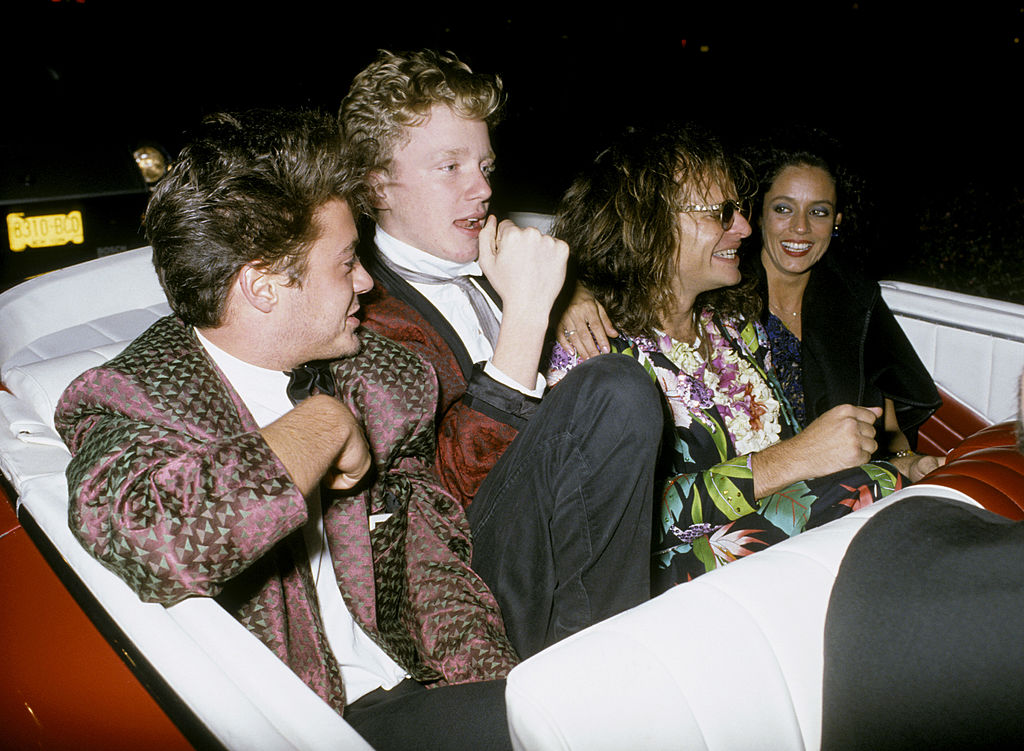
Outside Radio City Music Hall, the building was temporarily rechristened 'Video City Music Hall' by New York mayor Ed Koch, who turned up wearing a Michael Jackson-style glittering glove. Crowds gathered to see the arriving stars, with Billy Idol, Cyndi Lauper, Ron Wood and David Lee Roth among those generating particularly loud reactions. The Washington Post described the evening's atmosphere as one of rock-star frenzy, with MTV effectively hyping itself as much as the artists.
Inside, the ceremony was deliberately less solemn than the Grammys. Aykroyd and Midler kept things moving with comedy, while Cyndi Lauper appeared to explain the rules in what sounded like ancient Babylonian gibberish. The very concept of an MTV awards ceremony seemed to invite irreverence.
And then Madonna appeared.
She was still an emerging star rather than the global icon she would soon become, and 'Like a Virgin' had not yet been released as a single. Her performance was supposed to be relatively simple: she emerged from a giant wedding cake in a white wedding dress, complete with veil, pearls, lace gloves and her 'Boy Toy' belt.
Then one of her shoes came off.
Impossible to ignore
Madonna dived onto the floor to retrieve it, her dress rode up and her underwear was exposed on live television. Rather than stop, she turned the accident into part of the performance, writhing across the stage as if the whole thing had been planned.

It became one of the defining moments of MTV's history. Madonna later recalled that she simply thought, 'I'll just pretend I meant to do this,' and carried on.
Her manager reportedly feared afterwards that her career was over. Instead, the opposite happened. The performance made Madonna impossible to ignore and helped establish the VMAs as a place where pop stars could manufacture — or accidentally stumble into — the sort of live television moment that would be talked about long after the awards themselves had been forgotten.
And Madonna wasn't the only reason the first ceremony felt like a glimpse of the future.
David Bowie performed 'Blue Jean' from London rather than appearing in person, an early reminder that MTV could make geography almost irrelevant. Tina Turner performed 'What's Love Got to Do with It', Rod Stewart delivered 'Infatuation', ZZ Top played 'Sharp Dressed Man', and Herbie Hancock's extraordinary 'Rockit' brought its bizarre combination of electronic music and robotic imagery into the heart of the show.
And the night's biggest winner was...
The prizes themselves were an intriguing snapshot of where music stood in 1984.
The Cars won the big one, Video of the Year, for the wonderfully surreal 'You Might Think', beating Michael Jackson's 'Thriller', Herbie Hancock's 'Rockit', Cyndi Lauper's 'Girls Just Want to Have Fun' and The Police's 'Every Breath You Take'.
Herbie Hancock was the night's biggest winner, taking five awards. Michael Jackson won three, including awards for the performance and choreography of 'Thriller'. David Bowie won Best Male Video for 'China Girl', ZZ Top took Best Group Video for 'Legs', Van Halen walked away with Best Stage Performance for 'Jump', and Eurythmics were named Best New Artist in a Video for 'Sweet Dreams (Are Made of This)'.
There was also a significant gesture towards the history of the medium. Bowie, the Beatles and director Richard Lester received the first Video Vanguard Awards, acknowledging that MTV's new visual culture had not appeared from nowhere.

'Almost quaint'
The reaction afterwards was telling. Contemporary coverage noted the sheer scale of the celebrity gathering and the show's energetic, self-aware presentation. It didn't feel like a traditional industry awards ceremony — and that was precisely the point.
In retrospect, the first VMAs look almost quaint. The production was relatively modest, the performances were comparatively simple and the famous Moonman trophies were hardly competing with Oscars or Grammys for prestige.
But the show established a new principle: the awards ceremony itself could become part of the music business.
The VMAs would subsequently become synonymous with outrageous performances, unexpected collaborations, celebrity feuds, wardrobe malfunctions and moments that could dominate the cultural conversation the following morning. Madonna would repeatedly return to the stage; later generations would use the ceremony to create their own defining images. The show became less about honouring what had already happened and increasingly about creating something that everyone would remember.
That was the real breakthrough on 14 September 1984.
MTV had started as a television channel that played music videos. The first VMAs demonstrated that it could do something much more powerful: turn the people who made those videos into television stars, and turn television itself into part of the music.
Madonna's lost shoe may have been an accident. The revolution wasn't. MTV had already been changing the way people discovered music for three years. But on 14 September 1984, its first Video Music Awards showed just how powerful the new visual age of pop could become.
Pics Getty Images

