
AC/DC have never been a band to overcomplicate things.
Since exploding out of Australia in the mid-1970s, they have built their reputation on thunderous riffs, irresistible grooves, schoolboy humour and songs that sound like they were designed to be played at maximum volume. Yet within that apparently narrow formula, there is plenty of room for debate.
Which AC/DC album captures the band at their most electrifying? Is Back in Black really the undisputed champion, or can the rawer power of Highway to Hell or Let There Be Rock challenge it? And where do the later records sit alongside those 1970s and early-1980s classics?
We've ranked every AC/DC studio album, from the rough-edged beginnings with Bon Scott through Brian Johnson's arrival and the band's long second act. There are no radical reinventions here – just riffs, attitude and enough volume to shake the foundations. But some records deliver that formula considerably better than others.
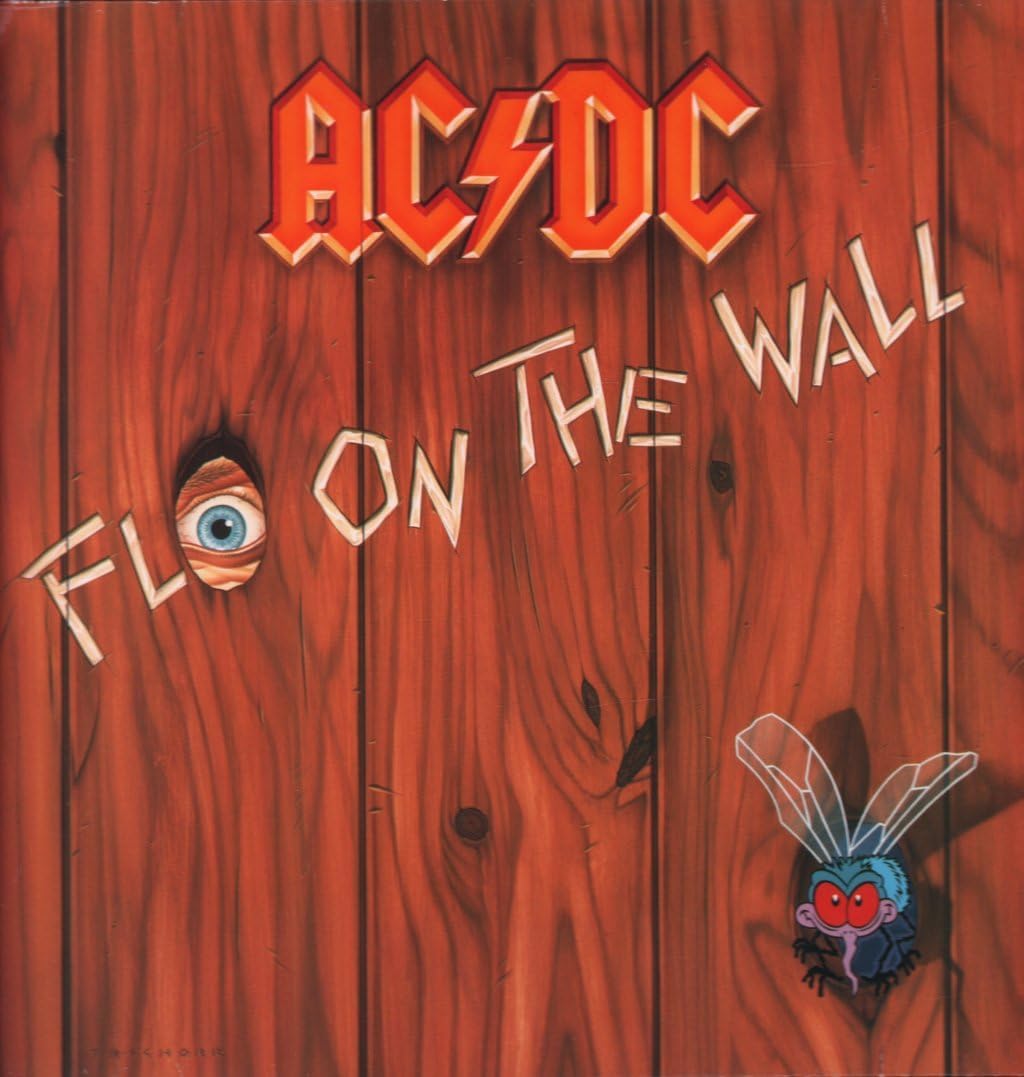
17. Fly on the Wall (1985)
By the mid-1980s, AC/DC's formula was beginning to sound less like a winning formula and more like a routine. Fly on the Wall has plenty of crunch, but too many songs feel generic, while the production makes the band sound oddly small and thin. ‘Shake Your Foundations’ is the obvious standout, but this is one of the few AC/DC albums where the riffs don't consistently catch fire. Terrible cover, too.
Key track: ‘Shake Your Foundations’
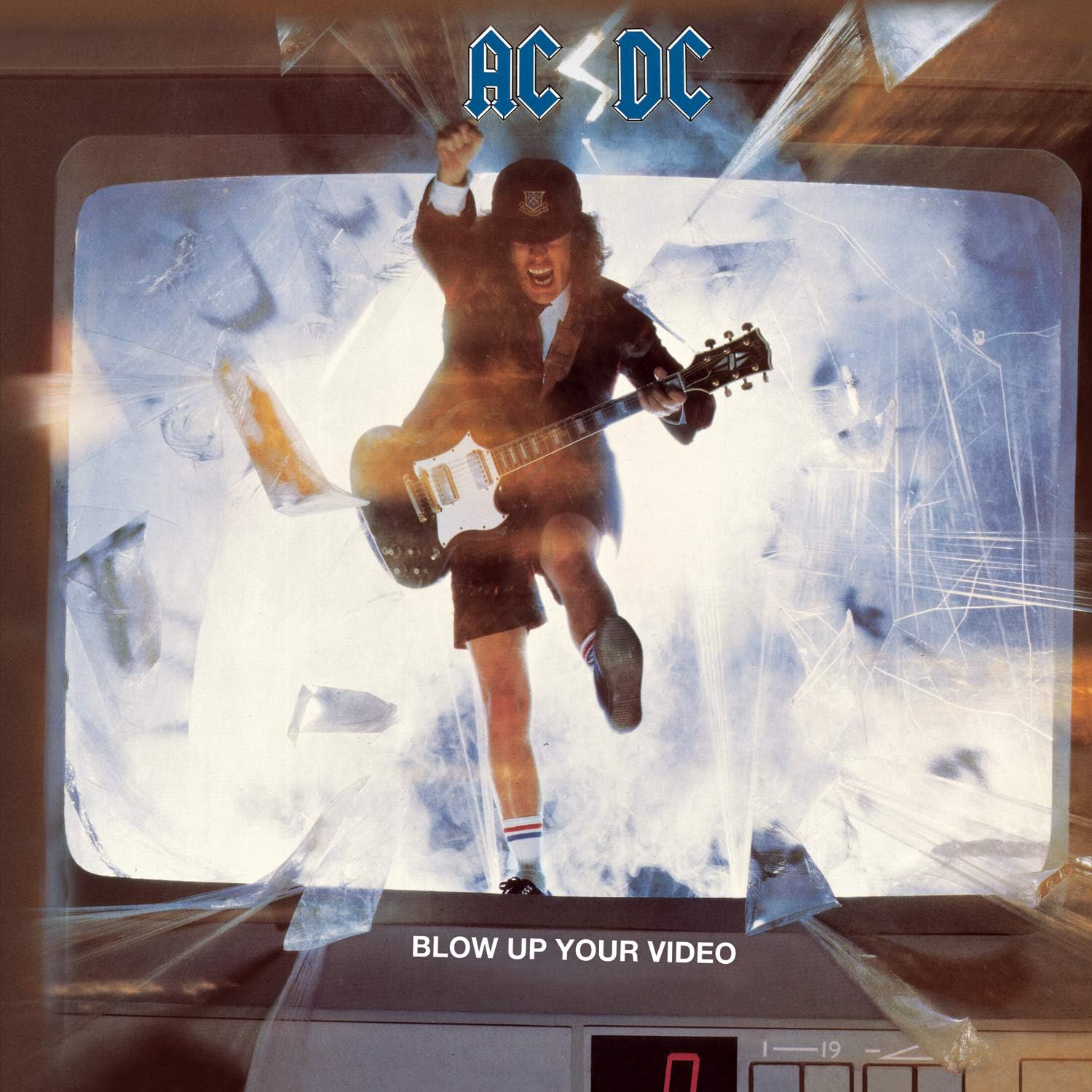
16. Blow Up Your Video (1988)
Blow Up Your Video is a curious late-80s comeback attempt: AC/DC were still capable of writing big, dumb, enjoyable rock songs, but the spark of the classic years was becoming harder to find. ‘Heatseeker’ is excellent and ‘That's the Way I Wanna Rock ’n’ Roll’ is gloriously uncomplicated, yet the album as a whole feels more functional than inspired. Still, it pointed towards better things.
Key track: ‘Heatseeker’
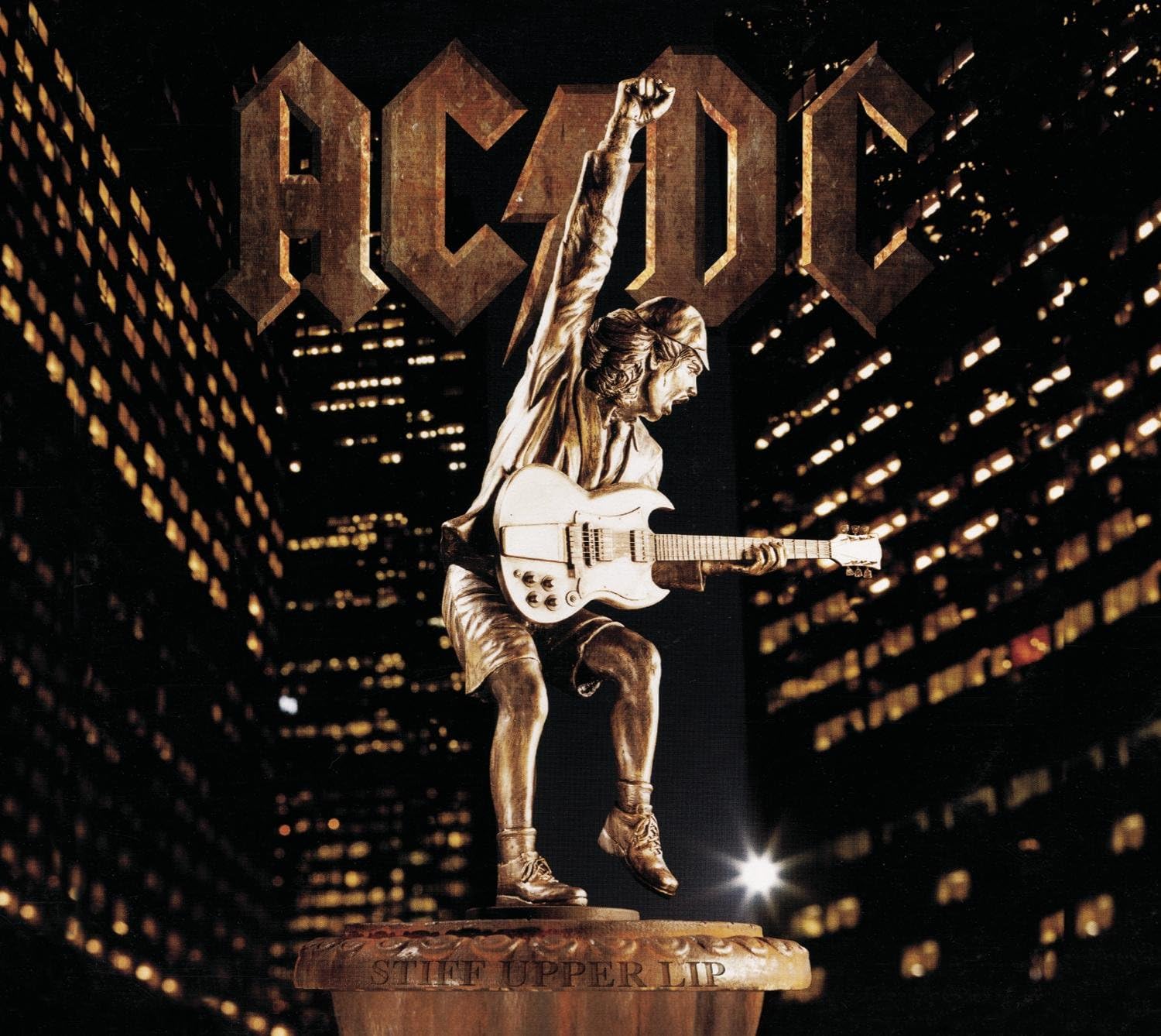
15. Stiff Upper Lip (2000)
There is something reassuring about Stiff Upper Lip: AC/DC had reached the point where they could simply stop worrying about fashion and make the record they wanted. The trouble is that this also makes it feel rather familiar. The title track is a superb, swaggering boogie, while ‘Can't Stop Rock ’n’ Roll’ has real character. But too much of the album sounds like AC/DC going through the motions.
Key track: ‘Stiff Upper Lip’
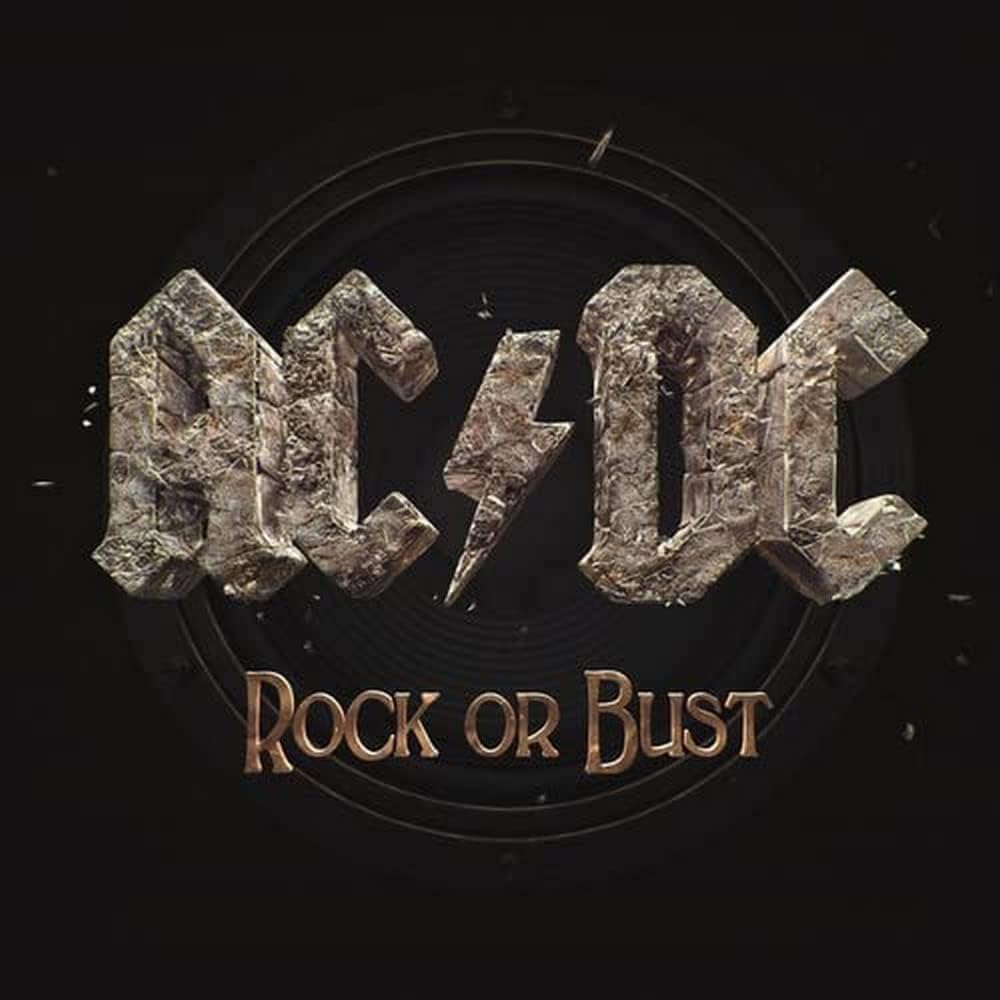
14. Rock or Bust (2014)
Given the circumstances, Rock or Bust is remarkably solid. Malcolm Young was no longer able to play, and his nephew Stevie stepped in on rhythm guitar, but the album retains the band's essential punch. ‘Rock or Bust’ and ‘Play Ball’ are exactly the kind of uncomplicated anthems AC/DC do best. It doesn't approach their classics, but as a late-career statement it has plenty of life.
Key track: ‘Rock or Bust’
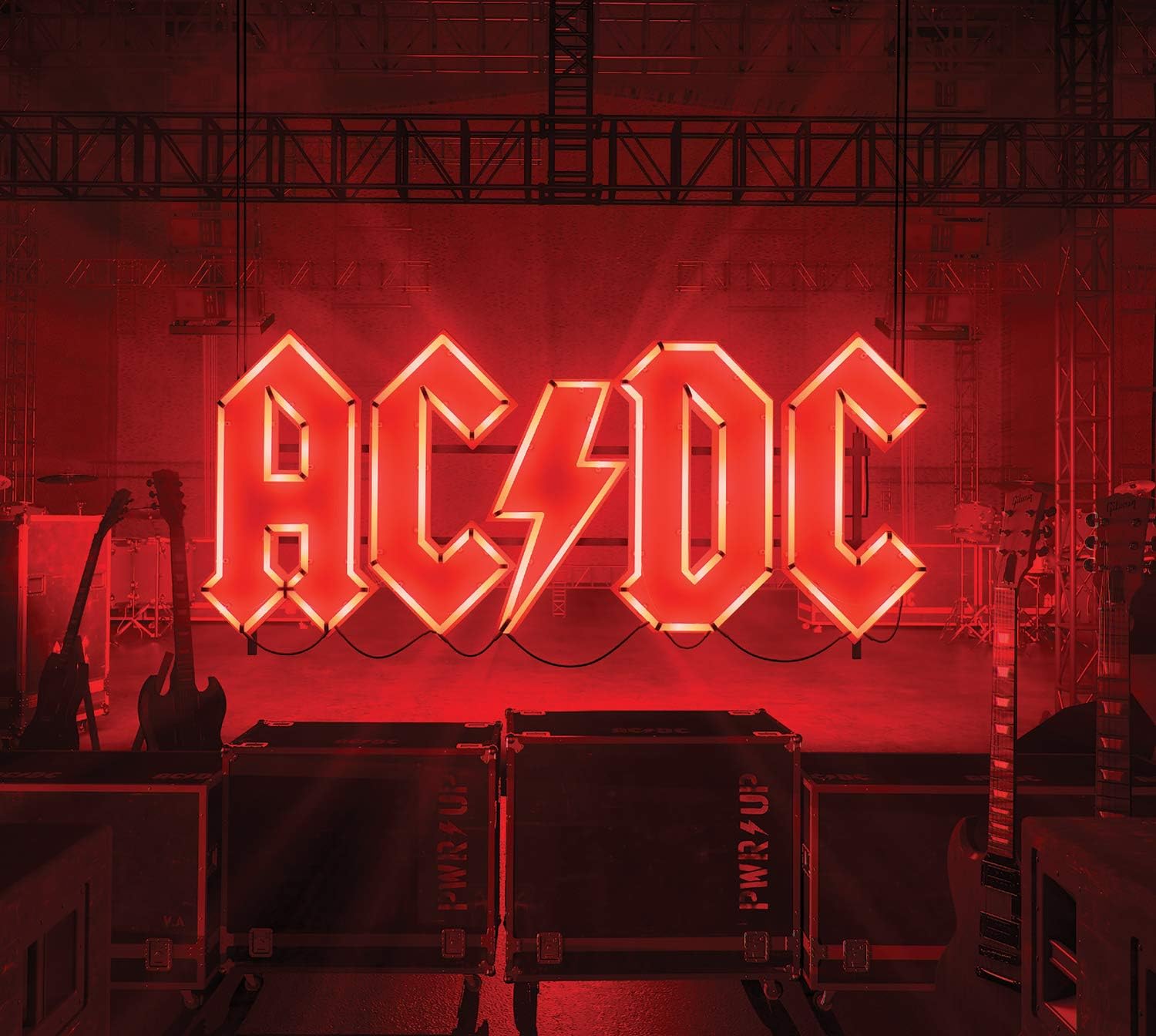
13. Power Up (2020)
Power Up is AC/DC doing what AC/DC do best: plugging in, turning everything up and refusing to acknowledge that musical fashions have changed. Many of the songs were developed from ideas Angus and Malcolm had worked on together before the latter's death in 2017, giving the album an added poignancy. ‘Realize’ and ‘Shot in the Dark’ are strong, muscular songs, and the whole thing feels like a respectful salute to Malcolm without becoming a memorial.
Key track: ‘Shot in the Dark’
12. Ballbreaker (1995)
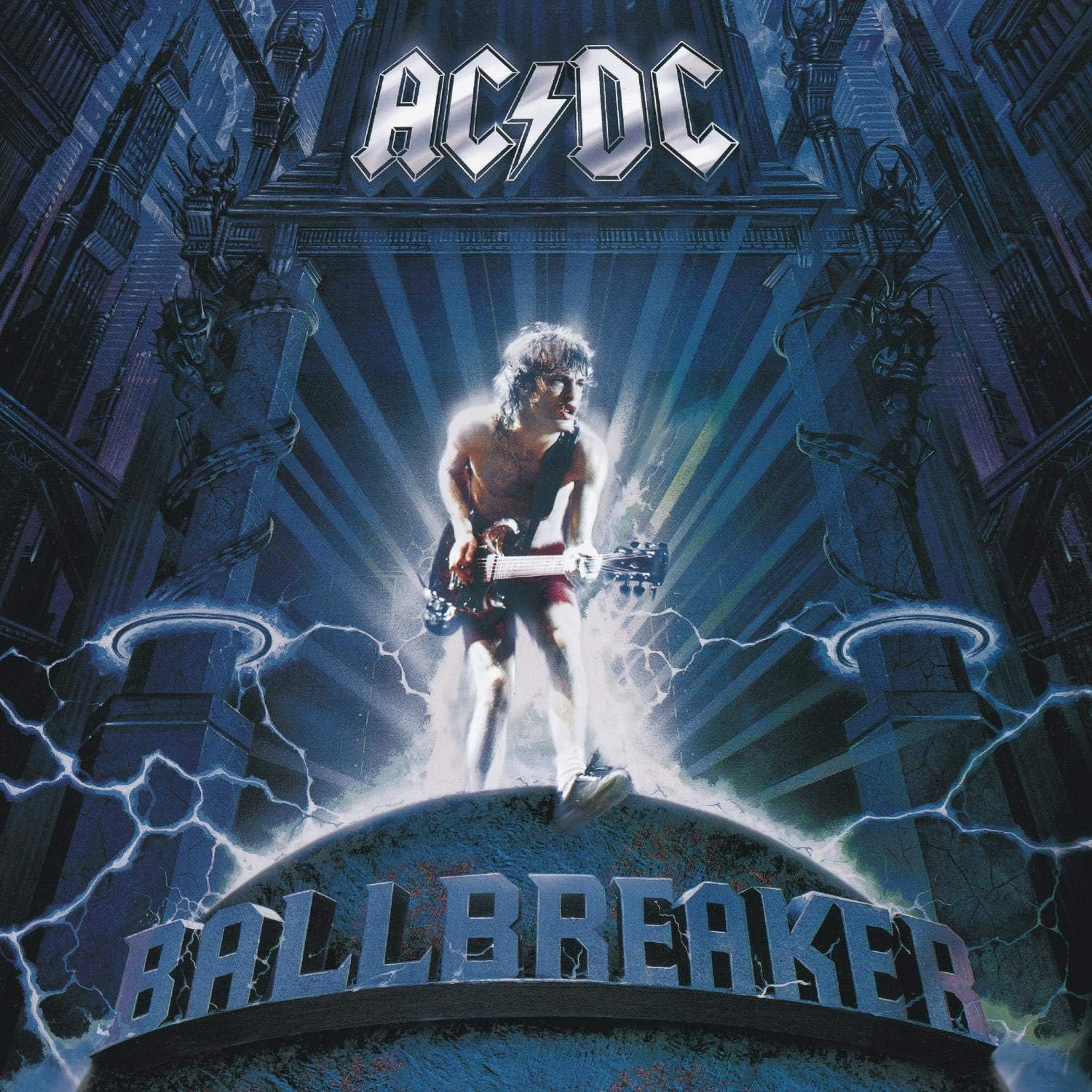
The return of drummer Phil Rudd after a 12-year absence gave Ballbreaker an immediate sense of familiarity, while Rick Rubin tried to strip AC/DC's sound back to its raw essentials. The results are inconsistent, but when it works, it really works. ‘Hard as a Rock’ has a magnificent, grinding groove, while ‘Boogie Man’ taps into the bluesy menace of the Bon Scott era. Not a classic, but a convincing return to form.
Key track: ‘Hard as a Rock’
11. Black Ice (2008)
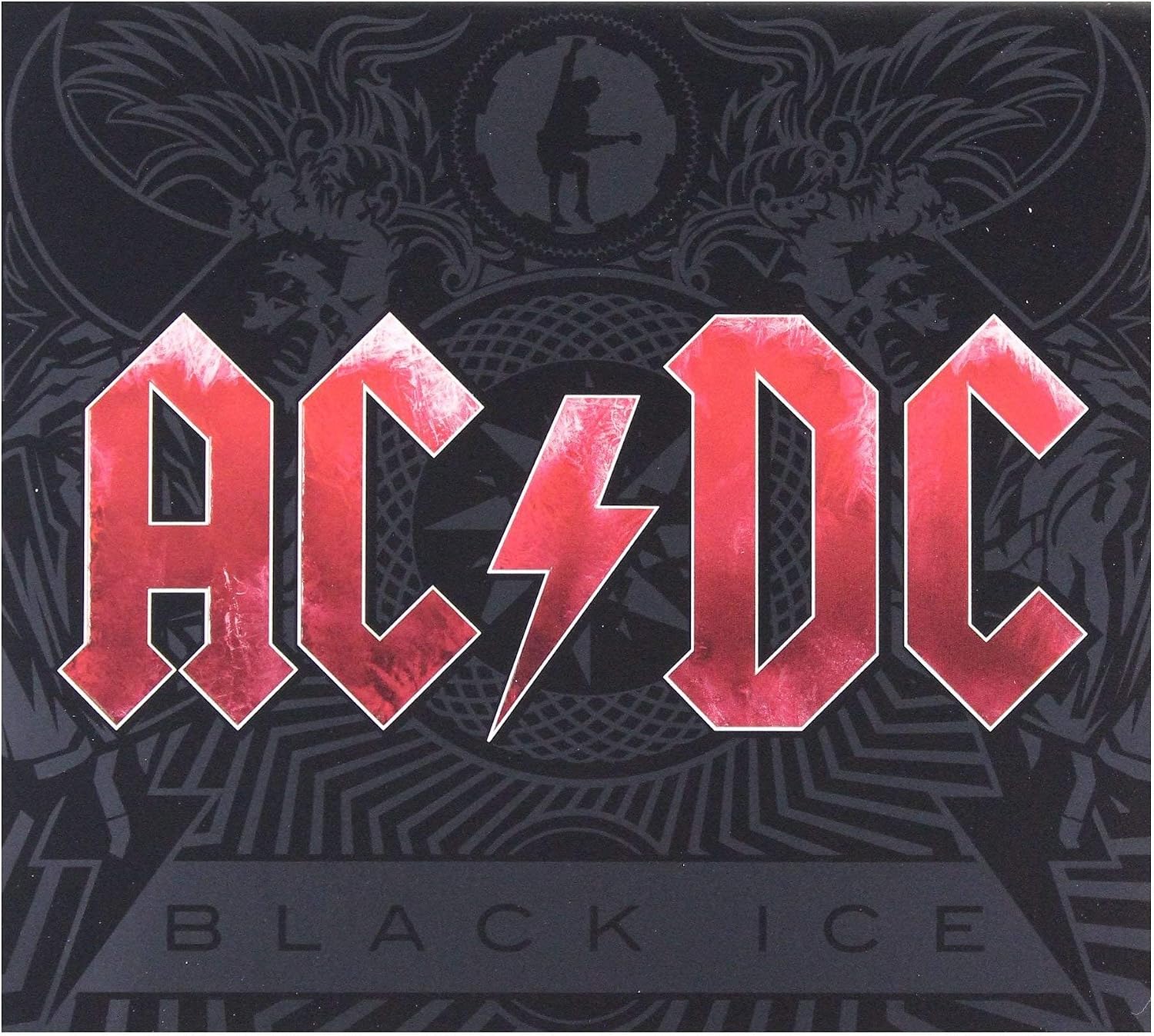
At 15 tracks and almost an hour, Black Ice could certainly have used some editing. Yet AC/DC sound remarkably energised throughout much of it. ‘Rock ’n’ Roll Train’ is an instant anthem, ‘Big Jack’ has a wonderful swagger and ‘Black Ice’ itself is a surprisingly nasty blues-rock workout. Brendan O'Brien's production gives the band a muscular, modern sound without attempting to reinvent them.
Key track: ‘Rock ’n’ Roll Train’
10. High Voltage (1975)
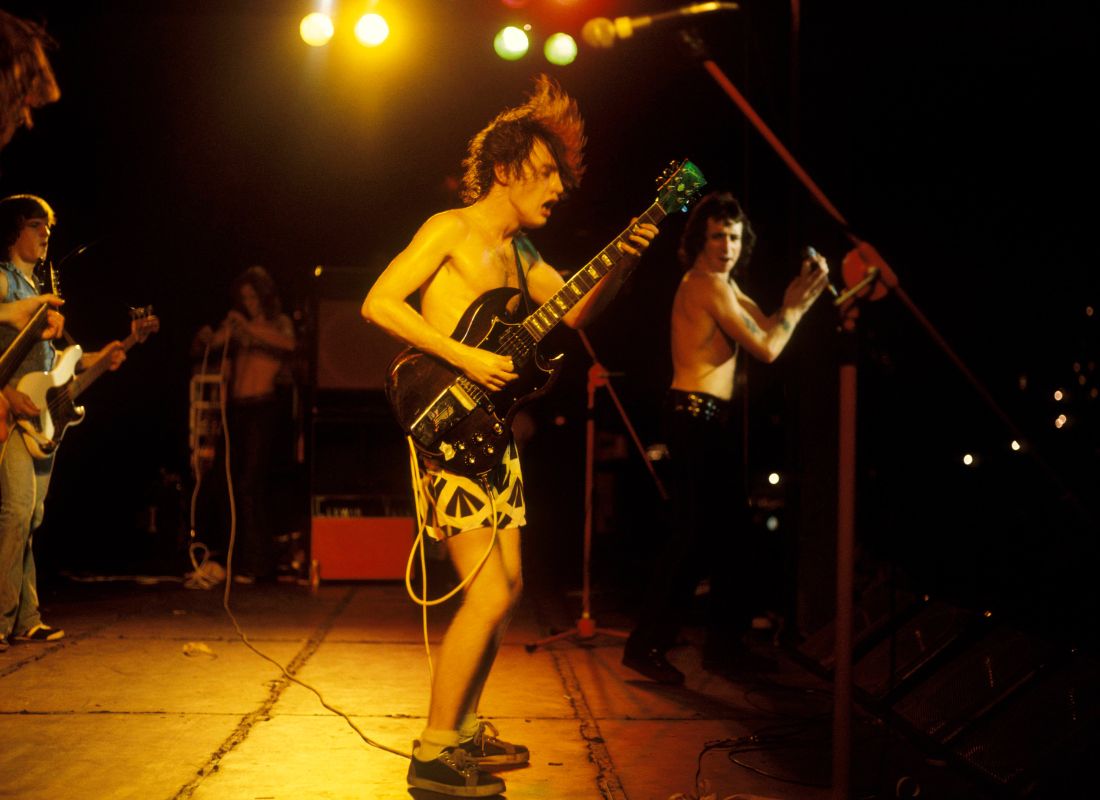
The original Australian High Voltage is a fascinating glimpse of AC/DC before they had completely worked out what they were. It's rougher and more uneven than what followed, but Bon Scott's personality is already unmistakable, and songs such as ‘Little Lover’ and ‘She's Got Balls’ point towards the band's future.
There are flashes of the swagger, humour and brute-force riffing that would soon become their trademarks, even if the material doesn't yet hang together with the same confidence. The international High Voltage is a different proposition, combining tracks from the first two Australian albums into a stronger, more representative introduction to the band.
Key track: ‘Little Lover’
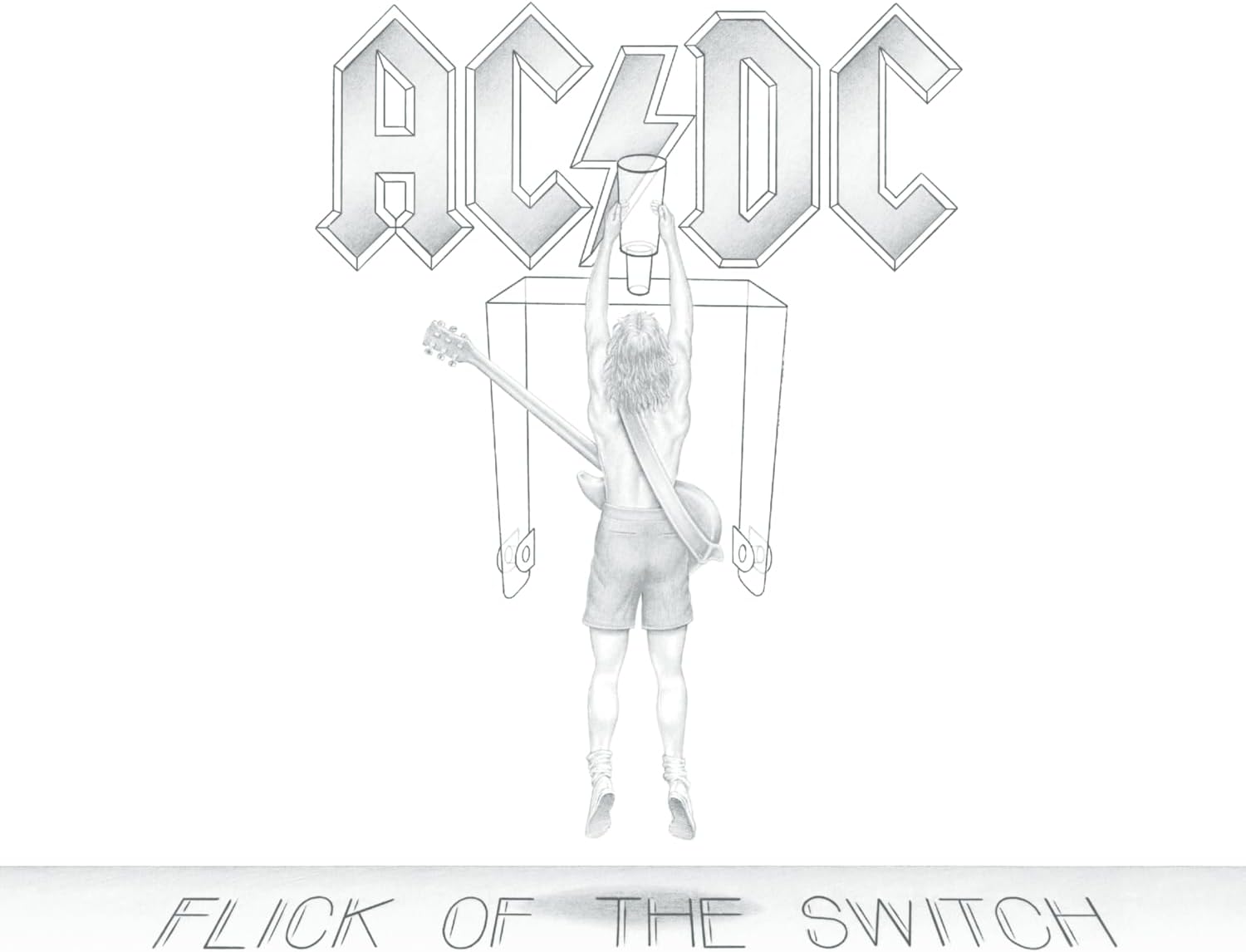
9. Flick of the Switch (1983)
Flick of the Switch is the great AC/DC album that often gets forgotten. Coming after the enormous Back in Black and For Those About to Rock, it deliberately strips away the polish and goes back to something rawer and more direct.
‘Guns for Hire’ and ‘Nervous Shakedown’ are excellent, while ‘Badlands’ is one of their nastiest deep cuts. It's rough around the edges – but that's part of its appeal.
Key track: ‘Guns for Hire’
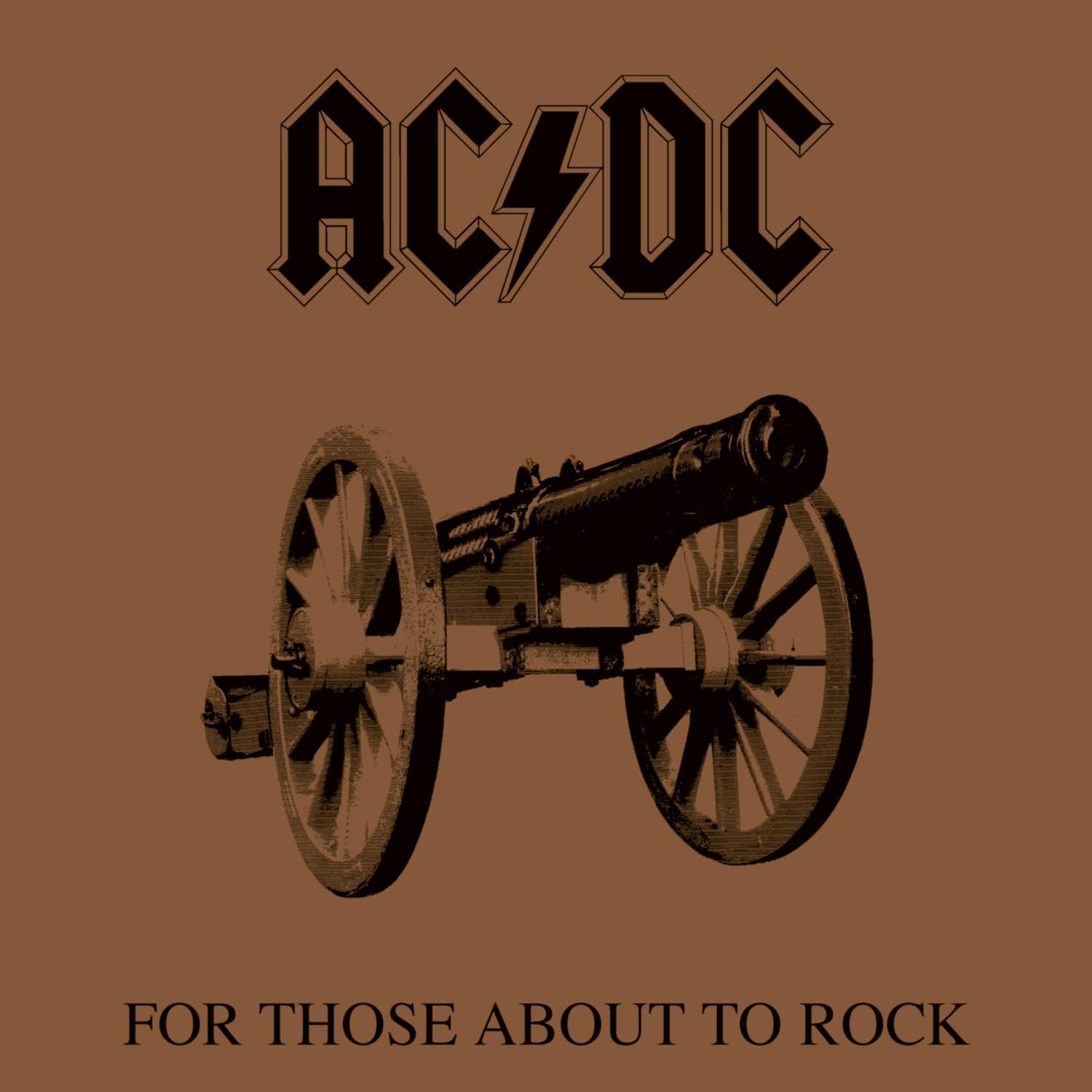
8. For Those About to Rock (We Salute You) (1981)
Following Back in Black was never going to be easy, and AC/DC responded by making everything bigger. The title track is enormous, complete with cannon fire, while ‘Let's Get It Up’ and ‘Snowballed’ preserve some of the old swing. The album occasionally tips too far towards heavy-metal bombast, but its best moments are genuinely colossal. And that title track remains one of rock's great crowd-pleasers.
Key track: ‘For Those About to Rock (We Salute You)’
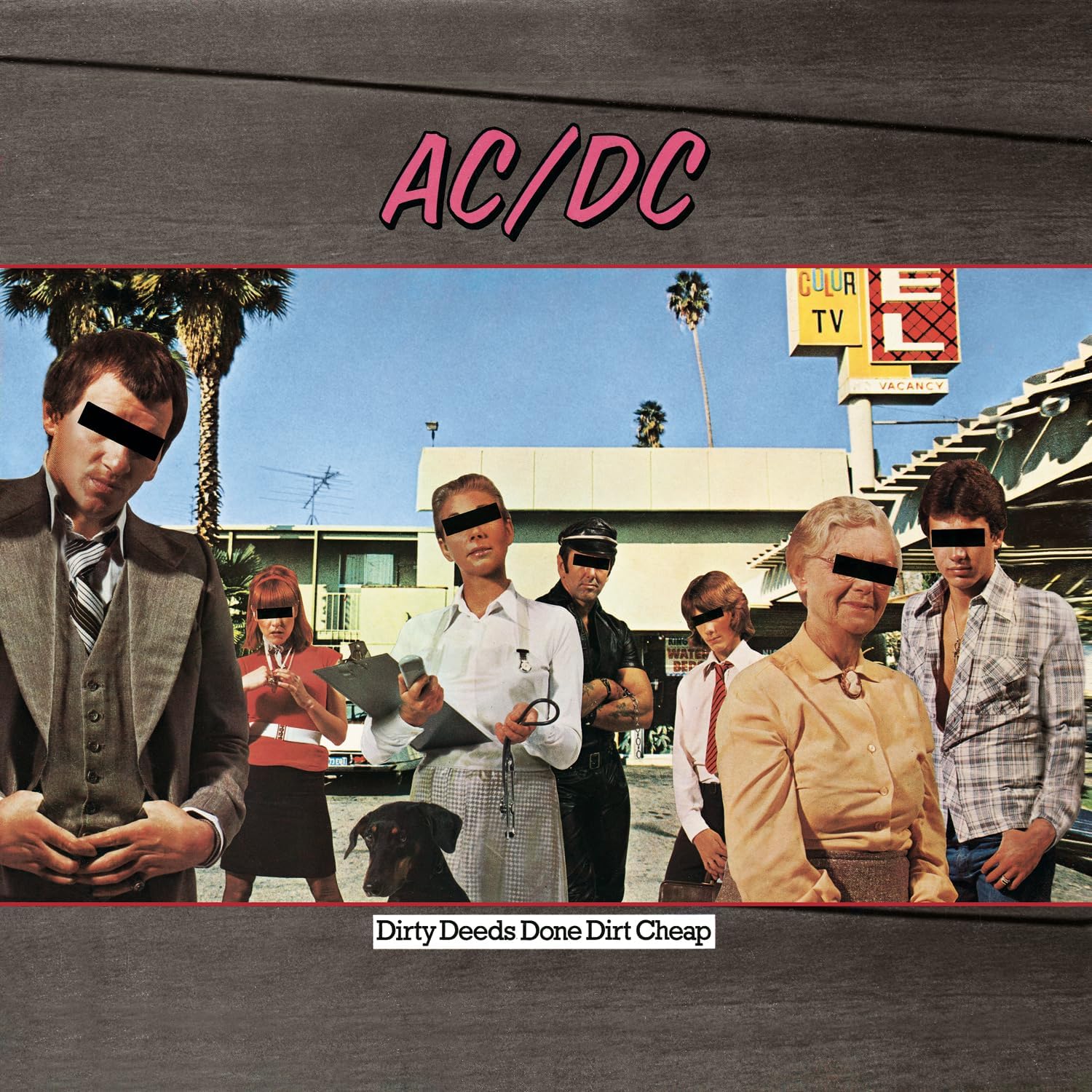
7. Dirty Deeds Done Dirt Cheap (1976)
This is AC/DC at their grubbiest, funniest and most gloriously irresponsible. The title track is menacing, ‘Big Balls’ is essentially Bon Scott turning innuendo into performance art, and ‘Problem Child’ remains one of their great early rockers. But the real surprise is ‘Ride On’, a weary, bluesy song that reveals a remarkably vulnerable side to Scott. It's rough, funny and occasionally moving – a very distinctive AC/DC record.
Key track: ‘Ride On’
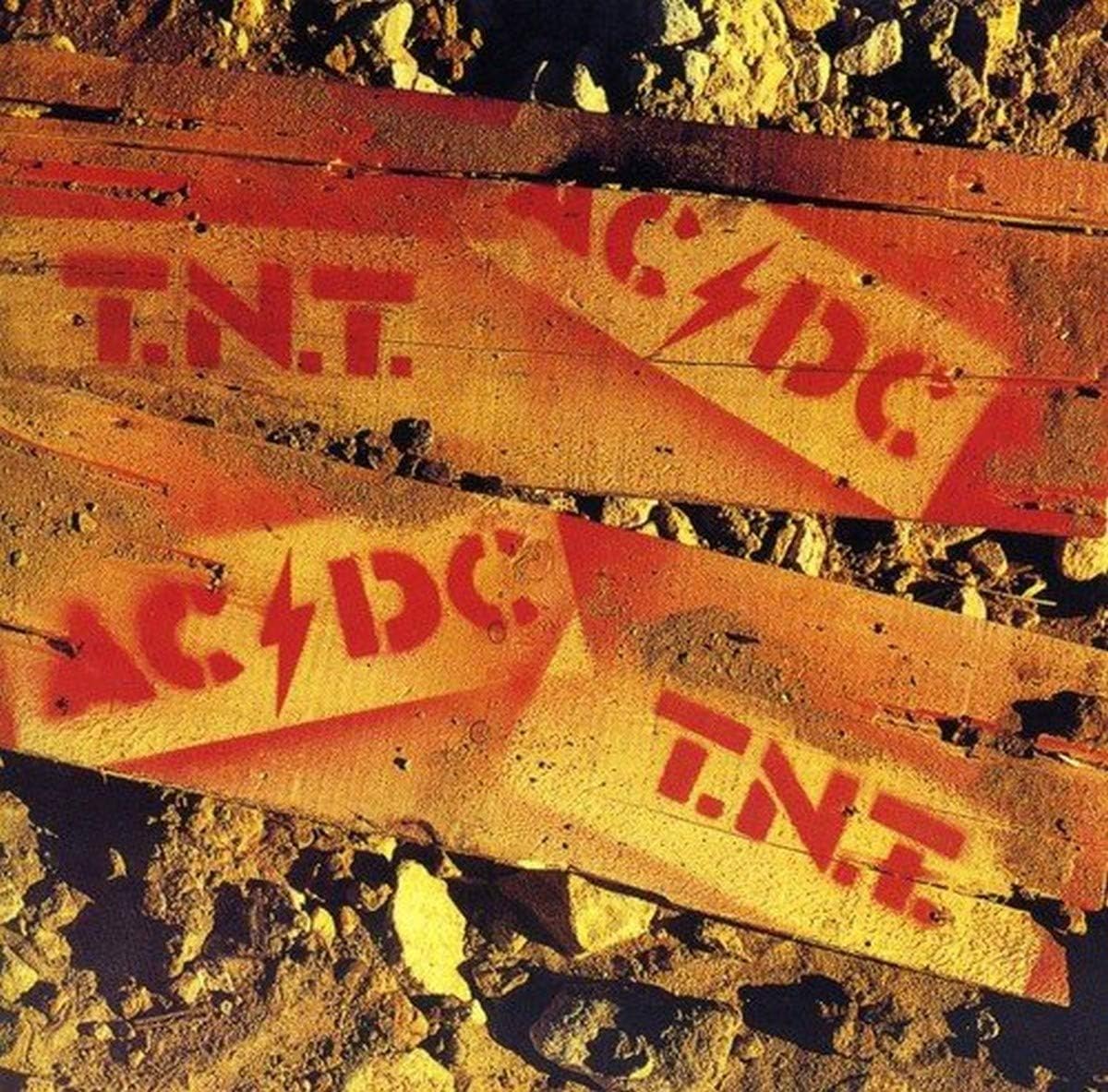
6. T.N.T. (1975)
Here AC/DC suddenly sound like a band who know exactly what they are. ‘It's a Long Way to the Top’ announces the arrival of a distinctive new force, while ‘T.N.T.’, ‘High Voltage’ and ‘Live Wire’ established the template that would serve them for decades. Phil Rudd and Mark Evans give the band an irresistible rhythmic foundation, while Bon Scott supplies the swagger. Raw, funny and immensely confident.
Key track: ‘It's a Long Way to the Top (If You Wanna Rock ’n’ Roll)’
5. The Razors Edge (1990)
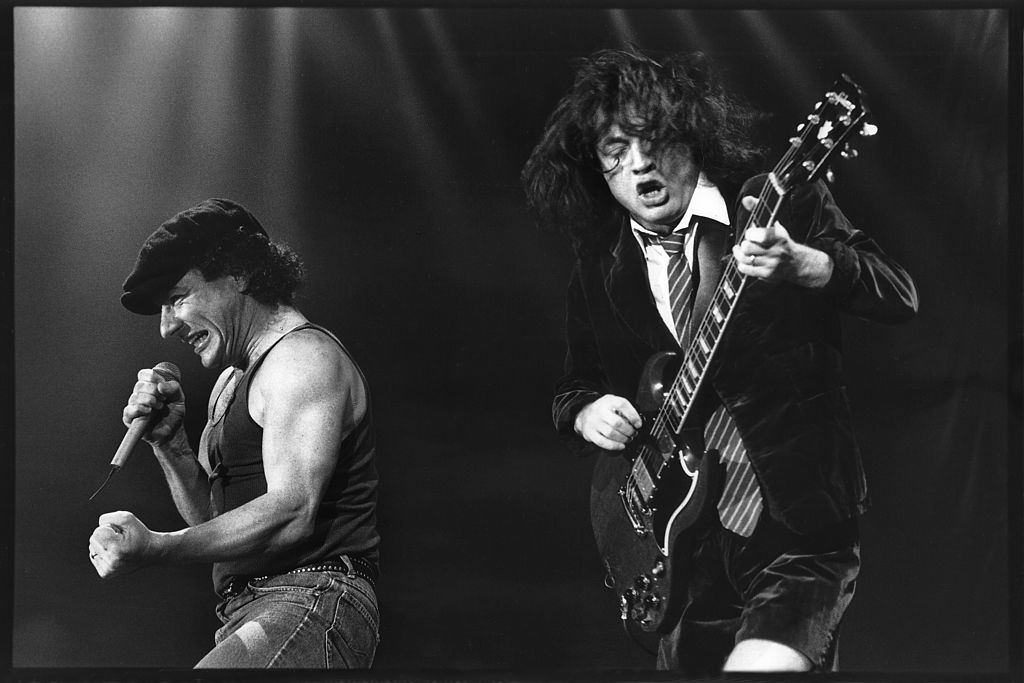
After several less convincing albums, AC/DC came roaring back with The Razors Edge. Bruce Fairbairn's production gives the band a huge, clean sound, but the riffs remain gloriously primitive. ‘Thunderstruck’ is the obvious monster, but ‘Moneytalks’, ‘Fire Your Guns’ and the title track all hit hard, while Brian Johnson sounds reinvigorated after a run of patchier records.
It may lack the looseness and swagger of the Bon Scott classics, but that almost seems beside the point: this was AC/DC rediscovering their commercial muscle without abandoning the basic formula. A brilliantly effective late-career reinvention, it restored the band to arena-filling form.
Key track: ‘Thunderstruck’
4. Let There Be Rock (1977)
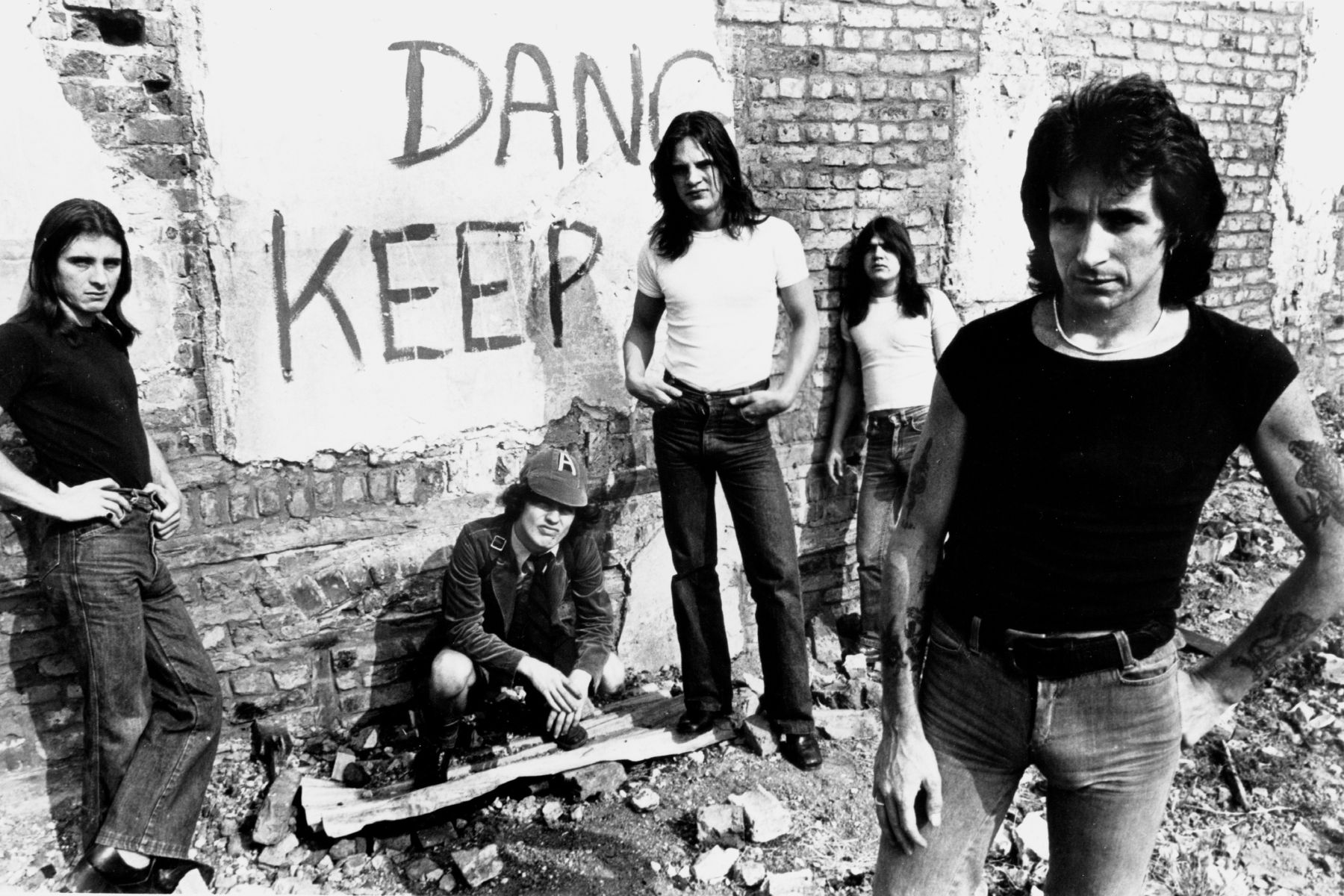
If punk was supposed to strip rock down to its essentials, AC/DC had already beaten it to the punch. Let There Be Rock is fast, filthy and almost completely uninterested in subtlety. ‘Whole Lotta Rosie’, ‘Bad Boy Boogie’, ‘Hell Ain't a Bad Place to Be’ and the title track became live staples, and the whole album captures the sensation of a band playing at full voltage. AC/DC distilled to pure rock'n'roll.
Key track: ‘Let There Be Rock’
3. Highway to Hell (1979)
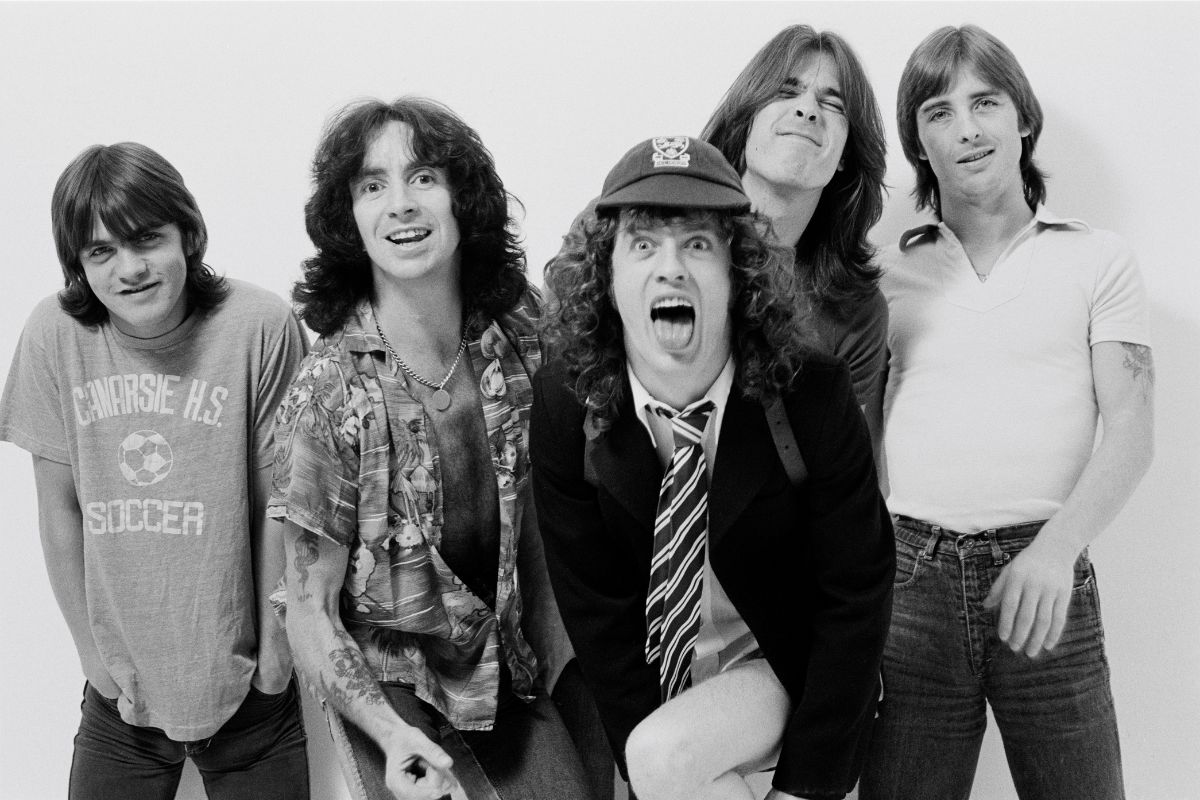
This was the album that finally turned AC/DC into an international force. Mutt Lange polished the band's sound without taking away its swagger, giving songs such as ‘Girls Got Rhythm’, ‘Touch Too Much’ and ‘Shot Down in Flames’ enormous hooks. Then there is the title track: perhaps the definitive AC/DC song, combining Malcolm Young's riff, Bon Scott's devil-may-care persona and Lange's immaculate production. Tragically, it became Scott's final studio album.
Key track: ‘Highway to Hell’
2. Powerage (1978)
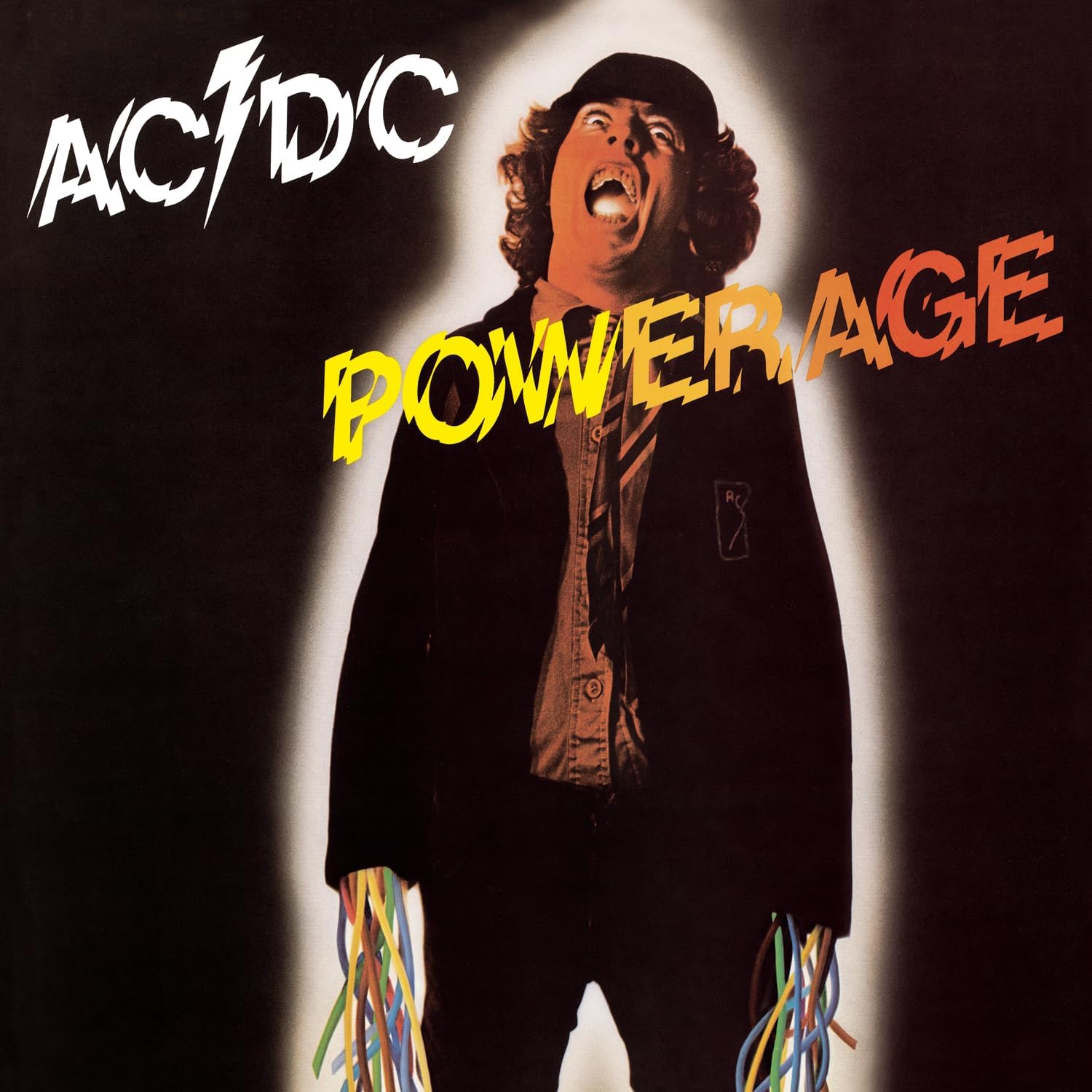
Powerage may be the connoisseurs' choice, and there is a good reason for that. It captures AC/DC at their loosest, nastiest and most soulful, before Mutt Lange brought greater polish to the sound. ‘Down Payment Blues’, ‘Riff Raff’, ‘Sin City’ and ‘Gone Shootin'’ are all superb, while ‘Rock ’n’ Roll Damnation’ adds a killer groove.
Bon Scott is at his most charismatic throughout, sounding equally convincing as a swaggering frontman and a world-weary bluesman. The production is raw but powerful, allowing Angus and Malcolm Young's riffs to dominate. It may not be their biggest album, but few capture the band this vividly.
Key track: ‘Riff Raff’
1. Back in Black (1980)
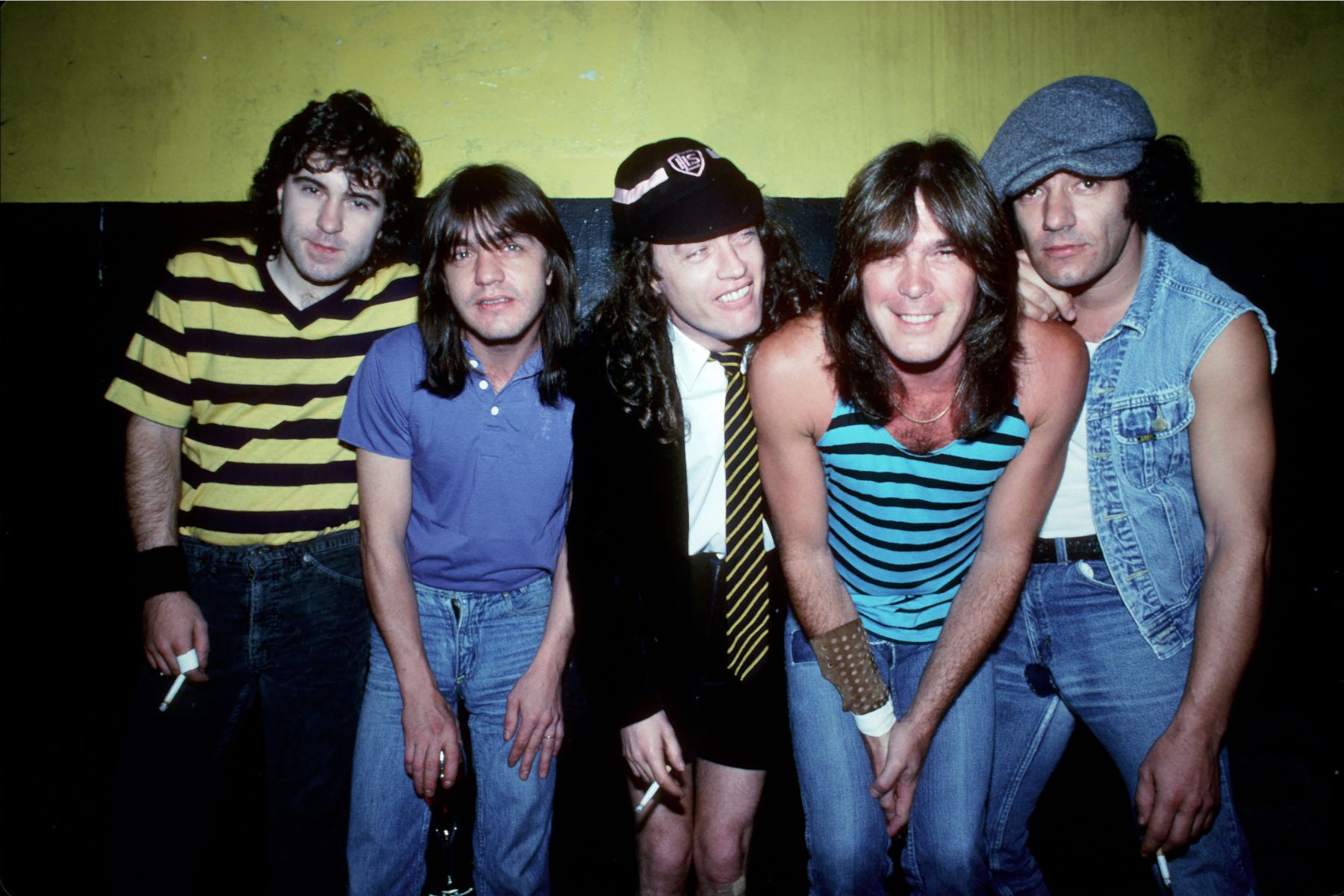
Few albums have a more extraordinary story. Just months after Bon Scott's death, AC/DC returned with Brian Johnson, Mutt Lange and a record that somehow transformed grief into an enormous celebration of rock'n'roll. ‘Hells Bells’, ‘Shoot to Thrill’, ‘You Shook Me All Night Long’ and the title track are almost absurdly consistent. It is bigger and more polished than the Bon Scott albums, but never loses the band's essential toughness. A remarkable reinvention – and an all-time rock classic.
Key track: ‘Hells Bells’
Pics Getty Images, album sleeves Amazon

