
A band doesn’t always know when it’s making its last great statement – but the cracks are usually visible.
Across rock history, extraordinary albums have emerged from sessions marked by resentment, rivalries, burnout, or outright hostility. These records weren’t created in moments of unity; they were born from pressure, stubbornness, or the final flickers of inspiration before everything fell apart.
Some sound like farewell letters, others like battles fought in real time. All of them prove that dissolution can be as creatively potent as harmony. These are the finest albums made by bands already breaking apart.
Great albums made while bands were breaking up
1. The Police – Synchronicity (1983)
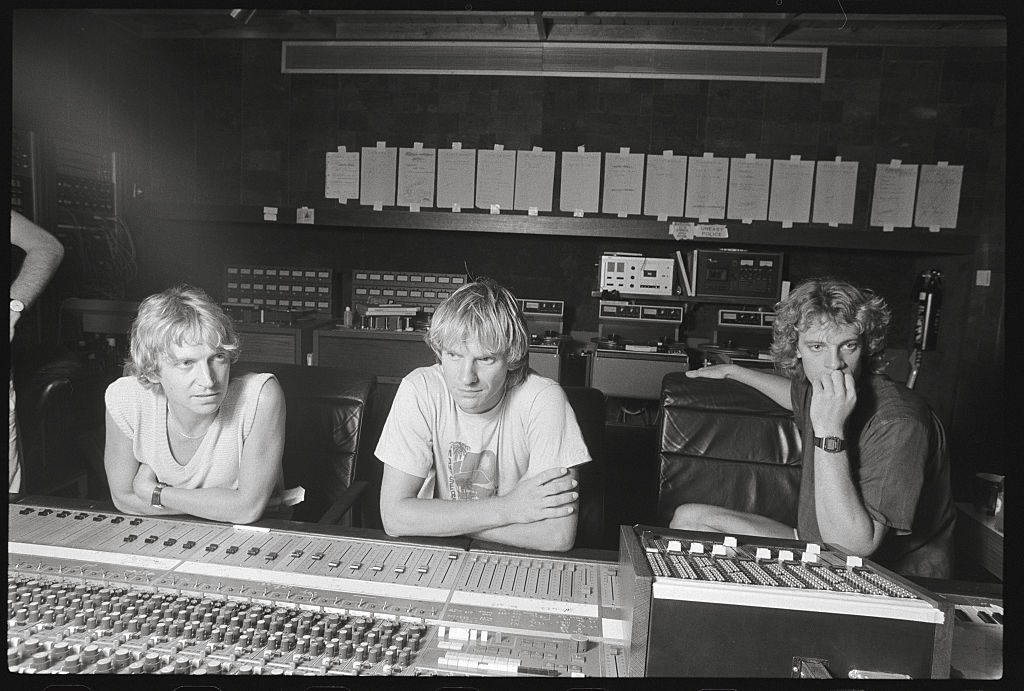
The Dynamic: Volatile egos and physical fistfights
During the making of their fifth and final album, The Police were at war. Sting’s increasingly authoritarian control clashed with Stewart Copeland’s explosive temperament, and Andy Summers was caught in the crossfire. Recording sessions were so hostile that the trio worked in separate rooms.
Yet the album is a triumph: sleek, icy, and meticulously crafted. The tension didn’t break the music – it refined it. Synchronicity is the sound of three virtuosos pushing against each other until something brilliant emerges.
Key track: 'Wrapped Around Your Finger'
2. The Velvet Underground – Loaded (1970)
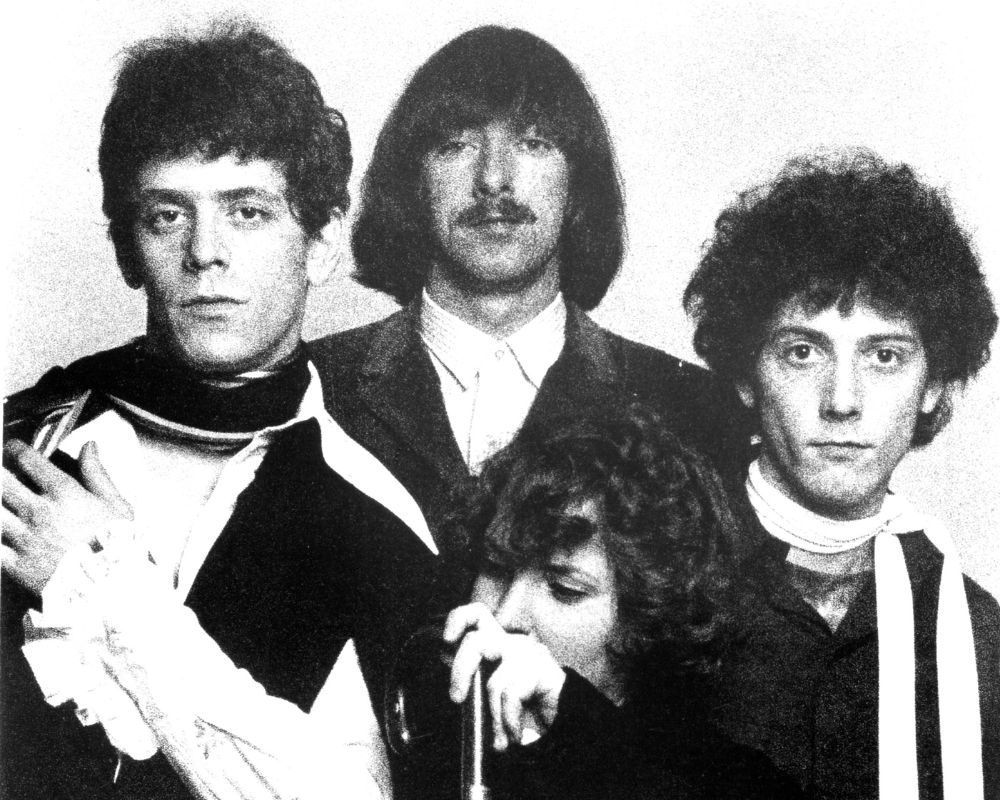
The Dynamic: Creative exhaustion and a lack of management support
By 1970, Lou Reed was running on empty, trapped in a band that had been completely abandoned by its original avant-garde champions. Co-founder John Cale was long gone, drummer Maureen Tucker was absent on maternity leave, and their record label was breathing down their necks for a commercial pop hit. The dynamic was fractured, tired, and desperate.
In a bid to survive, Reed steered the band toward straightforward, radio-friendly rock 'n' roll. Reed actually quit the band a month before the album even hit store shelves. The irony is that Loaded is a brilliant, hook-filled masterpiece, proving that even when falling apart, Reed’s pop songwriting instincts were completely bulletproof.
Key Track: 'Sweet Jane'
3. The Beatles – Abbey Road (1969)
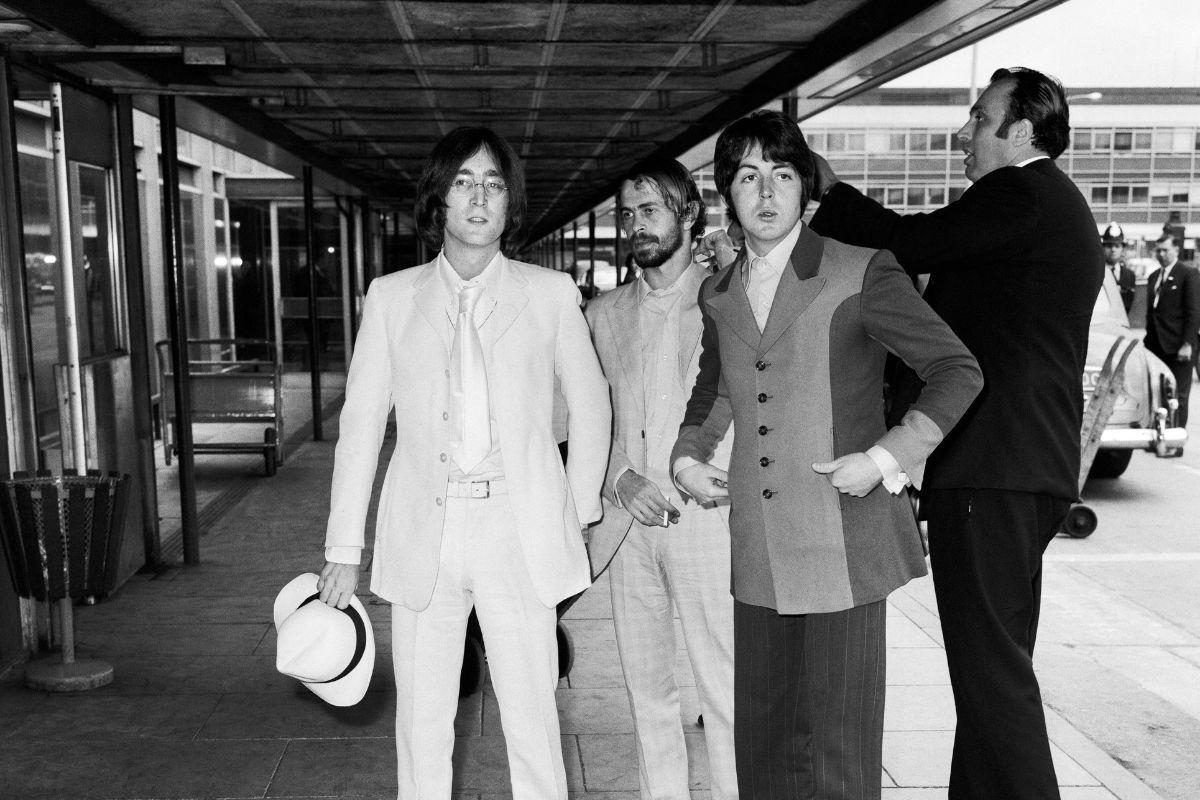
The Dynamic: Business fatigue and creeping creative independence
Though recorded after the miserable, frozen tension of the Let It Be sessions, Abbey Road was the sound of four men consciously arranging their own wake. The Beatles were being torn apart by a vicious administrative war over who should manage their chaotic financial empire, Apple Corps, while John Lennon was increasingly withdrawing into his life with Yoko Ono.
Knowing the end was nigh, they agreed to pull together for one final, dignified effort with producer George Martin. The album’s greatness lies precisely in its structural compromise; Lennon’s raw, individualistic rock songs sit perfectly alongside Paul McCartney’s grand, collaborative B-side medley. It is a triumphant masterpiece made in spite of the distance between them.
Key Track: 'Something'
4. The Doors – L.A. Woman (1971)
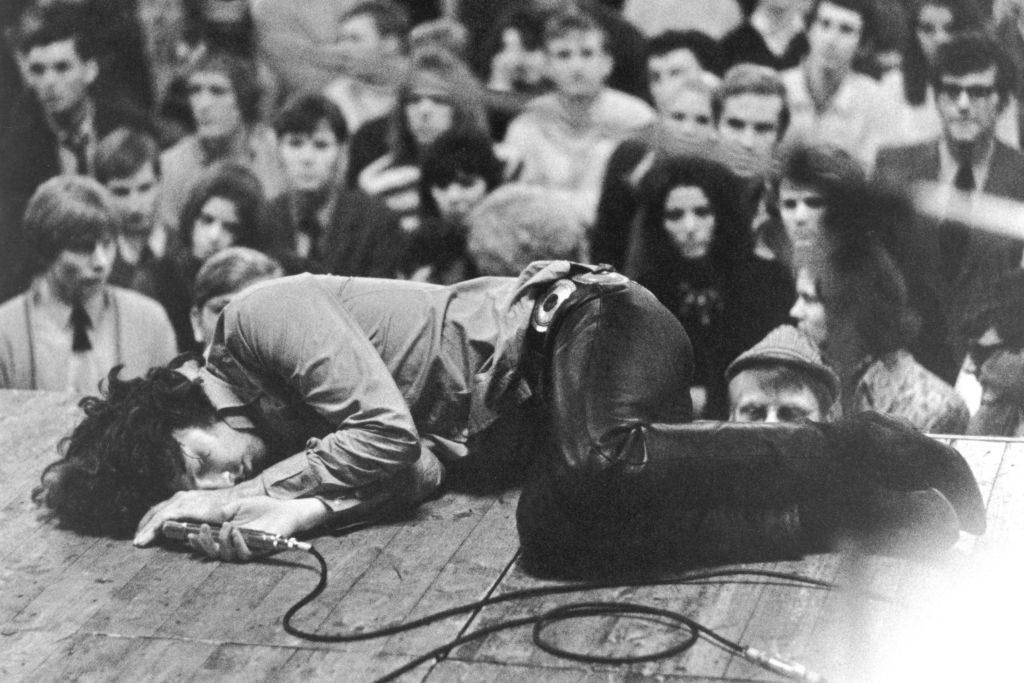
The Dynamic: Severe alcoholism and judicial distractions
During the recording of L.A. Woman, Jim Morrison was a physical wreck, fighting a felony conviction from the Miami concert incident and drinking himself into oblivion. Longtime producer Paul A. Rothchild walked out of the sessions, calling their new material "cocktail music."
Left to their own devices in their rehearsal space, The Doors stripped away the brass and string arrangements of their recent albums and returned to raw, gritty blues. The loose, swampy atmosphere allowed a deteriorating Morrison to deliver one last, brilliant, primal performance. It was a masterpiece born directly from their isolation; a few months later, Morrison would fly to Paris, never to return.
Key Track: 'Riders on the Storm'
5. The Clash – Combat Rock (1982)
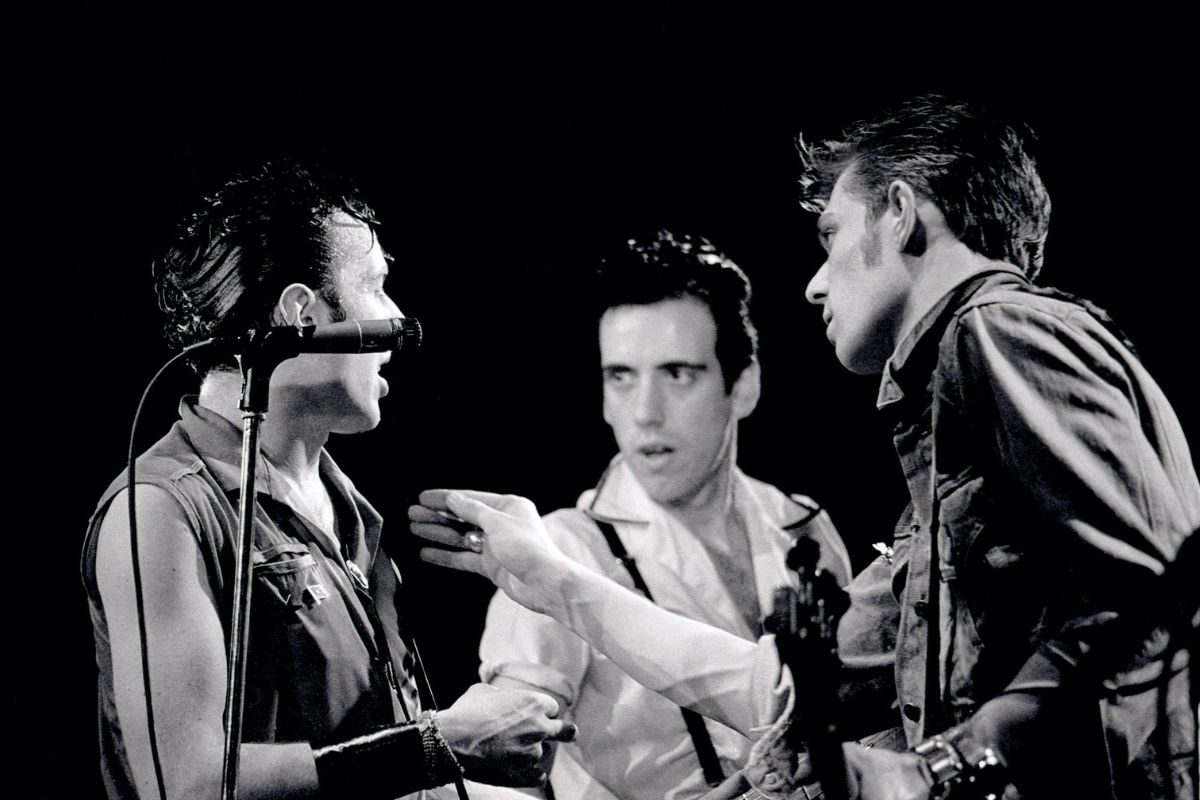
The Dynamic: Political fractures and lifestyle divides
Behind the commercial triumph of The Clash's fifth album, with its hit singles 'Rock the Casbah' and 'Should I Stay or Should I Go', lay a band that had completely lost its collective compass. Mick Jones was retreating into experimental, hip-hop-influenced studio indulgence and arriving late to sessions, which deeply alienated Joe Strummer and Paul Simonon, who wanted to return to a leaner, disciplined punk aesthetic.
Meanwhile, drummer Topper Headon’s escalating heroin addiction was making him increasingly unreliable, leading to his dismissal shortly before the album's release. The album’s greatness is a miracle of compromise; it brilliantly balances Jones's sleek pop sensibilities with Strummer’s grit, capturing a band summarising everything they could do just before tearing up the blueprint.
Key track: 'Straight to Hell'
6. Pixies – Trompe le Monde (1991)
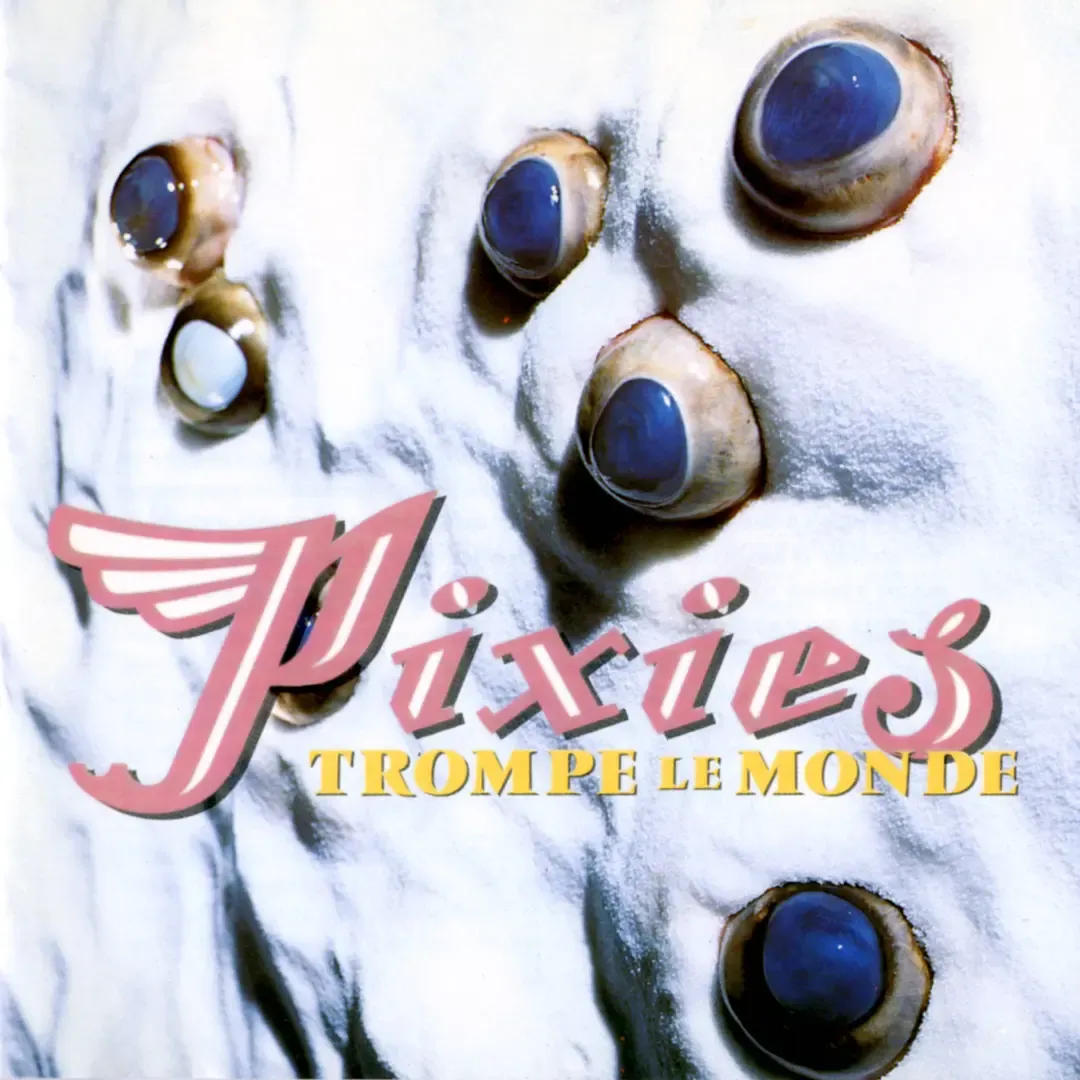
The Dynamic: Severe communication breakdowns and ego clashes
The final album of the Pixies' initial legendary run was recorded in an atmosphere of total silence. The toxic relationship between frontman Black Francis and bassist Kim Deal had deteriorated to the point where they communicated only through intermediaries. Francis had taken complete control of the songwriting, systematically phasing out Deal’s vocals and input.
The band was effectively dead on arrival, and Francis would officially dissolve the group via a fax message shortly after the tour. Trompe le Monde is great in spite of this misery; it is a furious, hyper-speed burst of space-punk that masks a broken brotherhood behind a wall of blistering guitar noise.
Key Track: 'U-Mass'
7. Pink Floyd – The Final Cut (1983)
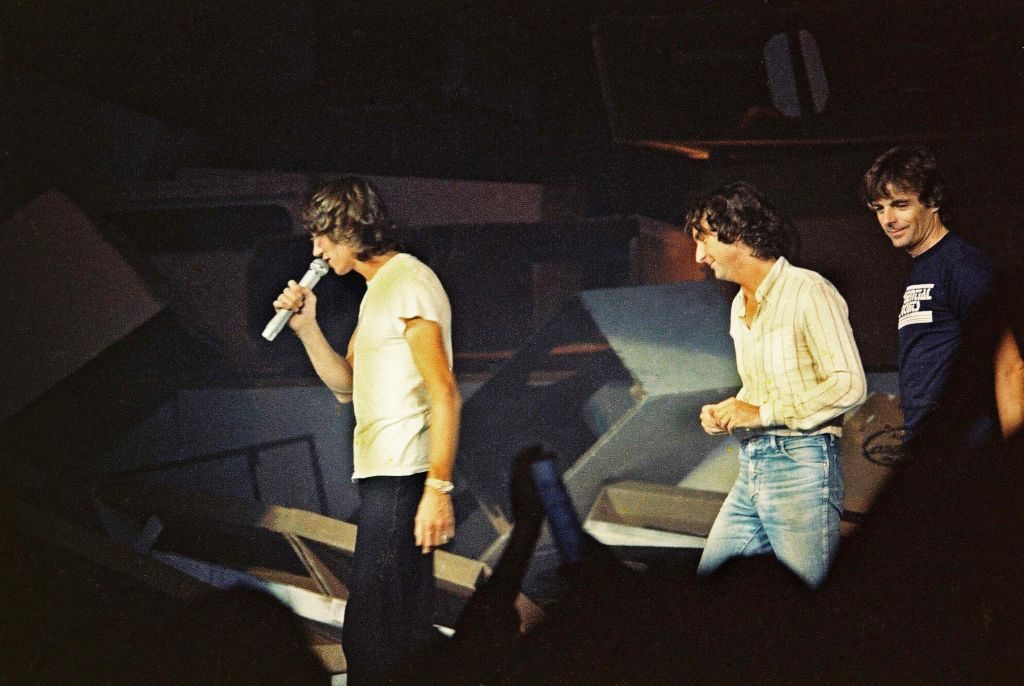
The Dynamic: Bitter megalomania and creative dictatorship
Pink Floyd's first LP release of the 1980s is essentially a Roger Waters solo album performed by a band that no longer existed in spirit. Waters and David Gilmour were barely speaking, and keyboardist Richard Wright had already been pushed out.
The record is claustrophobic, mournful, and dominated by Waters’ worldview. While it lacks the collaborative spark of earlier Floyd, its intensity comes directly from the band’s implosion. It’s a powerful, if uncomfortable, farewell to their classic era.
Key track: 'The Gunner’s Dream'
8. The Replacements – Pleased to Meet Me (1987)
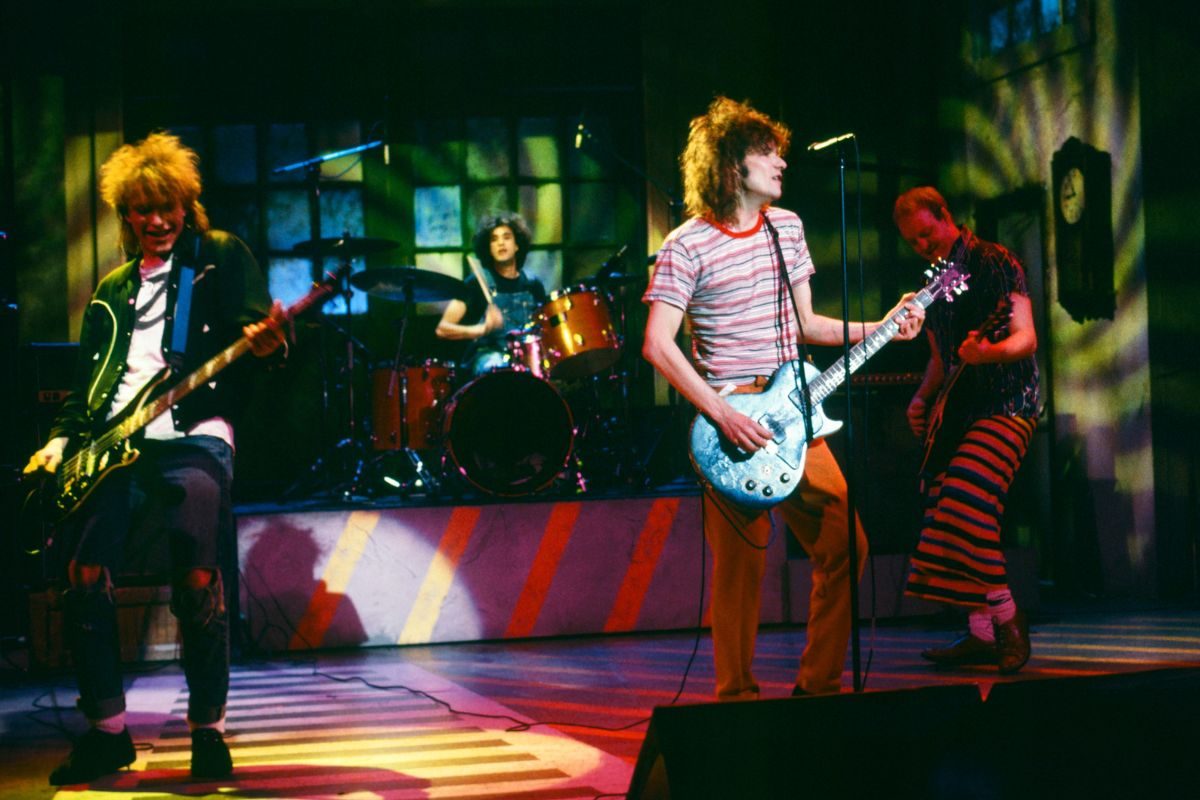
The Dynamic: The band's core is incurably wounded
The Replacements entered these sessions without guitarist Bob Stinson, whose substance issues and clashes with Paul Westerberg had reached breaking point. His absence changed the band’s chemistry, pushing them toward a cleaner, more melodic sound. The tension between punk roots and pop ambition gives the album its spark. It’s a record made in transition – the sound of a band losing a founding member but gaining a new sense of direction.
Key track: 'Alex Chilton'
9. Simon & Garfunkel – Bridge over Troubled Water (1970)
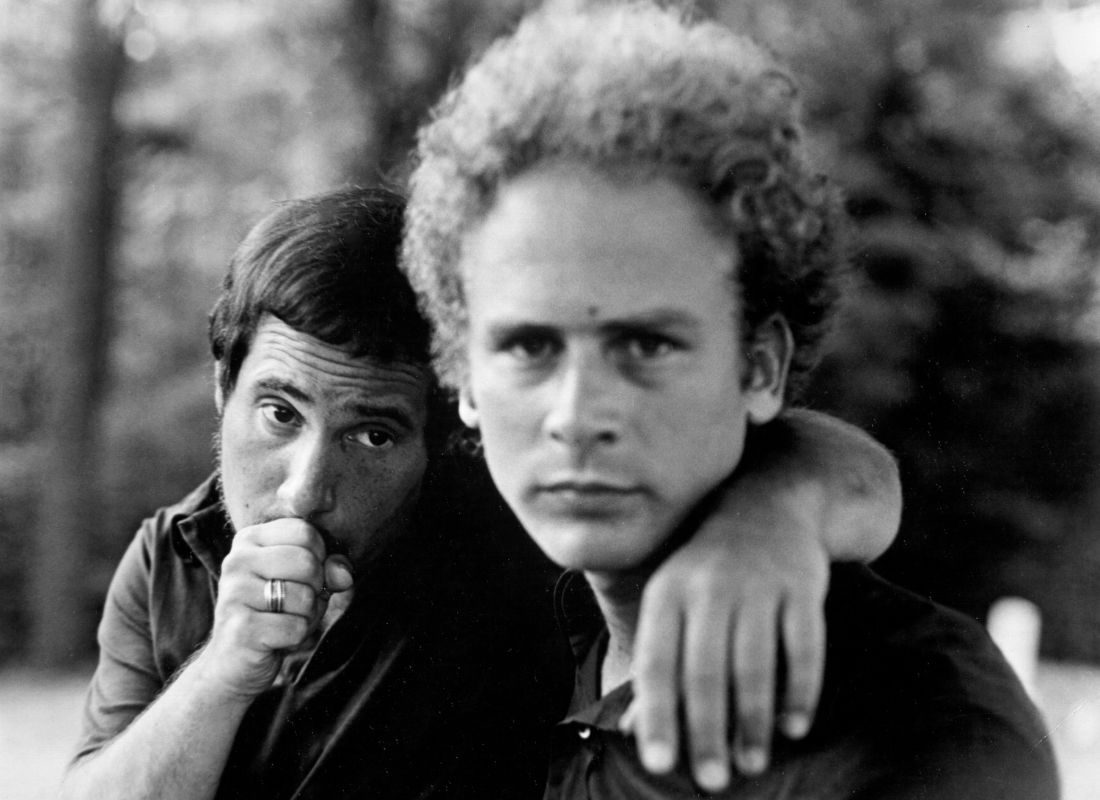
The Dynamic: Jealousy, solo ambitions, and resentment
The bridge over troubled water was, ironically, the one between Paul Simon and Art Garfunkel. Tensions had peaked when Garfunkel left for Mexico to act in the film Catch-22, leaving Simon alone in New York to write songs and stew in resentment. Simon felt abandoned; Garfunkel felt creatively stifled by Simon’s total control over the songwriting.
When they finally entered the studio, the atmosphere was icy. Yet, the album is a staggering vocal and sonic triumph. The friction pushed Simon to write some of his most ambitious, sweeping arrangements, and Garfunkel delivered the vocal performance of his life on the title track, leaving behind a flawless farewell note.
Key Track: 'The Boxer'
10. The Smashing Pumpkins – Mellon Collie and the Infinite Sadness (1995)
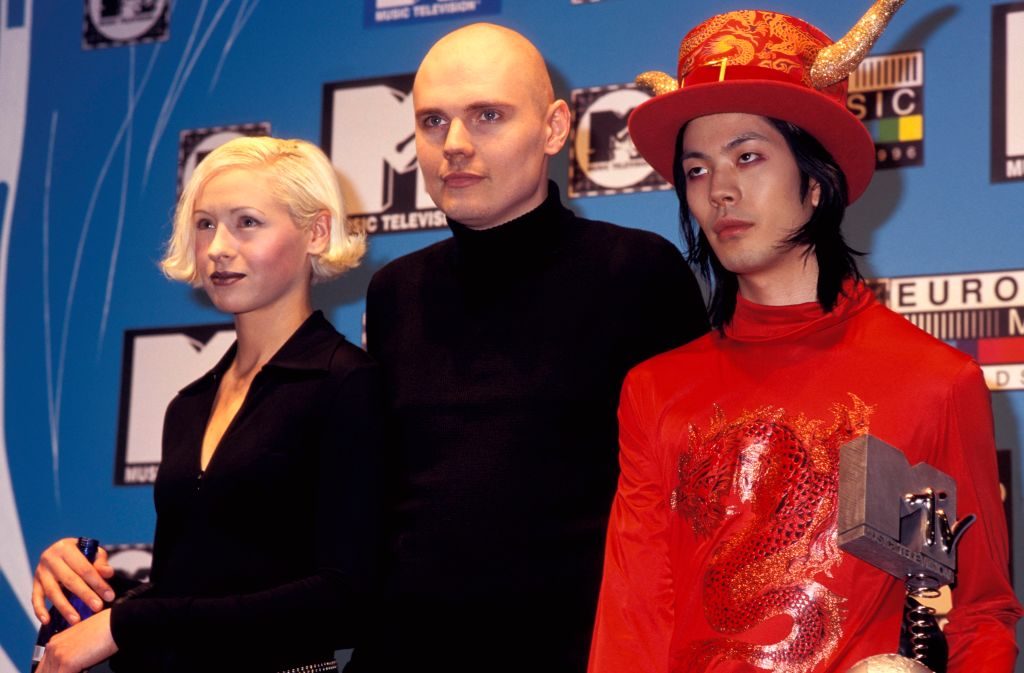
The Dynamic: Destructive workaholism, severe isolation, and substance fractures
Billy Corgan ran the Smashing Pumpkins with an iron fist, famously re-recording his bandmates' parts on earlier albums. For this sprawling double-album epic, he attempted a more democratic approach, dividing the band into two separate rooms to cope with the immense workload.
However, the internal culture was rapidly decomposing. Drummer Jimmy Chamberlin was spiraling into a severe heroin addiction, while guitarist James Iha and bassist D'arcy Wretzky – who had previously broken up as a couple – grew increasingly alienated by Corgan’s obsessive perfectionism.
The band's impending doom directly fed the record's chaotic genius; the sonic friction birthed a breathtakingly ambitious masterpiece that perfectly captured the volatile highs and dark, exhausted lows of a band pushing itself to the brink of collapse.
Key Track: 'Thru the Eyes of Ruby'
11. The Byrds – The Notorious Byrd Brothers (1968)
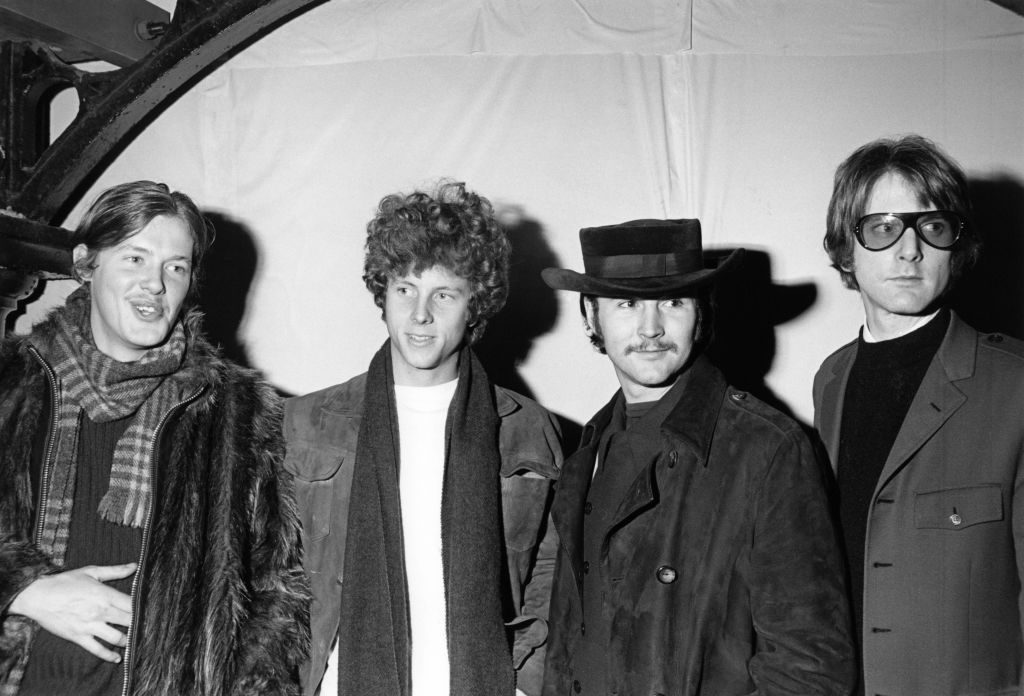
The Dynamic: Egos clashes, intra-band firings, and a total collapse of democracy
By 1967, the communal harmony that had defined early folk-rock was entirely gone. David Crosby’s escalating political rants on stage and his frustration over the band rejecting his song about a ménage à trois reached a breaking point, leading Roger McGuinn and Chris Hillman to drive to Crosby's house and fire him mid-album.
Meanwhile, drummer Michael Clarke walked out halfway through the sessions, leaving McGuinn and Hillman to finish the record using studio session players. The chaos should have yielded a disjointed mess. Instead, the fractures cleared away the competitive ego clashes and allowed McGuinn’s vision to crystallize.
The result is a stunning, deeply unified masterpiece that seamlessly blends experimental electronic programming, jazz horns, and early country-rock.
Key Track: 'Draft Morning'
12. OutKast – Speakerboxxx/The Love Below (2003)
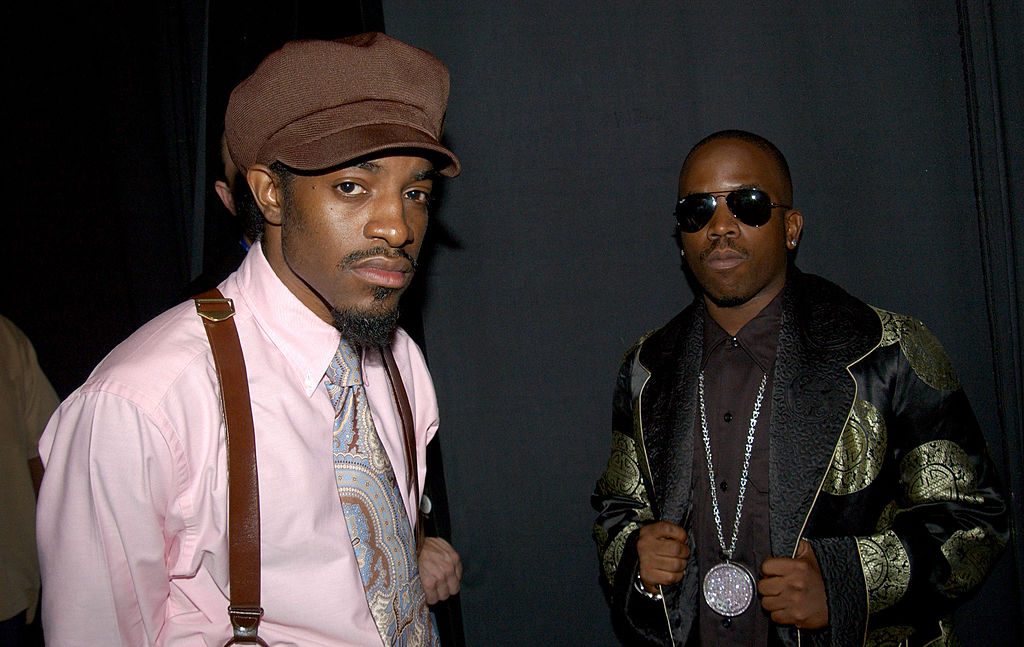
The Dynamic: Complete creative divergence and independence
This hip-hop masterpiece is unique because the duo didn't fight through their fractures – they simply accepted them. By 2003, Big Boi and André 3000 were living in entirely different creative worlds. Rather than forcing a compromise that would satisfy neither, they essentially recorded two separate solo albums and packaged them under the OutKast banner.
Big Boi delivered a masterclass in driving, soulful Southern funk-rap, while André 3000 flew into an avant-garde, psychedelic pop-jazz stratosphere. The fracture didn't ruin the album; it gave birth to a sprawling, double-disc epic that showed how two distinct geniuses could thrive once they stopped trying to agree.
Key Track: 'Hey Ya!'
Pics Getty Images
13. Van Halen – 1984 (1984)
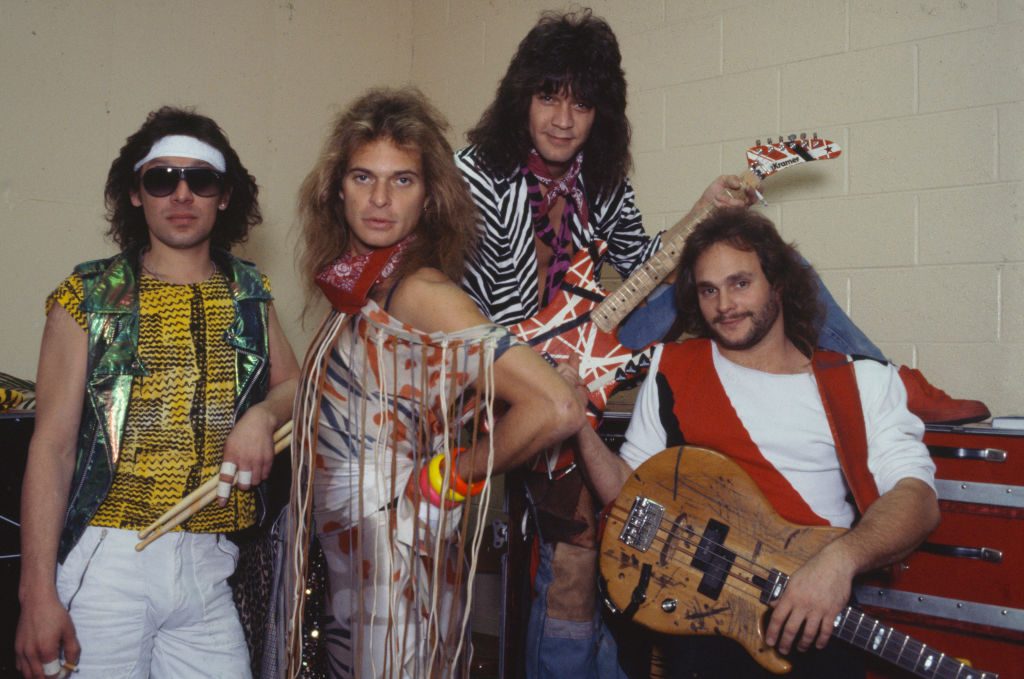
The Dynamic: Contrasting 'where next' visions
Eddie Van Halen’s desire to explore keyboards and more polished production clashed with David Lee Roth’s preference for raw, guitar‑driven rock. Their rivalry became the album’s engine: Roth’s swagger versus Eddie’s expanding musical palette. The tension produced a sleek, high‑energy classic that became their commercial peak – and the last album before Roth walked.
Key track: 'Jump'
14. Talking Heads – Speaking in Tongues (1983)
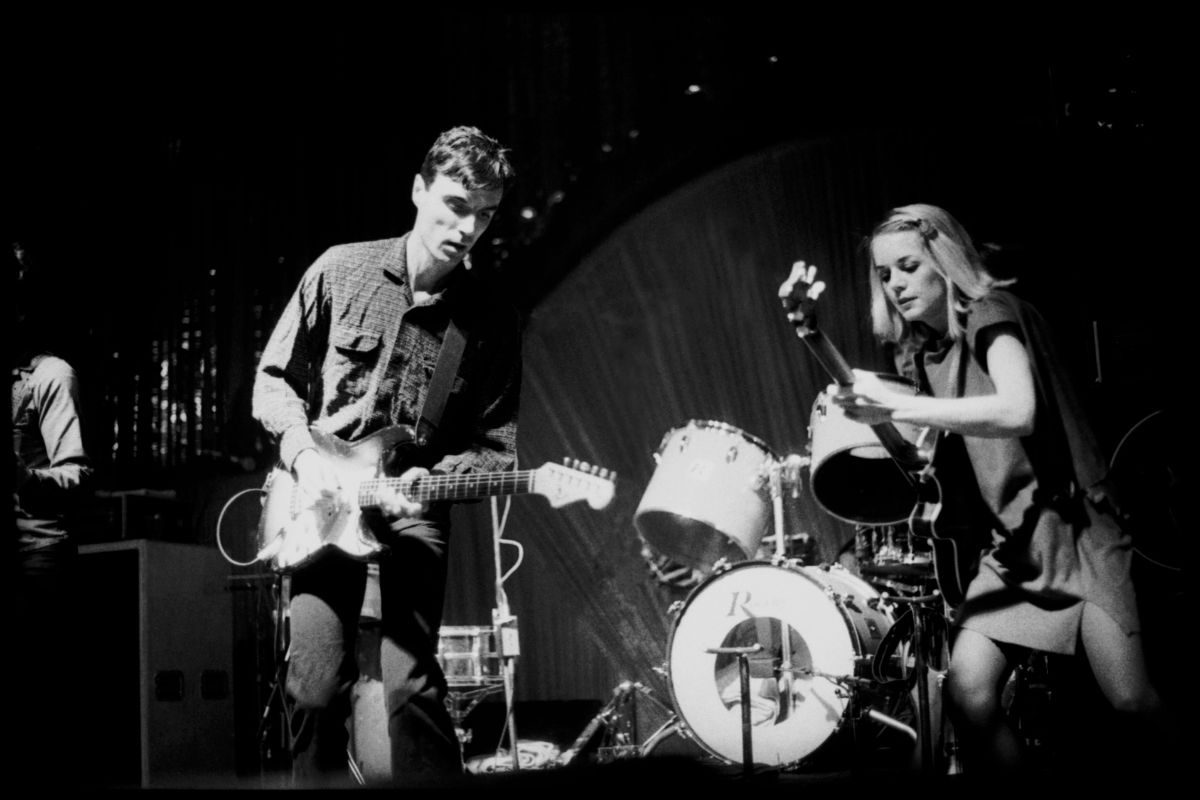
The Dynamic: A band buckling under an autocrat
David Byrne’s increasing dominance and the band’s frayed relationships made the sessions tense. Chris Frantz and Tina Weymouth felt sidelined, and the group’s collaborative spirit was fading. Yet the album is vibrant, funky, and full of life – a reminder that even as Talking Heads were drifting apart, their creative chemistry could still ignite. The joy in the music contrasts sharply with the strain behind it.
Key track: 'This Must Be the Place (Naive Melody)'
15. Eagles – The Long Run (1979)
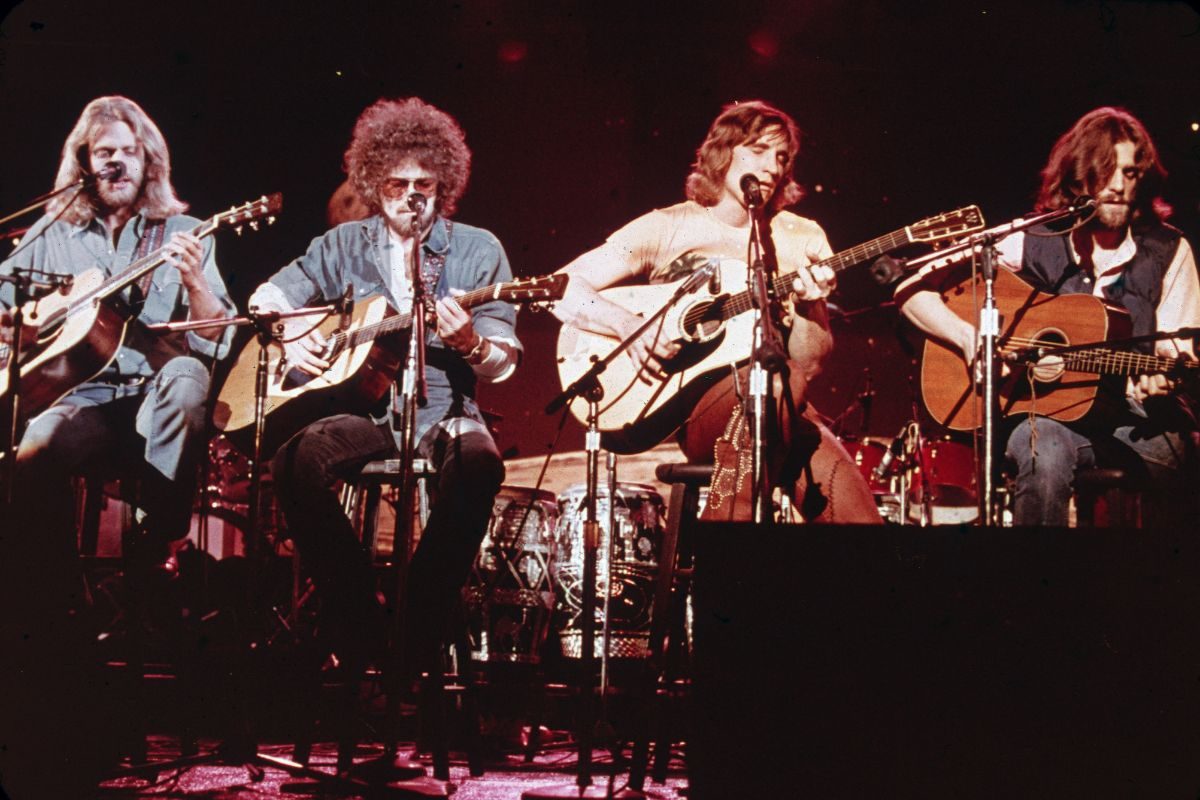
The Dynamic: Smothering pressure and absolute exhaustion
It took eighteen agonizing months, millions of dollars, and an unfathomable amount of cocaine to squeeze The Long Run out of the Eagles. The astronomical pressure to follow up Hotel California completely broke the band’s internal culture. Don Henley and Glenn Frey operated as a demanding, uncompromising ruling class, deeply alienating guitarist Don Felder.
The atmosphere was so thick with resentment that the tour concluded with the infamous 'Long Night at Wrong Beach' concert, where Frey and Felder spent the entire gig stage-whispering death threats to each other. The album's polished, cynical sound reflects this exhaustion, transforming their misery into a dark, hit-laden eulogy for the 1970s.
Key Track: 'I Can't Tell You Why'
Pics Getty Images


