The first death was tragic. The second was almost too strange to comprehend.
On October 29, 1971, Allman Brothers guitarist Duane Allman was killed in a motorcycle accident in Macon, Georgia. He was just 24, and his death threatened to derail a band that had only just begun to establish itself as one of America’s great rock acts. Yet the Allman Brothers carried on, finishing their album Eat a Peach and returning to the road.
Then, just over a year later, tragedy struck again. Another founding member was killed in a motorcycle crash, in the same city, at the same age. What made the story even more chilling was where the accident happened, what happened immediately afterwards, and the extraordinary connection between the two men.
For the Allman Brothers, this was no longer simply a story of losing a bandmate. It was as if history had somehow repeated itself.
A man who seemed to have lost his direction
Berry Oakley had been devastated by Duane’s death. The bassist had been one of the band’s central figures – not merely holding down the bottom end, but helping shape the group’s freewheeling musical identity and acting as a kind of peacemaker within its extended family. After Duane died, Oakley increasingly struggled with grief, drinking heavily and losing his old enthusiasm for the band. Friends described a man who seemed to have lost his direction.
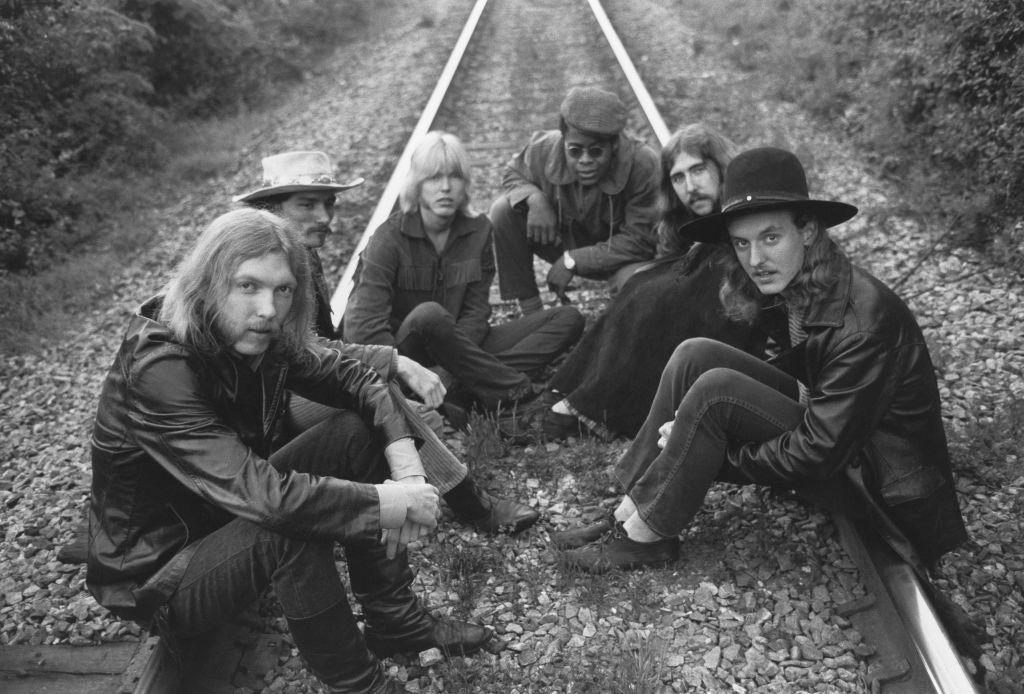
Nevertheless, the Allmans pressed on. Dickey Betts took on a greater leadership role, the remaining members completed Eat a Peach, and the album became their first Top 10 record. They returned to the road as a five-piece, determined to prove that Duane’s death had not finished them.
Then came November 11, 1972 – one year and 13 days after Duane’s death.
Oakley was riding his motorcycle in Macon when he collided with a city bus. The accident happened just three blocks from the place where Duane had suffered his fatal crash. Oakley was also 24. Like Duane, he was badly injured but initially survived. He refused medical attention and went home, only to become increasingly ill and delirious. Friends eventually took him to the same hospital where Duane had been treated. Oakley died later that day from head injuries and internal bleeding.
What happened next was remarkable
The similarities were so unsettling that they became part of the Allman Brothers legend almost immediately. Two young founding members; two motorcycles; two fatal crashes in the same city. Almost the same age, almost the same place. Fittingly, the two friends were buried side by side at Macon’s Rose Hill Cemetery.
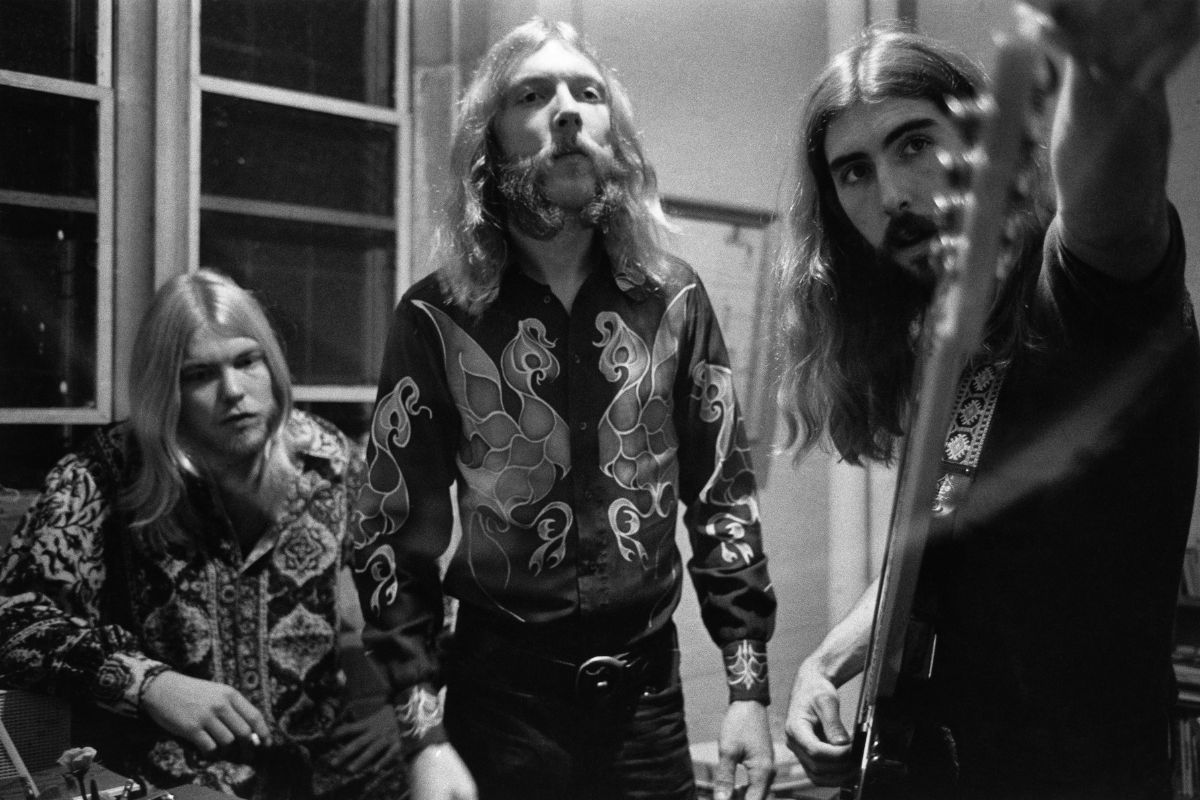
But the most remarkable part of the story is what happened next.
Once again, the band refused to quit. They had now lost two of their original six members in little more than a year, and this time the damage was particularly severe: Duane had been the band’s visionary guitarist, while Oakley had been its musical and organisational glue. As drummer Butch Trucks later recalled, the group had begun to feel that things were finally moving forward again when Oakley’s death hit them all over again.
Great music from extraordinary grief
The resulting album, Brothers and Sisters, became something extraordinary. Oakley had played on the opening sessions, but after his death the band brought in Lamar Williams on bass and expanded the lineup with keyboard player Chuck Leavell. Betts increasingly took the creative lead, and the group developed a warmer, more country-inflected sound. The album became their biggest commercial success, selling millions of copies, while 'Ramblin’ Man' reached No. 2 on the Billboard Hot 100.
That success makes the story especially complicated. The deaths of Duane Allman and Berry Oakley should never be romanticised: they were devastating losses, and Oakley’s decline after Duane’s death shows just how painful the first tragedy had been. Yet the circumstances have inevitably become part of the mythology surrounding the Allman Brothers – a band whose greatest early music was created against a backdrop of extraordinary grief.
Perhaps that is why the story still feels so haunting. The Allman Brothers did not simply survive one terrible loss. They survived it twice, each time carrying the memory of the man they had lost into the music that followed. And somehow, against almost impossible odds, they kept playing.
Pics Getty Images