
The Summer of Love may dominate popular memories of the late 1960s, but not everyone was buying what the hippies were selling.
Across Britain and America, a growing number of bands pushed back against psychedelia's dreamy optimism, favouring menace, realism, aggression or satire instead. Some openly mocked flower-power culture, while others simply ignored it in favour of heavier riffs, tougher attitudes or more challenging subject matter. Their music became an important reminder that the era wasn't defined solely by peace signs and paisley shirts.
Here are 13 bands that stood proudly outside the hippie consensus.
1. The Velvet Underground
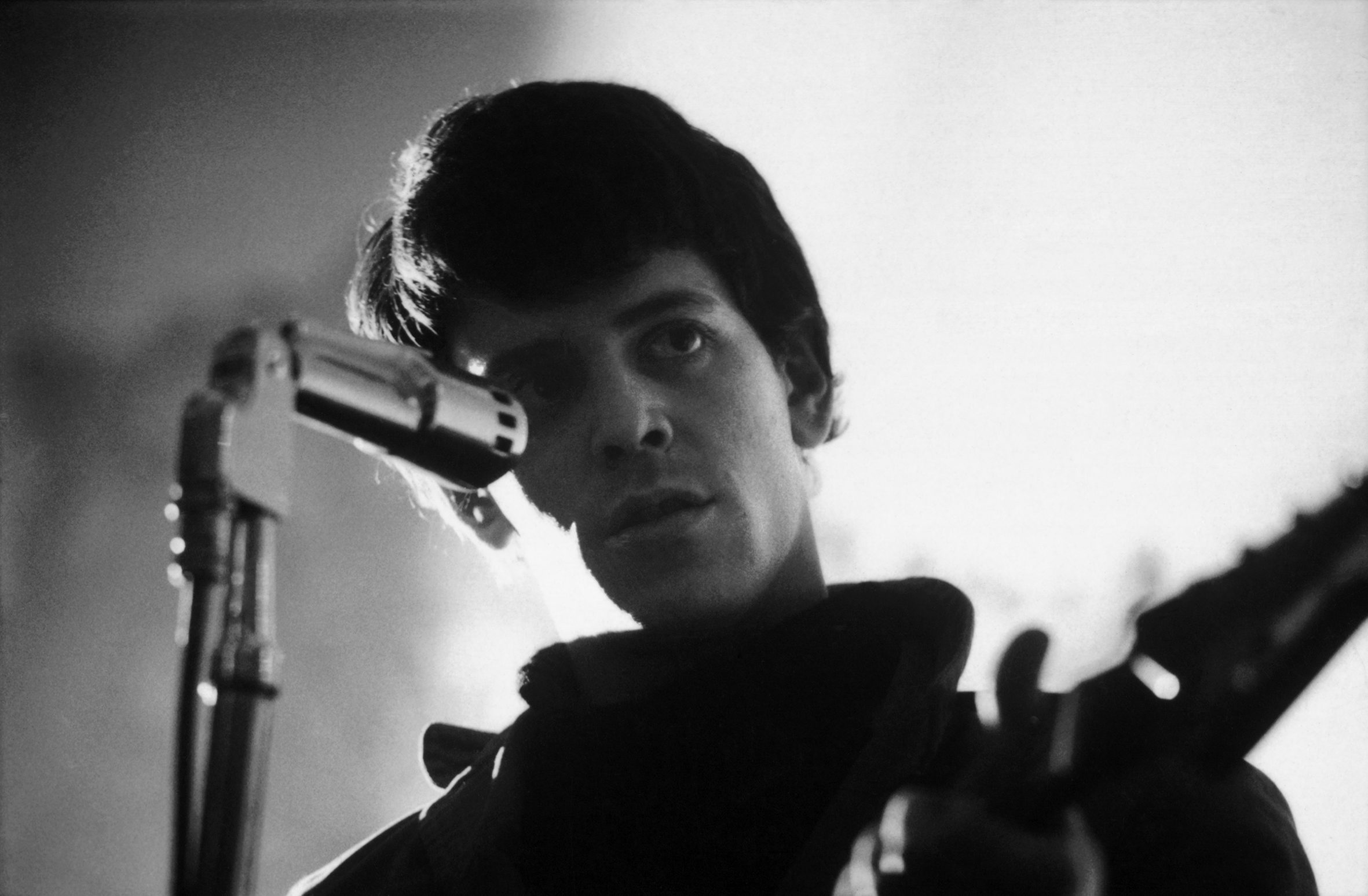
If any band served as the antithesis of flower power, it was The Velvet Underground. While San Francisco celebrated peace, love and expanded consciousness, Lou Reed wrote about heroin addiction, prostitution, sexual outsiders and emotional alienation.
The Velvets' music rejected escapism in favour of uncomfortable truths, replacing psychedelic whimsy with stark minimalism and avant-garde experimentation. They proved that the counterculture had a darker, more complicated side than the hippie dream ever acknowledged.
Anti-hippie anthem: 'Heroin'
2. Frank Zappa & The Mothers of Invention
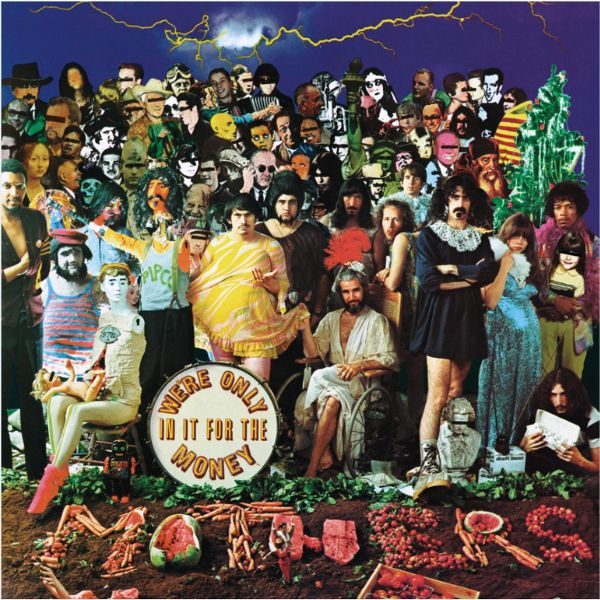
Nobody skewered hippie culture with more enthusiasm than Frank Zappa. He regarded much of the psychedelic scene as shallow, pretentious and intellectually lazy, taking aim at its fashions, slogans and self-importance with razor-sharp satire. Even while operating within the wider counterculture, Zappa positioned himself as its most merciless critic, refusing to accept idealism without questioning the people promoting it.
Anti-hippie anthem: 'Who Needs the Peace Corps?'
3. The Rolling Stones
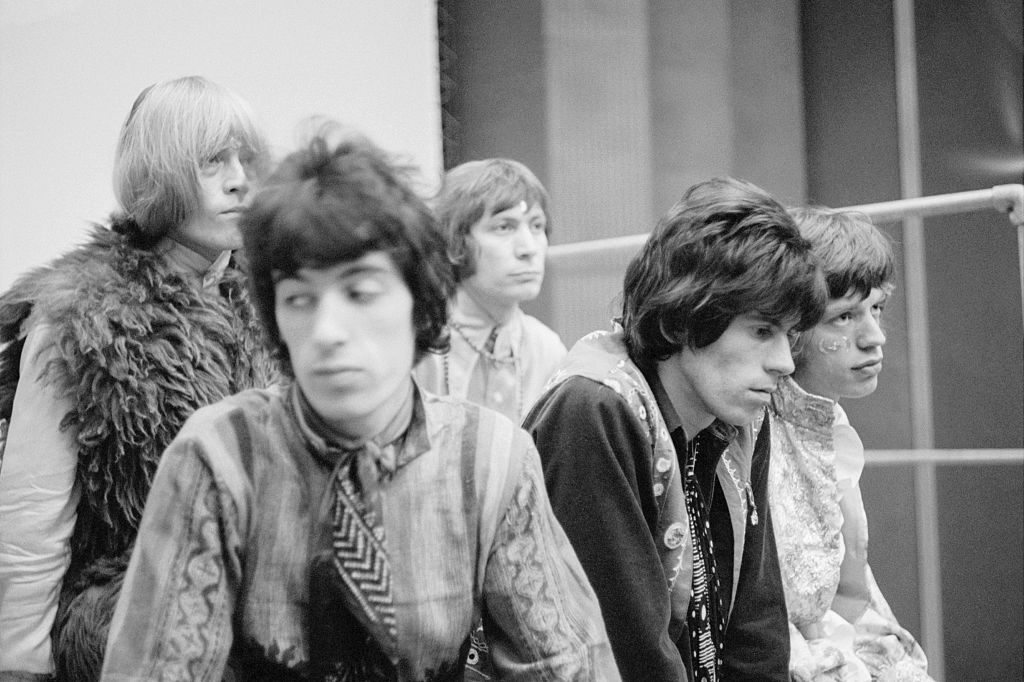
The Rolling Stones always projected danger rather than innocence. Their image was built around swagger, sexuality and menace, standing in deliberate contrast to the smiling optimism associated with flower power.
Mick Jagger and co. did briefly dip a toe into psychedelia with 1967's Their Satanic Majesties Request, but even that album feels more like an experiment than a wholehearted conversion. While colourful and inventive, it lacks the spiritual curiosity and sense of wonder that defined the era's greatest psychedelic records, sounding more self-conscious than transcendent.
Before long, the Stones returned to grittier territory, exploring revolution, violence and moral ambiguity instead of communal harmony (indeed, their raw, dark, seamy and brilliant four-album run from 1968's Beggars Banquet to 1972's Exile on Main St. was just around the corner). They weren't interested in escaping reality – they wanted to confront it head-on.
Anti-hippie anthem: 'Street Fighting Man'
4. The Doors
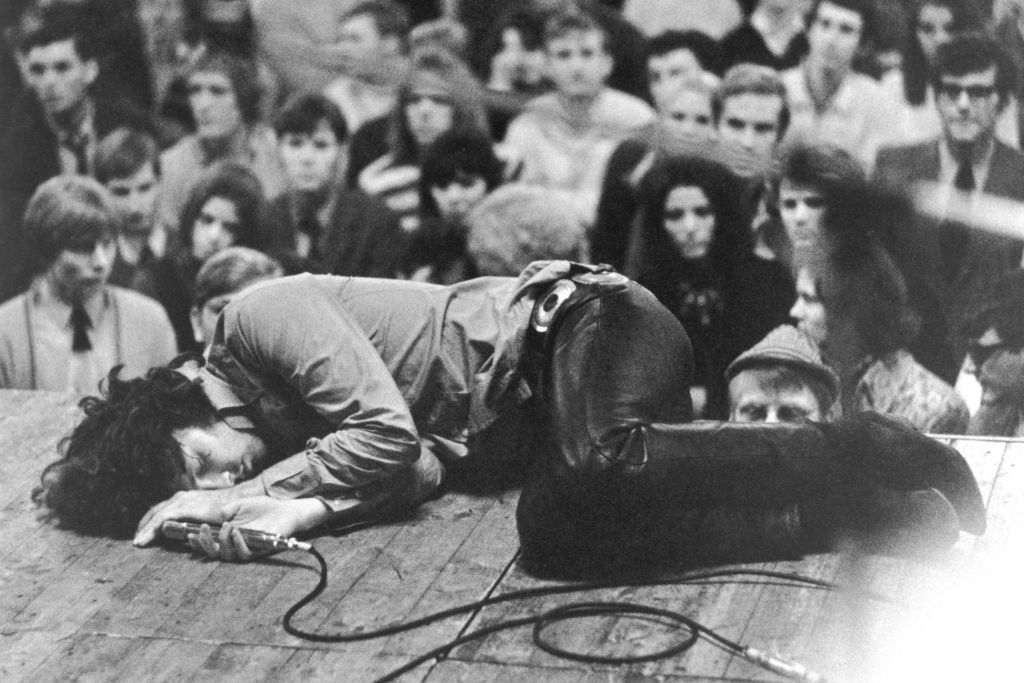
Although often grouped with psychedelic rock, The Doors occupied a very different emotional landscape. Jim Morrison's fascination with mortality, excess, poetry and psychological darkness sat uneasily alongside hippie optimism. Their music sought transcendence, but through confrontation rather than communal bliss. The result was something far more unsettling than the sunny idealism emerging from San Francisco.
Anti-hippie anthem: 'The End'
5. MC5
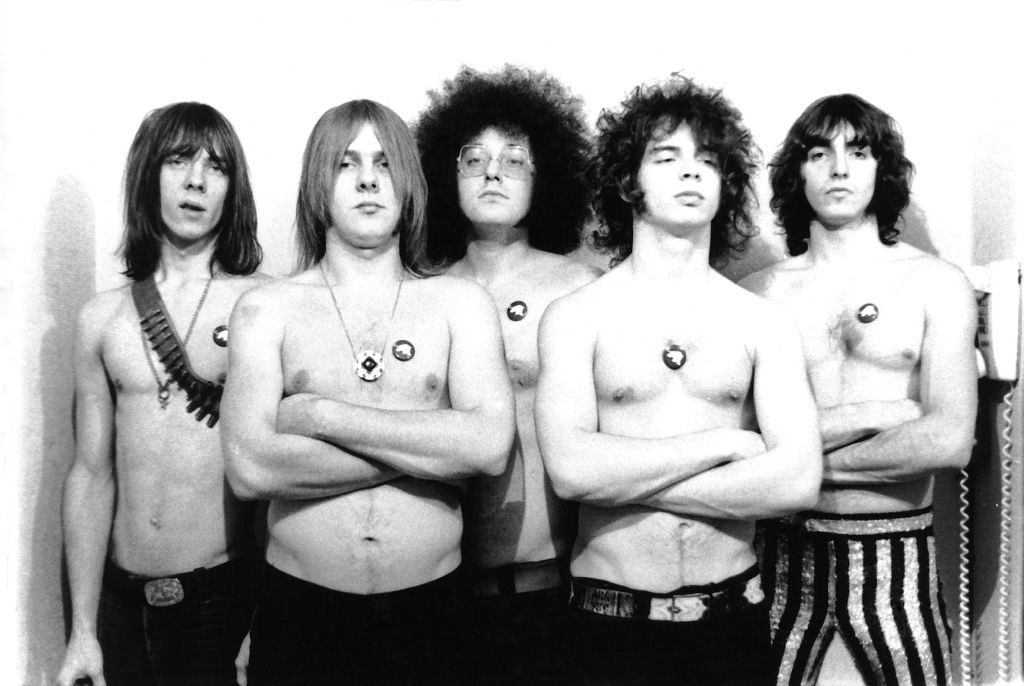
Detroit's MC5 replaced peace-and-love slogans with maximum-volume revolution. Closely aligned with radical left-wing politics, they believed music should provoke action rather than passive reflection. Their explosive performances, distorted guitars and militant rhetoric made them one of the loudest and most confrontational bands of the era. Rob Tyner, Wayne Kramer and co. weren't rejecting the establishment with flowers – they wanted to shake it to its foundations.
Anti-hippie anthem: 'Kick Out the Jams'
6. The Stooges
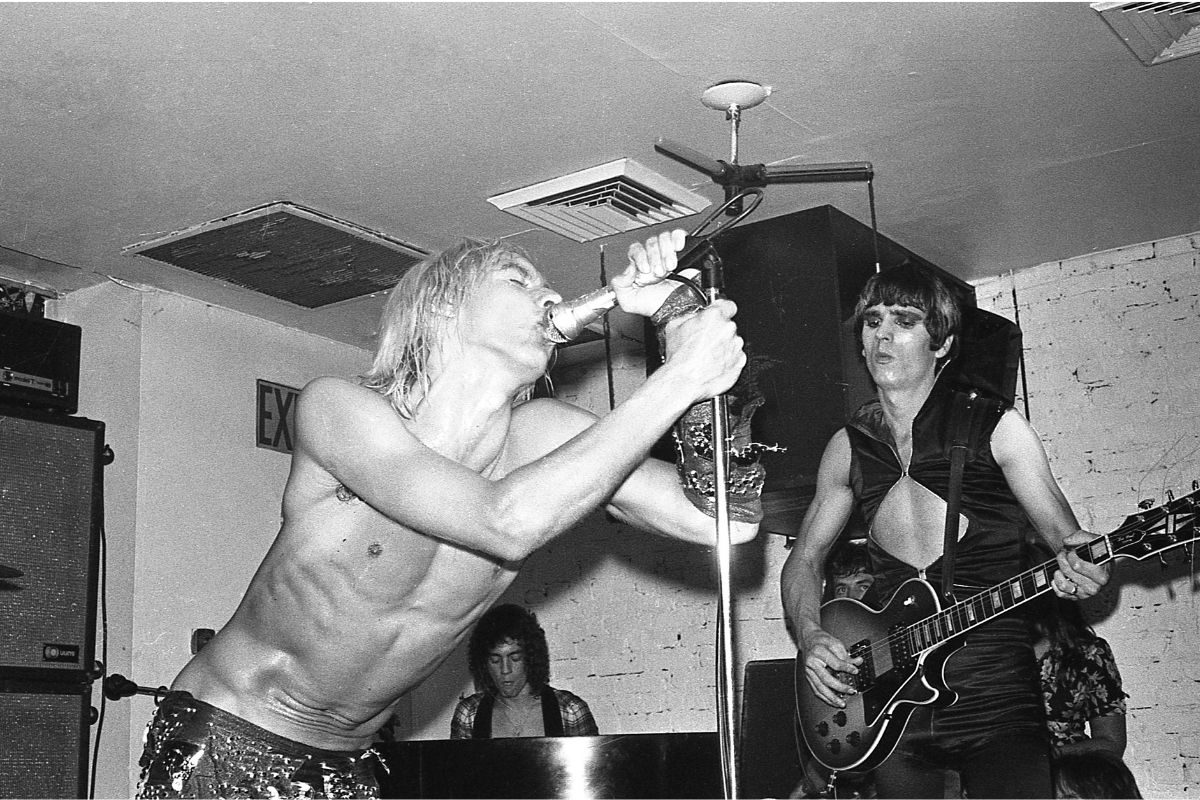
Where hippie culture celebrated harmony, The Stooges revelled in chaos. Iggy Pop stripped rock back to primal riffs, repetitive grooves and barely controlled violence, laying foundations for punk years before the genre existed. On record, it sounded like a band perpetually on the edge of collapse; live, it often felt fangerous.
Shows around the band's native Ann Arbor and Detroit were infamous for confrontation rather than communion, with Iggy hurling himself into crowds, rolling across broken glass and daring audiences to look away. There was nothing dreamy or mystical about their music – it was visceral, physical and unapologetically ugly in all the right ways.
Anti-hippie anthem: 'I Wanna Be Your Dog'
7. Blue Cheer
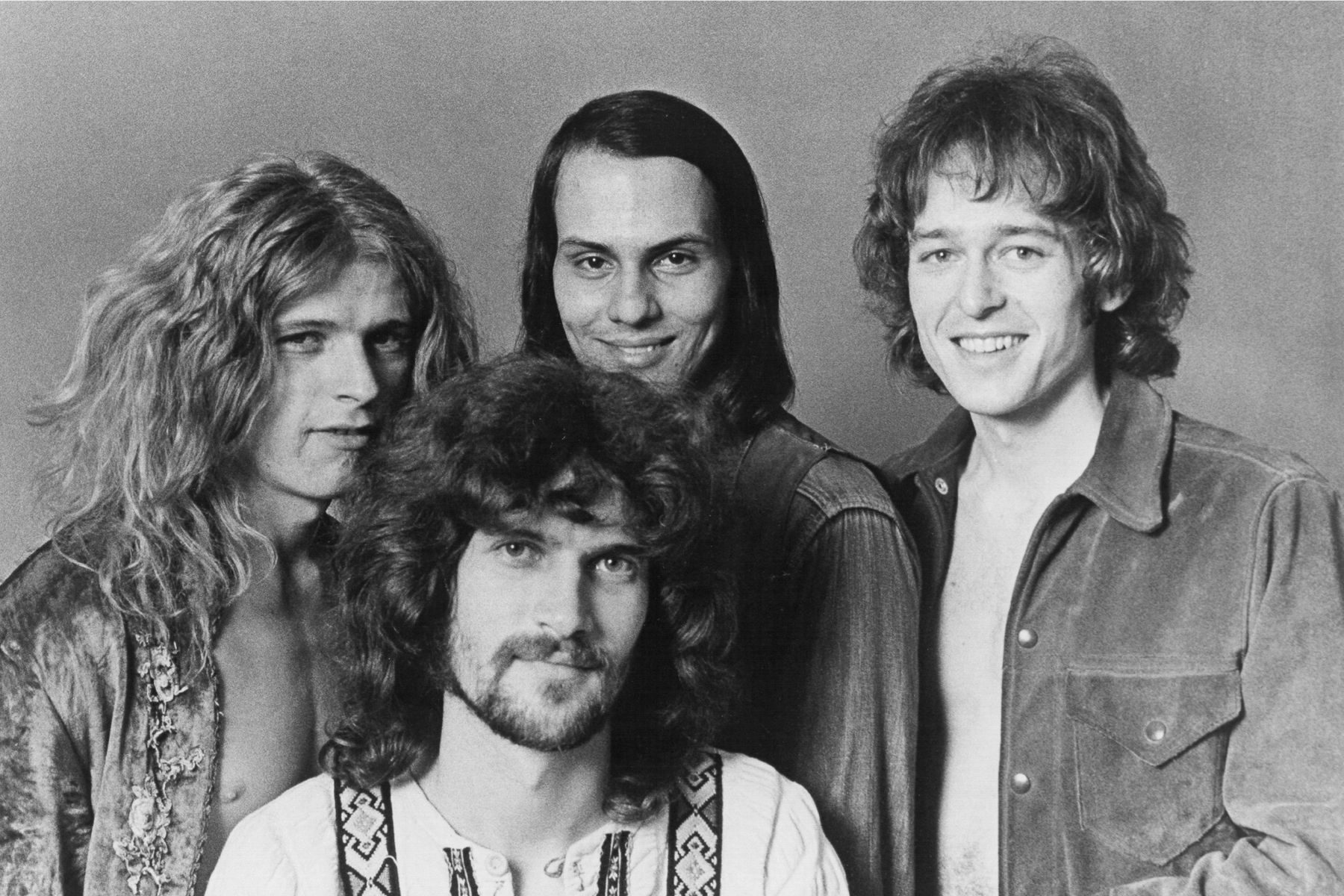
Blue Cheer took the blues and simply turned everything up. Their crushing volume, distorted guitars and relentless power offered an early blueprint for heavy metal, leaving psychedelic delicacy behind in a cloud of amplifier smoke. While others searched for enlightenment, Blue Cheer seemed more interested in overwhelming audiences through sheer force.
Anti-hippie anthem: 'Summertime Blues'
8. Cream
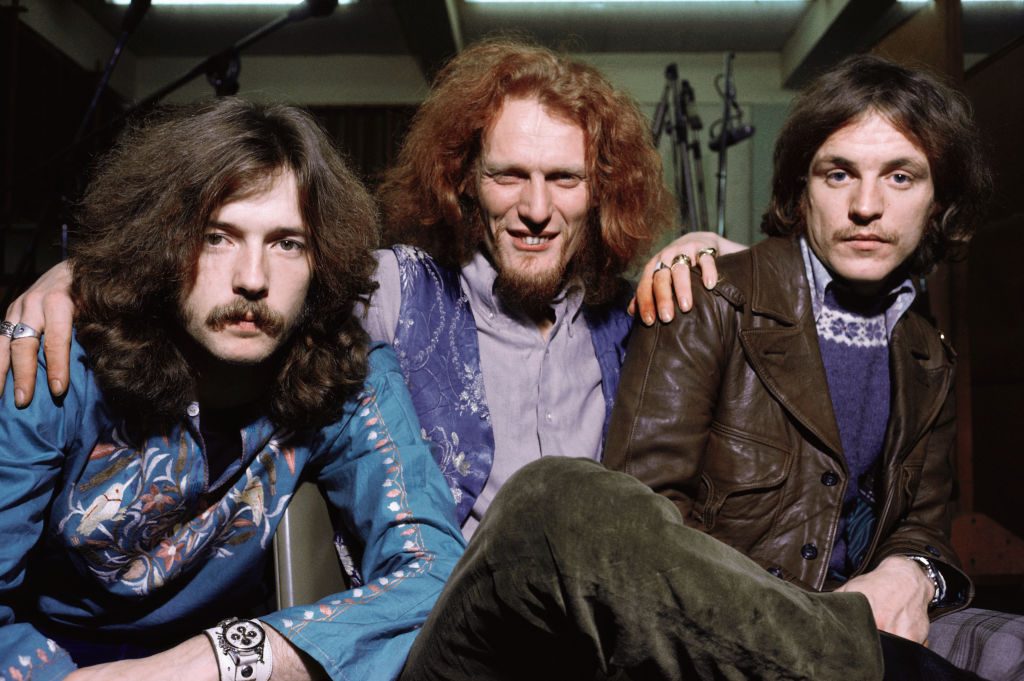
London blues rockers Cream occasionally dipped into psychedelia, and weren't actively against peace and love like some of the bands in our list. It's just that their priorities lay elsewhere. Eric Clapton, Jack Bruce and Ginger Baker focused on blues improvisation, technical brilliance and musical muscle rather than communal idealism.
Even their extended jams felt rooted in virtuosity rather than cosmic exploration. They looked backwards to American blues as often as their contemporaries gazed into psychedelic futures.
Anti-hippie anthem: 'White Room'
9. The Who
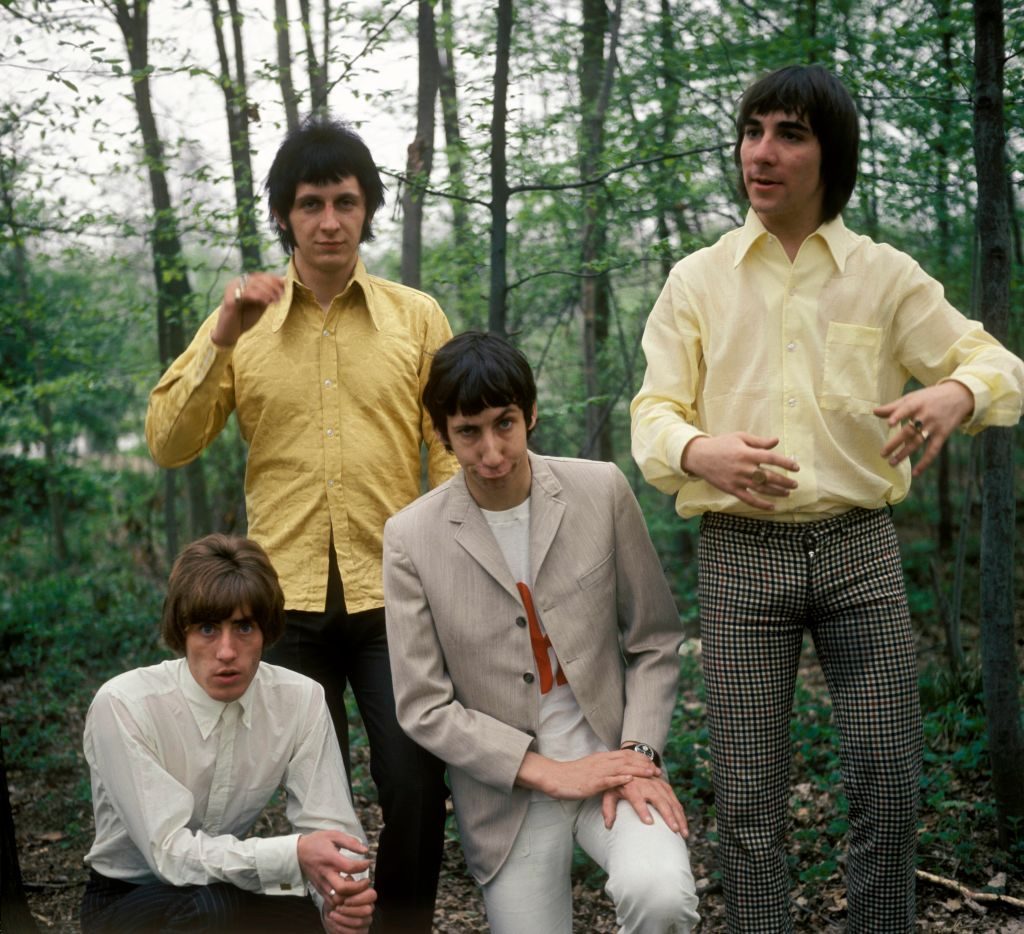
Pete Townshend had little patience for fashionable movements, and The Who largely stood apart from the flower-power explosion. Emerging from Mod culture, they favoured explosive performances, smashed instruments and sharp observations about alienation and identity. Their energy was restless and aggressive, making them a natural counterpoint to the laid-back ethos of the hippie scene.
Keith Moon's anarchic drumming and reputation for madcap, often destructive offstage behaviour pushed the band still further from the gentle communal ideal of the Summer of Love. Back onstage, Roger Daltrey's whip-cracking intensity and Townshend's windmill attacks turned performances into near-chaotic confrontations rather than peaceful gatherings and harmony was never the point.
Anti-hippie anthem: 'My Generation'
10. The Kinks
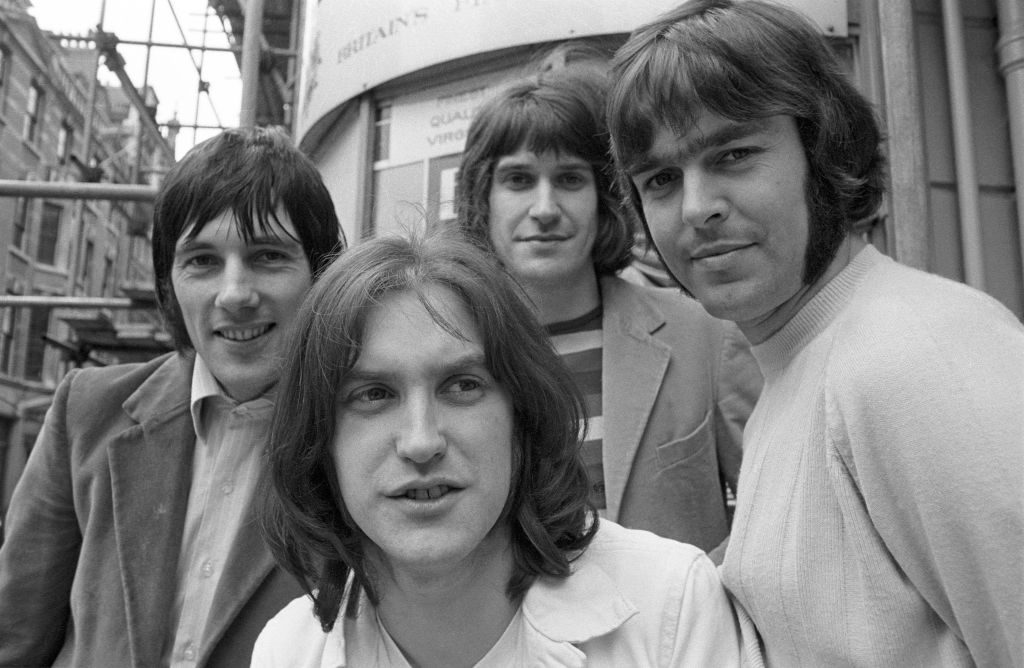
While his peers dropped acid and chased cosmic blockbusters, Ray Davies responded to the late 1960s by looking directly backward. He traded psychedelic escapism for a fiercely protective, hyper-localized lyrical universe filled with eccentric social observations and bittersweet nostalgia.
Albums like The Kinks Are the Village Green Preservation Society quietly rejected fashionable, cross-legged hippie counterculture entirely. Instead of singing about chemical enlightenment, Davies wrote meticulously detailed, music-hall-inspired vignettes celebrating strawberry jam, steam-powered trains, chinaware, and ordinary British lives. It was a radical act of defiance wrapped in a tweed jacket, finding true richness in everyday domestic survival.
Anti-hippie anthem: 'Village Green Preservation Society'
11. Steppenwolf
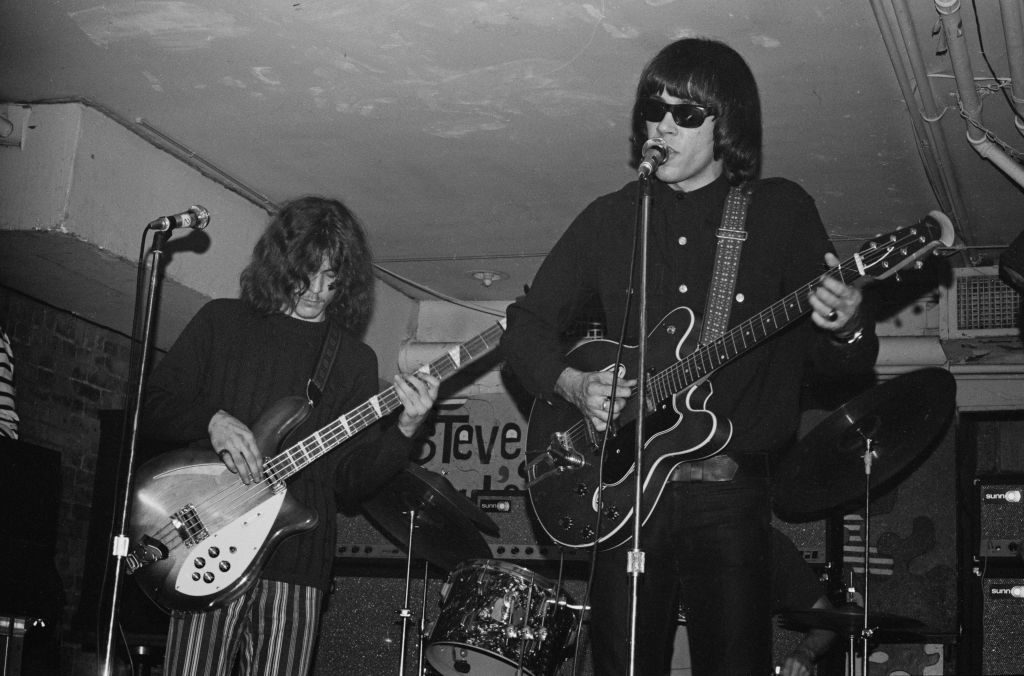
Canadian-American hard rockers Steppenwolf often get remembered for biker culture, but that image says plenty about their relationship with the Summer of Love. Their music traded flower-power idealism for hard-driving riffs, rebellious swagger and the freedom of the open road. There was little room for incense and peace signs when songs celebrated raw power and individualism instead.
Anti-hippie anthem: 'Born to Be Wild'
12. Black Sabbath
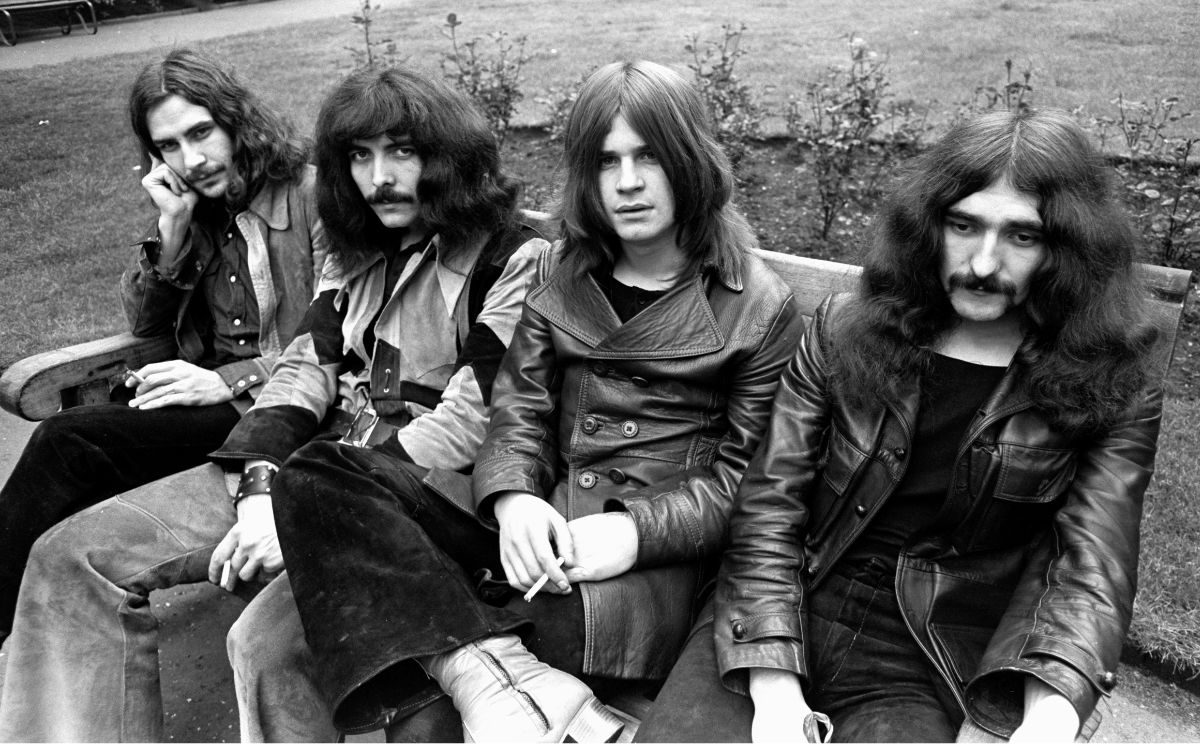
By the close of the decade, the sunny optimism of the counterculture was violently collapsing under the weight of the Vietnam War and political chaos.
Hailing from the bleak, smoke-choked factories of Birmingham, Black Sabbath weaponized this disillusionment. They utterly shattered the gentle Californian dream, trading whimsical psychedelia for detuned, down-tempo guitar riffs that felt dangerously heavy.
Instead of preaching peace and flower power, Tony Iommi’s ominous tritone chords confronted audiences with the grim realities of economic decay, war, and mental anguish. It was the birth of heavy metal—the ultimate, terrifying funeral march for the Summer of Love.
Anti-hippie anthem: 'Black Sabbath'
- Black Sabbath: all 19 of their albums ranked, from worst to best
- Tritone: meet the dangerous musical sound known as the 'devil in music'
13. The Sonics
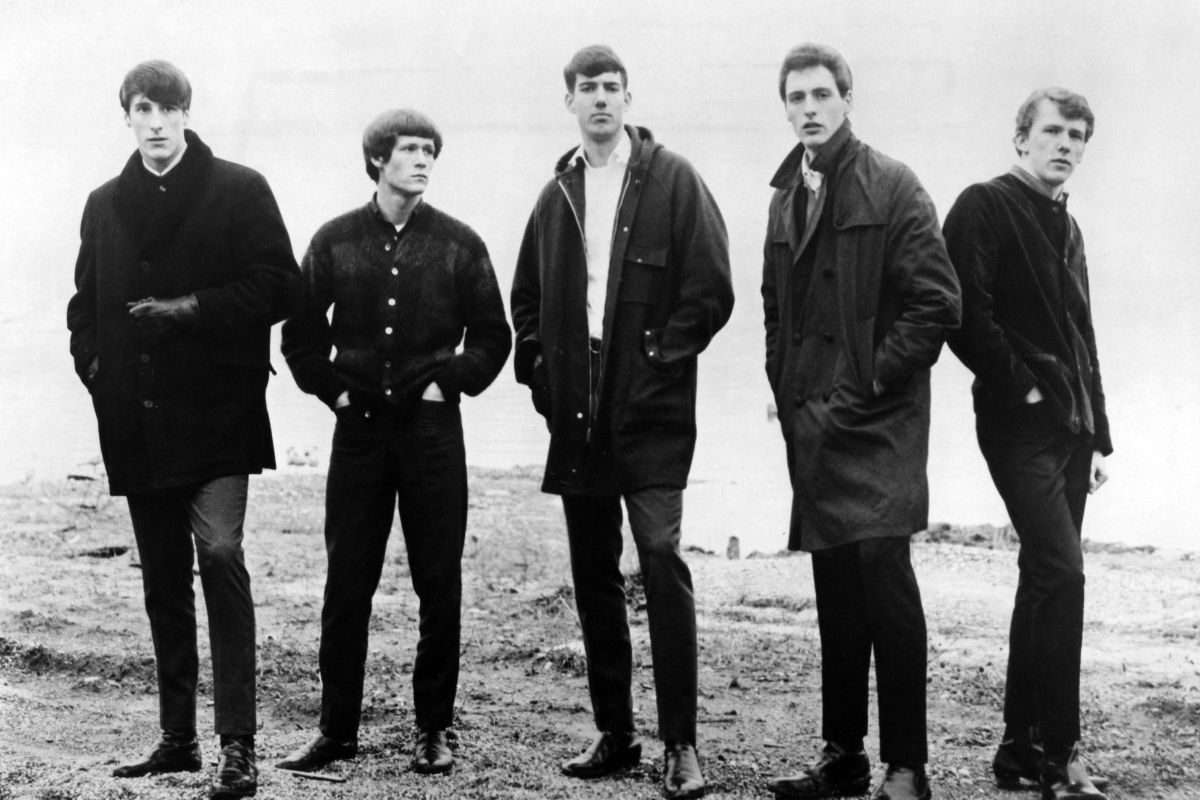
The Sonics actually predated the Summer of Love, but their influence pointed in the opposite direction. Their raw garage rock was primitive, aggressive and gloriously unpolished, with snarling vocals and distorted guitars that anticipated punk far more than psychedelia. While later bands explored expanded consciousness, The Sonics had already shown that rock could be thrilling without drifting into flower-power fantasy.
Anti-hippie anthem: 'Psycho'
Pics Getty Images
Top pic MC5


