
Every great artist evolves, but not every evolution is gentle.
Some musicians don’t just shift direction – they swerve, abandoning the sound that made them iconic. Sometimes it’s ambition, sometimes boredom, sometimes pressure from labels or radio. Sometimes it’s simply the desire to escape a box they never meant to build.
From Jefferson Airplane morphing into Starship’s glossy pop machine to U2 swapping earnest Americana for ironic techno‑pop futurism, these are the moments where reinvention became rupture. Fans were divided, critics baffled, careers reshaped. Yet each pivot tells us something about the restless nature of creativity – and the risks artists take when they decide the old version of themselves is no longer enough.
Here are twelve acts who turned their backs on what made them great – and changed rock history in the process.
1. Jefferson Airplane → Starship
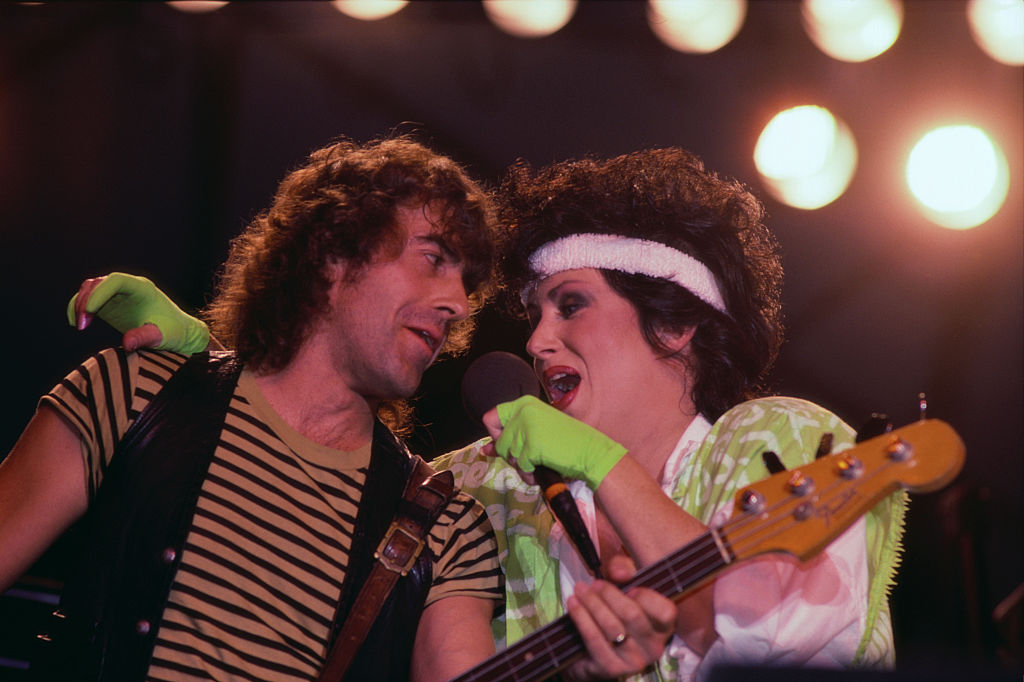
They were one of the defining psychedelic bands of the late ’60s – a swirling, political, exploratory force whose sound captured the counterculture’s restless imagination. By the early ’80s, though, almost every original member of Jefferson Airplane had gone, leaving Grace Slick and a corporate‑leaning, radio‑friendly incarnation determined to chase chart success.
The transformation wasn’t gradual; it was a hard pivot from acid‑drenched experimentation to glossy, synth‑driven AOR. The band that had once made the Summer of Love-defining Surrealistic Pillow LP ended up fronting songs built for MTV rotation and film soundtracks. Fans who’d grown up with the Airplane’s radical edge were stunned to hear Starship embracing the very commercialism their earlier work resisted.
It wasn’t evolution – it was reinvention by committee, a complete abandonment of the band’s psychedelic DNA in favour of neon‑lit pop maximalism.
Pivotal album: Knee Deep in the Hoopla (1985)
2. ZZ Top
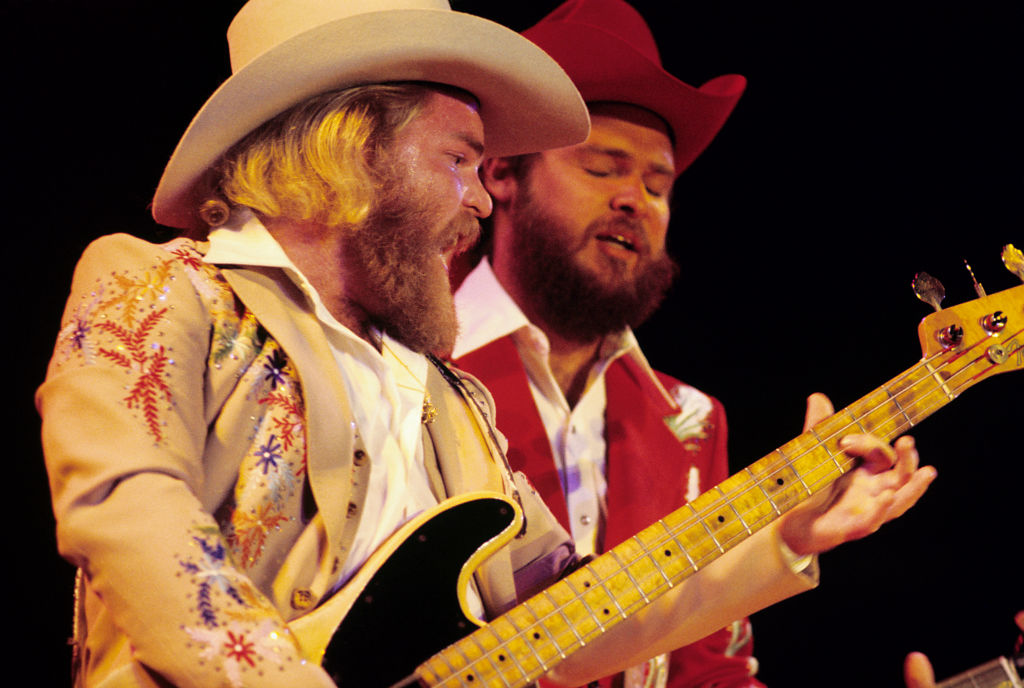
By the time Eliminator conquered MTV, ZZ Top sounded like robo‑cowboys – drum machines, synth bass, sequencers and a chrome‑plated sheen that turned them into video‑age icons. The beards were the same, but the music had been rebuilt for the neon era: tight, mechanical grooves and a futurist swagger that made them feel almost cartoonishly slick.
It was clever, catchy and era‑defining, but a dramatic departure from their roots. In the ’70s, ZZ Top were a raw Texas boogie band – dusty, bluesy, proudly unpolished. Their sound was built on bar‑band grit, shuffle grooves and the sense that they’d rolled straight out of a desert roadhouse. The ’80s pivot didn’t evolve that identity – it overhauled it, swapping sweat‑soaked boogie for cyber‑boogie.
Pivotal album: Eliminator (1983)
3. Chicago
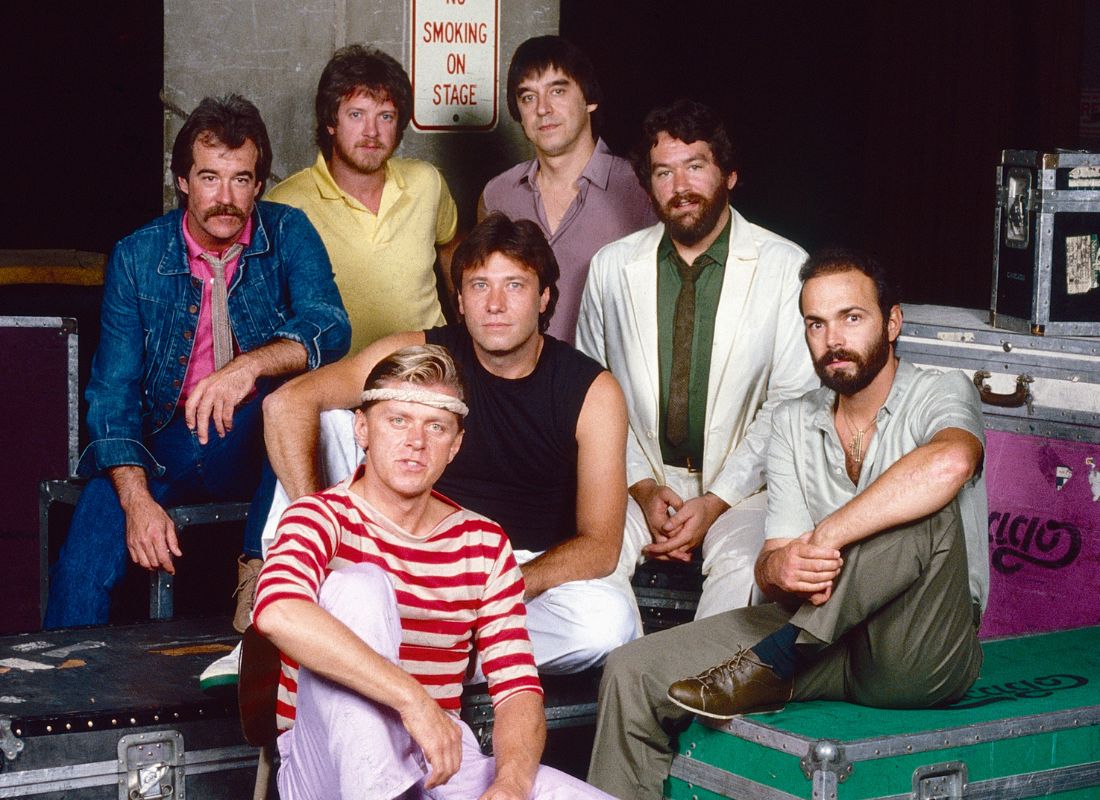
Chicago began as a muscular jazz‑rock outfit – a horn‑driven, politically charged band whose early records fused brass arrangements with progressive ambition. Their first run of albums had grit, complexity and a distinctive sonic identity. But by the early ’80s, the group had shifted dramatically towards soft‑focus balladry, with Peter Cetera’s smooth tenor becoming the commercial centre of gravity.
The horns, once the band’s defining feature, were pushed to the margins, replaced by synth pads, drum machines and radio‑friendly sentiment. The transformation brought huge hits, but at the cost of the adventurous spirit that made Chicago unique. What had been a bold, brassy rock‑jazz hybrid became a vehicle for power‑ballads and adult‑contemporary sheen – a reinvention that alienated long‑time fans even as it filled arenas.
Pivotal album: Chicago 17 (1984)
4. Heart
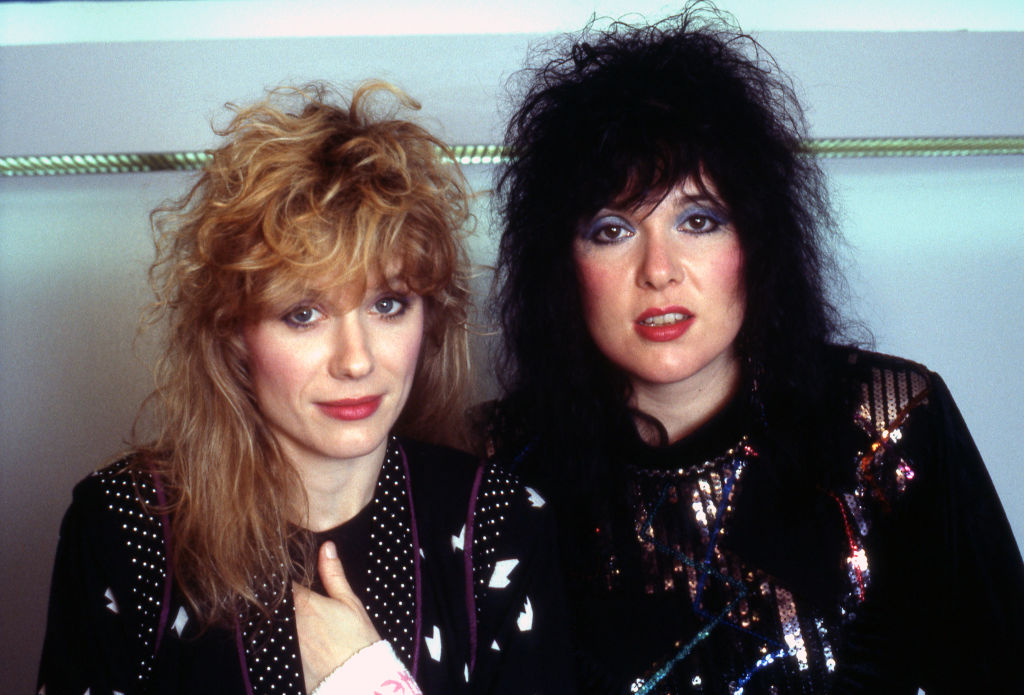
Heart’s mid‑’80s incarnation was pure MTV bombast – neon‑bright production, towering power‑ballads, outside writers and a glossy sheen that made them chart regulars. Songs like ‘What About Love’ and ‘These Dreams’ were engineered for big hair, big choruses and big rotation.
Yet this version of Heart bore little resemblance to the band’s origins. In the ’70s, they were a folk‑rock outfit with a mystical, Pacific Northwest earthiness: acoustic textures, Led Zeppelin‑esque dynamics and a natural, organic feel. Albums like Dreamboat Annie and Little Queen were intimate, atmospheric and rooted in acoustic interplay. The ’80s reinvention didn’t refine that identity – it replaced it entirely, swapping woodland mysticism for studio‑polished spectacle.
Pivotal album: Heart (1985)
5. U2
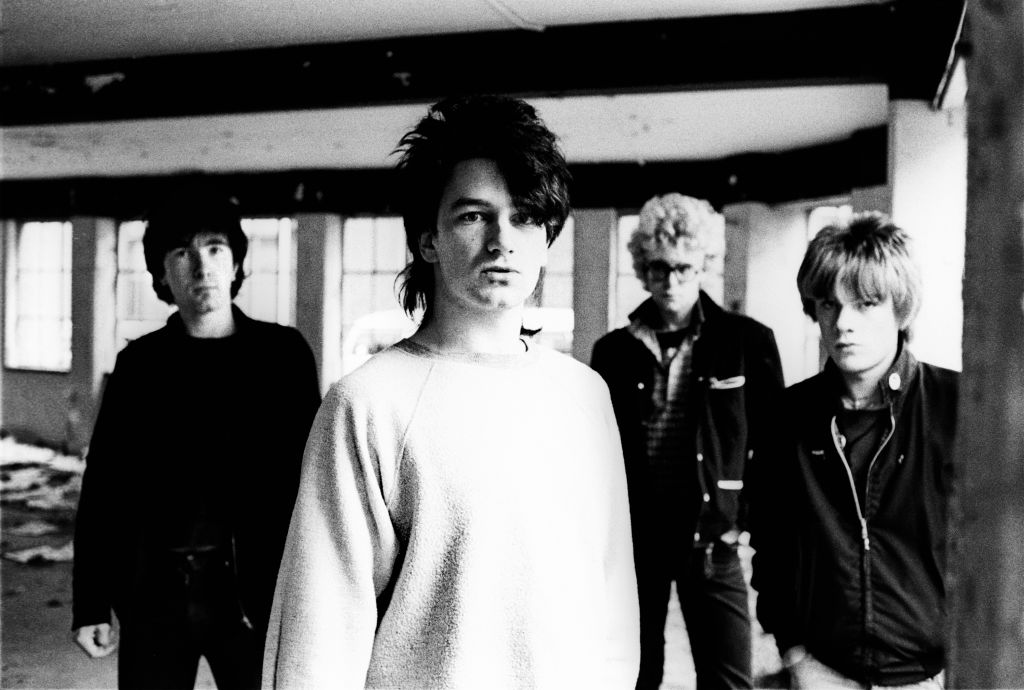
U2’s early career was built on earnestness – windswept Americana, spiritual searching and chiming guitar lines that felt both intimate and epic. The Joshua Tree cemented them as the world’s most sincere rock band.
Then came the pivot: irony, futurism, techno‑pop, and a deliberate dismantling of their own myth. With Achtung Baby and Zooropa, they embraced fragmentation, distortion and playful self‑awareness. By Pop, they were leaning fully into dance textures, digital sheen and postmodern spectacle.
The band who once wrote desert‑rock hymns were now performing beneath giant lemons on the PopMart tour. It was bold, clever and often brilliant – but unmistakably a rejection of the earnestness that made them great.
Pivotal album: Achtung Baby (1991)
6. The Doobie Brothers
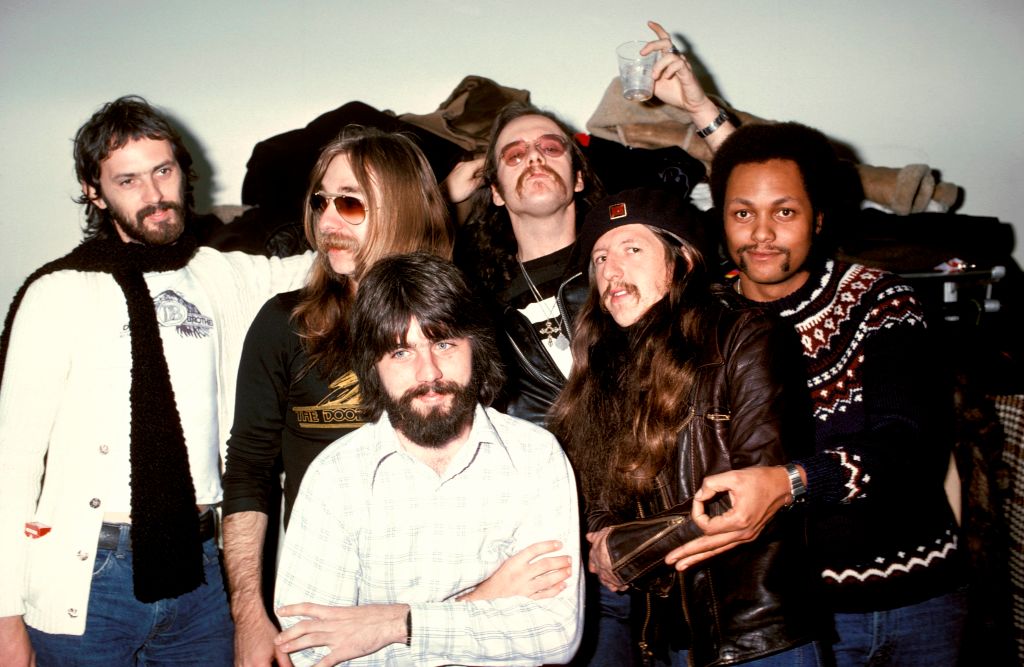
By the late ’70s, The Doobie Brothers had become a sleek yacht‑rock outfit – jazz‑inflected chords, keyboard‑driven arrangements and Michael McDonald’s soulful, late‑night FM radio smoothness. Tracks like ‘What a Fool Believes’ defined their new identity: urbane, polished and sophisticated. But this version of the band was a sharp break from their early sound.
In the early ’70s, the Doobies were a roots‑rock group steeped in warm harmonies, acoustic textures and a laid‑back West Coast feel. Their music had a campfire looseness, a sense of communal musicianship and a distinctly organic charm. McDonald’s arrival didn’t evolve that aesthetic – it rewired it completely, turning a rustic rock band into a silky soul‑pop machine.
Pivotal album: Takin’ It to the Streets (1976)
7. The Bee Gees
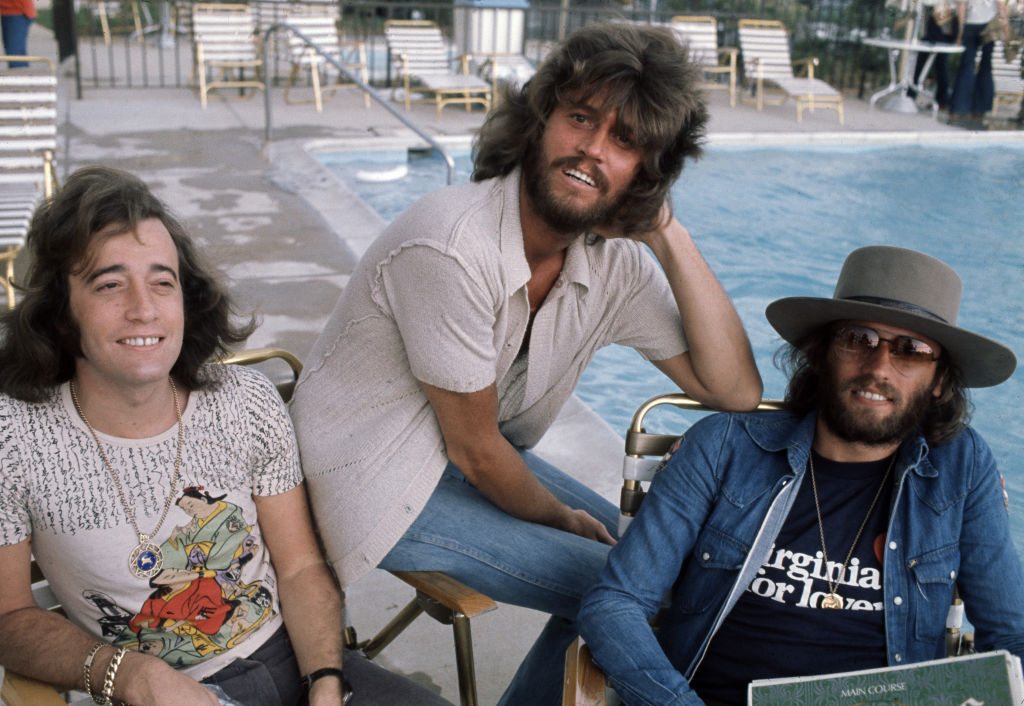
The Bee Gees’ disco era is so iconic – falsetto vocals, funk rhythms, dancefloor exuberance – that it can eclipse everything else about them. By the late ’70s, they were global superstars, synonymous with mirrorballs, nightlife and the pulse of Saturday Night Fever.
But this glittering reinvention was a dramatic departure from their beginnings. In the late ’60s and early ’70s, the Bee Gees were baroque pop craftsmen: melancholic balladeers with intricate harmonies, orchestral arrangements and a Beatles‑esque emotional richness. Songs like ‘Massachusetts’ and ‘I Started a Joke’ were delicate, introspective and steeped in classic pop tradition.
Their disco pivot didn’t refine that identity – it replaced it wholesale, and after the backlash, they abandoned disco too, reinventing themselves yet again.
Pivotal album: Main Course (1975)
8. Kings of Leon

Kings of Leon’s early records were scrappy, Southern‑fried garage rock – loose, sweaty, full of character, and unmistakably theirs. The Followill brothers sounded like a band playing in a Tennessee basement, all ragged charm and nervy swagger.
But by the time they broke globally, Caleb, Nathan, Jared and Matthew pivoted sharply towards widescreen arena rock, smoothing out the grit in favour of echo‑laden guitars and U2‑style anthemic choruses. The shift brought massive commercial success, but it also erased the raw immediacy that made their early work compelling.
Songs became cleaner, bigger, more polished – engineered for festival stages rather than dive bars. For many fans, the band didn’t evolve so much as abandon the scruffy identity that set them apart, trading regional character for international gloss.
Pivotal album: Only by the Night (2008)
9. Genesis
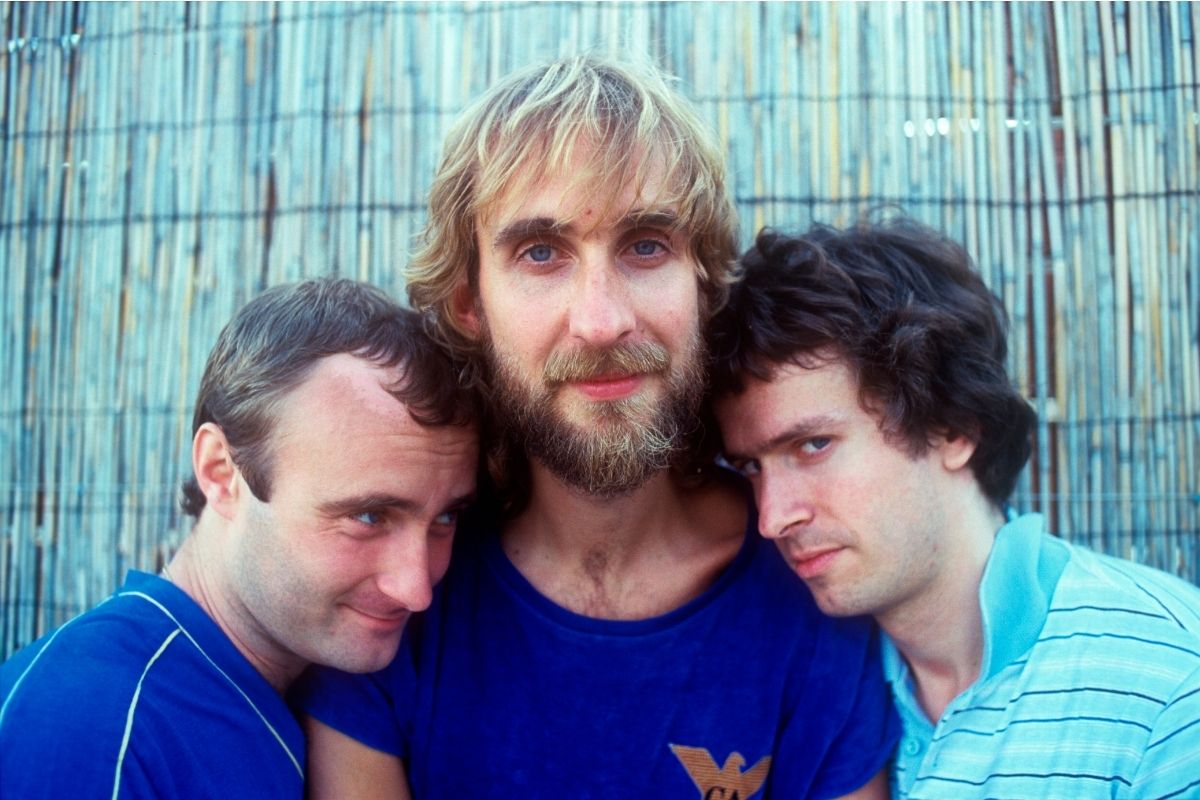
By the mid‑’80s, Genesis were a sleek pop‑rock powerhouse – crisp production, radio‑ready hooks, Phil Collins’ conversational vocals and a sound built for FM playlists rather than labyrinthine concept suites. To many listeners, they were simply one of the decade’s most reliable hitmakers.
But this polished incarnation was a world away from the band’s origins. The shift happened partly because Collins’ rise as a solo star pulled the group towards a more streamlined, accessible style, and partly because the remaining trio were tired of the theatrical sprawl that had defined their early years.
In the early ’70s, Genesis were one of Britain’s great prog institutions: theatrical, eccentric, full of odd time signatures, literary references and sprawling arrangements. Peter Gabriel’s surreal storytelling and the band’s intricate musicianship defined their identity. The later pop reinvention wasn’t a gentle evolution – it was a decisive break from the ornate, adventurous spirit that once made them cult heroes.
Pivotal album: Duke (1980)
10. Radiohead
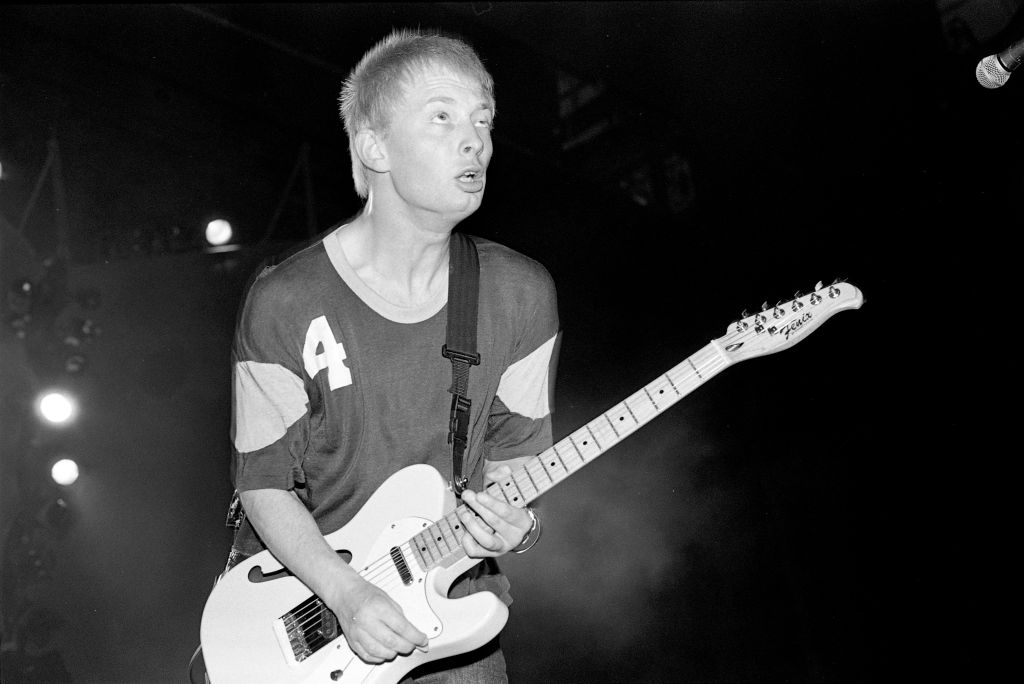
Radiohead’s post‑2000 identity is defined by glitch electronics, ambient drift and anti‑rock structures – a band more interested in digital abstraction than guitar‑driven anthems. Kid A and its successors turned them into the patron saints of experimental rock, dismantling melody, rhythm and form with deliberate precision.
But this radical reinvention obscures where they began. In the ’90s, Radiohead were one of Britain’s most promising guitar bands: emotive vocals, soaring choruses, chiming riffs and a sense of melodic urgency that placed them firmly in the lineage of alt‑rock. The Bends and OK Computer were built on emotional clarity and instrumental punch. The electronic pivot wasn’t a tweak – it was a controlled demolition of the very sound that made them famous.
Pivotal album: Kid A (2000)
11. Metallica
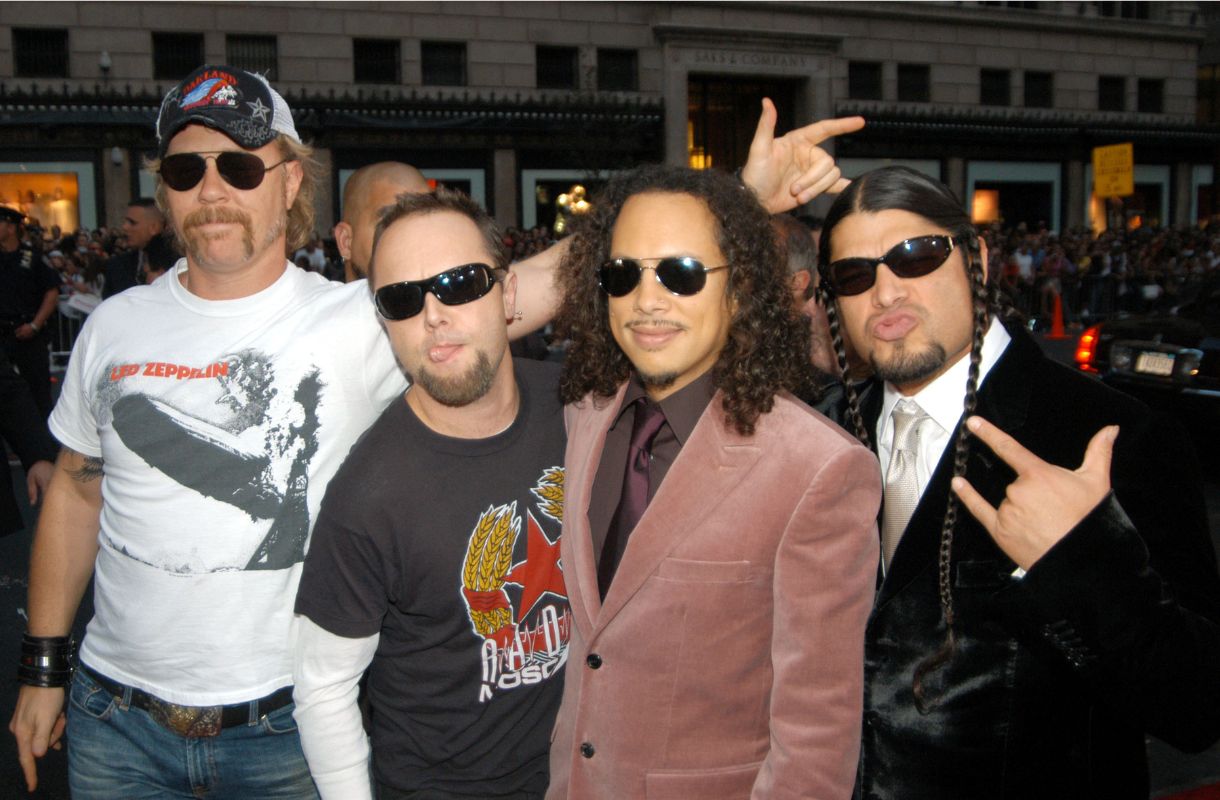
Metallica’s early career defined thrash metal – blistering tempos, complex riffs and a ferocious, uncompromising aesthetic. Albums like Ride the Lightning and Master of Puppets were genre‑defining. But by the mid‑’90s, the band pivoted sharply towards stripped‑down hard‑rock, cutting their hair, slowing their tempos and embracing bluesy, groove‑based songwriting.
Load and Reload were bold reinventions, but they alienated fans who saw them as abandoning the intensity that made them great. The band who once wrote breakneck epics were suddenly leaning into swaggering mid‑tempo rock with polished production and introspective lyrics.
Pivotal album: Load (1996)
12. Simple Minds
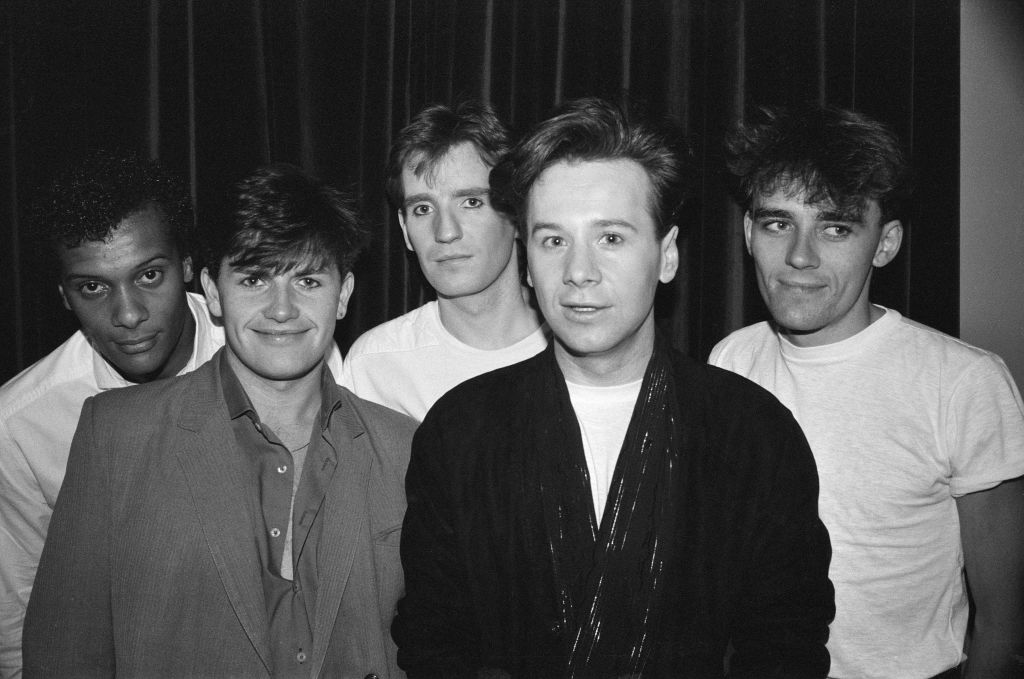
Fascinatingly, Simple Minds began as an icy, art‑rock outfit – a European post‑punk band steeped in synth minimalism, Krautrock textures and moody experimentation. Their early albums were atmospheric, angular and quietly influential.
But as the ’80s progressed, Jim Kerr and co. followed the prevailing mood and transformed into a stadium‑sized, chest‑beating rock act, embracing bombast, big choruses and a widescreen emotional palette. The shift wasn’t subtle: the band who once made brooding, avant‑leaning music suddenly sounded built for arenas and MTV.
Jim Kerr’s vocals became more declamatory, the arrangements more grandiose, and the production more polished. The reinvention brought global fame, but it also left behind the cool, cerebral identity that defined their early brilliance.
Pivotal album: Sparkle in the Rain (1984)
In the end, these reinventions tell us as much about the artists as the music itself. Some pivots were bold leaps, some were commercial calculations, some were acts of escape – but each marked a moment where an artist decided the sound that once defined them was no longer enough.
Whether they found new greatness or lost the magic that made them matter, these left turns remain fascinating snapshots of ambition, insecurity and evolution. Rock history isn’t just shaped by the bands who stayed true to themselves – it’s shaped just as powerfully by the ones who walked away.


