What do The Doors, Steely Dan, The Velvet Underground and Veruca Salt have in common?
They all owe their names to books – although the route from printed page to rock stage was rarely straightforward. Rock musicians have plundered literature for inspiration almost since the beginning of the genre, borrowing names from novels that spoke to them, books that happened to be lying around, and, occasionally, works they hadn't even read.
Some choices are obvious once you know the source: Marillion's Tolkien connection is hardly subtle. Others are much stranger. Steely Dan sounds like it could be the name of an obscure 1970s rock star, until you discover what William Burroughs meant by it.
These aren't simply bands named after books. They are 15 little stories about the moment literature escaped from the bookshelf and wandered into rock'n'roll.
1. The Velvet Underground
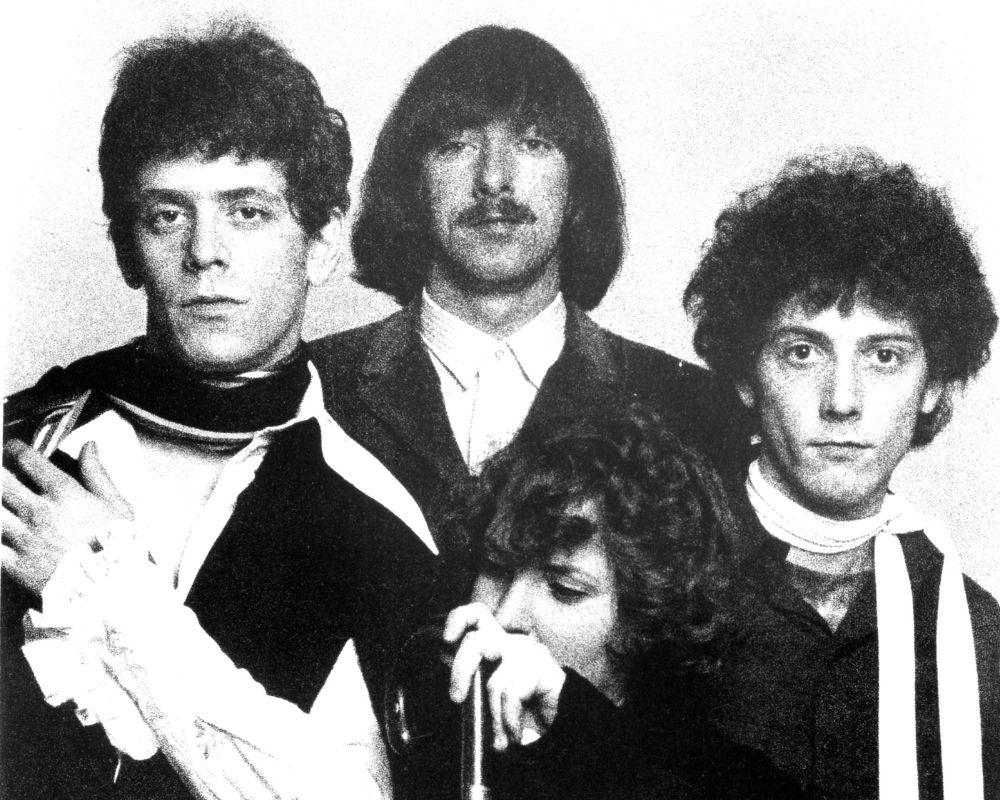
This is one of rock's most gloriously unlikely literary borrowings. In 1965, Lou Reed, John Cale, Sterling Morrison and Angus MacLise were still cycling through names including The Warlocks and Falling Spikes when friend and filmmaker Tony Conrad showed them Michael Leigh's The Velvet Underground, a 1963 paperback about the secret sexual subcultures of New York.
MacLise suggested they simply steal the title for the band. They did – apparently unanimously. The name appealed because it sounded mysterious and underground, while Reed was already writing songs such as 'Venus in Furs' inspired by provocative literature. There is a minor disagreement over whether Conrad found the book in the street or MacLise's wife remembered MacLise buying it, but the title itself is beyond dispute.
2. Steppenwolf
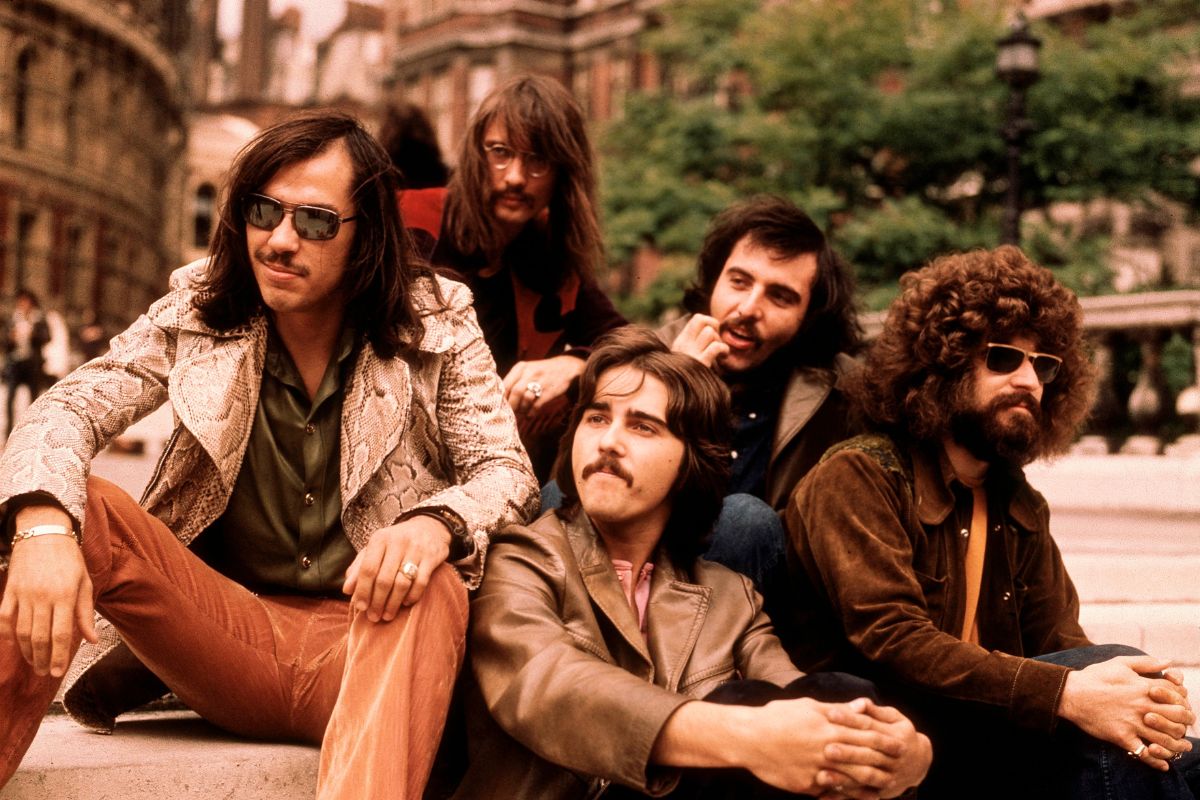
John Kay has admitted that he had never read Hermann Hesse’s Steppenwolf when his band acquired the name. The suggestion came from Gabriel Mekler, the young man who lived next door to where the group rehearsed. Published in 1927, Hesse’s novel follows Harry Haller, a troubled, middle-aged intellectual who feels divided between his respectable human self and his imagined 'steppenwolf' nature, as he drifts through the bohemian nightlife of 1920s Germany.
When they needed a name to put on their first demo box, Mekler suggested Steppenwolf, saying it looked good in print and suggested 'mystery and power' – qualities he thought suited the band. Kay and the others liked it, partly because the alternative suggestions were apparently a mixture of jokes and obscenities that weren't exactly record-company friendly. The name stuck.
3. Uriah Heep
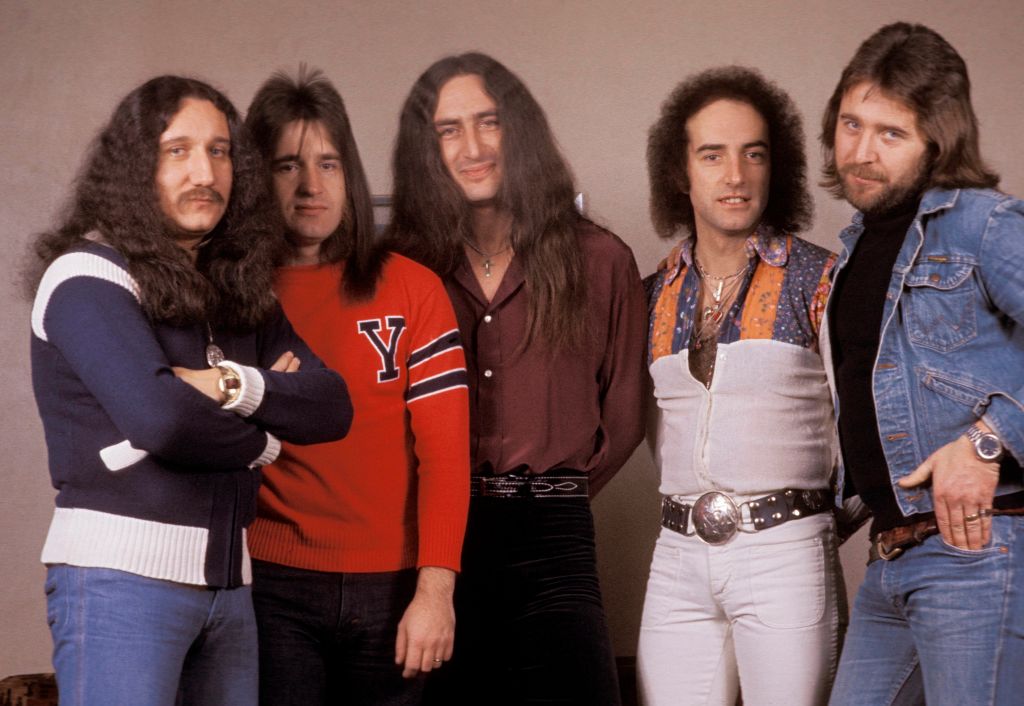
Before they became Uriah Heep, the prog/hard rockers were called Spice – a name that suddenly seemed rather less interesting when manager Gerry Bron came on board. Bron suggested they rename themselves after the wonderfully unpleasant character in Charles Dickens's David Copperfield.
Uriah Heep is the novel's obsequious, manipulative schemer, forever proclaiming himself “umble” while plotting his way upwards. The timing was particularly apt: 1969 marked the centenary of Dickens's death, so Heep's name was everywhere in Britain.
The band adopted it just as they were adding keyboards and reshaping their sound (and promptly named their 1970 debut ...Very 'Eavy ...Very 'Umble in the character's honour) . It is difficult to imagine a more Dickensian name becoming attached to a hard-rock band – and yet somehow it fitted.
4. Modest Mouse
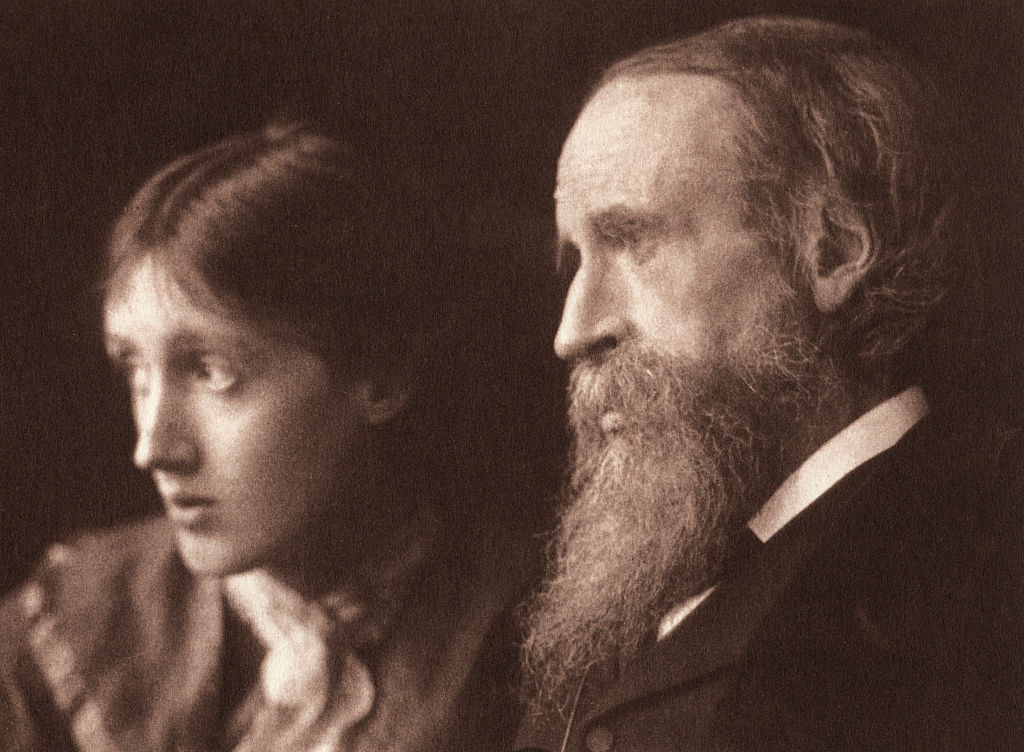
Isaac Brock found his band's name in a surprisingly obscure corner of Virginia Woolf's writing. In The Mark on the Wall, her first published short story, Woolf describes 'modest mouse-coloured people' who supposedly dislike hearing themselves praised. Brock and his friends lifted the striking phrase for their band, transforming a fleeting description in a 1917 short story into one of the most recognisable names in American indie rock.
It is a particularly good fit for a band whose early music often sounded introspective, scruffy and slightly detached from the mainstream. There is an odd little irony, too: Woolf's phrase was describing people who don't particularly enjoy attention, whereas Modest Mouse would eventually become one of the biggest American indie bands of their generation.
5. Supertramp
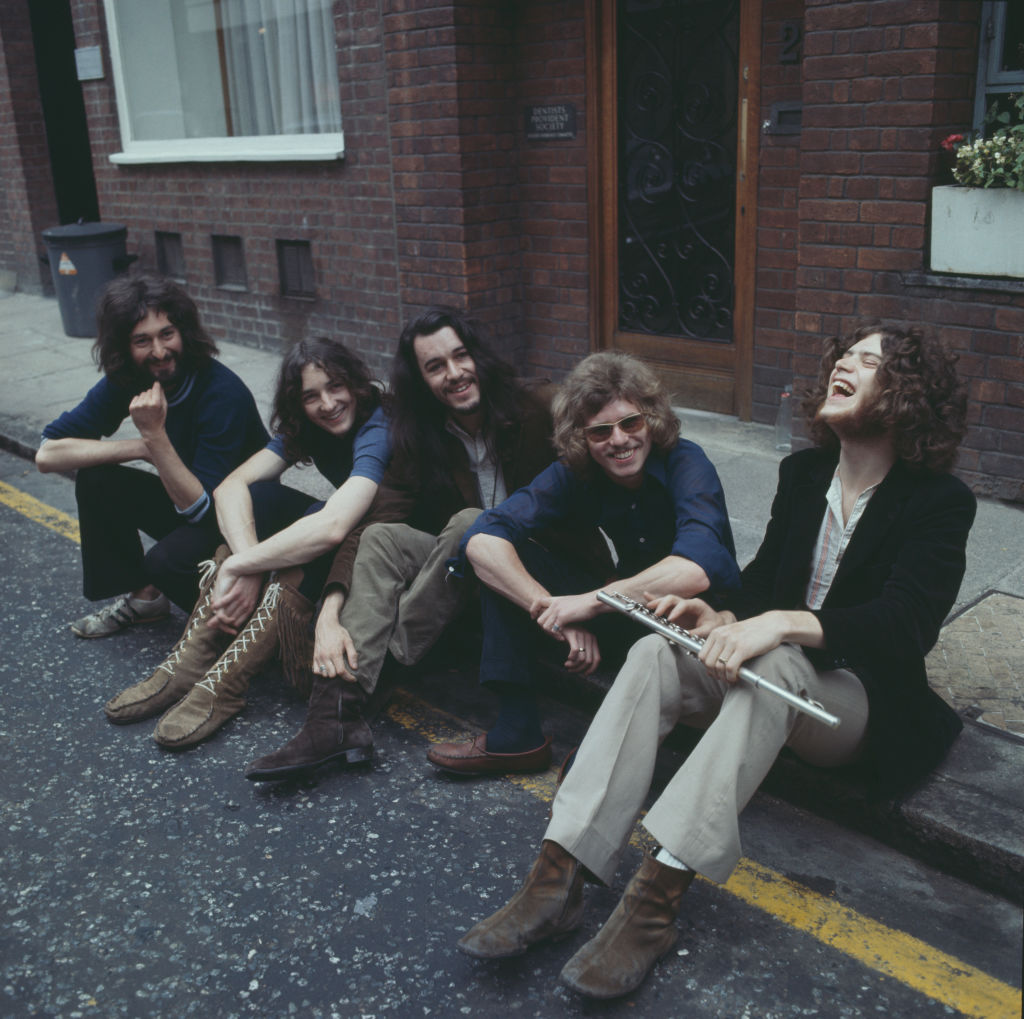
Supertramp sounds like the sort of name a group of scruffy musicians might have invented after a particularly long night on the road. In fact, it came from Welsh writer W. H. Davies's 1908 memoir The Autobiography of a Super-Tramp, about his years travelling, working odd jobs and living rough.
The name was suggested by guitarist Richard Palmer-James, one of Supertramp's founders, who also wrote the lyrics for the band's debut album. There's an amusing footnote to the story: Palmer-James left after only about 18 months, meaning his most enduring contribution to the group was arguably the name. He later became the lyricist for three King Crimson albums.
6. Mott the Hoople
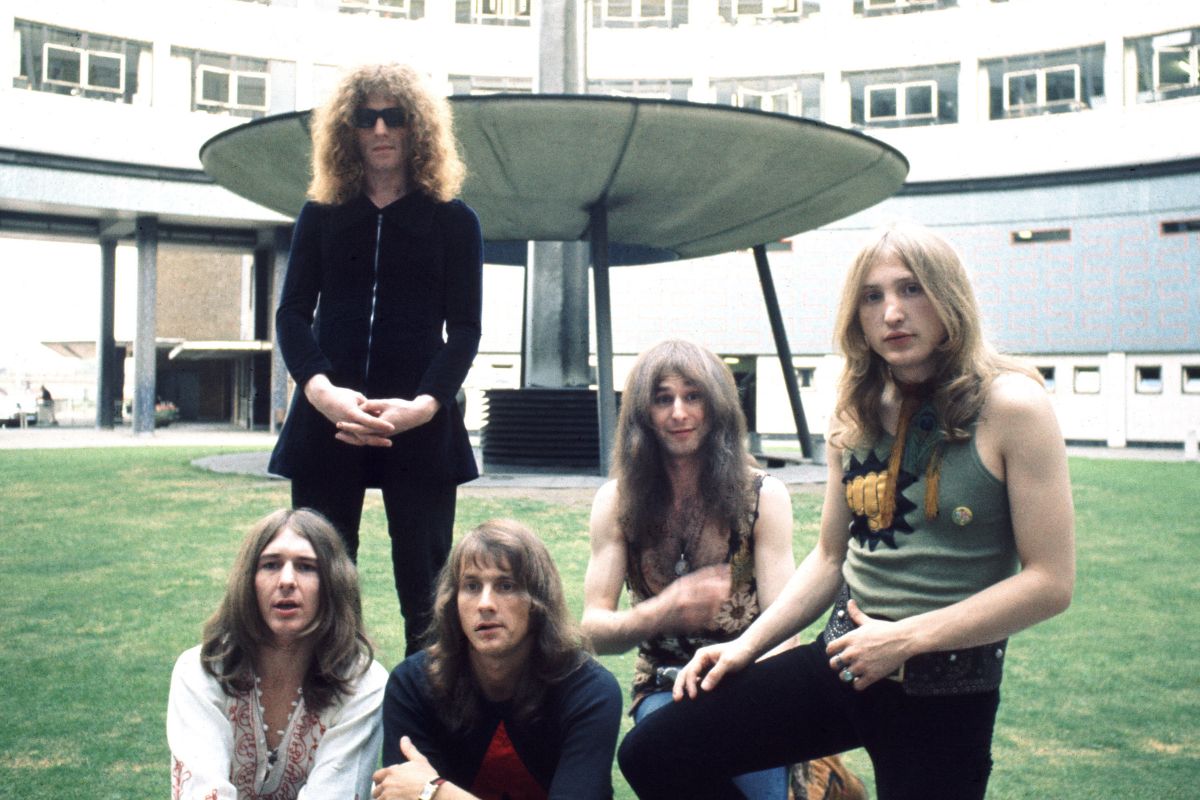
Mott the Hoople might sound like an invented piece of rock'n'roll nonsense, but it was sitting on a bookshelf. The group's original name was Silence until Island Records producer Guy Stevens took an interest.
Stevens had read Willard Manus's 1966 novel Mott the Hoople while serving a prison sentence and decided its title would suit the band. The book's protagonist, Norman Mott, is an eccentric, anti-establishment drifter who dodges the draft, works reluctantly at a travelling fair, gambles, gets involved with various women and spends time in prison before embarking on increasingly surreal adventures across America.
The novel is set in contemporary 1960s America and is a comic, picaresque satire of everything from the Vietnam War and racism to religion and respectable middle-class life. 'Hoople' was Manus's slang for a fool, rogue or buffoon – itself derived from Major Hoople, a character in the American comic strip Our Boarding House. The band apparently needed some persuasion to abandon Silence, but Stevens got his way.
7. Steely Dan
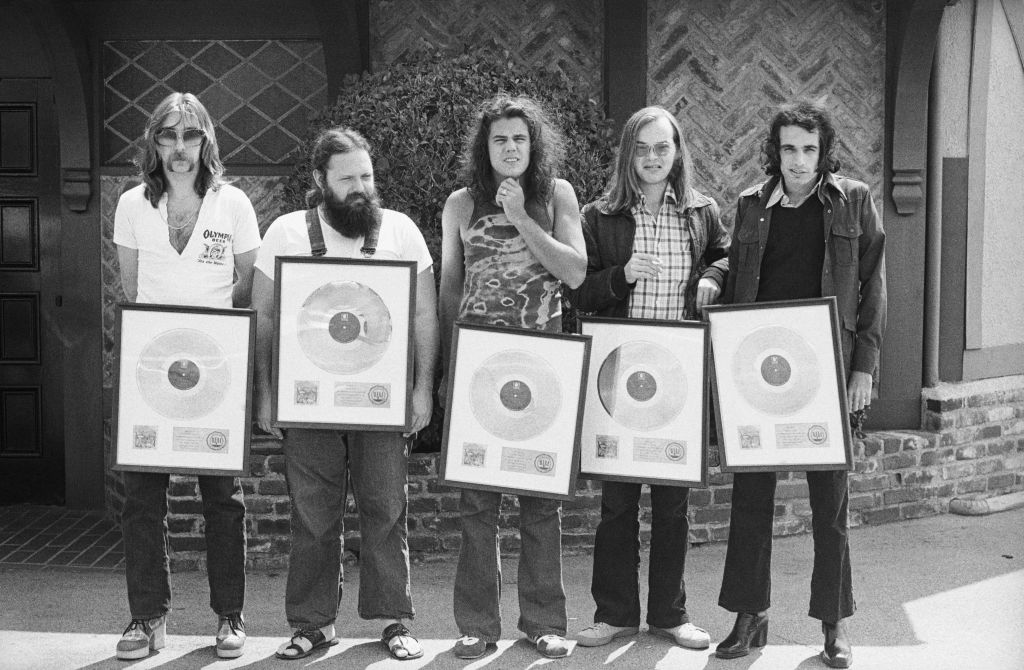
Steely Dan has perhaps the most gloriously outrageous literary origin of the lot. Donald Fagen and Walter Becker took the name from William S. Burroughs's Naked Lunch, where Steely Dan is the name of a particularly elaborate sex toy. The object is actually called 'Steely Dan III from Yokohama', and Becker later explained that he and Fagen had encountered the name while immersed in Beat literature at Bard College, NY.
They had even used 'Steely Dan' in a song before forming the band. 'Soul Ram', an early Becker/Fagen demo, casually dropped the name into its lyrics, suggesting that the joke was already part of their shared vocabulary. There was an extra joke in it: Becker and Fagen imagined people assuming Steely Dan was the name of some mysterious band member, only discovering the decidedly less respectable truth later.
8. Veruca Salt
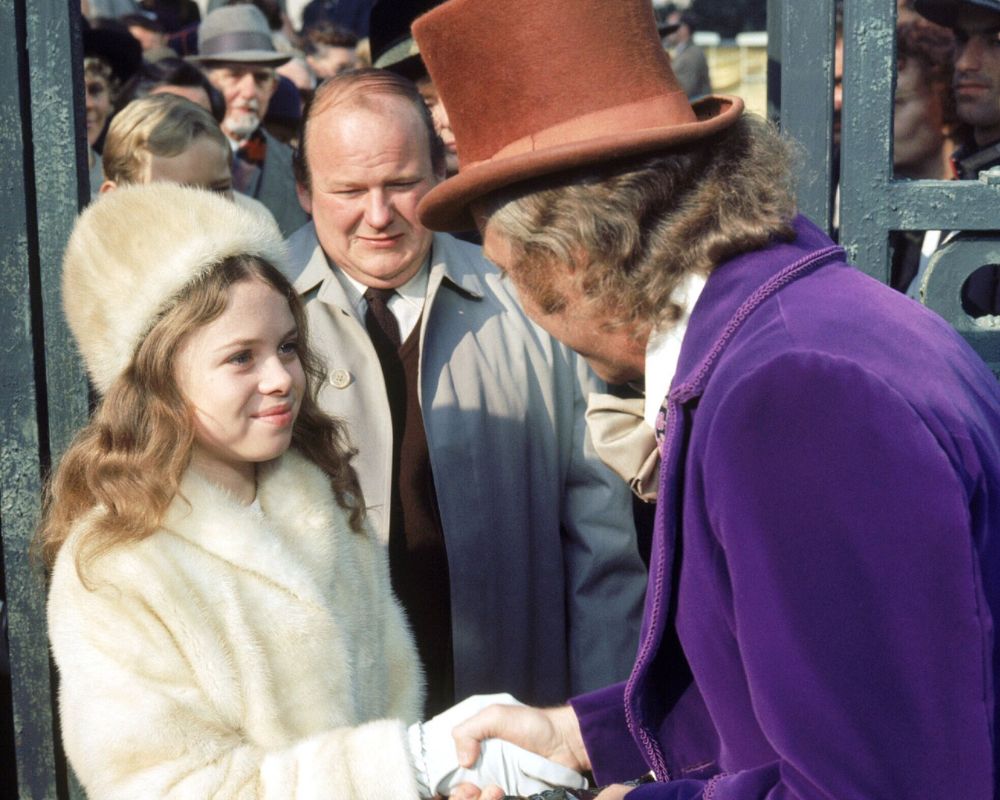
Few band names are better suited to a rock group than Veruca Salt – a spoiled, demanding child who wants everything immediately in Roald Dahl's Charlie and the Chocolate Factory. Nina Gordon and Louise Post, both Dahl fans, formed the Chicago band in 1992 and borrowed the name from Willy Wonka's famously impatient golden-ticket winner.
Dahl's anti-heroine is thrown down a rubbish chute after demanding one of Wonka's squirrels, while the band's own debut album, American Thighs, announced a much less child-friendly musical identity.
9. Joy Division
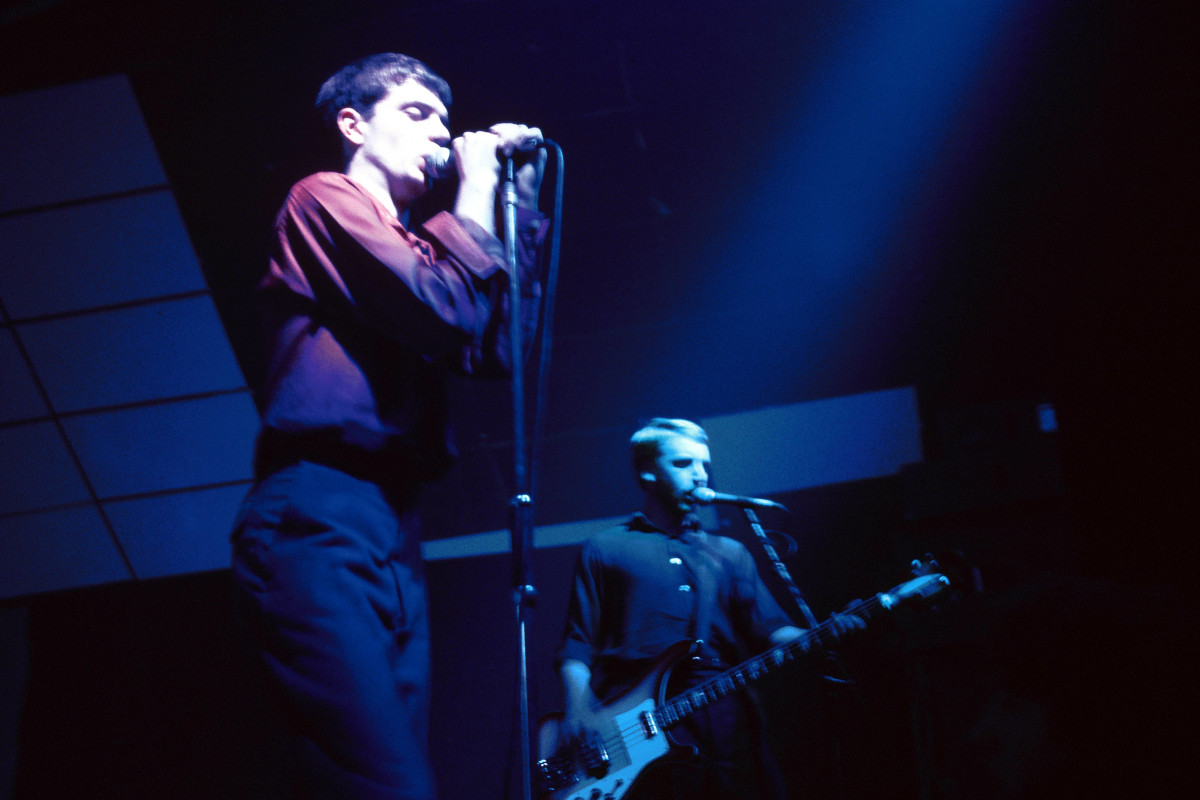
The phrase comes from House of Dolls, a 1955 novel describing 'Joy Divisions' – groups of Jewish women forced into sexual slavery in concentration camps. It’s a brutal, disturbing term, chosen by the band partly for its shock value and partly for its stark, unvarnished confrontation with human cruelty.
In the late‑’70s Manchester underground, adopting such a name signalled a rejection of romanticism and a willingness to stare directly at bleakness, alienation and moral collapse. It framed the band within a world of discomfort and historical trauma rather than escapist pop fantasy.
10. Marillion
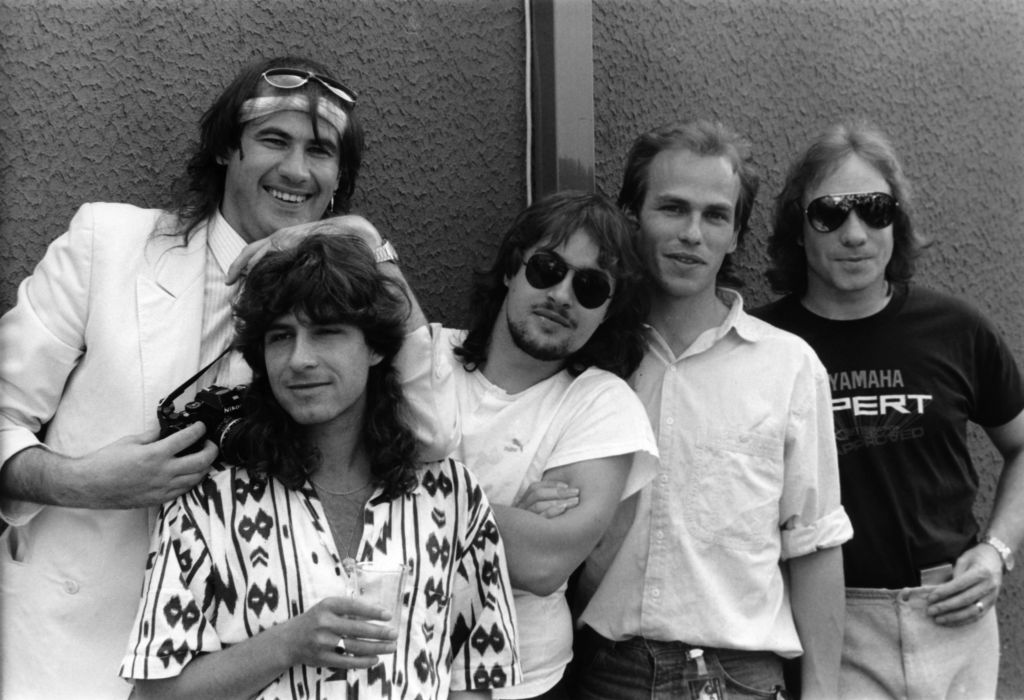
Marillion began life with an even more unabashedly Tolkien-inspired name: Silmarillion, taken from J.R.R. Tolkien's mythopoeic masterpiece The Silmarillion. Founding drummer Mick Pointer and bassist Doug Irvine formed the group in the late 1970s, with Irvine reading Tolkien's book at the time and suggesting the name. They even played their first gig as Silmarillion.
The story of how that name morphed into Marillion is slightly muddier. Pointer recalled joking about removing letters from the name as members left, eventually arriving at Marillion; other accounts say the shorter version was adopted to avoid potential copyright problems. Either way, the Tolkien connection survived – just in a form that was considerably easier to fit on a guitar case.
Here's 'Grendel', the most overtly literary/medieval-fantasy Marillion song. The 18–19-minute early epic was a centrepiece of their pre-debut live set.
11. Heaven 17
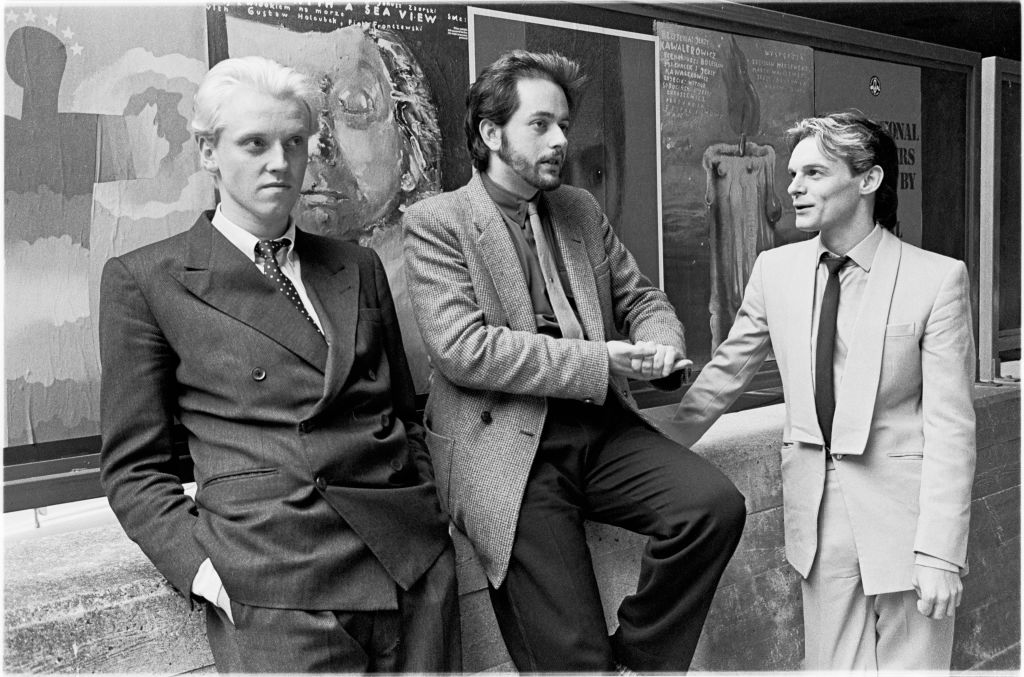
In anthony Burgess' dystopian 1962 novel A Clockwork Orange, the band The Heaven Seventeen appear at number 4 in the charts – a slick, futuristic pop group in a world of state‑controlled youth culture and stylised violence. Burgess’ novel is steeped in artificiality, manipulation and a cold, hyper‑modern sheen, which made the name irresistible to Martyn Ware and band founders Ian Craig Marsh.
Borrowing it aligned their new project with dystopian satire and the idea of pop as a manufactured, technocratic product. For a band embracing synths, corporate imagery and post‑industrial aesthetics, Heaven 17 felt like a ready‑made cultural signal.
12. The Doors
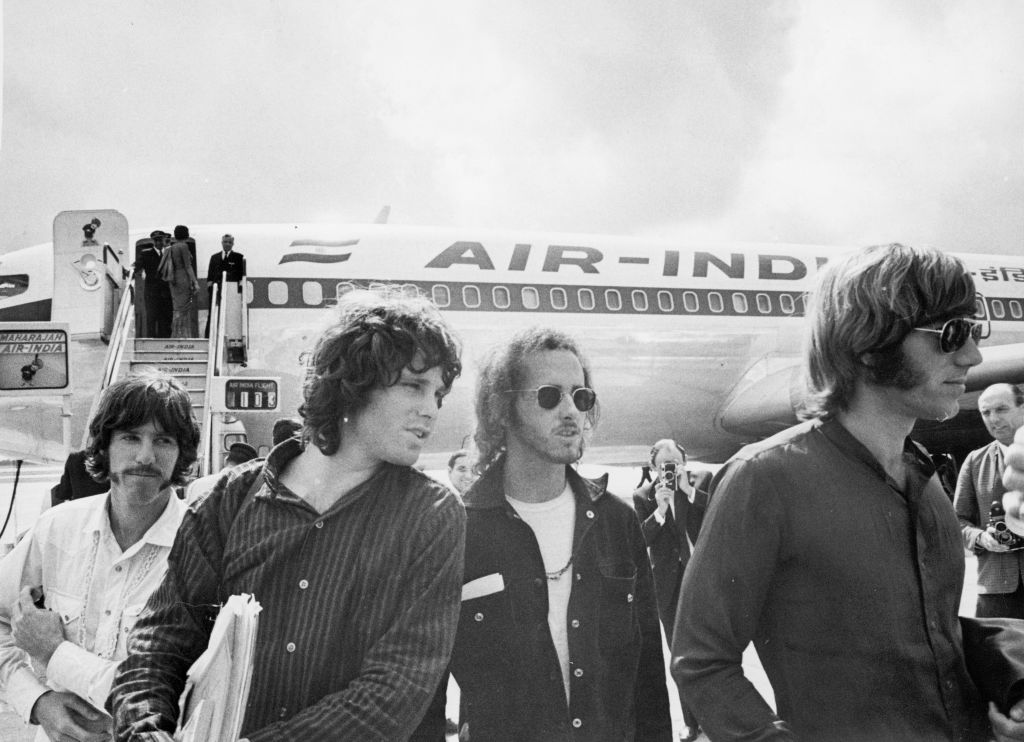
Jim Morrison and Ray Manzarek had barely begun putting their band together when Morrison announced what he wanted to call it: The Doors. Manzarek initially thought the name was ridiculous, until the penny dropped. He realised Morrison was thinking of Aldous Huxley’s The Doors of Perception, the 1954 account of Huxley’s experiences with mescaline.
Huxley, in turn, had taken his title from William Blake’s The Marriage of Heaven and Hell: “If the doors of perception were cleansed...” Morrison and Manzarek apparently liked the idea of doors opening onto another state of consciousness.
Pics Getty Images
Top pic: Walter Becker and Donald Fagen of Steely Dan, 1978