
We’re all familiar with the concept of supergroups – when celebrated stars get together to form something that is usually less than the sum of its parts.
But what about supergroups in reverse? These are the bands which act as incubators for rock stars of the future. They might not always have the success they deserve themselves, but they will go down in history as the groups that nurtured raw talent before excess and egos took hold. Here’s our pick of rock’s greatest reverse supergroups.
1. John Mayall & The Bluesbreakers
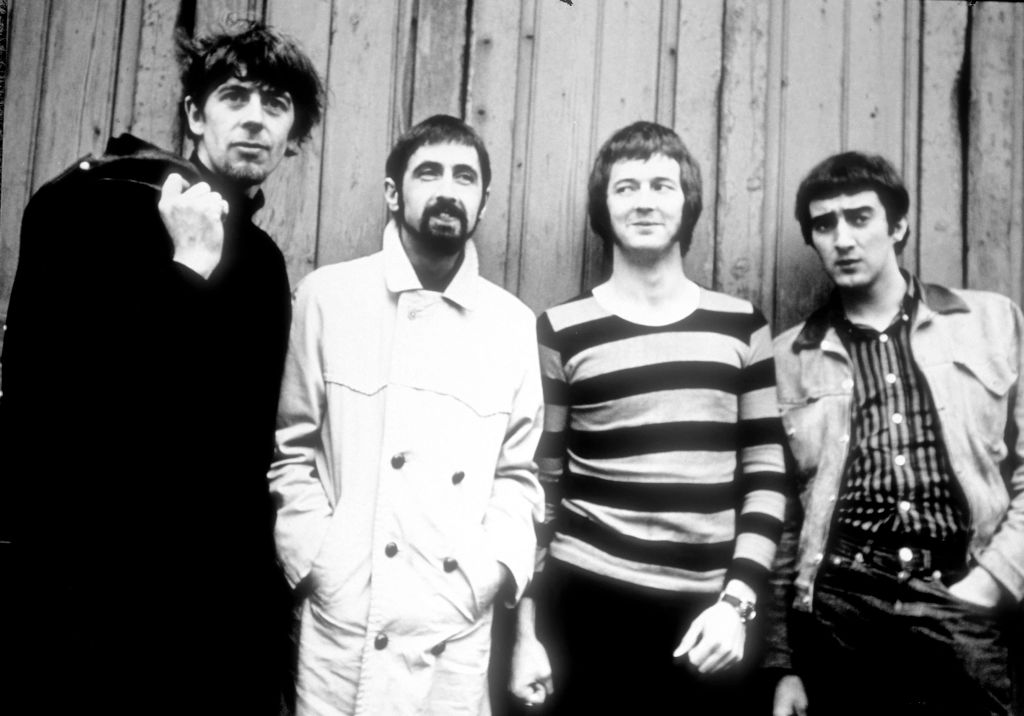
It might be easier to count the ’70s rock bands with members who hadn’t played in John Mayall & The Bluesbreakers, than to keep count of the ones who did.
From 1963, bandleader, singer and guitarist Mayall had a revolving door policy to his backing band, the Bluesbreakers.
The earliest official line-up featured future Fleetwood Mac bassist John McVie. In April 1965, Eric Clapton joined – he was only in the group for just over a year (including a short break), but that was long enough to record the classic Beano album – and his future Cream bandmate Jack Bruce replaced McVie that October.
When Clapton departed, blues maestro Peter Green took his place and for a brief period was joined by drummer Mick Fleetwood before the pair left in June 1967 to form Fleetwood Mac. Mayall then called upon Mick Taylor, the preternaturally talented young guitarist who’d go on to replace Brian Jones in The Rolling Stones.
Bare Wires, released in June 1968, was the Bluesbreakers’ biggest hit to date but following its release, bassist Tony Reeves, saxophonist Dick Heckstall-Smith and drummer John Hiseman left to form jazz-fusion act Colosseum. Though Mayall was hugely successful, well-respected and prolific in his own right, without his influence, ’70s rock would have looked very different.
2. Wicked Lester
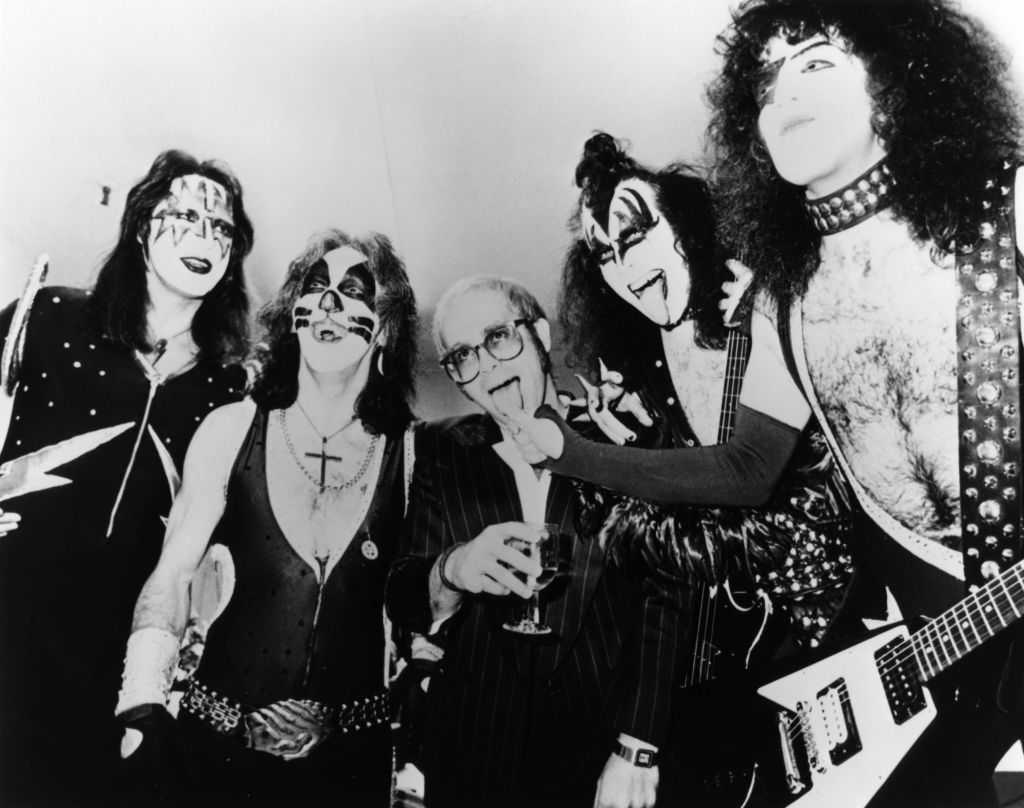
Before Gene Simmons and Paul Stanley donned the makeup and formed the larger-than-life, 1970s shock-rock extravaganza that was KISS, they were members of something very different. Formed in the early 1970s, New York band Wicked Lester blended rock, pop and folk influences, eventually getting themselves a deal with Epic Records and recording an album.
But Simmons and Stanley weren't happy with the results, feeling that the music lacked a proper identity. They called time on Wicked Lester and began building a harder, more theatrical band around their own ideas. By early 1973, Wicked Lester had given way to KISS. The rest, as they say, is merchandising history.
3. The Yardbirds
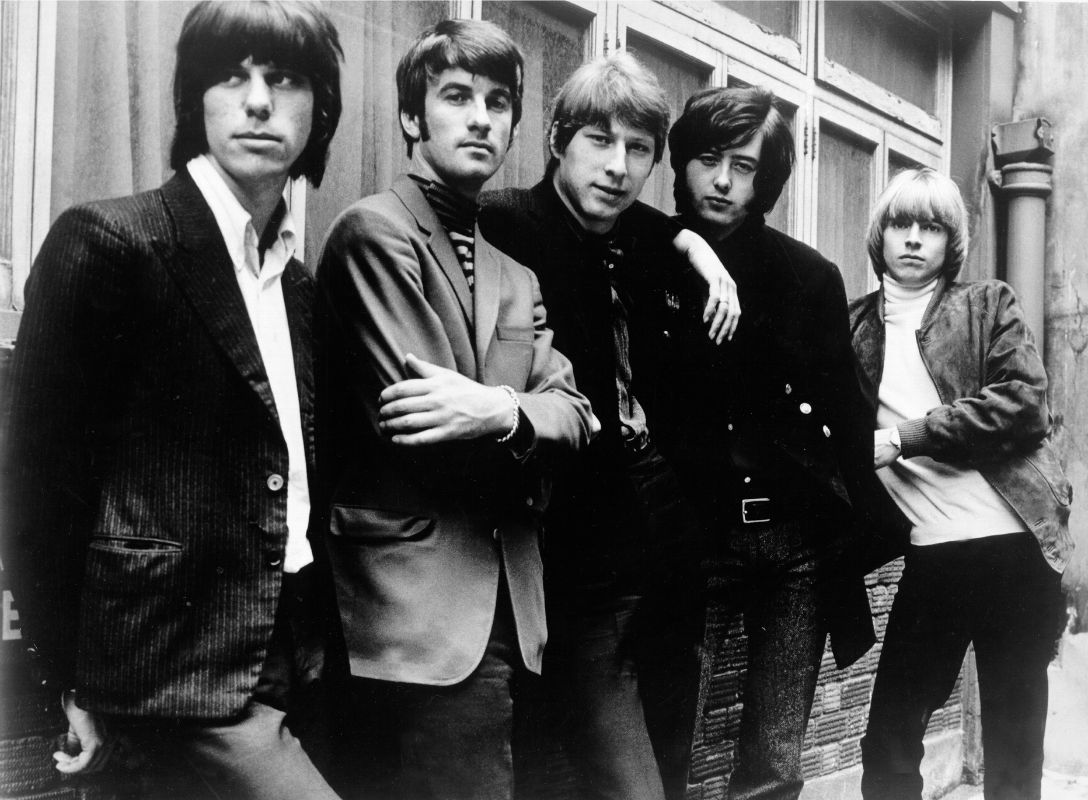
Formed by singer Keith Relf and bassist Paul Samwell-Smith in London in the summer of 1963, The Yardbirds deserve to be seen as one of the great bands of their time.
From their early days as a gritty R&B band to their later experiments with psychedelia and proto-heavy metal, they were at the forefront of the fast-moving world of 60s music. What’s more, they were successful, with UK Top 5 singles including ‘For Your Love’, ‘Heart Full Of Soul’, ‘Evil Hearted You’ and ‘Shapes Of Things’ and beloved albums such as Roger The Engineer.
But despite their enviable run, the band tend to be most remembered for kicking off the career of three of rock’s most admired guitarists: Eric Clapton (1963-’65), Jeff Beck (1965-’66) and Jimmy Page (1966-’68). All three men went on to staggering success: Clapton with Cream, Derek & The Dominoes and as a solo act; Beck with The Jeff Beck Group, Beck, Bogert & Appice and solo; and Jimmy Page, as the man behind rock behemoths Led Zeppelin.
But it wasn’t all about six-string heroes who’d go on to define rock. Relf and drummer Jim McCarty went on to form the symphonic prog group Renaissance while Samwell-Smith became a successful producer, best known for Cat Stevens’ hugely successful early ’70s run of albums.
4. Buffalo Springfield
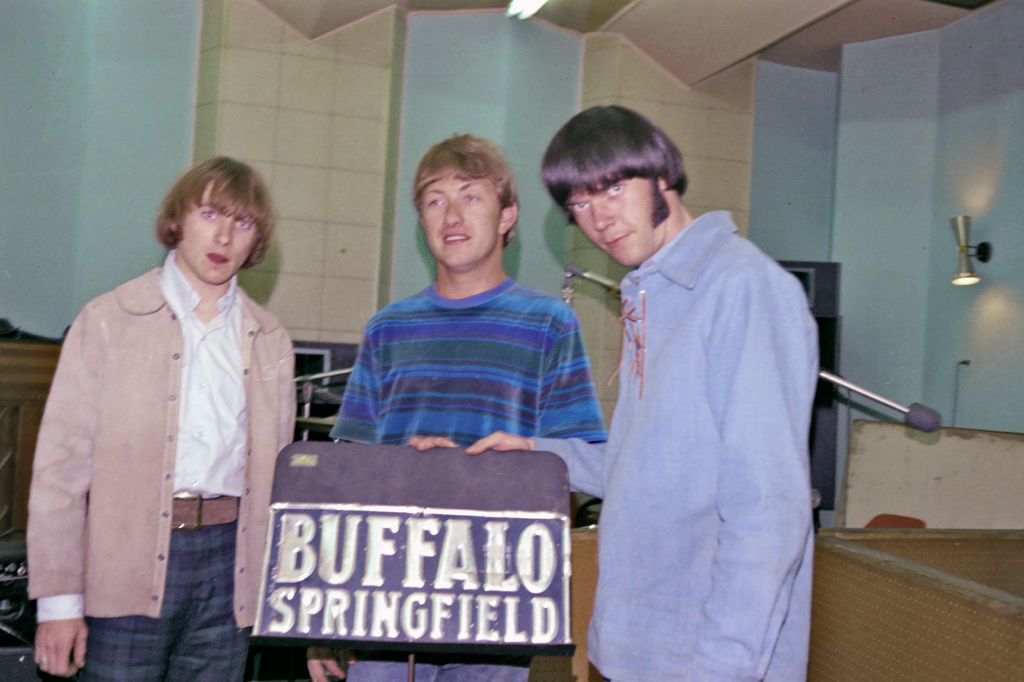
March 1966, Sunset Boulevard, Los Angeles. Neil Young was stuck in traffic.
A week ago, he’d driven to California in Young’s vintage hearse with a pal, bassist Bruce Palmer, to track down Stephen Stills, a guitarist whom Young had met the previous year in Ontario. Young and Palmer had recently had the rug swept from under their feet when their previous band, The Mynah Birds, were dropped by Motown after singer Rick James (yep, ‘Superfreak’ himself) was tracked down by the Navy – he’d gone AWOL from the US Naval Reserve and fled to Canada – and sentenced on desertion charges.
They spent a week in LA trying to track down Stills, who’d recently unsuccessfully auditioned for The Monkees and formed a partnership with singer-songwriter Richie Furay, but despite their best efforts had failed and they’d decided to return home.
Stills just happened to be in a traffic jam headed the other way, with Furay and their manager Barry Friedman, when he clocked a hearse on the other side of the road with Canadian numberplates. Remembering that Young drove a hearse, Stills put two and two together and switched lanes.
‘I looked around out the driver’s window of the hearse. It was Stills!,’ Young wrote in his memoir, Waging Heavy Peace. ‘We got out and hugged right there on Sunset Boulevard in the middle of traffic. Horns were honking! To us it seemed like everybody was celebrating!.’
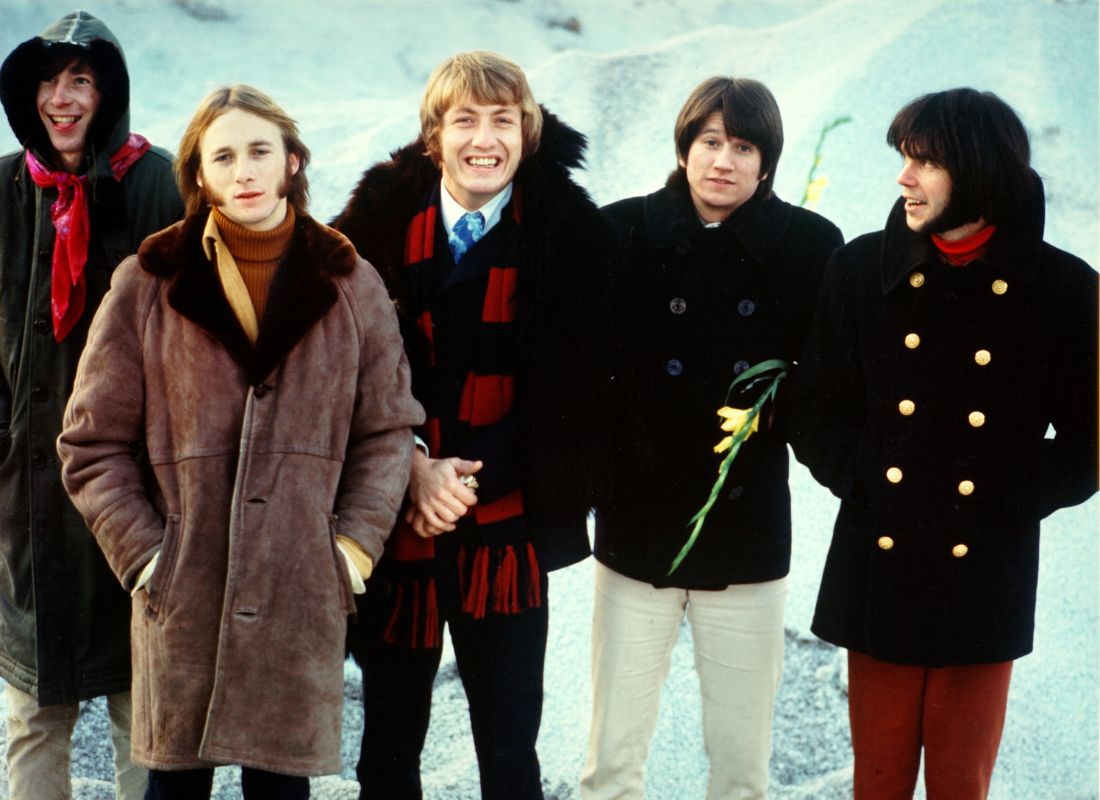
Young, Stills, Palmer and Furay joined forces and – with drummer Dewey Martin – formed folk rock pioneers Buffalo Springfield. The band were together just over two years but, in that time, released three albums that demonstrated the wealth of talent in their ranks.
Early Stills classics included the state of the nation anthem ‘For What It’s Worth’ and the seething ‘Nowadays Clancy Can’t Even Sing’ and ‘Everybody’s Wrong’. Young was no slouch either, coming up with the plaintive ‘Out Of My Mind’, the orchestral wonder of ‘Expecting To Fly’ and ‘Broken Arrow’ and the tough groove of ‘Mr Soul’.
Still, intra-band tensions meant they split before they truly reached their full potential – Stills went on to huge success as a member of Crosby, Stills & Nash and Manassass; Young became one of the defining singer-songwriters of his time and also joined Stills in CSN&Y; and Richie Furay was also a success post-Springfield, as a member of country rock acts Poco and the Souther-Hillman-Furay Band.
The most fortuitous traffic jam in music history? Possibly.
5. Big In Japan
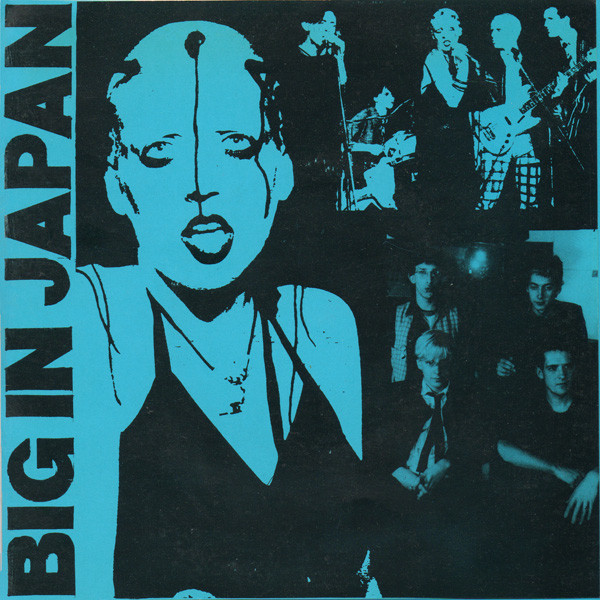
Liverpool punk band Big In Japan were together for just over a year, released a total of seven songs (across one single, one EP and a couple of compilation albums) and were so disliked by their peers that a petition was circulated calling on them to split up.
And yet, the group’s members reads like a musical who’s who. The group was formed in May 1977, with members including Bill Drummond and Clive Langer. Drummond would later find fame as a member of the subversive, money-burning, electronic avant-garde pop group the KLF and as an artist.
In August 1977, they were joined by future Lightning Seeds main man Ian Broudie, while Frankie Goes To Hollywood singer Holly Johnson joined in December that year. The new year started with future Siouxsie & The Banshees drummer Budgie joining their ranks and Dave Balfe, who’d later play keyboards in the Teardrop Explodes, joined that July.
The band split in August 1978, though a line-up of Casey, Broudie, Johnson and Budgie got together the following February to record a Peel session. ‘The group only lasted 12 months but that’s about as long as any punk band should last,’ said Drummond – he wasn’t joking, apparently, he was one of those who’d signed the petition.
6. The Jeff Beck Group
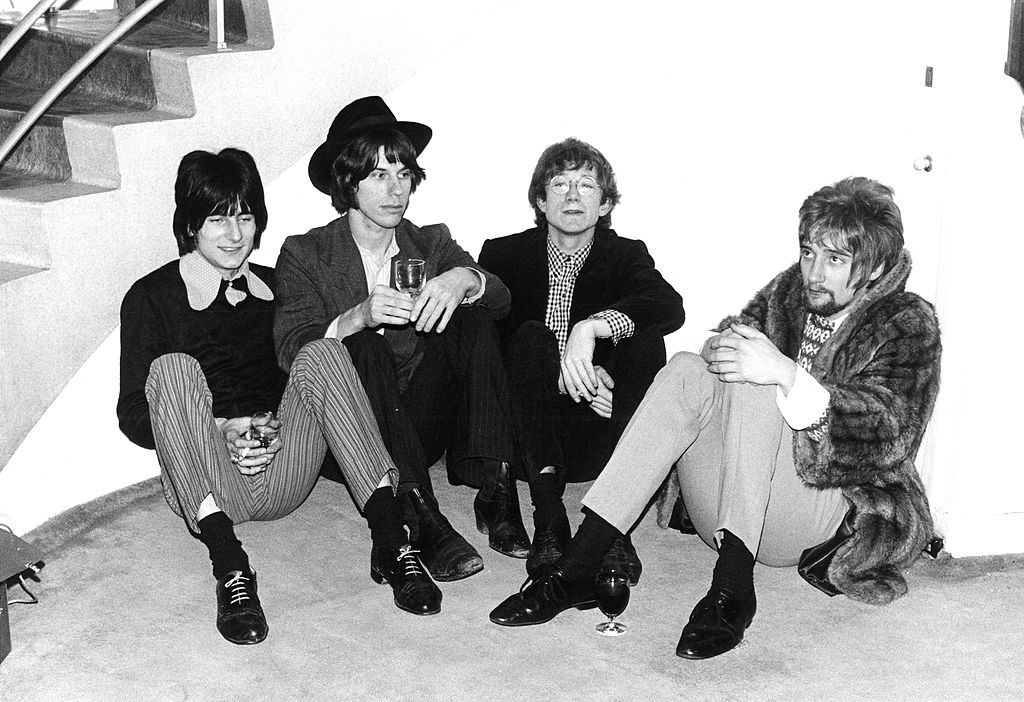
After being fired from The Yardbirds in October 1966 for consistent no-shows, Jeff Beck formed his own musical hothouse, The Jeff Beck Group.
Showing his instinct for talent, Beck called upon a guitarist he’d met back in 1964. ‘I used to see the Yardbirds a lot at the Crawdaddy Club,’ Wood recalled in a video on his YouTube channel. ‘People were swinging from the rafters in there, sweat dripping from the ceiling; the atmosphere was incredible with the crescendos they used to do.
'They used to do a fast version of a Muddy Waters song called 'Mannish Boy'. Everybody would go crazy. So I said to Jeff, “If you ever think about leaving the Yardbirds, we should get together.” And sure enough, he did leave, and he did ring me up and say, “Let's get together.”’
Beck also called upon Rod Stewart, a dandyish young singer who’d cut his teeth on the blues circuit with bands including the Hoochie Coochie Men, Steampacket and Shotgun Express. Drummers and bassists came and went before Beck settled on Aynsley Dunbar behind the kit (though he was soon replaced by Micky Waller) and moved Wood to bass.
Though the band had success with albums Truth (1968) and Beck-Ola (1969) and were building momentum, particularly in the US, bad management led to tensions on the road and Beck broke up the band in August 1968 on the eve of the Woodstock Festival, where they’d been scheduled to perform.
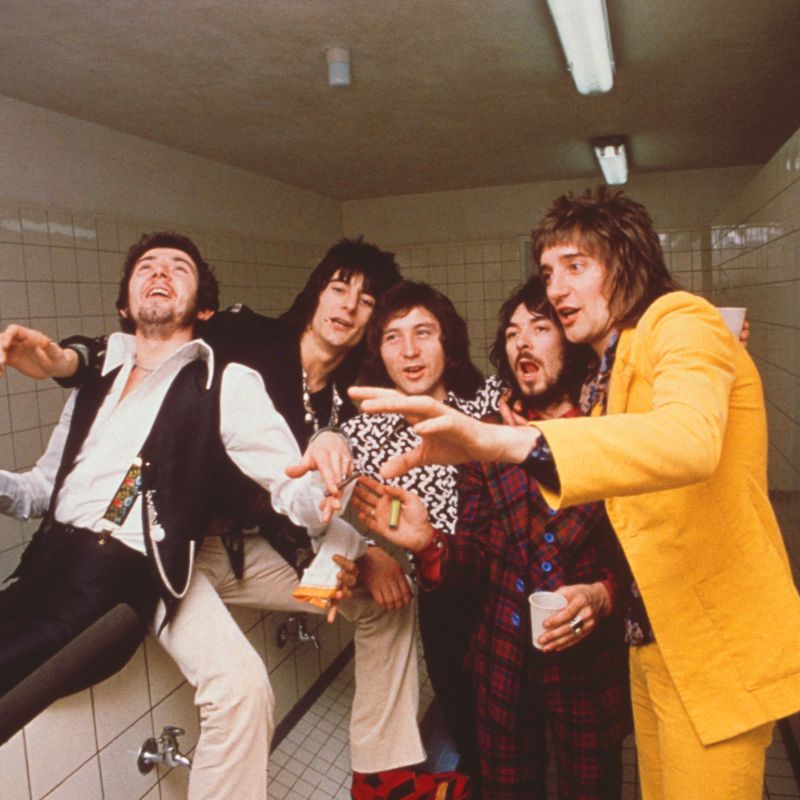
Wood had already been playing with Ronnie Lane, Ian McLagan and Kenney Jones, formerly of the Small Faces since May 1968. Meanwhile, Stewart had recorded his first solo album An Old Raincoat Won’t Ever Let You Down, just before the final Jeff Beck Group tour, though it was caught up in legalese and wasn’t released until the following November in the US (February 1970 in the UK).
Curious to see what his old bandmate was cooking up, Stewart went along to Wood and co’s rehearsals and gradually – via jam sessions and pub visits – established enough of a rapport to join them. They called themselves The Faces and became one of the great rock’n’roll bands of all time. Meanwhile, Stewart’s solo career went from strength to strength – by 1972’s Every Picture Tells A Story he was a global star.
When The Faces fizzled out, Stewart’s solo hits kept coming while Wood joined The Rolling Stones, fulfilling the destiny his hair and cheekbones had long promised.
And what of the talent behind the Jeff Beck Group drumkit? Dunbar went on to drum for David Bowie, Lou Reed, Frank Zappa, Shuggie Otis, Whitesnake and many others.
7. The London SS
The London SS might be one of punk's most influential bands, but that's not because they released a string of classic records. In fact, they never played a proper gig or released a record commercially. Their real achievement was assembling – albeit briefly and often chaotically – a remarkable cast of future talent.
Guitarist Mick Jones went on to co-found The Clash, while bassist Tony James helped form Generation X with Billy Idol. Brian James became a founding member of The Damned, and the revolving door of hopefuls included future Clash drummer Terry Chimes and Rat Scabies, who would also join The Damned. Not so much a band, more a kind of recruitment agency for the London punk scene.
Pics Getty Images
Top pic Jeff Beck Group, 1967: Aynsley Dunbar, Jeff Beck, Rod Stewart and Ron Wood


