A great rock song will grab you by the collar and won't let you go – right from the first note.
Within seconds, the best intros set the tone, hook the listener and announce something unforgettable is about to happen.
Whether it’s a blistering guitar riff, a hypnotic groove or an unexpected instrument or field recording, these openings have earned their place in rock history as being instantly recognisable.
Rock music's greatest intros
25. Cherub Rock (Smashing Pumpkins, 1993)
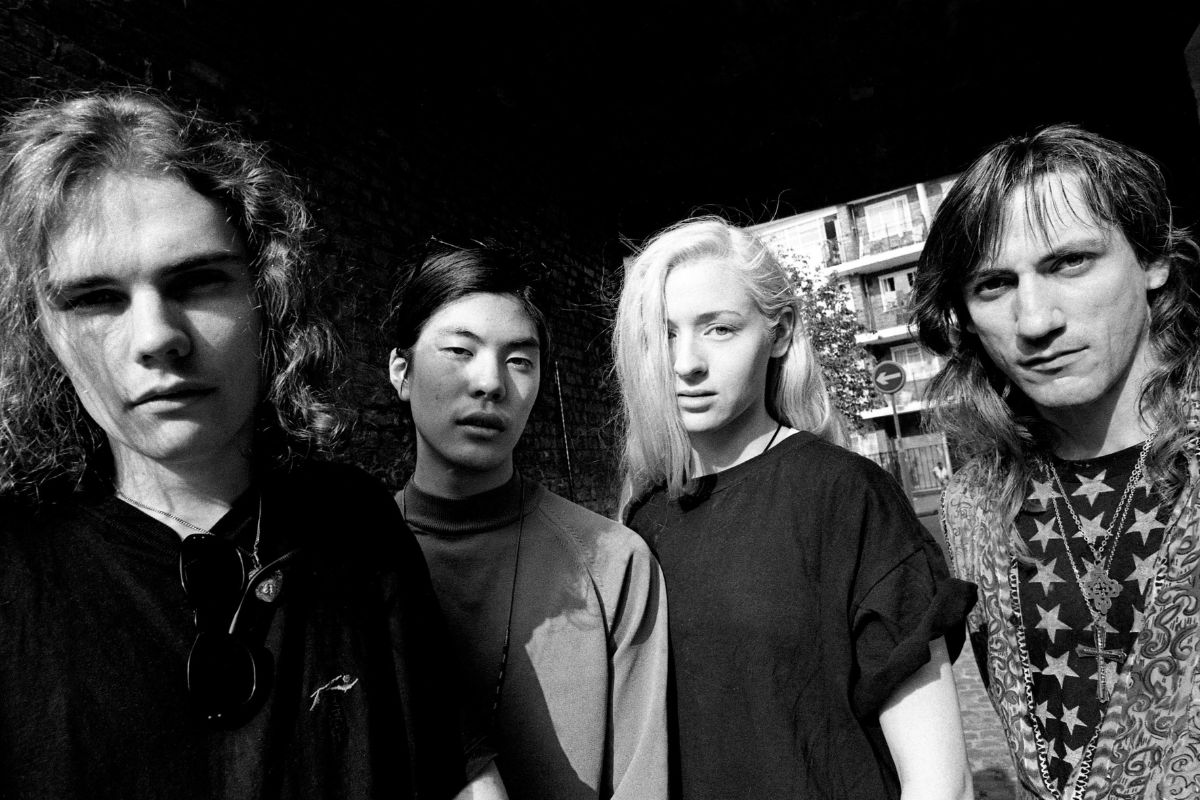
Jimmy Chamberlin’s unexpected snare roll entry in ‘Cherub Rock’ is something of a false start – we then shift gear almost immediately to a repeated guitar riff, with a rhythmic rock beat on the drums. A distorted guitar riff layers on top of this and the soundworld builds in drama, with the band layering harmonies over the top. It’s a heavy entry, but with the Smashing Pumpkins’ trademark clean sound.
Did you know? Siamese Dream nearly didn't happen – find out more in our article on the iconic albums that very nearly crashed before takeoff.
24. Money For Nothing (Dire Straits, 1985)
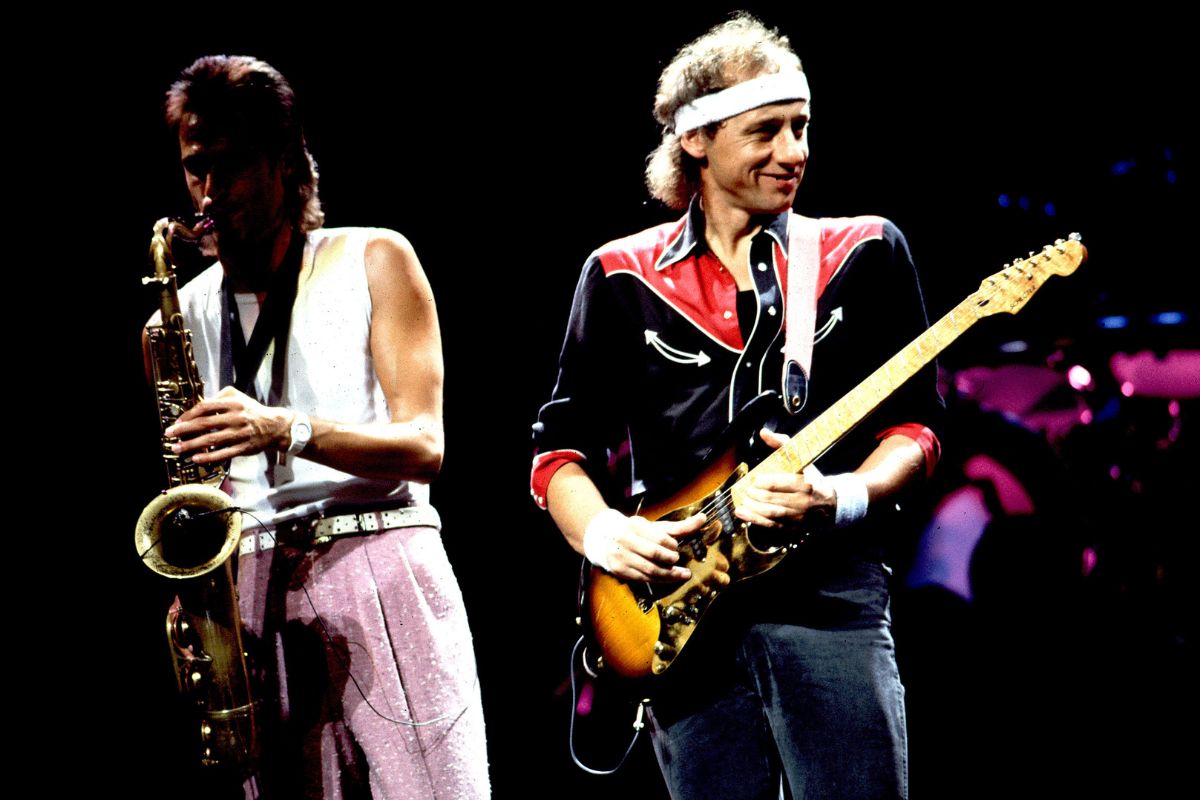
Brothers in Arms (uundoubtedly one of the best albums of 1985) was the first album Dire Straits created with Guy Fletcher, who played keyboards with Alan Clark in this iconic intro. ‘The two of them created that Money for Nothing intro, and Terry Williams played the most explosive drum solo I’ve ever heard,’ bassist John Illsley told The Guardian.
‘Then the riff comes in. The guitar tone you hear on the record happened by accident: a microphone got knocked to the floor in front of the speaker and it changed the sound completely.’ The falsetto introduction is performed by Sting, who made a guest appearance on the track. ‘I want my MTV,’ he sings to the same notes as the chorus of The Police’s hit ‘Don’t Stand So Close To Me’.
The keyboard accompaniment is otherworldly, an unusual opener to a pop rock track perhaps. There are many layers to this brilliant intro, with the drums performing a virtuosic cadenza which increases the anticipation before the guitar enters with one of the most famous riffs of all time.
23. Uprising (Muse, 2009)
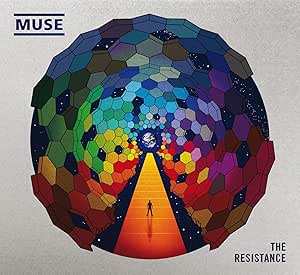
Famed for their anthemic rock style, Muse brings the drama from the first beat in the lead track from their fifth studio album, The Resistance. A bassline grinds into gear with a heavy drum backing, swiftly joined by a vibrato-laden synth riff that makes the track instantly recognisable.
22. No One Knows (Queens of the Stone Age, 2002)
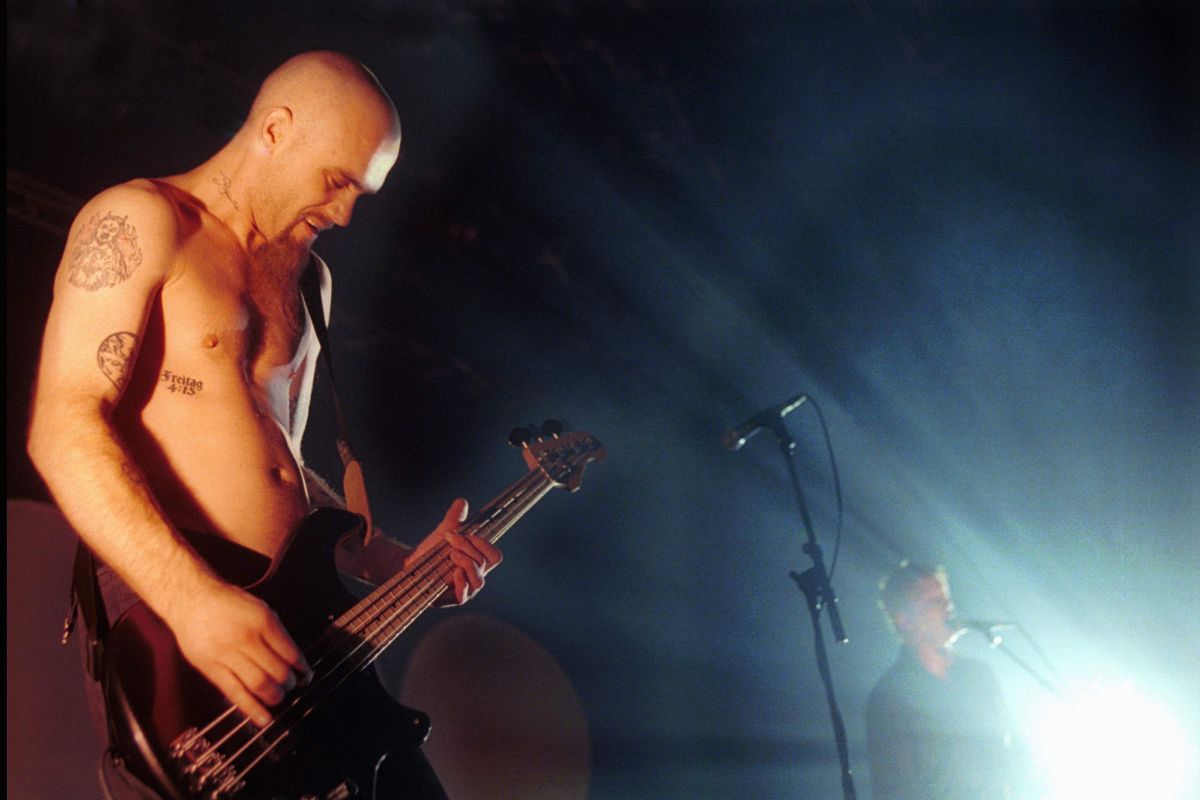
The punchiness of the ‘No One Knows’ intro is immediate – the urgent tone of the guitar riff paired with the powerful drumming of guest musician Dave Grohl, who joined the band for Songs of the Deaf as a break from the Foo Fighters.
21. Hocus Pocus (Focus, 1973)
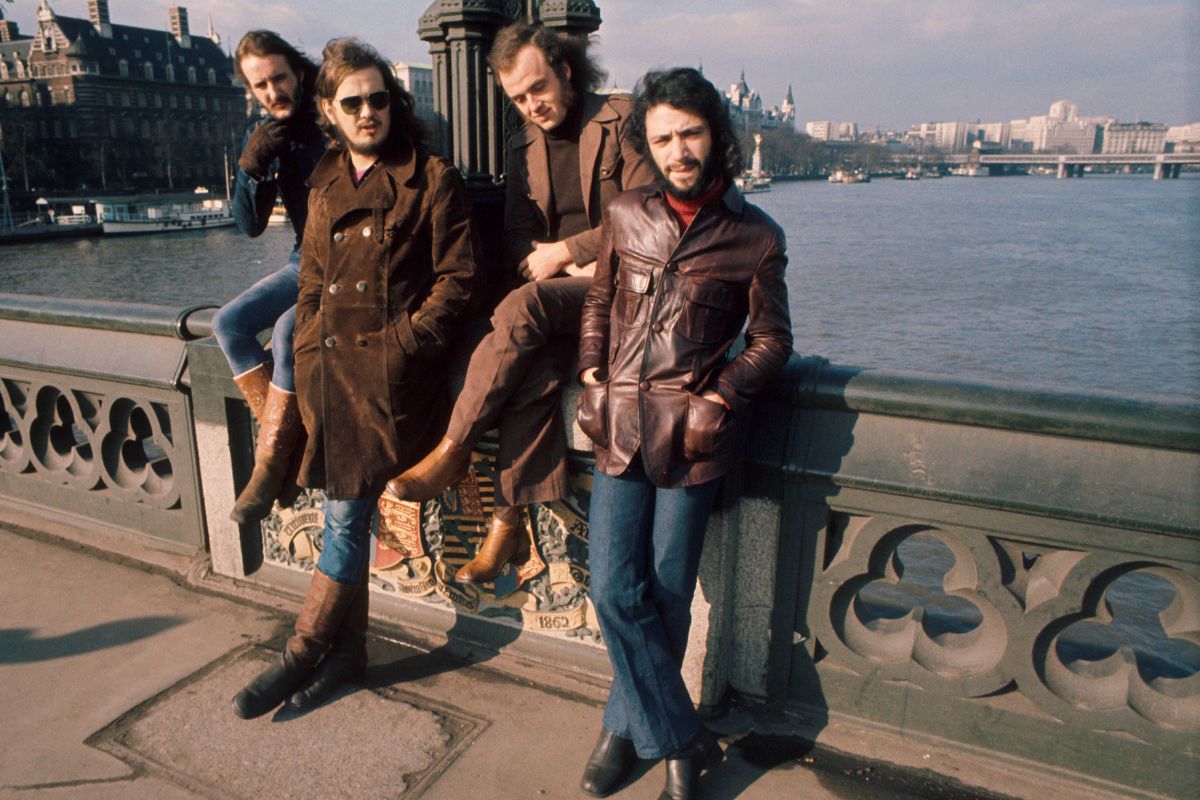
While many of the entries here are performed by undeniable rock legends, this next entry is a little different. Focus are a Dutch progressive rock band, but their track ‘Hocus Pocus’ broke through internationally, thanks to its high-energy, entertaining mix of hard rock guitar riffs, organ and, of course, yodelling. The staccato guitar riff in the opener is unmistakeable, and appears throughout the track.
20. London Calling (The Clash, 1979)
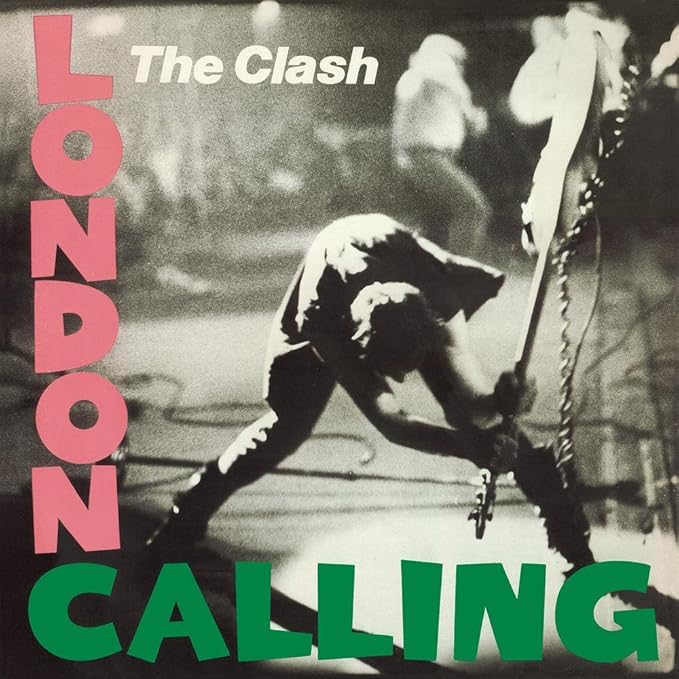
You wouldn’t think a two-bar phrase of repeated crotchets would necessarily make for an iconic intro, but The Clash prove that it can be. It’s the choppiness of the guitar chords, the atmospheric nature of the bass entry and the bluesy snare that give ‘London Calling’ its urgent energy.
Did you know? We included London Calling as one of the best album covers of the 1980s (stretching a point here: the album came out in the UK in December 1979, and in the US in January 1980).
19. For Whom The Bell Tolls (Metallica, 1984)
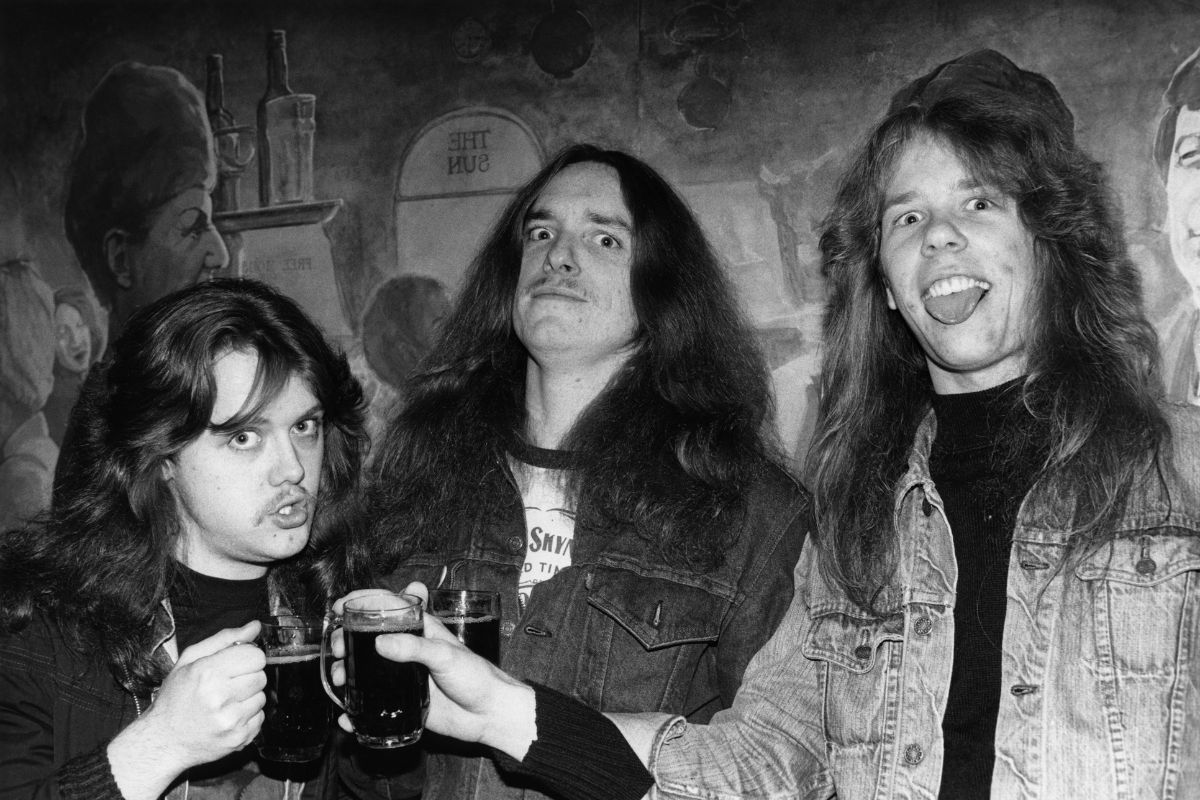
Tying neatly in with the theme and title of the track, we instantly know what we’re listening to when we hear the sound of a bell tolling – a sound that is cast aside before it’s even had a chance to ring out, the melodic bassline entering to bring us into the iconic thrash metal soundworld.
The bassline is just as haunting as the bell, its chromaticism creating an uneasy feel. The bell heard at the beginning of the track was actually produced by drummer Lars Ulrich striking an anvil (a metalworking tool) with a metal hammer, in combination with a bell from a sound effects reel.
18. Kashmir (Led Zeppelin, 1975)
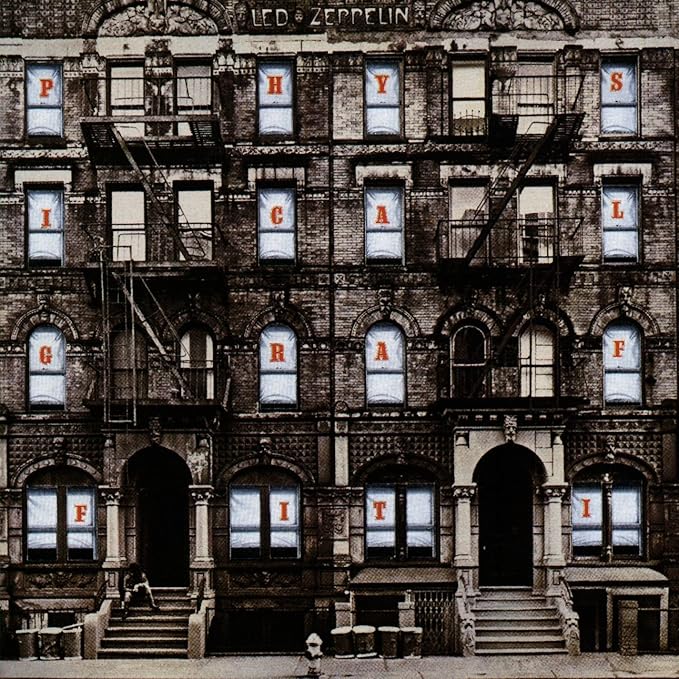
From Led Zeppelin's 1975 magnum opus Physical Graffiti, the ‘Kashmir’ riff has got to be one of Jimmy Page’s most iconic, accompanied here by a pounding drum beat. Immediately identifiable, we are dropped straight into this riff’s chromatic scale, rising a semitone at a time as the tension rises with it.
17. Jump (Van Halen, 1983)
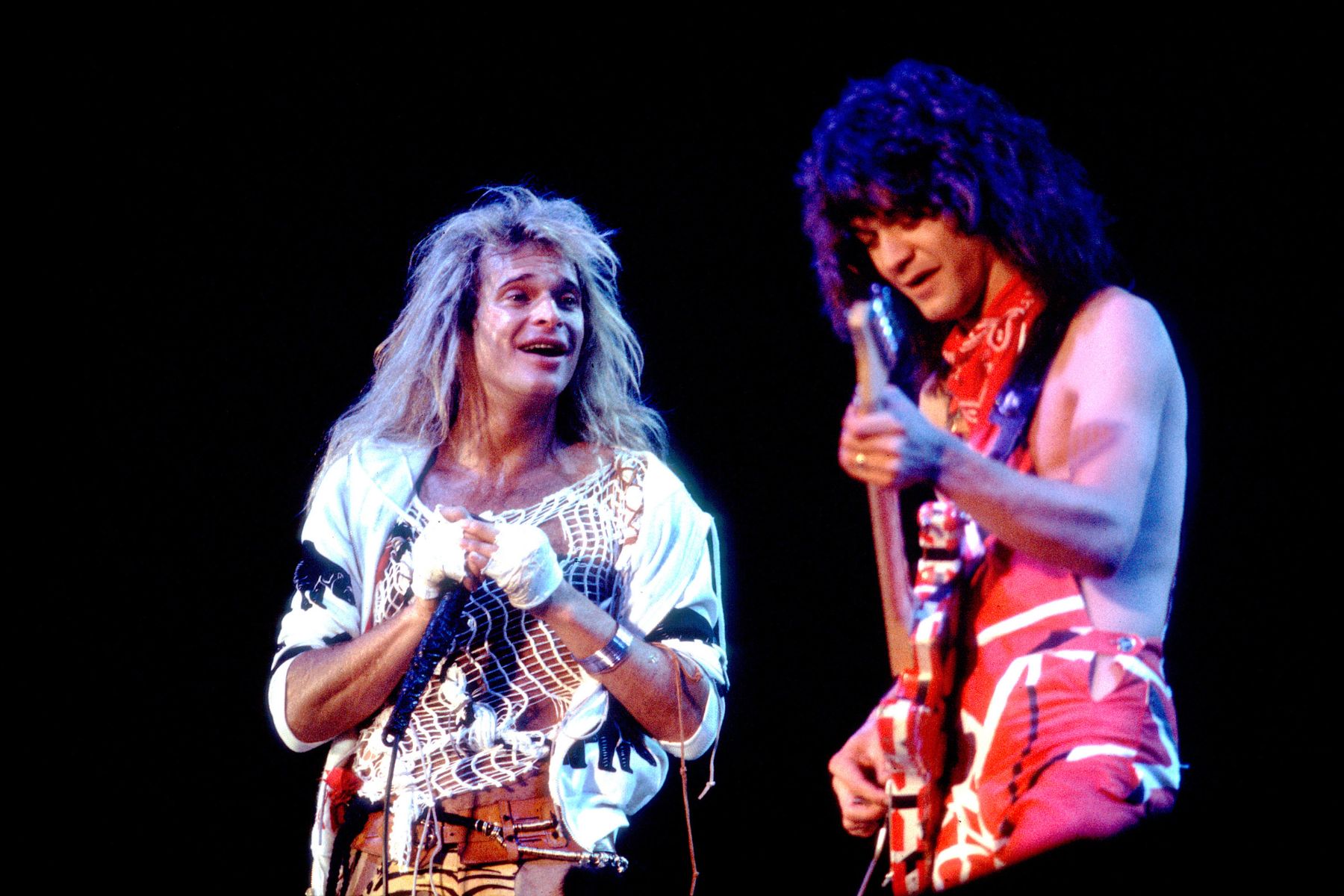
A bit of a different offering to many of the guitar-based intros mentioned here, ‘Jump’ by Van Halen opens with an anthemic synthesizer riff, with a pedal note in the left hand. As the drums join, this left hand adds rhythmic quavers to the mix. Although it was a break from Van Halen’s usual style, the popularity of ‘Jump’ speaks for itself – it’s often used in sports stadiums as celebrations, and has been used in several films in moments of glory and excitement.
16. Peaches (The Stranglers, 1977)
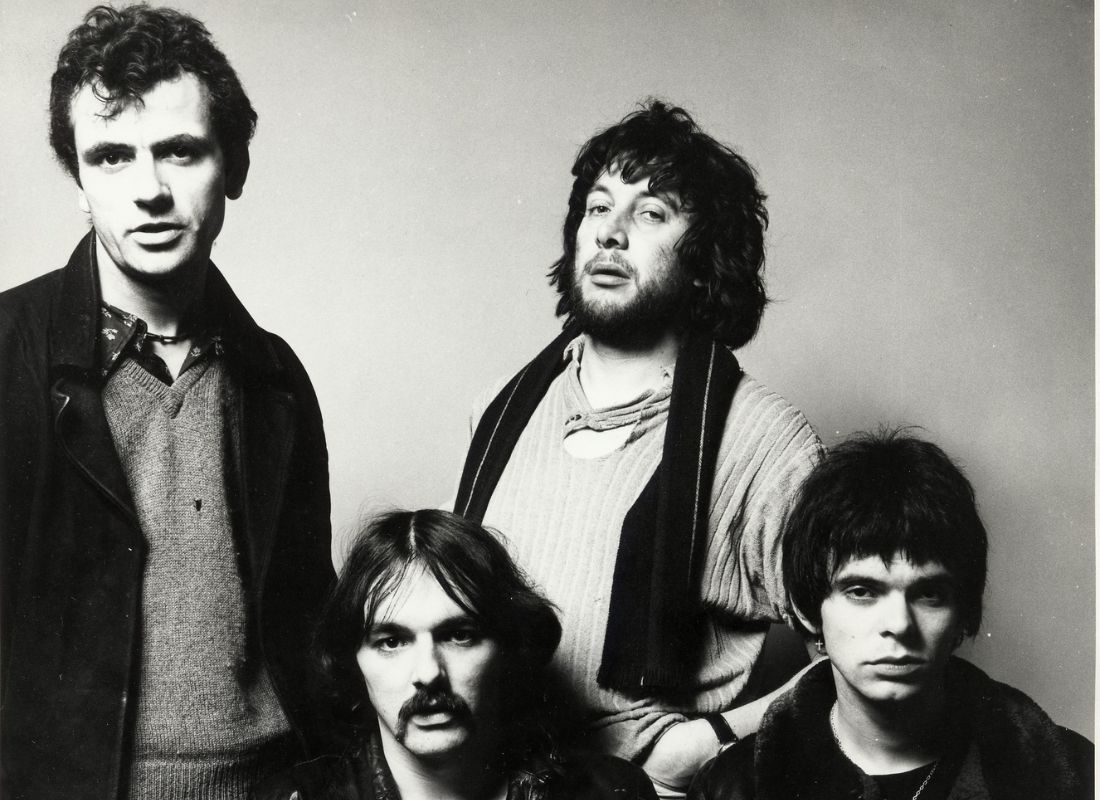
The gritty, reggae-inspired bassline of Jean-Jacques Burnel opens The Stranglers’ 1977 tune, with a guitar riff adding texture and colour. Despite its fairly simple melody, the intro to ‘Peaches’ is full of character.
15. We Will Rock You (Queen, 1977)
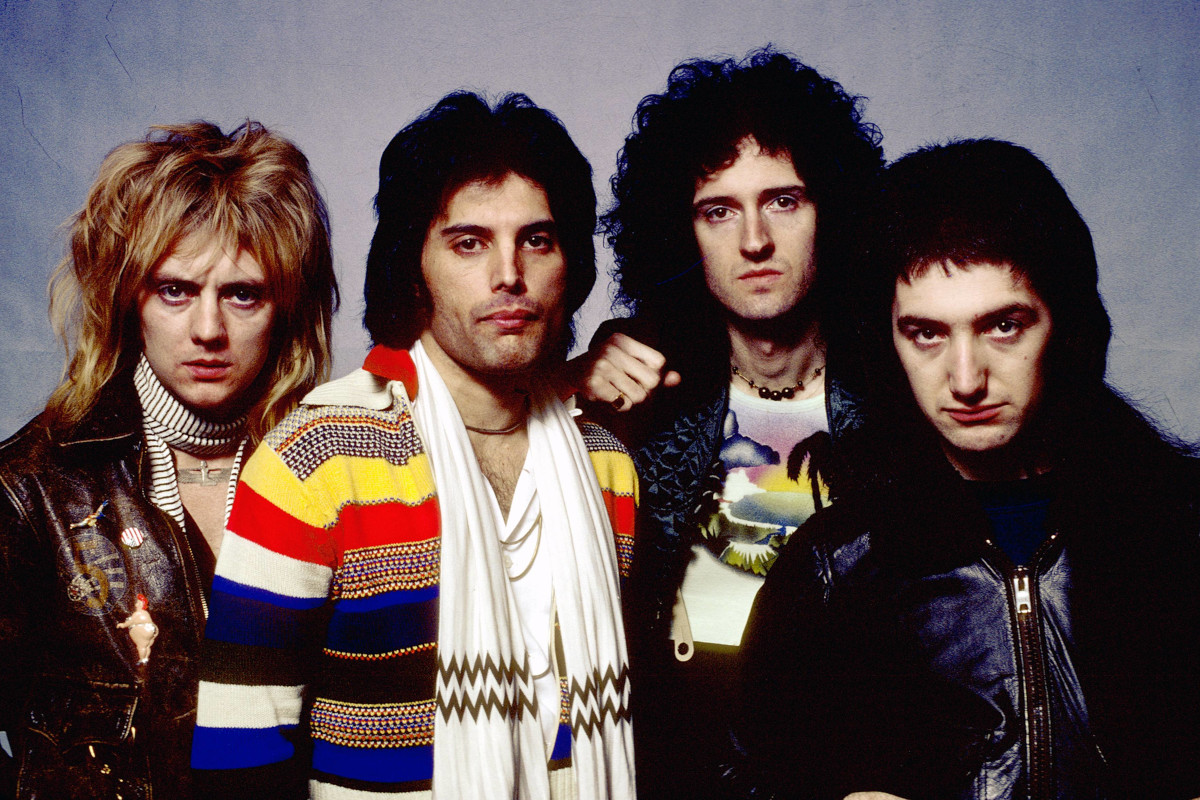
Much of Queen’s music is orchestral in scale, but the intro to ‘We Will Rock You’ proves that sometimes, simplicity is everything. The stomp-stomp-clap intro is immediately recognisable and will silence any crowd – inviting all to join in. Most of the song is in a cappella form, with the stomping and clapping providing a percussive beat to the vocals, showing the full musical potential of the body.
14. Purple Haze (Jimi Hendrix, 1967)
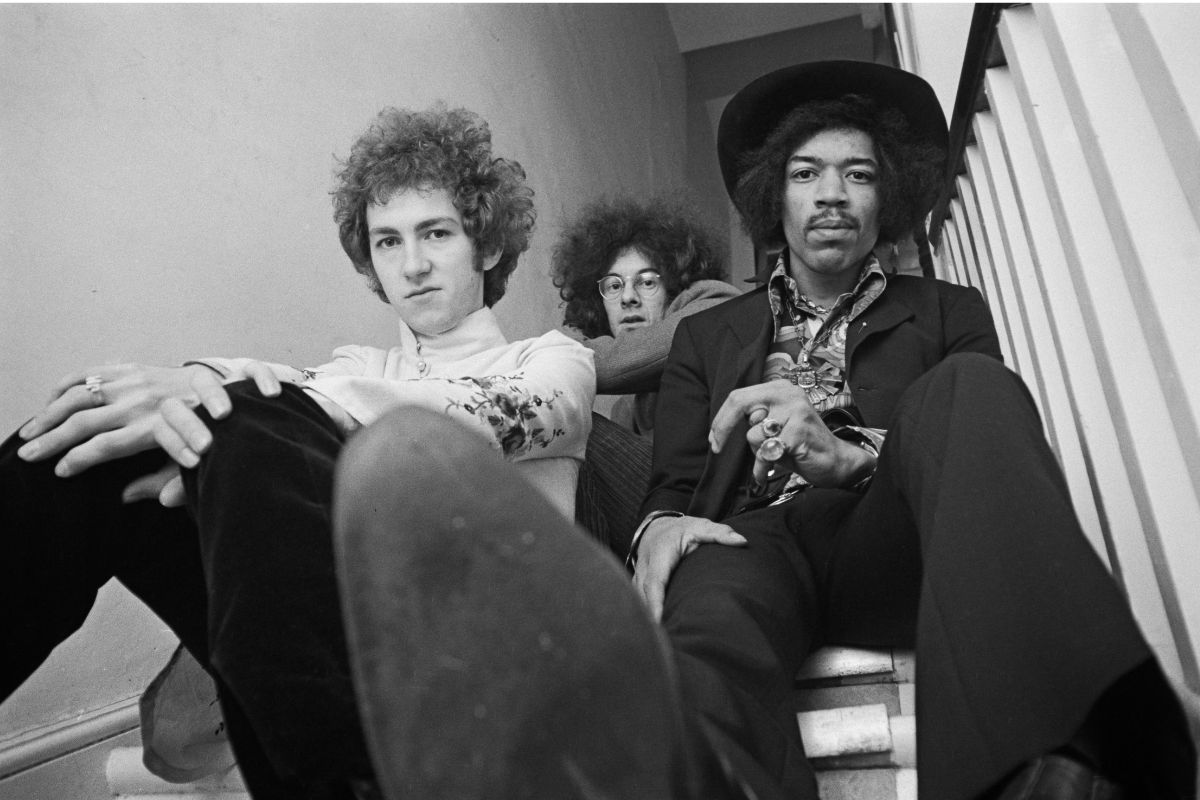
It’s the dissonance in Jimi Hendrix’s guitar intro to ‘Purple Haze’ that stops you in your tracks. The tritone interval Hendrix chose to use is actually the ‘Devil’s Interval’ – a musical interval spanning three whole tones. The effect of the Devil’s Interval is a dissonance, unsettling sound – perfect for heavier, darker styles of rock. Hendrix chose to use a B-flat octave against an E-note bass line. The melody then unfurls, with Hendrix using pitch bends and slides to create a bluesy sound.
13. Baba O’Riley (The Who, 1971)
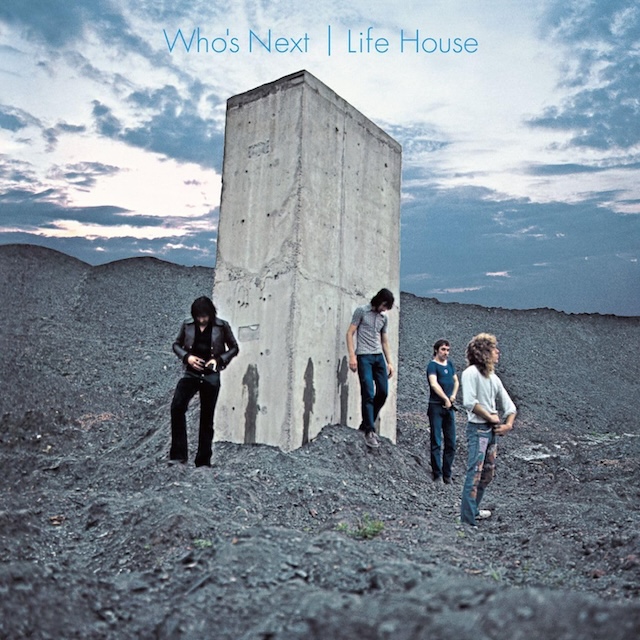
While it might sound like a synthesizer, the instrument used in the intro to The Who’s 1971 classic ‘Baba O’Riley’ is actually an electronic organ. Pete Townshend was a particular fan of the Deluxe TBO-1 – a 1960s electronic home organ – and also featured it in ‘Won’t Get Fooled Again’. The melodic loop becomes robotic, building in texture for a full 30 seconds or so before the iconic piano riff comes in.
12. Ace of Spades (Motörhead, 1980)
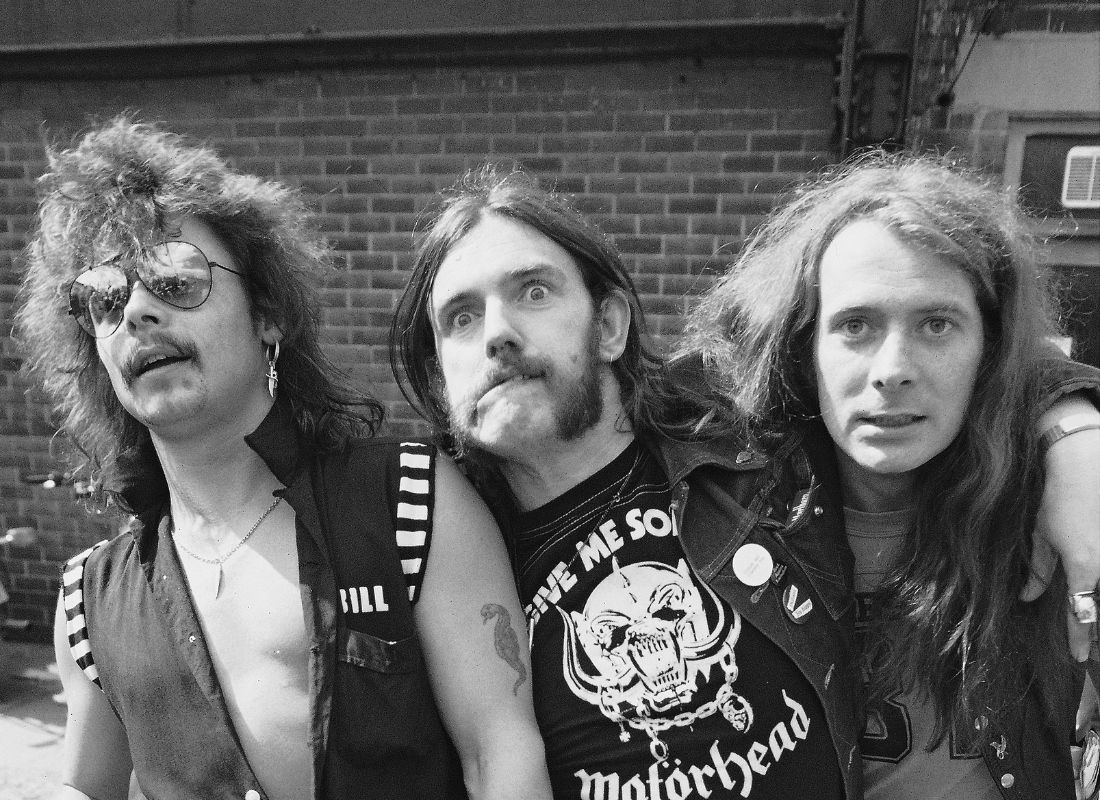
Lemmy Kilmister’s iconic, overdriven bass chug on ‘Ace of Spades’ is a masterclass in sonic aggression. Drenched in heavy distortion and driven by sheer horsepower, it acts as a high-octane call to arms, perfectly matched by the rapid-fire, relentless drumming of Phil Taylor.
It’s a beautifully hostile intro that arrives like a punch to the gut, instantly capturing the band's outlaw ethos and lawless velocity. Q Magazine famously captured its apocalyptic weight, describing it as ‘an intro which wouldn’t be out of place ushering in the end of the world.’
11. Detroit Rock City (KISS, 1976)
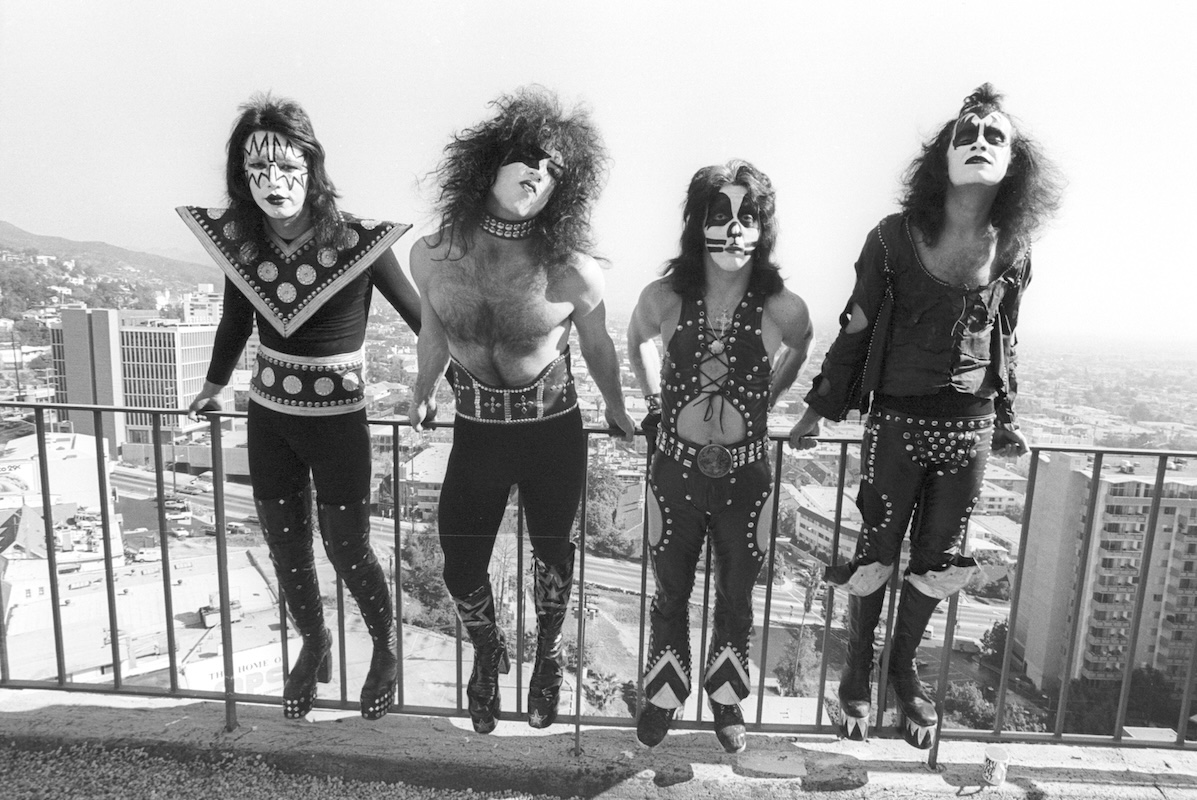
In the original version of ‘Detroit Rock City’ on the 1976 album Destroyer, we hear a radio announcement describing the death of a driver in a head-on collision, with car keys jangling and the car engine running.
Paul Stanley described ‘Detroit Rock City’ on the Stern Show in 2023: ‘Detroit really embraced us before any other city. [The song] started as a tribute to Detroit, and then it kind of took a left turn, because we played Charlotte once, and somebody coming to the arena was killed in an accident.
'And I thought how bizarre that somebody on their way to something so life-affirming loses their life. So there’s a juxtaposition in that song about singing about how great Detroit is, and actually about someone going to the show who doesn’t make it.’
After a minute or so of this soundscape, we fly headlong into the track’s melodic intro, complete with dotted rhythms. Dave Grohl has spoken about the brilliance of this KISS intro: ‘With nuclear anticipation, I let the needle drop on that legendary intro to 'Detroit Rock City', perhaps the greatest introduction to any rock ‘n’ roll album ever recorded. It filled my speakers and my imagination. Thirty-four minutes later and 27 seconds later, KISS had filled my soul.’
10. Money (Pink Floyd, 1973)
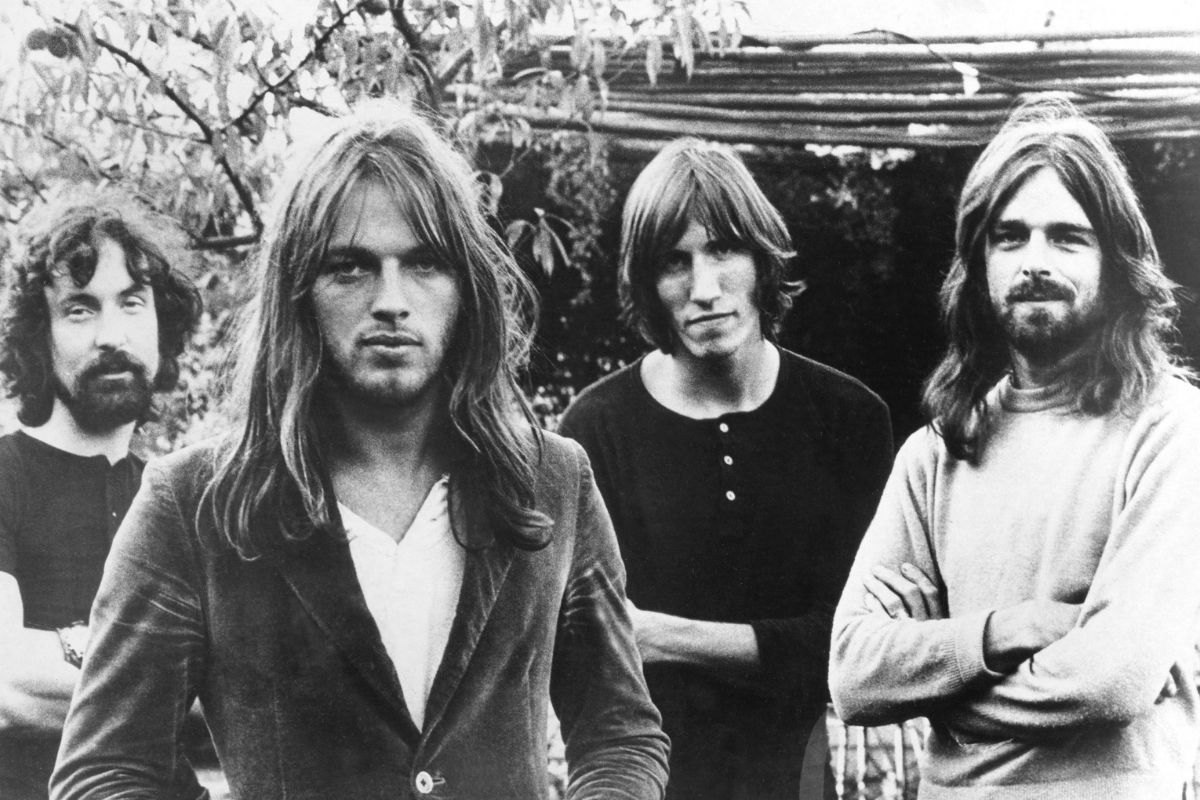
The looped, rhythmic opening of a cash register in 'Money', from Pink Floyd’s 1973 magnum opus The Dark Side of the Moon, uses the sound of money as percussion, with Roger Waters’ grooving bassline added on top. The tossing of coins and opening of the till has never been used in music to such great effect, tying in with the song’s theme of crass materialism.
- The 23 greatest albums of 1973, rock's strangest year
- Dark Side of the Moon fan? Try these 15 albums next
9. Edge of Seventeen (Stevie Nicks, 1982)
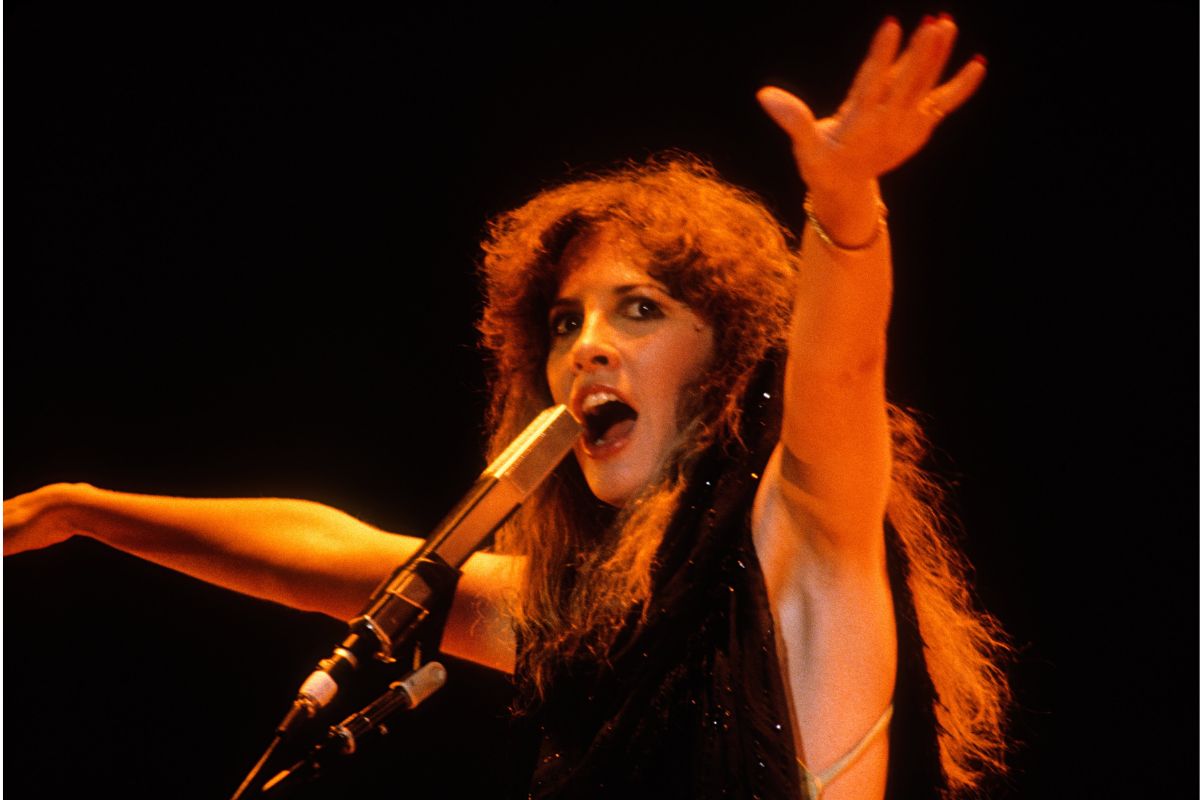
The chuntering single-note guitar riff in Stevie Nicks’s ‘Edge of Seventeen’ acts as a pedal note, creating a chugging, percussive foundation for Nicks’ vocals. Its racing beat and hi-hat cymbal pattern blend to give the song the urgent intensity it needs.
8. Smoke on the Water (Deep Purple, 1973)
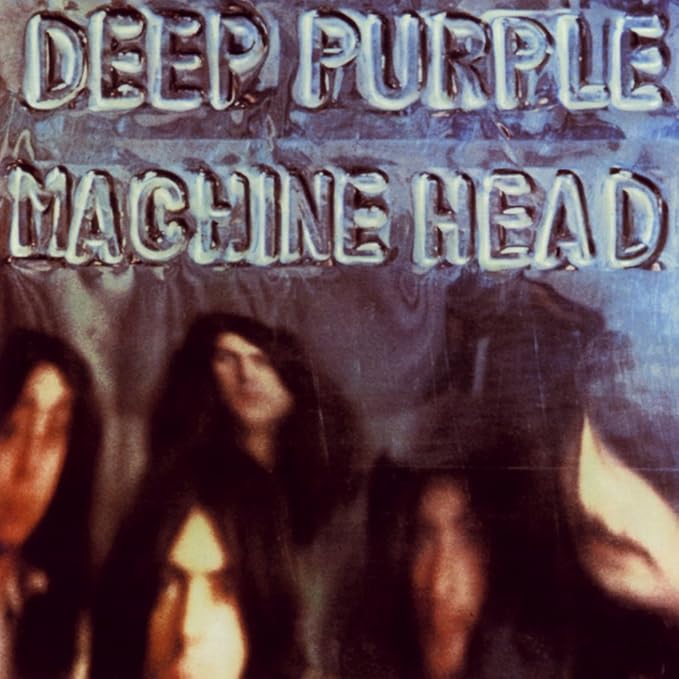
With one of the best basslines in rock music history, Deep Purple’s ‘Smoke on the Water’ is almost entirely known by this intro and bassline. It’s pretty much the first thing new guitarists attempt to master. Perhaps surprisingly for some, the four note blues-scale melody is actually an inversion of Beethoven's Fifth Symphony.
7. Whole Lotta Love (Led Zeppelin, 1969)
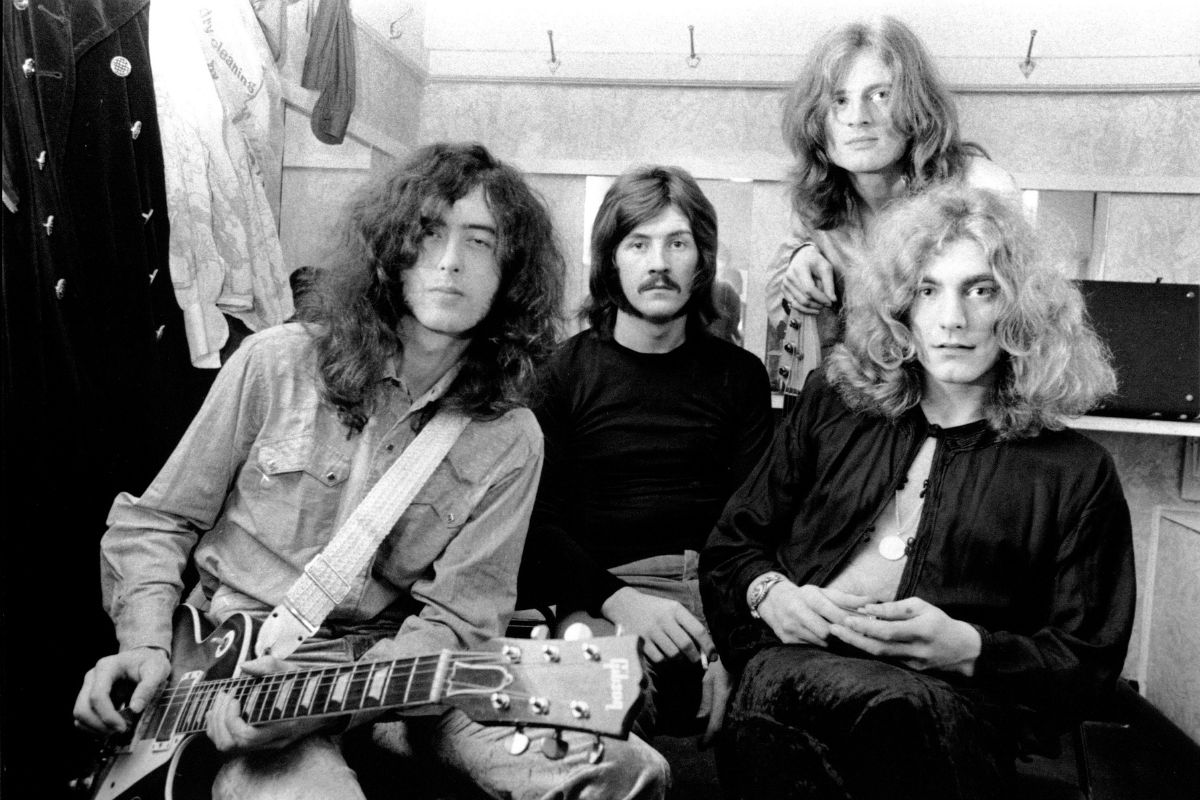
Jimmy Page’s blues-influenced guitar riff is iconic from the first note, paired with the clean rhythms of John Paul Jones’s heavy bassline. It’s a short intro, with the vocals coming in fairly quickly, but this riff continues throughout the choruses and has become a classic of the genre.
6. Smells Like Teen Spirit (Nirvana, 1991)
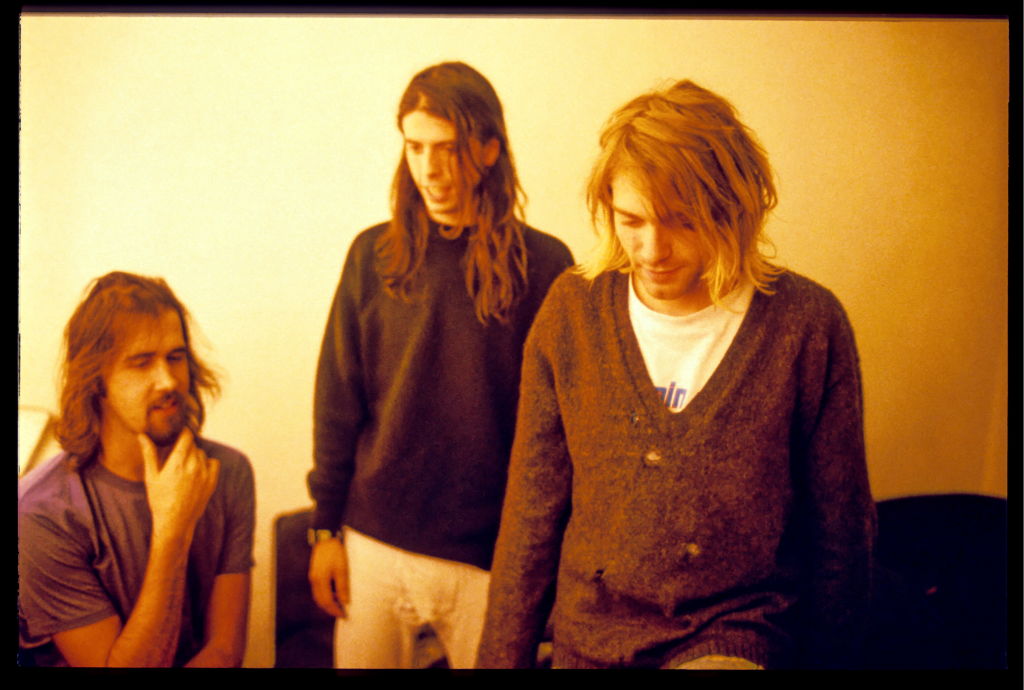
Kurt Cobain’s clean, scratchy four-chord strumming pattern gives you just a few seconds of deceptive calm before the storm hits. When Dave Grohl’s explosive drum fill crashes through the speakers and the distortion pedals kick into overdrive, it triggers a literal sonic earthquake.
It is a beautifully volatile, high-energy transition that instantly redefined the musical landscape of the 1990s. Capturing a generation's collective angst in one frantic burst, it remains an unforgettable, punchy call to arms that still sounds just as dangerous today as it did back in 1991.
5. Back In Black (AC/DC, 1980)
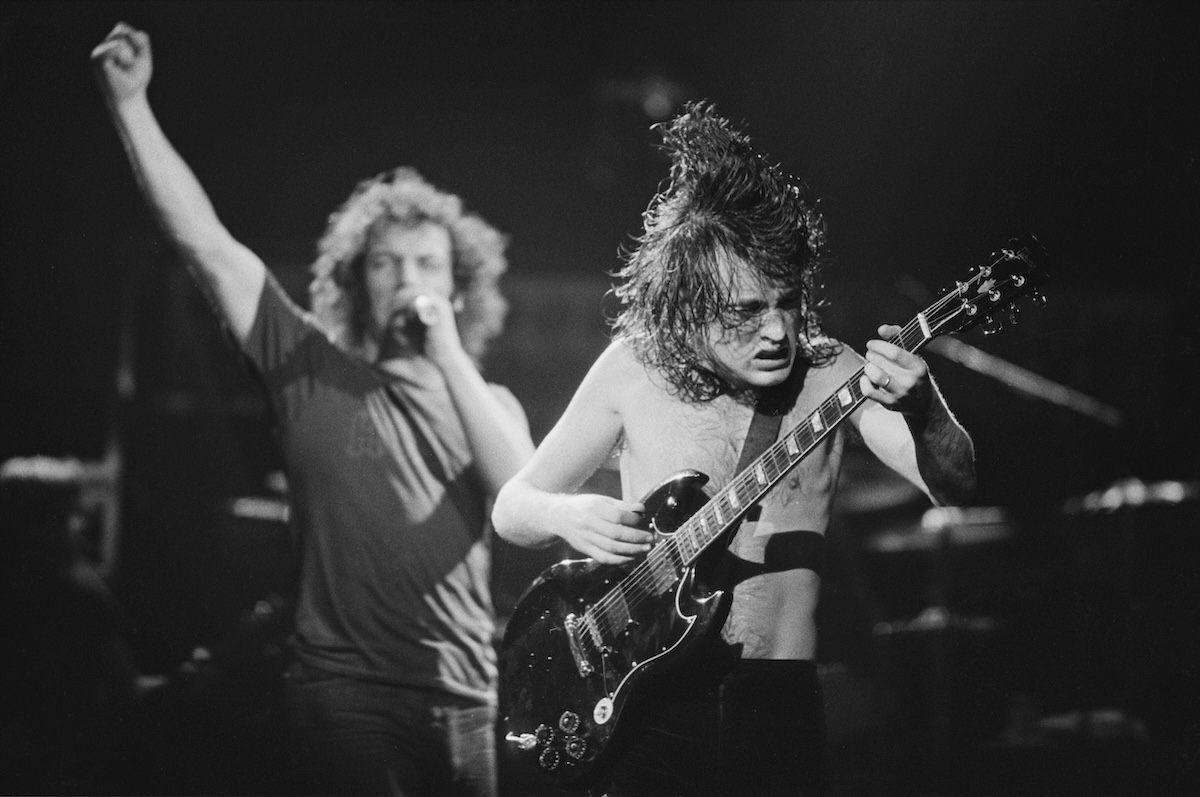
There’s a reason this legendary Australian rock band have returned to ‘Back in Black’ as an opening song on tours: the guitar riff is one of the most famous and instantly recognisable, and it sets up the thrill in the room that every live act hopes to evoke. But the track does actually begin with a simple, scratchy crotchet beat on the guitar, created with a muted effect. This sets the tempo, and then that famous, booming riff comes in.
- Comeback albums: rock's 11 most spectacular rebirths, ranked
- These are the 21 greatest Australian bands of all time
4. Layla (Derek & The Dominos, 1970)
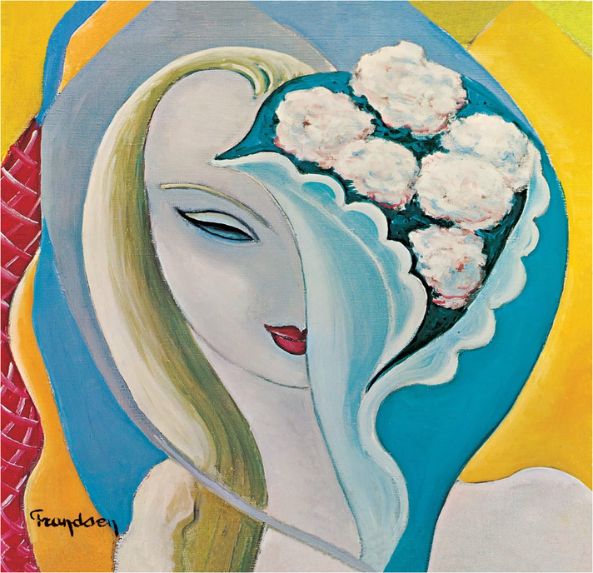
Derek and the Dominos produced just one album: Layla and Other Assorted Love Songs, but its members are household names: singer-guitarist Eric Clapton, keyboardist-singer Bobby Whitlock, bassist Carl Radle and drummer Jim Gordon. The title track from this album was a tale of unrequited love inspired by Eric Clapton’s infatuation with his friend George Harrison’s wife, Pattie Boyd (who he eventually married after Boyd and Harrison divorced). The song was a bit of a slow burner in the charts, but two years after its release it made the top ten in both the US and the UK.
Its intro sees Eric Clapton in musical dialogue with Duane Allman, a guest musician on many of the album’s tracks. Considered to be one of the greatest electric guitar riffs in rock music, the intro gives way to a soulful groove. A proper earworm that sets the mood for the rest of the track.
3. Seven Nation Army (The White Stripes, 2003)
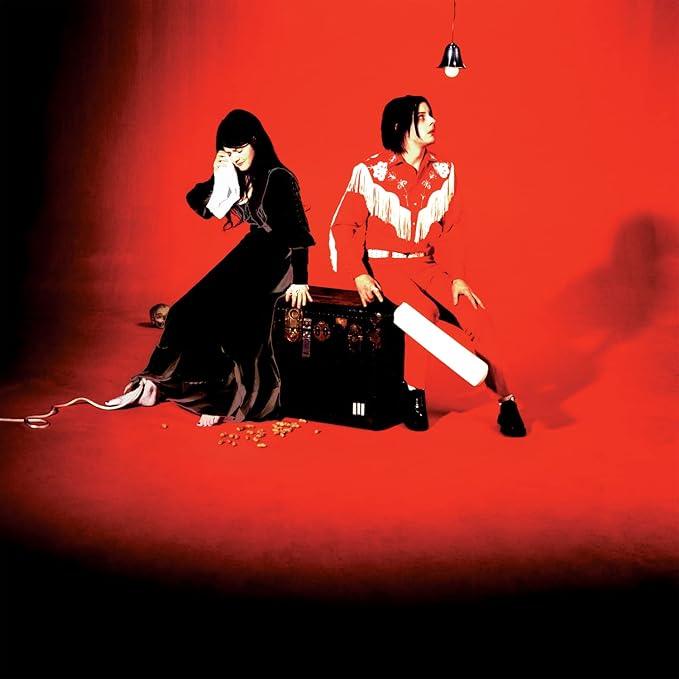
A simple, exposed bassline riff is sometimes all you need to make a great intro. Add in a drumbeat and you’ve got yourselves an anthem. The bassline is actually played by a guitar with a pitch shift pedal, rather than a bass – as The White Stripes never had a bass player. Like many of the songs with great rock basslines, ‘Seven Nation Army’ is still heard today at sports matches and in popular culture.
2. Sweet Child O’ Mine (Guns N’ Roses, 1988)
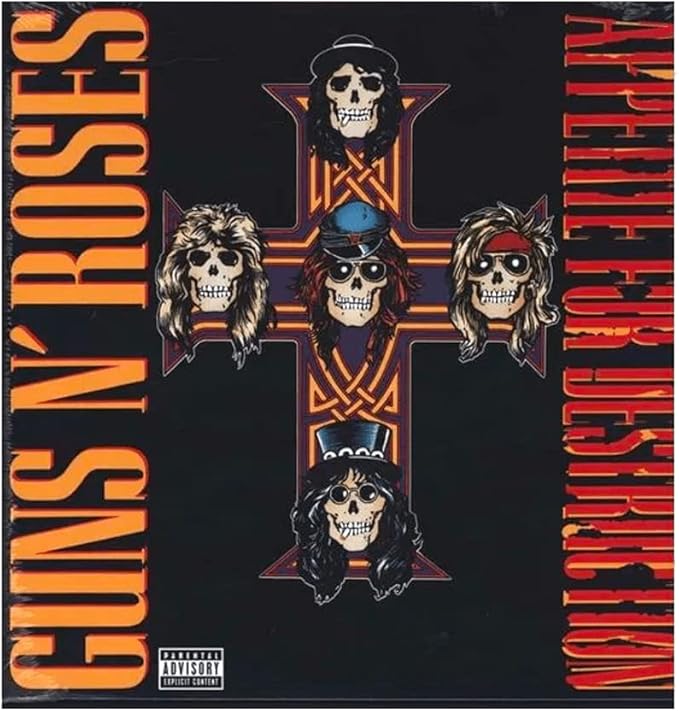
You only need to hear the six-note pattern Slash created for ‘Sweet Child O’ Mine’ to recognise it as a hit. Its simplicity, precisely played by the guitarist, is then repeated across different positions on the instrument. You could play it for hours, and many guitarists do just that – it’s a highly effective string-skipping exercise to improve technique.
Did you know? Guns N' Roses were one of rock music's nightmare bands.
1. Thunderstruck (AC/DC, 1990)
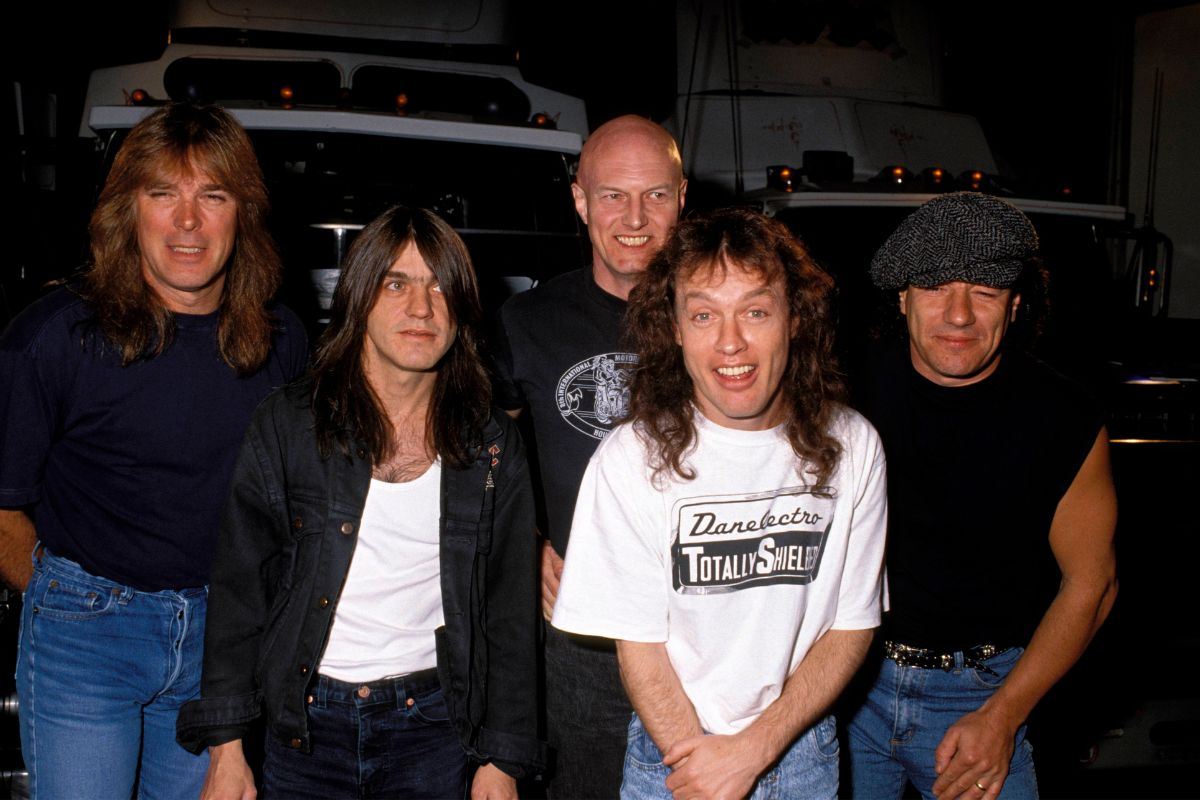
The rapid-fire guitar riff that opens ‘Thunderstruck’ is not to be attempted by the faint-hearted guitarists – it shows the absolute technical wizardry of AC/DC’s lead guitarist to deliver this so cleanly. Accompanied by the hi-hat, the guitar line creates a high-octane, pulsating intro for this iconic AC/DC track. The track has remained one of the best-loved songs by the Australian band, making its way into sporting stadiums – and notably becoming one of the most iconic features of the Dallas Cowboy Cheerleaders repertoire.
Top pic Led Zeppelin, 1971
All pics Getty Images