Black Sabbath's 1983 tour was supposed to be a suitably monumental affair, with the band promoting their new album Born Again and a stage set designed to match its grandiose ambitions. Instead, it produced one of the great logistical blunders in rock history.
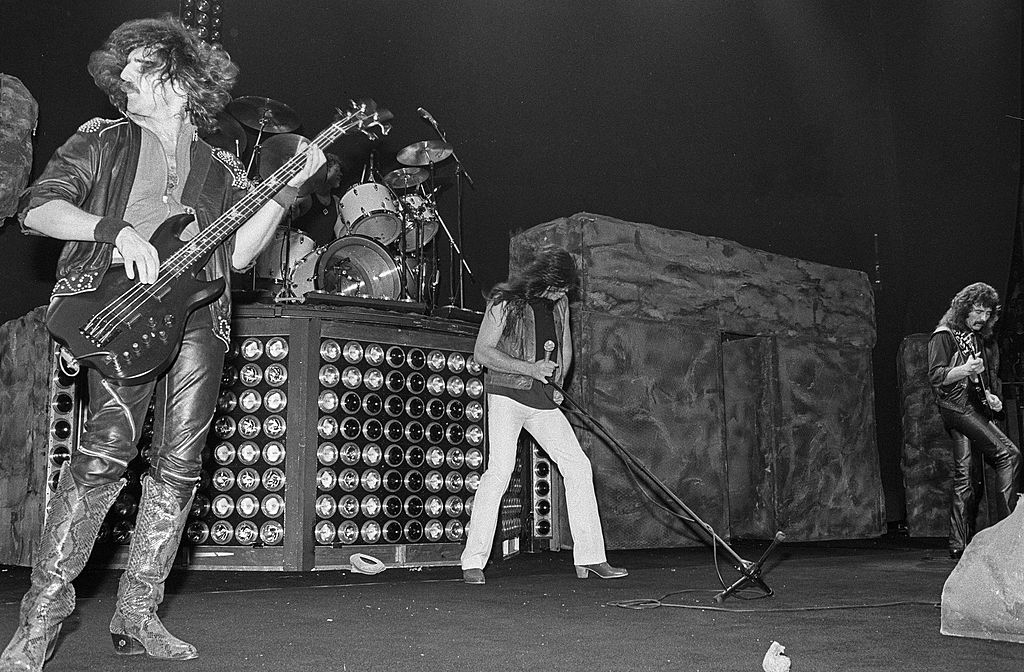
Inspired by the instrumental track ‘Stonehenge’ on Born Again, manager Don Arden and bassist Geezer Butler decided that the tour needed a life-size recreation of the ancient monument. The idea was to have an imposing collection of prehistoric-looking monoliths looming over the band as they played.
Unfortunately, somewhere between Sabbath and the set builders, the measurements got spectacularly confused. Dimensions intended to be given in feet were apparently interpreted as metres. So instead of stones around 15 feet high, the builders produced fibreglass-and-wood monoliths approaching 50 feet.
It was a magnificent idea. There was just one small problem: the Stonehenge was far too big to fit inside most of the venues they had booked.
Instead of towering roughly 15 feet above the stage, the fibreglass-and-wood stones were constructed at nearly 50 feet high. What might have looked suitably monumental at the intended scale became something approaching a construction project.
'Not a building on Earth that you could fit it into'
'It had nothing to do with me. In fact, I was the one who thought it was really corny,' bassist Geezer Butler told Classic Rock in 2005. 'We had Sharon Osbourne’s dad, Don Arden, managing us. He came up with the idea of having the stage set be Stonehenge. He wrote the dimensions down and gave it to our tour manager.
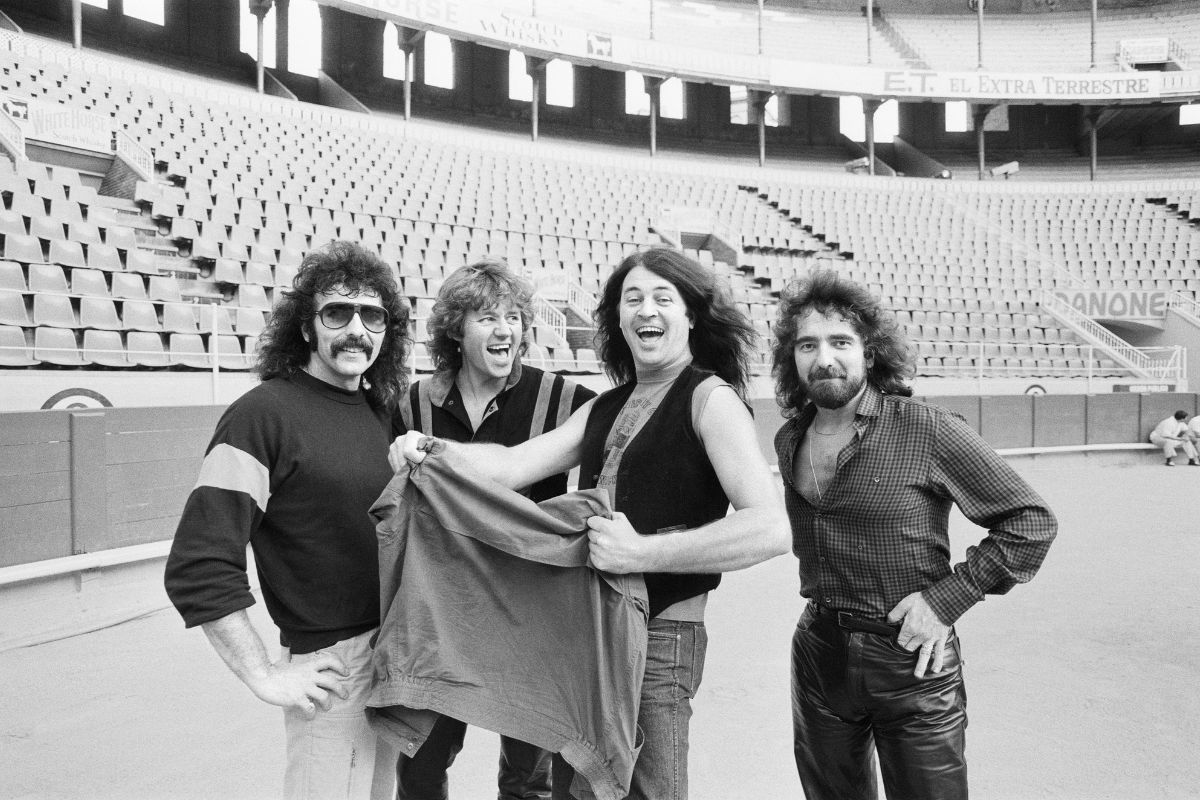
'He wrote it down in meters but he meant to write it down in feet. The people who made it saw fifteen meters instead of fifteen feet. It was 45 feet high and it wouldn’t fit on any stage anywhere so we just had to leave it in the storage area. It cost a fortune to make but there was not a building on Earth that you could fit it into.'
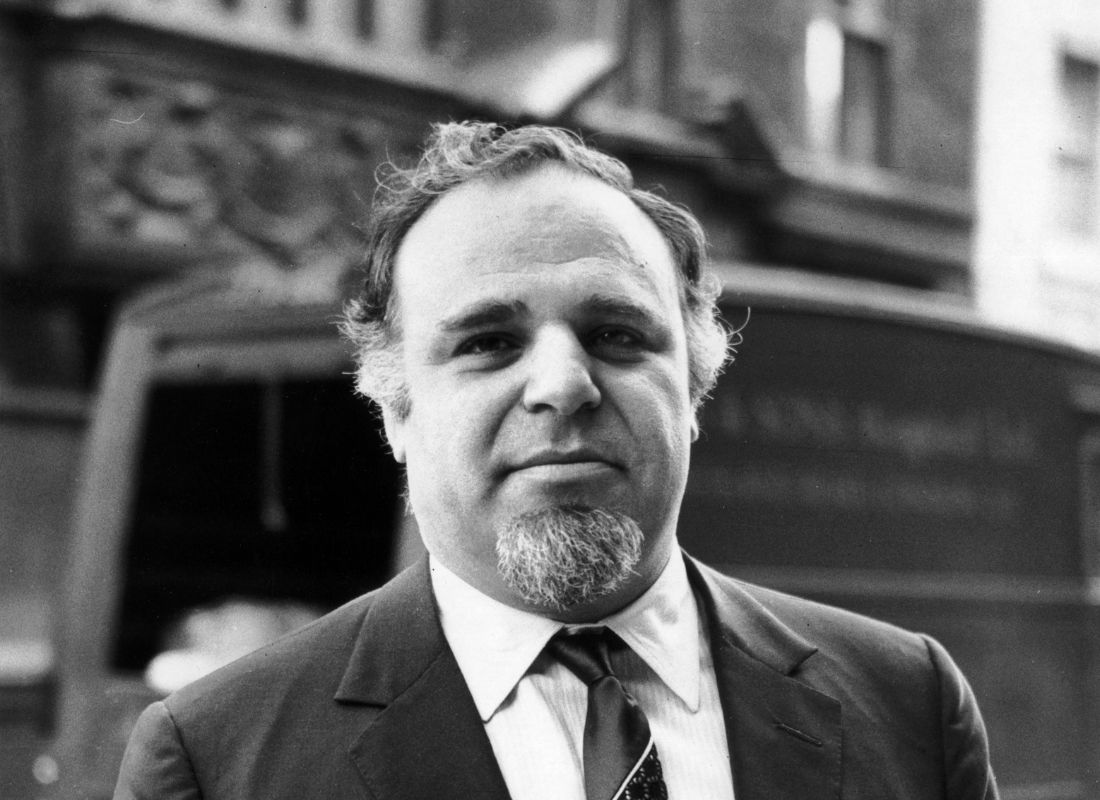
- Don Arden finished high in our list of rock's most notorious managers
The logistical consequences were immediate. Most indoor venues simply couldn't accommodate the enormous structures, leaving the band performing around a set that was far too big for the stages it was supposed to decorate. Only a fraction of the intended Stonehenge could be used at some venues, while parts of the gigantic construction were eventually abandoned on docks because they were simply too large and heavy to transport.
Sabbath thought Spinal Tap had stolen their story
And this was only one element of an already gloriously bizarre production. The show also featured a performer dressed as a red devil baby, who was supposed to scramble around the Stonehenge rocks. During a Canadian performance, however, the unfortunate creature took a tumble from the set. At this point, the production was beginning to resemble a particularly expensive piece of surrealist theatre.
Then came This Is Spinal Tap. Released in 1984, Rob Reiner's mockumentary famously featured its own Stonehenge disaster: the band orders an enormous stage monument, only for a tiny 18-inch version to arrive. The joke was so close to Sabbath's real-life experience that members of the band reportedly assumed the filmmakers had somehow stolen their story.
Life imitating art?
In fact, the timing was stranger still. Reiner and the film's writers had conceived and filmed the Stonehenge sequence before Sabbath's Born Again tour took place. The similarity was therefore an extraordinary case of life imitating satire – or, at least, two different versions of rock's obsession with gigantic stage props arriving at roughly the same time.
The Born Again tour was hardly a triumph overall. The album itself was controversial, and the line-up – featuring Ian Gillan of Deep Purple alongside Tony Iommi and Geezer Butler – was an unlikely combination. But the Stonehenge saga has acquired a life of its own, partly because it seems too ridiculous to have actually happened.
Yet it did. Black Sabbath really did commission an enormous prehistoric monument, really did discover that it was much too big for many of the stages they were playing, and really did find themselves with a touring production that could have been written for This Is Spinal Tap.
Another rock show where the practical stuff went wrong
David Bowie: Diamond Dogs tour, 1974
Bowie's Diamond Dogs production was an extraordinary piece of touring theatre: a six-ton 'Hunger City' set with more than 20,000 moving parts, including skyscrapers, bridges, hydraulic machinery and a cherry-picker that lifted Bowie above the audience. The equipment wasn't even finished until six days before opening.
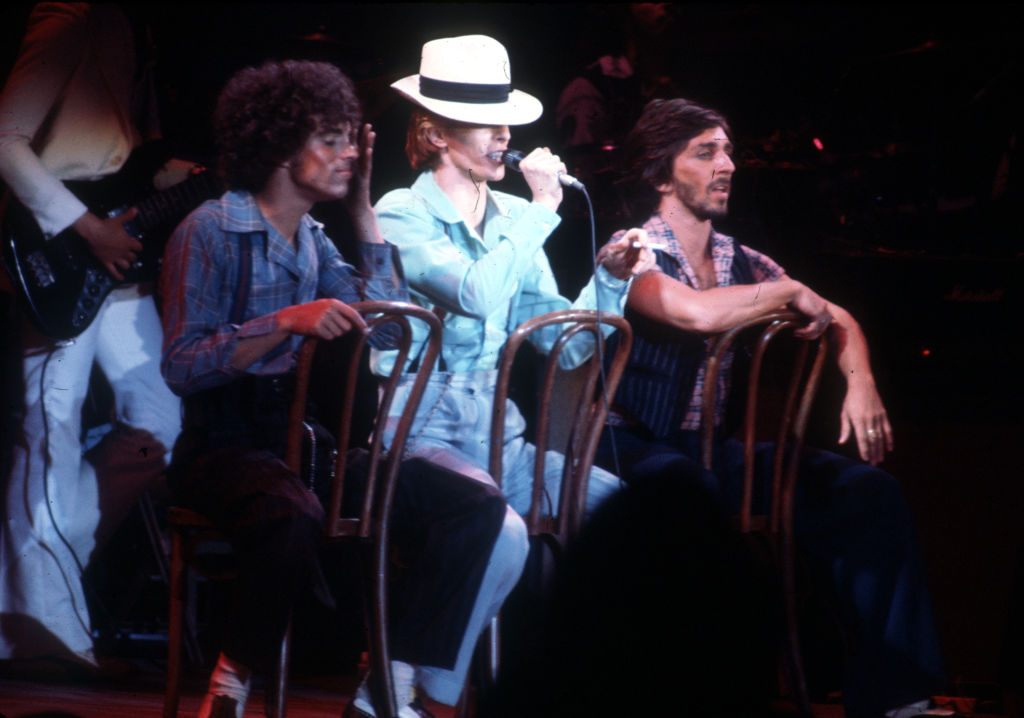
And then reality intervened. During one gig the catwalk collapsed with Bowie on it; the hydraulic cherry-picker repeatedly malfunctioned, once leaving him stranded over the audience; and the sheer complexity and expense of moving the production became unsustainable. Bowie eventually threw the whole set away, replacing it with a much simpler show.
Memorably, the July 2 show at Curtis Hixon Hall, Tampa, Florida had no set at all because the truck carrying the props crashed after its driver was stung by a bee. Bowie performed without the elaborate production and reportedly received a huge ovation.
Pics Getty Images