To rank the greatest songs of David Bowie is to attempt to map the shifting tectonic plates of 20th-century culture.
Bowie was never merely a singer; he was a sonic architect who used the recording studio to dismantle and rebuild his identity with every passing year. From the theatrical, glitter-drenched anthems of the early 1970s to the icy, avant-garde experiments of his Berlin period and his industrial 1990s reinventions, his catalogue serves as a masterclass in artistic survival.
This listicle dives deep into the Imperial Phase of the Thin White Duke – specifically the high-stakes experimentation of the late 70s – while also honouring the revolutionary glam-rock years that first launched him into the stratosphere. By balancing his massive radio hits with the complex, atmospheric deep cuts that defined his creative soul, we explore the chameleonic genius of a man who didn't just follow the future; he willed it into existence.
29. The Width of a Circle (1970)
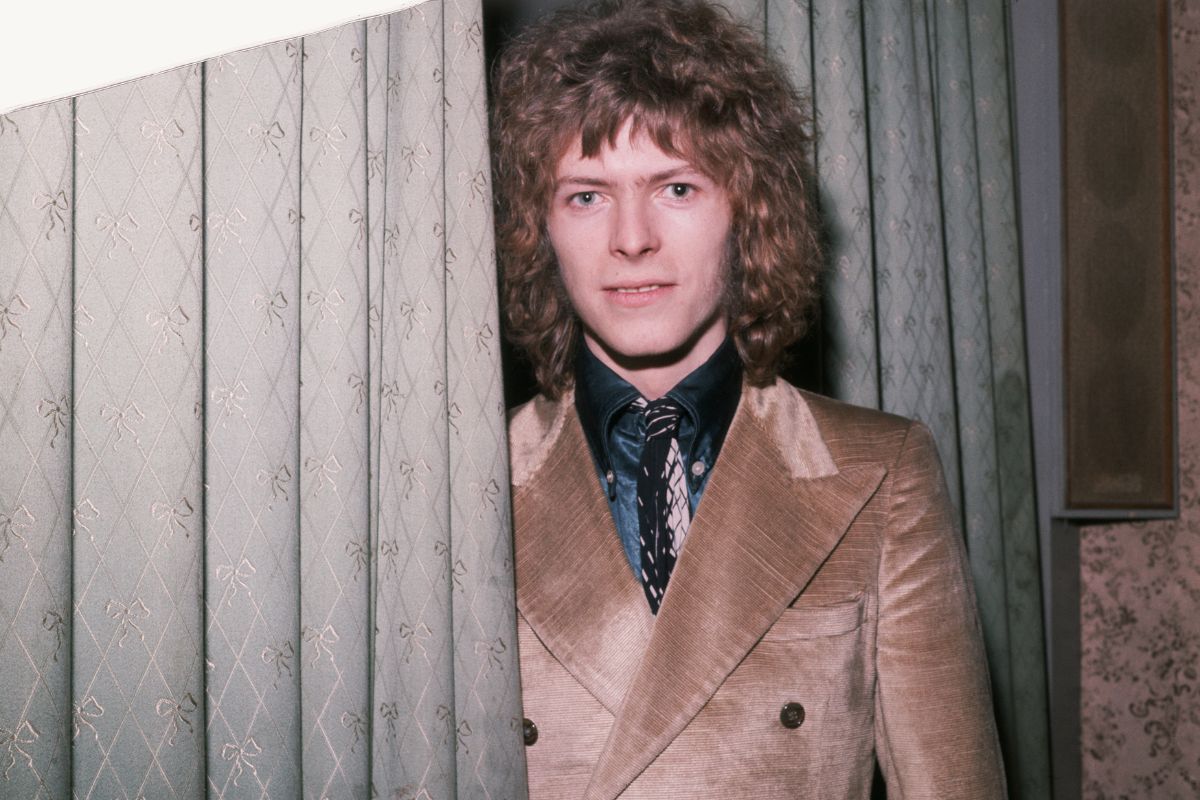
This eight-minute epic from The Man Who Sold the World marks the birth of 'Heavy Bowie'. It ranks high for Mick Ronson’s visceral, multi-sectioned guitar work and lyrics that blend Nietzschean philosophy with surreal sexual encounters. It’s the definitive bridge between 60s psychedelia and the hard-edged Glam theatricality that would soon conquer the world.
28. 'Little Wonder' (1997)
Bowie’s foray into drum-and-bass on the Earthling album was seen as somewhat high-risk, but 'Little Wonder' is a triumphant explosion of energy. It’s a frantic, breakbeat-heavy track that layers aggressive jungle rhythms with Bowie’s signature melodic sensibility.
27. Teenage Wildlife (1980)
A sweeping, seven-minute epic from Scary Monsters, often seen as a spiritual successor to "Heroes." It ranks high for its biting, self-reflective lyrics aimed at the 'New Romantic' copycats Bowie had inspired. Robert Fripp’s wailing, dissonant guitar layers create a wall of sound that is both majestic and deeply melancholic, capturing Bowie’s complicated relationship with his own legacy.
26. I’m Deranged (1995)
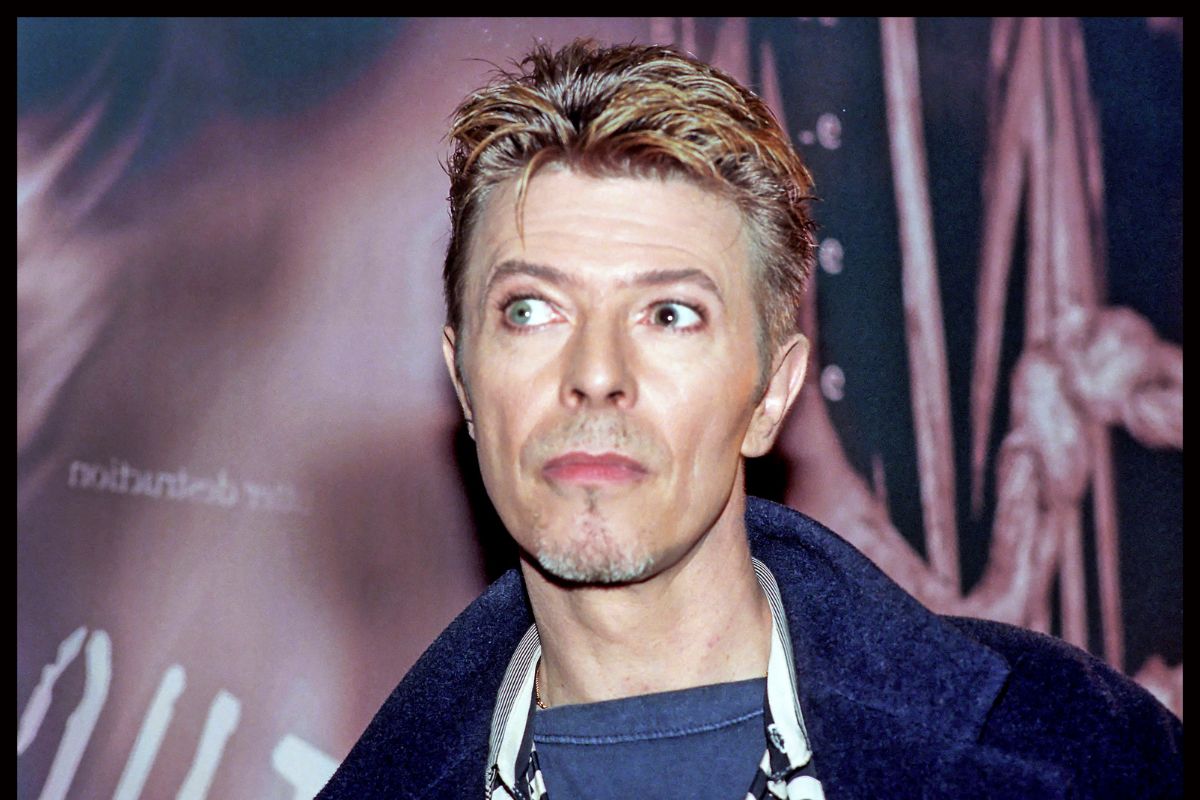
From the industrial, non-linear narrative of Outside and famously featured in David Lynch's 1997 film Lost Highway, this track represents Bowie’s 90s experimental peak. Produced by Brian Eno, it’s a dark, pulsing electronic fever dream that perfectly captures the paranoid, noir atmosphere of the era.
25. Blackout (1977)
A frantic highlight from the “Heroes” album, "Blackout" is the sound of a nervous breakdown set to a disco-industrial beat. Bowie’s vocal is desperate and jagged, reflecting the paranoia of his life in West Berlin.
The track’s rhythm is intentionally unstable, mimicking the flickering of a city under duress. It is a vital piece of the Berlin Trilogy puzzle, showcasing how he used the studio as a laboratory to translate internal chaos into high-tension, experimental art.
24. Aladdin Sane (1973)
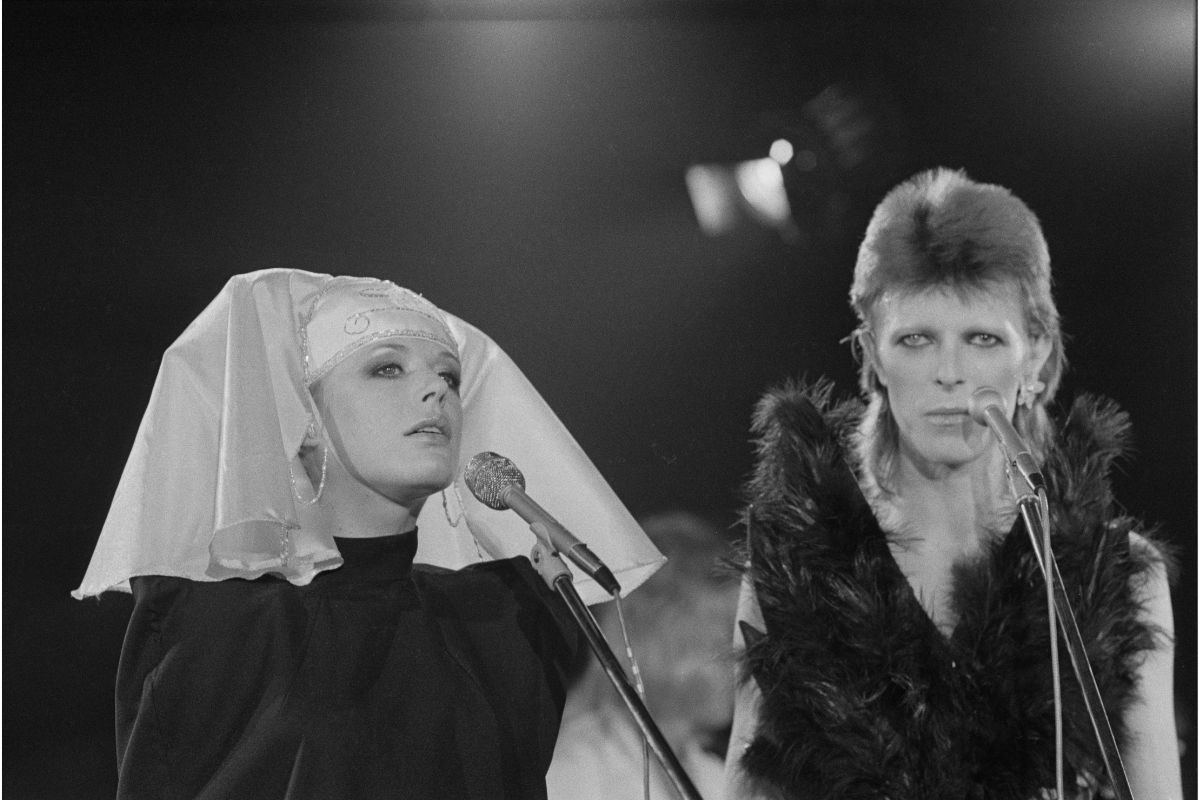
The title track of his 1973 masterpiece is famous for Mike Garson’s dissonant, 'schizophrenic' piano solo. It ranks here because it successfully captured the fractured, paranoid energy of a post-Sixties America. By blending traditional rock with free-jazz chaos, Bowie created a sonic landscape that felt both ancient and terrifyingly futuristic.
23. Modern Love (1983)
The opening track of Let’s Dance is the absolute pinnacle of Bowie’s global superstar era. Backed by Nile Rodgers’ razor-sharp production and Stevie Ray Vaughan’s bluesy guitar stabs, it is a high-energy pop masterpiece.
However, beneath the infectious 'churchy' rhythm lies a lyric of profound isolation and cynicism regarding the nature of connection. It’s a perfect example of Bowie’s ability to hide deep, philosophical anxiety inside a song designed to dominate every radio station on the planet.
22. Young Americans (1975)
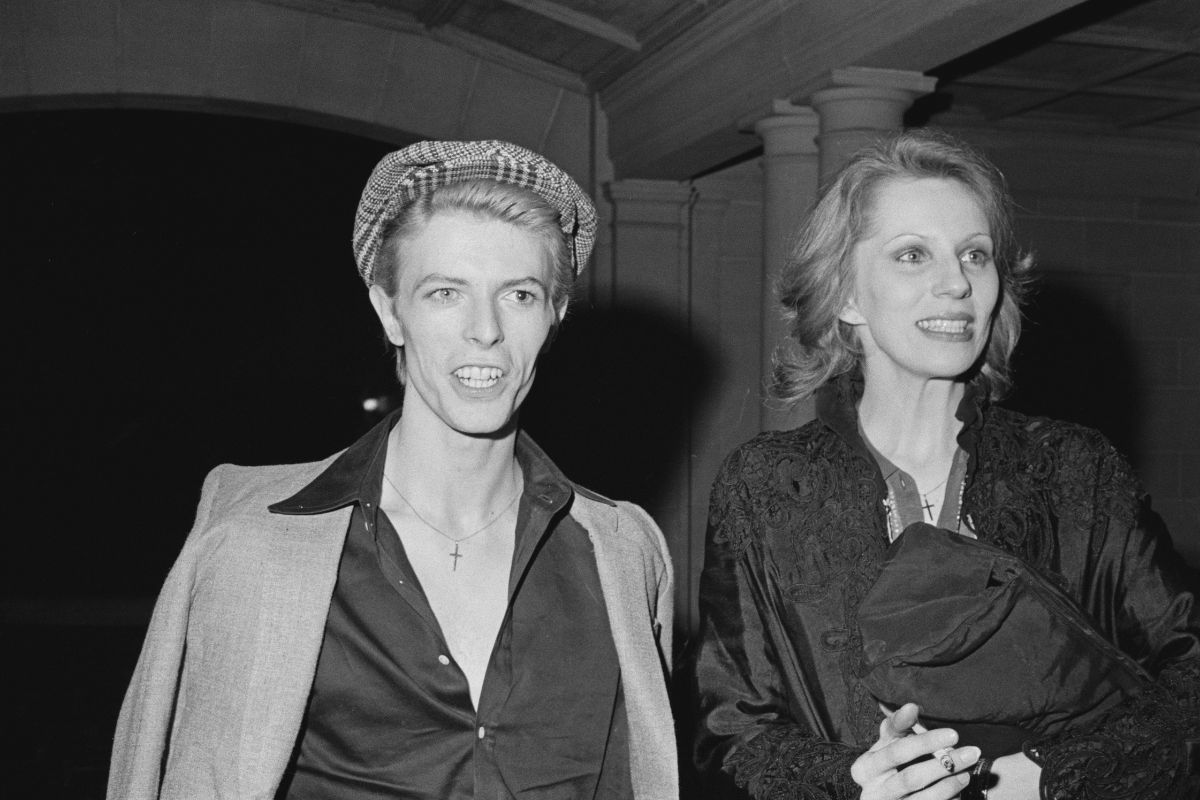
Bowie’s 'plastic soul' era was a controversial pivot, but the title track of Young Americans is a stunning achievement. It’s a lush, gospel-backed examination of American disillusionment in the wake of Nixon and Vietnam. David Sanborn’s soaring saxophone and the frantic, 'phased' backing vocals create a wall of sound that feels both celebratory and deeply anxious.
It captures the moment Bowie successfully transitioned from British Glam icon to an artist capable of deconstructing American R&B from the inside out.
21. Always Crashing in the Same Car (1977)
This hazy, atmospheric highlight from Low serves as a poignant metaphor for Bowie’s repetitive self-destructive patterns. It ranks high for its masterfully restrained production, featuring a swirling, 'oceanic' guitar solo by Ricky Gardiner. The track perfectly encapsulates the Berlin aesthetic: a blend of detached, cool electronics and deeply vulnerable songwriting that sounds like driving through a neon-lit city at 3:00 AM.
20. Oh! You Pretty Things (1971)
A cornerstone of Hunky Dory, this track is a masterclass in, well, Nietzschean pop. While the piano-driven melody is infectious, the lyrics warn of an impending evolutionary shift: the arrival of the 'Homo Superior'. It ranks high for its sophisticated songwriting, blending a music-hall aesthetic with high-concept sci-fi that predicted the alien personas to come.

19. Suffragette City (1972)
The ultimate adrenaline shot of the Ziggy Stardust era. With its relentless Arp synthesizer "brass" and a driving piano riff inspired by Little Richard, it is the peak of Bowie’s high-energy rock and roll. Its 'Wham Bam, Thank You Ma'am!' hook became a generational rallying cry, cementing the Spiders from Mars as the most dangerous band in Glam.
18. Rebel Rebel (1974)
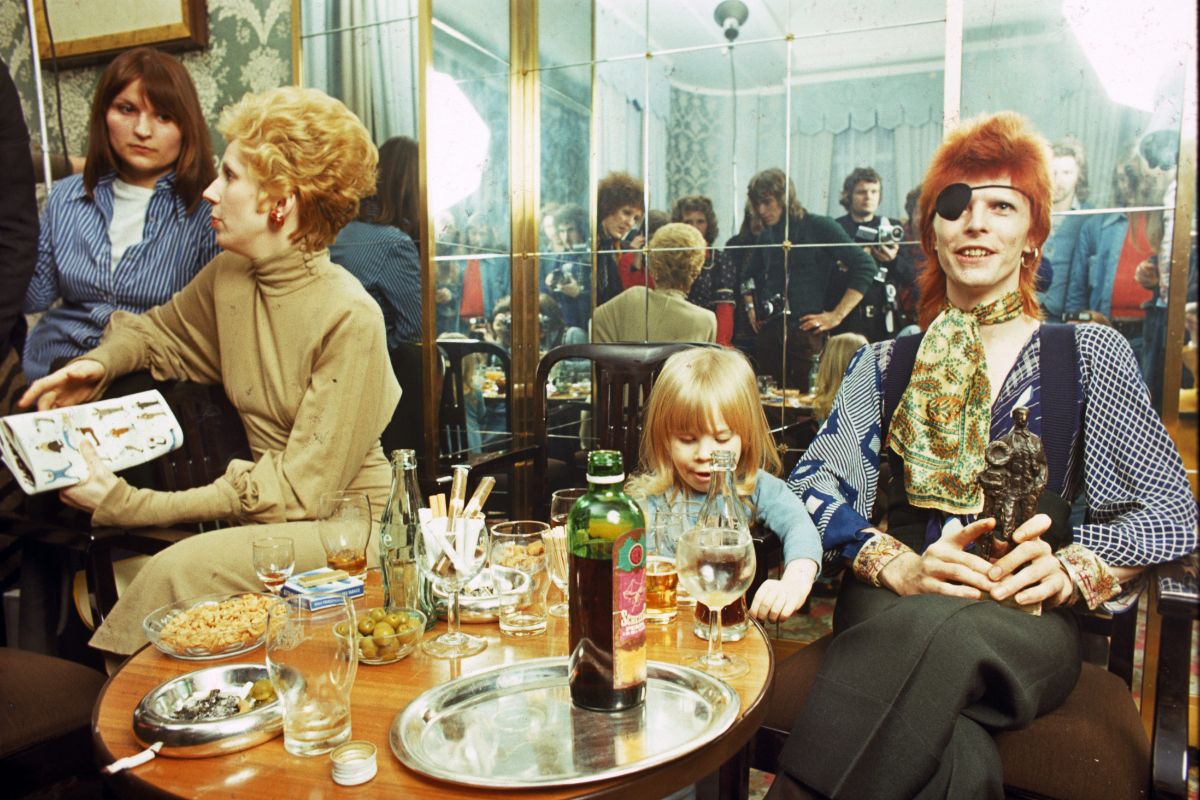
Featuring one of the most recognisable riffs in history – played by Bowie himself – this is the final anthem of his Glam period. It ranks high as a definitive gender-bending manifesto ('You've got your mother in a whirl / 'Cause she's not sure if you're a boy or a girl'). It’s a raw, Rolling Stones-inflected masterpiece of teenage defiance and stylistic cool.
17. Look Back in Anger (1979)
A high-velocity standout from the much-underrated Berlin Trilogy closer Lodger, this track features a ferocious, driving beat and jagged guitar lines from Carlos Alomar. It ranks high for its relentless energy and its depiction of a 'fallen angel'. It represents the more aggressive, post-punk side of the Berlin Trilogy, bridging the gap between experimentalism and the stadium-sized rock of the eighties.
16. Lazarus (2016)
Released just days before Bowie's death, 'Lazarus' is a haunting, jazz-inflected masterpiece from his final album, Blackstar. The track is a chilling piece of performance art, with Bowie singing from the perspective of a man looking back from the 'other side'. The wailing saxophones and funereal pace create an atmosphere of profound transition. It is one of the most courageous acts in rock history: a man documenting his own mortality with unflinching grace and a final, brilliant burst of sonic experimentation.
15. The Jean Genie (1973)
The ultimate glam-rock stomp. Built on a dirty, R&B-influenced riff that sounds like Bo Diddley on a Martian binge, 'The Jean Genie' captures brilliantly the gritty, street-level energy of the Ziggy Stardust era. It’s a song about a strange, Iggy Pop-inspired creature who keeps all your dead hair for making up underwear. It’s simple, loud, and incredibly cool, showcasing the Spiders from Mars’ ability to play raw, basic rock and roll with a flamboyant, futuristic edge that changed the face of the 70s.
14. Time (1973)
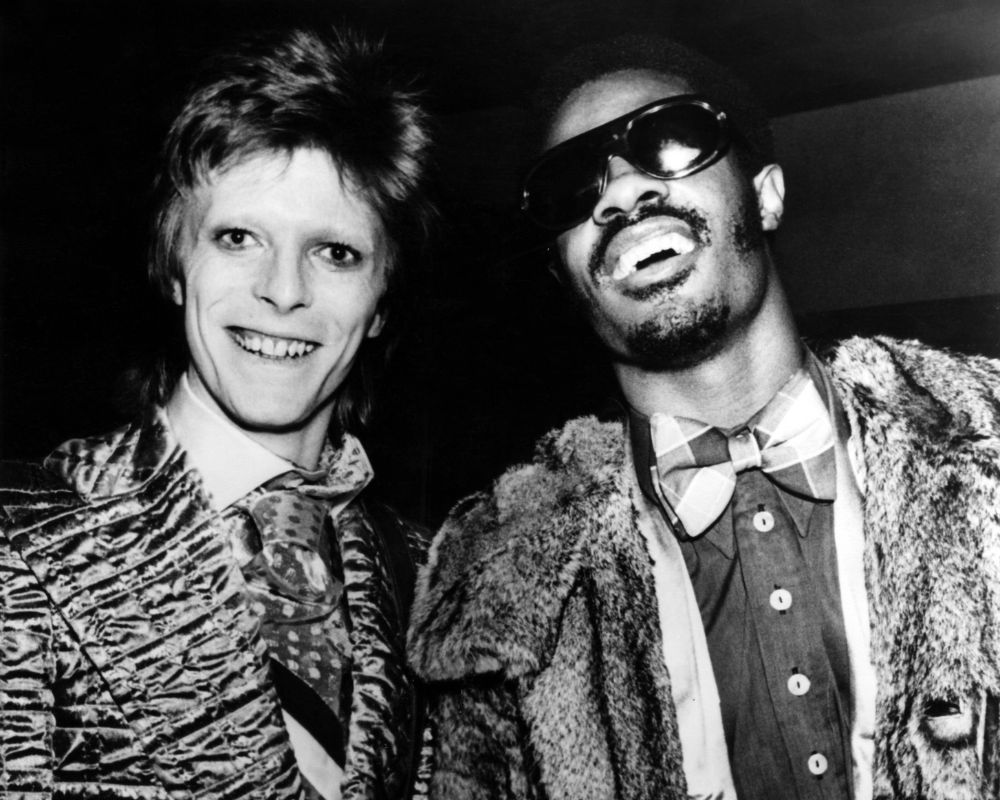
A decadent, avant-garde highlight of Aladdin Sane. This "Brechtian" cabaret piece ranks high for Mike Garson’s avant-jazz piano and Bowie’s exaggerated, theatrical vocal delivery. It explores the decaying nature of stardom and mortality with a sophisticated, world-weary cynicism, proving Bowie could move far beyond the standard verse-chorus-verse rock structure.
13. Boys Keep Swinging (1979)
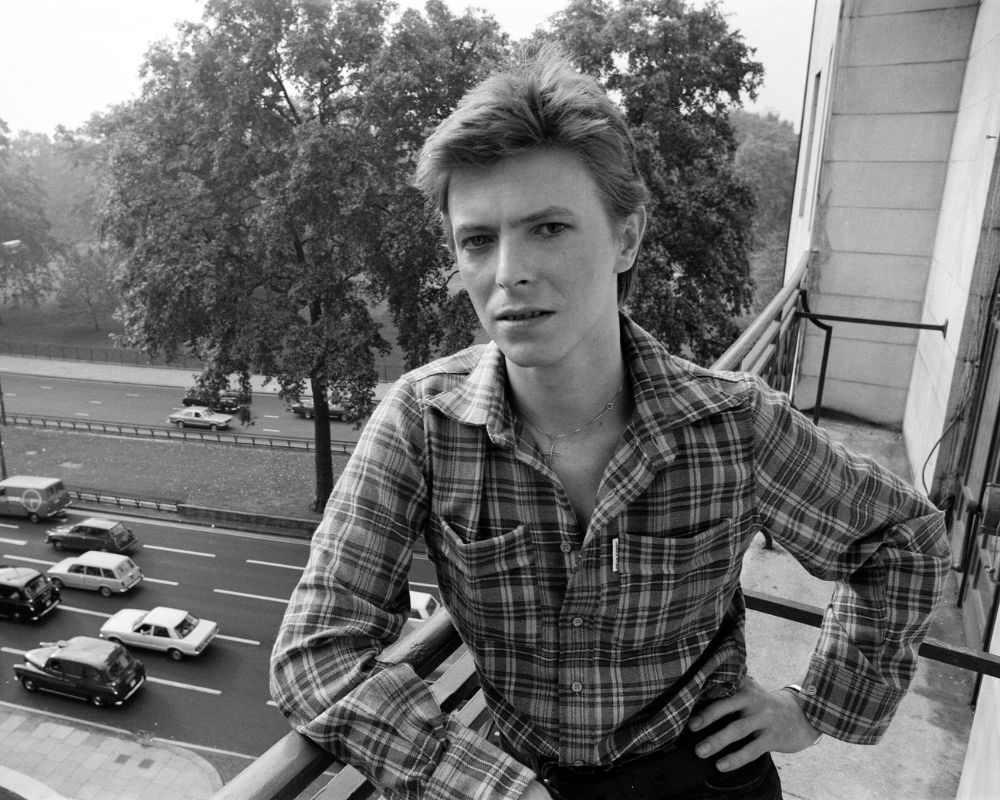
The lead single from Lodger is a subversive take on gender and masculinity. Musically, it’s a chaotic, garage-rock pastiche where the band members famously swapped instruments to achieve a raw, "amateur" sound. The result is a catchy but slightly "off" anthem that mocks the privileges of manhood while sounding like a collapsing nightclub. It captures the restless, globe-trotting spirit of the late 70s, where Bowie was shedding his "Thin White Duke" skin for something more irreverent and jagged.
12. Five Years (1972)
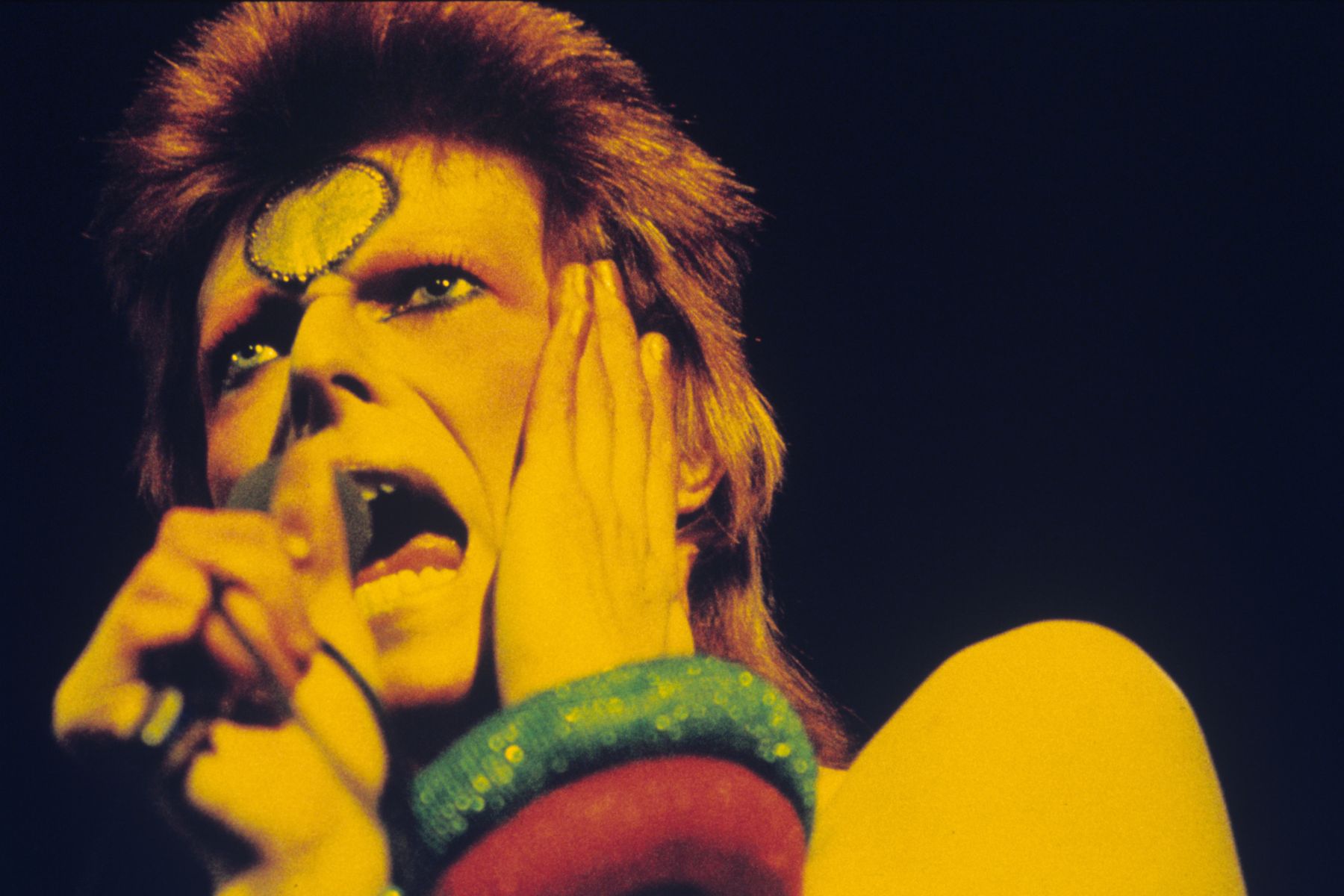
The opening track of The Rise and Fall of Ziggy Stardust and the Spiders from Mars is one of rock’s greatest 'doom' anthems. Starting with a lonely drum beat and building into a hysterical, screaming crescendo, the song depicts the end of the world with vivid, street-level detail. Bowie’s vocal performance is staggering, moving from a low, observational croon to a weeping, panicked roar. It perfectly sets the stage for the mythological drama of the Ziggy persona.
11. Golden Years (1976)
A sleek, shimmering bridge between the soul of Young Americans and the icy precision of Station to Station. 'Golden Years' features a clicking, infectious beat and Bowie’s soulful, baritone delivery. While it sounds like a celebratory pop song, there is a haunting, drug-fuelled paranoia lurking in the background. It is the Thin White Duke at his most charismatic, offering a golden future while looking like a ghost in a high-fashion suit.
10. Changes (1971)
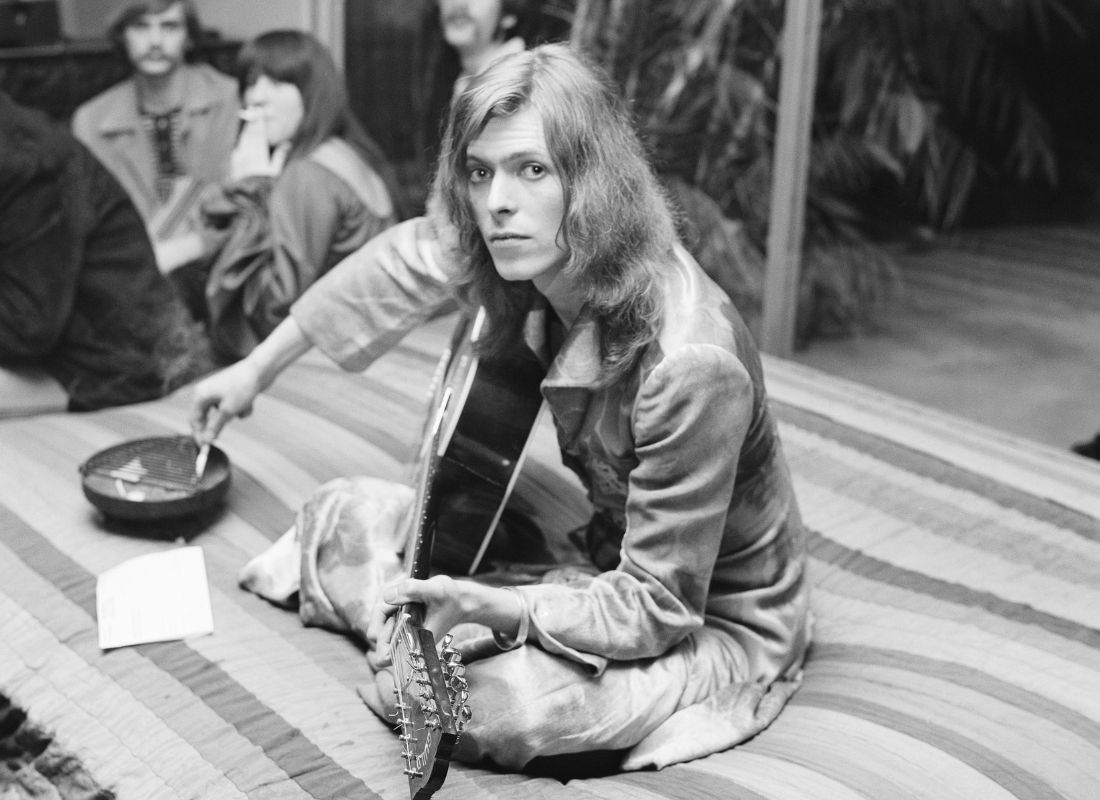
The definitive manifesto for Bowie’s career. From Hunky Dory, this art-pop anthem with its stuttering chorus and soaring saxophone was a literal warning to the rock establishment: the old guard was being replaced by a more fluid, chameleonic generation.
It’s a masterclass in songwriting – instantly catchy but intellectually demanding. While it’s one of his most 'obvious' hits, its role in defining his entire artistic philosophy makes it an indispensable cornerstone of his catalogue.
9. Sound and Vision (1977)
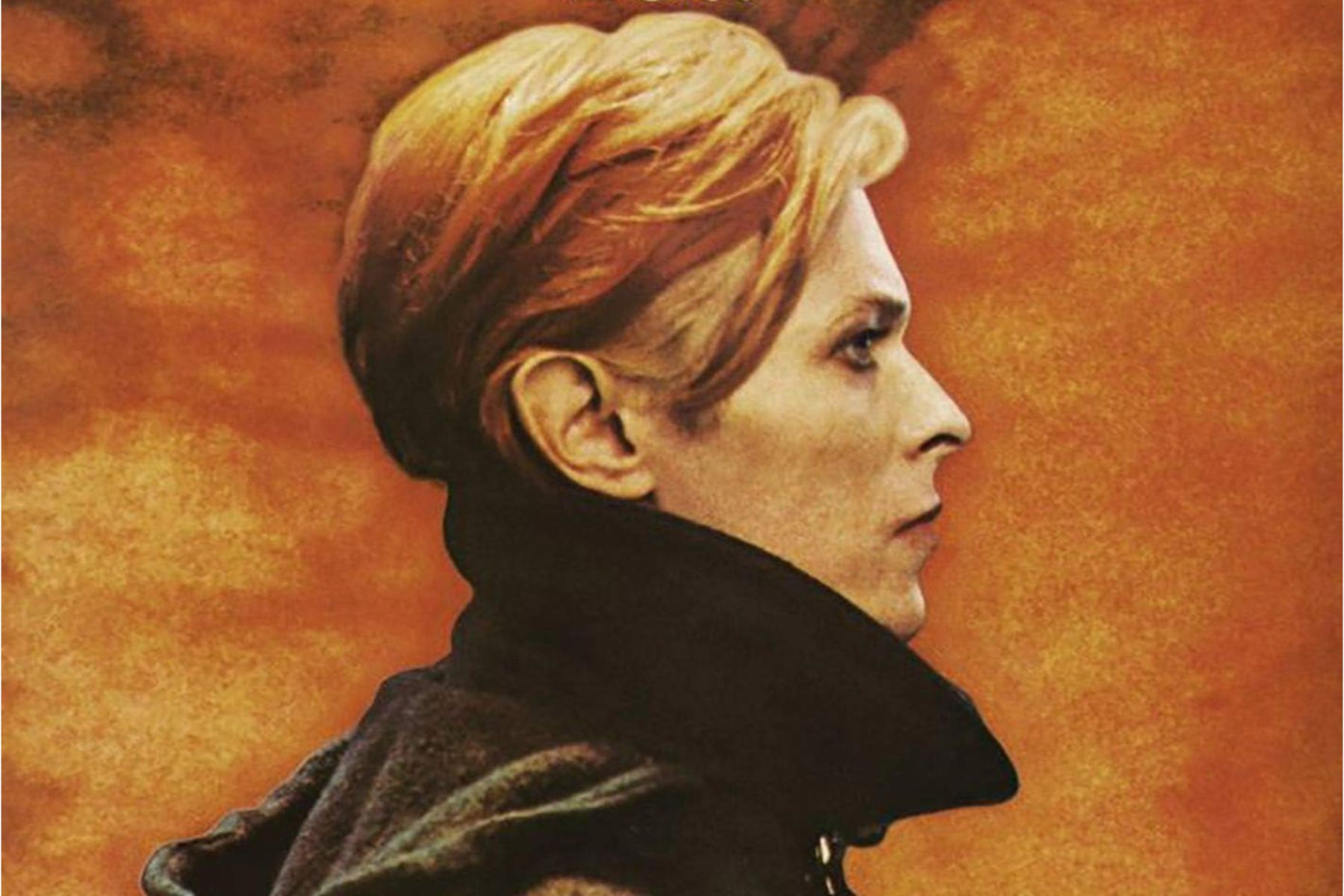
The centrepiece of perhaps Bowie's greatest album, Low, this track redefined the pop song structure. For the first half, the song is a minimalist, funk-inflected instrumental; Bowie’s vocals don't even enter until nearly two minutes in.
When they do, he sings about sitting in a room with "the blue, blue electric blue," reflecting his self-imposed isolation in Berlin. It’s a beautiful, melancholy, and incredibly catchy piece of electronic pop that proved Bowie could make the avant-garde sound like a summer afternoon.
8. Space Oddity (1969)
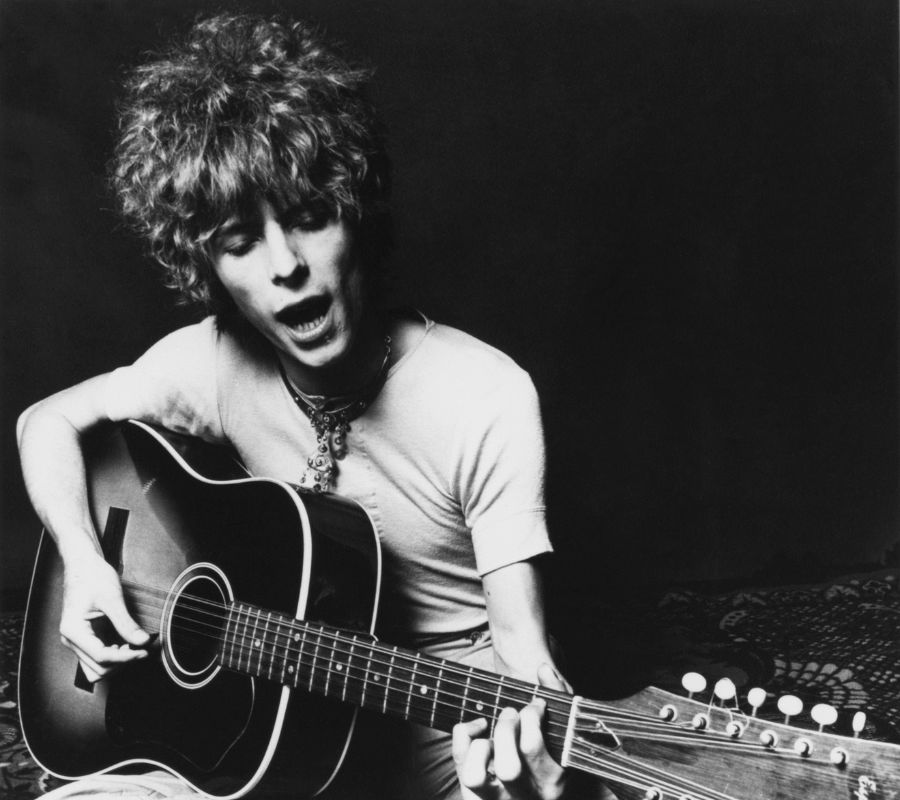
The song that gave Bowie his first real foothold in the public consciousness. Released to coincide with the Apollo 11 moon landing, the story of Major Tom became a cultural touchstone. Musically, it’s a lushly orchestrated piece of psychedelic folk, but its true power lies in the theme of isolation: a man drifting alone in a tin can, disconnected from humanity. It was the first time Bowie explored the "alien" persona that would define his greatest works throughout the 70s.
7. Starman (1972)
If 'Space Oddity' was about the loneliness of space, "Starman" was about the salvation it could bring. This was the track that changed the lives of thousands of British teenagers when Bowie performed it on Top of the Pops. With its soaring, "Over the Rainbow"-inspired chorus and Mick Ronson’s perfect guitar work, it became the anthem for every outsider and "freak" who felt they didn't belong on Earth. It remains the quintessential Glam-rock hymn.
6. Scary Monsters (and Super Creeps) (1980)
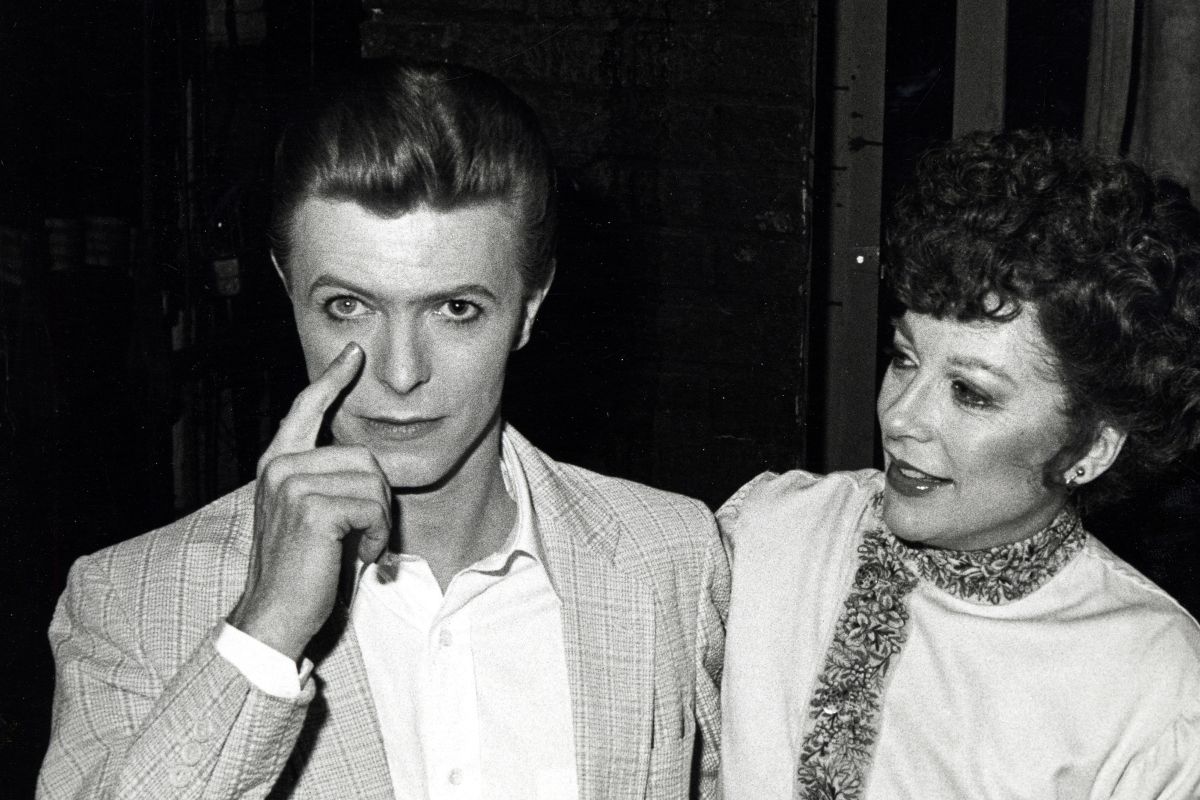
The title track of his final great album of the classic era is a jagged, post-punk masterpiece. Robert Fripp’s chaotic, howling guitar work provides a terrifying backdrop to Bowie’s distorted, Cockney-accented vocals. It is a song about a woman descending into madness, but it also sounds like Bowie exorcising the ghosts of the 70s. It’s heavy, rhythmic, and incredibly modern, proving that Bowie could dominate the burgeoning New Romantic scene he helped create.
5. Ashes to Ashes (1980)
A monumental piece of art-pop that acted as a sequel to 'Space Oddity'. Over a 'clownish' synth-pop beat and a funky, slapping bassline, Bowie reveals that Major Tom was actually a 'junkie, strung out in heaven’s high'. It is a stunning, self-reflective track that deconstructs his own mythology. The innovative music video and the haunting, 'chopped' production made it a massive #1 hit that defined the transition into the video age of the 1980s.
4. Warszawa (1977)
The soul of the Berlin Trilogy. Primarily composed by Brian Eno, this almost entirely instrumental track from Low is a bleak, soaring masterpiece of ambient music. Bowie’s vocals consist of a made-up "monastic" language that evokes the ancient, scarred history of Eastern Europe. It is a piece of profound emotional weight, proving that Bowie didn't need lyrics or a traditional rock band to convey a deep sense of place, history, and spiritual longing.
3. Station to Station (1976)
A ten-minute epic that serves as the mission statement for his most experimental era. The track begins with the industrial sound of a train (mimicked by feedback) before erupting into a driving, occult-themed funk workout. It is the definitive introduction of the Thin White Duke.
The song is divided into movements, shifting from cold, cocaine-fuelled paranoia into a triumphant, "European" rock finale. It is Bowie’s most ambitious studio creation, blending German "Krautrock" with American soul to create something entirely new.
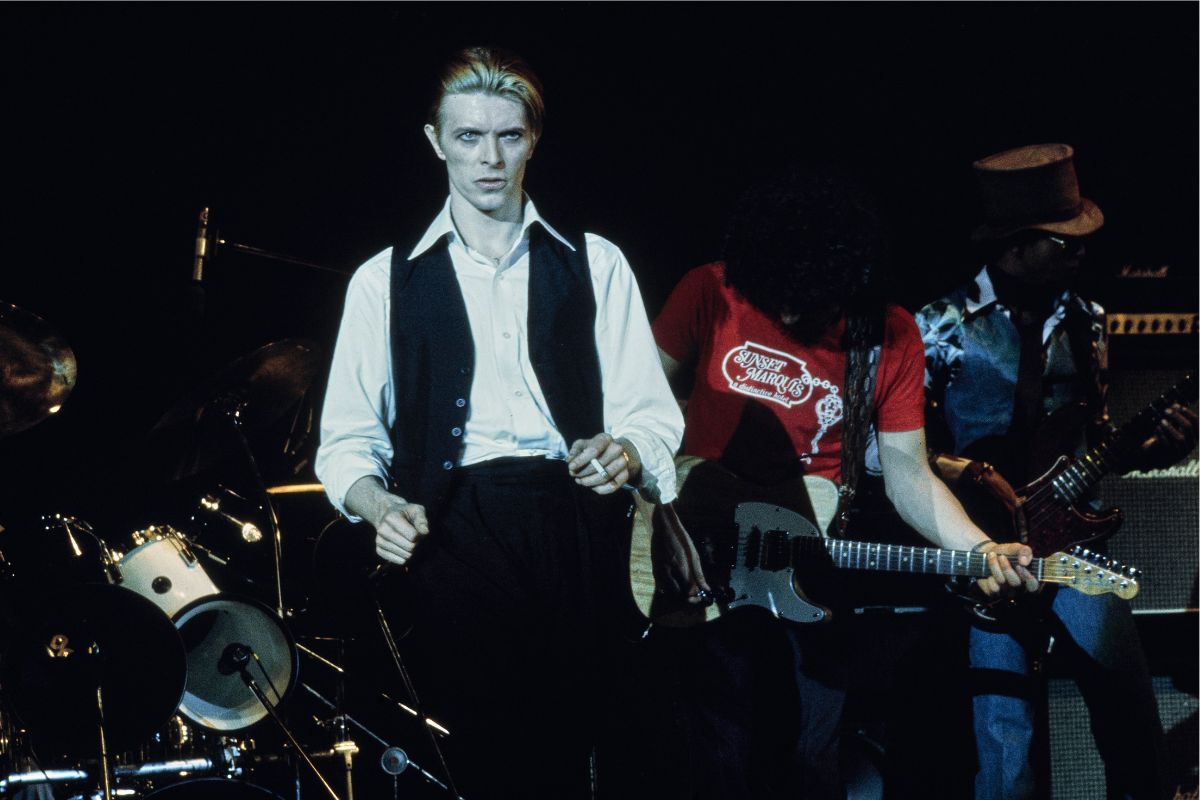
2. Life on Mars? (1971)
Widely considered one of the greatest songs ever written, this Hunky Dory highlight is a cinematic masterpiece of surrealist pop. Featuring Rick Wakeman’s stunning piano work and a massive, soaring string arrangement, the song follows a girl escaping her bleak reality through the silver screen. The lyrics are a kaleidoscope of vivid, confusing imagery that somehow adds up to a profound sense of yearning. It is Bowie’s most beautiful melody and his most enduring theatrical moment.
1. "Heroes" (1977)
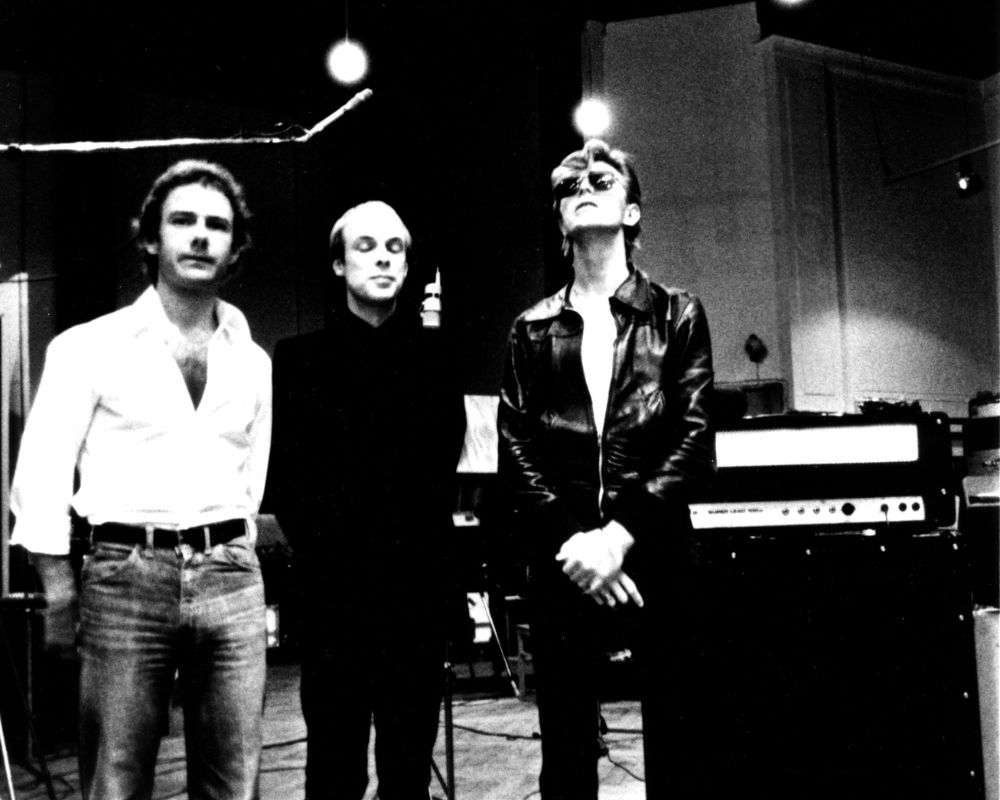
The ultimate anthem of the Cold War and a timeless testament to human resilience. Recorded in the shadow of the Berlin Wall, the song features Robert Fripp’s sustain-driven, 'crying' guitar and a vocal performance from Bowie that begins as a whisper and ends as a desperate, throat-shredding scream. It is a song about finding glory in the face of inevitable defeat: being "heroes" for just one day. It is arguably his most emotionally resonant work, a universal cry for love in a fractured world.
Bowie pics Getty Images