
Rock mythology loves the underdog.
We celebrate albums dashed off in a weekend, recorded for pennies, fuelled by hunger rather than money. The assumption is almost always the same: the rawer and cheaper the record, the more authentic the result.
But every rule has its glorious exceptions.
Sometimes greatness really does require unlimited studio time, cutting-edge technology, orchestras, perfectionist producers and eye-watering budgets. Sometimes the endless retakes, obsessive overdubs and spiralling costs aren't symptoms of self-indulgence - they're the very reason an album becomes immortal.
Of course, throwing money at a project is usually a terrible idea. For every masterpiece listed here there's a bloated vanity project that collapsed under the weight of its own ambition. Yet these records prove that, on rare occasions, extravagance can be transformed into art. They remind us that perfection isn't always captured in a single take. Sometimes it has to be painstakingly built, layer by painstaking layer.
13 brilliant, big-budget albums
1. Fleetwood Mac - Rumours (1977)
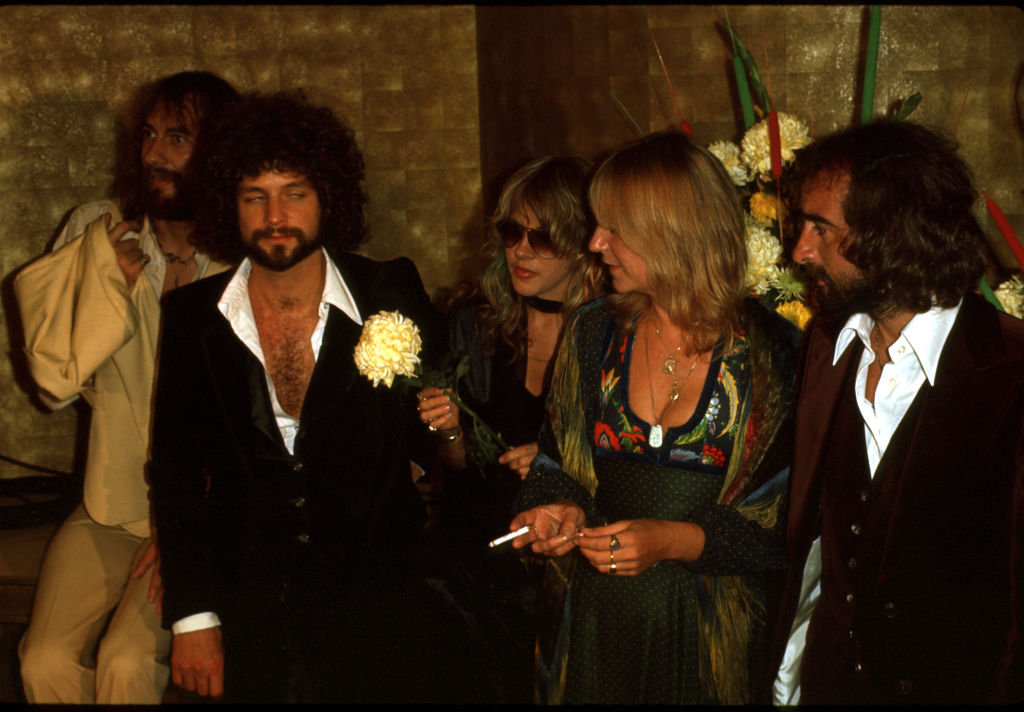
It remains one of the most expensive albums of the 1970s, but every dollar ended up on the record. Recorded over many months in California while the band's romantic relationships imploded in spectacular fashion, Rumours became an obsessive quest for sonic perfection.
Producer Ken Caillat and the band endlessly refined harmonies, guitar tones and vocal blends until every track gleamed. The result was an album that somehow transformed heartbreak into immaculate pop craftsmanship, selling more than 40 million copies and becoming the gold standard for expensive studio perfection.
2. My Bloody Valentine - Loveless (1991)
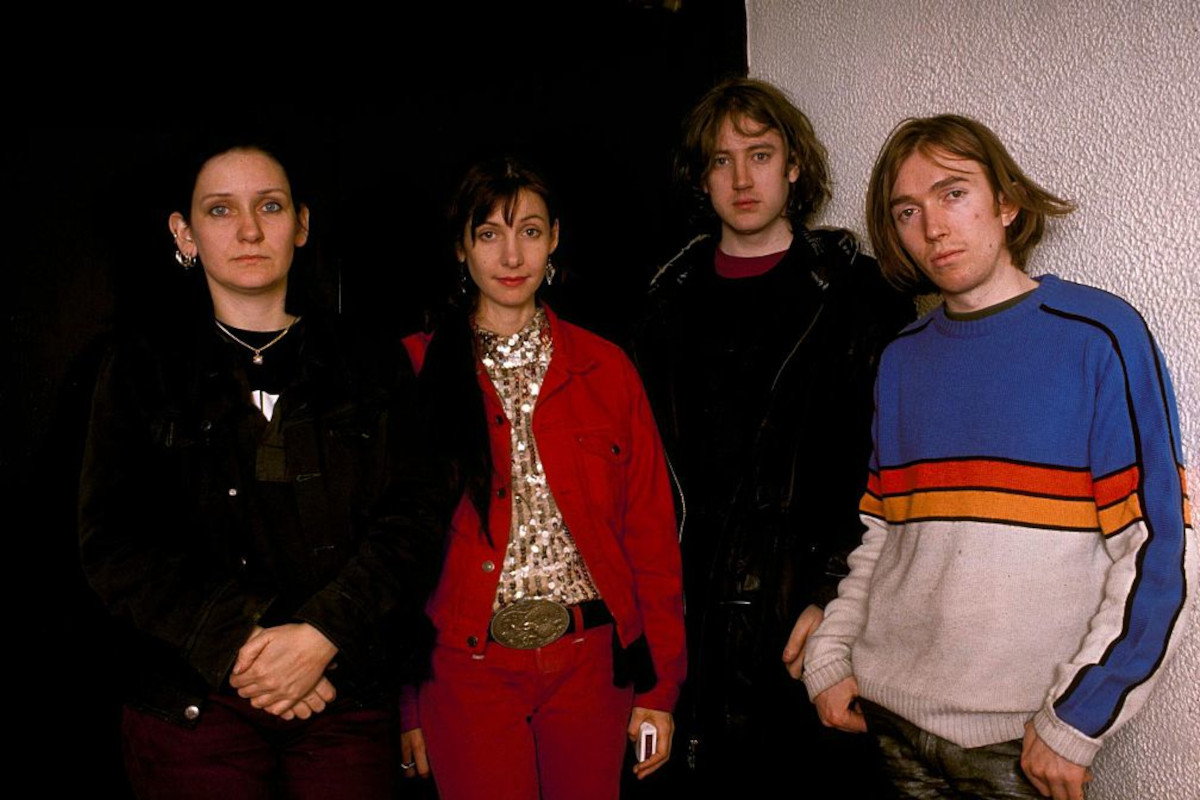
For years, Loveless was held up as the cautionary tale of runaway studio excess. My Bloody Valentine frontman and creative nexus Kevin Shields spent two years drifting between almost 20 studios, driving Creation Records to the brink of bankruptcy while pursuing guitar sounds nobody else could hear.
Yet once listeners finally caught up, it became clear that the expense hadn't been wasteful - it had been essential. Those impossibly blurred guitars, weightless vocals and oceanic textures couldn't have been achieved any other way. Today it's routinely cited as one of the greatest albums ever made.
3. Queen - A Night at the Opera (1975)
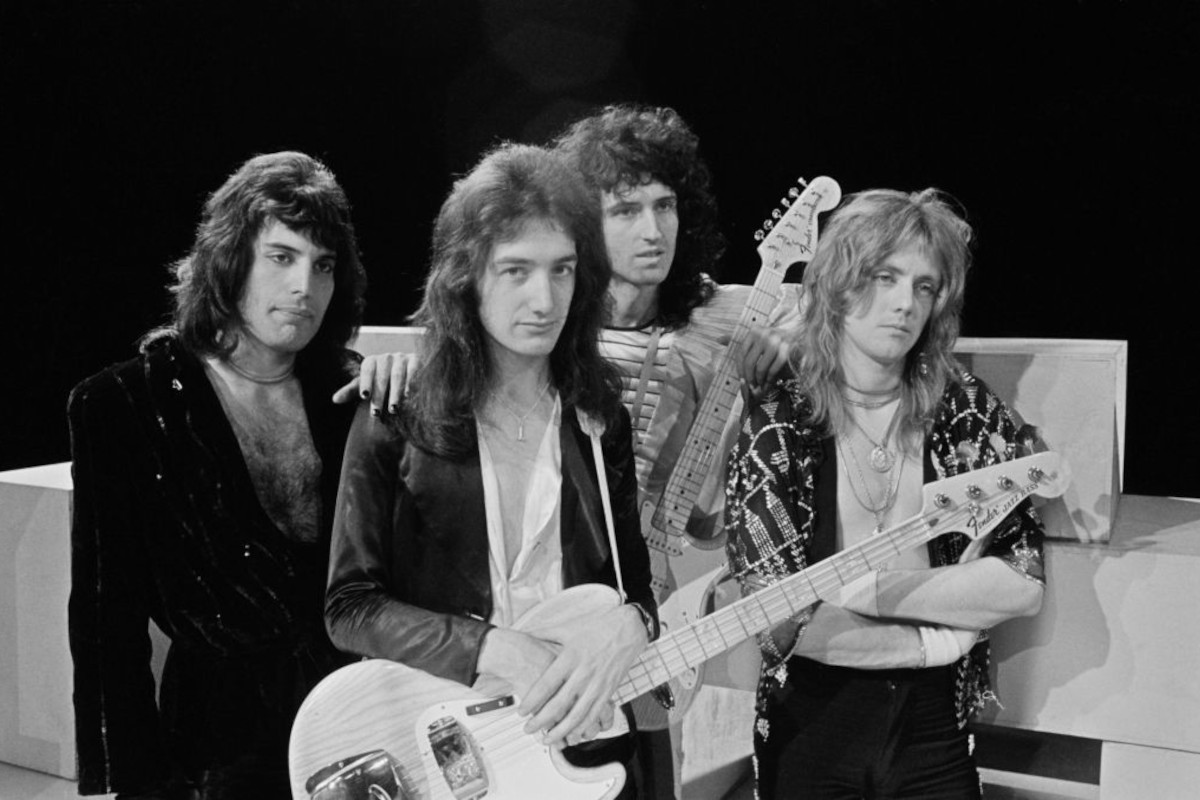
At the time of its release, this was reportedly the most expensive album ever made. Queen recorded across half a dozen studios, partly because no single facility possessed all the equipment they wanted.
Freddie Mercury's operatic ambitions demanded countless vocal overdubs, while Brian May painstakingly layered guitar orchestras unlike anything rock had previously heard. The centrepiece, 'Bohemian Rhapsody', sounded ludicrously extravagant in 1975. Fifty years later, it's simply regarded as one of rock's greatest recordings.
Here's 'The Prophet's Song', the one track that can generally rival 'Rhapsody' for ambition. Written by Brian May, this 8-minute progressive rock epic showcases massive multi-tracked guitar arrangements and features a pioneering a cappella section with complex, staggered vocal delays.
4. The Beach Boys - Pet Sounds (1966)
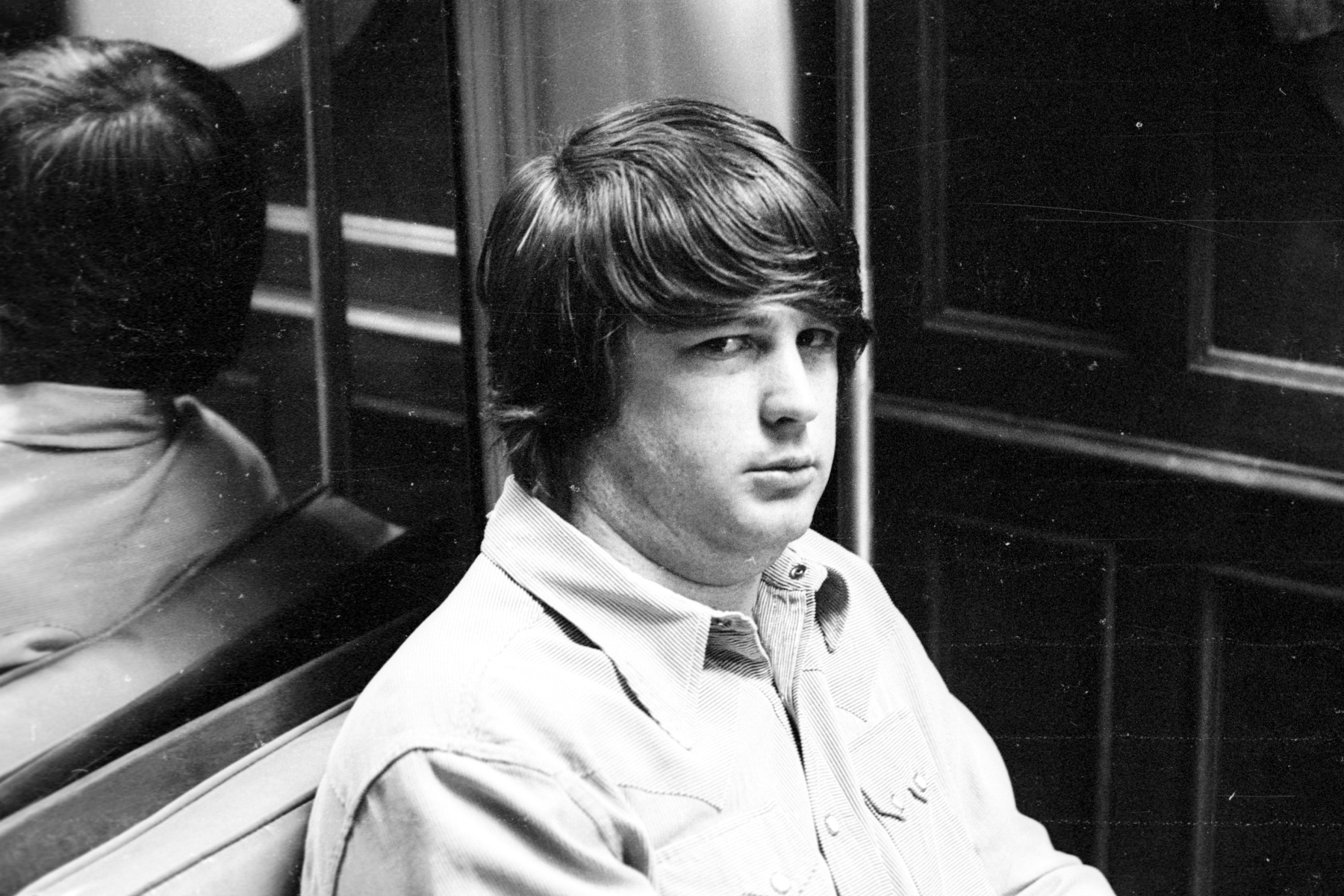
Brian Wilson ignored almost every convention of mid-60s pop recording. Instead of racing through songs in a few hours, he hired Los Angeles' finest session musicians, experimented with unusual instruments and spent lavishly pursuing sounds nobody else imagined were possible.
Capitol Records worried about the cost. Wilson worried about perfection. History sided with Wilson. Pet Sounds permanently expanded the vocabulary of pop production and directly inspired The Beatles to make Sgt. Pepper.
5. Steely Dan - Aja (1977)
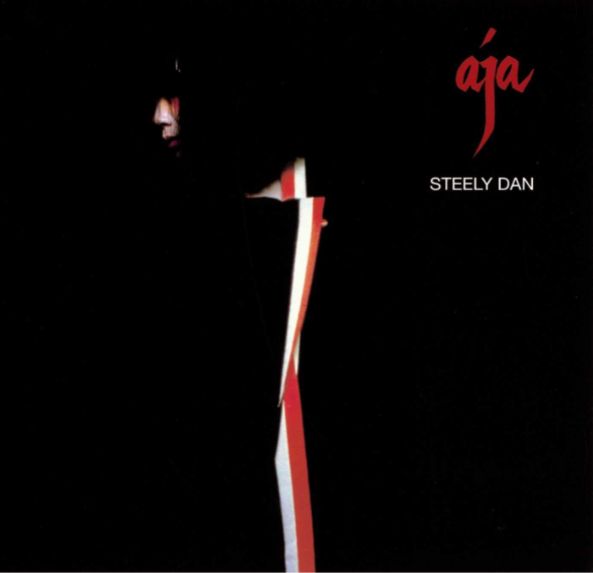
Walter Becker and Donald Fagen treated the studio like a scientific laboratory. Session musicians arrived in waves, played immaculate takes, then often discovered they had been replaced by somebody even more immaculate. Entire guitar solos were discarded.
Drummers came and went. Engineers chased microscopic improvements that most listeners would never consciously notice. Yet that's precisely why Aja still sounds astonishing today. Its immaculate clarity and effortless sophistication remain almost impossible to date.
Here's 'Peg', where Fagen and Becker's famously obsessive studio habits reached their peak. They cycled through seven different session guitarists across multiple weeks until they finally settled on Jay Graydon's solo, which itself took around six hours to perfect.
6. Pink Floyd - The Wall (1979)
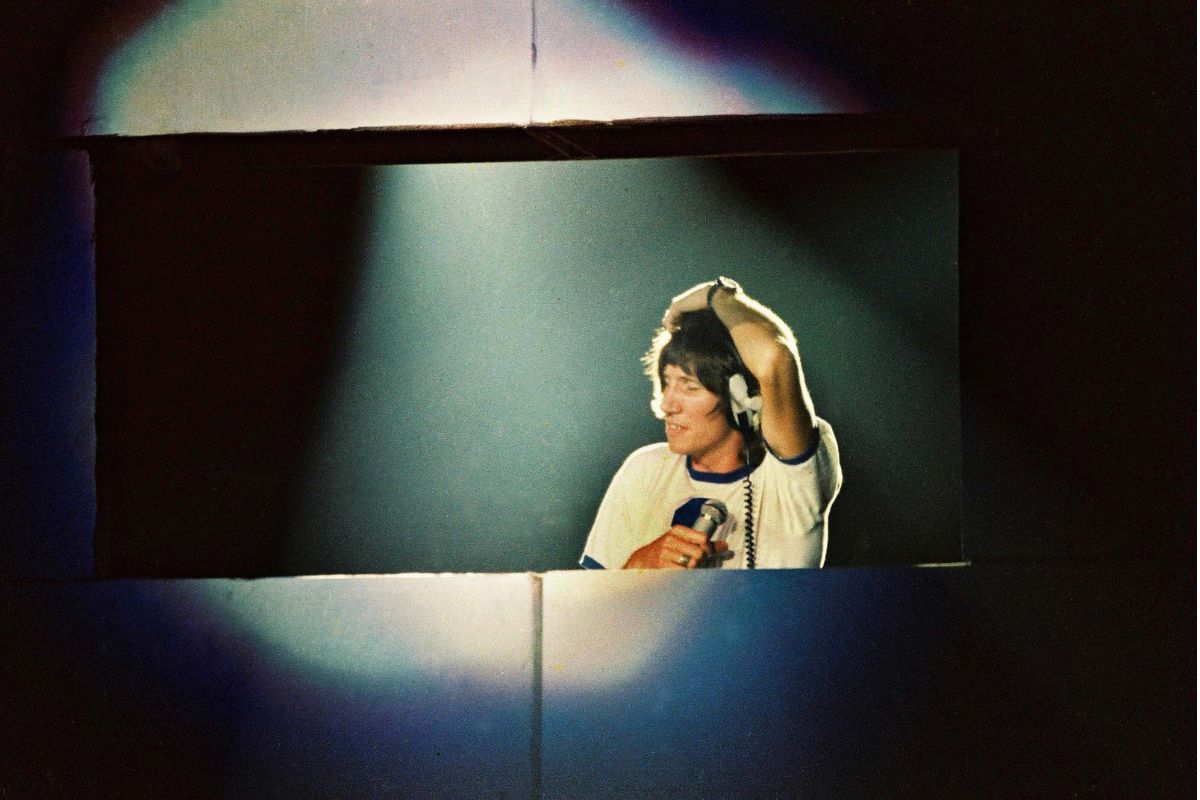
For the follow-up to Pink Floyd's 1977 LP Animals, Roger Waters wasn't interested in making a conventional rock album. He wanted an enormous psychological drama complete with orchestras, choirs, sound effects and cinematic production. Unsurprisingly, costs spiralled.
So, we ranked all 15 Pink Floyd albums. And there's definitely a 'magic run' in there
But the scale became inseparable from the music itself. The helicopters, television voices, children's choir and vast instrumental passages transform The Wall into something closer to musical theatre than rock. It simply wouldn't have worked on a shoestring budget.
7. Def Leppard - Hysteria (1987)
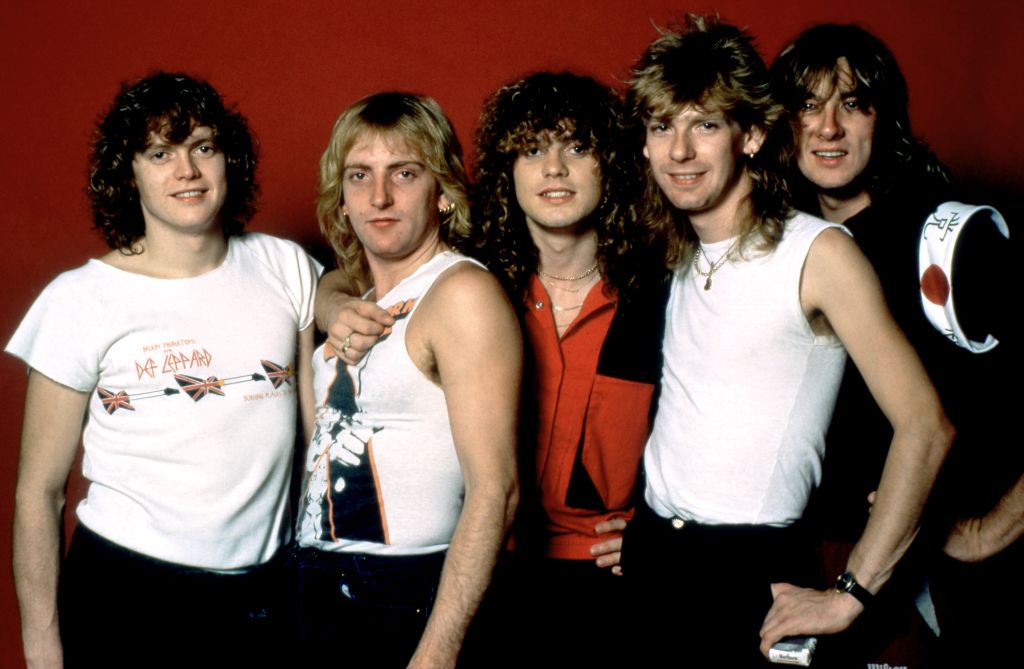
When it came time for UK hard rockers Def Leppard to make their fourth album, almost everything that could go wrong did. Producer Mutt Lange suffered exhaustion. Rick Allen lost an arm in a car crash before painstakingly relearning the drums. Sessions stretched beyond three years.
Yet the endless perfectionism paid extraordinary dividends. Every vocal harmony, guitar layer and snare hit feels engineered for maximum impact. The album yielded seven hit singles and became one of hard rock's defining statements, proving that meticulous studio craftsmanship could coexist with arena-sized hooks.
The title track 'Hysteria' perfectly encapsulates the exhaustive, nearly four-year production process behind the album. It features a complex, layered "wall of sound" built on meticulously stacked guitar overdubs, robotic drum programming, and vocal harmonies that required endless takes and engineering finesse.
8. Dire Straits - Brothers in Arms (1985)
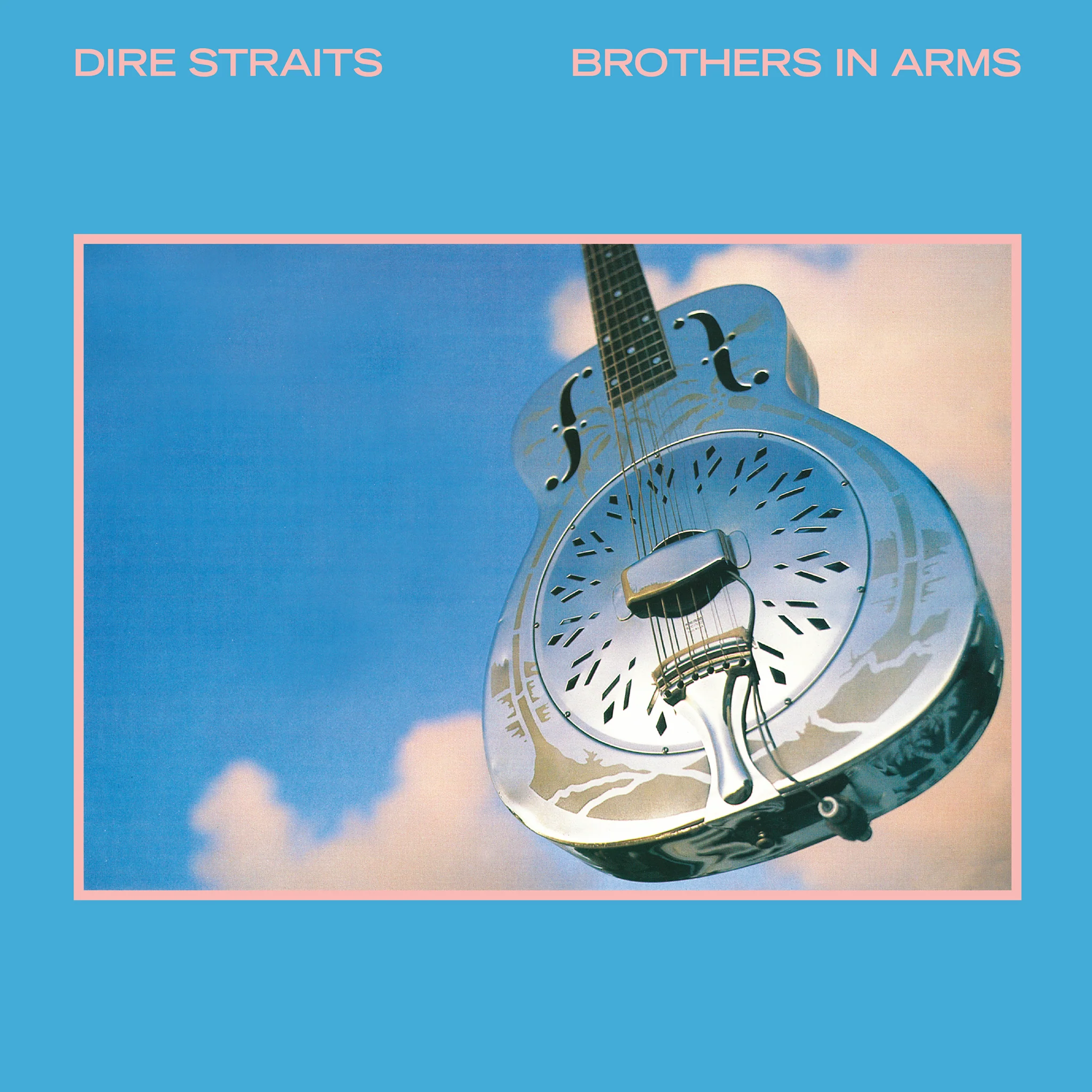
Part of this album's expense came from timing. Released in 1985, it was among the first blockbuster records designed to showcase the possibilities of digital recording, with immaculate production that dazzled owners of the newly fashionable compact disc.
40 years ago: Dire Straits' 'Brothers in Arms' ushers in the CD era
Mark Knopfler and producer Neil Dorfsman pursued extraordinary clarity, giving every instrument room to breathe. Forty years later, Brothers in Arms remains one of the benchmark audiophile albums - proof that expensive technology can sometimes deliver genuinely lasting improvements.
9. Bruce Springsteen - Born to Run (1975)
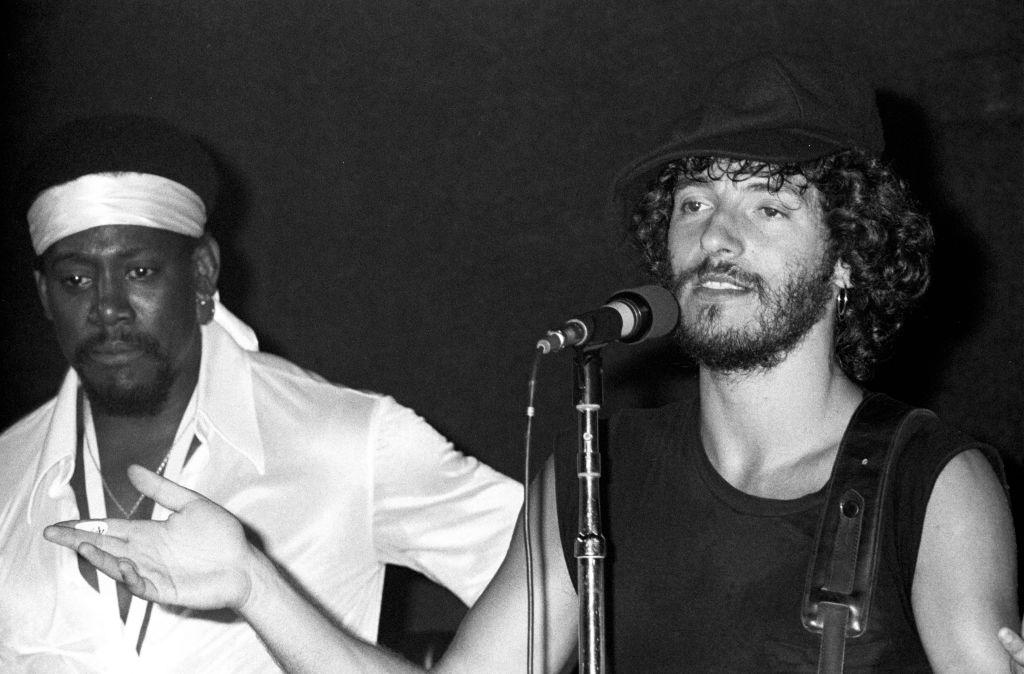
Bruce Springsteen nearly drove himself mad making this record. The title track alone consumed months of work as he obsessively rebuilt arrangements, rewrote lyrics and pursued the huge, Phil Spector-inspired sound filling his imagination.
We ranked all 21 Bruce Springsteen albums – from worst to best
The budget ballooned because Springsteen simply refused to settle. Thankfully. Born to Run sounds exactly like youthful ambition exploding through cheap transistor radios and open car windows - except it took extraordinary amounts of money and patience to make it feel that effortless.
This is another where the title track perhaps best illustrates the obsessive atmosphere that dominated proceedings. It famously took The Boss six months to record and mix, with up to 72 separate audio tracks squeezed into a 16-channel mixing desk in a relentless pursuit of perfection.
10. Guns N' Roses - Use Your Illusion I & II (1991)
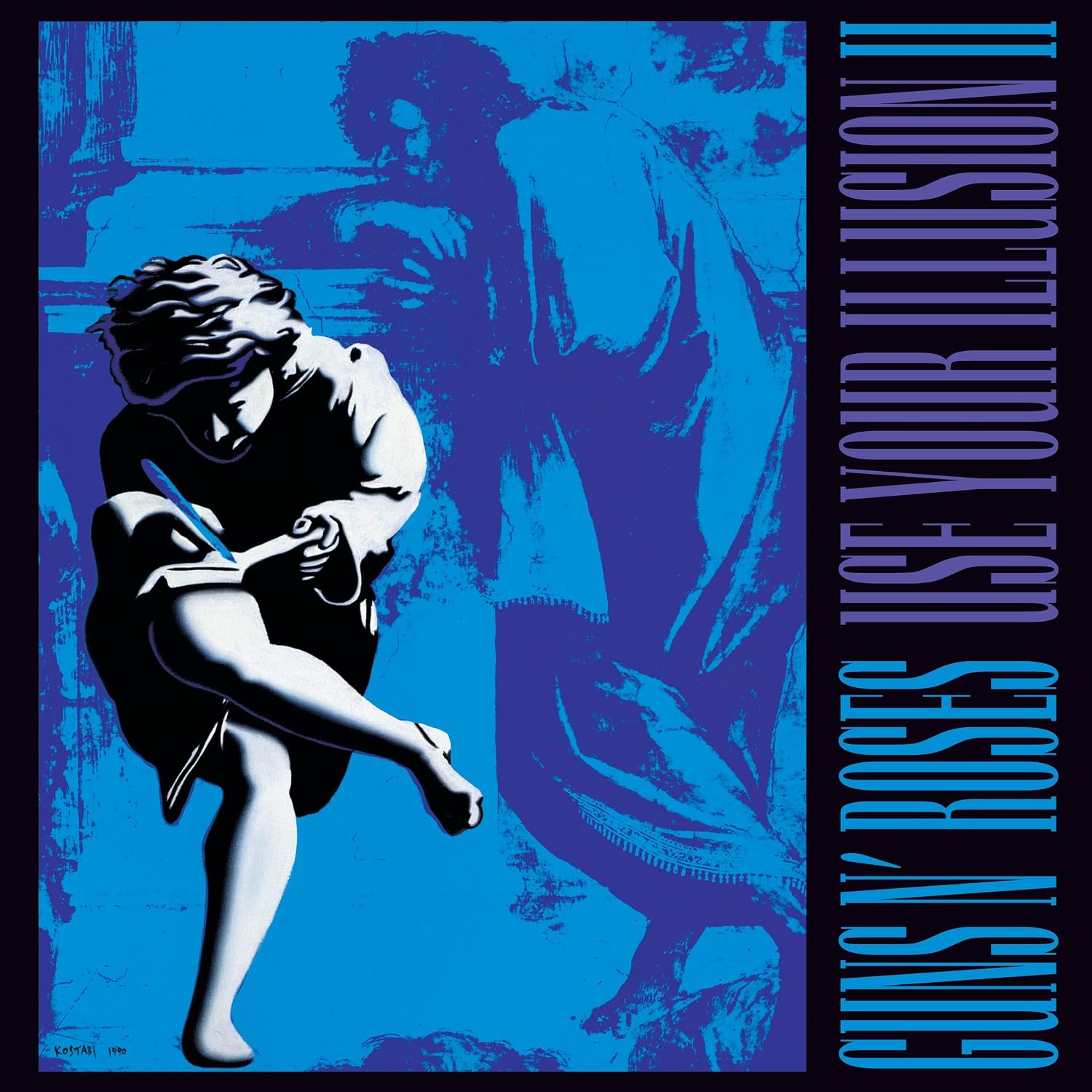
Few bands have ever spent money quite so enthusiastically. Recorded over more than a year in studios including A&M, Record Plant and Image Recording in Los Angeles, the sessions became famously lavish.
Producer Mike Clink indulged Axl Rose's expanding ambitions with orchestral arrangements by Michael Kamen, grand pianos, choirs, endless overdubs and almost three hours of music spread across two albums. The band that had once swaggered through Appetite for Destruction now sounded positively cinematic.
Critics still debate whether the material might have made an even greater single album had the weaker songs been trimmed away. Even so, at their peak - 'November Rain', 'Estranged' and 'Civil War' especially - the Use Your Illusion records demonstrate exactly what unlimited resources can achieve when paired with genuine ambition. Few rock albums sound quite so unapologetically grand.
11. Boston - Boston (1976)
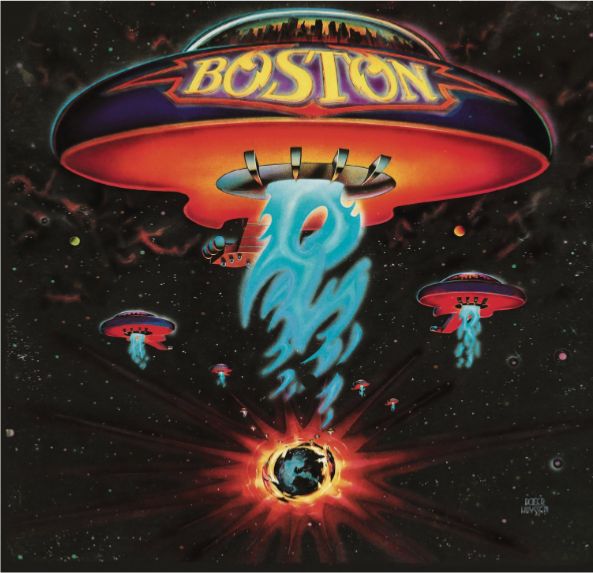
Ironically, one of rock's slickest-sounding albums was largely created in Tom Scholz's basement studio. But that home studio represented years of expensive engineering experimentation. Scholz, an MIT-trained engineer, designed and refined much of the equipment himself, chasing impossibly polished guitar sounds and pristine production.
The result helped define the polished, melodic sound of arena rock. Songs like 'More Than a Feeling' paired huge, multi-layered guitar harmonies with soaring choruses and immaculate production, creating a template that dominated American FM radio for the next decade.
Bands including Journey, Foreigner, REO Speedwagon and, later, Def Leppard all borrowed elements of Scholz's gleaming guitar tone and stacked vocal harmonies, but few matched the painstaking craftsmanship behind them.
12. Radiohead - OK Computer (1997)
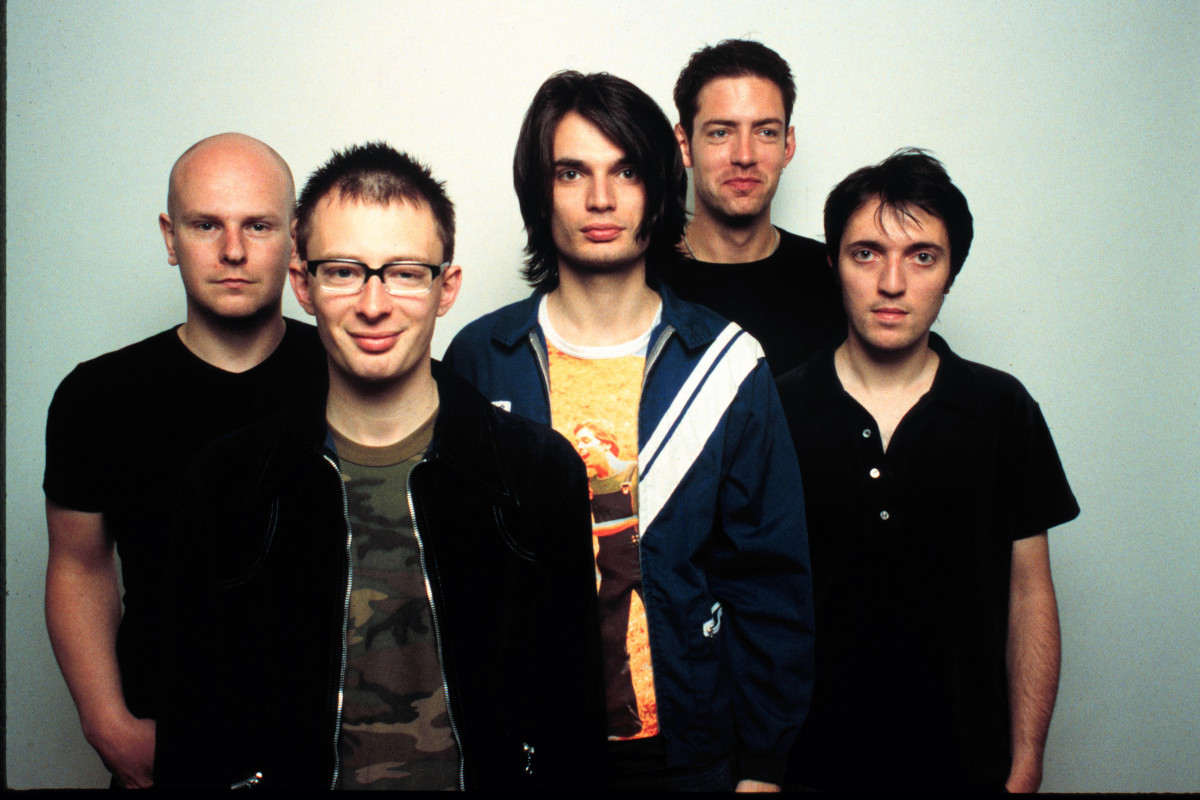
By late-90s standards, OK Computer wasn't outrageously expensive. What mattered was that EMI gave Radiohead the luxury every ambitious band craves: time.
Rather than rushing through another conventional rock record, they experimented, rewrote arrangements and embraced producer Nigel Godrich's meticulous attention to atmosphere and detail. That creative freedom produced an album of astonishing sonic depth whose influence still echoes across alternative music.
This meticulous approach is perhaps most evident in 'Paranoid Android'. The band spent countless hours perfecting its sweeping guitar solos, complex time signatures, and shifting moods to contrast a rock-and-roll attitude with atmospheric, electronic textures.
13. George Harrison - All Things Must Pass (1970)
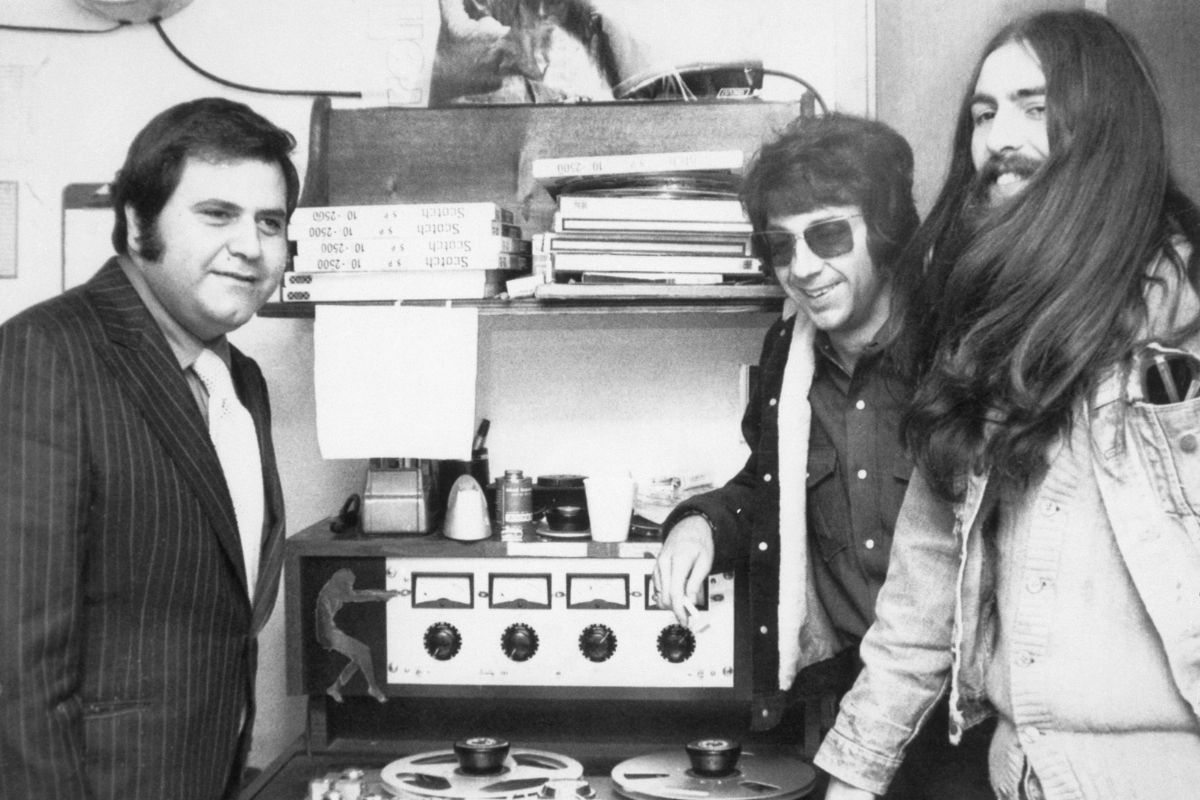
Phil Spector's Wall of Sound reached perhaps its grandest scale here. Triple albums were extravagant enough; filling them with huge ensembles, choirs, multiple guitarists and cavernous layers of reverb pushed things even further.
Fear, control, violence: the darkness behind Phil Spector's legendary 'Wall of Sound'
The production occasionally borders on overwhelming, but that's part of its majesty. Harrison's songs feel vast, spiritual and almost cathedral-like. It was an expensive vision - and one that transformed an ex-Beatle's backlog into arguably the finest solo album any of the four ever made.
Beatles albums ranked: all 13 Fab Four LPs, graded and rated
Here is 'Beware of Darkness', where the arrangement feels like it’s unfolding in a huge, echoing space: the organ swelling like stained‑glass light, the layered acoustics forming a kind of warm, resonant chamber, and Harrison’s voice sitting right in the centre like a quiet prayer.
Pics Getty Images
Top pic Steely Dan, 1977


