Bruce Springsteen had already written plenty of songs about people on the edge: factory workers, drifters, criminals, runaways and men who could see their lives slipping away but had no idea how to stop it.
But nothing quite prepared his audience for Nebraska. Released in 1982, Springsteen's sixth album was almost shockingly bleak – a collection of spare, haunted songs populated by murderers, fugitives, desperate fathers and people trapped by circumstances they cannot escape. There were no roaring guitars, no anthemic choruses and none of the romantic sweep of 'Born to Run'. Instead, Springsteen sounded as if he were whispering stories into the darkness.
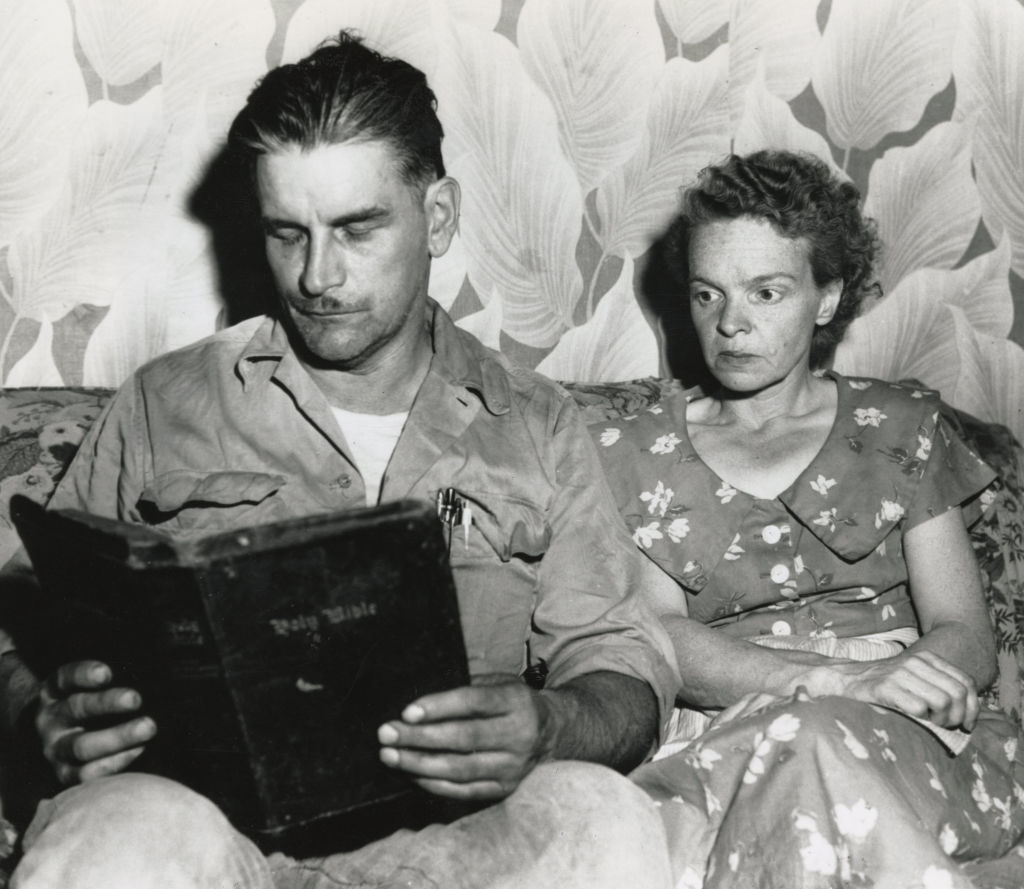
At the centre of it all was a real-life crime story that had horrified America almost a quarter of a century earlier: the 1957–58 murder spree of Charles Starkweather and Caril Ann Fugate. Eleven people died, most of them ordinary people with no connection to the teenage couple.
The killings became one of America's most notorious examples of seemingly senseless violence, and decades later Springsteen found in the story something more complicated than a tale of good and evil. He found a way of asking how a person becomes capable of such brutality – and what happens when the moral boundaries holding a life together simply disappear.
The killing spree
Charles Starkweather was 19 when the killings began. He had grown up in Lincoln, Nebraska, in an apparently ordinary family, but had developed a deep sense of resentment and alienation. He had been mocked at school for his appearance and speech impediment, and as a teenager he became increasingly fascinated by violence and convinced that society had somehow cheated him. His relationship with 14-year-old Caril Ann Fugate added another volatile element.
The first killing came on 30 November 1957, when Starkweather argued with Robert Colvert, a service-station attendant in Lincoln. Starkweather returned later with a shotgun, robbed the station and abducted Colvert, taking him to a rural road where he shot him dead. He had committed murder and got away with it. That, according to accounts of the case, gave him a sense of power.
The horror escalated two months later.
On 21 January 1958, Starkweather went to the Fugate family home. An argument broke out with Caril's mother, Velda Bartlett, over his relationship with her daughter. Starkweather killed Velda, her husband Marion Bartlett and Caril's two-year-old half-sister Betty Jean.
The exact role played by Caril became one of the most disputed questions of the entire case. Fugate maintained that she returned from school to find Starkweather waiting with a gun, that he told her her family was being held hostage and that he threatened her into obedience. Prosecutors argued that she was a willing participant. She maintained her innocence for the rest of her life.
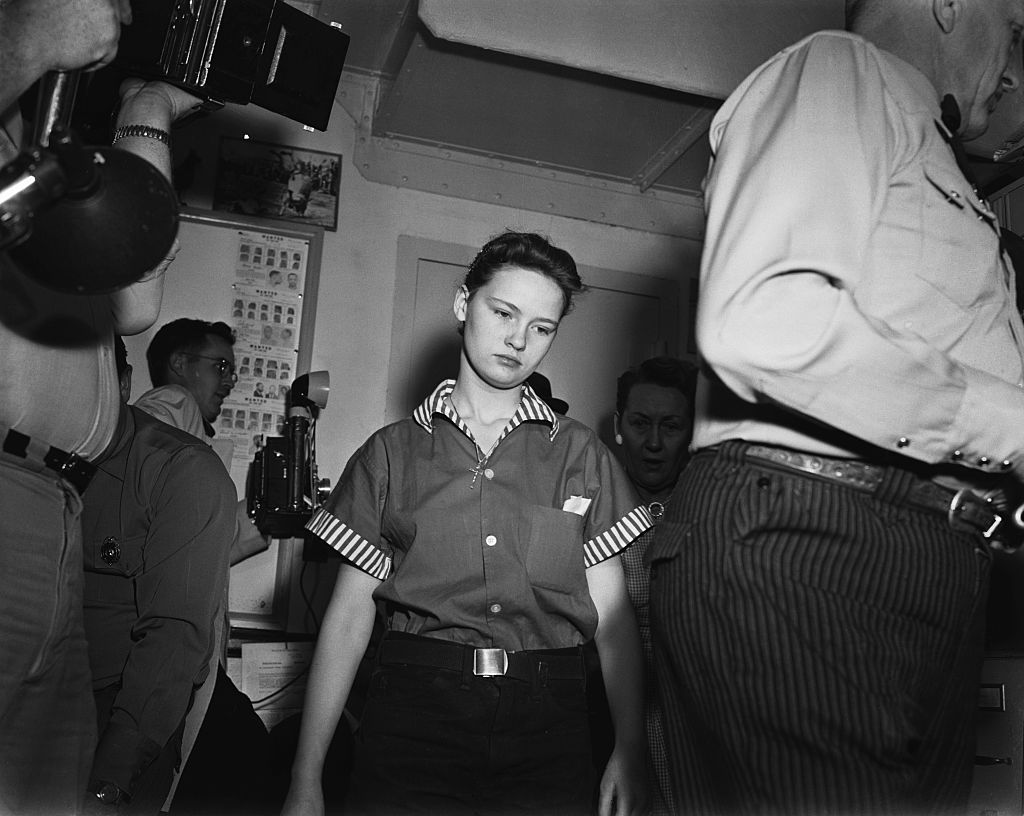
For the next several days, the pair remained in the house while relatives became increasingly suspicious. Then they fled.
Starkweather and Fugate embarked on a journey across Nebraska that seemed to have no coherent purpose beyond escape, money and survival. They killed 72-year-old August Meyer at his home. They then picked up two teenagers, Robert Jensen and Carol King. Jensen was shot repeatedly; King was shot and stabbed. The couple next entered the home of wealthy industrialist C. Lauer Ward, where Ward, his wife Clara and their housekeeper Lillian Fencl were killed.
By now Nebraska was in panic. Schools closed. Armed residents watched the streets. The National Guard patrolled Lincoln, while aircraft searched for the Wards' stolen Packard. Newspapers across America followed the manhunt, turning Starkweather into a new kind of celebrity: the teenage killer whose face and story were suddenly everywhere.
The final victim was travelling salesman Merle Collison, found sleeping in his car near Douglas, Wyoming. Starkweather wanted the vehicle. Collison resisted and was killed.
On 29 January, the fugitives were finally captured after Starkweather had trouble operating the parking brake on Collison's car. Eleven people were dead: one in 1957 and ten during the January 1958 spree.
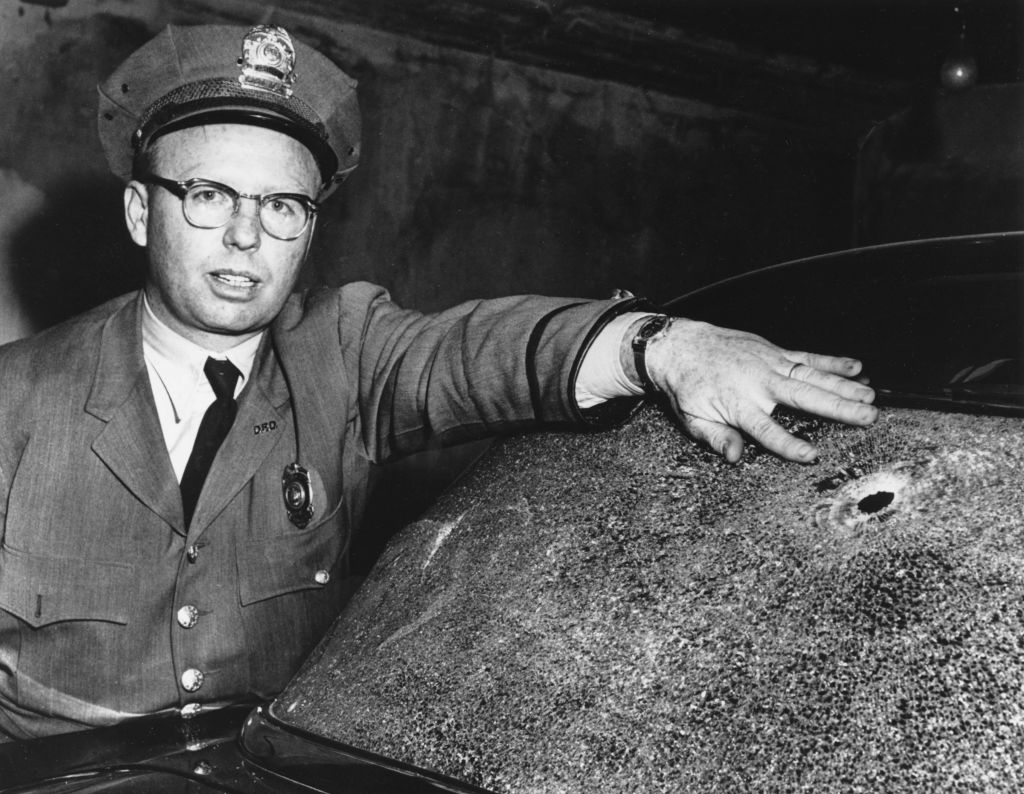
The aftermath
The case became a national obsession partly because it seemed to violate the comforting assumptions of 1950s America. This wasn't an organised crime syndicate or a political assassination. It was a young man from Middle America killing seemingly random strangers. The Nebraska Humanities Encyclopedia describes the case as helping to foreshadow the modern phenomenon of the spree killer, while contemporary coverage transformed Starkweather into a grimly fascinating national figure.
Starkweather was tried for the murder of Jensen and sentenced to death. He was executed in the electric chair at Nebraska State Penitentiary on 25 June 1959. Fugate was convicted of first-degree murder and sentenced to life imprisonment. She spent 17 years in prison before being paroled in 1976, continuing to insist that she had been Starkweather's hostage rather than his accomplice.
But the story refused to disappear.
It became part of America's emerging mythology of alienated young killers. Terrence Malick's 1973 film Badlands transformed the Starkweather story into a dreamlike meditation on teenage rebellion and violence. And almost a decade later, the same story would reach Bruce Springsteen.
Springsteen discovers Starkweather
Springsteen was living in Colts Neck, New Jersey, in 1981 when he happened across Badlands on television. The film's story of a young couple drifting across America after a series of murders immediately seized his imagination.
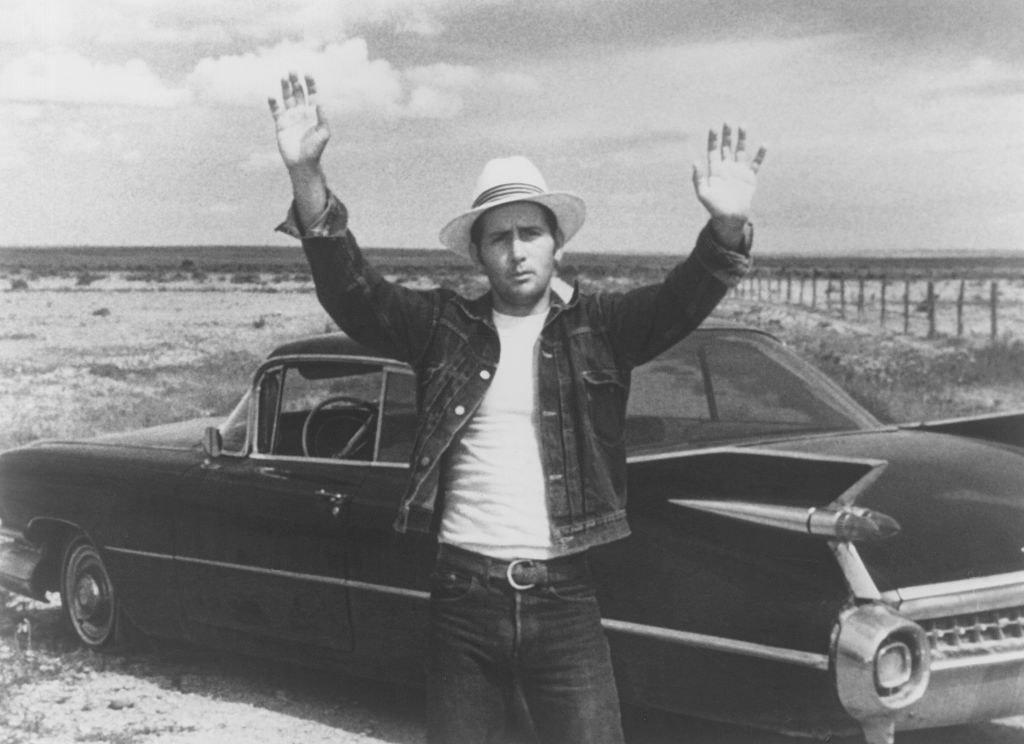
It wasn't simply the violence that interested him. Springsteen recognised something in Starkweather's sense of alienation – the feeling of being trapped somewhere, of wanting to escape without knowing where escape might lead. He subsequently read more about Starkweather and Fugate and even contacted a Nebraska journalist who had reported on the original case. She was still working at the newspaper. Their conversation helped focus the emotional territory Springsteen wanted to explore.
Springsteen later described what attracted him to the story in strikingly broad terms. Starkweather represented, he suggested, what could happen when nihilism became so overwhelming that society's moral and religious laws ceased to have meaning.
That distinction matters. Springsteen wasn't fascinated by Starkweather because he thought the killer was admirable. He was fascinated by the void surrounding him.
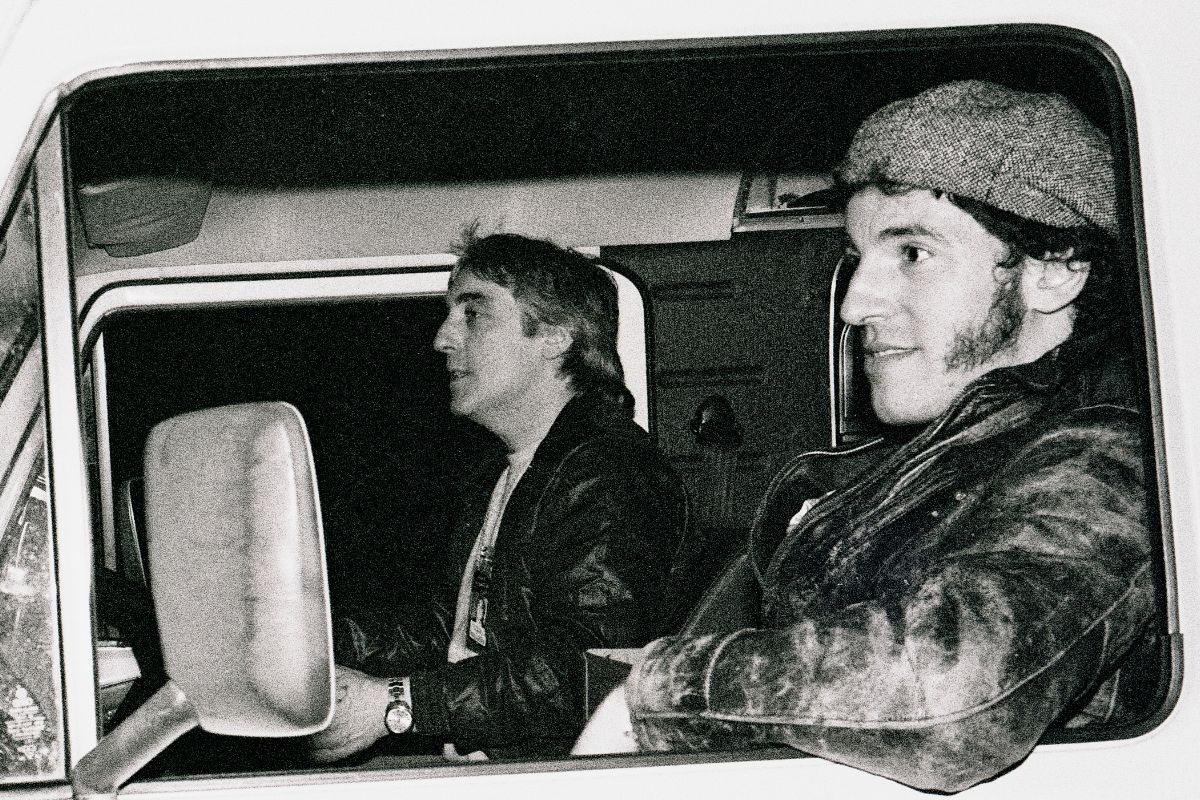
The shadow of Starkweather
The title track of Nebraska is Springsteen's direct response. The narrator is Starkweather himself, calmly recounting his crimes from death row. The most disturbing element is the song's lack of melodrama. There is no screaming, no musical explosion and no attempt to explain the inexplicable.
Instead, Springsteen gives the killer a flat, almost conversational voice.
That makes the song more chilling, not less. Starkweather isn't turned into a movie monster. He is presented as a human being who has done monstrous things – someone capable of love, fear, boredom and self-justification alongside murder.
The rest of the album expands that idea. 'Johnny 99' gives us another desperate man pushed towards violence. 'Highway Patrolman' turns a violent crime into a story about family loyalty and moral compromise. 'Reason to Believe' closes the record with a succession of apparently senseless human dramas, ending with the unsettling question of why people continue to believe in anything at all.
Springsteen's breakthrough had often involved making the ordinary sound mythic. On Nebraska, he did almost the reverse: he took the myth of the American outlaw and stripped away the glamour.
Even the recording itself contributes to the effect. Springsteen recorded the songs at home on a basic four-track cassette recorder, and the resulting sound was so stark and intimate that attempts to reproduce it with a full studio band failed. The demos became the album.
It was an extraordinary artistic decision. The Starkweather story had once filled newspapers, television reports and the national imagination with noise. Springsteen answered it with silence.
From mass murder to American folk song
That is ultimately what makes the connection between Starkweather and Nebraska so fascinating. The album isn't a true-crime record in any conventional sense. Only its title song directly retells the killings. But Starkweather gave Springsteen a doorway into a much larger subject: what happens to people who become disconnected from the society around them, and what happens when desperation hardens into violence.
The real Starkweather story had shocked America because the killer seemed to come from nowhere. Springsteen's Nebraska asks us to look more closely at that “nowhere”.
It doesn't excuse Starkweather. It doesn't redeem him. And it certainly doesn't romanticise what he did. Instead, it does something more unsettling: it makes us listen to the voice of a killer and try to understand the emptiness behind his actions.
More than twenty years after the murders, Springsteen took one of America's darkest crime stories and turned it into something almost impossibly quiet. The result was an album about violence that contains remarkably little musical violence – a record in which the greatest shocks happen between the notes.
And that may be the strangest legacy of all. Starkweather wanted notoriety. He got it. But decades later, it was Bruce Springsteen who gave his story a second life – not as a lurid tale of a teenage monster, but as a bleak American meditation on loneliness, nihilism and the terrifying distance between feeling lost and becoming lost forever.
Five more tracks inspired by true crime cases
The Boomtown Rats – 'I Don’t Like Mondays' (1979)
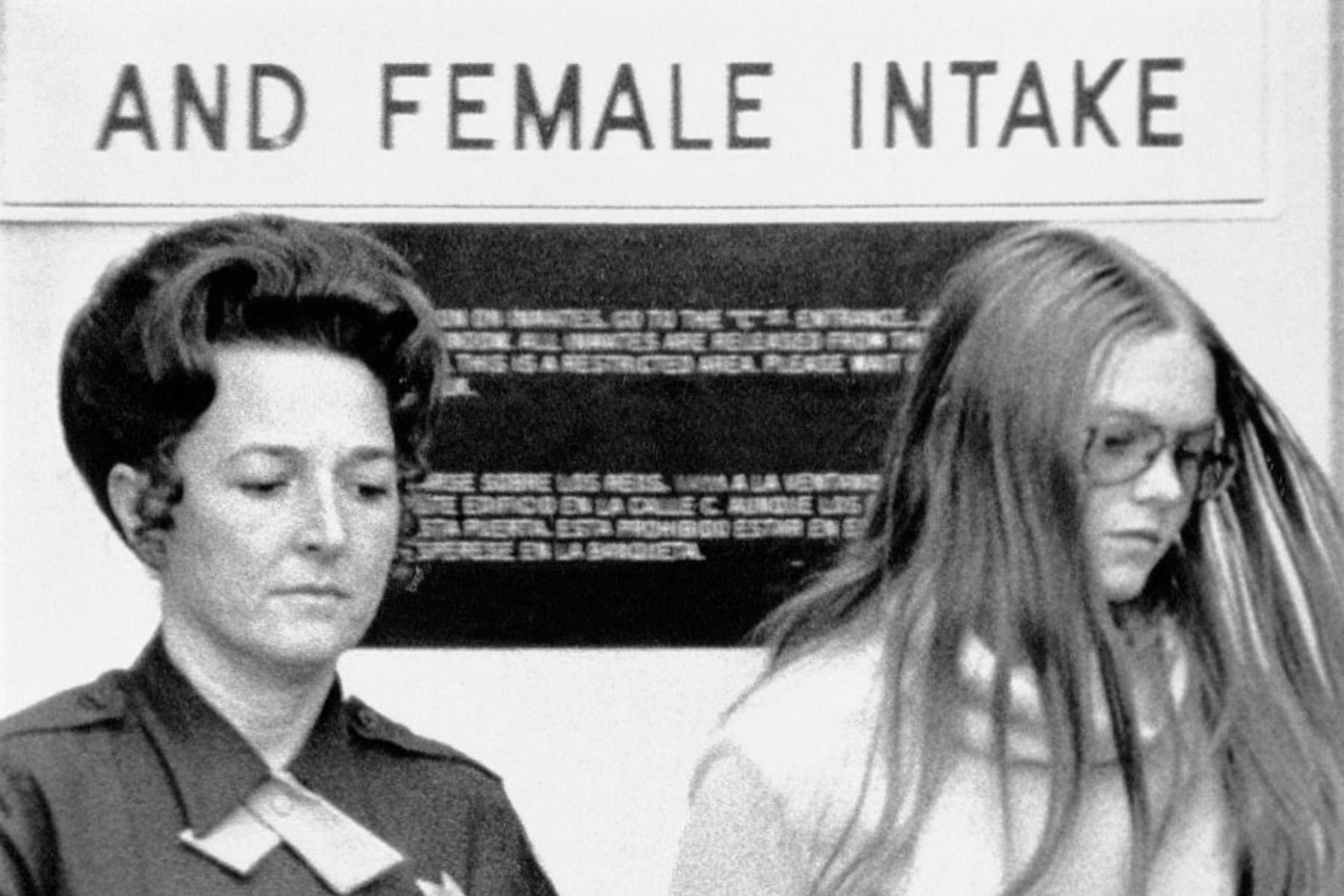
Bob Geldof turned one of America’s most shocking school shootings into a deceptively jaunty pop song. On 29 January 1979, 16-year-old Brenda Ann Spencer opened fire on children and adults at a San Diego elementary school, killing two people and injuring nine. When asked why, she reportedly replied, “I don’t like Mondays.” Geldof was fascinated by the chilling banality of the explanation, and built the song around the senselessness of the crime.
Nirvana – 'Polly' (1991)
One of the quietest songs on Nevermind was inspired by a horrifying real-life crime. In 1987, 14-year-old girl was abducted after attending a concert in Tacoma, Washington, by convicted rapist Gerald Friend, who subjected her to rape and torture before she escaped. Kurt Cobain read about the case in a newspaper and wrote 'Polly' from the perpetrator’s perspective. The unsettling narrative is deliberately devoid of empathy, turning a deceptively gentle acoustic song into a chilling portrait of sexual violence.
Bob Dylan – 'Hurricane' (1975)
Dylan’s Hurricane is a true-crime song with a difference: its subject was the man accused of murder, rather than the murderer. Boxer Rubin “Hurricane” Carter was convicted of a triple murder in New Jersey in 1966, in a case dogged by allegations of racism, police misconduct and unreliable testimony. After reading Carter’s autobiography and visiting him in prison, Dylan turned the case into a furious eight-minute protest song. Carter was eventually freed in 1985.
Sufjan Stevens – 'John Wayne Gacy, Jr.' (2005)
Stevens confronted one of America’s most notorious serial killers on this extraordinarily gentle song from Illinois. Gacy murdered at least 33 boys and young men during the 1970s, many of whom he buried beneath his Chicago-area home. Rather than simply recount the crimes, Stevens takes the disturbing route of contemplating the humanity behind the monster — ending with the uncomfortable suggestion that everyone has secrets hidden beneath the surface.
The Smiths – 'Suffer Little Children' (1984)
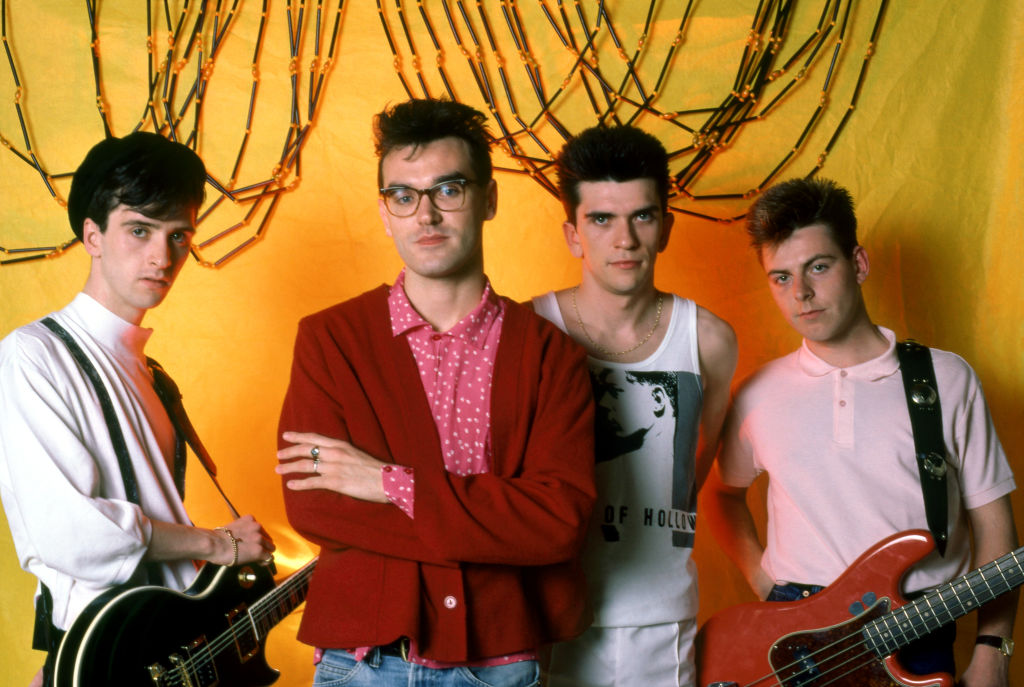
The Smiths’ devastating closer to their debut album was inspired by the Moors murders, in which Ian Brady and Myra Hindley murdered five children in and around Manchester in the 1960s. Morrissey grew up in the area while the crimes were still part of living memory, and the song’s mournful atmosphere is very different from the sensational treatment the case often received. It remains one of The Smiths’ most unsettling early songs.
Pics Getty Images