Every great rock career has a moment when the future suddenly looks uncertain.
An album flops. A band loses its way. The audience moves on. Sometimes, however, one song arrives at precisely the right moment and changes everything. It might be a comeback after personal tragedy, a radical reinvention, an unexpected collaboration or simply a huge chorus that reminds the world why an artist mattered.
AC/DC returned from the death of Bon Scott with ‘Back in Black’. Aerosmith were pulled back from the brink by Run-DMC. Johnny Cash found a whole new audience with ‘Hurt’. These weren't merely successful singles. They were career turning points – songs that restored momentum, rescued reputations or gave their creators an entirely unexpected second act. Here are 11 rock hits that arrived just in time.
1. AC/DC – ‘Back in Black’ (1980)
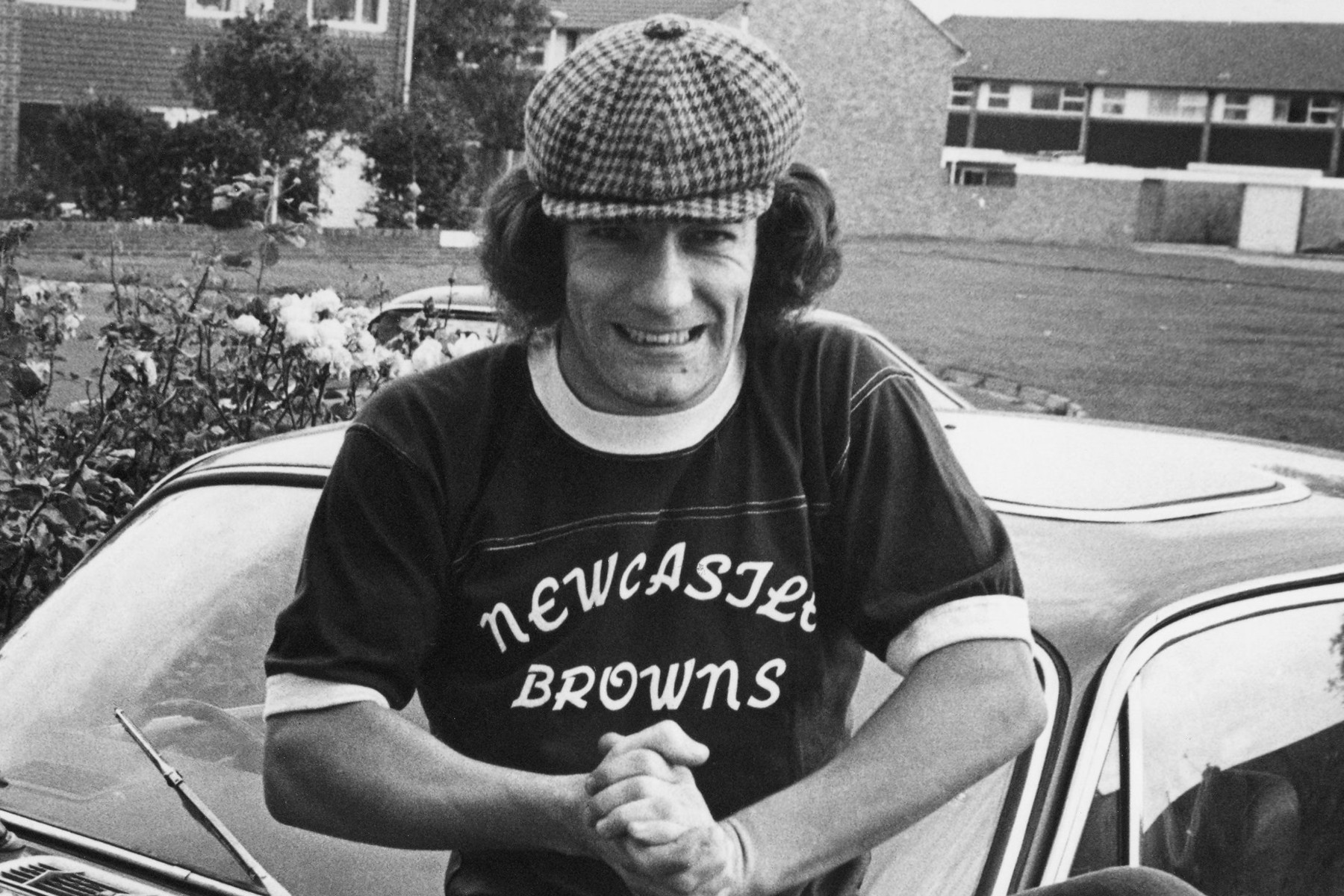
Few hits have ever saved a career more dramatically than ‘Back in Black’. After Bon Scott’s death in February 1980, AC/DC were shattered and unsure whether to continue. The band regrouped with Brian Johnson, wrote a tribute album, and delivered a title track that roared with defiance. ‘Back in Black’ became a global smash, the album became one of the biggest‑selling records in history, and AC/DC emerged stronger than ever. It didn’t just save their career – it resurrected it.
2. Aerosmith – ‘Walk This Way’ (Run‑DMC version, 1986)
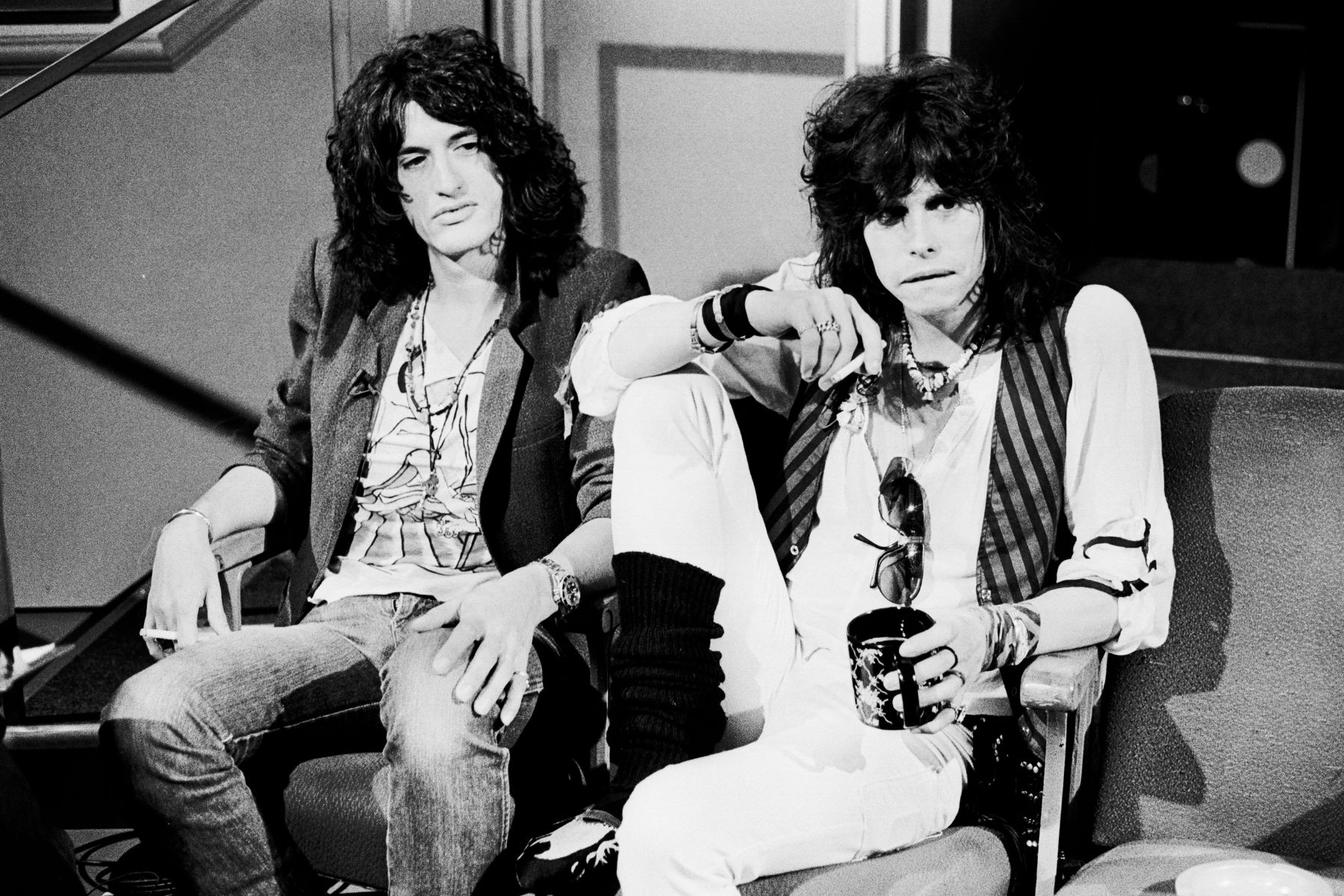
Aerosmith were finished. By the mid‑’80s, drugs, infighting and declining sales had gutted the band. Then Run‑DMC called. Their hip‑hop remake of ‘Walk This Way’ – with Steven Tyler and Joe Perry guesting – became a cultural earthquake.
It revived Aerosmith’s career overnight, reintroduced them to MTV, and made them relevant to a new generation. The collaboration didn’t just save them; it set up their late‑’80s and ’90s imperial phase, from Permanent Vacation to Pump. Without Run‑DMC, Aerosmith’s story might have ended in 1985.
3. Meat Loaf – ‘I’d Do Anything for Love (But I Won’t Do That)’ (1993)
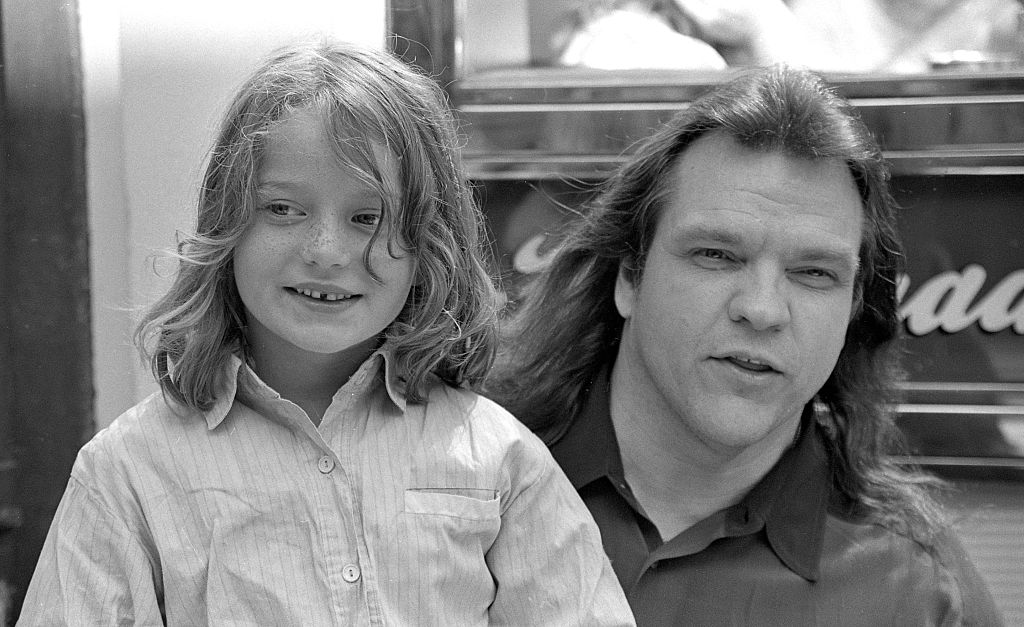
Meat Loaf had come an astonishing distance since Bat Out of Hell, but by the early 1990s his career was in serious trouble. Legal disputes with songwriter Jim Steinman, financial problems, vocal difficulties and a string of commercial disappointments had left the singer a shadow of his former self.
Then Steinman returned with another gargantuan power ballad. ‘I’d Do Anything for Love (But I Won’t Do That)’ became a global No. 1, won a Grammy and propelled Bat Out of Hell II to multi-million-selling status. Meat Loaf wasn't merely back: he had recreated the phenomenon that had made him a star in the first place.
4. Johnny Cash – ‘Hurt’ (2002)
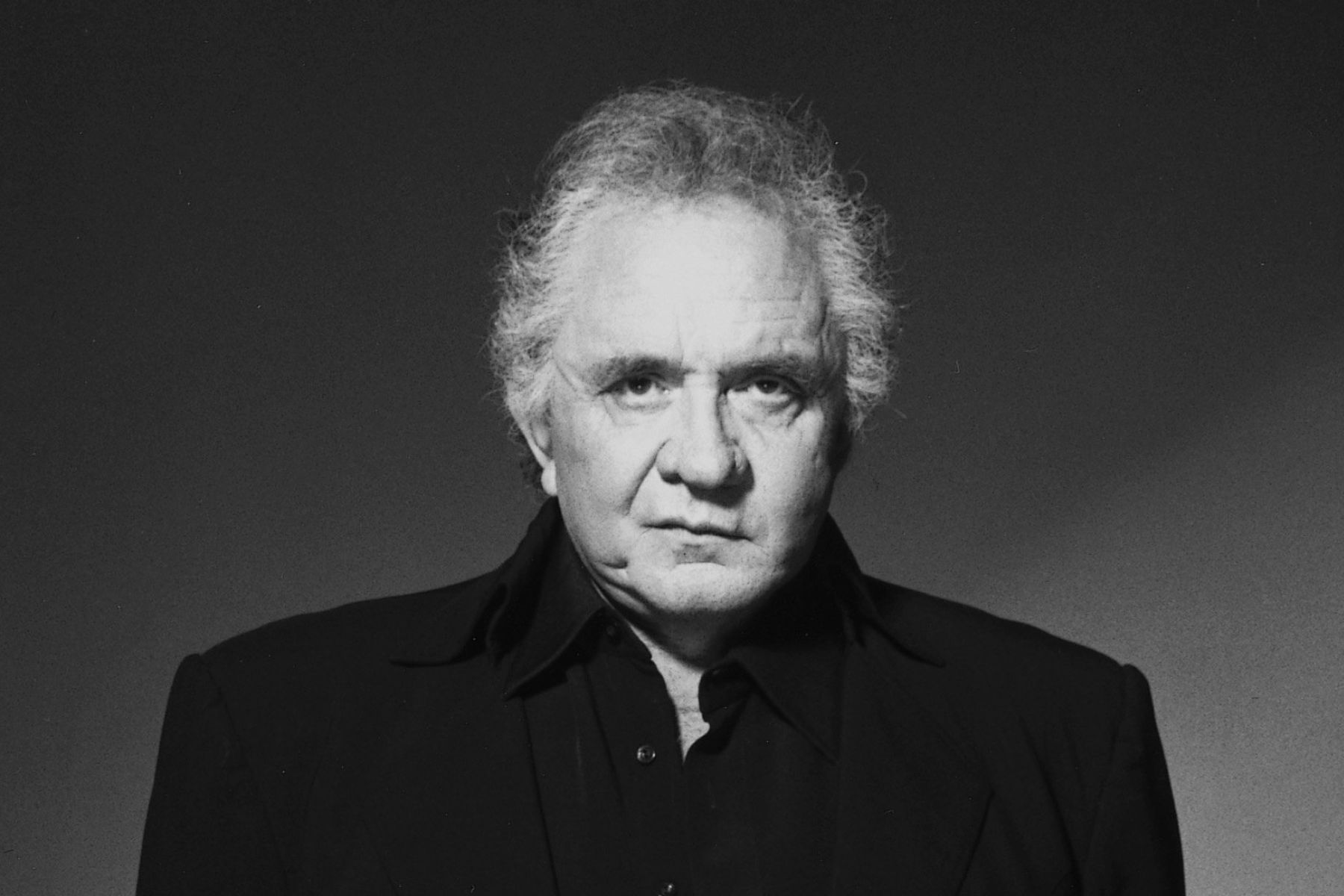
By the time Johnny Cash recorded ‘Hurt’, his best days as a commercial force seemed decades behind him. He remained an icon, but the mainstream music world had largely moved on. Then Rick Rubin gave him Nine Inch Nails' brutally intimate song to record, and everything changed.
Cash's frail voice and stark performance transformed ‘Hurt’ into something that felt less like a cover than a final reckoning with his own life. The accompanying video became a sensation, introducing Cash to a new generation and earning widespread critical acclaim. It didn't rescue a career that was literally over – Cash had remained prolific – but it rescued him from cultural irrelevance, turning an ageing legend into one of the most compelling figures in contemporary music again.
5. Cher – ‘If I Could Turn Back Time’ (1989)

Cher’s rock‑leaning ’80s output had stalled, leaving her hovering between nostalgia and reinvention. Then Diane Warren handed her ‘If I Could Turn Back Time’ – a towering, radio‑ready anthem with a chorus built for global domination. The song became a huge hit, re‑established Cher as a contemporary force, and set up the imperial phase that would later deliver ‘Believe’.
6. The Beach Boys – ‘Kokomo’ (1988)
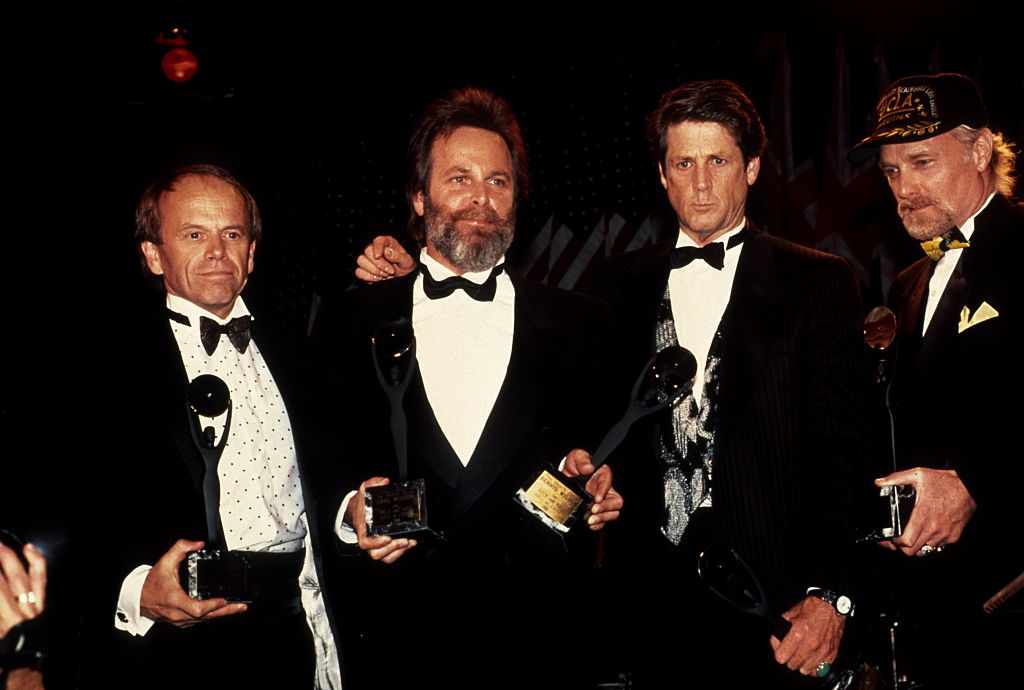
The Beach Boys had spent much of the 1980s as a nostalgia act, their classic records safely ensconced in rock history while the original group struggled to find a convincing place in contemporary pop. Then ‘Kokomo’ arrived almost out of nowhere. Written for the Tom Cruise film Cocktail, the breezy tropical single became the band's first US No. 1 and their biggest hit ever in America.
Suddenly, the Beach Boys weren't merely touring on memories: they had a brand-new generation of fans and a genuinely contemporary smash. ‘Kokomo’ didn't restore the group's artistic peak – nothing could – but it gave the band's commercial career a remarkable late-life jolt. For a band supposedly trapped in the past, they had somehow found the future.
7. The Kinks – ‘Lola’ (1970
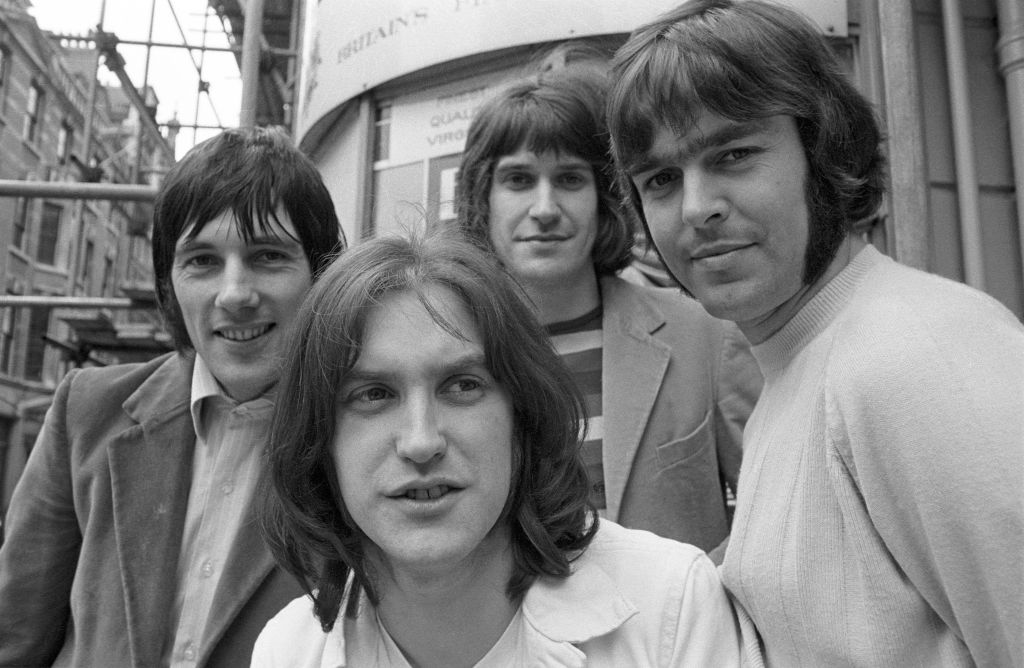
The Kinks were in trouble. After years of bans, label disputes and declining sales, they were drifting out of relevance. Then Ray Davies wrote ‘Lola’ – a witty, melodic, instantly memorable single that became a worldwide hit. It revived their fortunes, restored their chart presence, and opened the door to their early‑’70s renaissance. Without ‘Lola’, the Kinks might have faded into ’60s nostalgia. With it, they re‑entered the conversation.
8. Santana – ‘Smooth’ (1999)
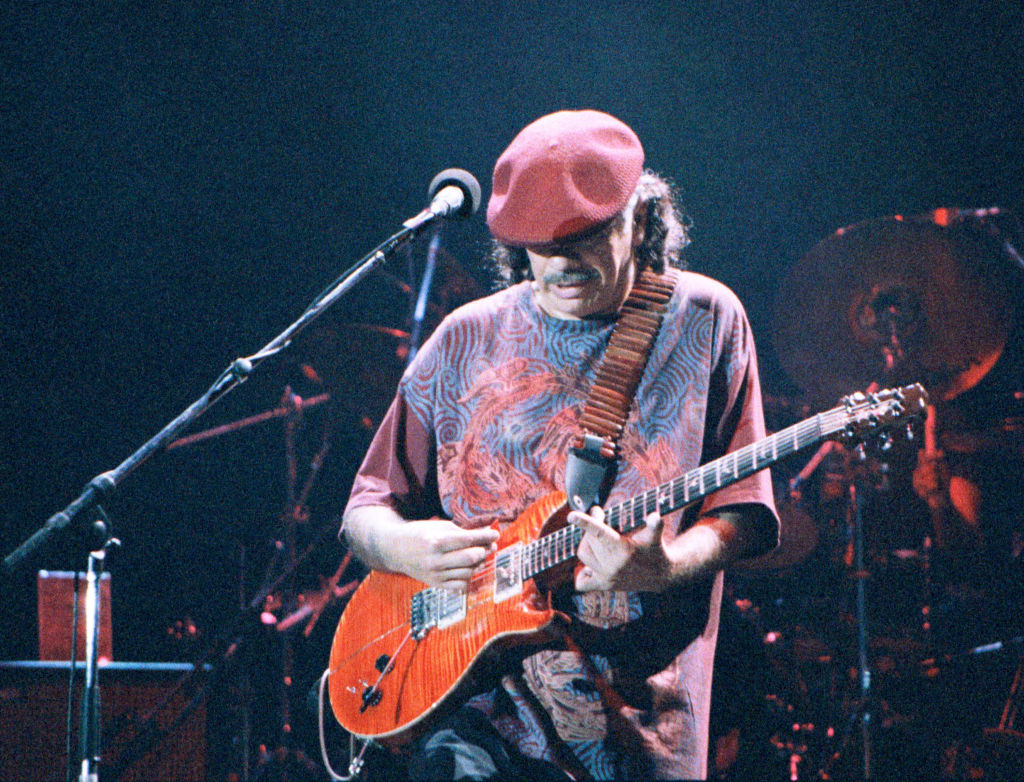
By the late ’90s, Santana’s commercial relevance had faded; he was a revered guitarist with little presence in contemporary rock. Then came ‘Smooth’, a collaboration with Rob Thomas that detonated across US radio. Its mix of Latin rock, pop sheen and irresistible chorus turned Santana into the biggest artist in America almost overnight.
The single topped charts for weeks, powered Supernatural to Grammy glory, and delivered one of the most dramatic late‑career revivals in rock history.
9. Tina Turner – ‘What’s Love Got to Do with It’ (1984)
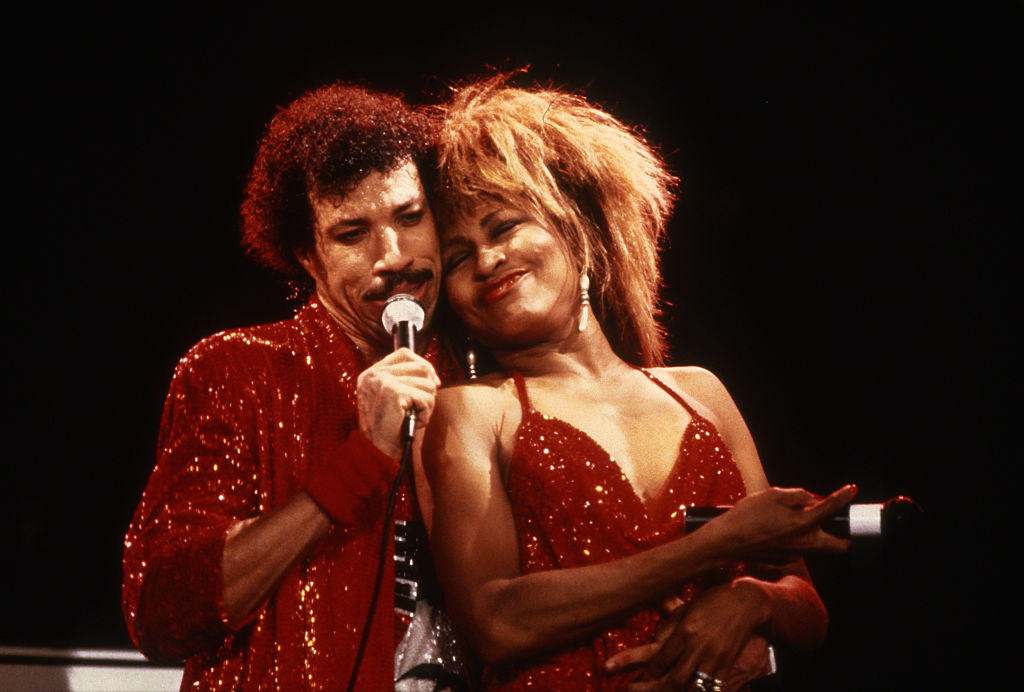
Tina Turner’s solo career had stalled. After years of struggle post‑Ike, she was playing cabaret circuits and small venues. Enter ‘What’s Love Got to Do with It’: a sleek, modern pop‑rock track that became her first US Number 1 and the song that launched her into superstardom. It didn’t just save her career; it reinvented it entirely, turning her into one of the defining artists of the ’80s.
And then there's the case of...
Bruce Springsteen – ‘Born to Run’ (1975)
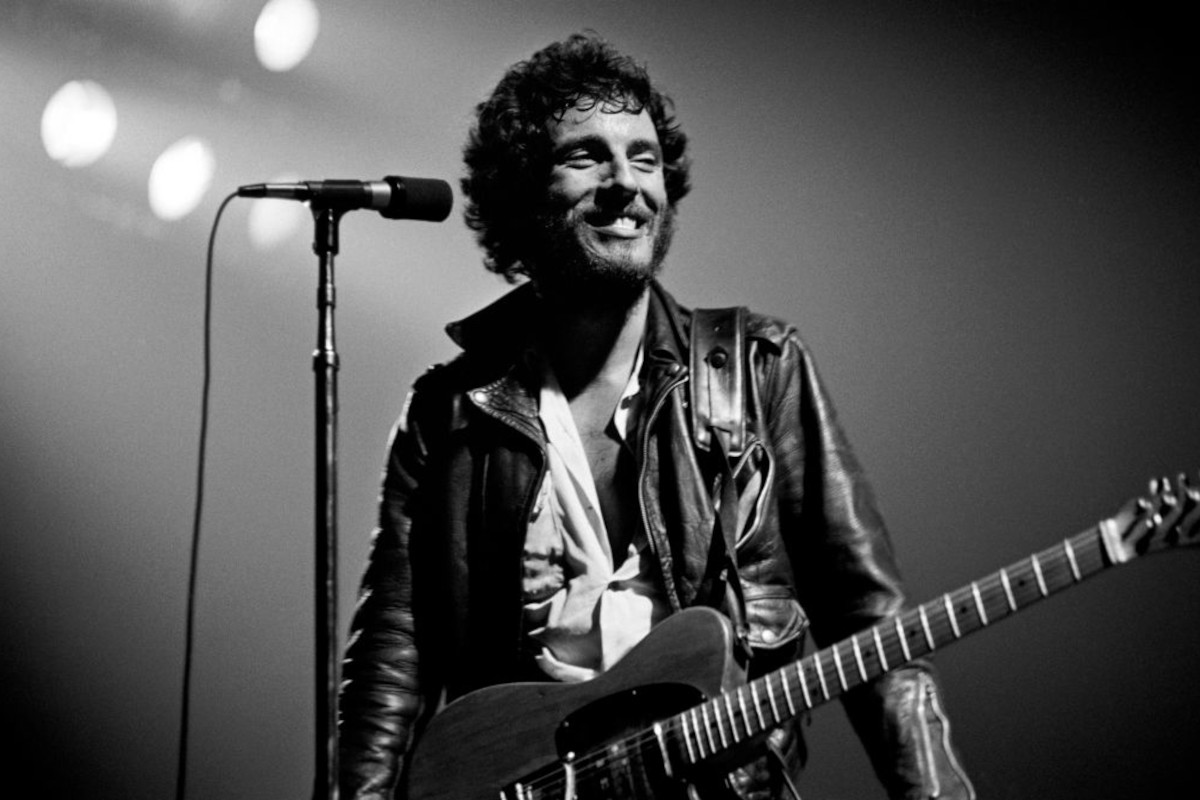
Before ‘Born to Run’, Springsteen was on the brink. Two albums in, Columbia Records were losing patience, sales were modest, and the “new Dylan” tag was becoming a burden. Then came the title track of his third album – a widescreen, cinematic explosion of ambition that changed everything overnight.
Radio embraced it, critics raved, and suddenly Springsteen was on the covers of Time and Newsweek in the same week. The song didn’t just save his career; it redefined it, giving him the momentum to build one of rock’s most enduring legacies. Without ‘Born to Run’, Springsteen might have been a footnote. With it, he became a phenomenon.
Pics Getty Images