
In the world of music, popularity is often a poor metric for power.
There is a specific class of artist known as the 'musician's musician': bands that laboured in relative obscurity, played to empty basements, and watched their contemporaries climb the charts while they struggled to pay rent. Yet, these are the bands that truly shifted the tectonic plates of culture.
This listicle explores 21 cult icons – from the 'motorik' grooves of Can and the proto-punk honesty of The Modern Lovers to the math-rock blueprints of Slint. We delve into the forgotten genius of Death, the 'lovable loser' sincerity of The Replacements, and the DIY defiance of The Raincoats. These are the bands whose influence acts as a secret DNA, winding through the greatest hits of the mainstream.
Cult bands: a roll call of honour
1. The Replacements
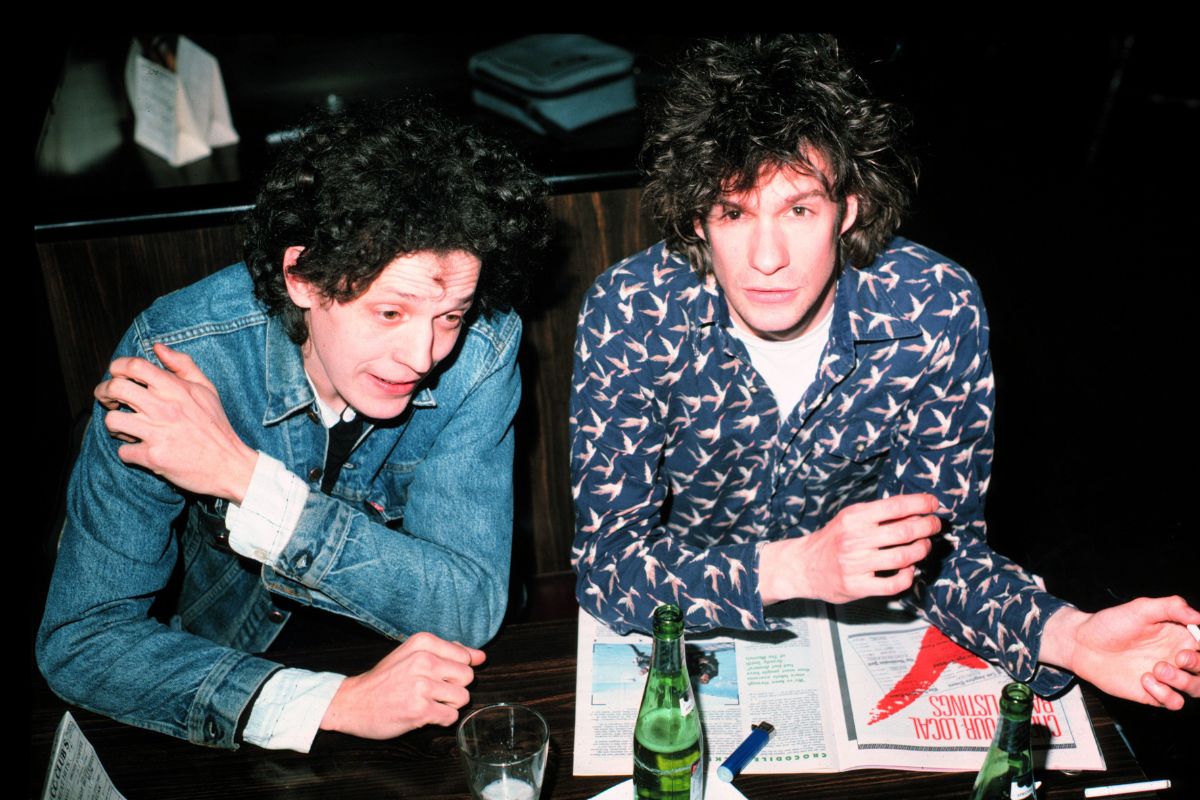
The Replacements were the definitive 'lovable losers' of the 1980s American underground. Too messy for the mainstream and too soulful for the hardcore punk scene, they specialized in a brand of ragged, chaotic sincerity. Their influence outweighs their fame because they provided the emotional blueprint for the alternative boom of the 90s.
Paul Westerberg’s songwriting balanced bratty rebellion with devastating vulnerability, teaching bands like Nirvana, Goo Goo Dolls, and The Hold Steady that you could be a mess and a poet simultaneously. They remain the patron saints of every band that has ever self-sabotaged through sheer chaos.
2. Can
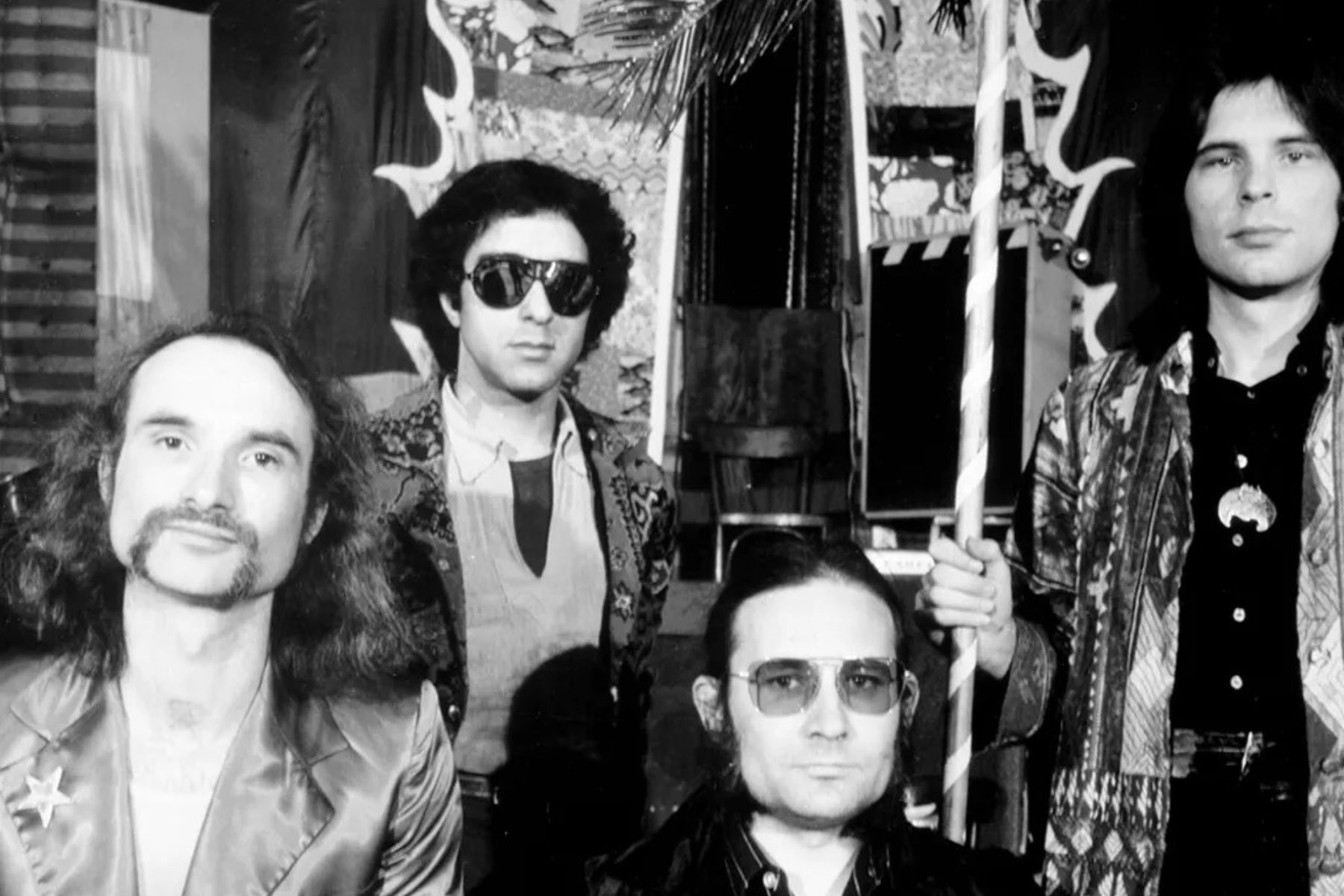
While they never charted, this German collective essentially redesigned the rhythm section for the modern era. Eschewing traditional blues-rock structures, Can pioneered 'Motorik' beats: hypnotic, repetitive, and forward-thrusting rhythms that blurred the line between organic drumming and machine-like precision.
Their influence is a massive undercurrent in music history; without their experiments in ambient textures and long-form improvisation, David Bowie's atmospheric Berlin Trilogy, the industrial clatter of Nine Inch Nails, and the rhythmic complexity of Radiohead would likely not exist. Can turned the recording studio into an instrument, proving that rock could be avant-garde, funky, and alien all at once.
3. Bad Brains
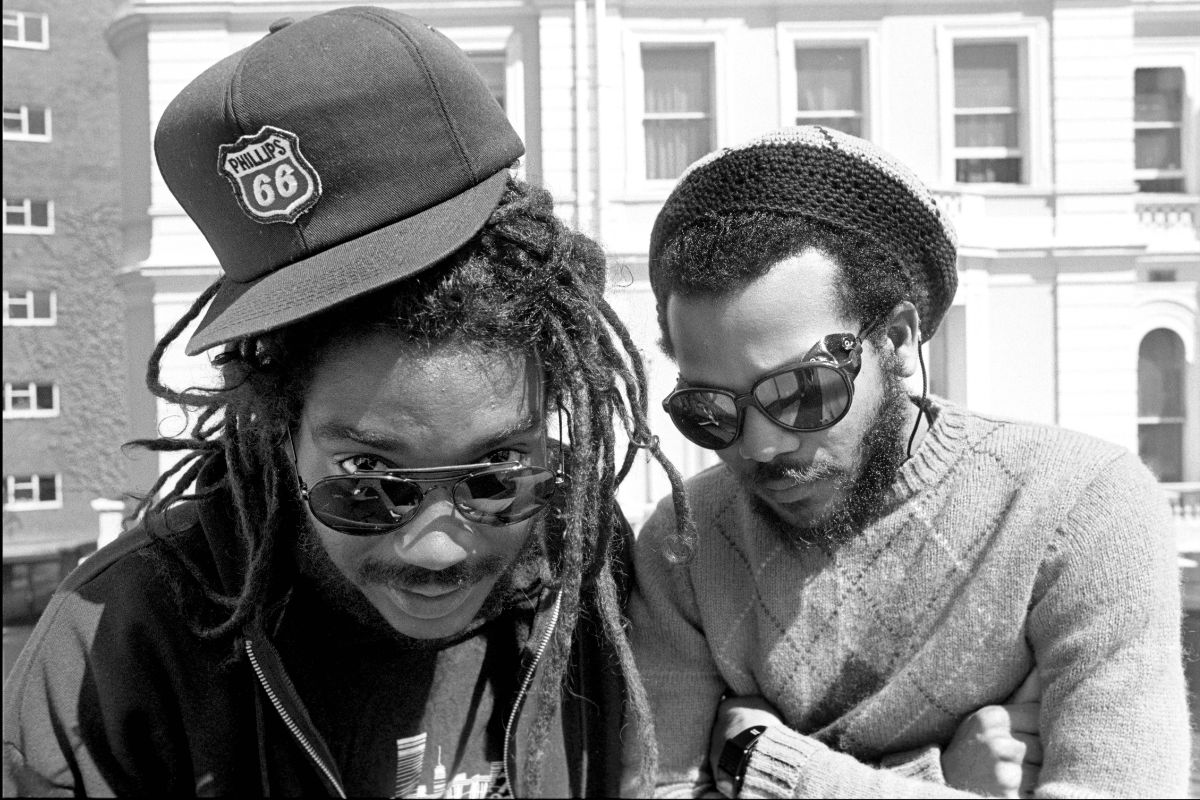
These days, we’re used to seeing black musicians playing hard rock. But back in the late seventies and early eighties, this was considered a novelty and such bands tended to be patronised by the press, when they weren’t completely ignored. Nonetheless, Washington DC’s Bad Brains proved hugely influential on the alternative/thrash/funk-metal scenes as well as hardcore punk, with bands such as the Red Hot Chili Peppers, Faith No More and Living Colour citing them as an influence.
Actually, Bad Brains tend to alternate rock and reggae rather than mixing the two, but the result is pretty potent just the same. That said, promoters really don’t seem to know what to do with the band.
4. The Melvins
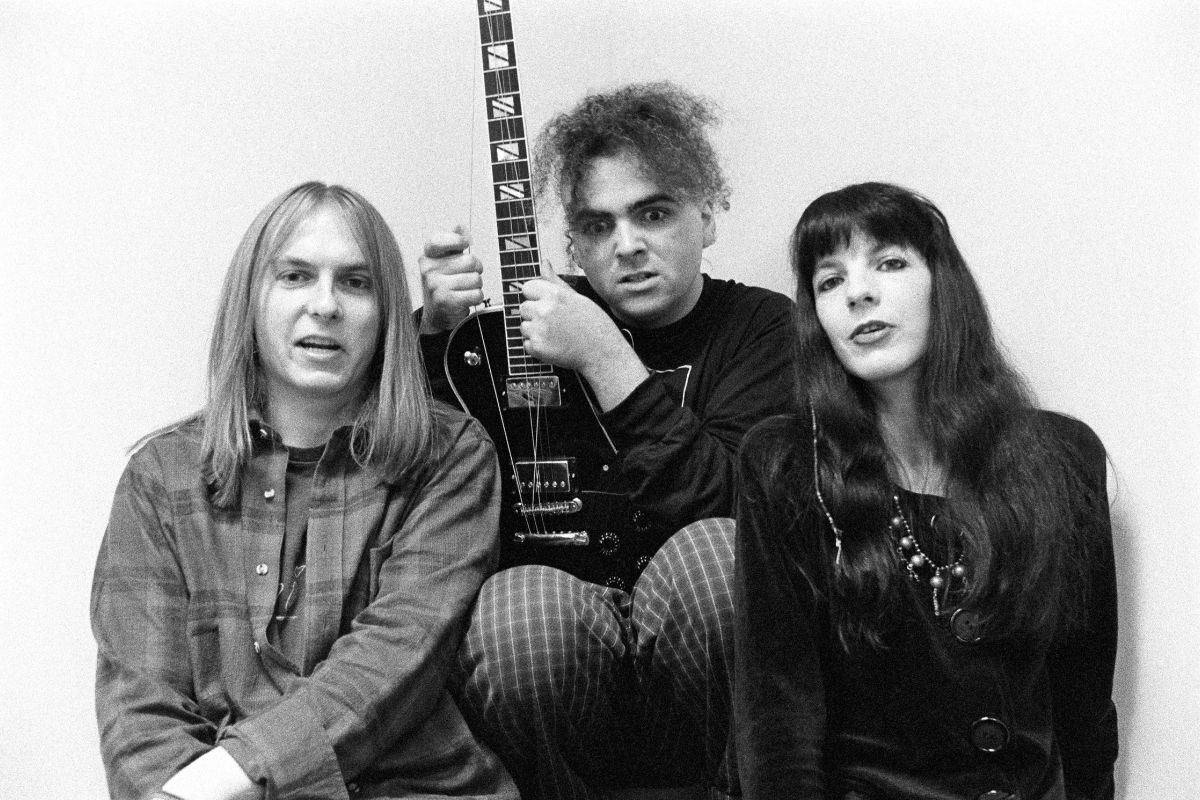
Founder Buzz Osborne’s shock of curly hair might be a distinguished shade of grey these days, but he’s still out there, still rocking. The Melvins were formed way back in 1983 and have been cited as an influence by virtually every grunge and sludge metal band of significance, as well as many acts outside these genres. If they’re dissatisfied by their status as an act to be found in clubs or lower down on festival bills there’s no obvious sign of it.
5. The Modern Lovers
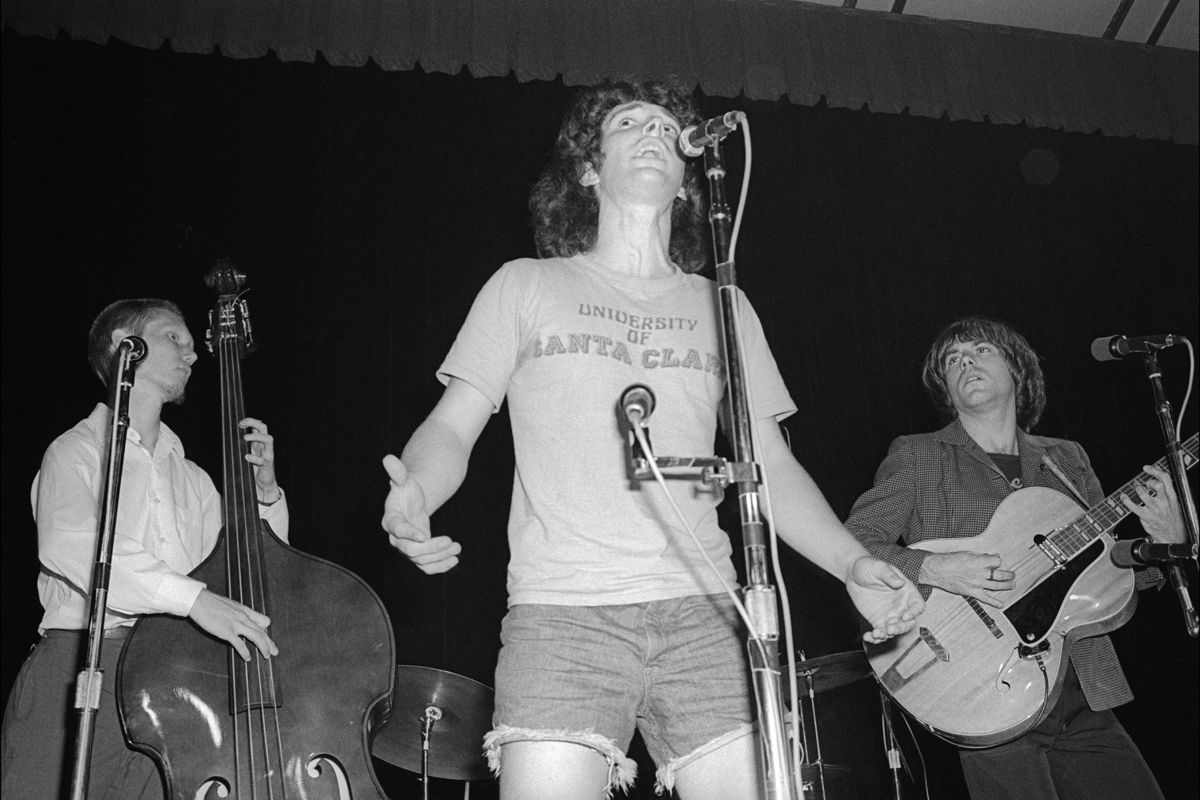
While the 1970s mainstream was preoccupied with prog-rock excess and glittery glam, Jonathan Richman and The Modern Lovers were stripping music back to its skeletal, velvet-clad heart. Their self-titled debut (recorded in 1972 but released in 1976) is the missing link between the art-drone of The Velvet Underground and the snarling birth of punk. Influence wise, they are monumental; 'Roadrunner' is essentially the blueprint for the entire garage rock and proto-punk sound, proving that two chords and a persistent organ drone could be as evocative as a symphony.
The band’s influence far outweighs their fame because they pioneered the 'awkward-is-cool' aesthetic. Richman’s lyrics rejected the era's drug-fuelled cynicism in favour of a naive, earnest romanticism and a love for old world values. This geek-rock vulnerability paved the way for the quirky sincerity of Weezer, the minimalist grit of The Cars (whose leader, Ric Ocasek, was a massive fan), and the entire twee and C86 indie-pop movements in the UK. They proved that you didn’t have to be a leather-clad tough guy to be a revolutionary.
Here's the seminal 'Roadrunner' (and a wonderful trip through 1972 Boston):
6. Big Star
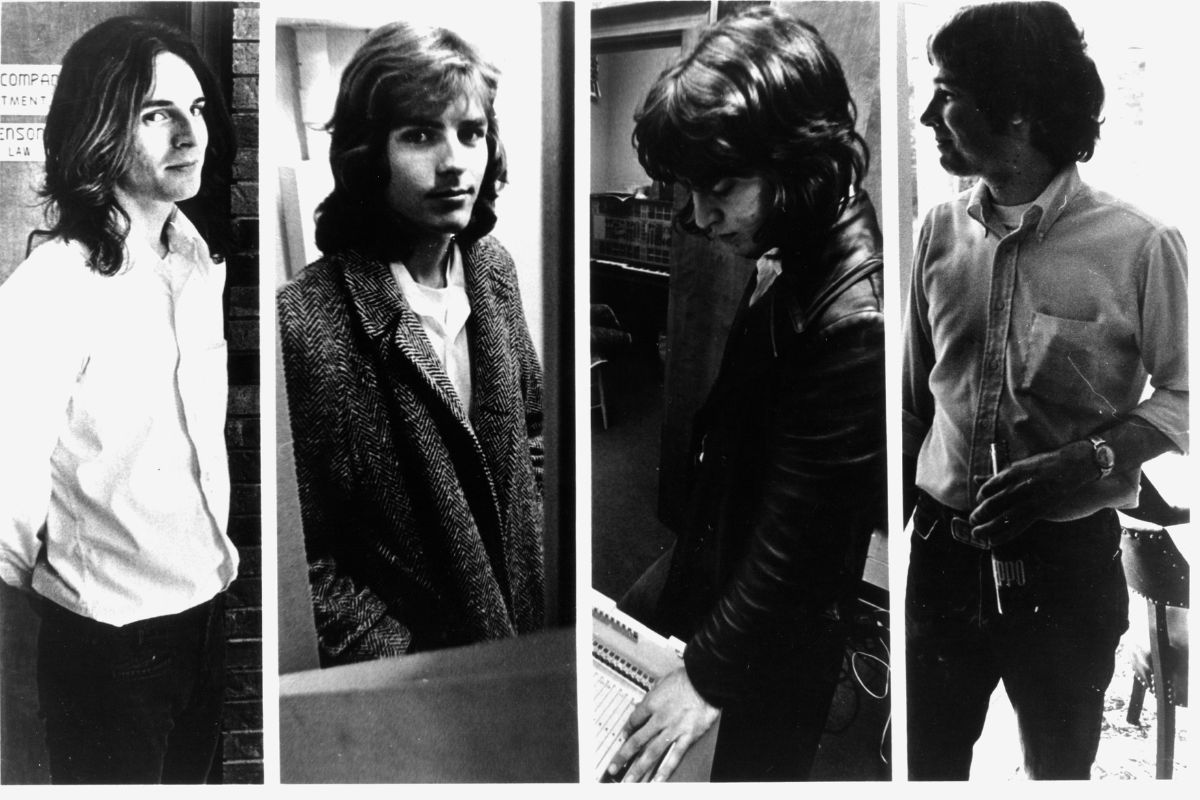
It remains one of rock's great injustices that Big Star never became stars at all. Hampered by poor distribution and bad luck rather than a lack of quality, the Memphis quartet crafted three albums of immaculate power pop that balanced Beatles-esque melodies with aching emotional honesty.
Alex Chilton's bittersweet songwriting became the blueprint for generations of alternative musicians, influencing everyone from R.E.M. and The Replacements to Teenage Fanclub, Wilco and Elliott Smith. If you've ever loved a jangly guitar band with a melancholy streak, chances are you've already heard Big Star's DNA.
7. Television
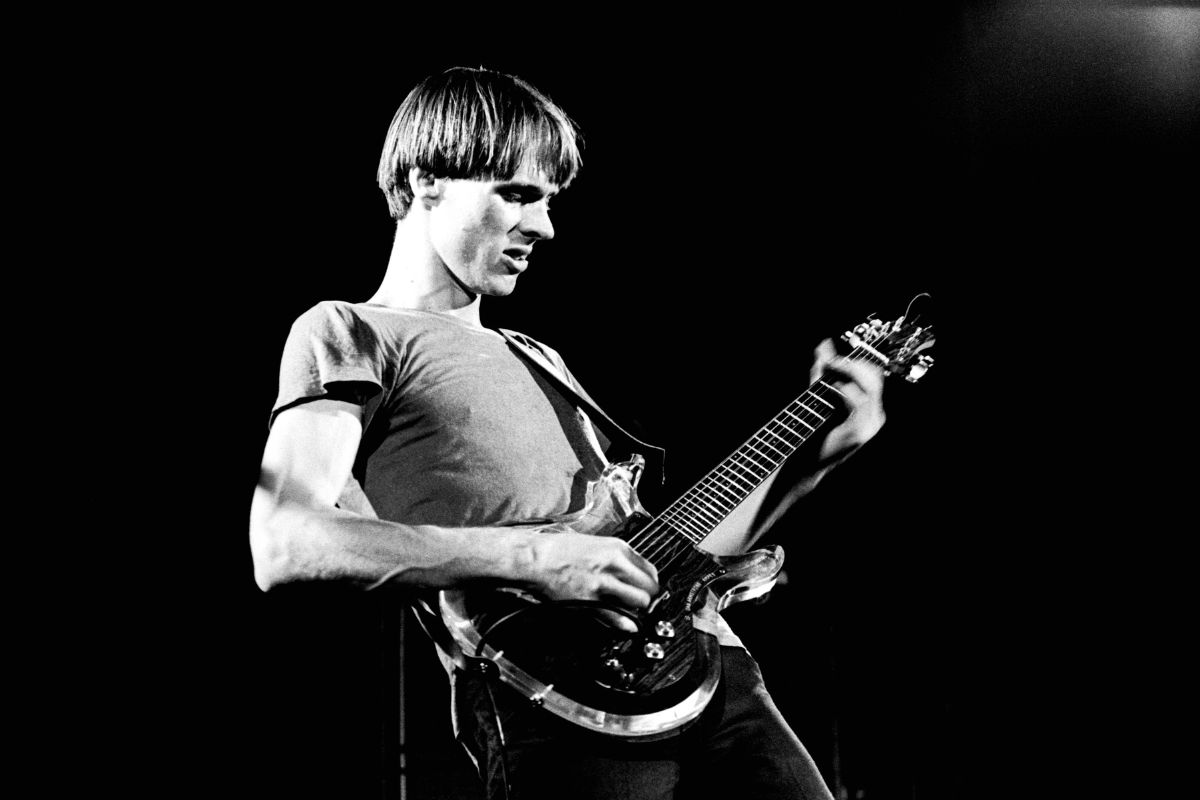
At a time when punk was stripping rock back to its basics, Television proved it could also be sophisticated. Their landmark 1977 debut Marquee Moon combined the urgency of punk with intricate, interlocking guitar lines and lengthy, jazz-like improvisations, creating a sound unlike anything else in New York.
Commercially, they barely made a dent, but their influence has echoed for decades. You can hear Television's shimmering twin-guitar interplay and cool intellectualism in everyone from R.E.M. and U2 to Sonic Youth, The Strokes and Interpol.
8. The Raincoats
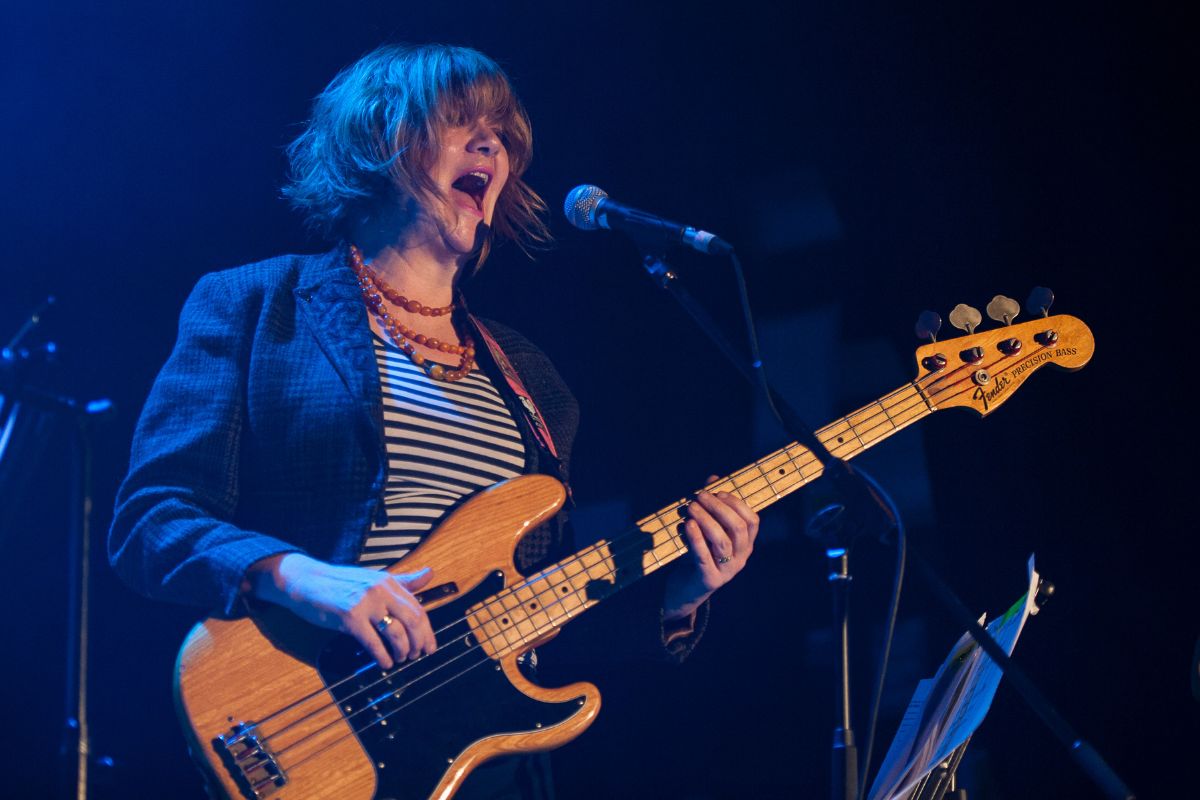
The Raincoats were the antithesis of the 'macho' punk posturing of the late 70s. As a cornerstone of the Rough Trade label, they created music that was shambolic, scratchy, and fiercely creative. They didn't care about traditional virtuosity; instead, they used violins, unconventional rhythms, and feminist perspectives to deconstruct pop music.
Their influence became a matter of public record when Kurt Cobain famously cited them as one of his favourite bands, but The Raincoats' impact goes deeper. They pioneered the D.I.Y. aesthetic that paved the way for Riot Grrrl acts such as Bikini Kill, Bratmobile and Sleater-Kinney, while their off-kilter charm and lo-fi spirit echoed through later indie bands including Beat Happening, The Softies, Tiger Trap, Belle and Sebastian and Camera Obscura.
9. Slint
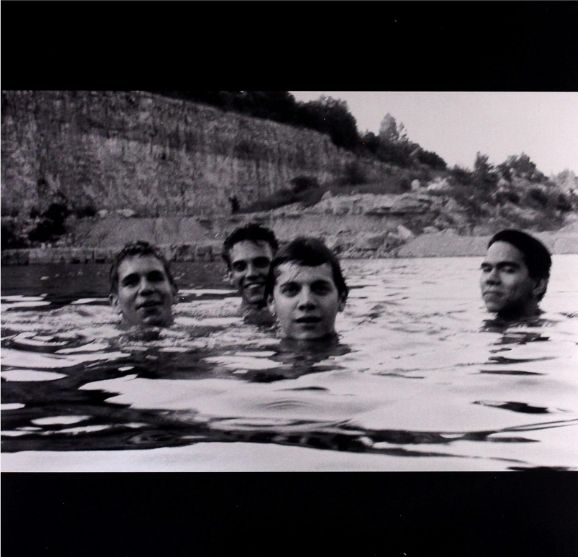
With just one seminal album, 1991’s Spiderland, this Kentucky quartet invented 'post-rock'... and then promptly broke up. Their influence is purely architectural; they moved away from the verse-chorus-verse of grunge, focusing instead on tense, spoken-word narratives, odd time signatures, and explosive dynamics.
Every band that uses a 'quiet-to-loud' crescendos or mathematical guitar interplay – from Mogwai to Explosions in the Sky – owes a debt to Slint. They transformed rock into something cinematic and architectural, proving that silence and tension could be more terrifying and impactful than a distorted wall of sound.
10. Death
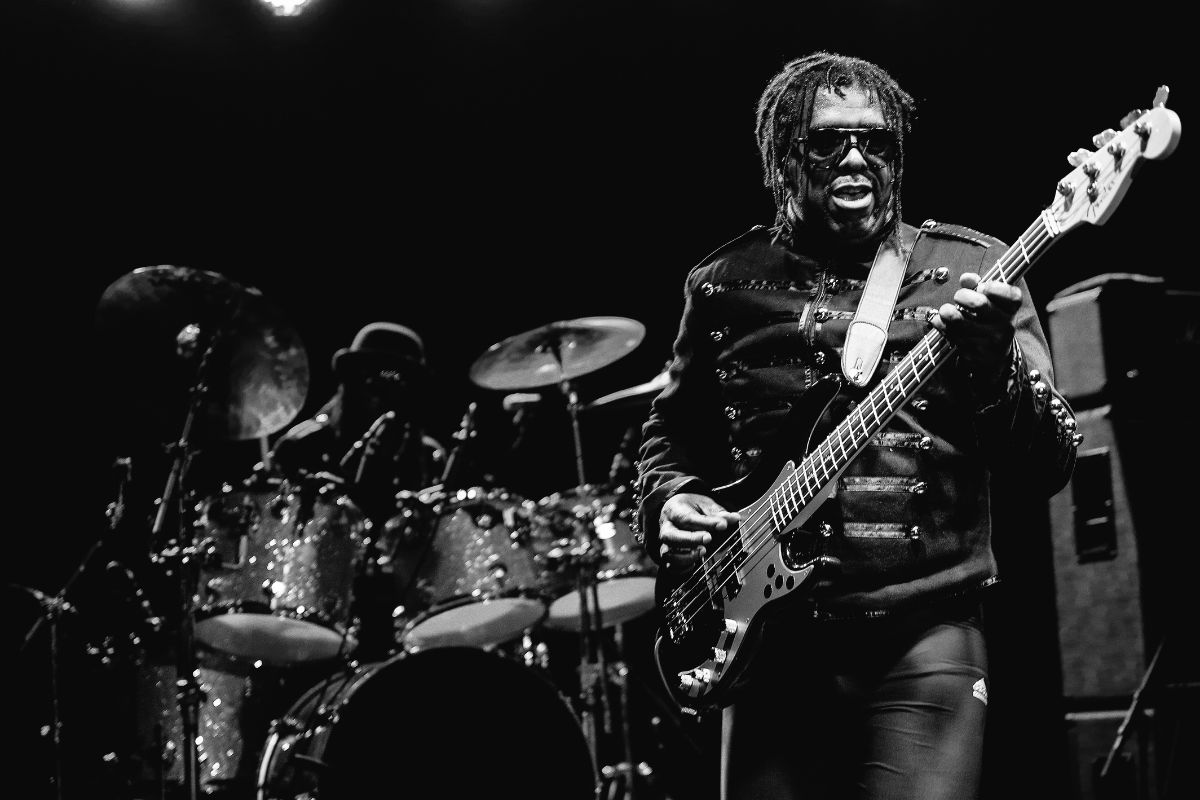
A trio of brothers from Detroit, Death played blistering, high-velocity proto-punk a couple of years before the Sex Pistols ever picked up instruments. Because they were an all-Black band playing 'white' rock music and refused to change their 'unmarketable' name, their 1975 master tapes sat in an attic for over thirty years.
Death's late-blooming fame is a testament to their visionary sound: they were tighter, faster, and more technical than the punks who followed. Since their rediscovery in 2009, they have become a symbol of uncompromising artistic integrity, influencing a new generation of punk and metal bands who value speed and social consciousness.
11. Spacemen 3
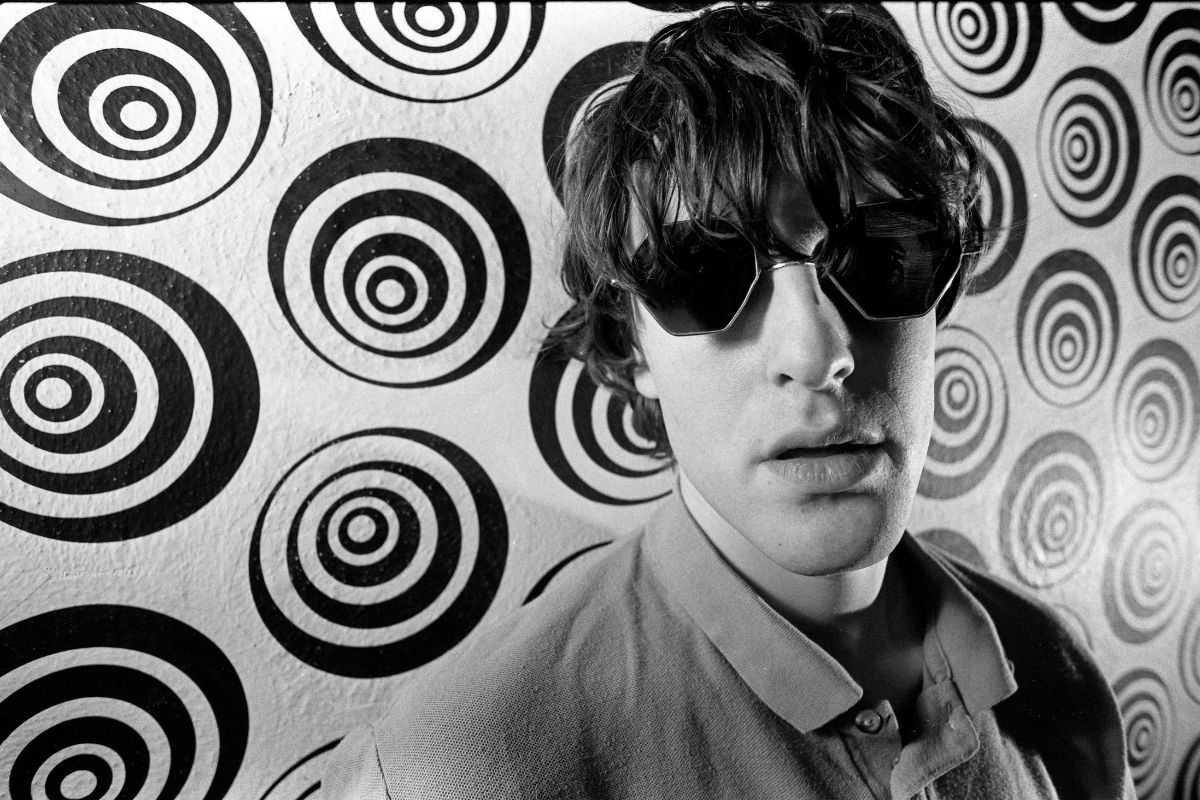
Founded on a philosophy of minimalist, hypnotic repetition, Warwickshire, England's Spacemen 3 rejected the flashy, synth-pop artifice of the 1980s. Instead, they embraced a minimalist, guitar-driven drone that felt like a religious experience. Their influence far outweighs their modest record sales; they laid the groundwork for the entire shoegaze movement and the space rock revival.
By focusing on a single chord for ten minutes and layering it with tremolo and feedback, Spacemen 3 taught bands like My Bloody Valentine and Spiritualized (founded by S3 founder Jason Pierce) that repetition is a form of transcendence.
While never commercially successful in America, meanwhile, they became college radio favourites and iunfluenced a generation of US psychedelic and alternative acts including The Brian Jonestown Massacre, The Icarus Line, and Ink and Dagger.
12. The Pretty Things
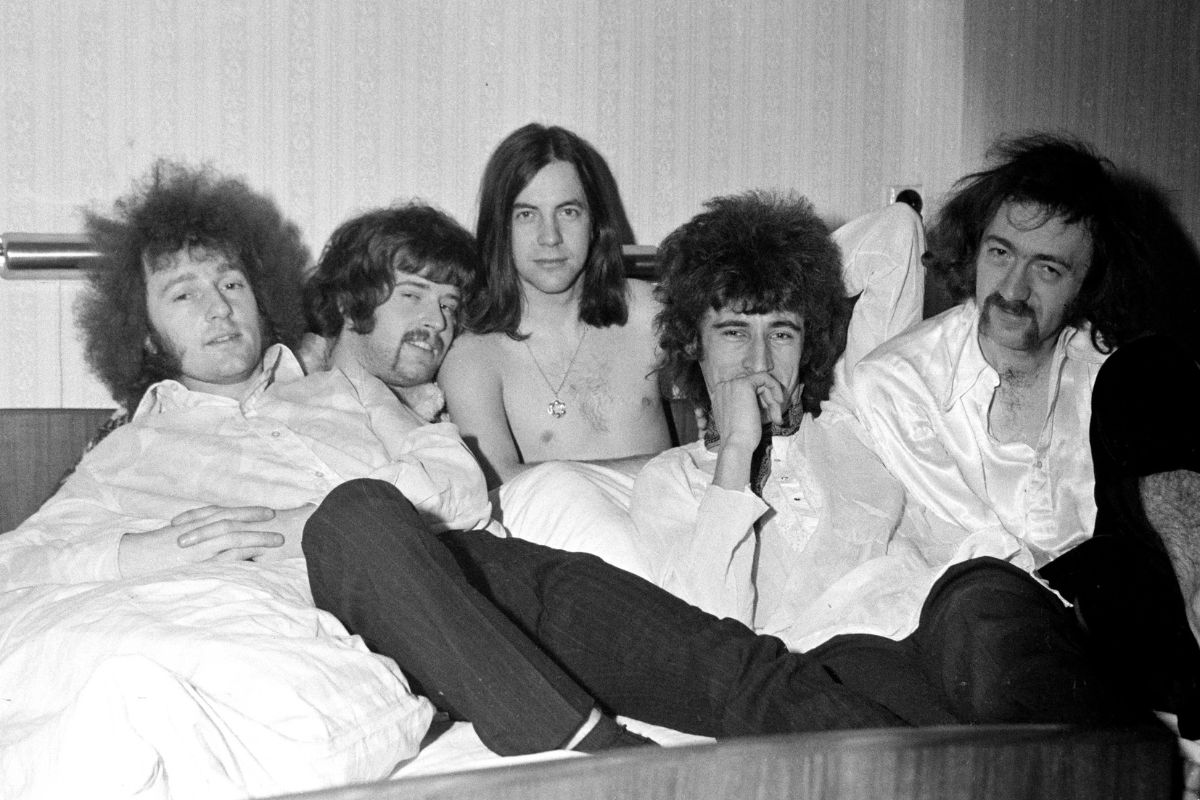
Contemporaries of the Stones, who started out in the same early 60s blues scene before branching out to produce the what’s claimed to be the first ‘rock opera’ (the evocative S.F. Sorrow), the Pretty Things were plagued by bad luck and poor management which meant they never achieved the success they deserved.
The band was formed in 1963 by vocalist Phil May and guitarist Dick Taylor (who’d just left the Stones) and were quick to embrace psychedelia. Many musicians passed through the Pretty Things’ ranks, including drummer Twink, who later wound up in the Pink Fairies. They staggered on until they finally split in 2018.
13. Blue Cheer
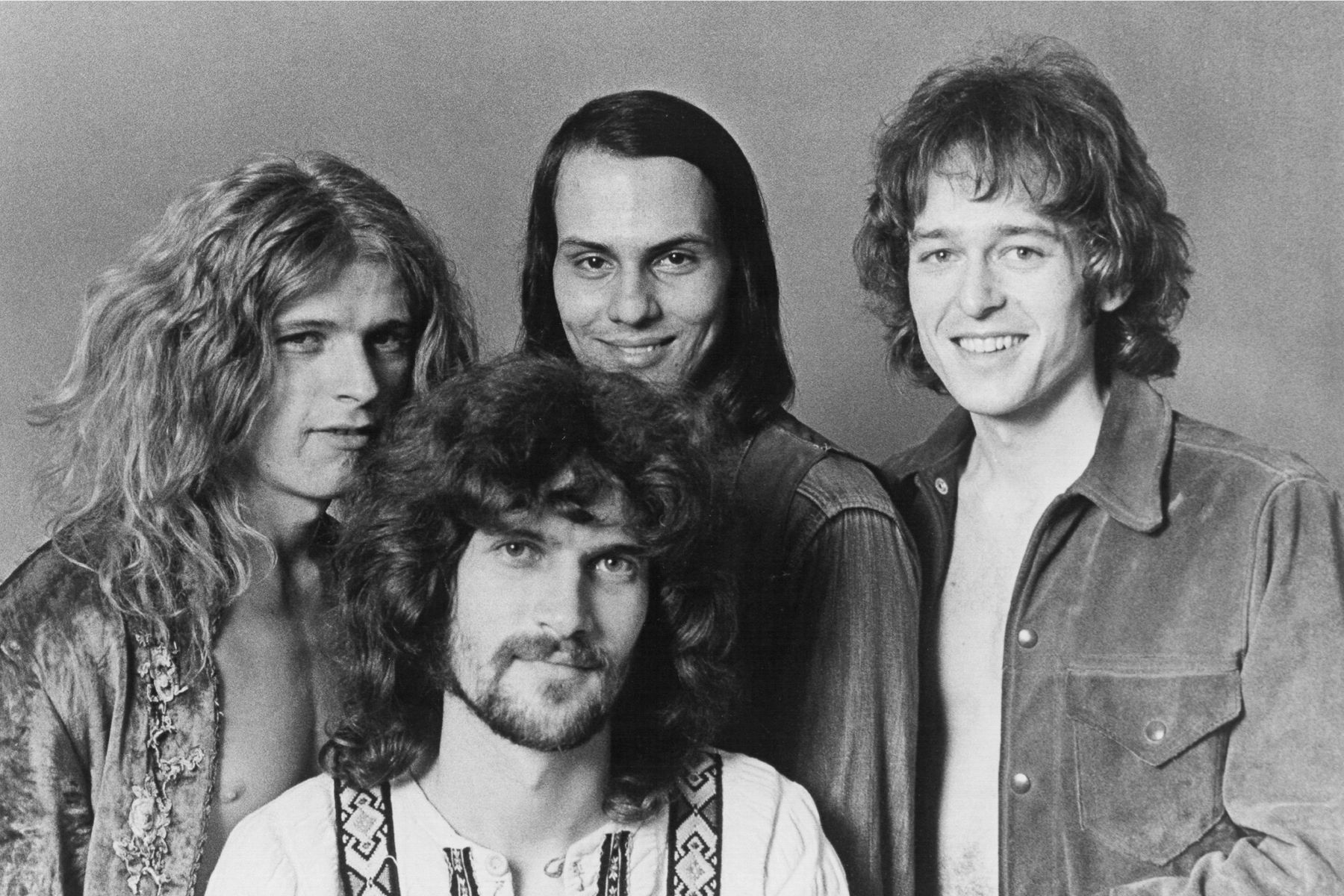
Speaking of proto-metal, Blue Cheer were unquestionably the loudest, heaviest band of the Sixties. Formed way back in 1966, they’re best known for their ground-breaking 1968 debut album Vincebus Eruptum. This contained the band’s signature cover of Eddie Cochran’s ‘Summertime Blues’, which scared hippies everywhere but inspired a generation of metallers, notably including Rush.
Pleasingly, they carried on rockin’, experiencing the odd split and hiatus along the way, releasing their tenth and final album in 2007. This was entitled What Doesn’t Kill You... Somewhat ironically, founder Dickie Peterson died in 2009. And that was it for Blue Cheer. I saw them in a small club during their only UK tour back in 2003, and can report that they remained pleasingly loud and heavy.
14. Budgie
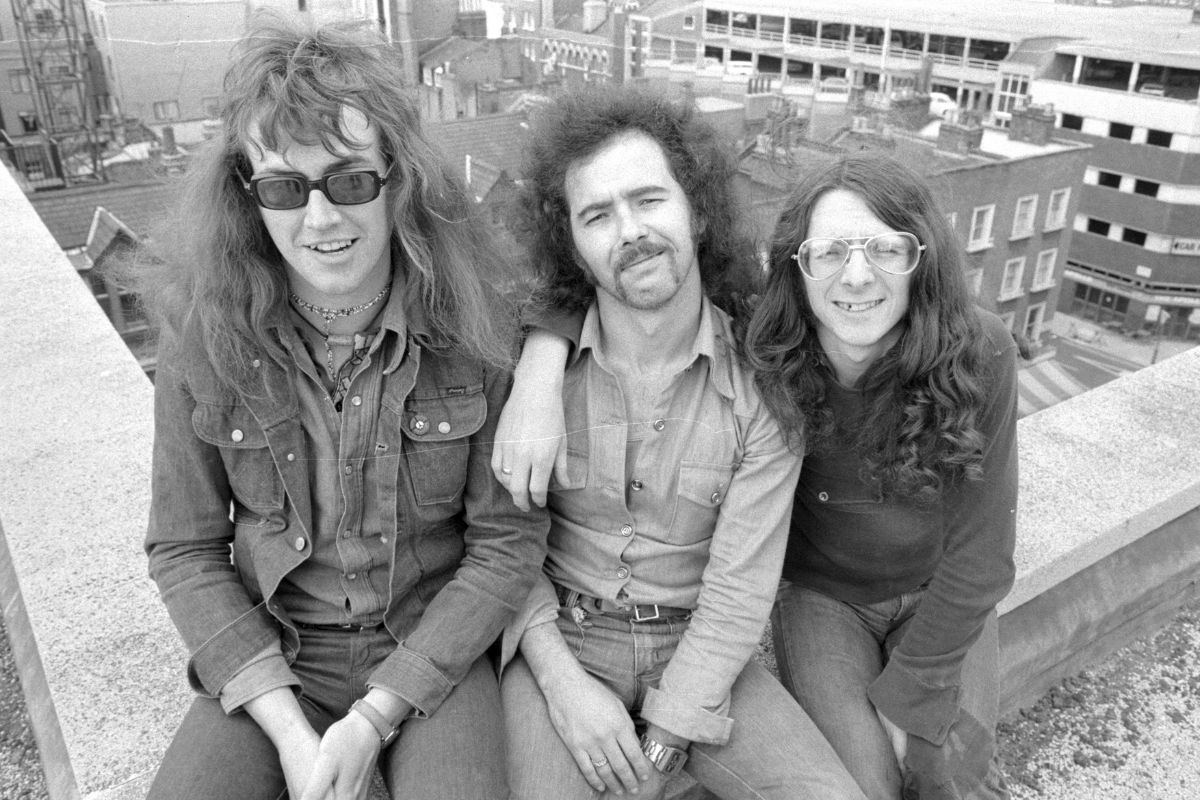
A small caged bird that used to be much loved by pensioners is an odd inspiration for a heavy metal band name. But then Welsh trio Budgie were a pretty odd band, who proved highly influential on the likes of Metallica (who covered ‘Breadfan’, below, and ‘Crash Course in Brain Surgery’), Rush and Soundgarden, despite never achieving the success they so richly deserved.
Formed way back in 1967, the power trio released a string of great albums in the seventies, none of which was a huge success. Their highest chart placing was number 29 for 1974’s In For the Kill. The arrival of new guitarist John Thomas for 1980’s ‘Power Supply’ album signalled a change of direction away from proggy flights of fancy towards more straightforward metal in keeping with the New Wave of British Heavy Metal.
It also gave the band a new lease of life, as well as a renewed fan base that was to sustain them until founder and sole remaining original member Burke Shelley’s death in 2022.
15. Celtic Frost
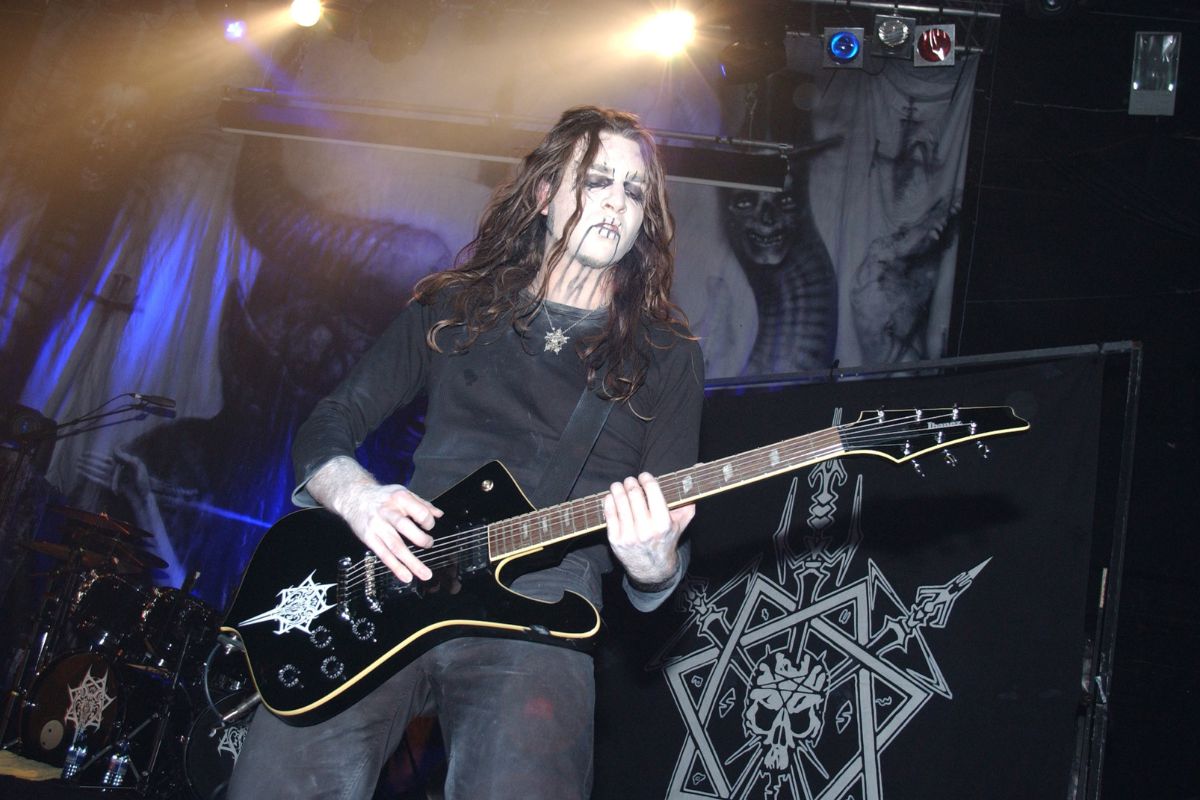
Founded by Tom G. Warrior (real name: Thomas Gabriel Fischer) out of the ashes of a band called Hellhammer in Zurich in 1984, the hugely influential Celtic Frost inspired a generation of death and black metal musicians with their musically adventurous albums To Mega Therion (featuring cover art by H.R. Giger) and Into the Pandemonium. The latter, in particular, established their credentials as one of the era’s pre-eminent avant-garde metal bands.
But Fischer and co. took a wrong turn with fourth studio album Cold Lake, with its mainstream sound and the band’s new ‘glam metal’ images proving unpopular with critics and fans alike. Mr. Warrior subsequently dropped his glam wardrobe and recovered some of his extreme metal cred with his new band Triptykon.
Wait, actually, we got so enthused by this we've got six more key cult bands:
16. Moby Grape
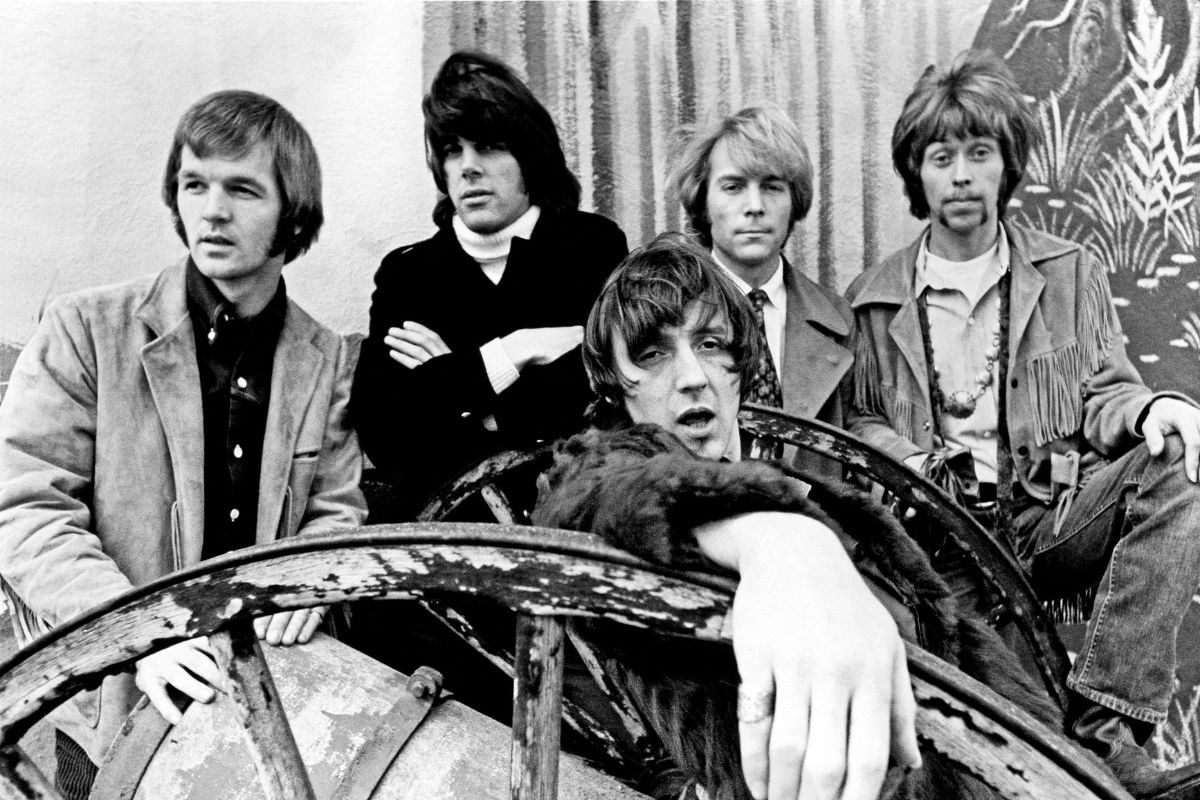
Veterans of the sixties San Francisco scene and contemporaries of Jefferson Airplane who, for reasons of bad luck and poor judgement, never achieved the recognition they so richly deserved. Founder Skip Spence actually played drums on the Airplane’s debut, Jefferson Airplane Takes Off, then switched to guitar for the Grape in 1966.
Their self-titled 1967 debut album is a psychedelic pop classic that peaked at number 24 on the Billboard chart. This demonstrated the band’s many talents, with each member writing songs and singing lead and backing vocals, Spence’s ‘Omaha’ being singled out for particular praise by critics.
But Spence's unstable mental health and drug use proved to be his undoing and he was later ejected from the band, who staggered on through various splits, comebacks and court cases. Among their fans is Robert Plant, who has covered ‘It’s a Beautiful Day Today’ with his band Saving Grace.
17. Mission of Burma
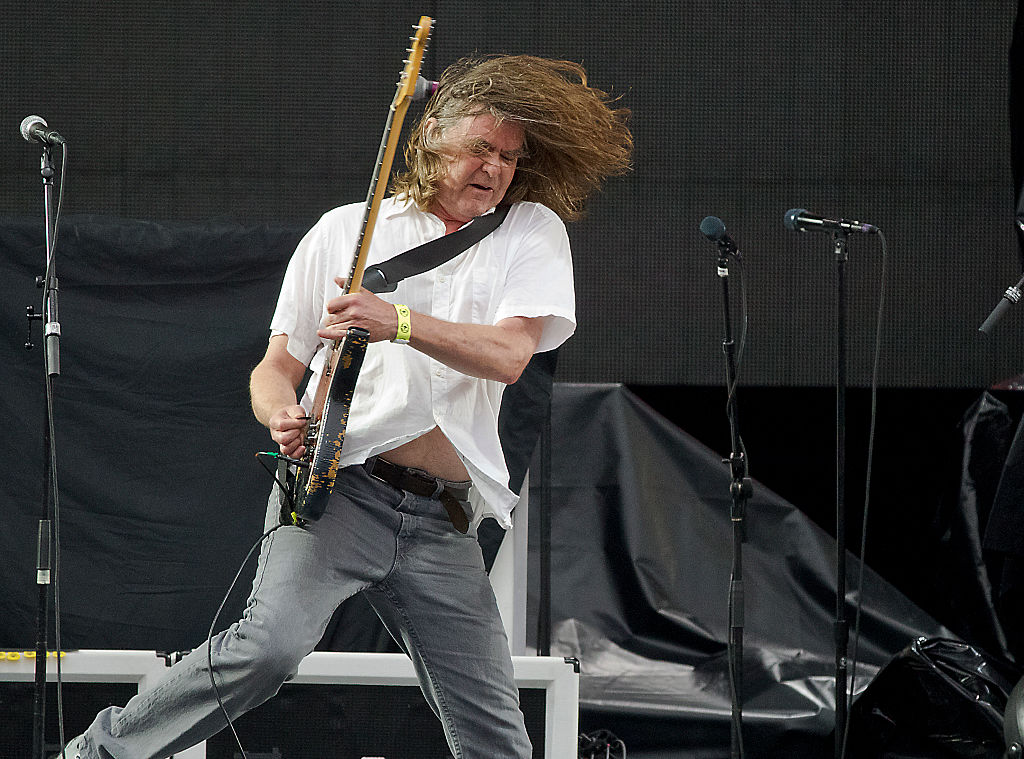
Mission of Burma proved that punk didn't have to be simple to be powerful. Emerging from Boston's underground in the early 1980s, they fused punk's intensity with experimental noise, tape loops and angular post-punk guitars, creating a sound that was both cerebral and ferocious.
Although their original career was cut short by Roger Miller's hearing problems, their influence only grew with time. Bands including R.E.M., Sonic Youth, Pixies and Fugazi all drew inspiration from Mission of Burma's willingness to marry raw energy with fearless experimentation.
18. The Feelies
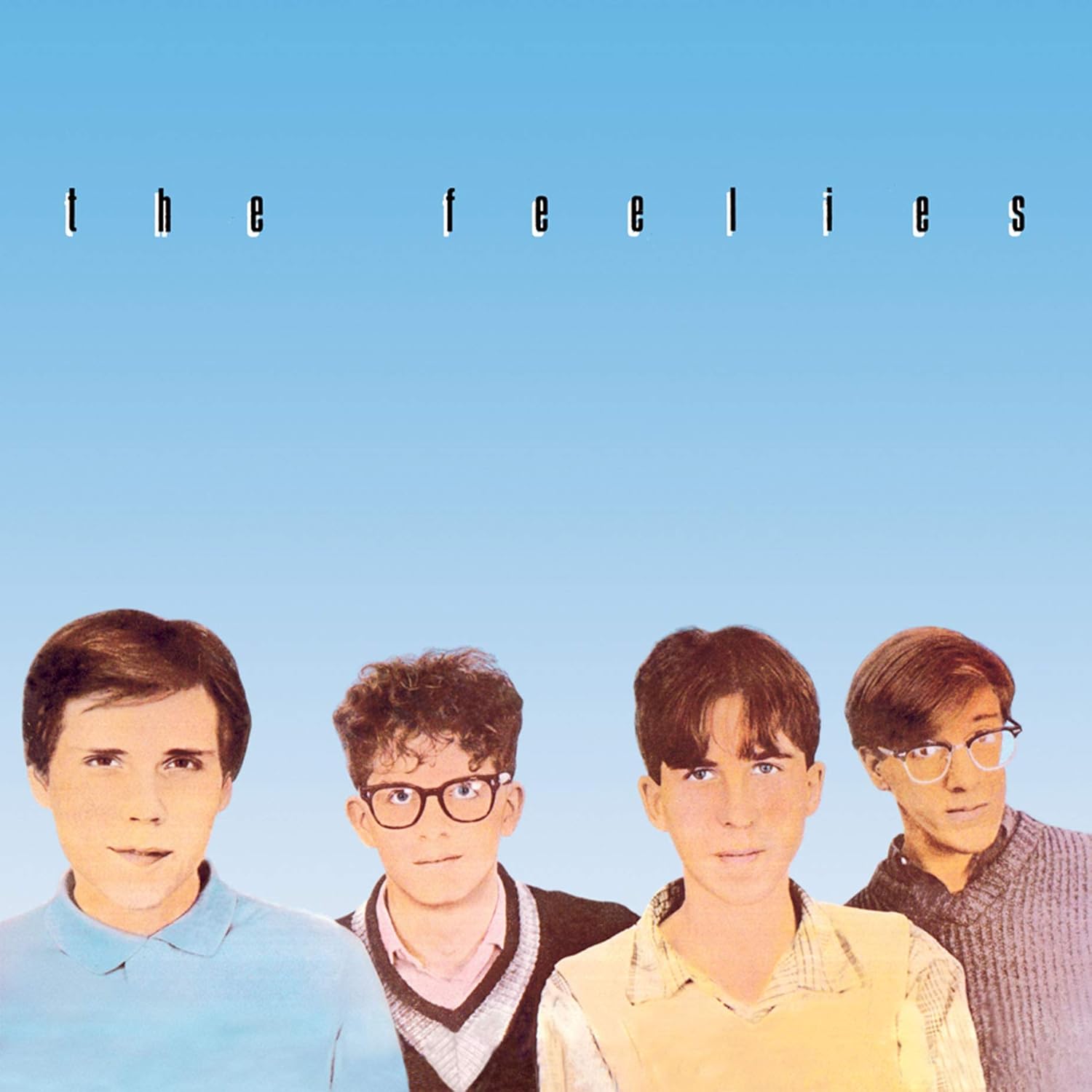
The Feelies perfected a sound that was understated, hypnotic and quietly revolutionary. Formed in New Jersey in the late 1970s, they married Velvet Underground-inspired minimalism with intricate, chiming guitars and nervous, motorik rhythms, creating an approach that felt both intensely modern and timeless.
Their landmark debut Crazy Rhythms became a touchstone for alternative rock, while later albums refined their distinctive blend of restraint and momentum. Though they never troubled the charts, their influence can be heard in R.E.M., Yo La Tengo, Galaxie 500, Real Estate and countless indie bands that discovered the power of doing more with less.
19. The Wipers
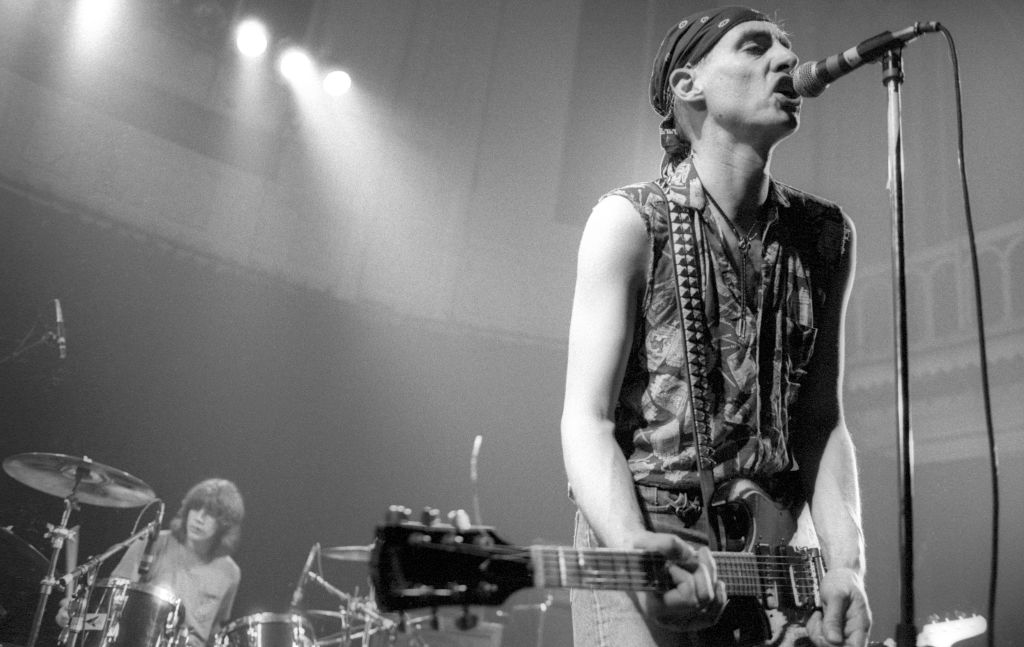
Long before grunge exploded in Seattle, Greg Sage and The Wipers were writing bleak, melodic punk songs that blurred the line between hardcore's aggression and alternative rock's introspection. Working largely outside the music industry's spotlight, Sage built a fiercely independent career that became hugely influential among musicians.
Kurt Cobain was one of the band's biggest champions, with Nirvana covering several Wipers songs, while their emotional intensity and ringing guitar sound helped shape the emergence of grunge and melodic punk throughout the Pacific Northwest.
20. Sir Lord Baltimore
Brooklyn’s Sir Lord Baltimore famously inspired Creem magazine to coin the term ‘heavy metal’ to describe their debut album, the seminal Kingdom Come, back in 1971. Its primal riffage was certainly hugely influential on a generation of musicians, even though the album hardly set the charts alight and they split in the mid-1970s, having had their thunder stolen by countless younger, even louder acts.
Bizarrely, Sir Lord Baltimore enjoyed an afterlife as a Christian rock band in the new millennium with the release of Sir Lord Baltimore III Raw in 2006 – and guitarist Joey Dambra became a pastor until his death in 2019.
21. Masters of Reality
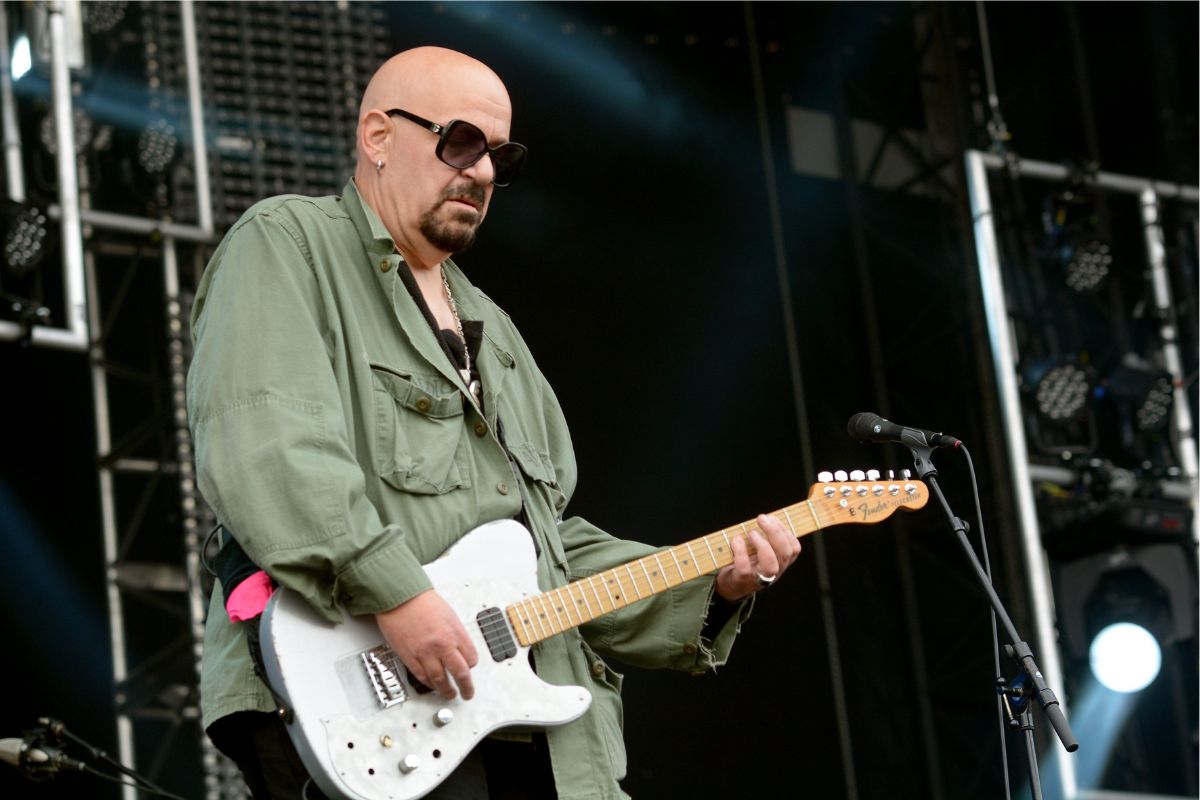
Taking their name from the Black Sabbath album, the Masters of Reality were formed in the early ‘80s by that Zelig of the stoner rock/desert rock scene Chris Goss, who produced albums for Queens of the Stone Age and the Screaming Trees. Although he’s been described as the godfather of desert rock, Goss gas never really received his due as a musician and the Masters remain a cult band known primarily by aficionados.
Their outstanding 1989 debut was produced by Rick Rubin and released on his Def American records. By the time of the follow-up, 1992’s ‘Sunrise on the Sufferbus’, the band had been joined temporarily by Ginger Baker (yes – that Ginger Baker!) on drums and backing vocals. Musically, they showcase a potent mix of blues, hard rock and even a dash of prog that sets them apart from the repetitive riffage of much of the stoner scene.
Top pic: Can
Pics: Getty Images


