In December 1975, hard rock gods Deep Purple flew into Jakarta, Indonesia. And, though they didn’t know it at the time, into a nightmare.
They were there for what their tour manager Rob Cooksey had been told would be a straightforward one-night stopover – a quick show at a 7,000-capacity theatre to supplement the band's travel costs en route from Australia to Japan. What followed was one of the most terrifying, chaotic, and ultimately tragic episodes in rock history.
'The stage was made of orange boxes'
The warning signs began the moment Cooksey arrived on Thursday, 4 December to inspect the venue where the band would be playing. Instead of the promised theatre, he found himself staring at the Senayan Sports Stadium – a vast arena holding 125,000 people. Two nights had been scheduled, not one, the stage had been constructed from orange boxes, and the security detail was provided by the Indonesian army.
Indonesia in late 1975 was a powder keg: the dictator Suharto's troops had just invaded nearby East Timor, terrorists had attacked the Indonesian consulate in Amsterdam, and political tension was at fever pitch. The Deep Purple family had stumbled into considerably more than they'd bargained for.
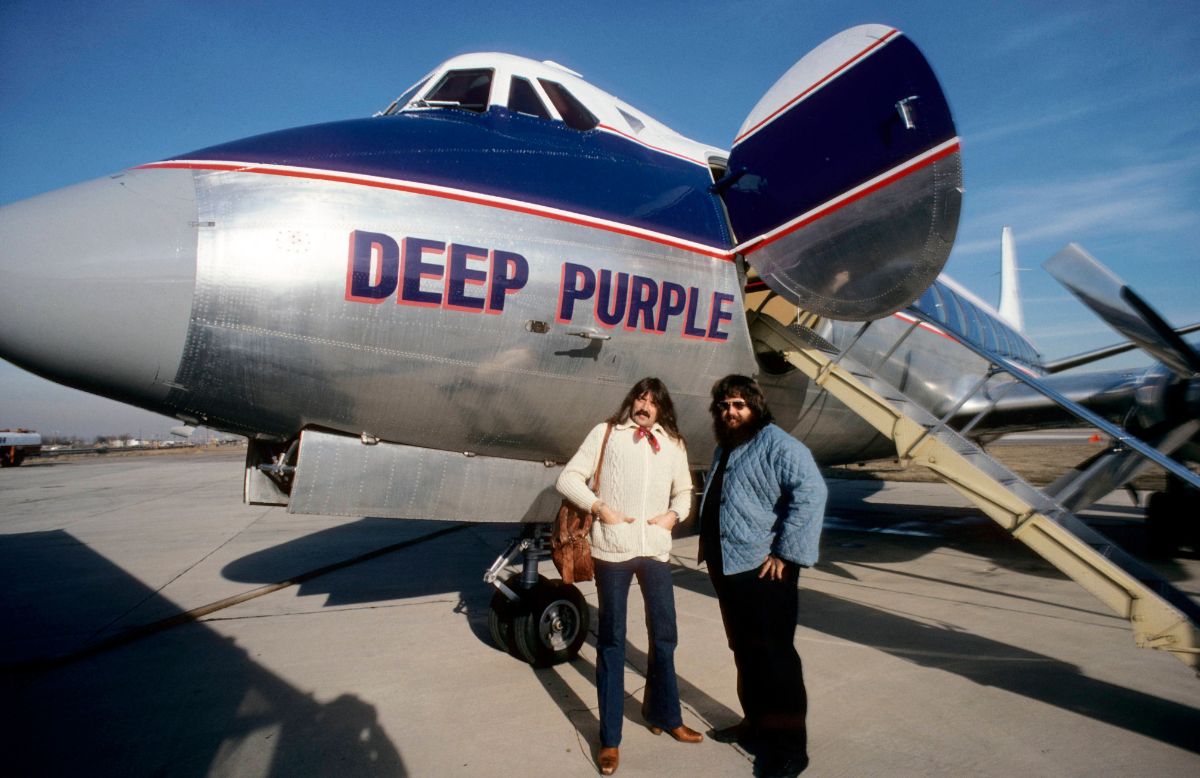
The first concert drew an enormous crowd, and based on gate receipts, Cooksey calculated the band had earned around $750,000 – against which they had received a deposit of just $11,000.
'Collins' death has never been fully explained'
But when Cooksey confronted the promoter, demanding proper payment, the atmosphere turned ugly. The argument started pleasantly enough before deteriorating rapidly – and then, on one of the hotel floors, bodyguard Patsy Collins was killed after falling six floors down a lift shaft.
The manner of Collins' death has never been fully explained and has haunted the surviving band members ever since. Collins fell through heating pipes and water ducts into the basement. He didn't die instantly – he crawled out, made it to a minibus outside the hotel, and managed to whisper ‘hospital, hospital’ before losing consciousness. He died shortly afterwards.
The late Jon Lord, Deep Purple's keyboard player, was unequivocal about what had happened. ‘It appeared that he had fallen down an elevator shaft, but we knew that he was murdered,’ Lord said years later.
Riot police with machine guns
Cooksey was taken, along with the band’s bassist Glenn Hughes and another bodyguard known as Paddy the Plank, and detained by authorities on suspicion of murder. The trio spent a night in jail before being released.
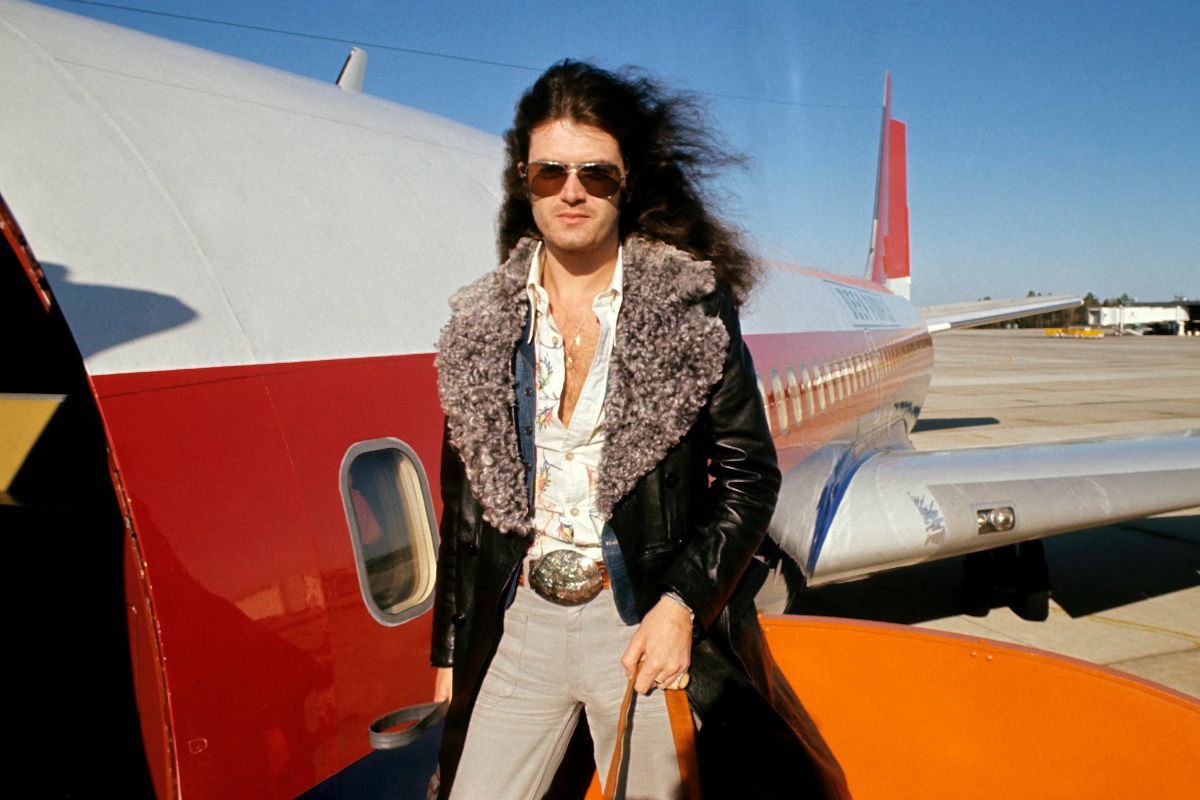
They were then effectively coerced into performing the second scheduled concert – a show that descended into violence when heavy-handed police officers began assaulting members of the audience, with riot police armed with machine guns and dogs attacking and injuring around 200 fans. Deep Purple abandoned the show and fled.
The promoter, meanwhile, had vanished – along with the money. Cooksey had been swindled out of approximately $750,000, and the episode has never been fully explained.
Rock history at its darkest
The psychological scars ran deep. Glenn Hughes later reflected that, ‘We were in a time bomb in the midst of a war that had just started. All of us were lucky to escape alive.’ Deep Purple documented elements of the experience on film, though a documentary about the experience, working title 1975, remains unreleased to this day.
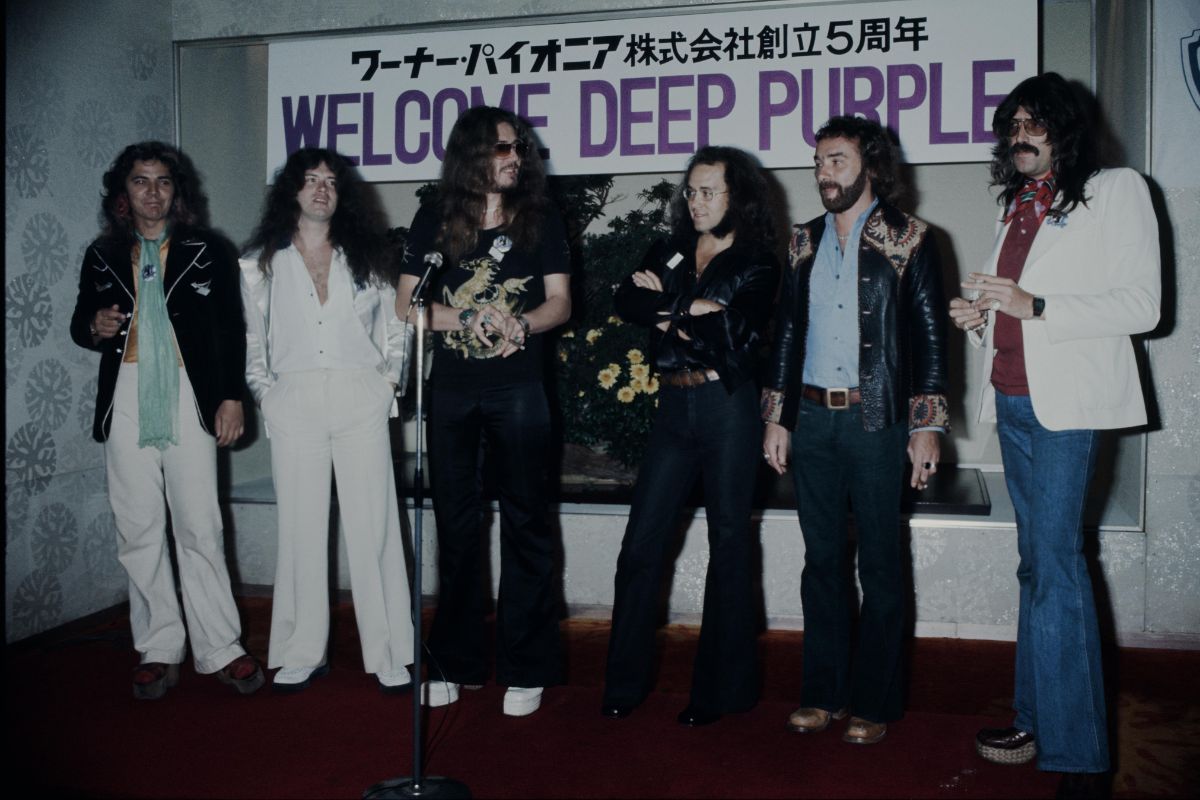
That said, the 2011 documentary Gettin' Tighter: The Untold Story of the 1975/1976 MKIV World Tour (included on the Phoenix Rising Blu-ray) features extensive interviews and some footage from the Indonesia trip. The band did indeed film their travels, but the raw, full-length footage that has remained in the vaults for decades due to the trauma and legal complexities.
The Jakarta incident is rock history at its darkest: a story of greed, corruption and violence in which a loyal crew member lost his life, a band was held against their will, and the music was almost an afterthought.
Nearly 48 years later, when Deep Purple finally returned to Indonesia in 2023, Ian Gillan acknowledged simply: ‘A lot has changed in Indonesia since 1975.’ It was, by any measure, an understatement.
Pics Getty Images