Some bands are easy to love. Others? Not so much.
The ones that divide opinion tend to have qualities that inspire both devotion and derision: soaring choruses that some hear as anthemic, others as overblown; slick production that appeals to millions but feels too polished for purists; or an image so flamboyant it becomes impossible to ignore.
Divisive bands can provoke fan wars, inspire memes, and even fracture friendships. They push boundaries – or sometimes play it so safe that critics cry foul. Whether it’s nostalgia, technical mastery, showmanship, or sheer charisma, the lines between genius and garbage are never clear. Here’s a look at 17 bands who make rock fans pick sides.
1. Emerson, Lake & Palmer
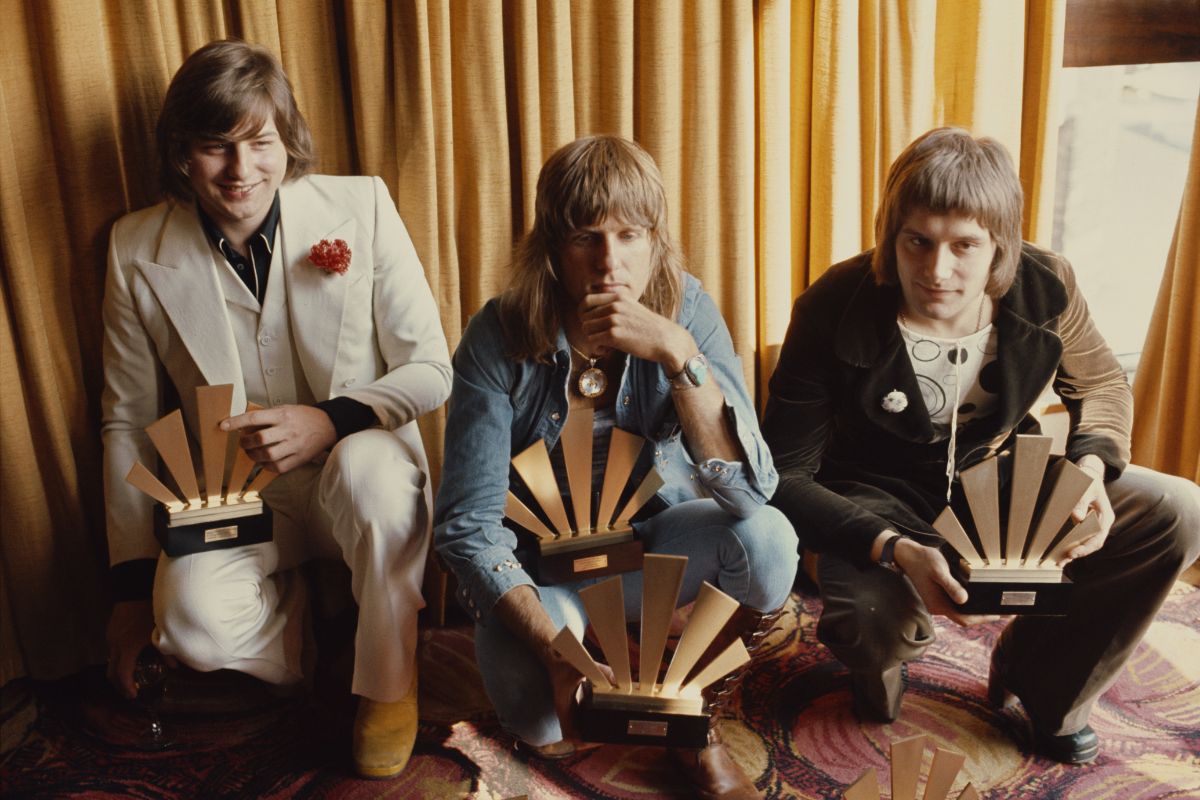
For a few years back in the early 1970s, Keith Emerson, Greg Lake and Carl Palmer epitomised the virtuosic extremes to which progressive rock aspired. Emerson’s keyboard pyrotechnics, Lake’s soaring voice and Palmer’s rigorous drumming made the band a prog powerhouse. Fans adored ELP’s technical complexity, dramatic flair and sense of the epic; detractors saw only pomp and self-indulgence.
ELP’s lengthy, intricate compositions can be mesmerizing or exhausting, according to taste. Albums like Tarkus and Brain Salad Surgery highlight their incredible mastery and the grandeur of their vision – but they can also show a tendency to prioritize spectacle over accessibility, creating decades of debate over whether ELP’s ambition outweighs their excesses or vice versa.
2. Bryan Adams

Clean-cut Canadian Bryan Adams is the poster boy for arena-ready rock anthems. Hits like ‘Summer of ’69’ and ‘Heaven’ have lodged themselves into collective memory, yet critics often accuse him of churning out middle-of-the-road power ballads.
Fans adore Adams’s knack for catchy, singalong hooks and his blue-collar, everyman persona. Detractors hear safe, formulaic songwriting and an emotional reach that never quite transcends cliché. His voice – raspy and earnest – can feel heartfelt or monotone depending on who’s listening. Either way, Bryan Adams occupies a comfort-zone in rock: undeniably popular but rarely considered edgy.
3. Coldplay
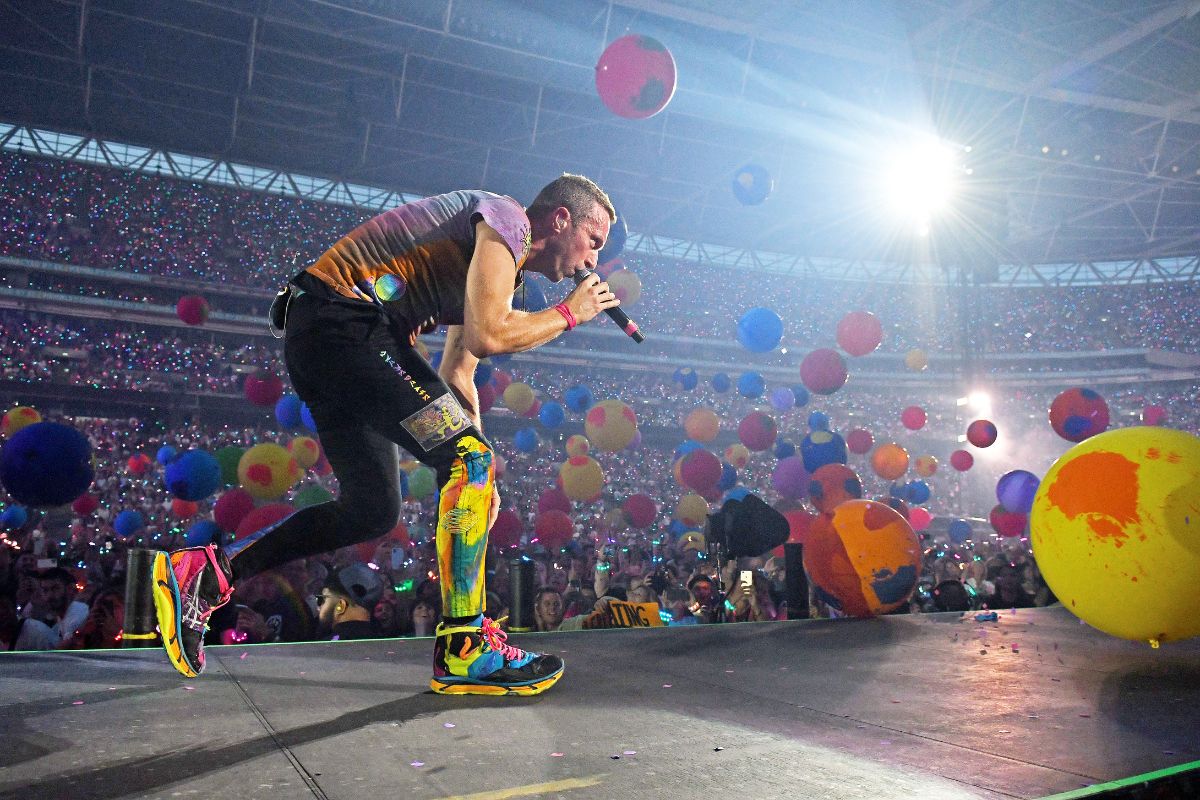
Now, here’s a band that inspires devotion and eye-rolls in equal measure. Fans praise the sweeping stadium-scale intimacy of songs like ‘Fix You’ and ‘Viva la Vida’, celebrating the combination of heartfelt lyrics, soaring hooks, and cinematic production. Those on the other side of the fence, however, often accuse Coldplay of blandness, predictable chord progressions, and overproduced sentimentality, arguing that their music prioritizes polish over risk.
Albums like their 2000 debut Parachutes are lauded for their subtlety and introspection, while later, more anthem-laden LPs such as X&Y (2005) or 2021’s Music of the Spheres polarize audiences with their glossy, arena-ready production. Coldplay’s soft rock anthems provide a comforting, emotionally resonant space for millions – yet for those craving edge, experimentation, or grit, the band can feel overly safe, formulaic, and emblematic of mainstream rock’s middle ground.
4. Journey
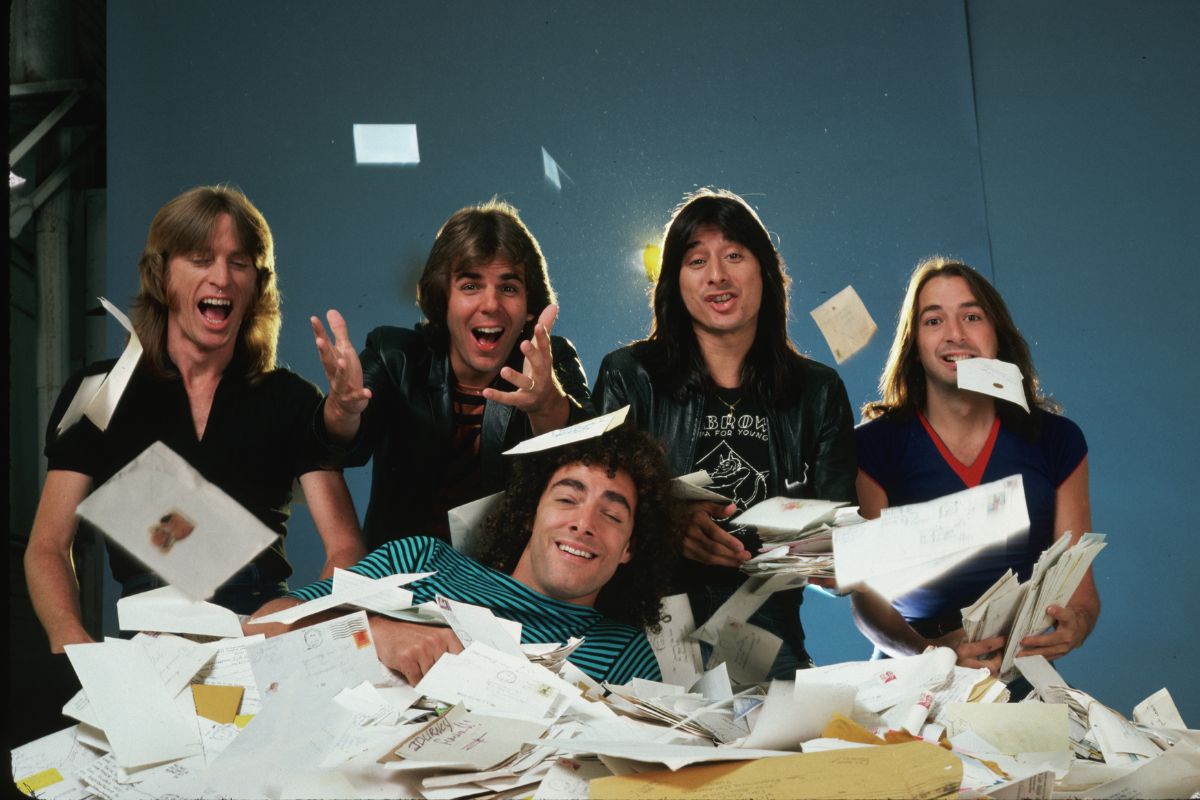
Journey perfected the stadium-rock formula. Anthemic choruses, soaring guitar solos and immaculate production led to anthems like ‘Don’t Stop Believin’ that millions love to belt out. Critics, however, have long dismissed Journey as ‘radio mush’: expertly crafted, but emotionally overpolished and predictable.
Ballads like ‘Open Arms’ are beloved by romantics, but if you don’t fall under their spell they can sound like saccharine, corporate-friendly rock. The band’s technical skill is rarely questioned, but their mainstream polish and reliance on formula polarizes listeners who crave a little more experiment and unpredictability.
5. Bon Jovi
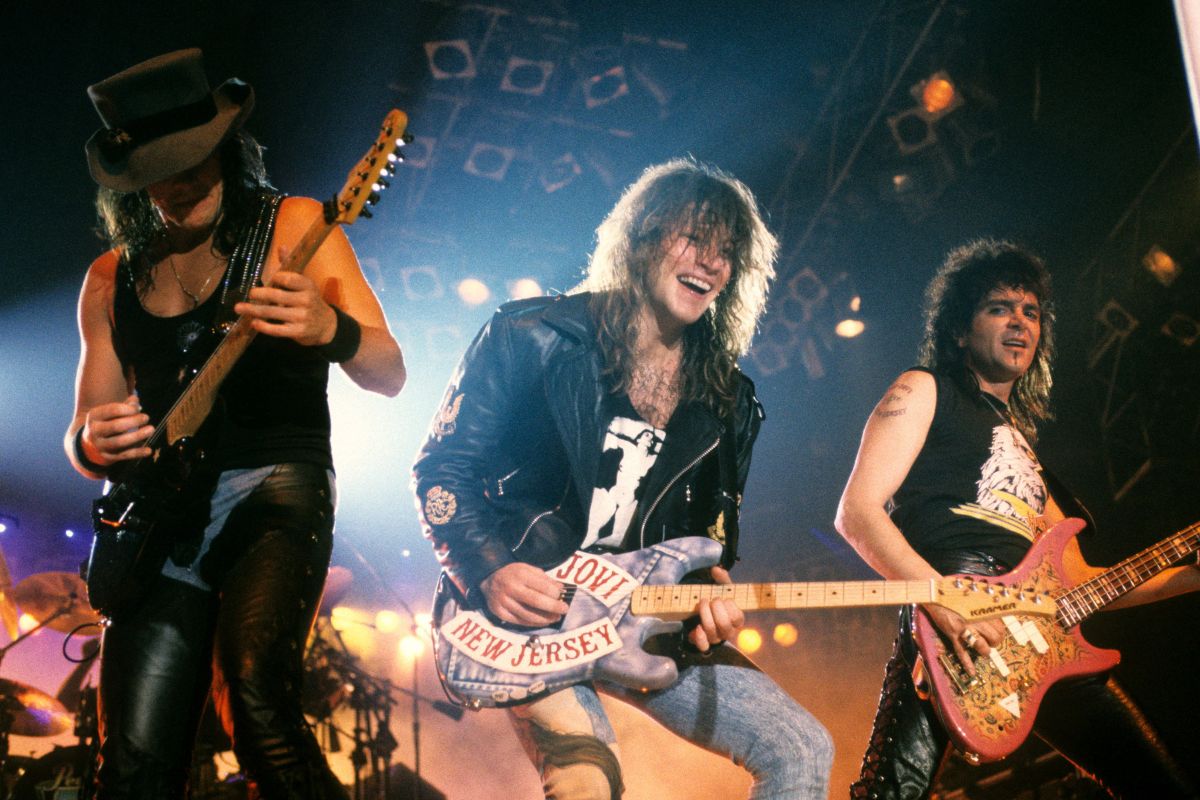
Bon Jovi straddle the line between rock swagger and pop accessibility, and it’s this duality that makes them so divisive. Their late ’80s arena hits – ‘Livin’ on a Prayer’, ‘You Give Love a Bad Name’, ‘Wanted Dead or Alive’ – earned them legions of fans, who revel in singalong choruses, charismatic vocals, and anthemic energy.
Those not won over to the Bon Jovi cause, conversely, often brand them as bombastic, commercially calculated, and guilty of power-ballad overload. Many argue that their music prioritizes catchy hooks and arena-ready choruses over artistic depth, leaning heavily on formulaic structures designed to dominate radio charts. Even their rockier tracks are sometimes dismissed as polished, predictable, or lacking the raw edge found in contemporaries like Guns N’ Roses or Def Leppard.
Yet Bon Jovi’s staying power, emotional resonance, and knack for memorable melodies ensure that they remain beloved by millions, even if they spark derision elsewhere.
6. Muse
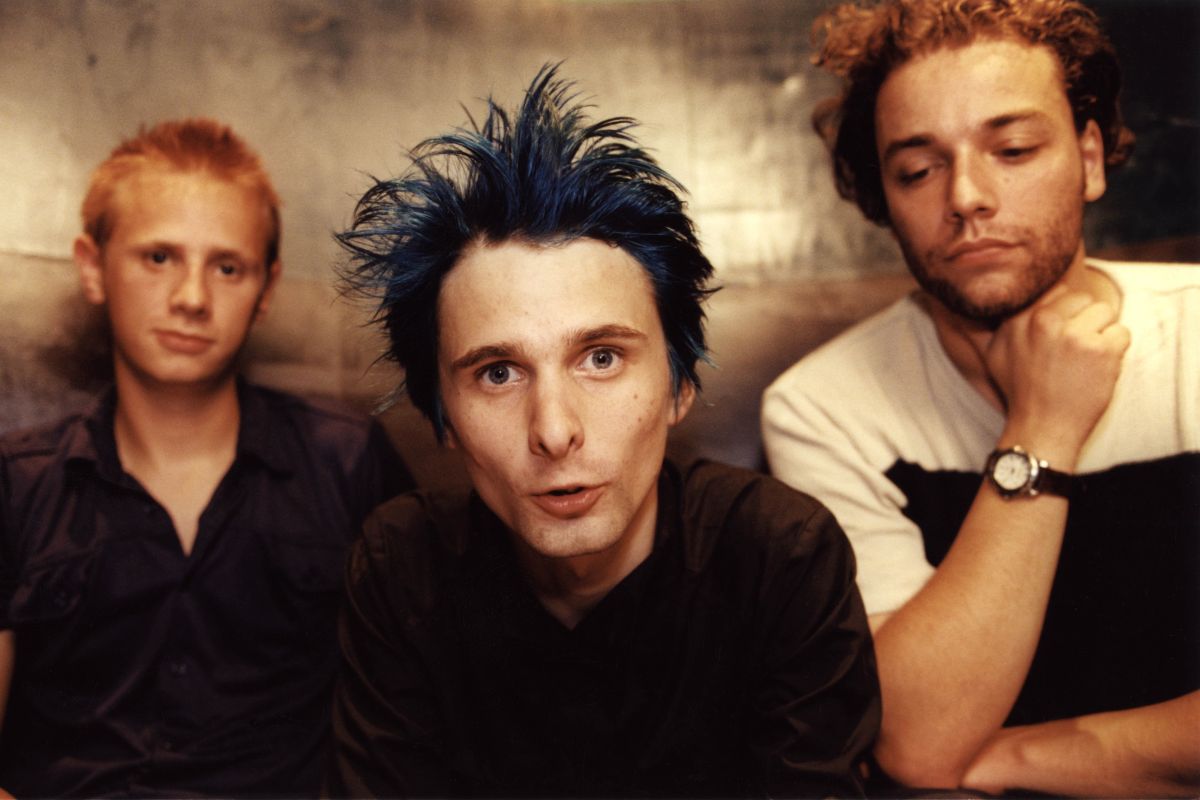
Muse have their own trademark bombastic, futuristic rock sound – blending electronic flourishes with soaring guitar riffs and operatic vocals. For their many millions of passionate fans, all this makes for an irresistible mix of ambition, technical skill, and genre-bending creativity.
Muse’s detractors, though, accuse them of overindulgence, melodrama, and bombastic excess – especially on albums like 2012’s The 2nd Law. Or, for that matter, Origin of Symmetry (2001), where Muse are clearly channelling the legacy of slow-build drama and epic storytelling first set down by 1970s prog rock royalty such as Genesis, Yes and King Crimson. Songs can feel like cinematic epics – or self-important exercises in style over substance.
In short, Muse’s deeply polarizing nature lies in the sheer scale of their music: epic, theatrical, and divisive by design.
7. Status Quo
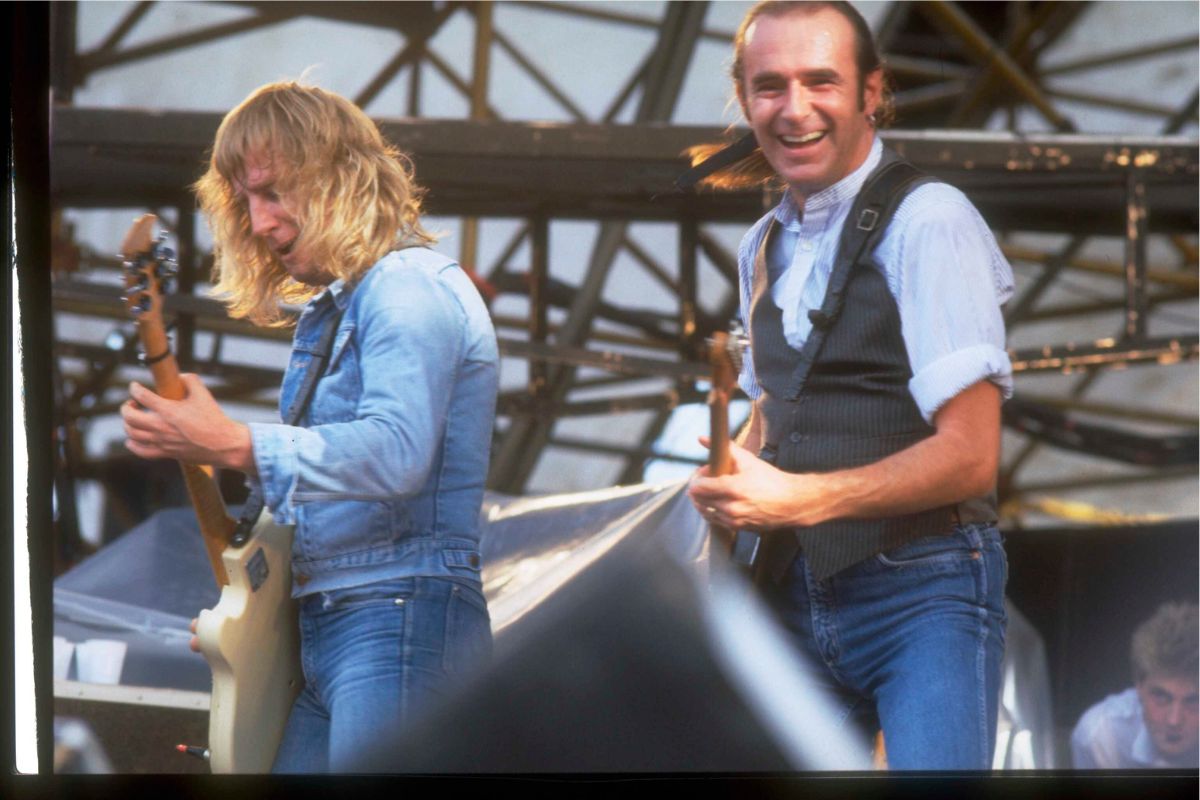
Chugging riffs, simple lyrics, relentless rhythm: the Status Quo boogie-rock formula is instantly recognizable. Some celebrate this predictability as comfort food for rock lovers; others dismiss them as unambitious, stuck in a loop. The band’s reputation as hard-working live performers often conflicts with perceptions of uninspired studio recordings, making them a classic case of divided opinion.
8. The Doors
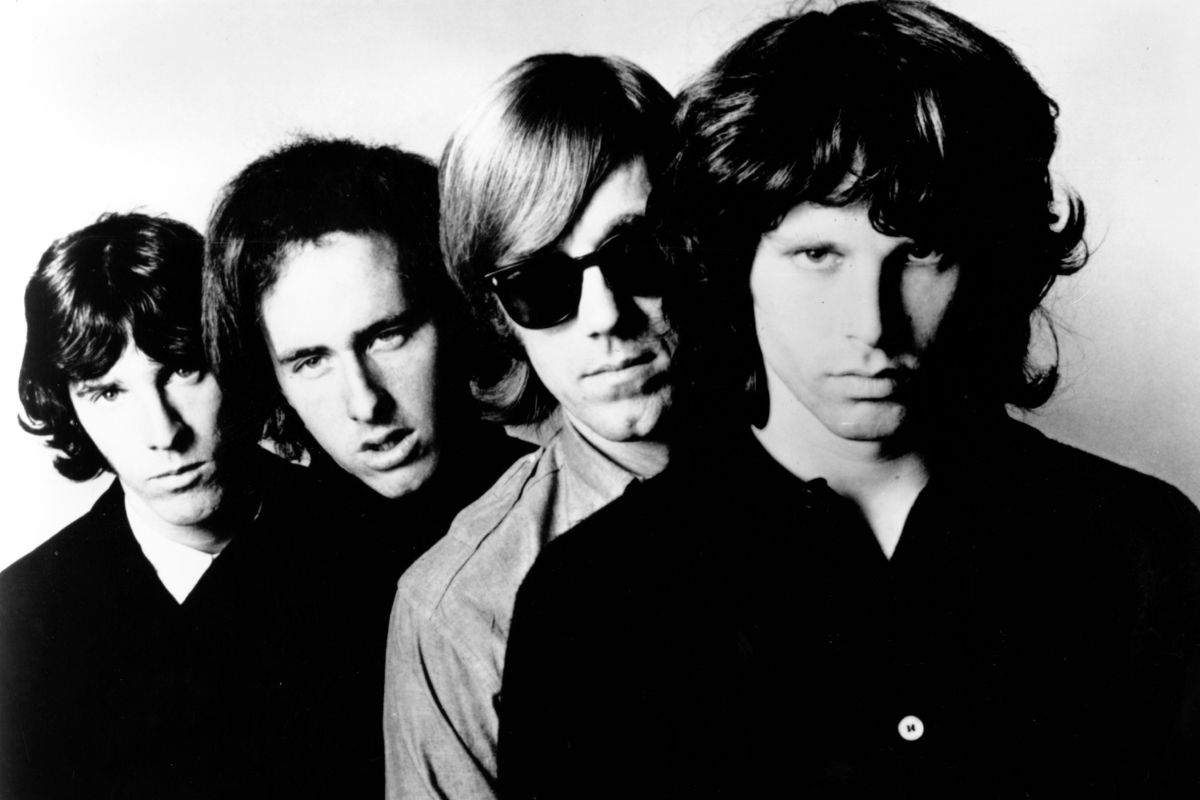
The Doors occupy a unique place in rock mythology. Jim Morrison’s magnetic, unpredictable presence paired with Ray Manzarek’s eerie keyboards made for hypnotic performances. Admirers laud their poetic, sometimes dark explorations of sexuality, death, and rebellion. And for many, Morrison’s film-star looks, onstage charisma and aura of both danger and mysticism made him a darkly messianic figure.
Those impervious to the Doors magic, though, argue that Morrison’s antics overshadow the music, and some find the band’s moody, often meandering style frustrating. Songs like ‘Riders on the Storm’ are timeless; others are seen as indulgent or inaccessible. Take 1969's 'The Soft Parade': a bizarre, multi-part suite that shifts abruptly from a spoken-word sermon ("You cannot petition the Lord with prayer!") into lounge-pop, brass-heavy funk, and manic poetry.
The Doors’ mystique ensures they remain revered by some – and merely baffling to others.
9. Aerosmith
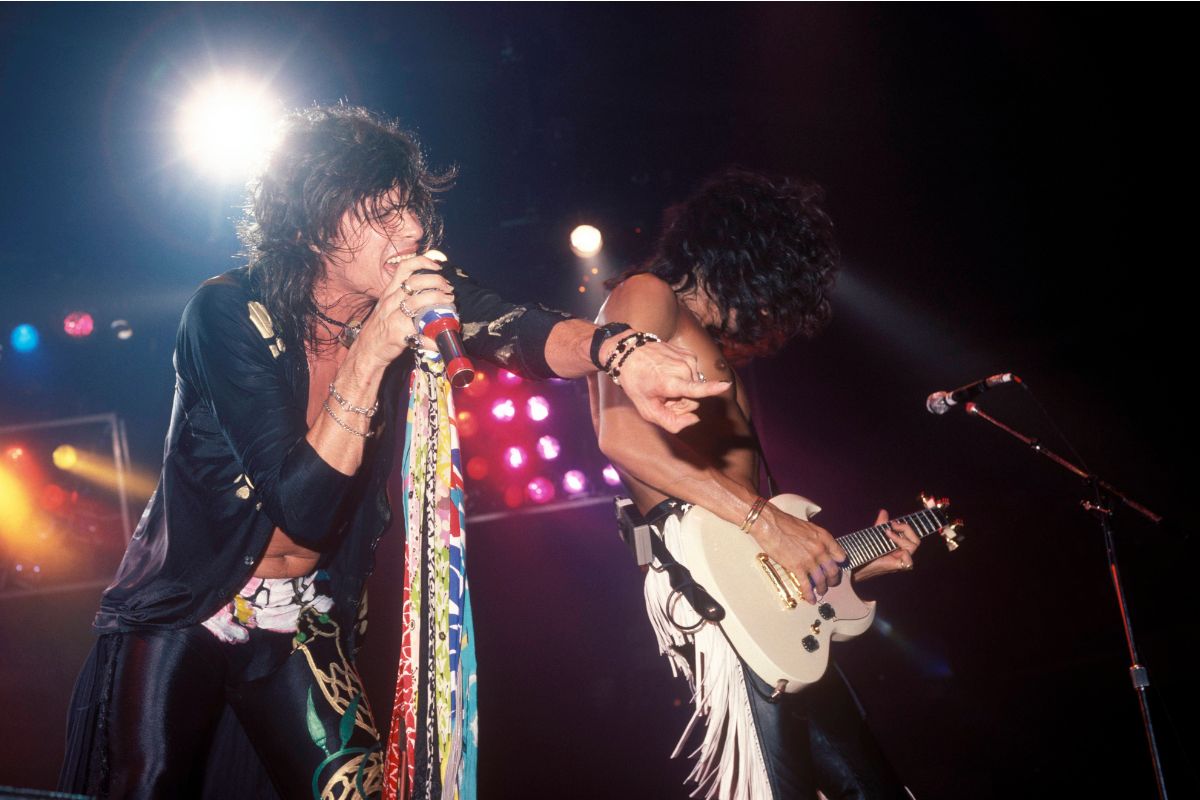
For a while back in the late 1980s, Aerosmith’s blend of swagger, bluesy riffing, and raw energy defined American hard rock. Steven Tyler’s wild charisma and the band’s explosive live shows created a seductive, immersive, white-knuckle ride for the band’s many fans.
Not everyone jumped on board the Aerosmith train, though: for many, Aerosmith became synonymous with formulaic album cycles and power-ballad overindulgence. Rock authenticity diluted by mass appeal? The debate rages on…
10. Kansas
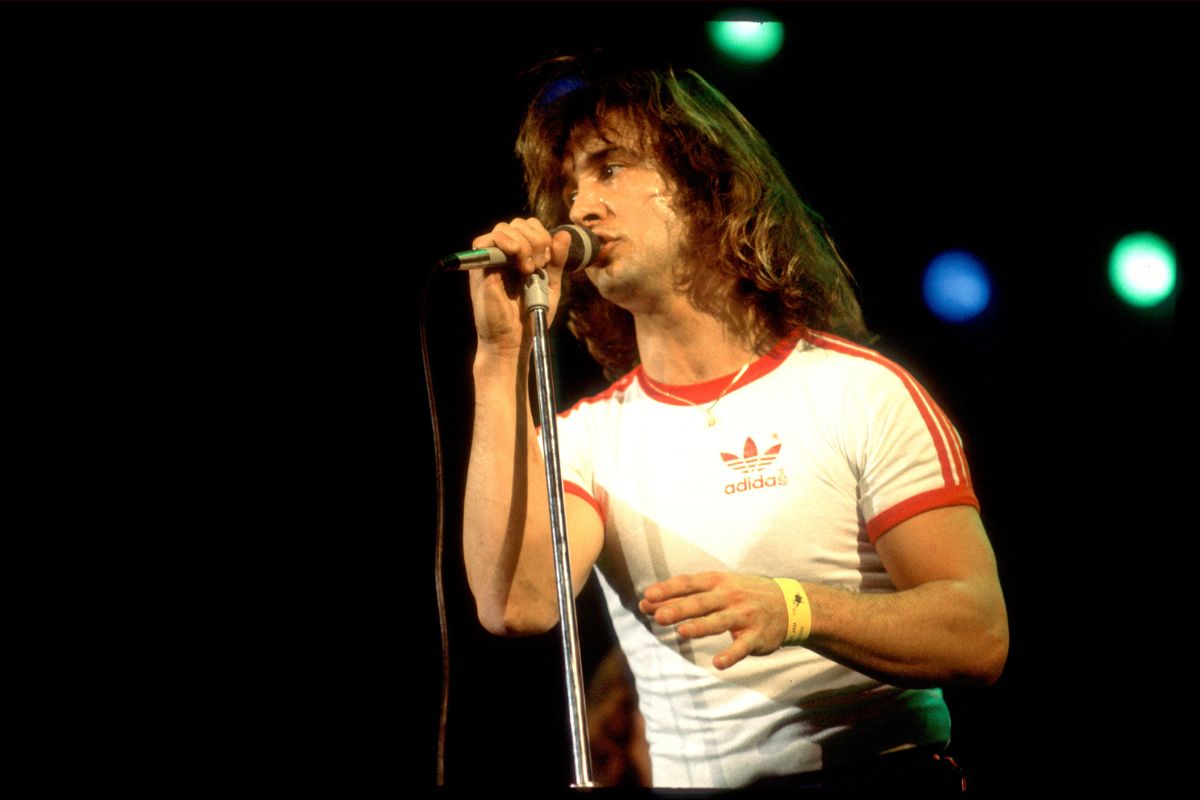
Prog-meets-pop: that’s the sound of Kansas. Epic compositions like ‘Carry On Wayward Son’ showcase technical skill and soaring vocals, earning dedicated fans. For many, though, Kansas’s hits are overly polished, middle-of-the-road rock that cynically tilts for greatness via radio-friendly hooks and easy melodrama. Prog geniuses to some, overblown arena performers to others – Kansas have managed to divide opinions for more than 50 years.
11. Nickelback
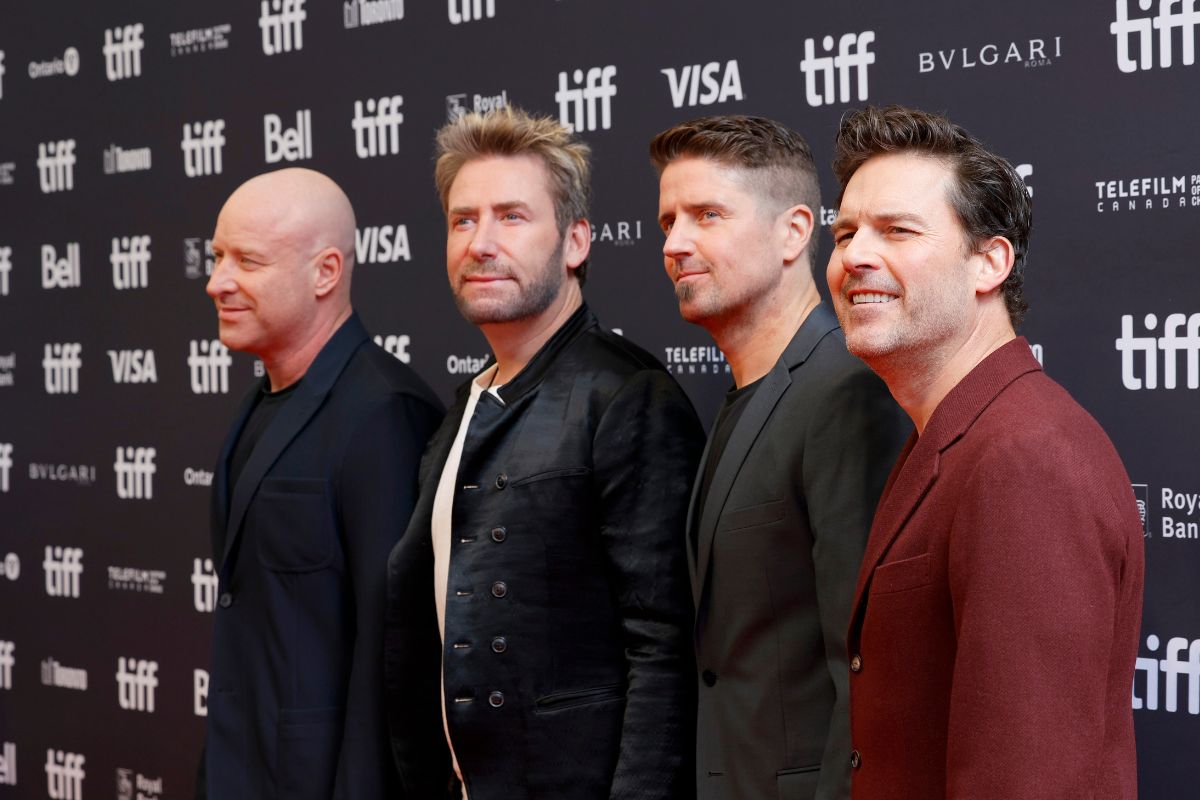
Nickelback are the quintessential modern lightning rod. Massive commercial success and catchy hooks make them widely recognizable, yet their music often draws scorn. Repetitive chord progressions, formulaic lyrics, overly polished production: these are the brickbats aimed at Nickelback.
Fans, meanwhile, argue for the emotional resonance of hits like ‘How You Remind Me’ and the straightforward accessibility of their sound. Nickelback’s polarizing reputation is as much cultural as musical: they symbolize mainstream rock’s commercial side, loved by millions, mocked by nearly as many.
12. U2
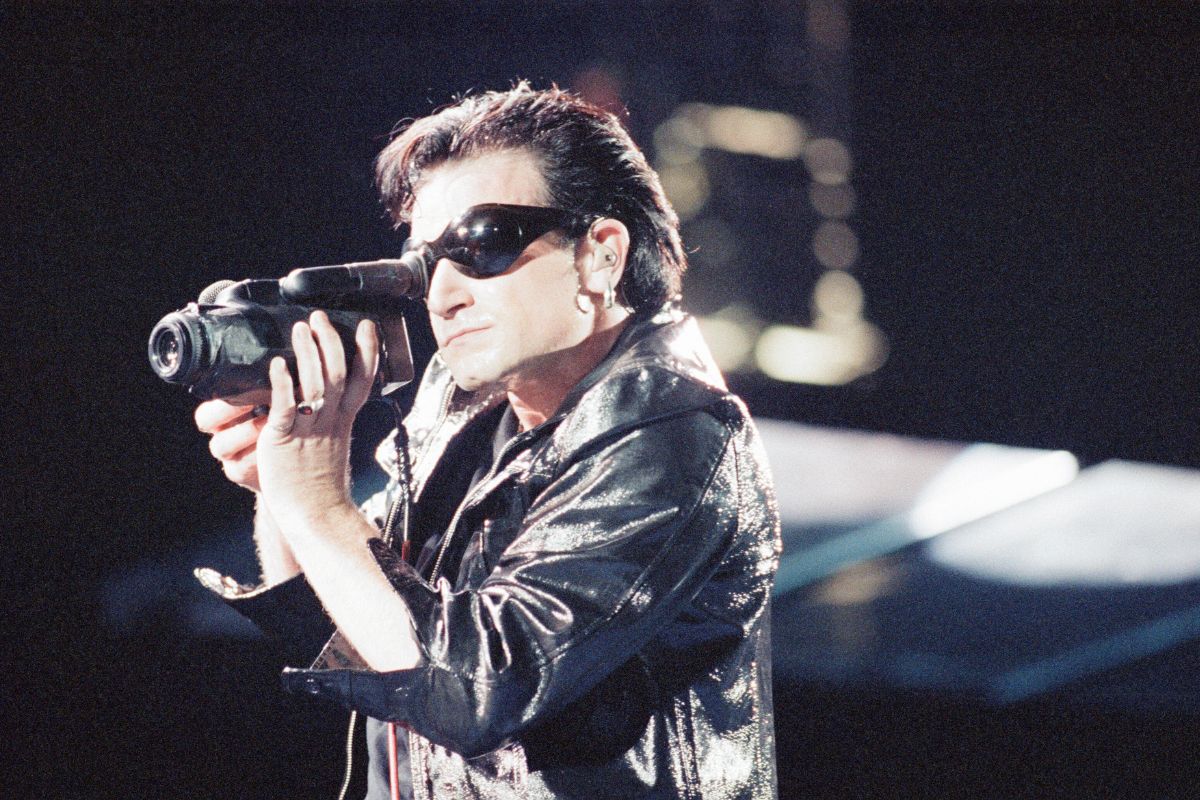
From the urgent, fervent post-punk of 1980’s Boy to the glossy, experimental dance-rock of Pop in the late ’90s and beyond, U2’s career spans decades – and whole stylistic universes. Bono’s activism and the band’s stadium grandeur inspire devotion, yet those not under the U2 spell have branded them, increasingly over the years, as self-important or melodramatic.
Ambitious production choices in albums such as Songs of Experience have split listeners. Fans praise soaring anthems and emotional resonance; detractors highlight pomposity and a certain 'self-appointed rock gods' attitude. U2’s global stature ensures that praise and derision exist in near equal measure.
13. KISS
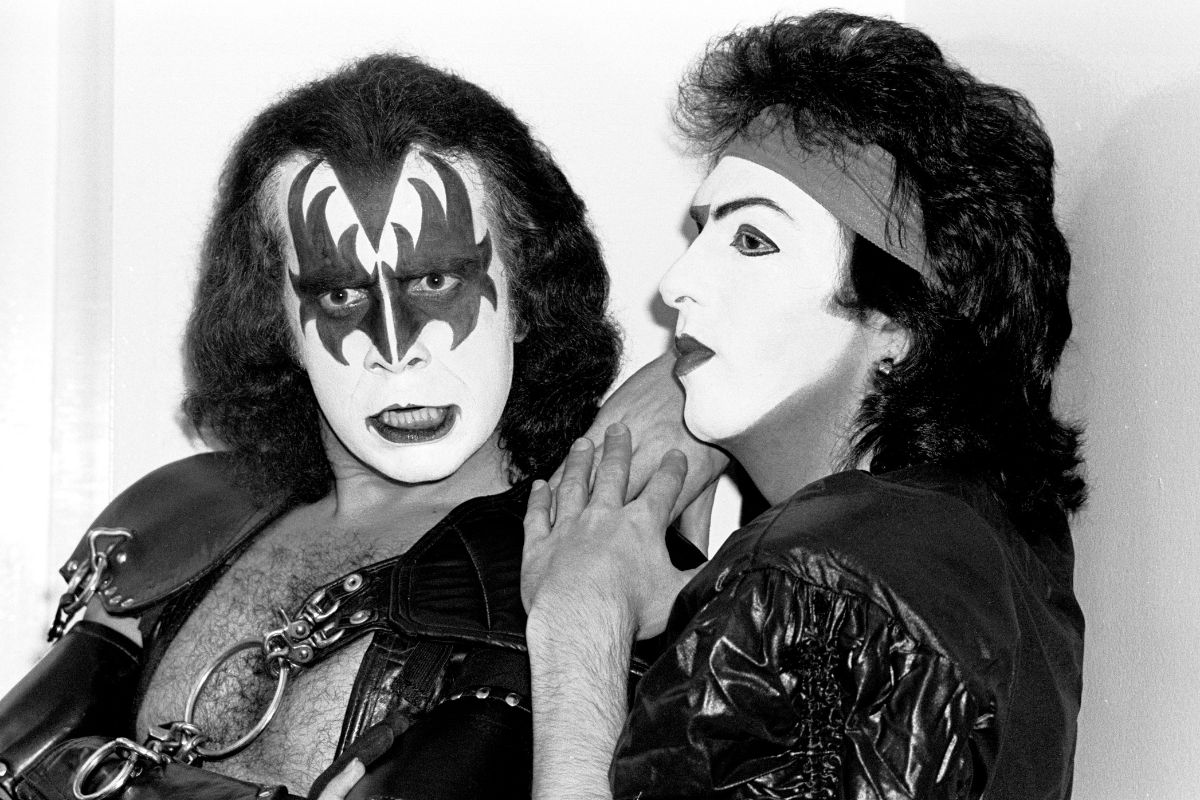
Makeup, costumes, pyrotechnics, larger-than-life performances: KISS built a brand as much as a band. Fans love the spectacle, catchy songs, and dedication to the live show. Detractors accuse them of prioritizing image over music, pointing to formulaic tracks and commercial merchandising. Even the band’s die-hard fanbase debates musical merit versus theatrics.
KISS’s polarizing nature comes from their dual identity as rock band and merch-shifting entertainment behemoth – a combination that fans embrace and critics often mock.
14. Eagles
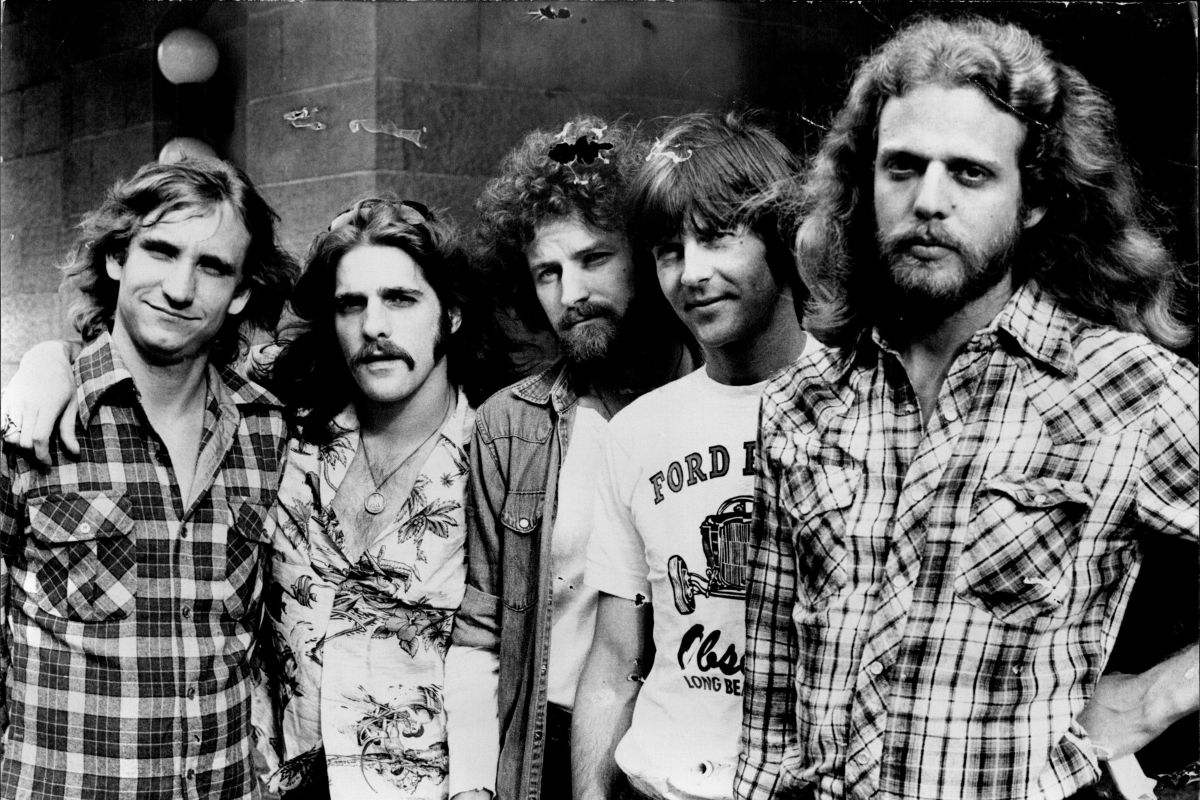
The Eagles’ smooth harmonies and polished songwriting earned them iconic status with hits like ‘Hotel California’ and ‘Life in the Fast Lane’. Depending where their music lands for you, you’ll hear either melodic mastery and timeless appeal, or safe, corporate rock. Their arena-friendly sound, meticulous studio production, and sometimes calculated image leave listeners split over artistry versus commercialism. In short, the Eagles perfectly illustrate the divide between enduring popularity and critical scepticism.
15. Greta Van Fleet
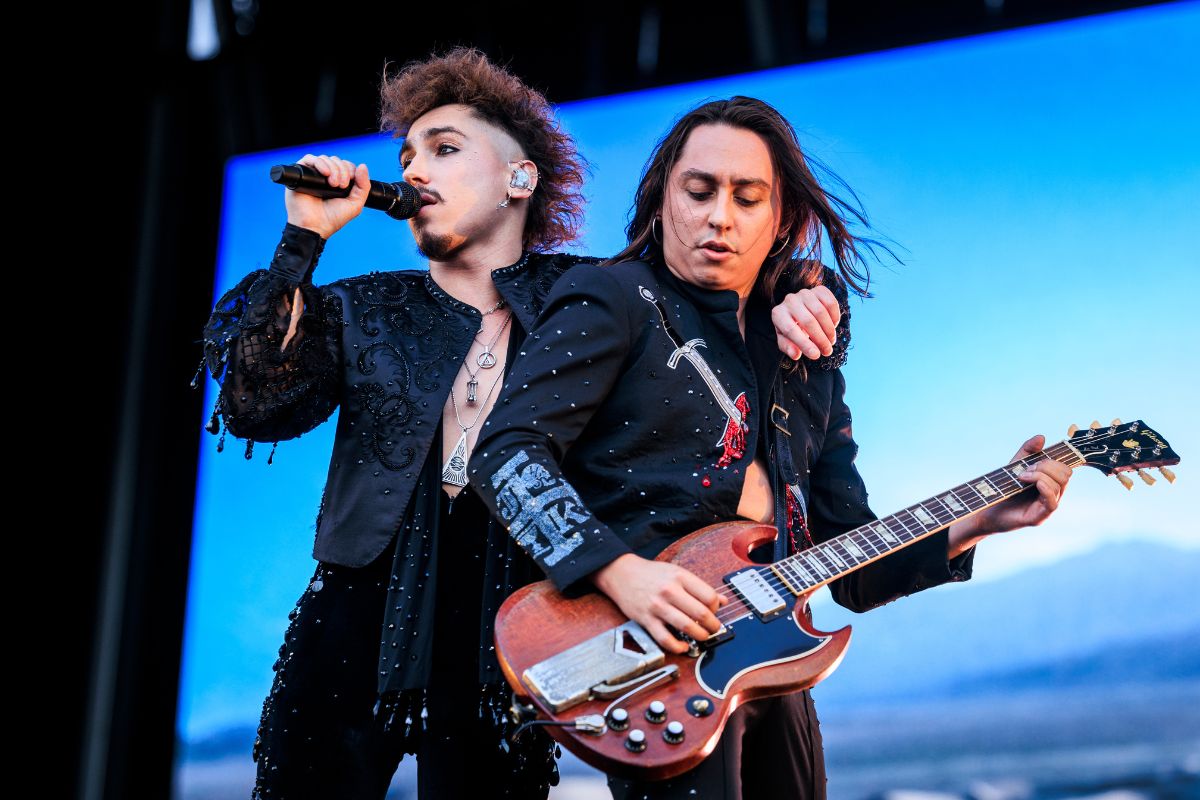
Listen to Michigan rockers Greta Van Fleet and one band should come fairly quickly to mind. Yes, with their high-pitched vocals, vintage guitar tones and classic rock swagger, GVF are in thrall to the magic of Led Zeppelin.
That can cut both ways: for their armies of devotees, the Greta Van Fleet experience is a heady mix of 70s-revival swagger and immense technical skill. Naysayers, though, argue they lack originality, essentially mimicking ’70s icons rather than forging their own path. And what do Led Zep’s own armies of fans think? You could easily fall into either camp here: a chance to hear your beloved band as if reborn, or a pale imitation of the original magic.
GVF’s youth and energy excite some, while others see them as derivative. They’re at the crucible of the nostalgia-versus-originality debate: mere imitators, or torch carriers for the great classic rock tradition?
Here's 'Highway Tune', the song that famously sparked the 'Zeppelin clone' debate.
16. Grateful Dead
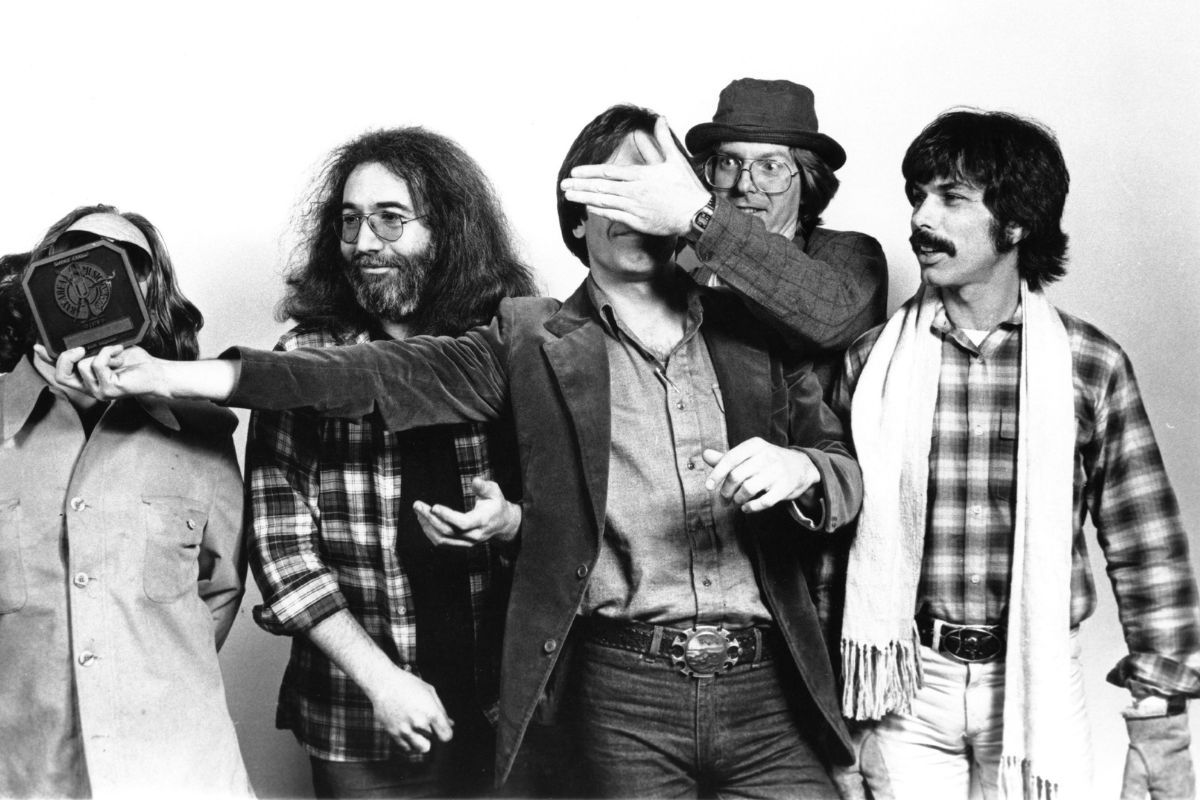
This band belongs in our list for reasons quite different to most of the acts we’ve covered. Where, for the likes of Kansas, Bon Jovi or Aerosmith, a perceived radio-friendly slickness has been the problem, for Grateful Dead’s critics it’s precisely the band’s lack of polish that grates.
It was the Grateful Dead, after all, who pioneered jam-based improvisation and cult-like fan culture. Devoted ‘Deadheads’ worship the collective’s long, exploratory live shows, seeing them as transcendent, but to others they can seem merely meandering and inaccessible.
The band’s unconventional approach, improvisational ethos, and counterculture associations make them both revered and baffling. Grateful Dead represents a split between musical exploration and perceived aimlessness, making devotion or disdain a matter of perspective.
Here's 'Shakedown Street', a track that, with its disco beat and slick, polished studio sound, even divided the 'Deadheads':
17. The 1975
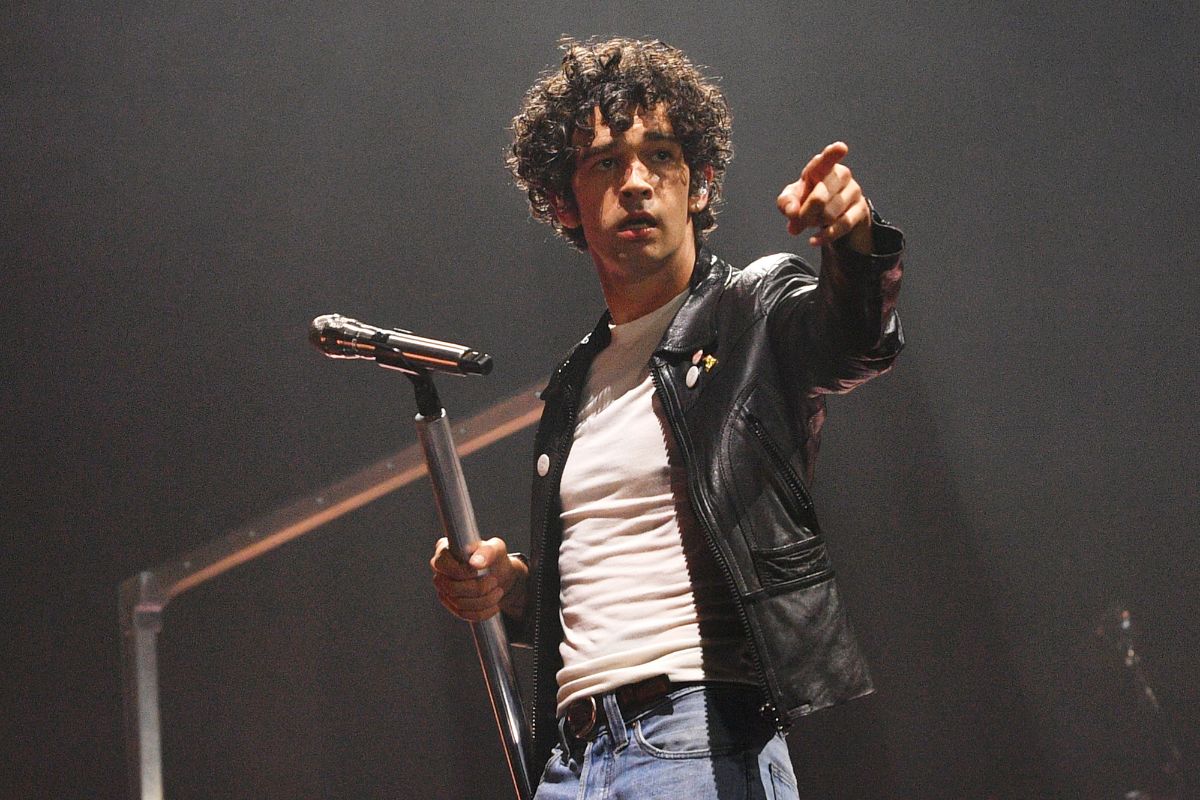
The 1975 divide listeners because they operate as a hyper-literate, self-aware mirror of the internet age. Their glossy pop-rock production, which fearlessly blends 80s synthpop, emo, art pop and indie rock, often draws accusations of being overly 'manufactured' or of sonic 'magpie-ism'.
However, it is frontman Matty Healy’s outspoken, often chaotic commentary on everything from mental health to post-modernity that creates the sharpest divide. Critics frequently struggle to determine where the sincerity ends and the irony begins, leading some to hail them as the most important, genre-defying band of their generation, while others dismiss them as insufferably pretentious.
Ultimately, by leaning into their own contradictions, The 1975 have become the quintessential 'love-them-or-hate-them' band of the 21st century.
All pics Getty Images
Top pic (L-R) Jonny Buckland, Chris Martin, Guy Berryman and Will Champion of Coldplay, MTV Awards, 2008