For most of the 1970s, Emerson, Lake & Palmer looked almost impossible to stop.
They had conquered progressive rock with music that seemed determined to get bigger, louder and more elaborate with every album. 1972's fantastical epic Tarkus was followed by the wildly eclectic Trilogy, which threw in everything from delicate chamber pop to raucous hoedowns, and 1974's sinister, spectacular Brain Salad Surgery. They had filled arenas, sold millions of records and turned three extraordinarily talented musicians into one of the biggest bands in the world.
Then, in 1978, they went to the Bahamas, put on some very un-ELP clothes, stood on a beach and smiled for the camera.
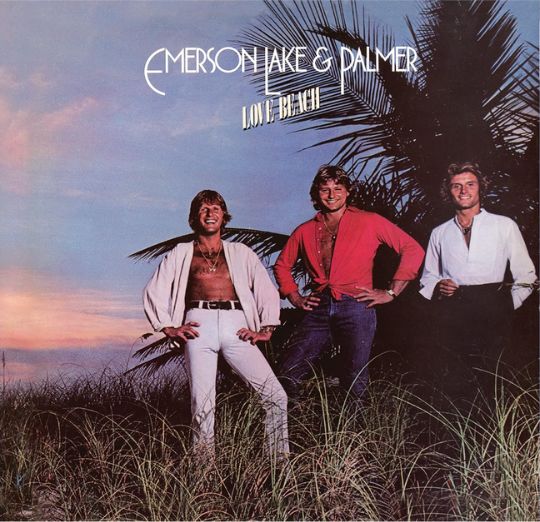
The resulting album cover has become one of the great visual punchlines in progressive rock history. Keith Emerson, Greg Lake and Carl Palmer are pictured with their shirts open, showing plenty of chest hair, grinning at the camera as though they have wandered in from a particularly lavish 1970s disco.
They look, as Palmer himself later put it, like the Bee Gees.
The album was called Love Beach.
And although the cover didn't single-handedly destroy Emerson, Lake & Palmer, it perfectly captured the strange, exhausted state the band had reached. They had already run out of enthusiasm, run out of direction and, by Palmer's later account, had essentially broken up before they even started recording it. The record company persuaded them to make one more album anyway.
What emerged was a strange mixture of radio-friendly pop songs and one last sprawling prog epic. Critics hated it. Fans were bewildered. The band barely promoted it.
And then ELP went their separate ways.
Gloriously excessive
It is difficult now to appreciate just how enormous ELP had been.
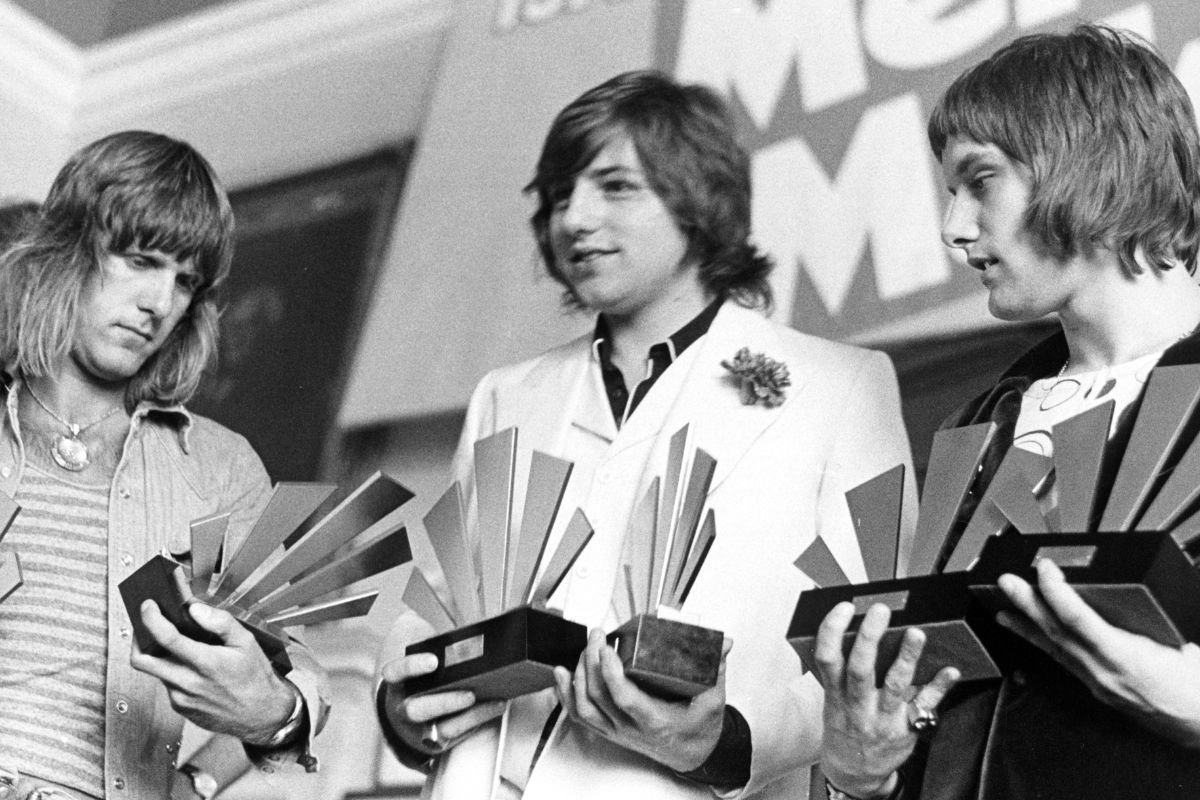
Formed in 1970 by keyboard virtuoso Keith Emerson, former King Crimson singer and bassist Greg Lake, and drummer Carl Palmer, the trio quickly established themselves as one of the defining bands of progressive rock. Their music was ambitious, technically dazzling and often gloriously excessive. They could turn classical pieces into rock monsters, write 20-minute suites and put elaborate concepts into enormous stage productions.
By the middle of the decade, however, the very qualities that had made ELP successful were beginning to work against them.
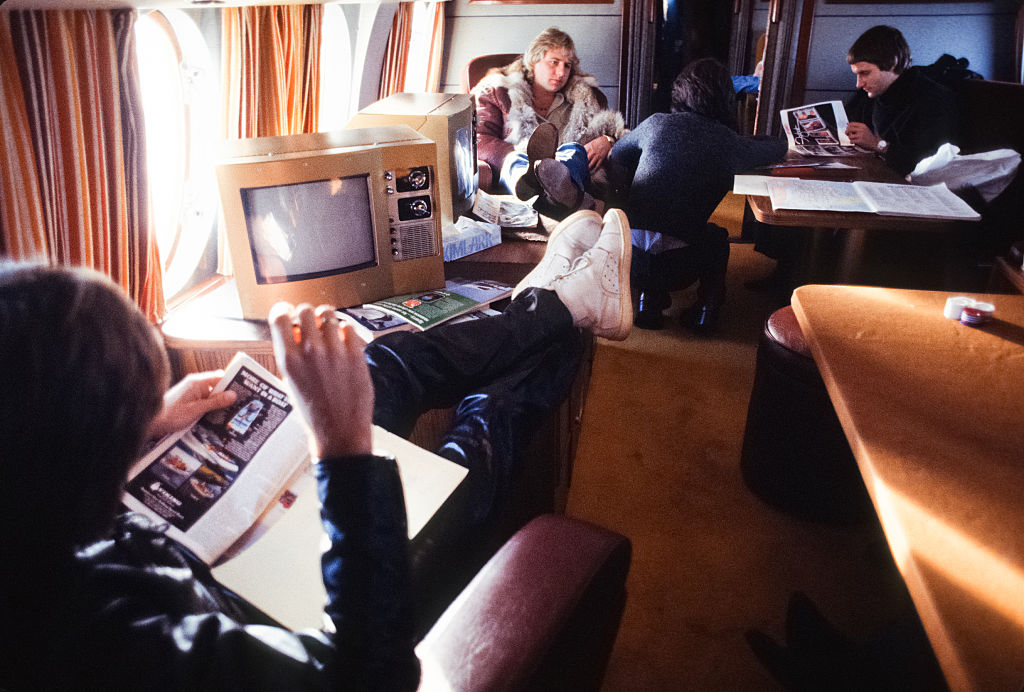
The band had spent years touring relentlessly. They were tired. Their music had become increasingly elaborate, and their individual ambitions were pulling them in different directions. Works, the sprawling 1977 project that gave each member substantial room for solo material, had demonstrated both their virtuosity and their growing separateness.
By the summer of 1978, Palmer says, the band had effectively reached the end.
'We had basically broken up,' he recalled in a later interview with Music Radar.
The trio had retreated to Nassau in the Bahamas, where Emerson had a house. It might sound like an idyllic place to make an album, but Palmer remembers it very differently.
They had been touring for seven or eight years and were, in his words, 'fried'. There wasn't much new material, and nobody seemed particularly keen to start another ELP project.
Then Atlantic Records boss Ahmet Ertegun intervened.
'One more album'
Ertegun persuaded the musicians to give it another try. Chris Blackwell, founder of Island Records, offered them access to Compass Point Studios in Nassau.
The record company had effectively found a way to tempt three exhausted musicians into making one more record: send them somewhere sunny, give them a studio and hope something happens.
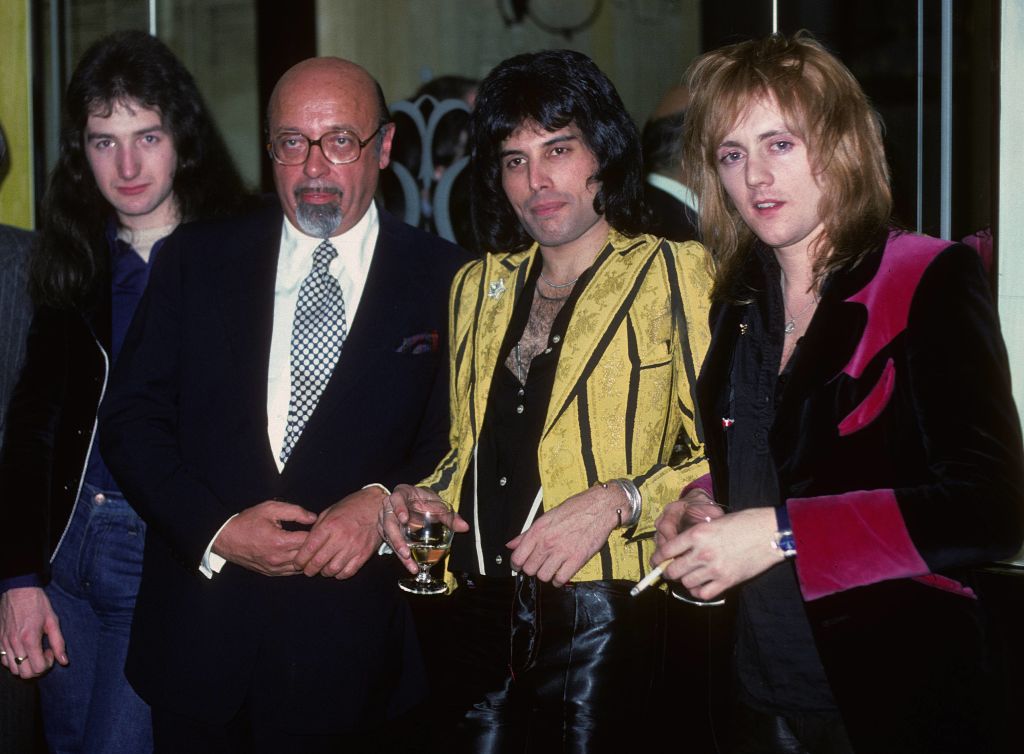
Palmer later suggested that the record executives were effectively 'ganging up' on the trio behind the scenes. Eventually, the musicians agreed to try.
But the circumstances were hardly ideal.
'We were really tired when we made that record,' Palmer said in a 2026 interview with Music Radar. 'I mean, we'd done a lot.'
And the setting wasn't exactly conducive to recreating the atmosphere that had produced Tarkus or Brain Salad Surgery.
Palmer has joked that you need to suffer a little to write progressive rock. In one particularly memorable explanation, he contrasted the grim business of getting stuck in traffic on the way to the studio with life in the Bahamas, where the musicians had beaches, boats and sunshine.
His conclusion was characteristically blunt: 'When you're living in the Bahamas and you've got the beach and the sea and you've all got boats, what are you going to get? You're going to get Love Beach.'
That turned out to be almost exactly what happened.
Time to talk about *that* cover
The album was named after the beach in front of the studio.
That should perhaps have been the first warning.
Then came the photograph.
Instead of the austere, surreal or elaborate imagery that had accompanied ELP's classic albums, the three musicians posed on the beach looking relaxed, tanned and conspicuously hairy. Their shirts were open. They were smiling.
They looked like a progressive-rock version of the Bee Gees.
Palmer hated it. 'I remember standing on that beach and thinking: "This is wrong,”' he recalled.
His objection wasn't simply that the photograph was unflattering. It was that the entire image seemed to contradict everything ELP had spent the previous decade establishing. 'We play nice acoustic songs sometimes, but we're meant to be a progressive rock band,' Palmer remembered thinking.
Years later, he was still incredulous.
'I find it hard [to believe] that we called a prog album Love Beach,' he said, 'and number two is that I find it difficult that the three of us were standing on the beach, looking like the Bee Gees. That's a prog cover?'
It was an astonishing image for a band that had once been at the cutting edge of 1970s prog rock. And the music didn't exactly rescue it.
Was Love Beach really that bad?
Well... not quite.
That's where the story becomes more interesting than the joke.
Love Beach was released in November 1978 and immediately looked like a band trying to make peace with a musical world that had moved on without them. Its first side consisted largely of shorter, more accessible songs, several written by Greg Lake with lyricist Pete Sinfield. There were attempts at commercial material, including the title track and 'All I Want Is You'.
The second side, however, was almost defiantly old-school ELP: a 20-minute suite, 'Memoirs of an Officer and a Gentleman', divided into four sections.
There was also 'Canario', an adaptation of Spanish composer Joaquín Rodrigo's classical piece, which Palmer still considers one of the album's highlights.
'Downright pathetic'
So the album wasn't simply ELP suddenly deciding to become a disco band. But it was undeniably out of step.
The critics were merciless. Rolling Stone's Michael Bloom famously described the record as 'downright pathetic', while later assessments have tended to regard it as ELP's creative nadir.
Even Palmer has traditionally been brutal about it. 'I always refer to it as the worst album that ELP ever made,' he said in an earlier interview, adding that he disliked both the music and the whole period in Nassau.
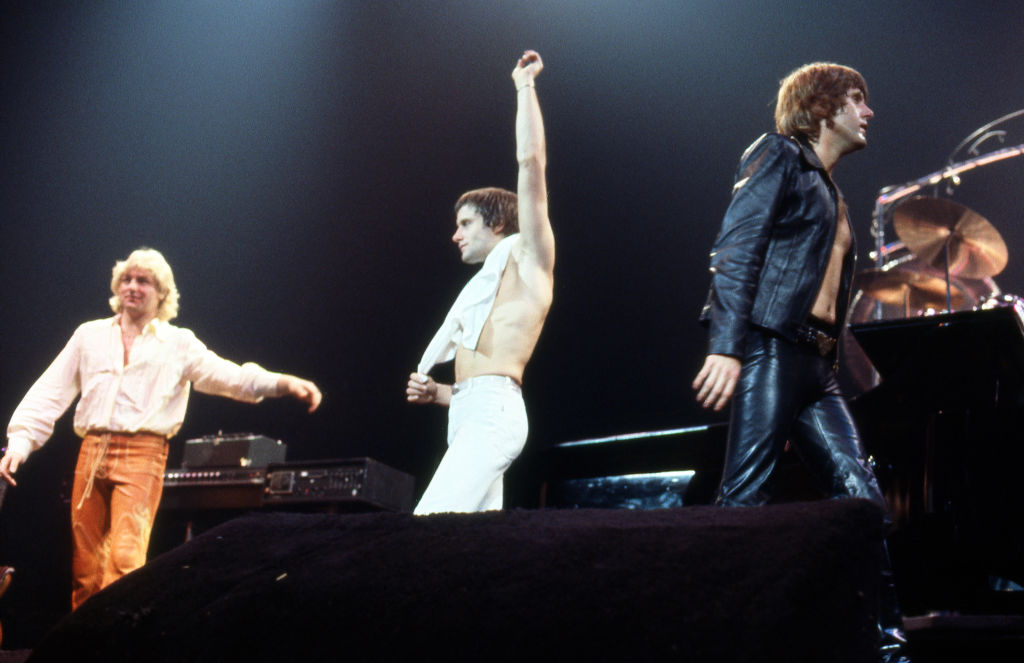
Yet Palmer's more recent assessment is surprisingly forgiving.
'It’s not my favourite album,' he told Music Radar, 'but there are some good tracks on it.'
He has singled out 'Canario', while also praising 'Memoirs of an Officer and a Gentleman'.
Greg Lake was similarly defensive. In a later interview, he argued that Love Beach wasn't simply a bad album. It was an album the band didn't want to make, made at a time when they were creatively exhausted. It wasn't Tarkus or Trilogy, he acknowledged – but it was still an ELP album.
And there is some evidence that the record has become slightly more interesting with age. Even AllMusic's retrospective assessment argues that the notorious cover can be misleading: beneath the soft-focus image and shorter songs, the album still contains the classical-rocking 'Canario' and the substantial closing suite.
But in 1978, none of that really mattered. The world had changed.
ELP were already yesterday's band
The timing was terrible.
Love Beach arrived at the end of the 1970s, when punk had demolished much of the cultural prestige surrounding progressive rock. The very idea of three virtuoso musicians standing on a beach looking pleased with themselves could seem like a parody of everything punk was rejecting.
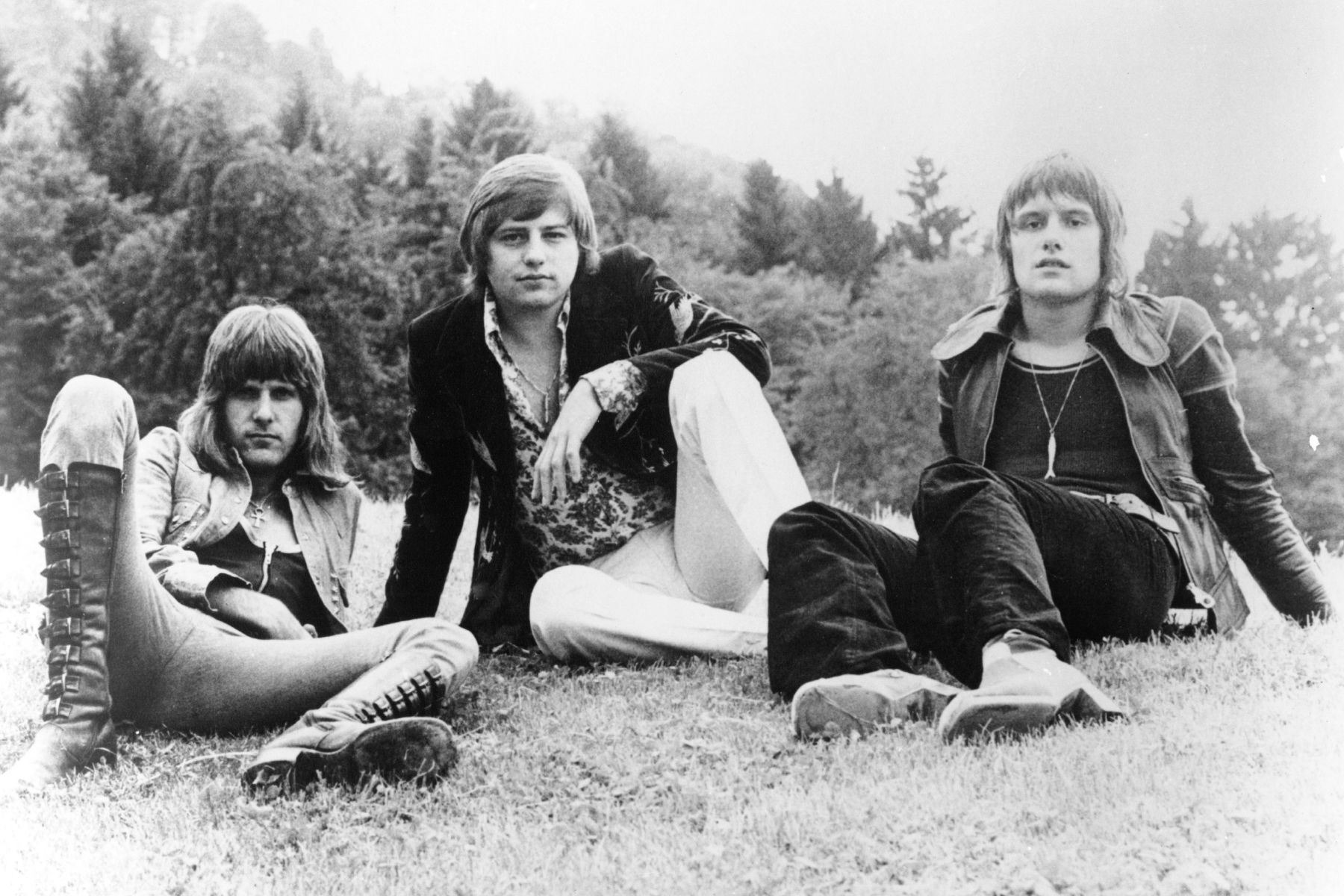
And ELP weren't just being criticised for making an unconvincing commercial record.
They looked old.
That was particularly damaging for a band whose entire identity had been built around technical brilliance, seriousness and ambition.
Keith Emerson later admitted that the album had been an attempt to make ELP's music more radio-friendly, following the successful commercial crossover of bands such as Genesis and Yes. But he also believed the cover contributed enormously to the hostile reaction.
'The package that Love Beach was put into,' Emerson said, with the three members 'looking like the Bee Gees and having a good laugh', was, in his words, 'shock and horror'.
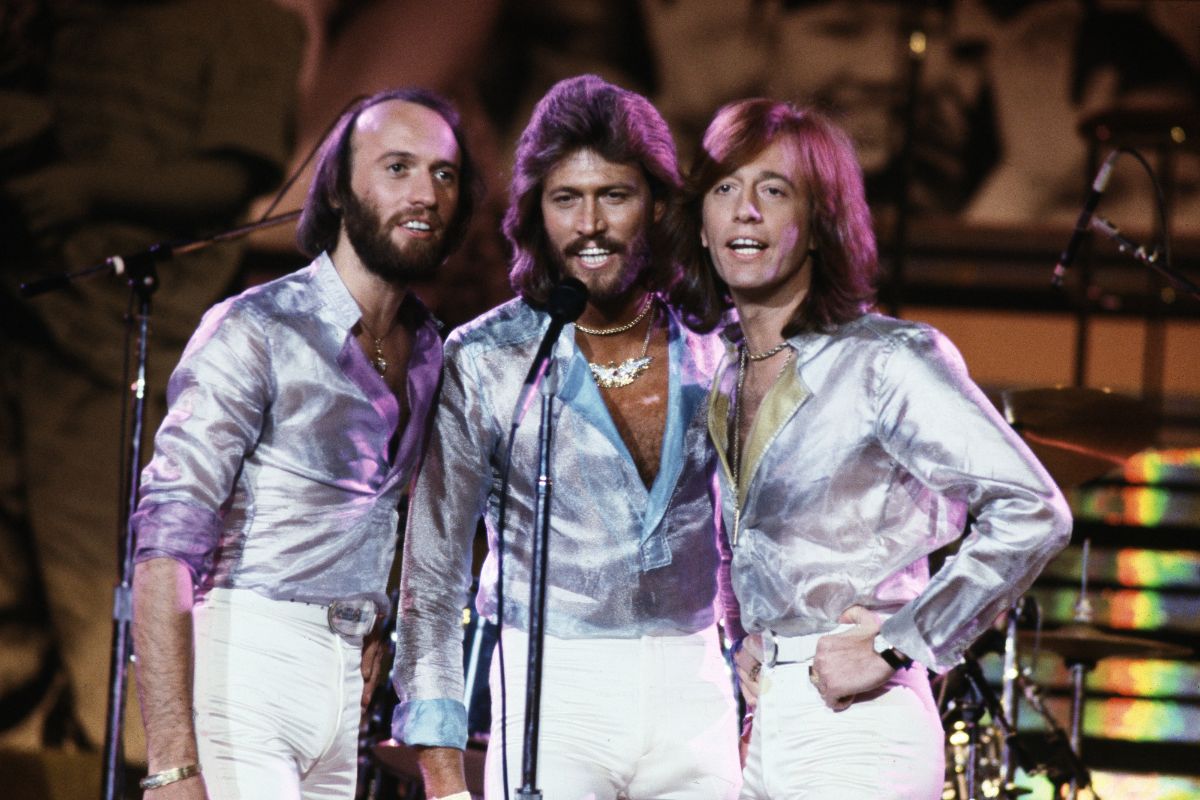
In other words, the photograph wasn't merely an embarrassing sleeve. It told people how to interpret the music before they had even heard it. And the message seemed to be: ELP have lost the plot.
The album that nobody wanted to promote
There was another problem with Love Beach.
The band themselves weren't particularly interested in selling it.
Palmer says they never properly promoted Love Beach. They had simply had enough.
'It might have sold more if we'd promoted it,' he later admitted in the Music Radar interview. 'But we were tired. We'd toured so much.'
That is perhaps the most revealing part of the entire story. The album wasn't the beginning of ELP's collapse. It was the soundtrack to a collapse that had already happened.
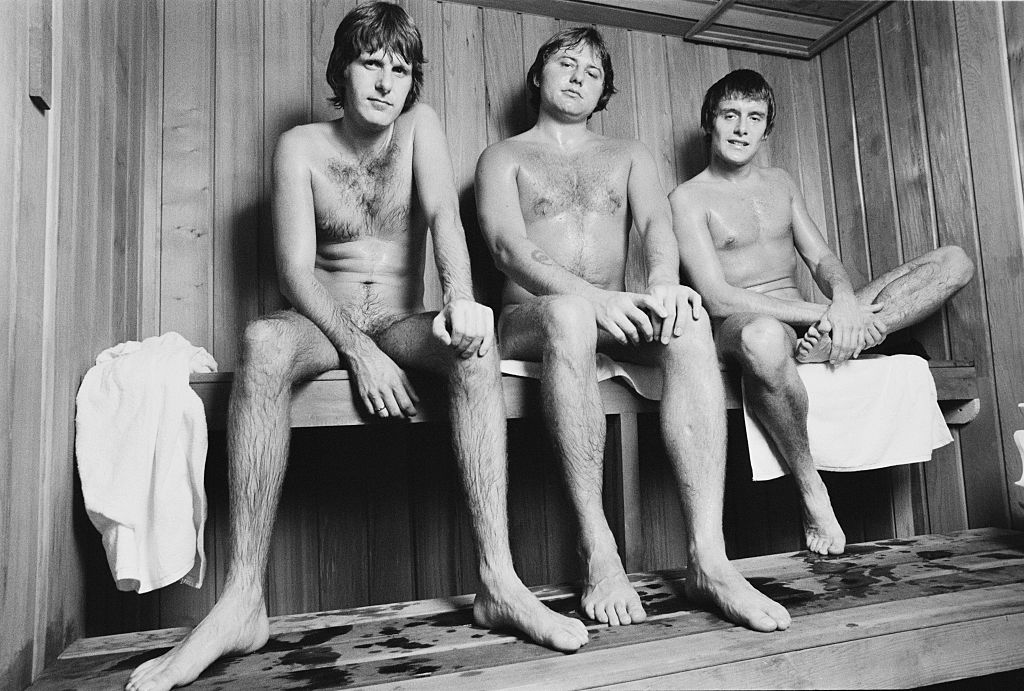
The band had been pressured into making one final record. They were exhausted, creatively depleted and increasingly disconnected from one another. They made the album, released it, and then stopped.
As Greg Lake later put it, the breakup wasn't a spectacular fight. There was no single explosive argument. They had simply reached the point where nobody wanted to continue.
'We all just felt simultaneously that we'd been pushed too far,' Lake recalled. That makes Love Beach rather sadder than its ridiculous cover suggests.
So did the Love Beach cover break up ELP?
Not literally.
In fact, the chronology makes the headline slightly mischievous: ELP had effectively broken up before Love Beach was made.
But the cover became a perfect symbol of everything that had gone wrong.
Here was a band that had once seemed almost superhuman, now looking awkwardly cheerful on a tropical beach. Their music was trying to accommodate a commercial world they no longer understood. Their record company wanted another product. Their audience wanted the old ELP. Punk was tearing apart the cultural landscape in which ELP had flourished.

And the three musicians themselves were exhausted.
The cover simply made all of that visible. It was the visual equivalent of the band admitting: we don't really know what we're doing here anymore.
Palmer now looks back on the episode with a mixture of embarrassment and affection. 'Maybe somebody should have stopped us before we ran out of gas,' he said in the Music Radar interview.
That is probably the fairest verdict on Love Beach.
It isn't the great lost ELP masterpiece. Nor is it quite the unlistenable catastrophe its reputation sometimes suggests. There are good pieces buried inside it, particularly 'Canario' and the ambitious closing suite.
But as a final statement from one of progressive rock's most powerful bands, it is almost painfully revealing.
ELP had spent the first half of the 1970s trying to make their music larger than life. By 1978, they were too tired to keep pretending.
So they went to the Bahamas, made one last album because their record company wanted it, called it Love Beach, dressed like the Bee Gees and smiled for the camera. And then they went their separate ways.
The terrible cover didn't break up Emerson, Lake & Palmer. It simply gave the breakup a picture.
Pics Getty Images