What do you do when someone has really got under your skin? Write a song about them, apparently.
Rock and pop stars have spent decades turning grudges, betrayals, breakups and professional disputes into music – sometimes with subtlety, sometimes with barely concealed fury. The results range from sly little digs to astonishingly vicious attacks, with some targets instantly recognisable and others left for fans to identify.
John Lennon originally named his attack on the Maharishi Mahesh Yogi outright. Freddie Mercury hid nothing about his feelings towards Queen’s former manager. Lindsey Buckingham made Stevie Nicks sing along to an accusation she bitterly resented. And Carly Simon turned the identity of her target into one of pop’s greatest mysteries.
Then there are the rappers who transformed the diss track into an art form of its own, taking lyrical warfare to extraordinary extremes.
From rock feuds to hip-hop battles, here are 17 of the nastiest diss tracks ever recorded.
1. The Beatles: 'Sexy Sadie' (1968)
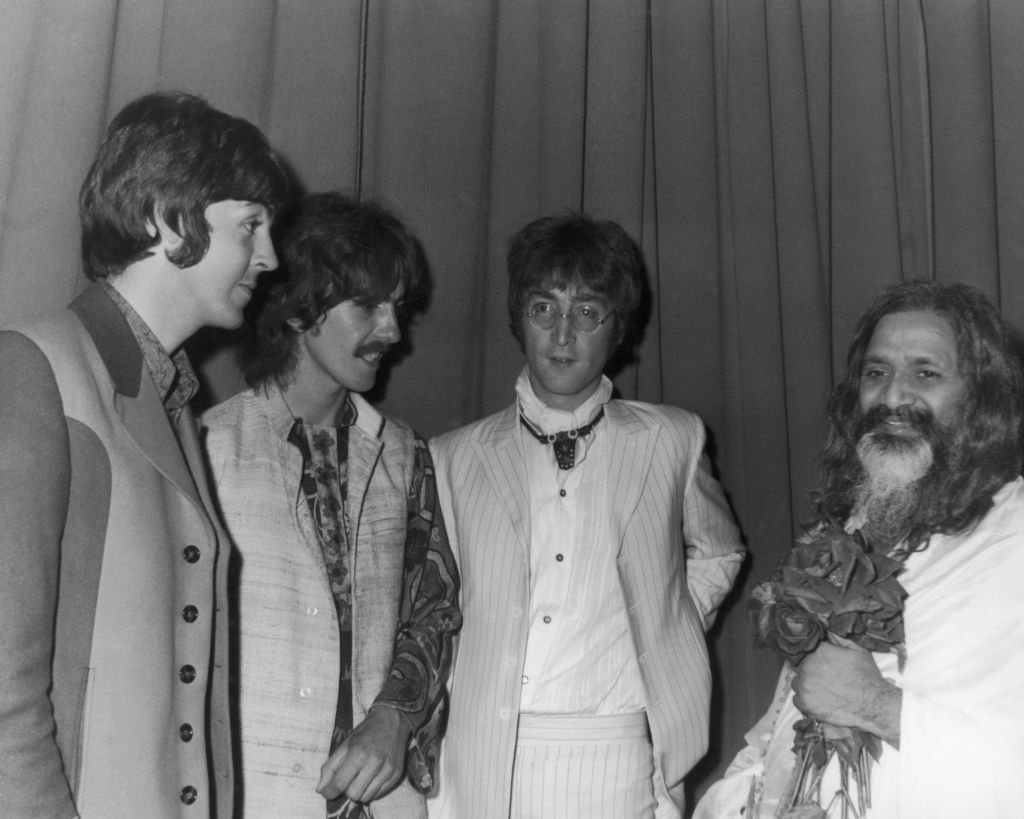
Target: Maharishi Mahesh Yogi
Originally titled 'Maharishi', John Lennon's song was a furious response to allegations that the Beatles' spiritual guru had behaved inappropriately towards female followers during the band's stay in India. George Harrison and others persuaded Lennon to change the title to 'Sexy Sadie' to avoid potential legal trouble, but the target remained obvious to those in the know.
'You made a fool of everyone,' Lennon sings, dismantling the aura of a man the Beatles had once revered. Although the accusations remain disputed, the song marked the group's disillusionment with their spiritual quest and transformed bitter disappointment into one of the White Album's finest moments.
2. Fleetwood Mac – 'Go Your Own Way' (1976)
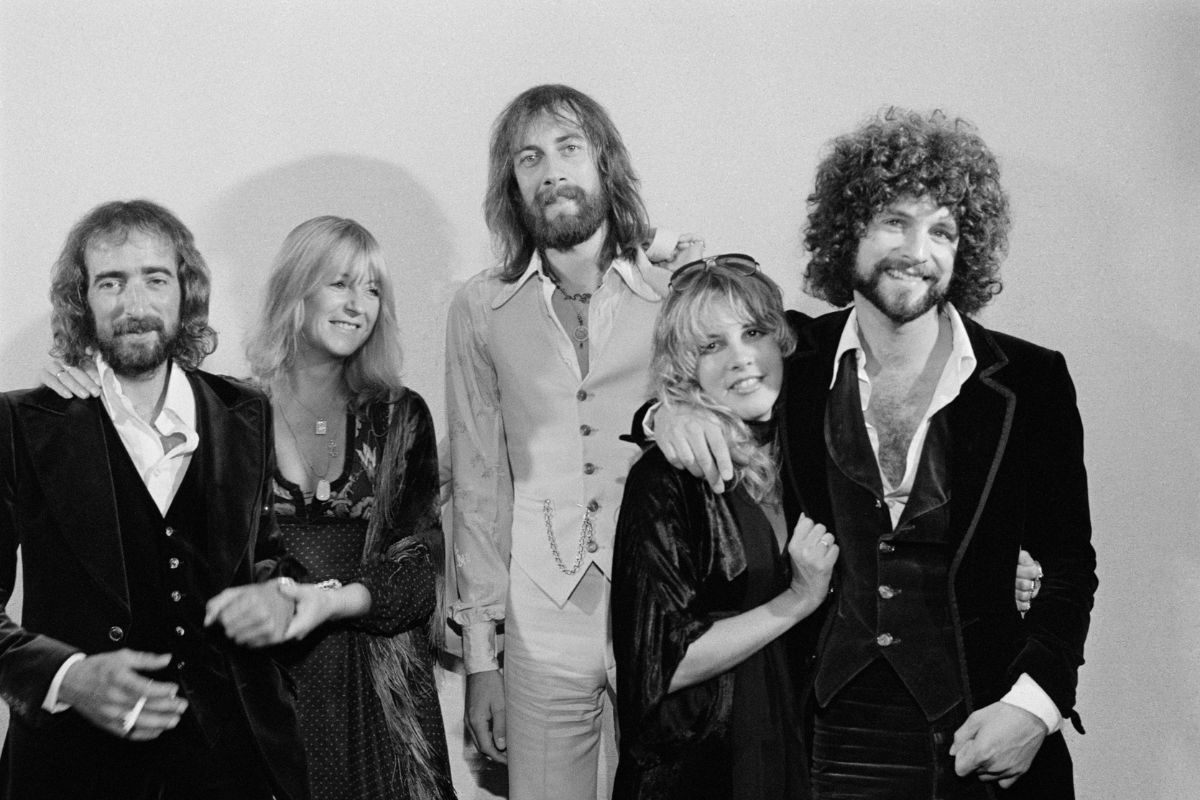
Target: Stevie Nicks
Few songs capture the uncomfortable reality of life in mid-'70s Fleetwood Mac better than 'Go Your Own Way'. Written by Lindsey Buckingham as his relationship with Stevie Nicks collapsed, it included the barbed accusation that 'packing up, shacking up's all you want to do' - a line Nicks fiercely objected to because she insisted it wasn't true.
Buckingham refused to change it, and the real sting came later: Nicks had to sing harmonies on the very song attacking her, night after night, for decades. The result is one of rock's greatest breakup songs, fuelled by heartbreak, resentment and astonishing professionalism.
3. Lynyrd Skynyrd – 'Sweet Home Alabama' (1974)
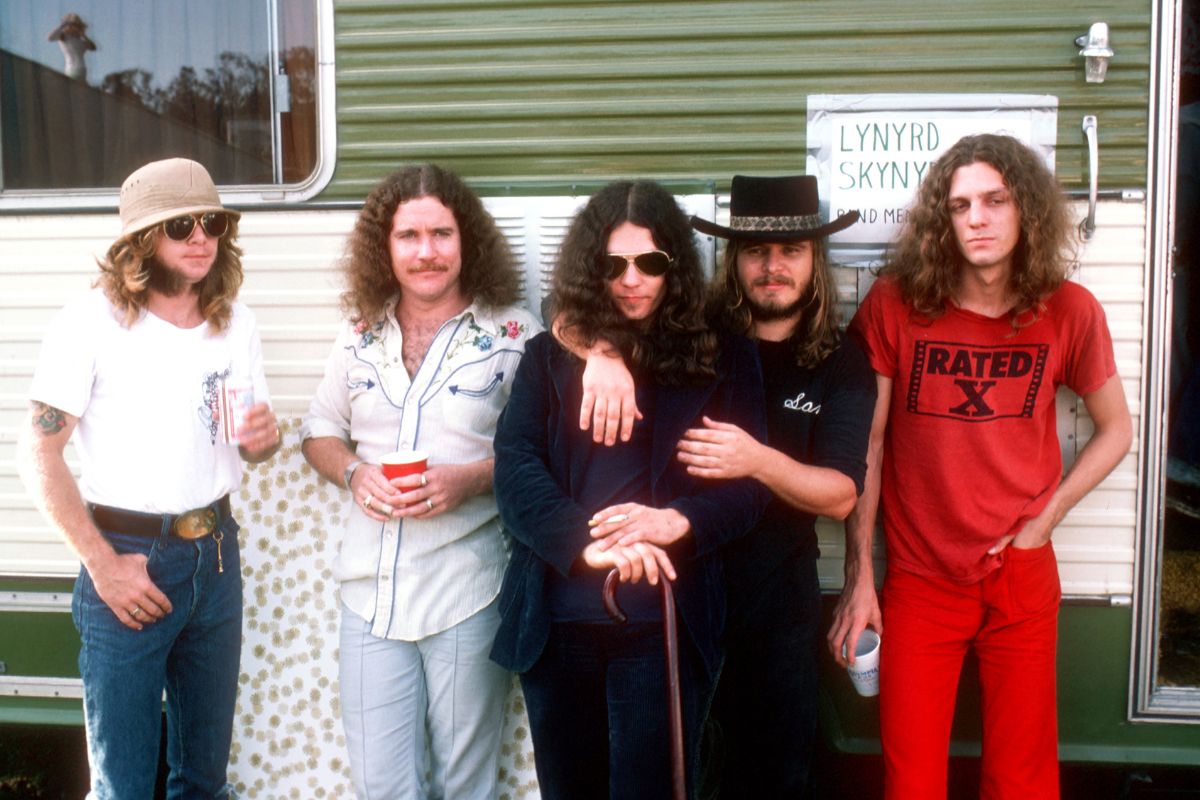
Target: Neil Young
Neil Young's 'Southern Man' (from 1970's After the Gold Rush album) and 'Alabama' (Harvest, 1972) had both painted an unflattering portrait of the American South, prompting Lynyrd Skynyrd to fire back with one of rock's most famous musical rebuttals. Ronnie Van Zant's line, 'Well, I hope Neil Young will remember, a Southern man don't need him around anyhow', made the target unmistakable.
Interestingly, the supposed feud was more nuanced than legend suggests: Young actually admired the song, while Van Zant regularly wore a Neil Young T-shirt onstage. Even so, 'Sweet Home Alabama' remains one of rock's definitive answer records, transforming regional pride into an enduring anthem.
4. Carly Simon – 'You're So Vain' (1972)

Target: Officially unknown (though Warren Beatty is widely considered the leading candidate)
No revenge song has generated more speculation than 'You're So Vain'. Carly Simon has confirmed that the lyrics concern more than one man, while carefully revealing only that actor Warren Beatty inspired the second verse. Naturally, that partial confession has only deepened the mystery, with Mick Jagger, Kris Kristofferson, David Geffen and several others all suggested over the years.
The genius of the song lies in that ambiguity: by refusing to identify its subject outright, Simon created perhaps the most famous guessing game in pop history. Ironically, anyone convinced the song is about them merely proves the title right.
5. Paul McCartney – 'Too Many People' (1971)
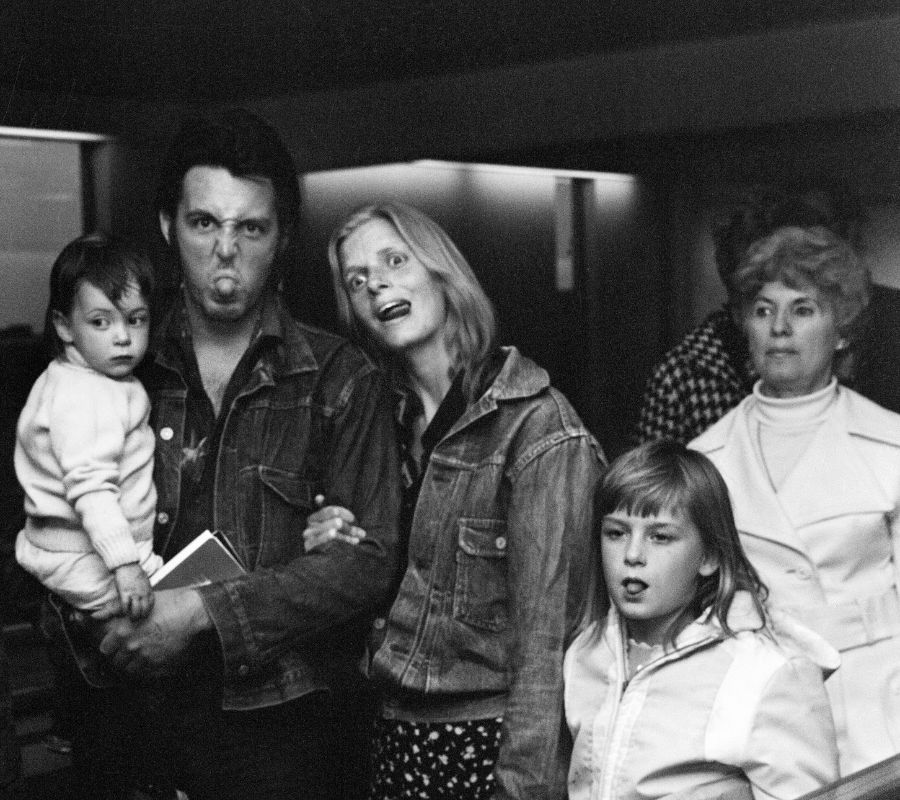
Target: John Lennon
Paul McCartney's contribution to the Beatles' post-break-up war was subtler than John Lennon's (of which more in a moment), but it lit the fuse nonetheless. Appearing on Macca's second post-breakup solo album Ram, 'Too Many People' contained several pointed digs that Lennon instantly recognised, particularly the lines 'Too many people preaching practices' and 'You took your lucky break and broke it in two'.
McCartney has since admitted they were aimed at Lennon and Yoko Ono, though he intended them as little more than gentle prods. Lennon saw things very differently, responding months later with the far more brutal 'How Do You Sleep?'. In retrospect, this deceptively sunny slice of melodic pop marked the opening salvo in one of rock's most infamous feuds.
6. John Lennon – 'How Do You Sleep?' (1971)
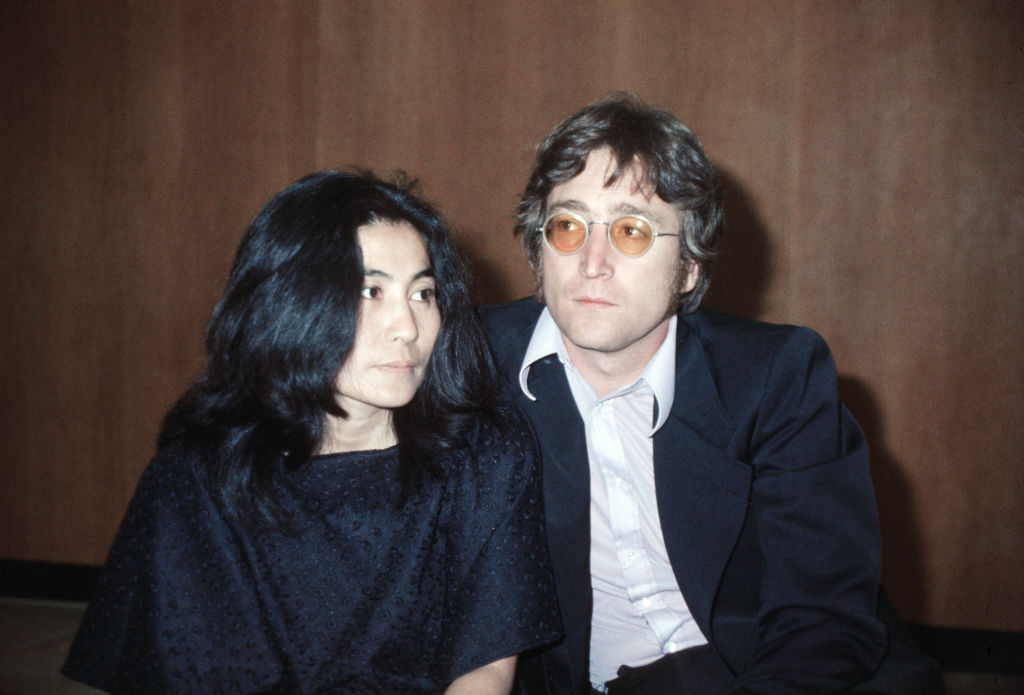
Target: Paul McCartney
If 'Too Many People' was a jab, 'How Do You Sleep?' was an all-out assault. Stung by what he perceived as McCartney's condescension following the Beatles' split, Lennon unleashed one of the most vicious songs in rock history. 'The only thing you done was Yesterday,' he sneers, dismissing Paul's post-Beatles output and questioning his talent.
The bitterness was heightened by the presence of George Harrison on slide guitar and producer Phil Spector behind the desk. Lennon later admitted he had probably gone too far, but the song remains a startling example of private resentment becoming public art.
7. 2Pac – ‘Hit ’Em Up’ (1996)
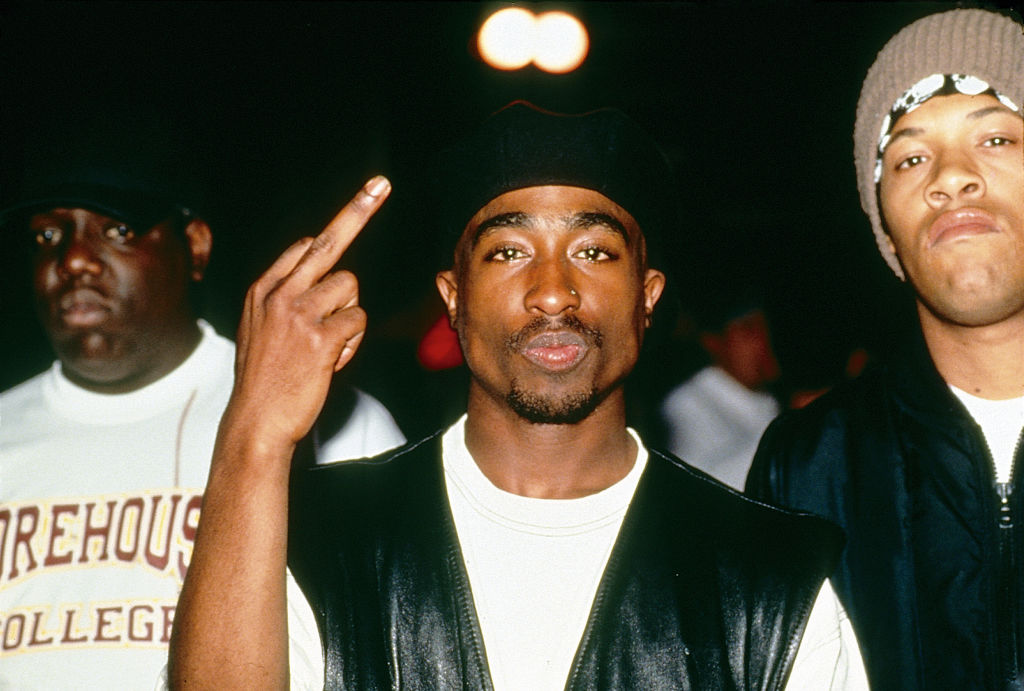
Target: The Notorious B.I.G.
The fury in 'Hit ’Em Up' didn’t come from nowhere — it was rooted in a personal betrayal Tupac never got over. In 1994, he was shot and robbed at Quad Studios in New York. Tupac believed The Notorious B.I.G. and people in Biggie’s circle knew more than they admitted, or at the very least failed to warn him. When Biggie later released 'Who Shot Ya?', Tupac interpreted it as taunting, adding fuel to the fire.
By the time 'Hit ’Em Up' arrived, the anger had curdled into something volcanic. Tupac attacks Biggie’s credibility, mocks his image and extends the attack to the entire Bad Boy camp. It’s uncomfortable, electrifying and historically pivotal — the moment the East Coast–West Coast feud turned genuinely dangerous.
8. Eminem – ‘Killshot’ (2018)

Target: Machine Gun Kelly
The 'Killshot' explosion didn’t happen in isolation — it was the culmination of a long‑simmering irritation that finally boiled over when Machine Gun Kelly released 'Rap Devil', mocking Eminem’s age, relevance and reputation. MGK had already angered Em years earlier with comments about his daughter, and the feud reignited when MGK claimed Eminem was blocking his industry opportunities. Rap Devil was bold, but it also handed Eminem a target he could hit with absolute precision.
'Killshot' is that precision in action. Eminem dismantles MGK’s bravado, calling out the contradictions in his persona, the fragility of his career and the opportunism behind the feud. He doesn’t shout — he dissects, calmly and clinically, turning every bar into a scalpel. By the end, MGK’s entire posture looks flimsy. It’s the moment the feud effectively ended, because Eminem left nothing standing.
9. Bob Dylan – 'Positively 4th Street' (1965)
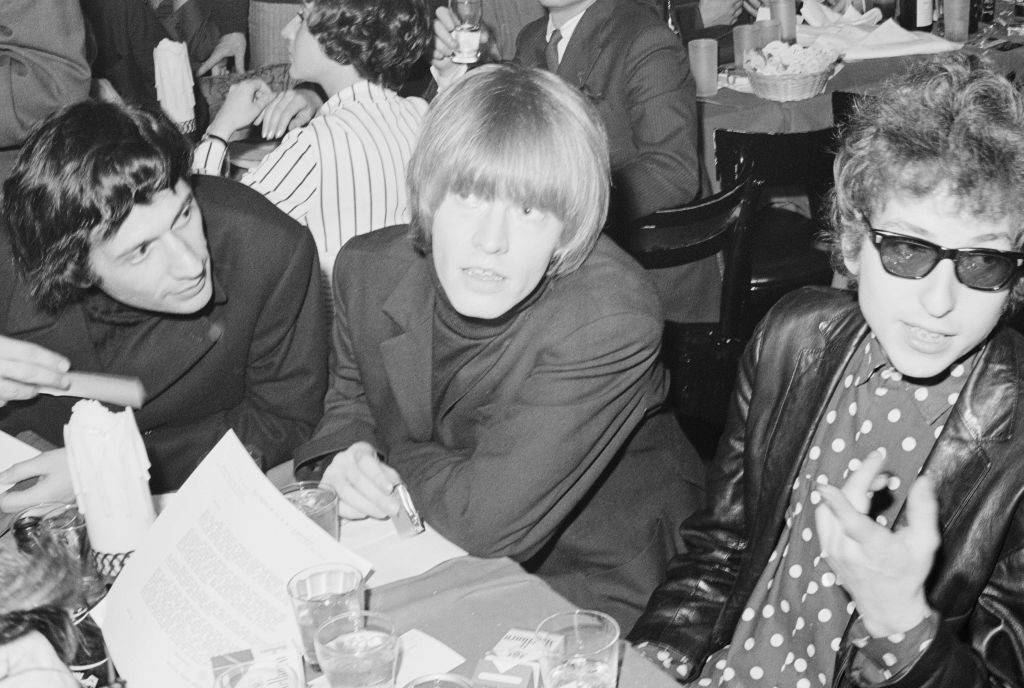
Target: Probably Irwin Silber or another figure from New York's folk scene
Bob Dylan rarely wrote songs that were this nakedly venomous. Released shortly after his controversial move towards electric music, 'Positively 4th Street' is a withering character assassination aimed at someone Dylan believed had smiled to his face while secretly despising him.
Most scholars point to Sing Out! editor Irwin Silber, who publicly criticised Dylan's changing musical direction, though others argue it targets the wider Greenwich Village folk establishment. Whoever the recipient, Dylan leaves little room for mercy, delivering line after line of icy contempt without offering even a hint of reconciliation. It remains one of the sharpest put-downs ever committed to tape.
10. Guns N' Roses – 'Get in the Ring' (1991)
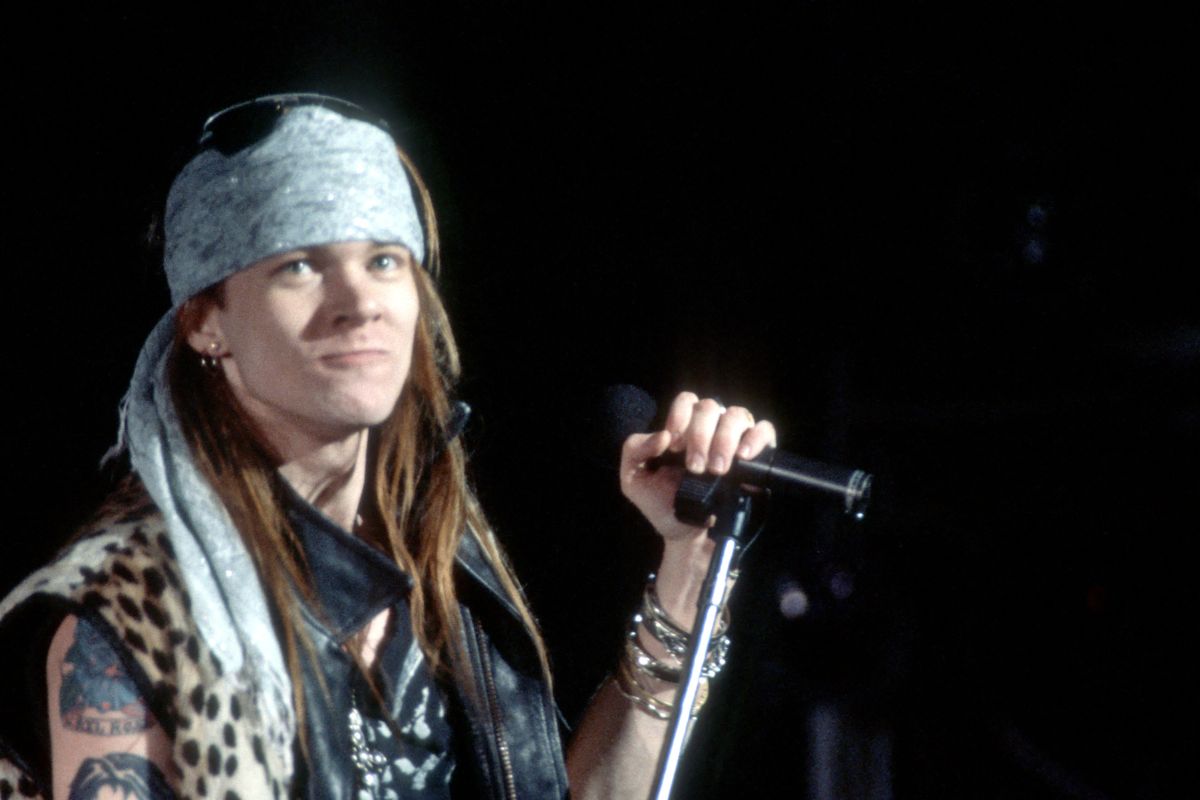
Target: Specific music journalists
Most artists grumble about hostile reviews. Axl Rose preferred to immortalise his grievances on record. Buried on Use Your Illusion II, 'Get in the Ring' erupts into an astonishing spoken-word tirade in which Rose personally names several journalists from magazines including Hit Parader, Kerrang! and Spin, repeatedly inviting them to settle their differences with a fistfight.
It's juvenile, wildly over-the-top and undeniably entertaining - a moment where rock-star ego completely overwhelmed diplomacy. Few songs have ever targeted such a specific group of critics quite so gleefully, or with quite so much profanity.
11. George Harrison – 'Sue Me, Sue You Blues' (1973)
Target: The Beatles' legal battles, particularly Paul McCartney and Allen Klein
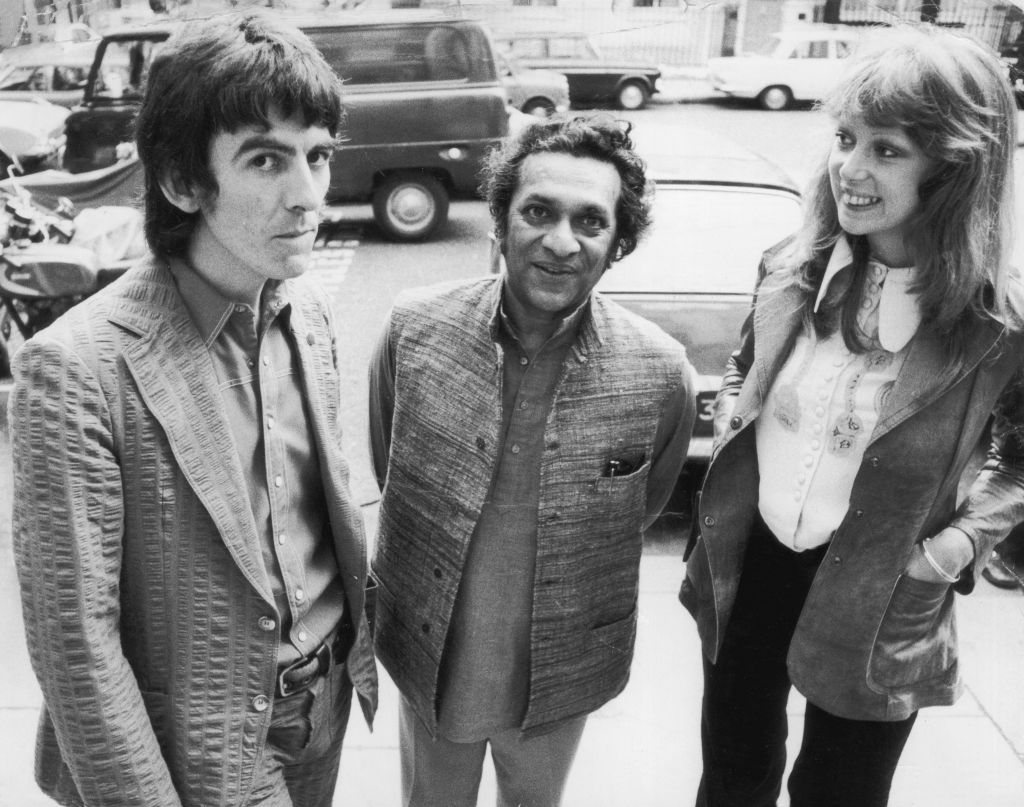
Unlike Lennon and McCartney's increasingly personal exchanges, George Harrison chose gallows humour. Written as the former Beatles became hopelessly entangled in lawsuits over business manager Allen Klein and the band's financial affairs, 'Sue Me, Sue You Blues' skewers the absurdity of friends settling their differences in courtrooms rather than recording studios.
- We named Allen Klein one of rock's worst managers
'Bring your lawyer and I'll bring mine,' Harrison deadpans, treating the whole saga as a bizarre spectator sport. The song lacks the bitterness of Lennon's attacks, but its dry wit makes the point just as effectively: by the early 1970s, the world's biggest band had become a collection of litigants.
12. Justin Timberlake – 'Cry Me a River' (2002)
Target: Britney Spears
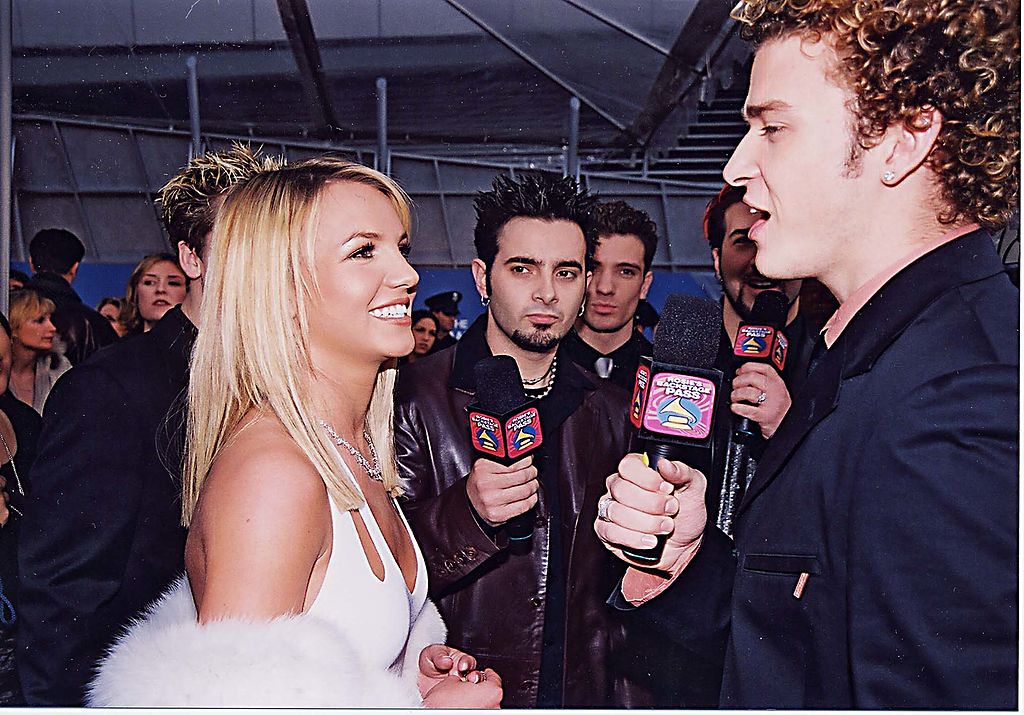
Few break-up songs have reshaped celebrity culture quite like 'Cry Me a River'. Widely understood to be Timberlake's response to his highly publicised split from Britney Spears, the song portrays a betrayed lover finally turning the tables. The accompanying video poured petrol on the fire by featuring a Spears lookalike, fuelling speculation that the lyrics reflected real events.
Whether entirely fair or not, the combination of the song and video cemented a public narrative that followed Spears for years. More than two decades later, it's still one of pop's most famous revenge songs - and one whose cultural impact is now viewed rather more critically than it was at the time.
13. Taylor Swift – 'Dear John' (2010)

Target: John Mayer
Taylor Swift has rarely confirmed the subjects of her songs outright, but 'Dear John' leaves little room for doubt. Written after her brief relationship with John Mayer, the song borrows the title of the familiar 'Dear John' breakup letter while delivering a devastating account of manipulation, imbalance and emotional fallout.
Mayer later admitted he felt 'humiliated' by the track, claiming he hadn't deserved such a public dressing-down. Whatever your view of the dispute itself, the songwriting is exceptional: Swift transforms intensely personal pain into a slow-burning, six-minute epic that elevated the revenge song into something richer, sadder and ultimately more enduring than simple score-settling.
14. Elvis Costello – ‘How to Be Dumb’ (1991)
Target: Bruce Thomas, Costello's former bassist
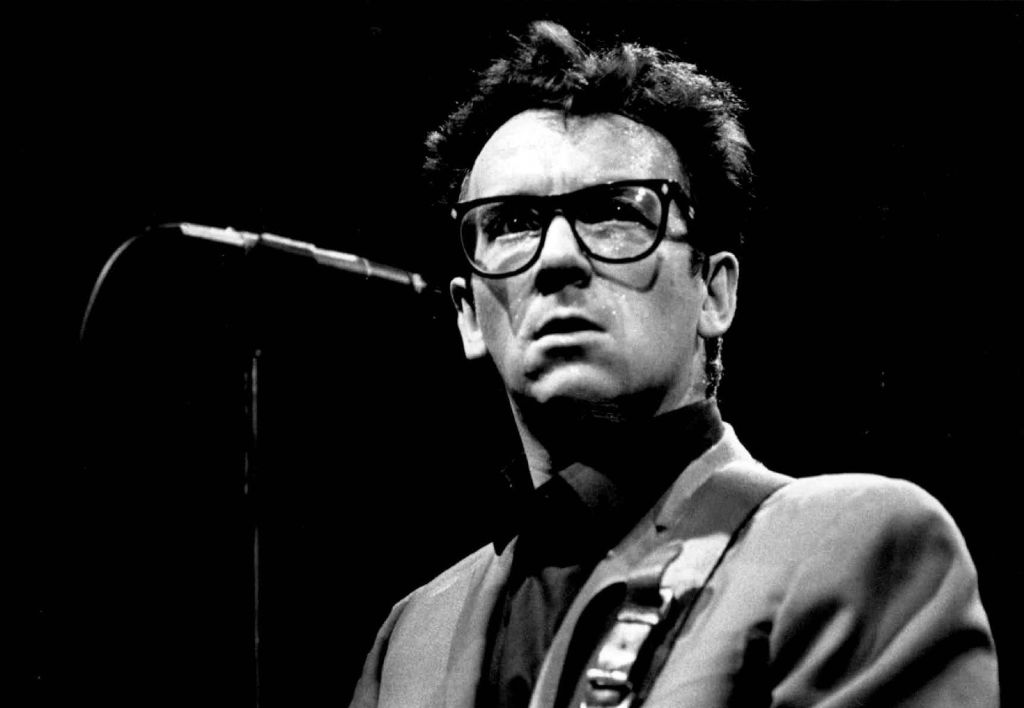
Costello’s sharpest knives were often reserved for people close to him, and 'How to Be Dumb' is his most personal attack — a bitter, brilliantly written takedown of former Attractions bassist Bruce Thomas. Rather than rage, Costello opts for sarcasm, theatrical sneer and lyrical precision, skewering Thomas’s ego and behaviour with the kind of detail only an ex‑bandmate could wield. It’s vicious, funny and musically superb, proof that diss tracks don’t need volume to draw blood.
15. Jay‑Z – ‘Takeover’ (2001)
Target: Nas
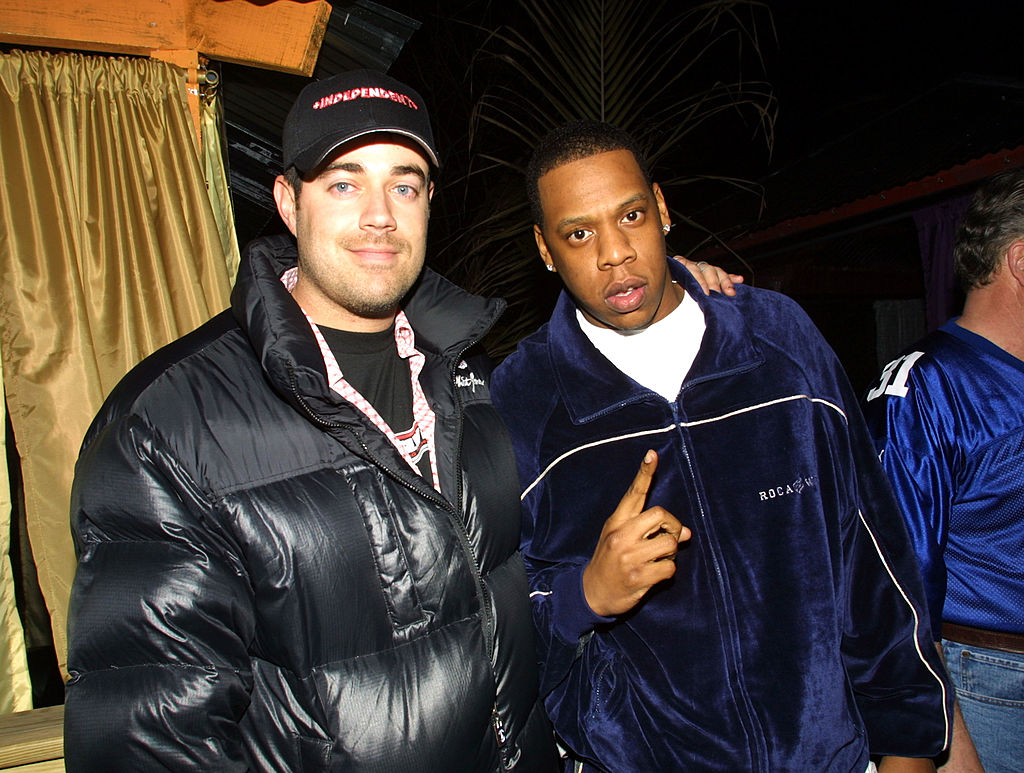
The Jay‑Z vs Nas feud wasn’t just a clash of egos — it was a battle over who truly owned New York hip‑hop at the turn of the millennium. Both had been circling each other for years: Nas appeared on Jay‑Z’s debut, Jay‑Z sampled Nas on 'Hard Knock Life', and each felt the other was encroaching on his territory. When Jay dropped Takeover in 2001, the cold precision of the attack changed everything.
Rather than rant, Jay builds a case. He mocks Nas’s recent output, questions his consistency, and contrasts Nas’s patchy late‑’90s run with Jay’s own commercial and artistic dominance. He even rewrites Nas’s legacy, arguing that Illmatic was a masterpiece but the rest of the catalogue didn’t measure up. And he doesn’t stop there — he also targets Prodigy of Mobb Deep, a Queensbridge contemporary of Nas, ridiculing his past and undermining his credibility.
'Takeover' is devastating because it feels like a deposition rather than a diss: calm, confident, and designed to reshape the narrative. It lit the fuse for the greatest feud in hip‑hop history.
16. Nas – ‘Ether’ (2001)
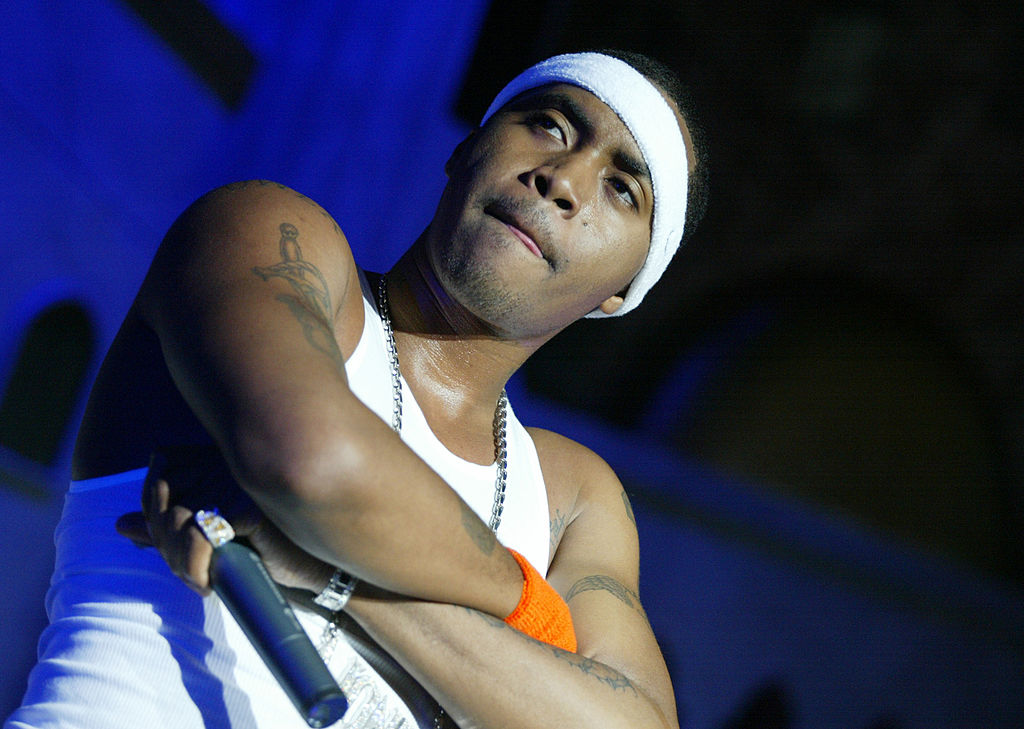
Target: Jay-Z
Few diss tracks have ever scorched the earth quite like 'Ether'. Nas didn’t just respond to Jay‑Z — he dismantled him line by line, flipping Takeover’s cool confidence into outright humiliation.
What makes the track so devastating is the way Nas attacks on every front: credibility, legacy, authenticity, even Jay’s self‑image. He mocks Jay’s supposed superiority ('You a fan, a phony, a fake…'), rewrites the narrative around label Roc‑A‑Fella’s rise, and reclaims New York as his territory with ferocious certainty.
The effect was immediate. Ether didn’t just answer Jay‑Z — it reversed the entire feud, restoring Nas’s reputation overnight and making him look sharper, hungrier and more dangerous than he had in years.
17. Queen – 'Death on Two Legs (Dedicated to...)' (1975)
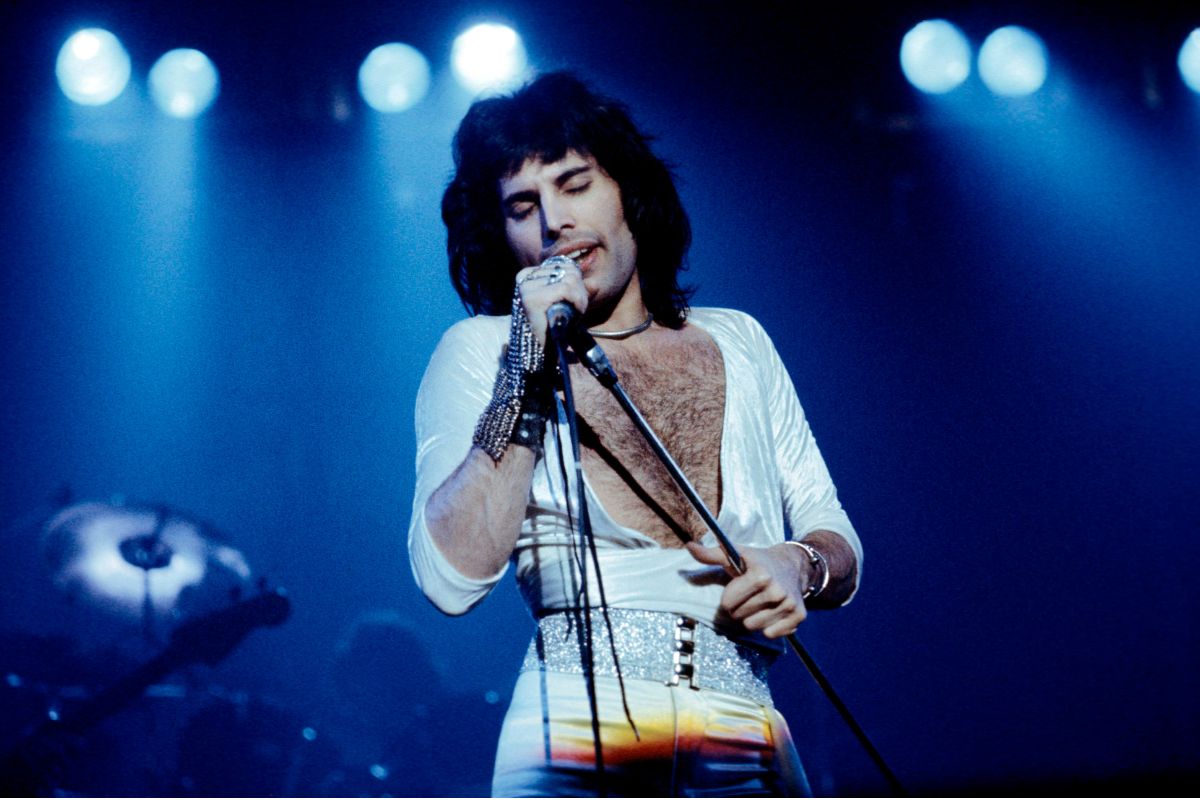
Target: Norman Sheffield (Queen's former manager)
Freddie Mercury seldom wrote with quite such naked fury. Opening A Night at the Opera, 'Death on Two Legs' is a spectacularly venomous broadside aimed at Queen's former manager, Norman Sheffield, whom the band believed had exploited them financially during their early years.
Mercury unleashes a torrent of unforgettable insults - calling his target everything from a 'sewer rat' to a 'misguided old mule' - over one of Brian May's most ferocious arrangements. Sheffield was so incensed that he threatened legal action before eventually settling out of court. Few songs have ever married such theatrical brilliance to such personal savagery.
Pics Getty Images