By late 1976, Fleetwood Mac were a band in name only.
The five people who walked into the studio to make Rumours, the successor to 1975's Fleetwood Mac album, were bound together by contracts, history and commercial momentum – but almost nothing else. Two relationships had collapsed, one marriage was ending, friendships were fraying, and every emotional fault line was widening under the pressure of success. They were still turning up to work, but the idea of Fleetwood Mac as a functioning unit was slipping away.
The atmosphere inside Sausalito’s Record Plant was famously toxic. Lindsey Buckingham and Stevie Nicks were breaking up in real time, writing songs about each other and then having to sing them together. Christine and John McVie’s marriage had disintegrated, leaving them barely able to speak.
'Wounded'
Mick Fleetwood had discovered his own partner’s infidelity. Recreational substances flowed, tempers flared, and the band’s private lives became the raw material for their music. Rumours is often described as a masterpiece of emotional honesty – but it was also a document of five people barely holding themselves upright.
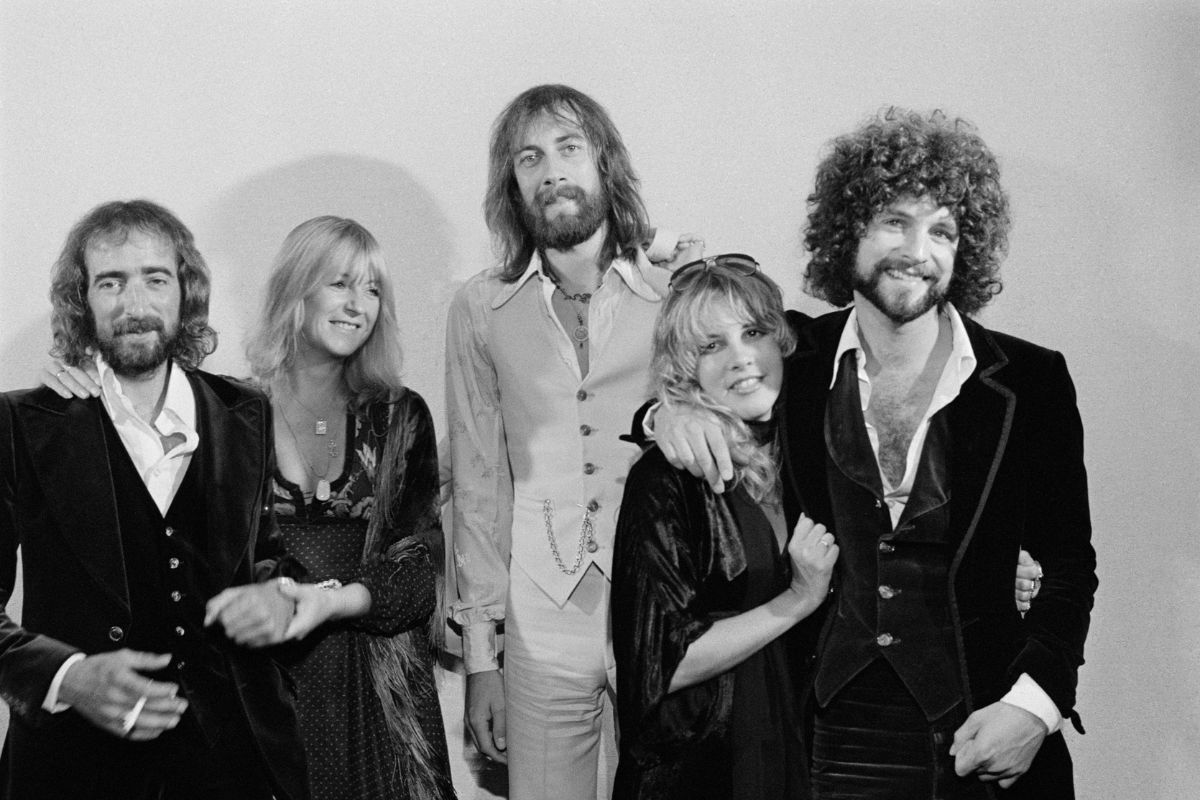
You can hear the fractures everywhere. Buckingham’s 'Go Your Own Way' is a bitter, driving (although strikingly sweet-sounding) dismissal; Nicks’s 'Dreams' is its wounded counterpoint; Christine McVie’s 'You Make Loving Fun' is a celebration of a new relationship she couldn’t openly acknowledge (with Curry Grant, the band's lighting director).
The album is a mosaic of heartbreaks, recriminations and attempts at self‑preservation. What’s remarkable is not that Fleetwood Mac made a great record under those conditions – it’s that they made a record at all.
And yet, in the middle of all this emotional wreckage, there was one moment when the five of them managed to pull in the same direction.
They built it slowly... almost accidentally
It didn’t begin as a song, exactly. It began as fragments: a bass figure John McVie had been playing for years; a discarded Buckingham riff; a half‑finished Nicks lyric; a rhythmic idea from Fleetwood. In a band where everyone was writing about everyone else, this was something different – a piece of music that belonged to all of them.
Only later did it become ‘The Chain’.
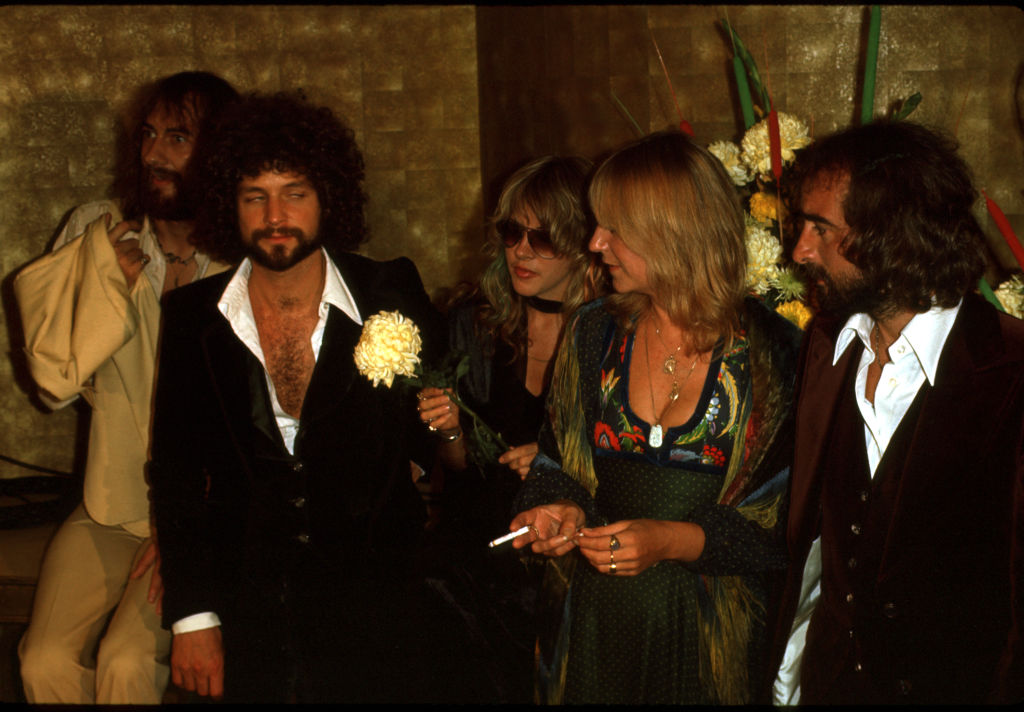
The track is the only song on Rumours credited to all five members, and its creation was as improbable as its unity. They stitched it together from separate parts, building it slowly, almost accidentally, until it became a single, coherent statement.
The lyrics – 'And if you don’t love me now, you will never love me again…' – carried the same emotional charge as the rest of the album, but the music was communal: Buckingham’s guitar, Nicks’s harmonies, Christine’s keyboards, Fleetwood’s pulse, and McVie’s thunderous bass line that transforms the song halfway through.
Fierce and unified
What makes 'The Chain' extraordinary is not just its power, but the context. At a time when Fleetwood Mac could barely speak without arguing, they created something that required trust, patience and shared instinct. The song’s famous middle section – that surge of bass and drums that feels like the floor dropping away – is the sound of a band remembering, briefly, how to be a band.
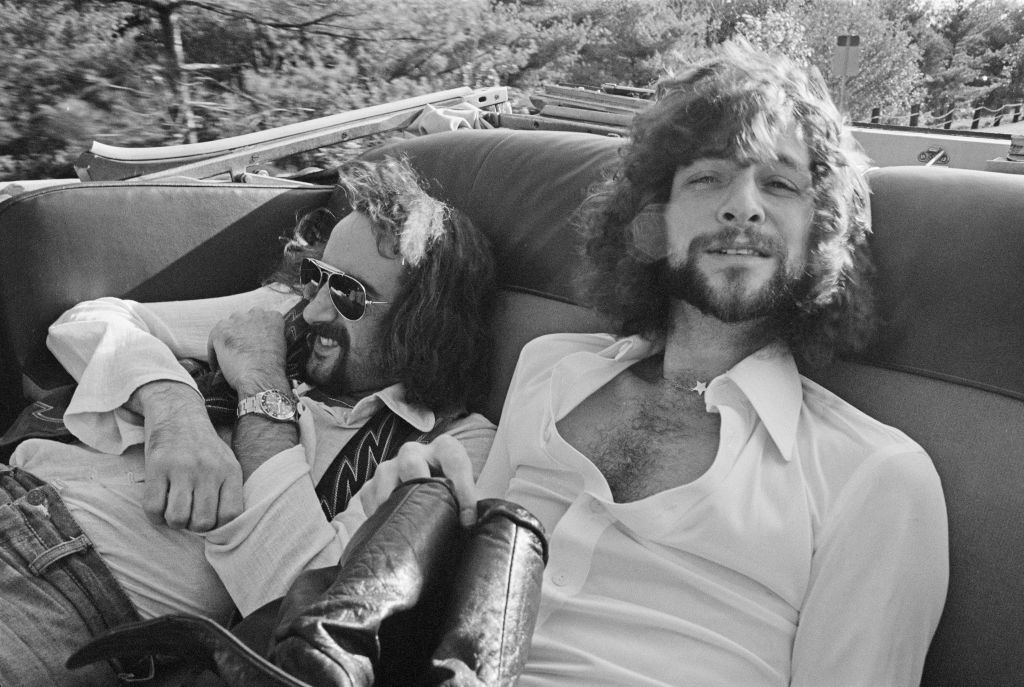
When Rumours was released in 1977, 'The Chain' became the album’s spine: the opening track on Side Two, the moment where the emotional chaos crystallised into something fierce and unified. It remains the song that best explains how Fleetwood Mac survived long enough to finish the record. Everything around them was breaking apart – relationships, communication, goodwill – but for a few minutes, they held together.
The irony is perfect. The band who could barely stay in the same room ended up writing the song that would bind them to one another for decades. The chain didn’t hold forever. But in the studio, for that one track, it held just long enough.
Pics Getty Images
Top pic Fleetwood Mac's Lindsey Buckingham and John McVie warming up backstage, 1977