Whatever happened to the great American rock bands who should be household names?
For every Eagles, Aerosmith or Tom Petty, there are bands who were every bit as adventurous, influential and musically gifted – yet somehow slipped through the cracks. Some were badly served by record labels; others imploded just as they were gaining momentum. Some refused to play the commercial game, while others simply arrived at the wrong moment.
The result is a fascinating alternative history of American rock, stretching from the psychedelic 1960s through Southern rock, punk and the alternative explosion of the 1980s. These aren't obscure bands in the sense of being hard to find or worth hearing only for committed collectors. Quite the opposite: they made some remarkable music. The strange thing is how rarely their names come up when we talk about America's greatest rock bands.
Here are 13 great American bands who should still be part of the conversation.
1. Little Feat
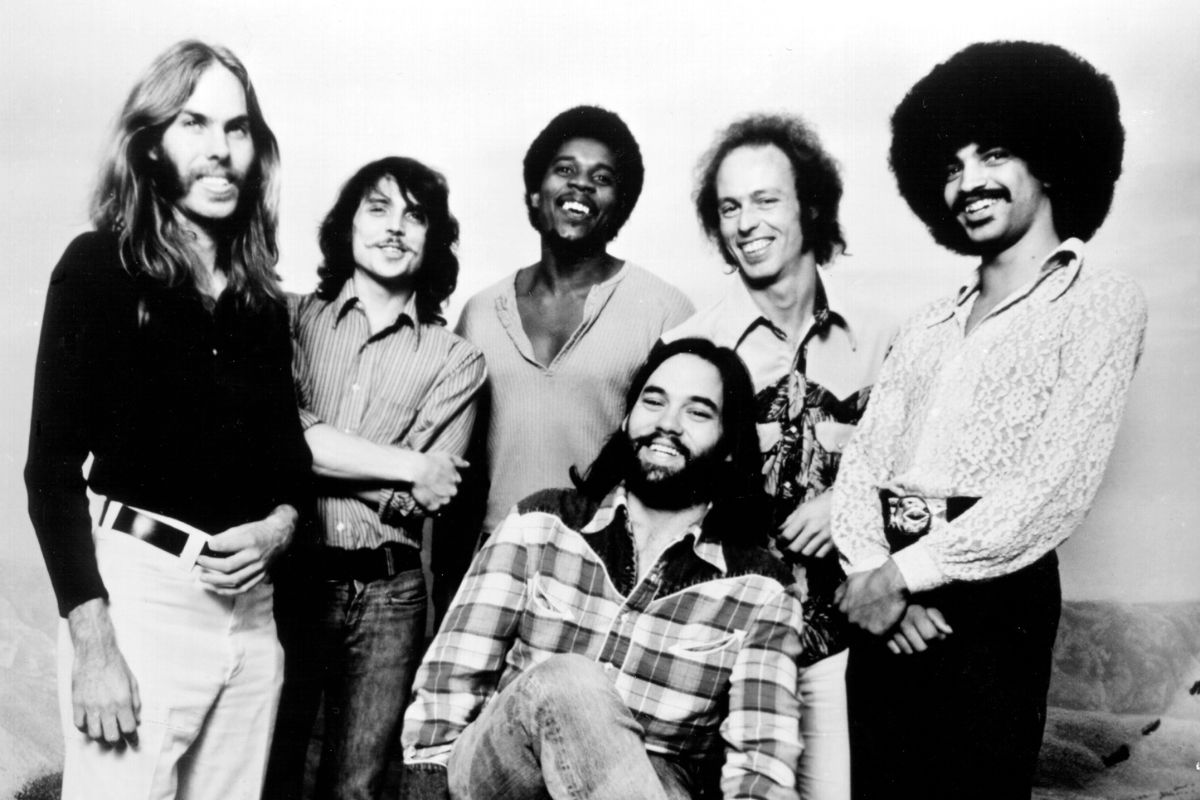
Few American bands blended rock, blues, country, funk and New Orleans rhythms with quite the effortless brilliance of Little Feat. Lowell George was a superb songwriter and slide guitarist, but the band became something greater than the sum of its parts. Their problem, perhaps, is that they were too eclectic to fit neatly into the classic-rock canon. They had a devoted following, yet somehow remain far less universally celebrated than the Eagles, Allman Brothers or Doobie Brothers.
Key album: Waiting for Columbus (1978) – their magnificent live showcase.
2. Captain Beyond
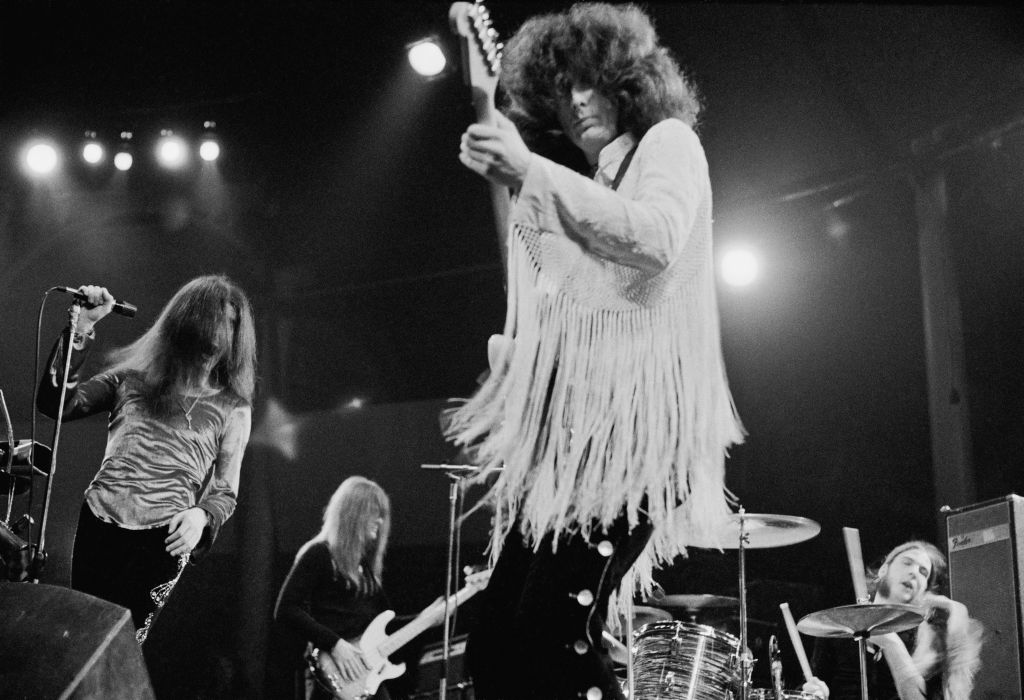
A band containing former Iron Butterfly and Deep Purple members should, by rights, have been enormous. Instead, Captain Beyond became one of rock's great cult secrets. Their music combined heavy riffing with psychedelic space-rock, progressive structures and strange, hypnotic rhythms – heavy without sounding like a straightforward metal band.
The fact that their debut arrived just as the early-70s hard-rock explosion was taking off makes their failure to become major stars particularly baffling. They were simply caught in the wrong place at the wrong time.
Key album: Captain Beyond (1972) – the essential starting point for this wonderfully weird band.
3. NRBQ
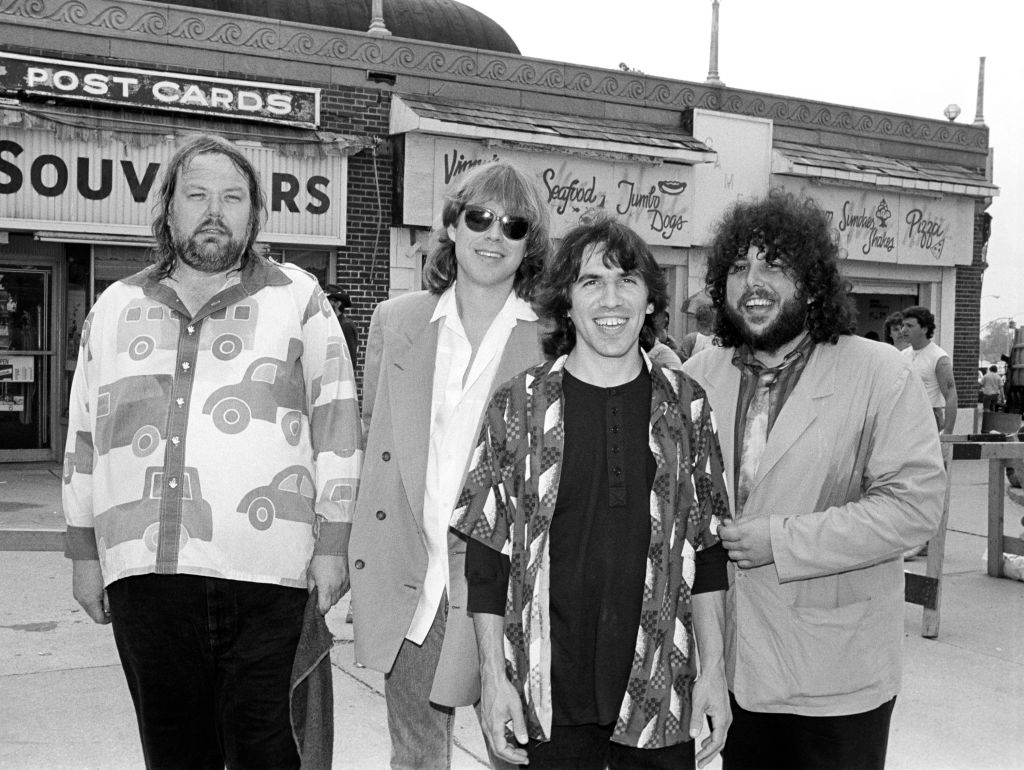
NRBQ may be the ultimate answer to the question: How can a band be this good and still somehow remain a secret? Their music could encompass rockabilly, blues, country, jazz, garage rock and absurdist pop without ever sounding like a genre exercise. They became legendary among musicians and a fiercely loyal following, but never quite fitted the machinery of mainstream rock stardom. In a world that likes its bands easily categorised, NRBQ were gloriously impossible to pigeonhole.
Key album: At Yankee Stadium (1978) – a brilliant introduction to their 'anything goes' approach.
4. Spirit
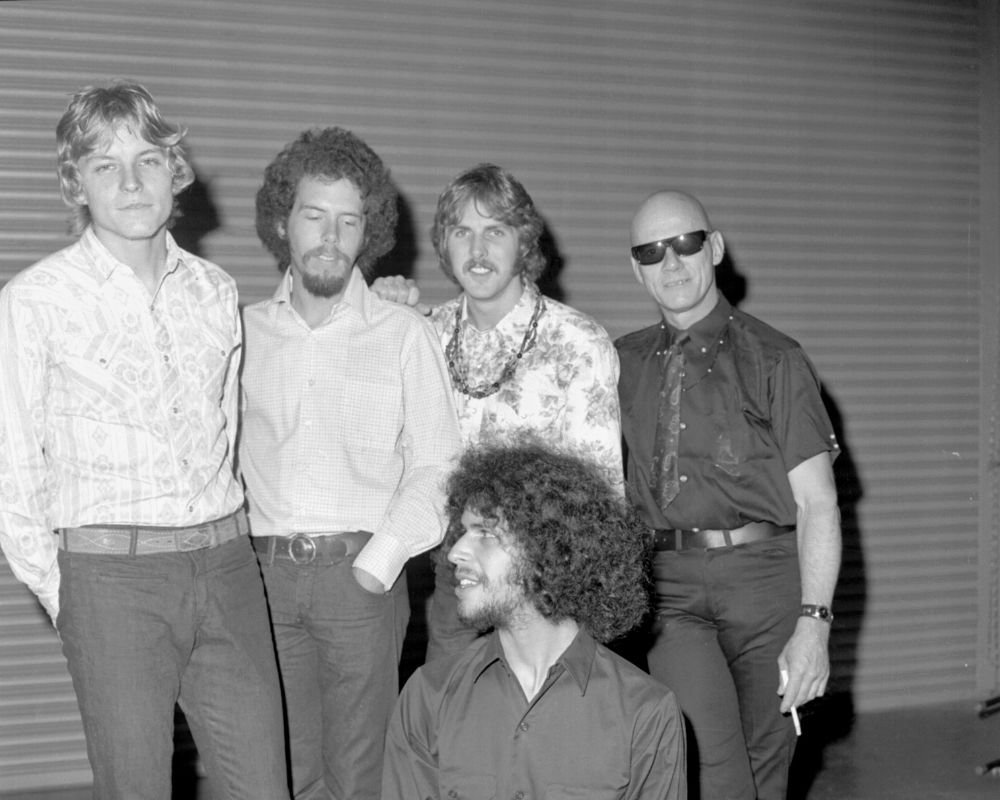
Randy California was a remarkable guitarist, but Spirit's real superpower was their refusal to stay in one musical lane. Jazz, psychedelia, hard rock, pop and experimental textures all collided in their music, often within the same song. They even had a Top 25 hit with 'I Got a Line on You', yet their reputation faded remarkably quickly. Perhaps they were simply too adventurous to become an easy nostalgia act; by the late 1970s, contemporary writers were already talking about Spirit as a band that had been forgotten.
Key album: Twelve Dreams of Dr. Sardonicus (1970) – an astonishingly varied late-60s psychedelic masterpiece.
5. Moby Grape
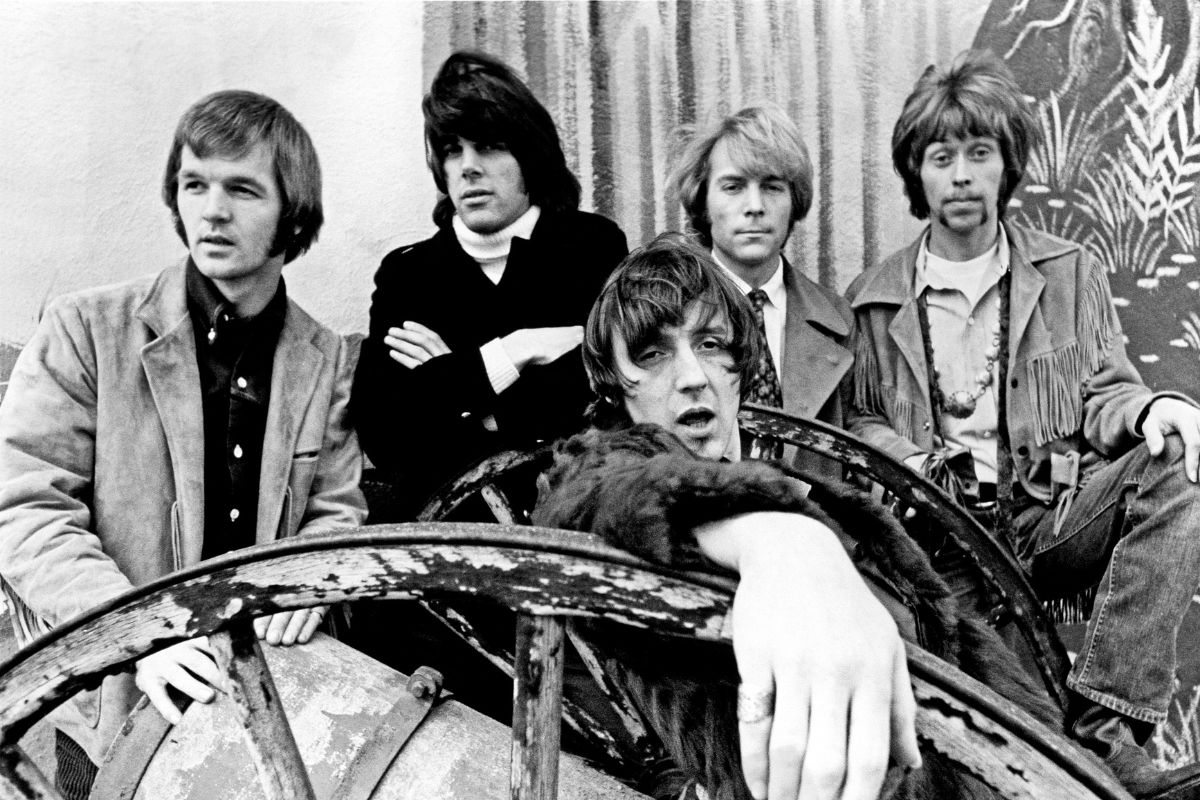
The tragedy of Moby Grape is that they really did seem destined for greatness. Five exceptional musicians, all of them singers and songwriters, created a debut that mixed rock, country, blues, pop and psychedelia with extraordinary energy. Their three-guitar attack could sound both exuberant and beautifully intricate, while the songwriting was strong enough to suggest there was much more to come.
Then Columbia overhyped them spectacularly – even releasing five singles simultaneously – while management disputes, legal problems and serious personal difficulties helped wreck their momentum. The subsequent history became so chaotic that the music was almost lost beneath the story. It's one of rock's great what-ifs: Moby Grape had the songs, the musicians and the moment, but somehow became better known for what went wrong than for how good they actually were.
Key album: Moby Grape (1967) – one of the great American debut albums that nearly became a rock legend.
6. Quicksilver Messenger Service
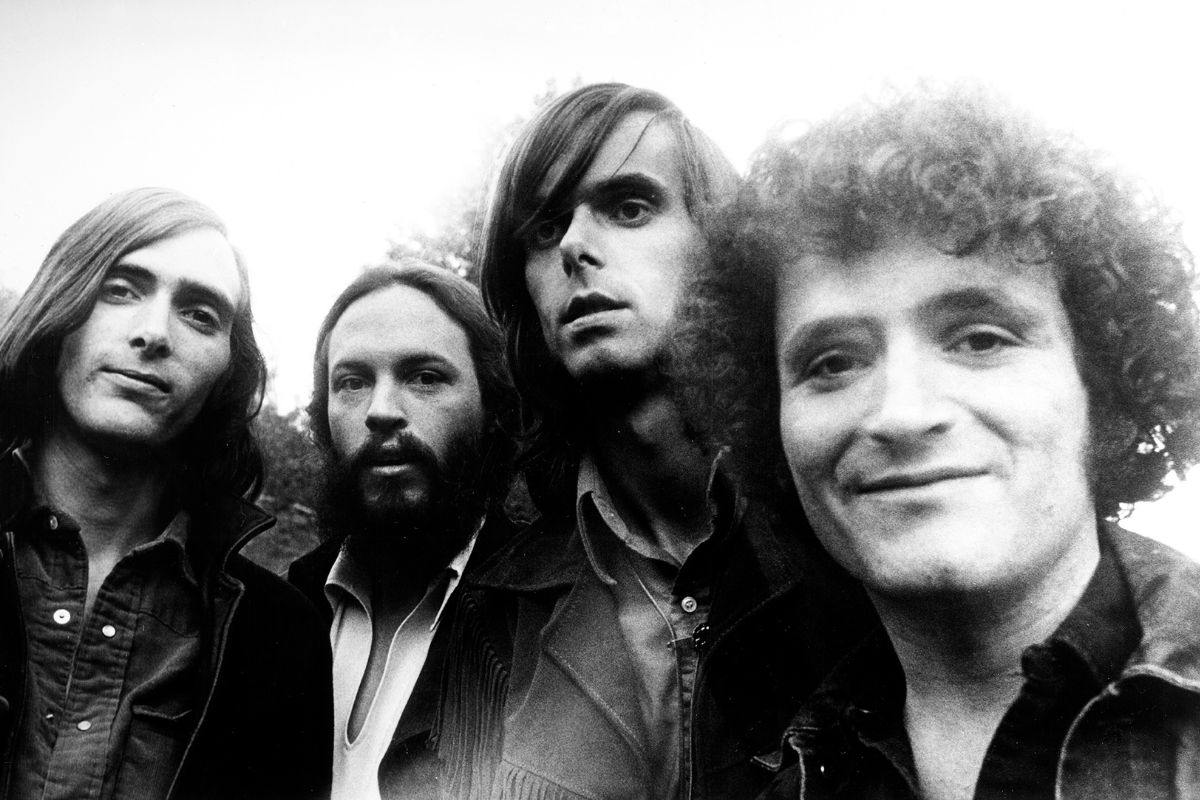
Mention San Francisco psychedelia and most people immediately think of the Grateful Dead or Jefferson Airplane. Quicksilver Messenger Service deserve to be much closer to the centre of that picture. John Cipollina's fluid, melodic guitar playing was a huge part of their appeal, while the band could stretch songs into gloriously exploratory live performances without losing their sense of groove. They have been somewhat trapped in the '1960s psychedelic relic' category, which undersells how distinctive they sounded.
Key album: Happy Trails (1969) – a superb snapshot of Quicksilver at their most expansive.
7. MC5
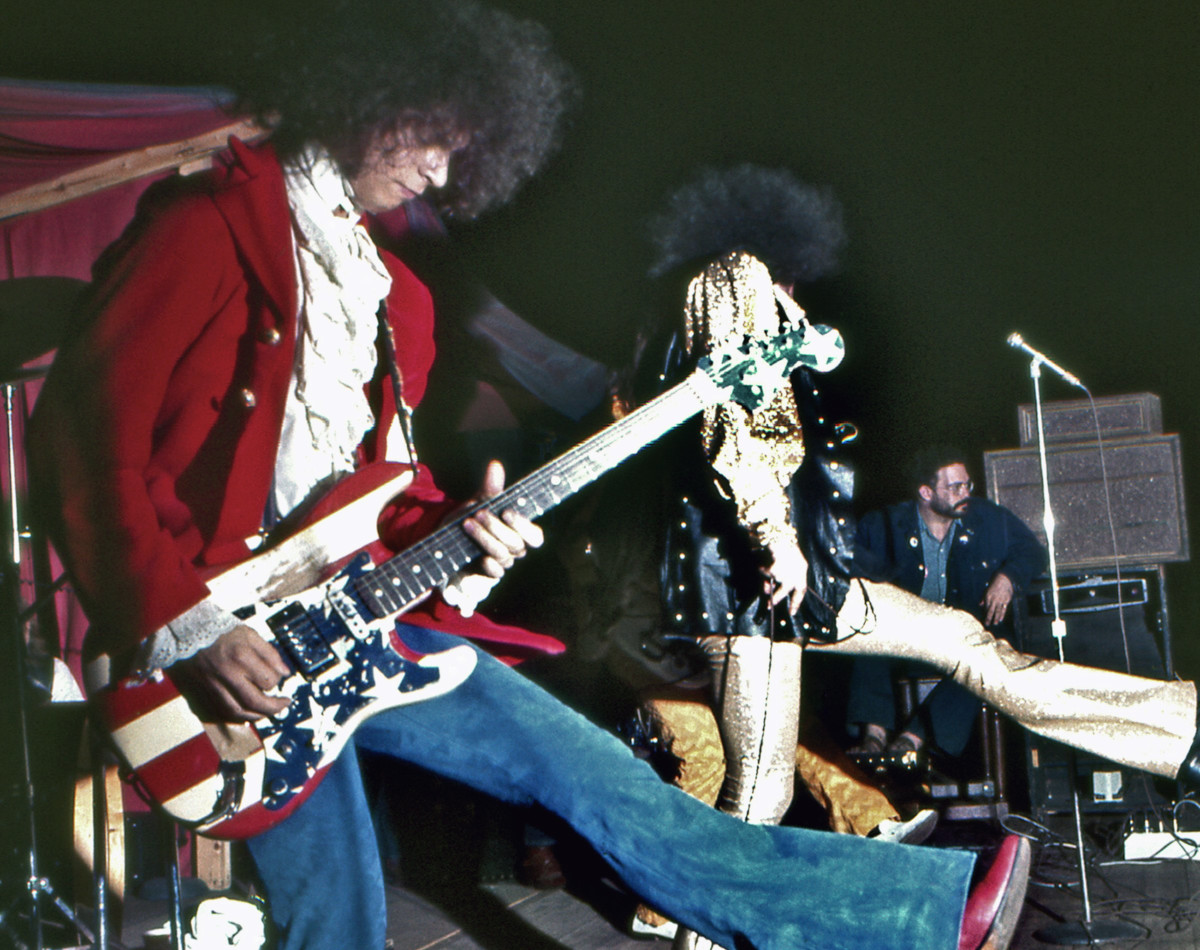
The MC5 weren't merely an exciting rock band: they were one of the groups that helped blow open the door to punk. Their Detroit combination of garage-rock aggression, free-jazz chaos and political radicalism still sounds dangerous. Onstage, they could turn a rock concert into something closer to a political rally, while their incendiary manager John Sinclair connected them to the radical counterculture of late-60s Detroit.
Yet their story is strangely overshadowed by the bands who followed them. They had the attitude, the musicianship and the live power; what they lacked was the stability to turn that explosive potential into a long career. Their confrontational politics also made them difficult for a major label to market, while the group's own internal problems eventually helped bring the original MC5 to an end. Their influence is enormous, but their records still deserve more listeners.
Key album: Kick Out the Jams (1969) – an almost impossibly ferocious live debut.
8. Montrose
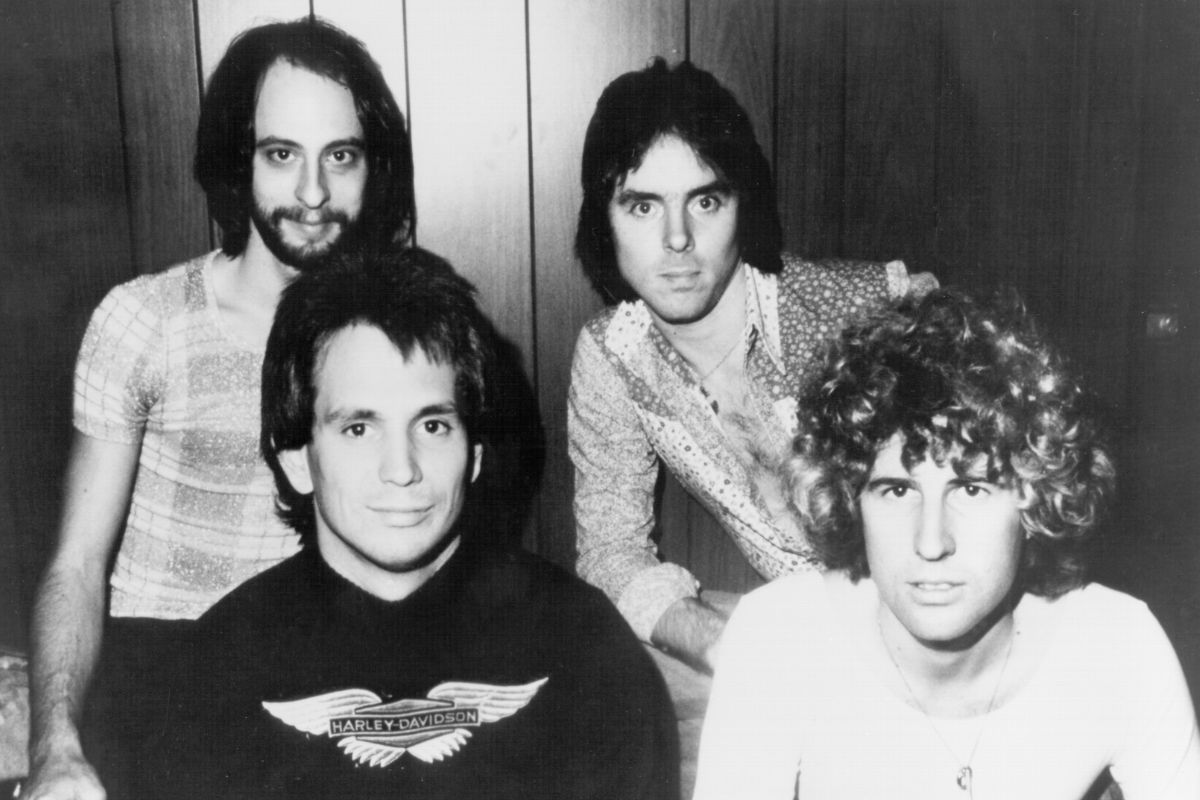
What if an American hard-rock band had made a debut album that sounded like a perfect answer to Led Zeppelin – but with absolutely no interest in being progressive or arty? That was Montrose. Ronnie Montrose's huge riffs and Denny Carmassi's drumming gave the band immense power, while a then-unknown Sammy Hagar supplied the vocals. Songs such as 'Rock Candy' and 'Bad Motor Scooter' were built for the biggest stages imaginable.
The strange thing is that Montrose actually had plenty of the ingredients for stardom. Their debut eventually went platinum, and Hagar would go on to become a major solo star before replacing David Lee Roth in Van Halen. Yet Montrose themselves never quite made the leap into the first division of American hard rock. Hagar's later fame has arguably made the band more famous in retrospect without making them much better remembered.
Key album: Montrose (1973) – lean, loud and still astonishingly potent.
9. Pere Ubu
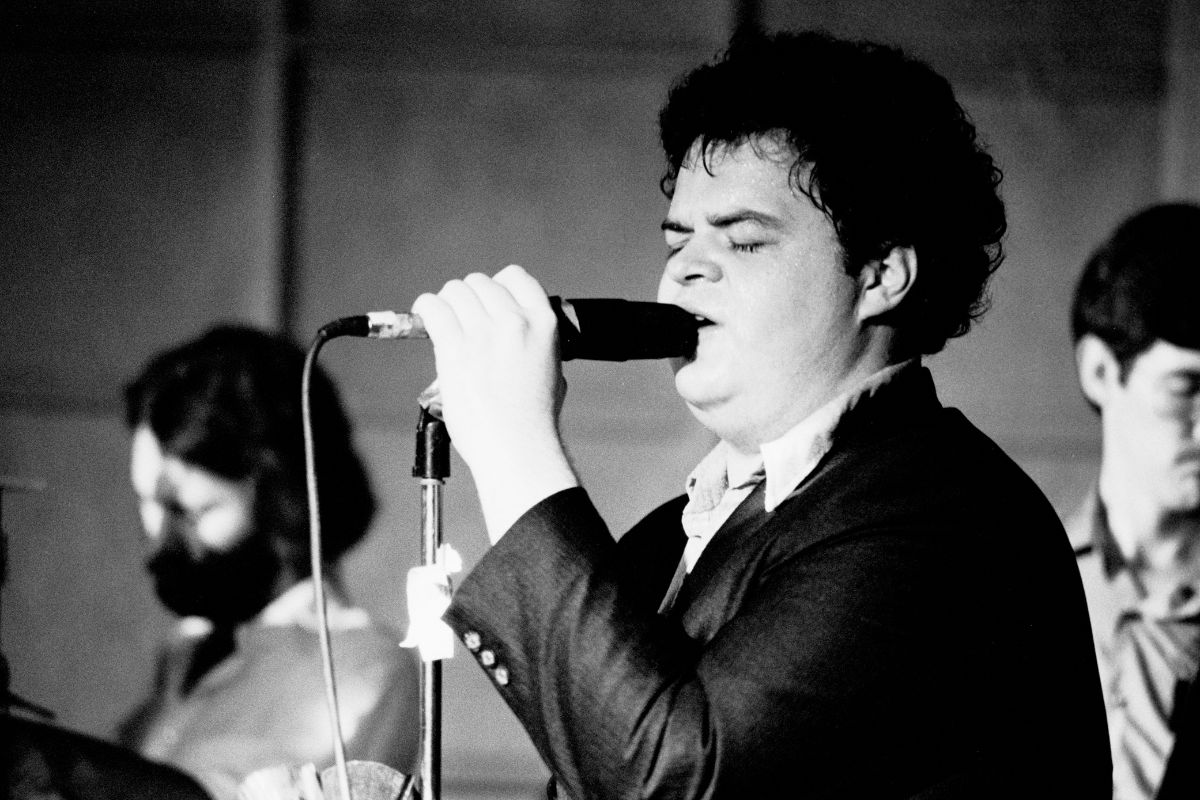
Pere Ubu were never likely to become stadium rockers – and that's precisely why they matter. Emerging from Cleveland's fertile mid-70s underground, they created a jagged, unsettling form of art-rock that seemed to exist several years ahead of its time. David Thomas's bizarre vocals, Peter Laughner's guitar and Allen Ravenstine's electronic textures helped point towards post-punk and alternative rock. The irony is that countless later bands absorbed their ideas, while Pere Ubu themselves remained a cult name.
Key album: The Modern Dance (1978) – strange, abrasive and hugely influential.
10. The Meat Puppets
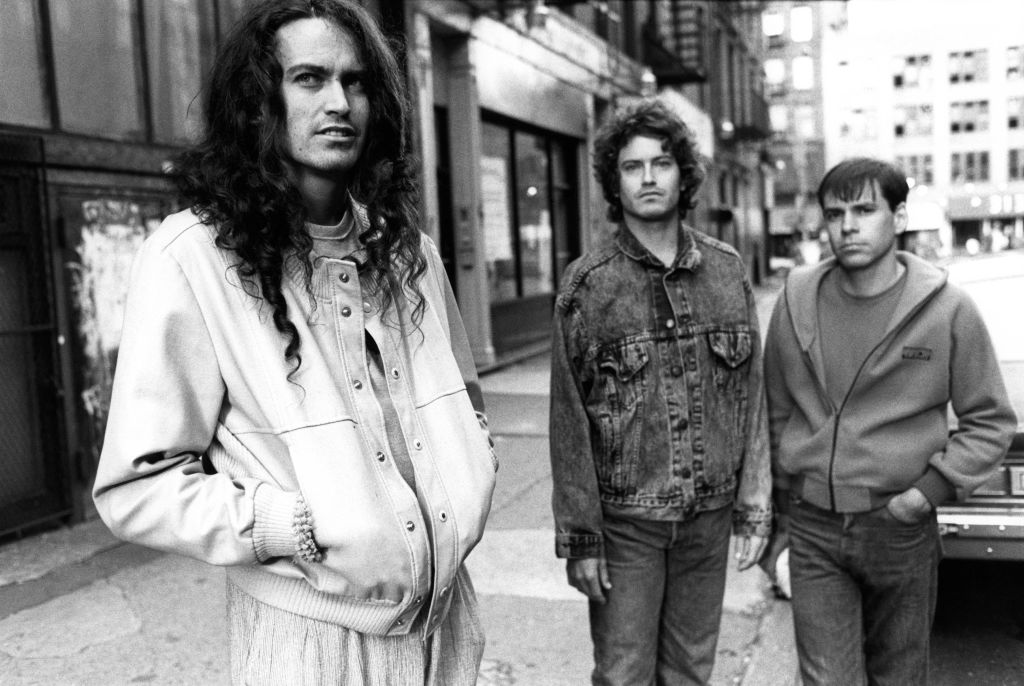
The Meat Puppets were too strange for hardcore and too punk for the mainstream – which may explain why they spent so long hovering just outside the spotlight. Their early records mixed punk with psychedelia, country and American roots music, creating something that sounded like nobody else in the scene. Nirvana's MTV Unplugged performance of 'Lake of Fire' and 'Plateau' finally exposed millions of people to their songwriting, but the irony is that their own catalogue is much richer than those covers suggest.
Key album: Meat Puppets II (1984) – gloriously weird, melodic and influential.
11. Minutemen
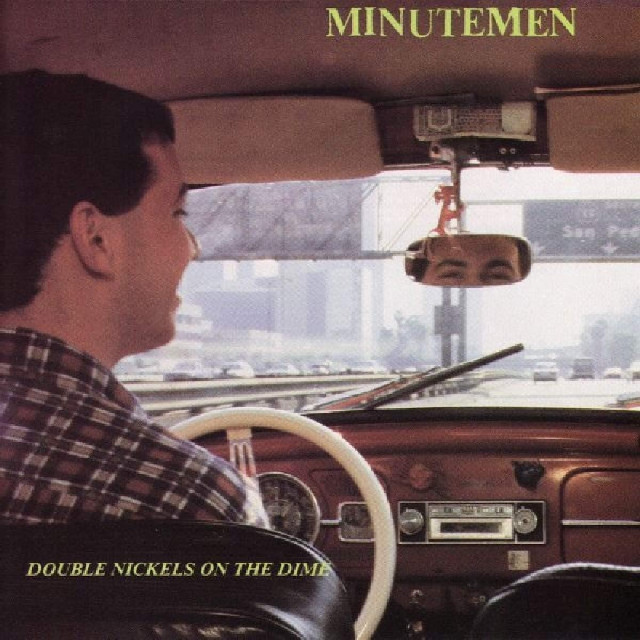
Three musicians, tiny budgets, short songs – and an astonishing amount of musical imagination. The Minutemen took punk's DIY ethic and filled it with funk, jazz, folk, politics, humour and sudden bursts of melody. D. Boon and Mike Watt seemed to regard every convention of rock music as something to be dismantled and rebuilt. Their influence on American alternative music is huge, yet their uncompromising sound and brief career have kept them firmly in the underground.
Key album: Double Nickels on the Dime (1984) – a sprawling, eccentric masterpiece recorded at extraordinary speed and on a tiny budget.
12. The Good Rats
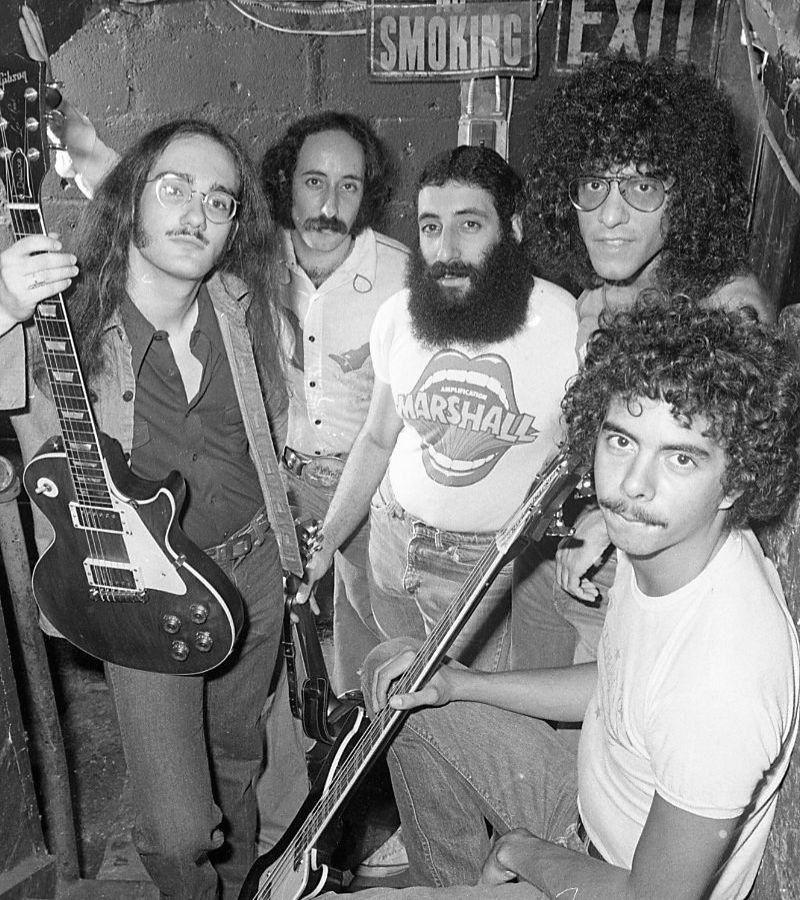
The Good Rats were one of those bands who seemed destined to become much bigger than they did. Led by the charismatic Peppi Marchello, they mixed hard rock, blues, prog and even flashes of jazz with a wicked sense of humour. They became a huge draw in the Northeast, playing major venues and opening for everyone from Kiss and Aerosmith to Rush and Springsteen. At one point they were such a formidable live attraction that they could headline major East Coast venues in their own right.
But that regional success may actually be part of the reason they disappeared from the wider story. They were enormous in the New York area without ever becoming a genuinely national phenomenon, and their eclectic music was difficult to package alongside the era's more straightforward hard-rock acts. Outside their Northeast stronghold, they never quite broke through – leaving one of the 1970s' great cult bands largely absent from rock's wider history.
Key album: Tasty (1974) – their best-known and most popular record, and an excellent showcase for their eclectic sound.
13. Wet Willie
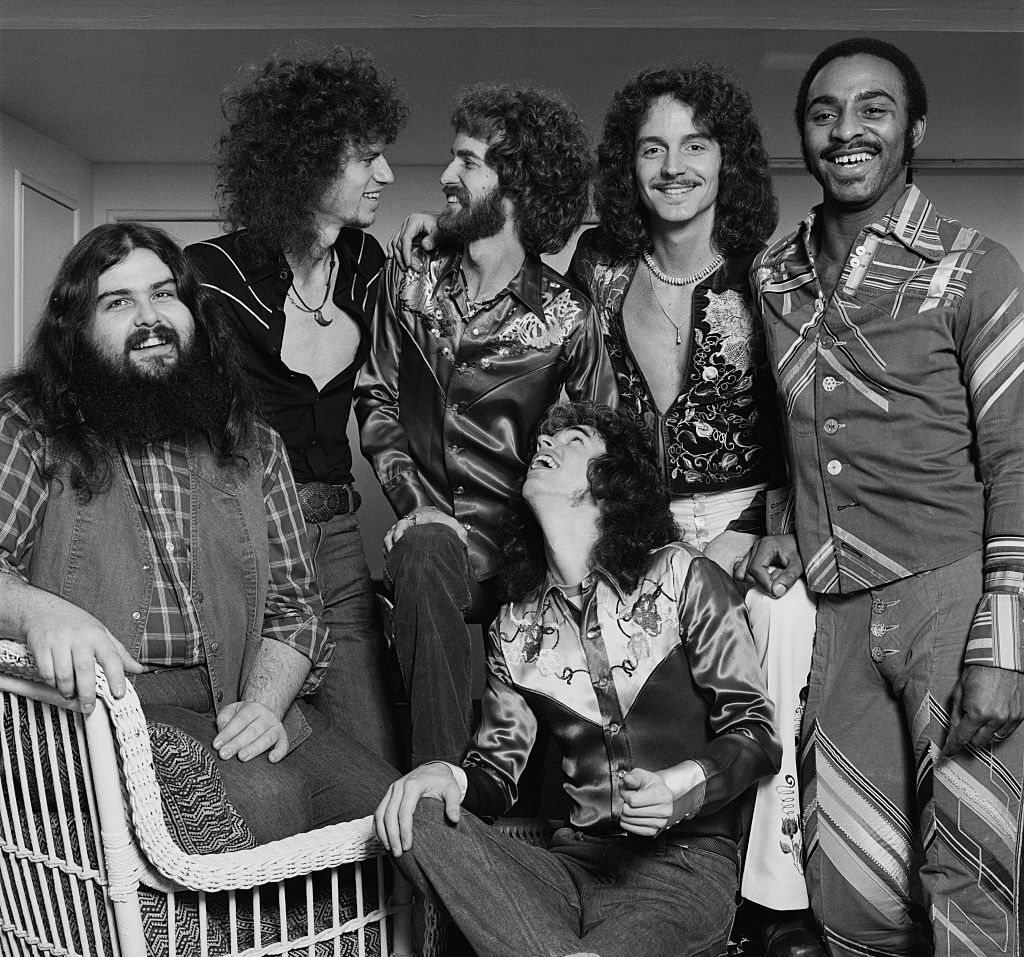
Wet Willie had something most bands on this list would have killed for: a genuine Top 10 hit. 'Keep On Smilin'' reached No. 10 in America in 1974, but somehow the Mobile, Alabama group has largely vanished from the Southern rock conversation. That's a shame, because their music was unusually soulful, folding R&B, gospel, blues and country into the genre. Jimmy Hall was a particularly distinctive frontman, equally convincing as a gritty rock singer and soulful rhythm-and-blues vocalist.
Their problem was partly that they arrived in a crowded Southern-rock field dominated by the Allman Brothers, Lynyrd Skynyrd and other bigger-selling names. Even after their hit, they never established the same enduring identity, and their commercial momentum faded. By 1980 they had disbanded, leaving Wet Willie remembered mainly for one sunny hit rather than the excellent, unusually soulful band they actually were.
Key album: Keep On Smilin' (1974) – a bluesier, more soulful record than the Southern-rock tag suggests.
Pics Getty Images
Top pic Moby Grape, 1967. L-R: Bob Mosley, Jerry Miller, Don Stevenson, Skip Spence, Peter Lewis and Skip Spence