There’s something seductively audacious about the concept album.
While most records aim simply to collect a dozen good songs, the concept album goes further – weaving tracks together with a narrative thread, a thematic obsession, or an overarching artistic vision. At its best, the format blurs the line between music, theatre, literature, and film. At its weirdest, it can be utterly baffling – and utterly brilliant.
The golden age of the concept album was undoubtedly the 1970s. With rock music exploding in ambition and audiences more open than ever to experimentation, bands were given the time, budget, and indulgence to realise sprawling sonic visions. Some explored made-up languages, dystopian futures, or psychedelic nonsense. Some were hilariously self-serious; others gleefully absurd.
From operatic aliens to dope-smoking desert wanderers, the albums below aren’t mere curiosities – they’re cult classics that show how gloriously far the concept album can stretch. Buckle in: it’s going to get weird.
Rock's greatest concept albums
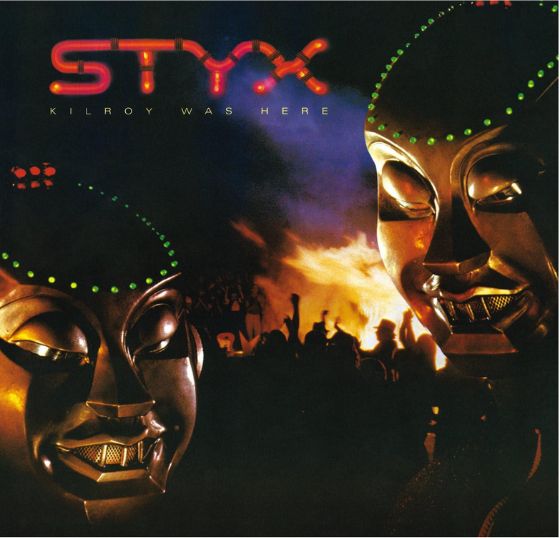
23. Styx Kilroy Was Here (1983)
🤖 In which American prog rockers Styx take us to a dystopian world where music is banned by moral crusaders. The story follows protagonist Robert 'Kilroy' Orin, who escapes imprisonment disguised as the robotic 'Mr. Roboto'. Combining theatrical dialogue, synthesizer-driven rock, and power ballads, it satirizes censorship and conformity. With elaborate stage shows featuring video interludes, it remains a cult classic for its ambitious blend of narrative and melody.
Key track: Mr Roboto
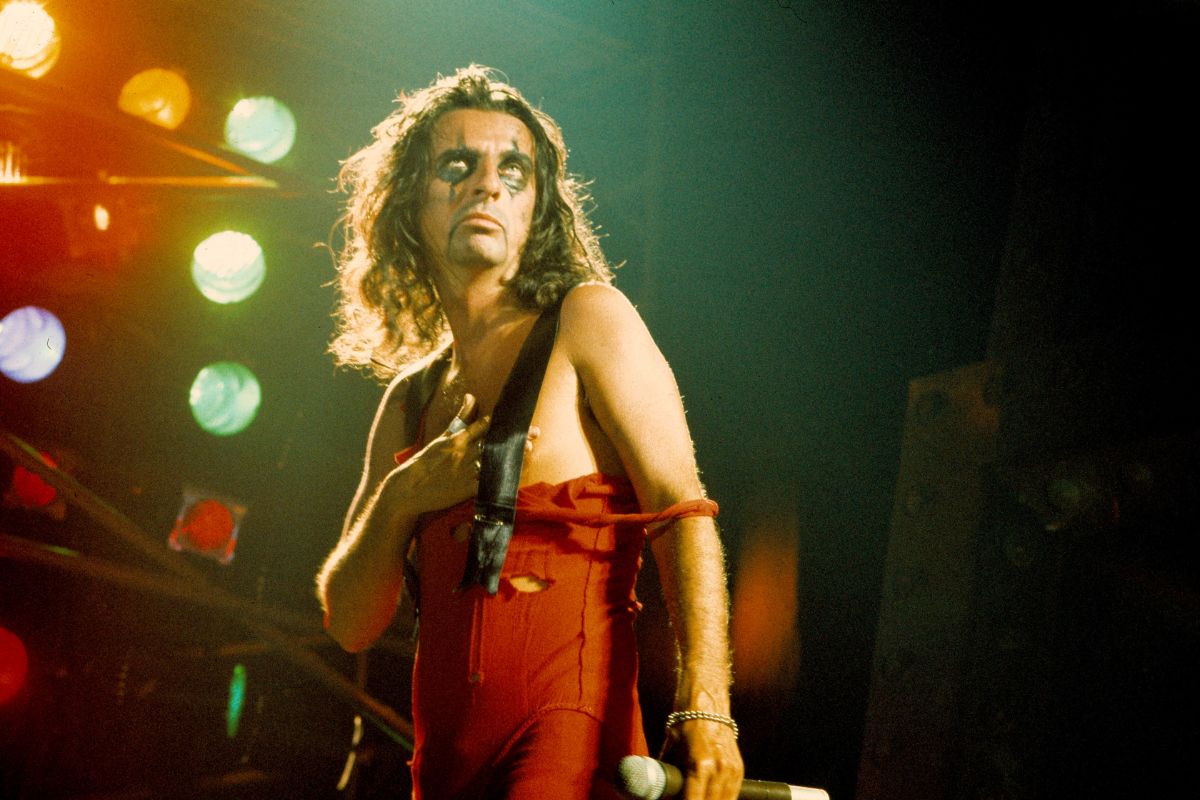
22. Alice Cooper Welcome to My Nightmare (1975)
Alice Cooper's 1975 solo debut is the definitive 'horror-rock' concept album, taking listeners through the fever dreams of a child named Steven. It is a masterpiece of theatrical ambition, ditching the raw garage-rock of the original band for a polished, cinematic 'Broadway-from-hell' sound. Is it great? Absolutely. By blending hard rock with orchestral flourishes and macabre storytelling, Alice Cooper turned the concept album into a terrifying, immersive multimedia experience.
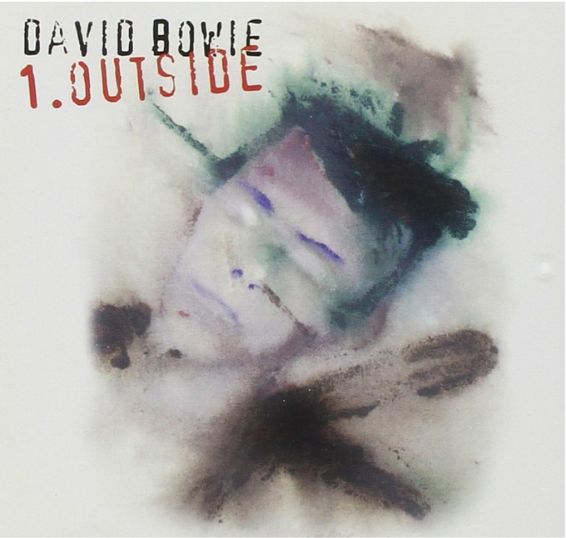
21. David Bowie Outside (1995)
🖼️ David Bowie's 20th studio LP is a dark, sprawling concept album set in a dystopian near-future where 'art crime' is investigated like murder. Blending industrial rock, ambient textures, and fragmented narrative, it marks Bowie’s return to experimental territory with producer Brian Eno.
The album’s nonlinear storyline and eerie characters create a nightmarish atmosphere that’s as challenging as it is compelling – a bold fusion of noir, cyberpunk, and sound collage.
Key Track: The Hearts Filthy Lesson
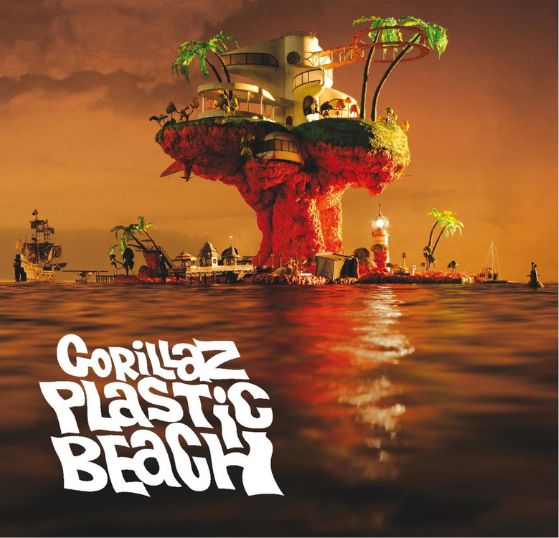
20. Gorillaz Plastic Beach (2010)
🏝️ A dystopian concept album set on a floating island made of ocean waste, Plastic Beach explores themes of environmental decay, consumerism, and digital disconnection, all wrapped in a lush blend of synthpop, hip-hop and orchestral flourishes. With an all-star cast of collaborators and vivid world-building, it's one of the band’s most ambitious and cinematic works.
Key Track: Empire Ants
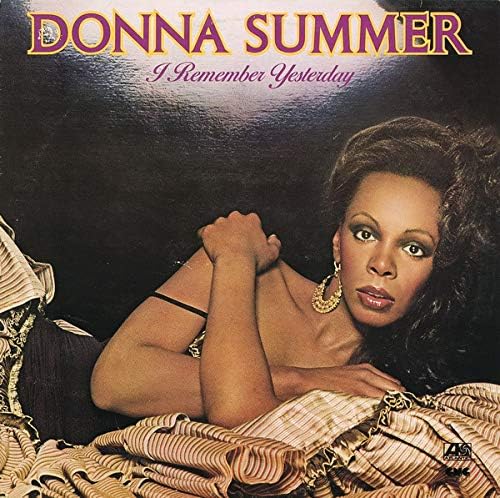
19. Donna Summer I Remember Yesterday (1977)
Donna Summer's second concept album (after 1976's climate-fuelled Four Seasons of Love) is a brilliant stylistic journey through time, proving Summer and Giorgio Moroder were more than just disco hitmakers. The concept explores the evolution of music, with the first half paying homage to the 1940s, '50s, and '60s. However, it’s the closing track, 'I Feel Love', that cements its greatness. By looking back at the past, Summer accidentally invented the future of electronic music, creating a perfect, time-traveling masterpiece.
18. of Montreal Hissing Fauna, Are You the Destroyer? (2007)
🧠 The eighth album from US indie/psych pop outfit of Montreal is a kaleidoscopic descent into psychedelia, mapping frontman Kevin Barnes’s real-life mental health crisis as he morphs into the flamboyant alter ego Georgie Fruit.
The album fuses danceable beats, shimmering synths, and confessional lyrics with a grandly theatrical flair. It’s at once deeply personal and gleefully absurd – an intoxicating blend of vulnerability and camp that keeps you hooked from start to finish.
Key Track: Heimdalsgate Like a Promethean Curse
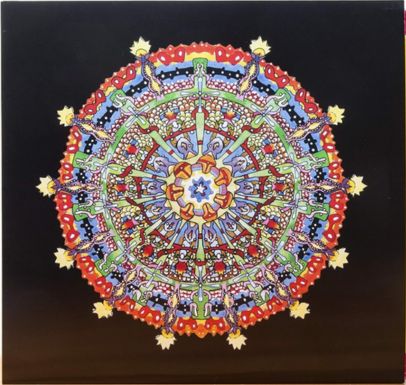
17. David Bowie Diamond Dogs (1974)
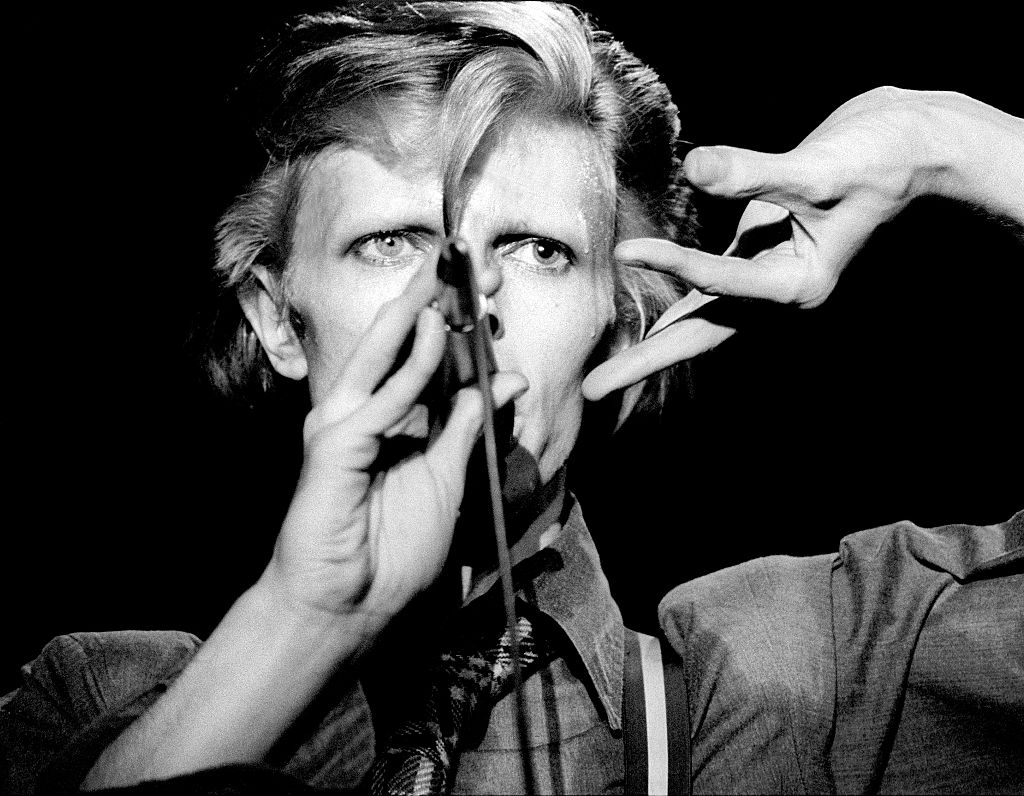
If Ziggy Stardust (more on that later) is a sleek, glamorous space odyssey, Diamond Dogs is its jagged, dystopian aftermath. While Ziggy follows a linear rise-and-fall narrative of a rock-and-roll saviour, Diamond Dogs is a fragmented, nightmarish vision of a post-apocalyptic urban wasteland.
Originally intended as a musical adaptation of Orwell’s 1984, the concept is far bleaker and more claustrophobic. Bowie replaced the anthemic, guitar-driven 'Spiders from Mars' sound with a dirty, rolling soul-funk, playing most of the lead guitar himself to create a nervous, scratchy energy. Where Ziggy relied on theatrical charm, Diamond Dogs thrives on dread, populating 'Hunger City' with biological mutations and totalitarian surveillance.
It is arguably the more ambitious work: a sprawling, cinematic transition that proved that was as intellectually harrowing as it was musically daring.
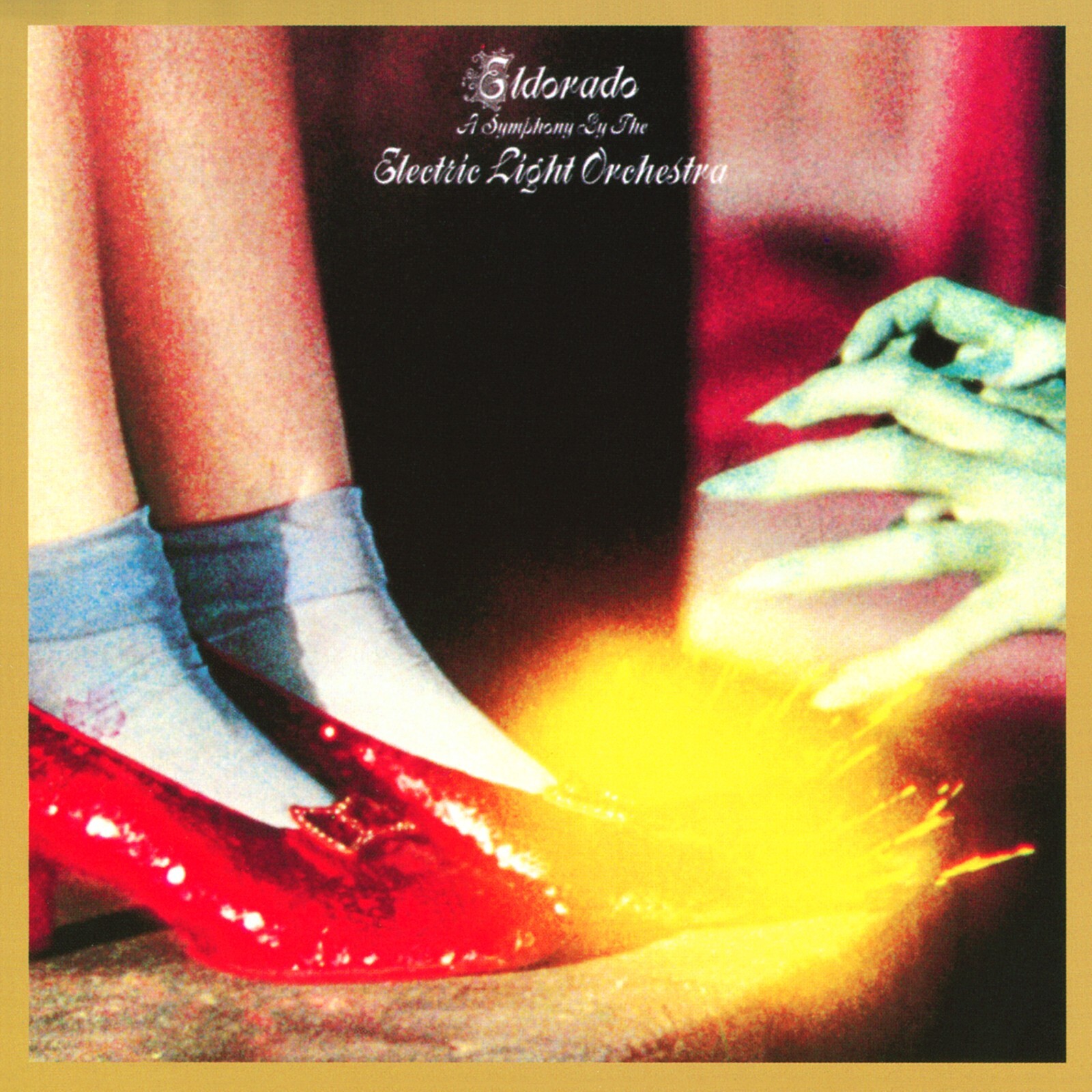
16. Electric Light Orchestra Eldorado (1974)
Jeff Lynne’s 1974 masterpiece, Eldorado, is a symphonic triumph that fully realized the band’s 'rock with strings' ambition. Moving beyond mere overdubs, Lynne hired a full choir and orchestra to colour this dreamlike concept album about a disillusioned man escaping reality through fantasy. It is a brilliant example of high-concept prog-pop, blending lush, cinematic arrangements with Beatlesque melodies. The result is a shimmering, escapist journey that remains one of the most cohesive and beautiful albums in the ELO canon.
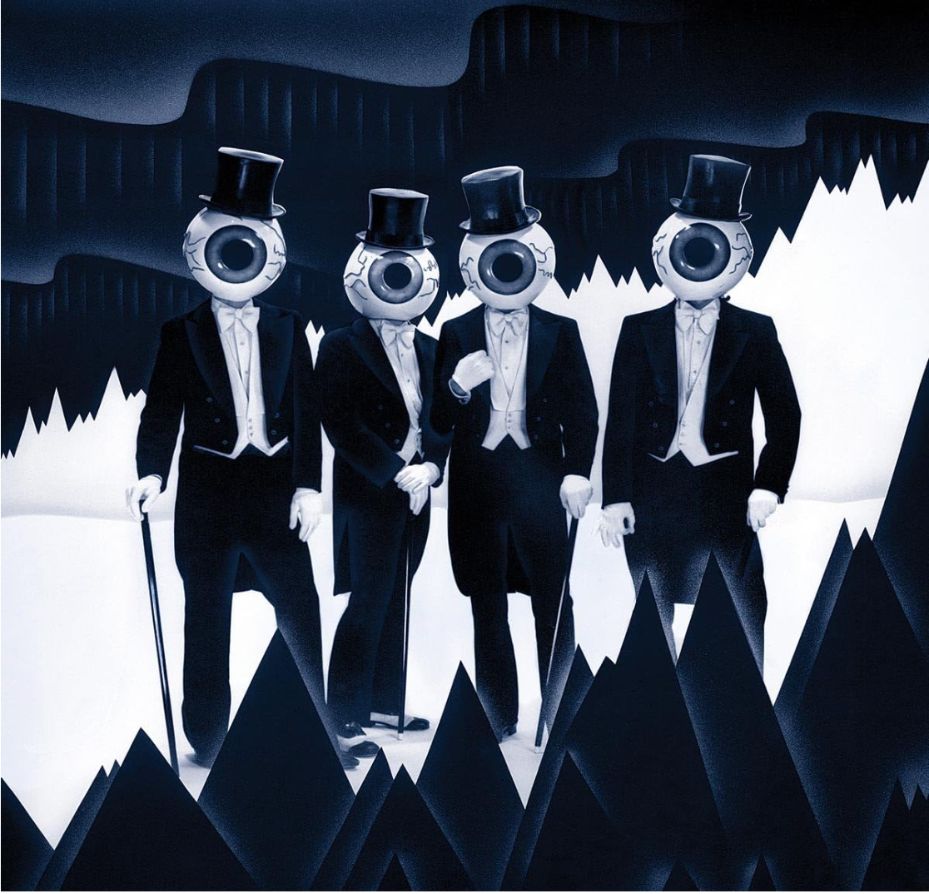
15. The Residents Eskimo (1979)
🧊 A sonic interpretation of Inuit life – though largely fabricated and intentionally surreal – Eskimo plunges listeners into a bizarre, otherworldly soundscape. It features non-verbal chants, ambient noise, and invented rituals that blur the line between anthropology and absurdist theatre. The result is an unsettling, immersive experience that plays more like a surreal radio documentary than a conventional album, challenging expectations of what music and storytelling can be.
Key Track: The Walrus Hunt
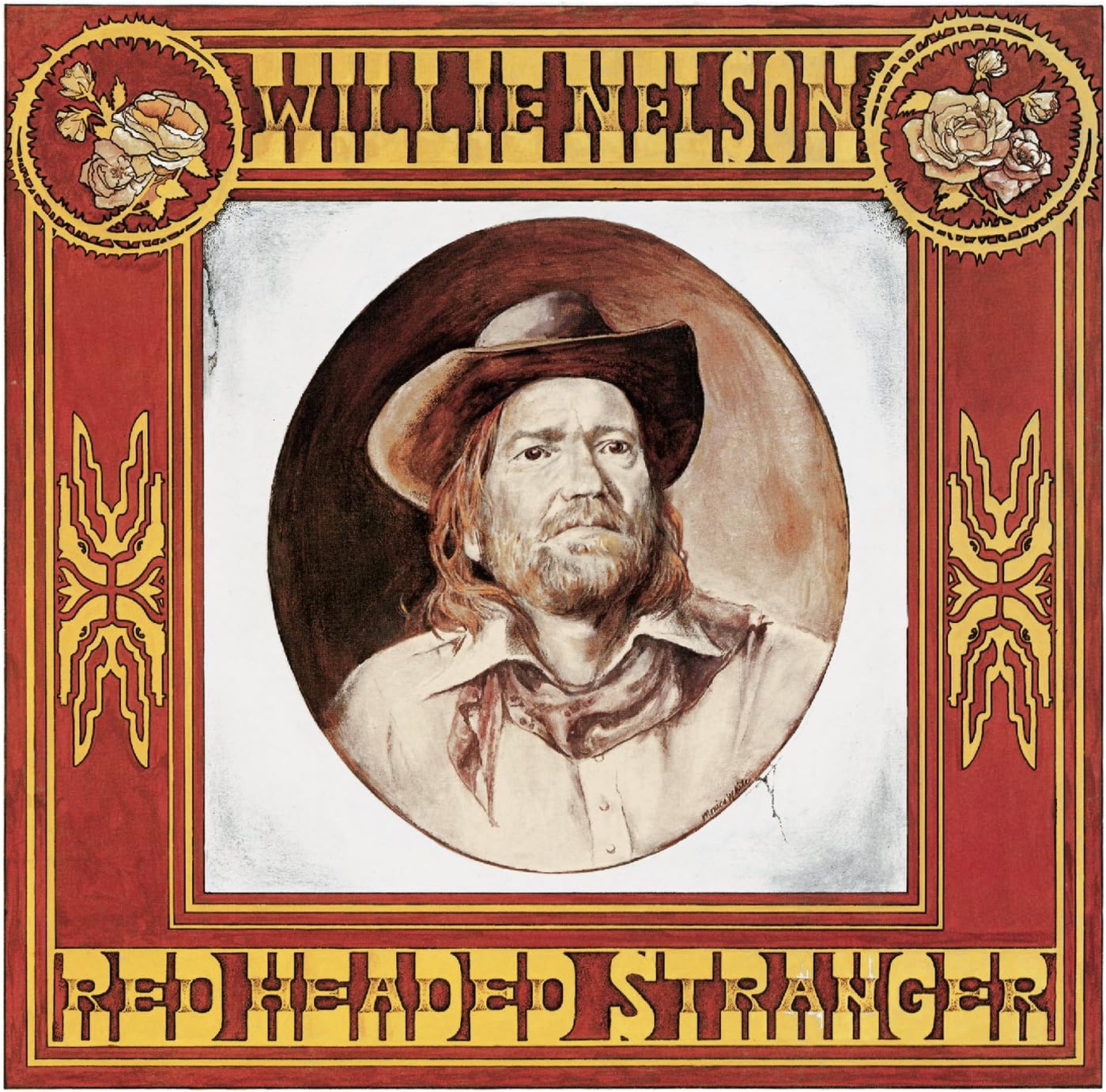
14. Willie Nelson Red Headed Stranger (1975)
Red Headed Stranger is a minimalist masterpiece that redefined country music. Using a sparse, demo-like sound, Nelson weaves a cinematic Western tale of a preacher on the run after a crime of passion. It is a brilliant concept album because it proves that world-building doesn't require orchestral bloat. By relying on evocative storytelling and quiet acoustic arrangements, Willie created a gritty, atmospheric narrative that feels as timeless as a campfire legend.
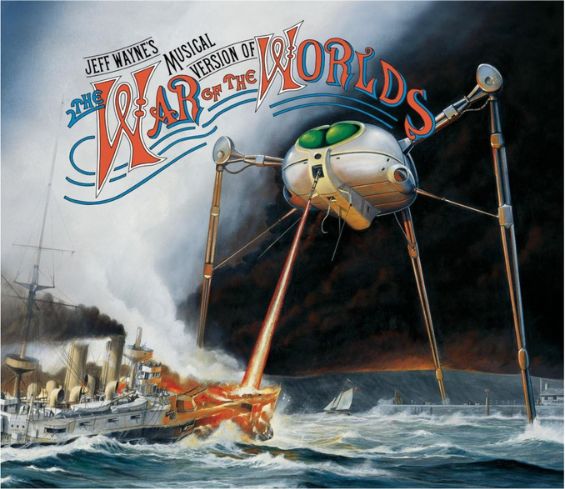
13. Jeff Wayne’s War of the Worlds (1978)
👽 This sweeping, symphonic rock opera retells H.G. Wells’ sci-fi classic with bombast, drama, and eerie beauty. Featuring a mix of orchestration, rock guitars, spoken narration (by Richard Burton), and haunting vocals, it’s a truly unique fusion of theatre and concept album. It captures the terror and wonder of alien invasion like nothing else.
Key track: The Eve of the War
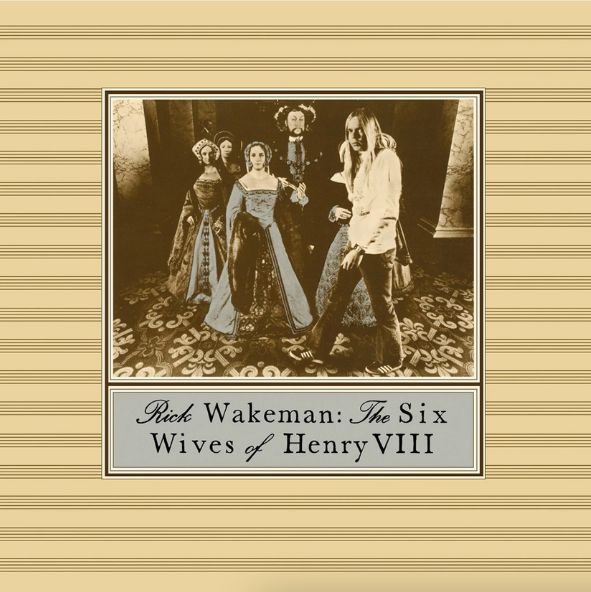
12. Rick Wakeman The Six Wives of Henry VIII (1973)
Wakeman’s instrumental tour de force is the pinnacle of keyboard-driven excess from that most out-there of rock years, 1973. By assigning a distinct musical personality to each of Henry’s queens – from the somber tones of Catherine of Aragon to the frenetic synth-work of Anne Boleyn – he created a surprisingly evocative historical tapestry. Is it a great concept album? Yes, if you value virtuosity over lyrics. It remains a definitive, unapologetically flamboyant landmark of the prog-rock era.
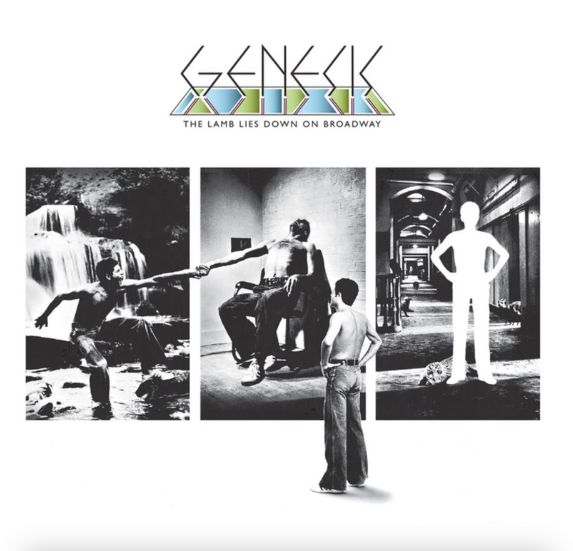
11. Genesis The Lamb Lies Down on Broadway (1974)
🐑 The Lamb Lies Down on Broadway is Genesis’s most ambitious concept album – a surreal, double-LP rock opera following Rael, a Puerto Rican youth lost in a mythic New York dreamscape. With Peter Gabriel’s vivid lyrics and the band’s intricate arrangements, it blends progressive rock complexity with theatrical storytelling. Mysterious, symbolic, and musically daring, it’s a landmark in prog history and a strange, compelling journey through the subconscious.
Key Track: In the Cage
10. Rush 2112 (1976)
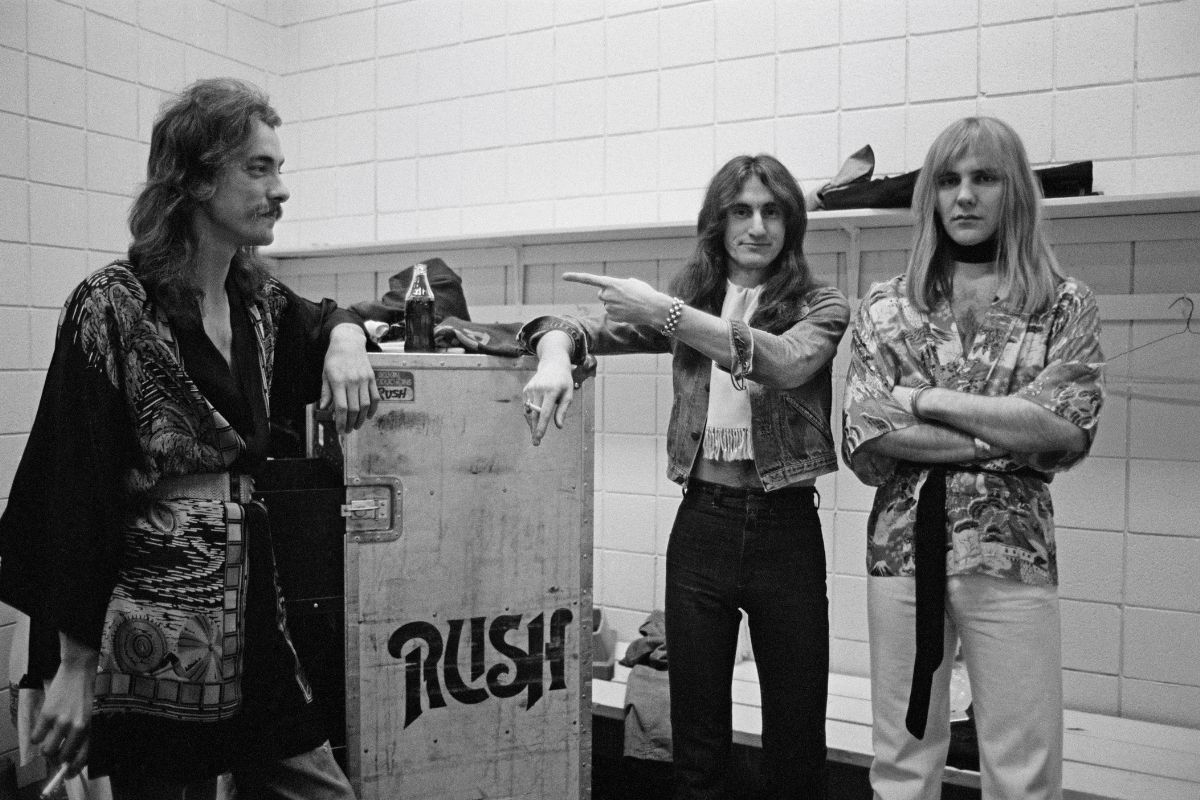
2112 is the ultimate middle finger to the music industry and a cornerstone of progressive rock. After their record label demanded more commercial material, Rush responded in 1976 with a side-long, twenty-minute title suite about a dystopian future where creativity is outlawed by the Priests of the Temples of Syrinx. It remains a definitive concept work because it successfully marries Ayn Rand-inspired individualism with high-concept sci-fi, all anchored by the band’s astonishing technical virtuosity.
In the genre’s hierarchy, 2112 occupies a unique space as the bridge between intellectual prog and hard rock. It proved that a concept album could be heady and philosophical while maintaining a muscular, heavy metal heart. By betting their career on a sprawling tale of a discovery of an ancient guitar, Rush didn't just survive; they defined the "nerd-rock" archetype for generations.
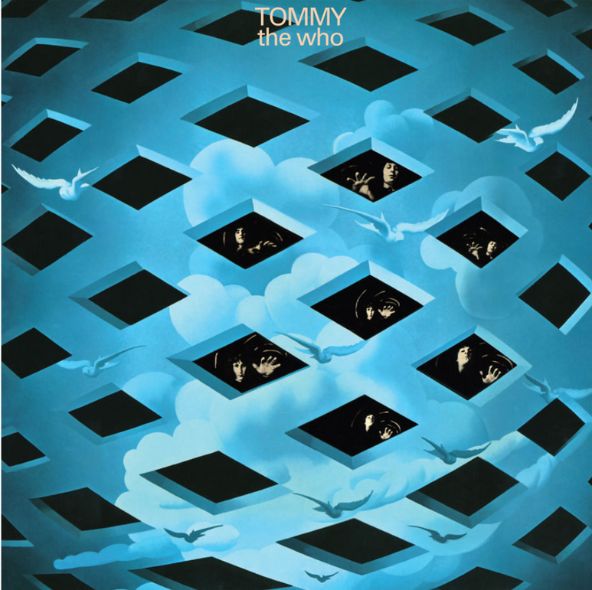
9. The Who Tommy (1969)
Tommy is the pivotal moment where the concept album ascended to the 'Rock Opera', demanding the same intellectual respect as classical compositions. Delivering a full narrative arc, its story of a "deaf, dumb, and blind" boy who becomes a messianic pinball wizard captured the era's obsession with spiritual enlightenment. As an indispensable bridge between sixties whimsy and seventies ambition, The Who proved that rock could be both a high-art narrative and a powerhouse physical experience.
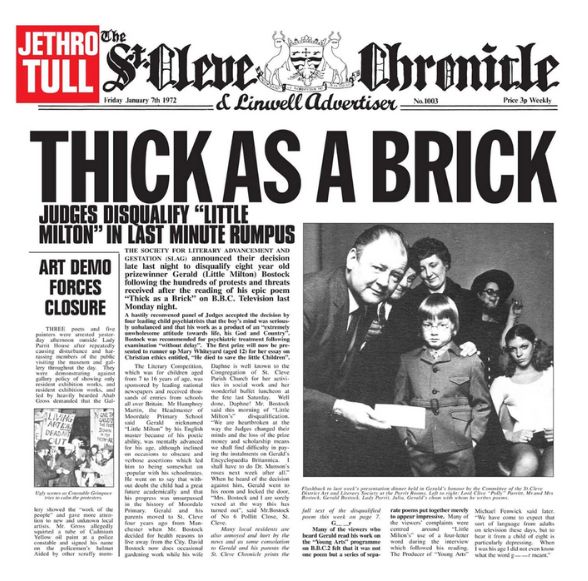
8. Jethro Tull Thick as a Brick (1972)
📜 Thick as a Brick is a full-length prog rock epic masquerading as a single continuous song, presented as the work of a fictional child prodigy named Gerald Bostock. Wrapped in a satirical fake newspaper, Tull's 1972 album parodies concept albums while also delivering one of the genre’s finest. Combining wit, complex arrangements, and virtuosic musicianship, it's both a send-up and a masterclass.
Key track: Thick as a Brick, Pt 1
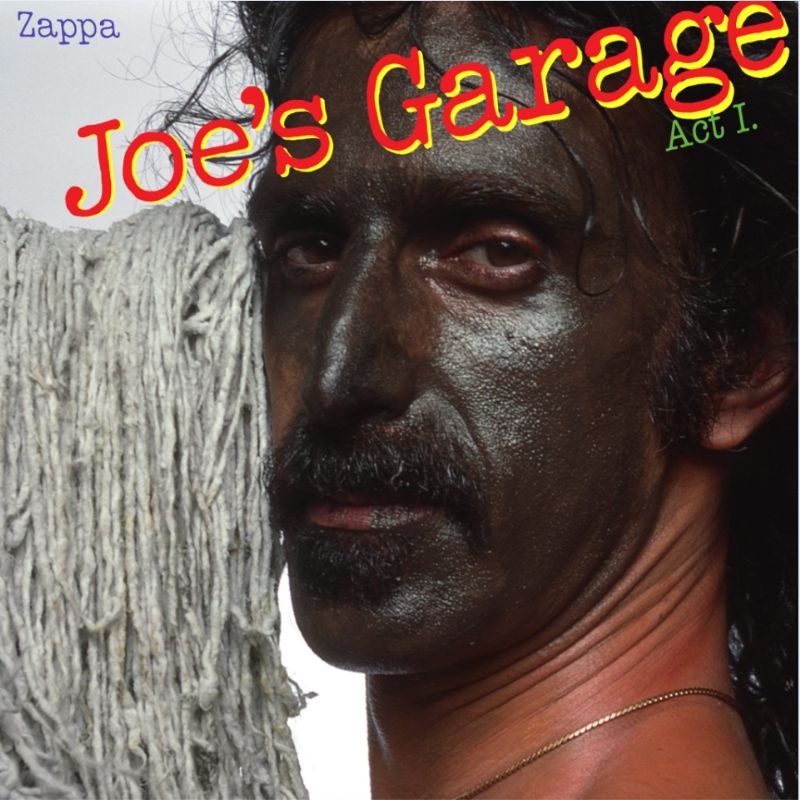
7. Frank Zappa Joe's Garage (1979)
Joe’s Garage is Zappa’s satirical peak, a three-act rock opera following Joe through a dystopia where music is outlawed. Skewering censorship and authoritarianism, Zappa blends complex compositions with biting social commentary and absurdist humour. From doo-wop to jazz-rock, Zappa's 1979 album showcases his unparalleled musicianship and fearless creativity. Vividly drawn and musically intricate, it remains one of his most inventive and brilliantly bizarre works: a playground of high-concept storytelling and uncompromising artistic vision.
Key track: Catholic Girls
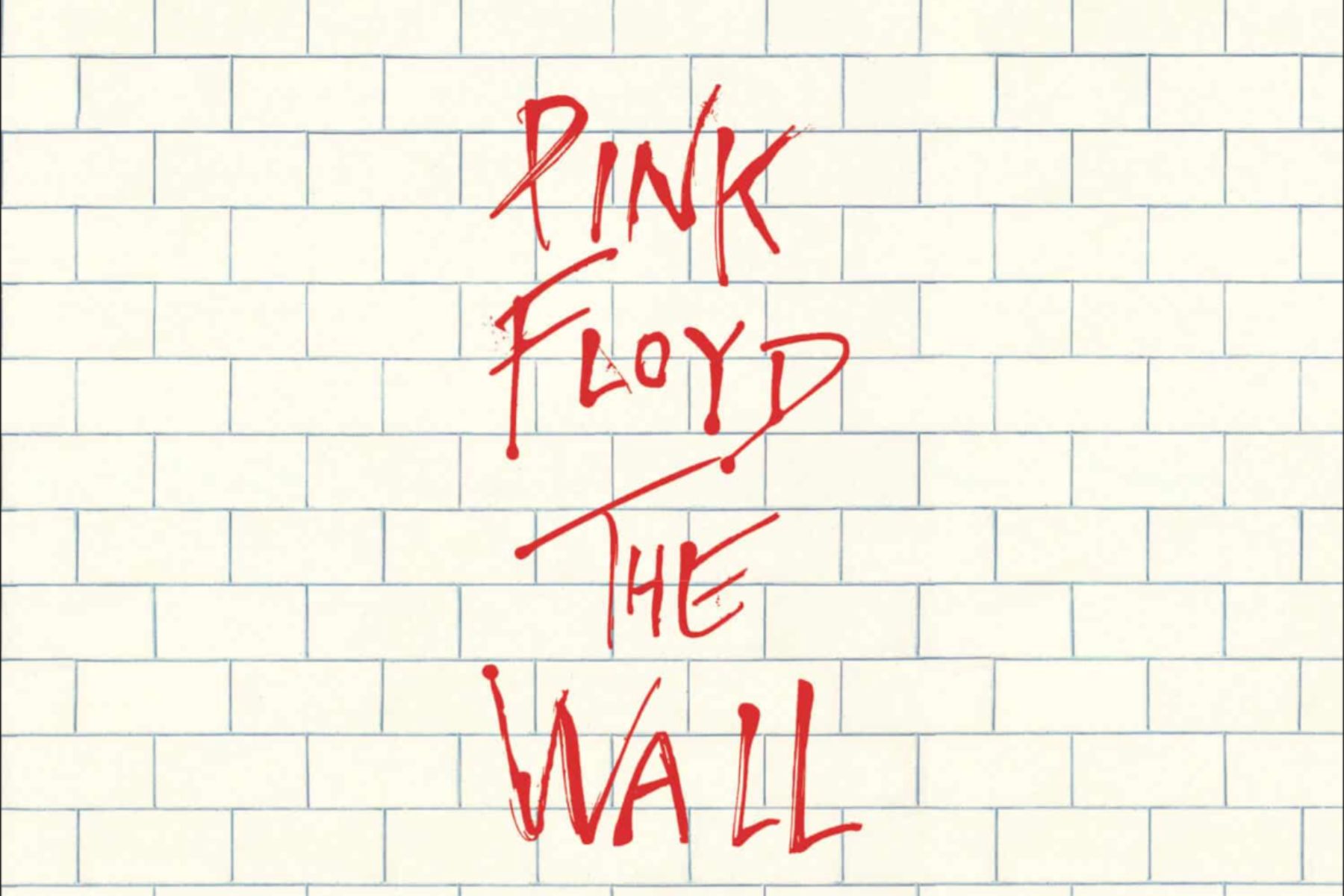
6. Pink Floyd The Wall (1979)
The Wall is the definitive monument to the emotive power of the concept album. Roger Waters’ tale of 'Pink', a rock star isolated by trauma and fame, offers unparalleled narrative scope. This double album maintains a rigorous, cinematic focus through recurring motifs and immersive sound effects. Balancing biting lyricism with David Gilmour’s soaring guitar work, it transforms deep-seated alienation into a universal anthem, remaining the high-water mark for high-concept musical narratives.
5. The Who Quadrophenia (1973)
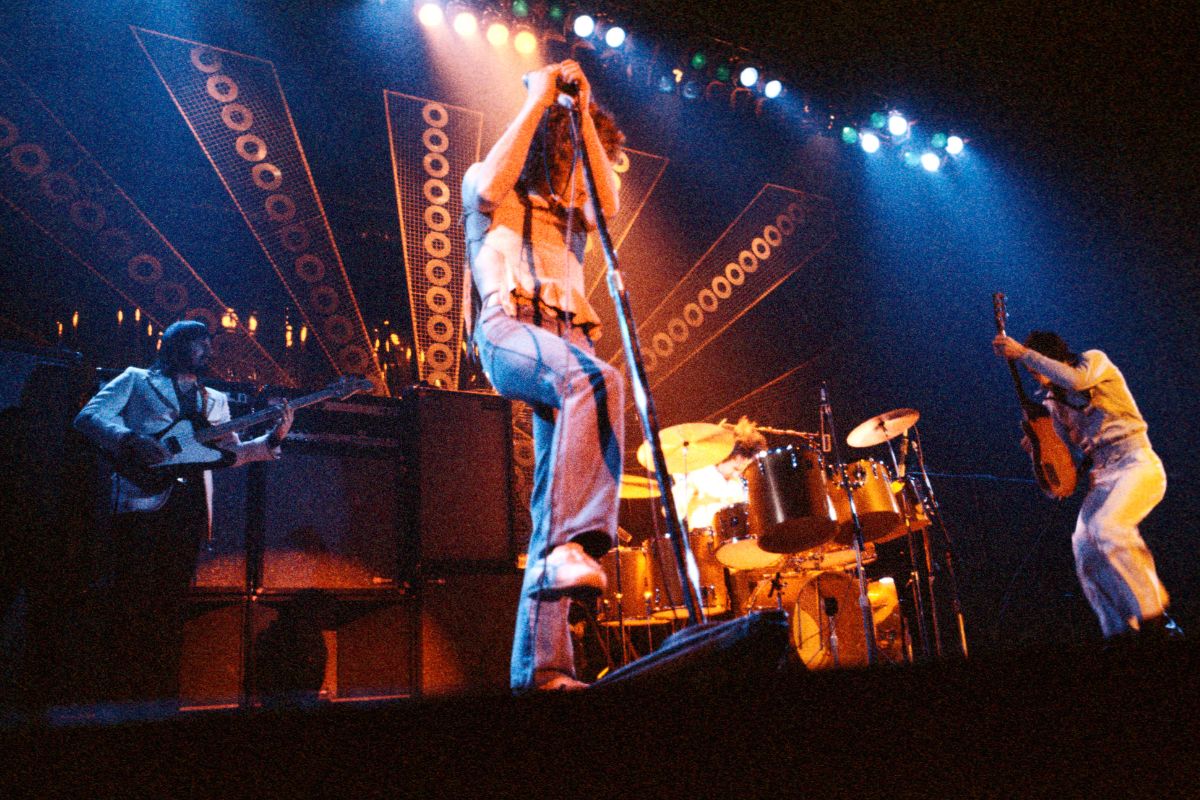
Quadrophenia (1973) is The Who’s grandest and most emotionally complex work – a concept album that turns the story of a disaffected Mod named Jimmy into a swirling psychological symphony. Pete Townshend conceived Jimmy as embodying all four members of the band, each represented by a distinct musical theme, making it a kind of rock-opera multiple personality study.
Its dense mix of ocean imagery, scooter gangs, and spiritual yearning captures the chaos of adolescence and identity in postwar Britain. The album’s cinematic scope, crashing waves, and meticulous sound design lend it both grandeur and claustrophobia – the sonic equivalent of a storm in the soul. At once deeply human and structurally audacious, Quadrophenia stands as one of rock’s most ambitious, introspective, and brilliantly weird concept albums.
Key track: Love, Reign o'er Me
4. The Beatles Sgt. Pepper’s Lonely Hearts Club Band (1967)
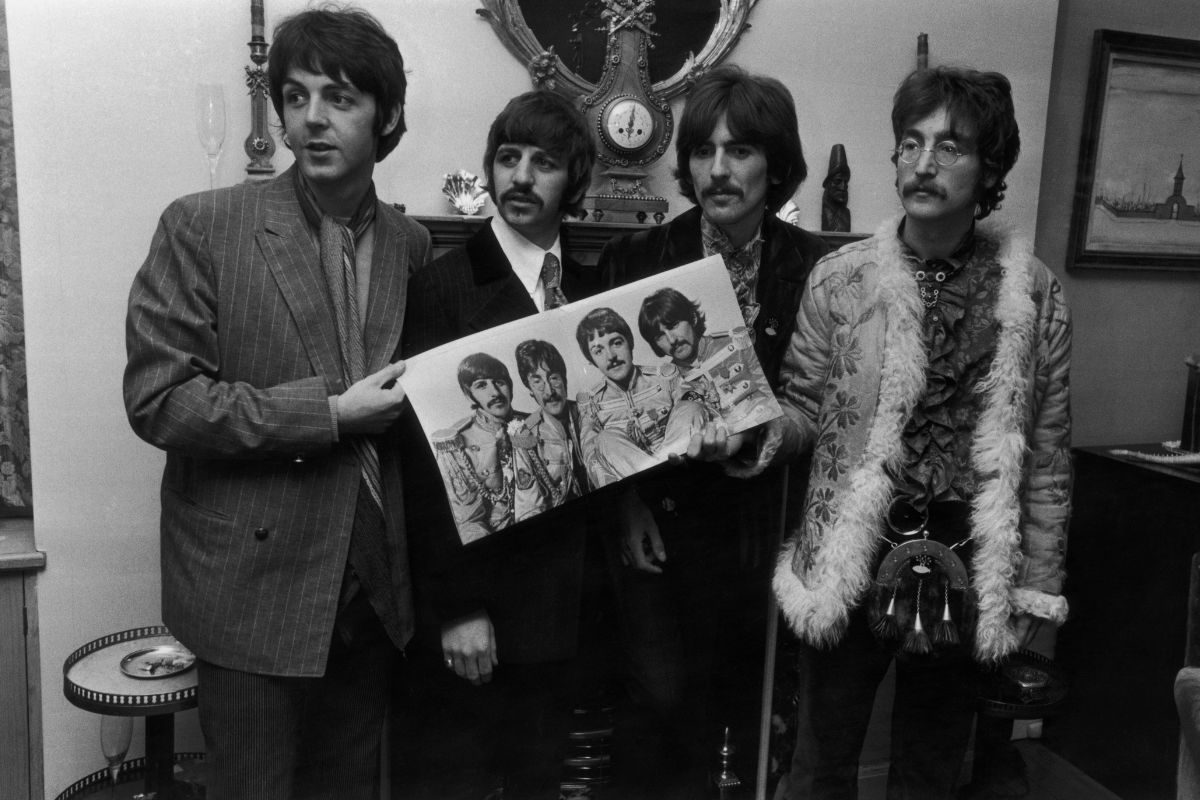
Sgt. Pepper is often hailed as the 'ur-concept album', though its thematic consistency is more of a brilliant illusion than a rigid narrative. The concept – the Beatles 'acting' as a fictional Edwardian brass band to escape the pressures of Beatlemania – bookends the record perfectly with the opening title track and its reprise. However, the songs in between, from the whimsical 'Lovely Rita' to the psychedelic 'Lucy in the Sky with Diamonds', have little to do with the alter-ego persona.
Despite this, it is arguably the most successful concept album ever made because it reimagined the long-player as a cohesive piece of art rather than a collection of singles. By utilizing revolutionary studio techniques, seamless transitions, and iconic packaging, the Beatles created a singular "world" for the listener. It succeeded not through storytelling, but by capturing the experimental, kaleidoscopic spirit of 1967 in a way that felt entirely unified.
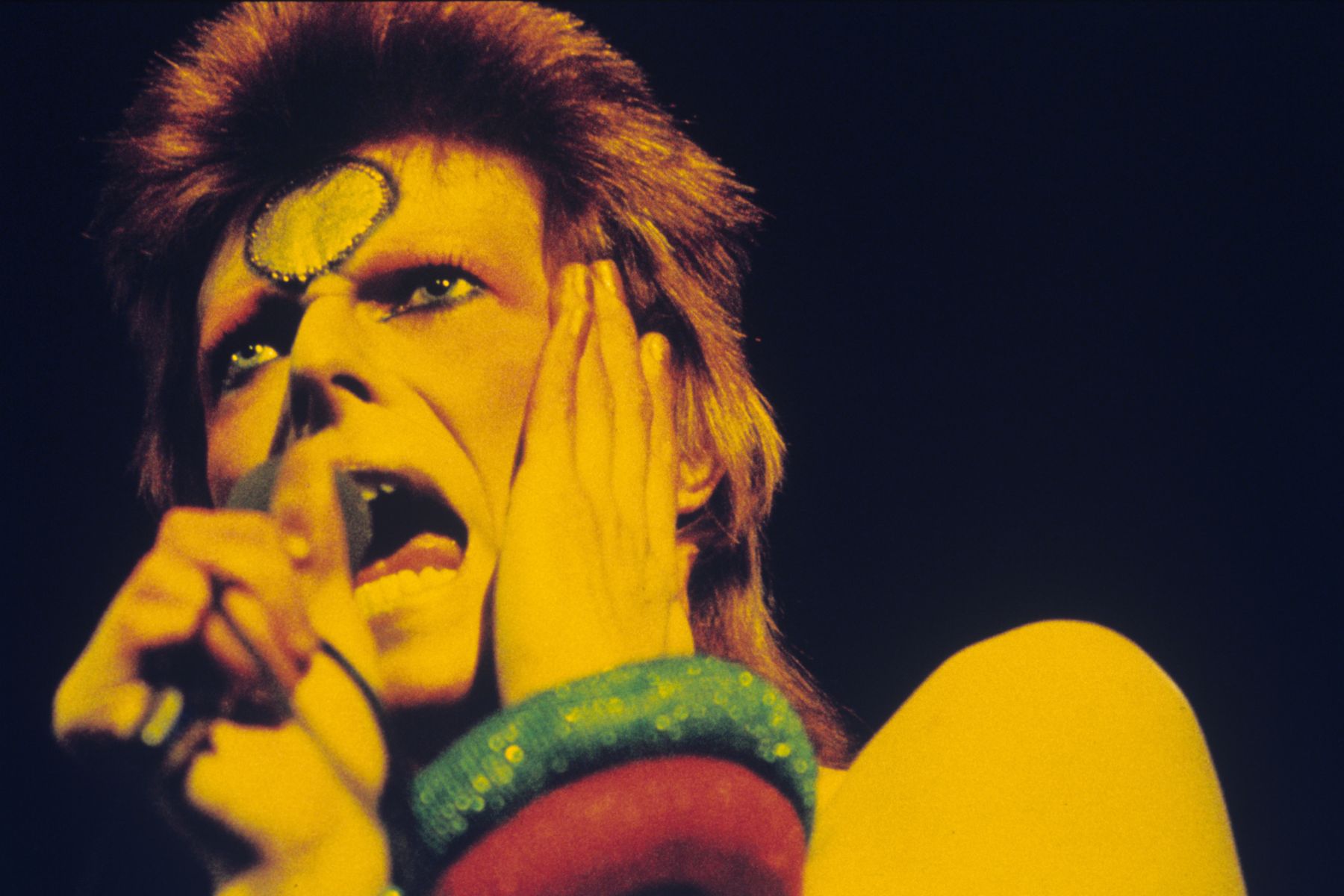
3. David Bowie The Rise and Fall of Ziggy Stardust and the Spiders from Mars (1972)
Ziggy Stardust is a masterclass in mythmaking, seamlessly blending science fiction with the visceral reality of rock stardom. It is brilliant because Bowie doesn't just sing about a character; he inhabits an alien messiah sent to save a doomed Earth, only to be consumed by his own ego. Musically, it strikes a perfect balance between theatricality and the muscular riffs of Mick Ronson. It remains the definitive blueprint for how identity and artifice can redefine music.
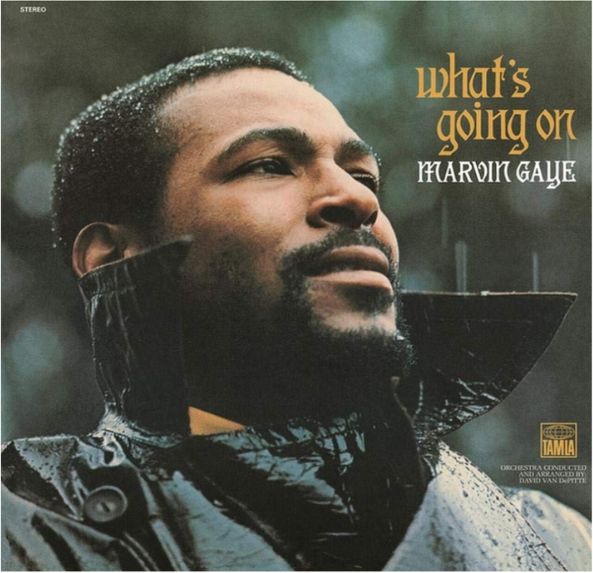
2. Marvin Gaye What's Going On (1971)
Marvin Gaye’s 1971 masterpiece is arguably the most essential concept album ever recorded. Shifting from Motown’s hit factory to a self-produced, seamless suite, Gaye explored the soul of a nation fractured by Vietnam, poverty, and ecological decay. It is great because it transcends rock’s usual fantasy tropes to address the human condition. Profound, soulful, and deeply spiritual, it remains the definitive blueprint for using music as a tool for social consciousness.
1. Pink Floyd The Dark Side of the Moon (1973)
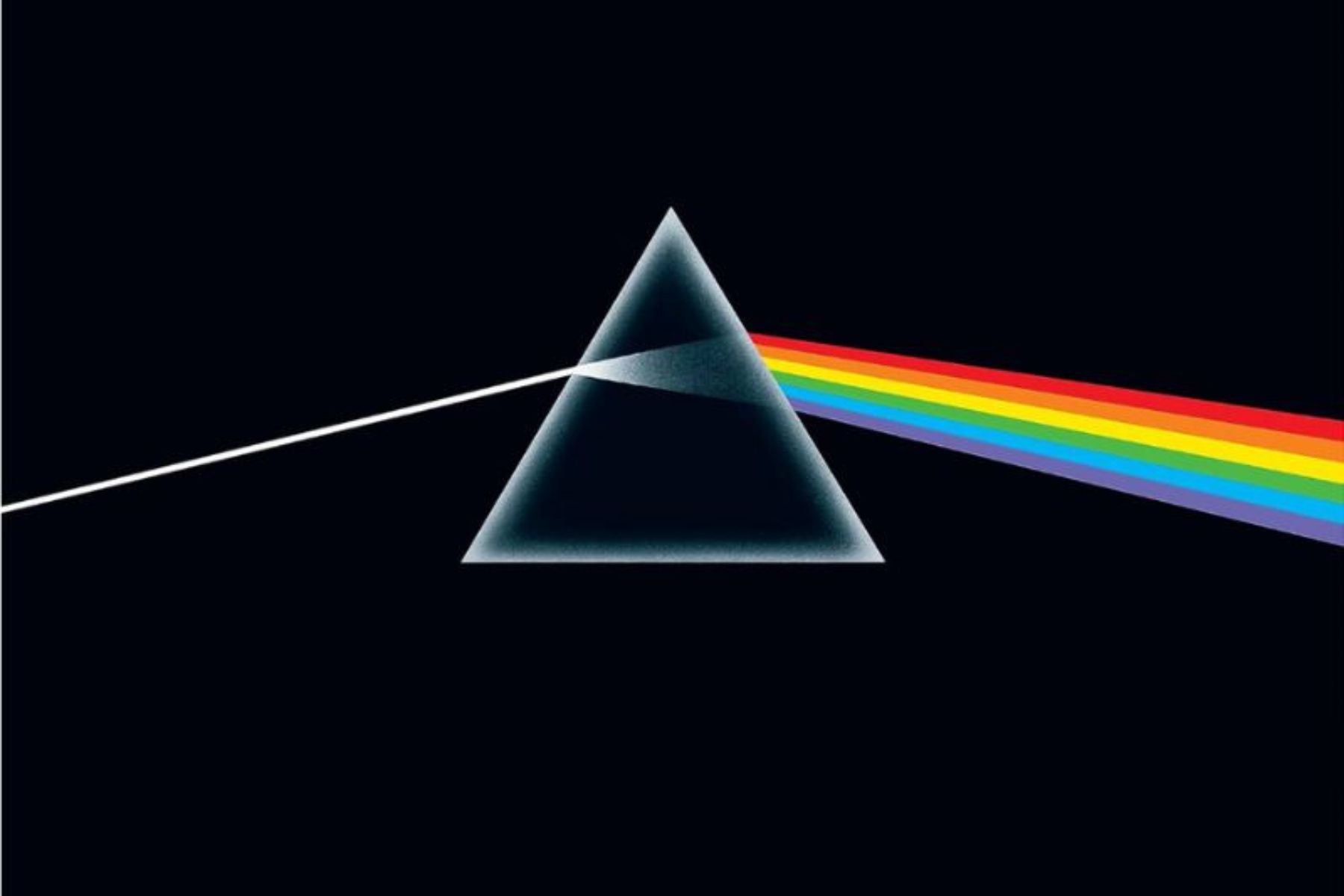
While The Wall is their most narrative-driven work, The Dark Side of the Moon is Pink Floyd’s most recognizable and cohesive concept album. Unlike the character-led story of The Wall, this record explores the universal pressures of the human condition: time, greed, conflict, travel, and mental fragility.
The album’s brilliance lies in its seamless structure. It functions as a single, continuous piece of music, linked by heartbeat rhythms, spoken-word snippets, and recurring sonic motifs. This fluid transition between tracks reinforces the 'concept' far more effectively than a standard collection of songs. It didn't just top the charts; it redefined the album as a singular, immersive art form, making it the gold standard for thematic unity in rock history.
Artist pics: Getty Images