Grunge changed rock music so completely that it's easy to forget how short its golden age really was.
Between 1990 and the middle of the decade, an extraordinary run of albums transformed a regional underground scene into the defining sound of a generation. Punk attitude collided with Sabbath-sized riffs, Beatles-worthy melodies met bruised introspection, and a handful of bands produced records that still tower over alternative rock more than three decades later.
Of course, one title inevitably dominates every discussion: Nevermind. Nirvana's blockbuster didn't merely make grunge mainstream – it knocked Michael Jackson off the top of the Billboard chart and rewrote the rules of popular music. But influence and artistic achievement aren't always the same thing.
So this list judges one thing only: the music. From household names to a few cult classics, these are the 15 grunge albums that mattered most – and why the greatest of them all wasn't Nevermind.
The greatest 1990s grunge albums
21. Skin Yard – 1000 Smiling Knuckles (1991)
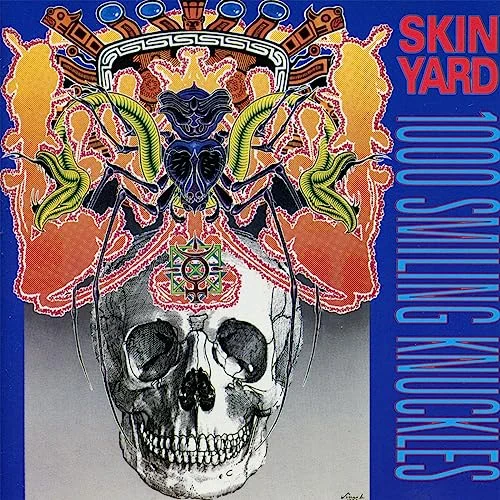
Never as commercially successful as their Seattle peers, Skin Yard nevertheless helped define grunge before it had a name. Produced by Jack Endino, 1000 Smiling Knuckles balances sludgy riffs with surprising melodic touches, while Ben McMillan's snarling vocals keep everything rooted in punk hostility. It lacks the crossover hooks of Nirvana or Pearl Jam, but few albums better capture the raw, uncompromising spirit of the early Seattle underground.
Key track: '1000 Smiling Knuckles'
20. L7 – Bricks Are Heavy (1992)

Produced by Butch Vig at the height of his powers, Bricks Are Heavy distilled L7's ferocious live sound into a set of lean, riff-driven anthems. Equal parts punk, metal and grunge, it crackles with attitude while never sacrificing memorable hooks. Although often overshadowed by Seattle's biggest names, this remains one of the sharpest and most enjoyable guitar albums of the decade.
Key track: 'Pretend We're Dead'
19. Melvins – Houdini (1993)
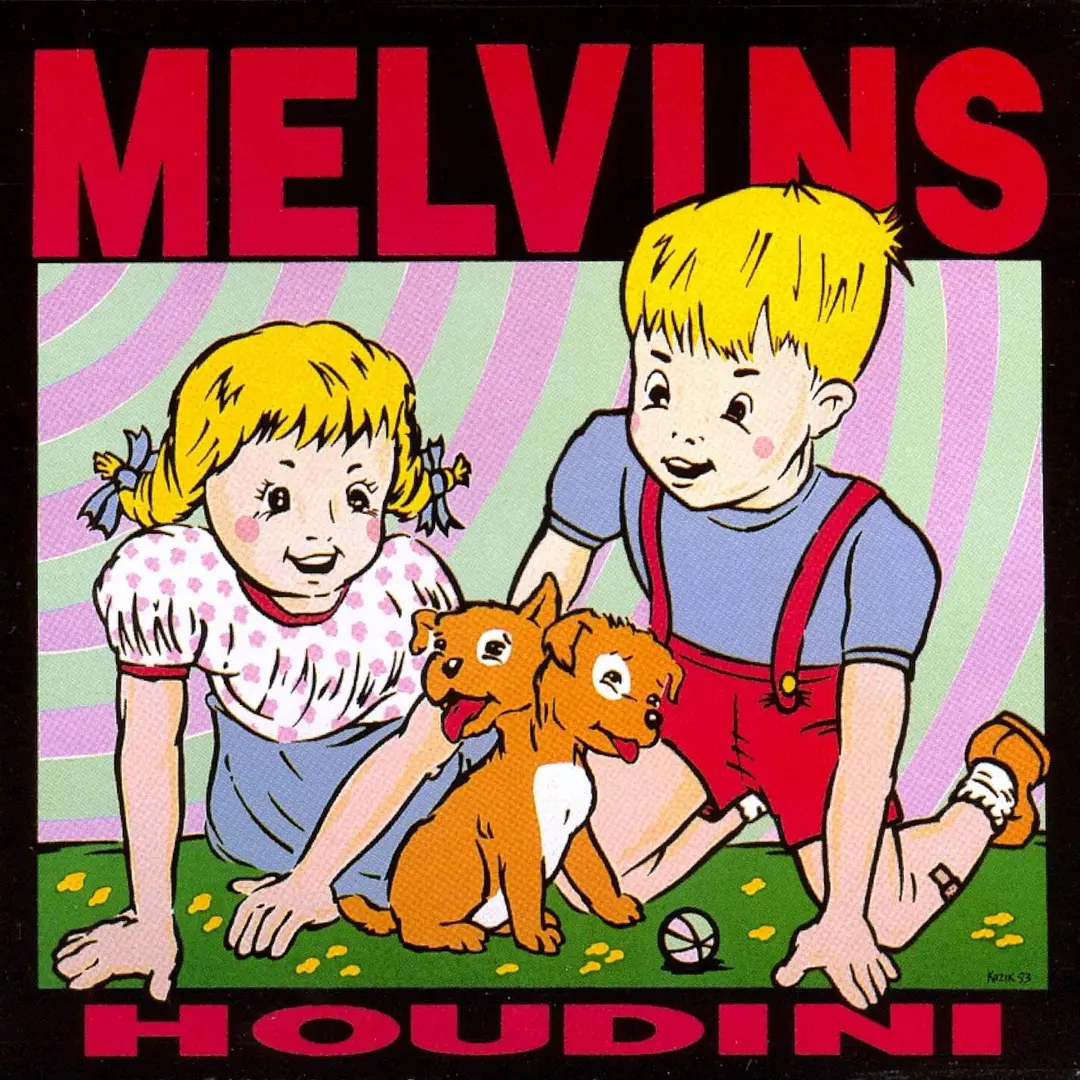
The Melvins were never really a grunge band, but grunge simply doesn't exist without them. Their crushing tempos, down-tuned guitars and warped sense of humour profoundly influenced Kurt Cobain and countless others. Houdini softened their experimental streak just enough to produce their most accessible album, without sacrificing the lumbering heaviness that made them one of alternative rock's most original voices.
Key track: 'Honey Bucket'
18. Hole – Live Through This (1994)
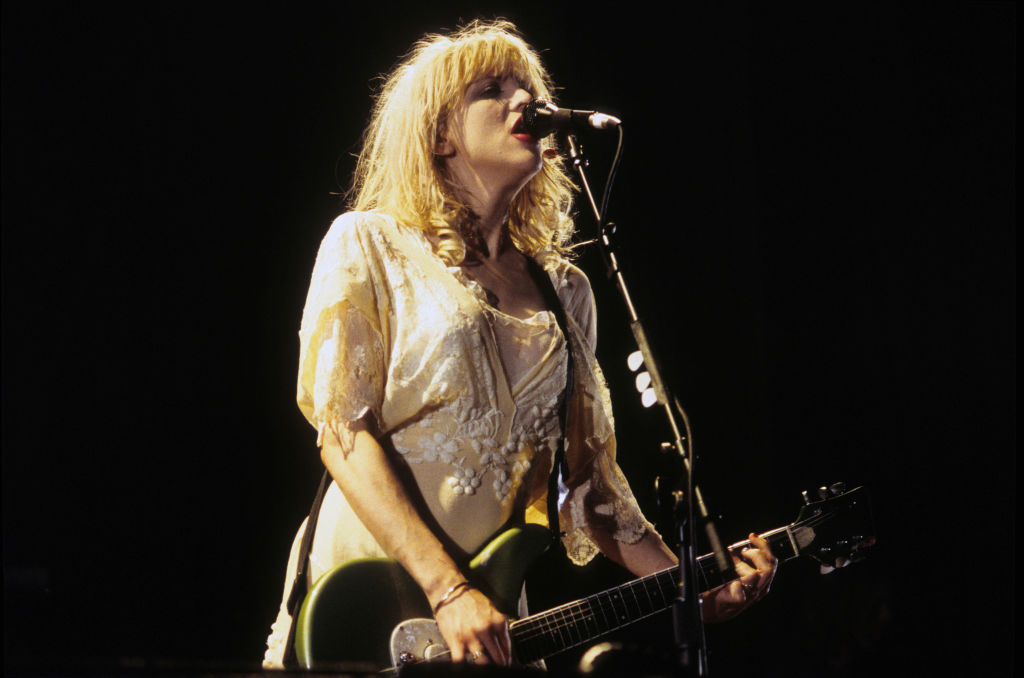
Jim Steinfeldt/Michael Ochs Archives/Getty Images) - Jim Steinfeldt/Michael Ochs Archives/Getty Images
Released just days after Kurt Cobain's death, Live Through This arrived under an impossibly dark cloud, yet quickly established itself as one of the defining albums of the era. Courtney Love combines rage, vulnerability and razor-sharp melodic instincts across a collection that swings effortlessly between bruising punk and bittersweet pop. Controversies have lingered, but the album's quality has only become clearer with time.
Key track: 'Doll Parts'
17. Tad – 8-Way Santa (1991)
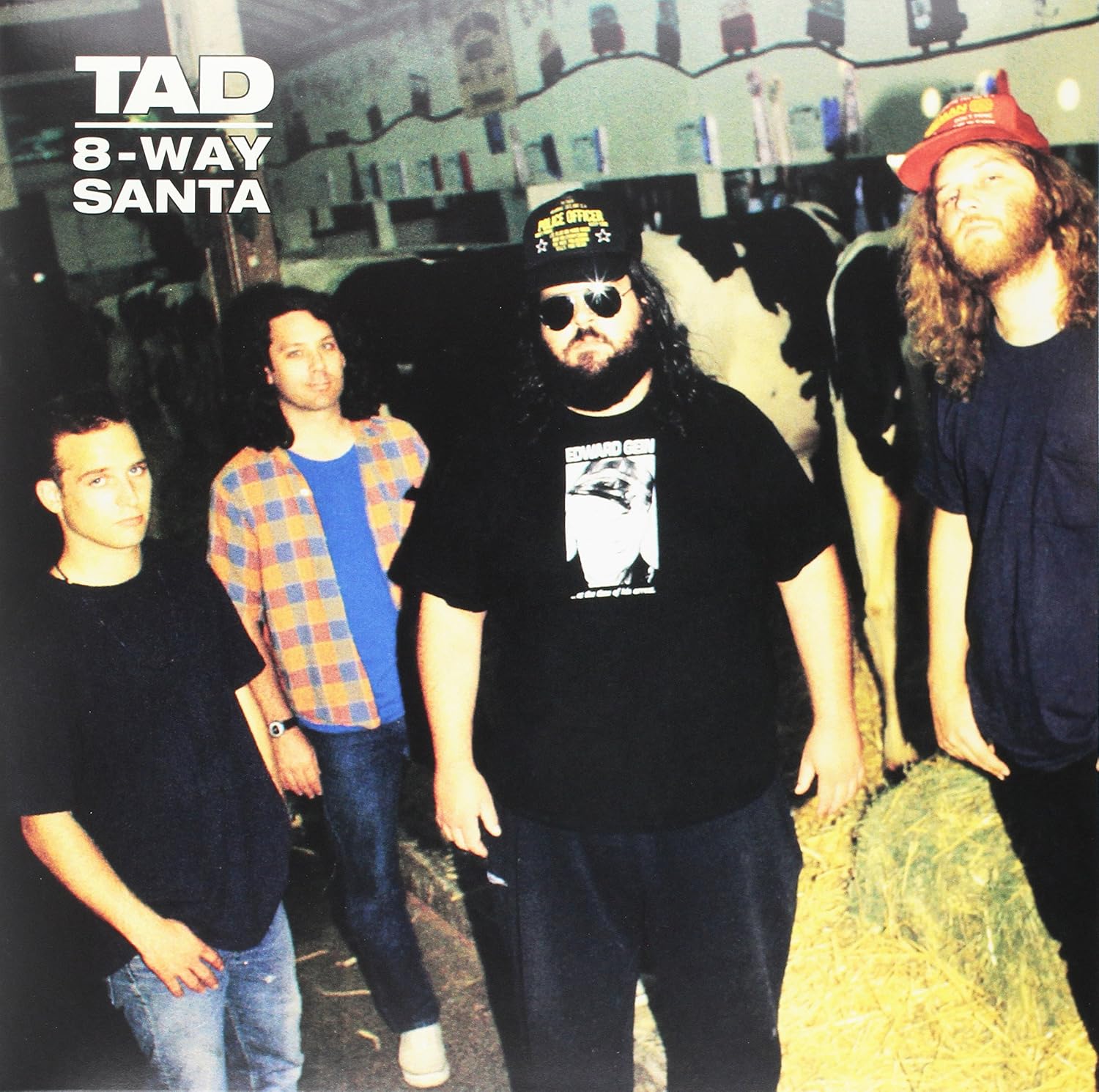
If grunge had a genuinely terrifying side, Tad embodied it. 8-Way Santa finds Tad Doyle's band marrying Sabbath-sized riffs with punk velocity and a grimy sense of humour that perfectly suited Sub Pop's aesthetic. It never achieved mainstream success, but among heavy rock devotees it remains one of the most punishing, uncompromising and satisfyingly filthy albums the Seattle scene produced.
Key track: 'Jinx'
16. Green River – Rehab Doll (1988)
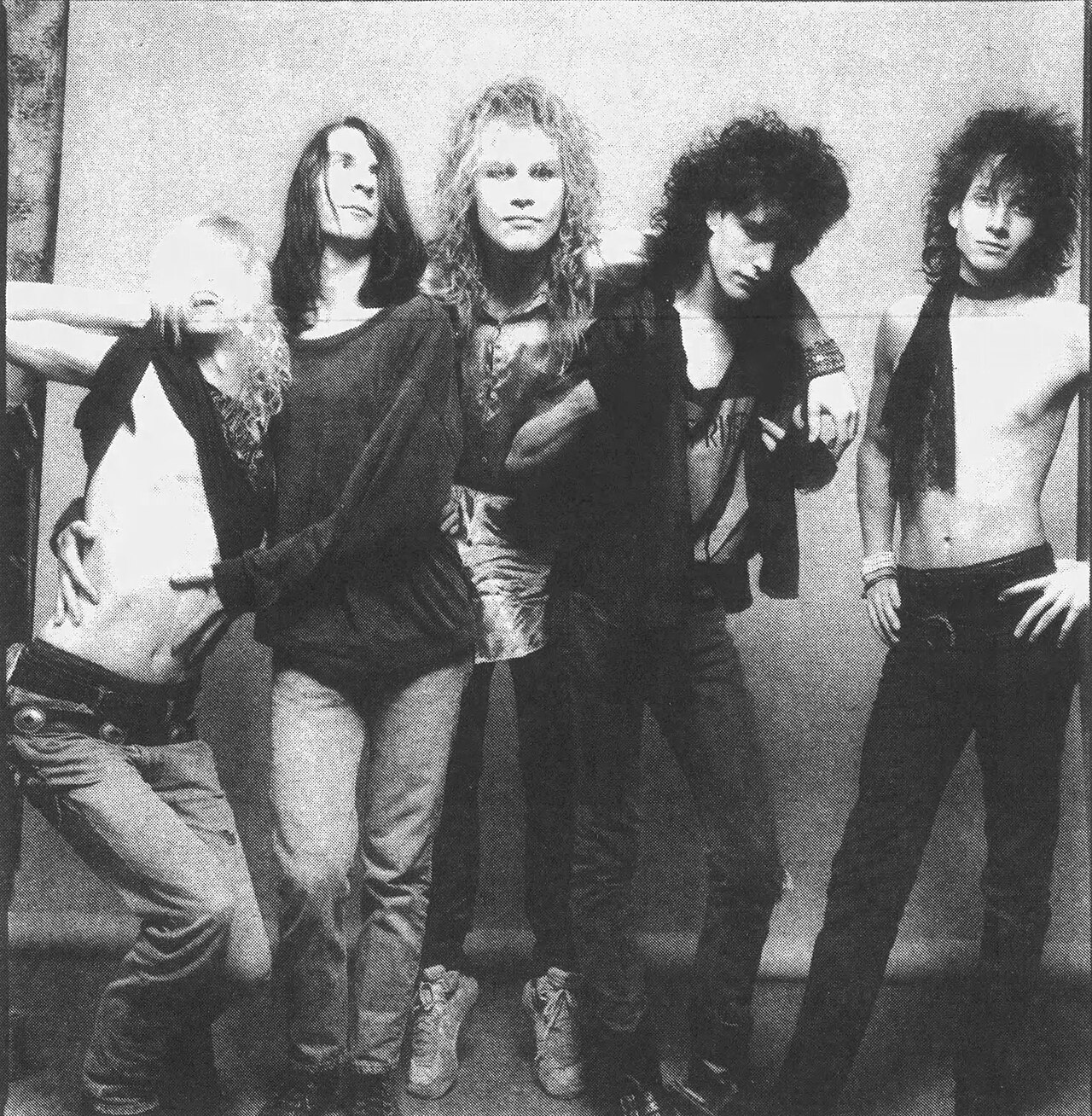
Before Pearl Jam, Mudhoney and Mother Love Bone, there was Green River. Although released two years before the 1990s began, Rehab Doll is simply too important to ignore. Mark Arm's sneering vocals and Stone Gossard's muscular riffs helped establish the blueprint that countless Seattle bands would refine over the following decade. Historically indispensable and still hugely enjoyable, it stands as grunge's true ground zero.
Key track: 'Swallow My Pride'
15. Mudhoney – Every Good Boy Deserves Fudge (1991)
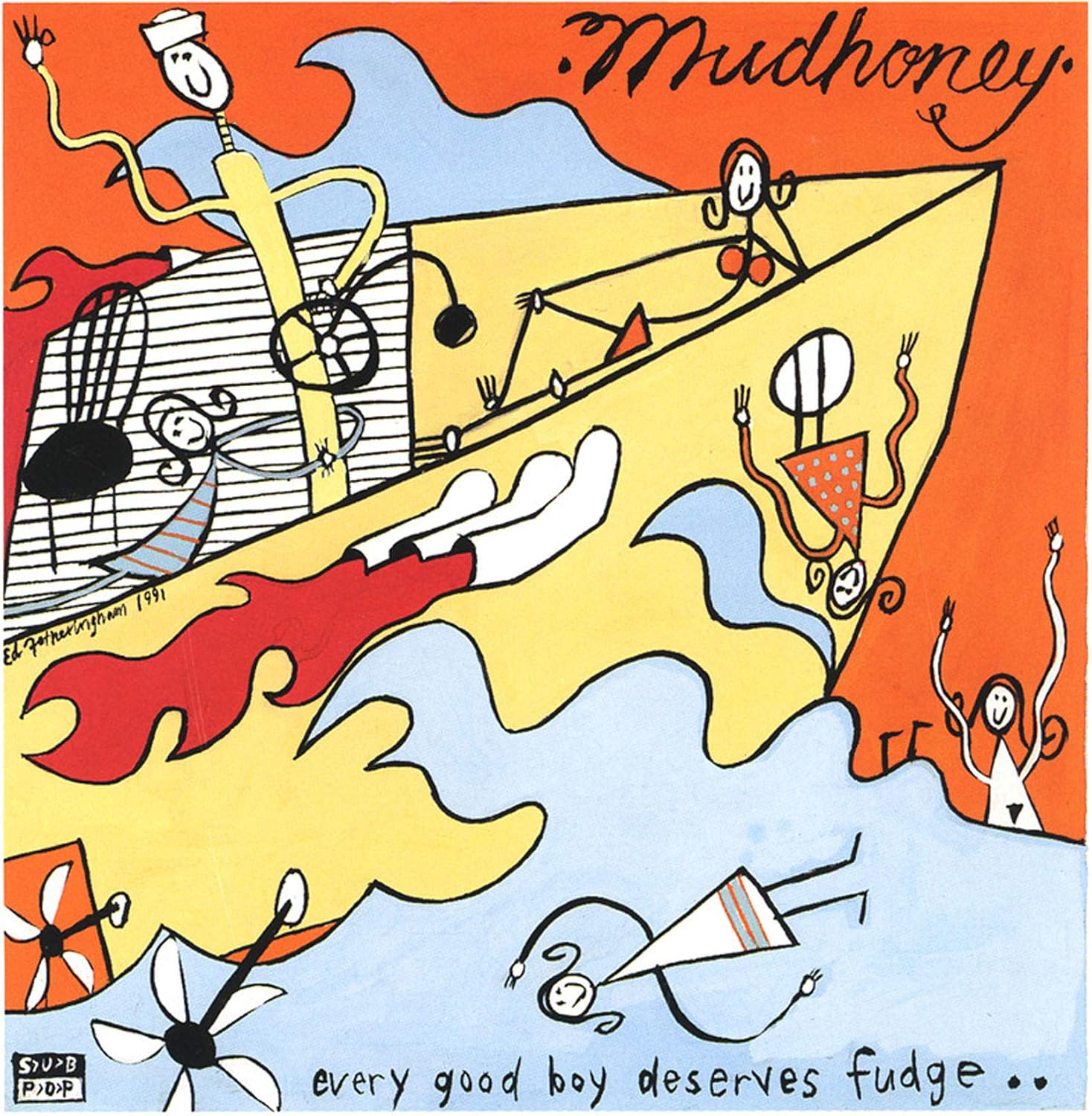
Long before Nirvana turned grunge into a global commodity, Mudhoney embodied its filthy, anti-commercial spirit. Every Good Boy Deserves Fudge doubles down on everything that made them great: blown-out guitars, sneering humour, garage-rock swagger and Mark Arm's magnificently scruffy vocals. It lacks the polish of the bigger-selling classics on this list, but that's precisely the point. Grunge was never meant to be tidy.
Key track: 'Let It Slide'
14. Alice in Chains – Alice in Chains (1995)
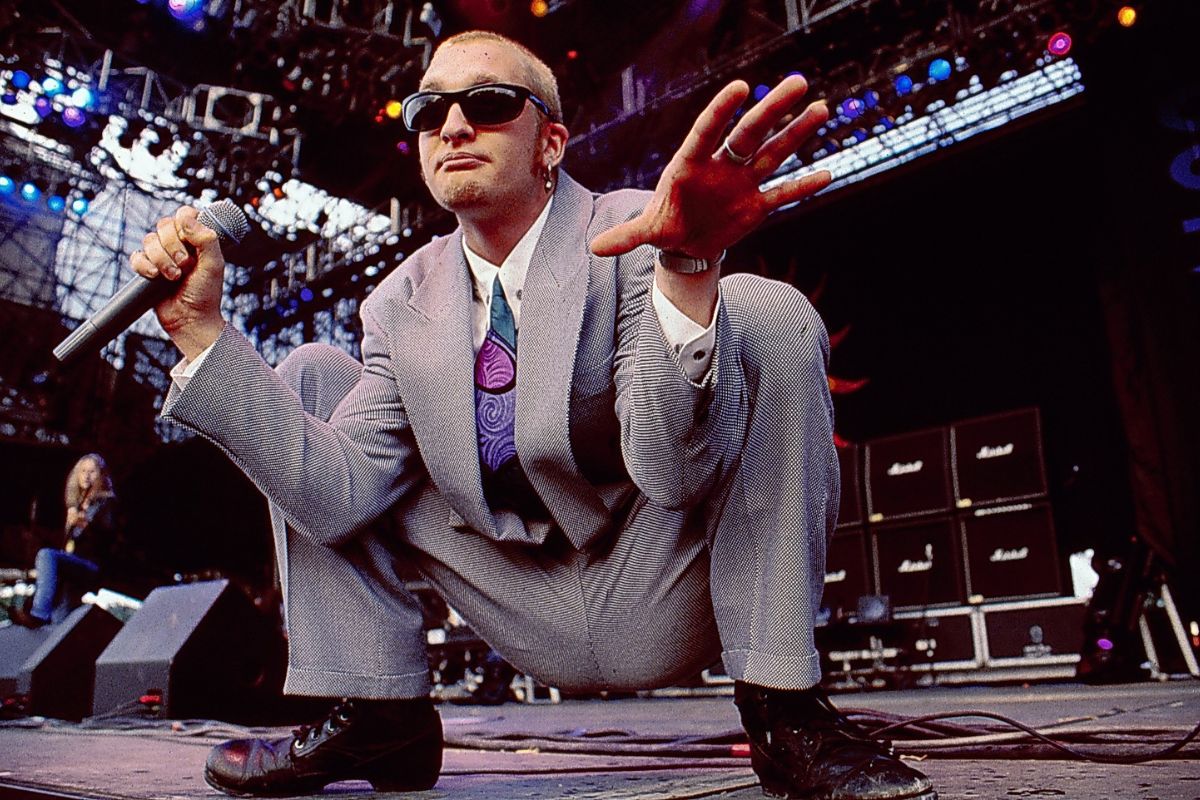
Often overshadowed by Dirt, the band's self-titled third album is one of grunge's bleakest statements. Layne Staley's addiction and isolation seep into every note, while Jerry Cantrell's downtuned riffs feel heavier than ever. Songs unfold at an almost funereal pace, making this a difficult listen at times – but also a deeply compelling one. It's the sound of a band staring into the abyss.
Key track: 'Again'
13. Stone Temple Pilots – Purple (1994)

Stone Temple Pilots spent years batting away accusations that they were grunge opportunists. Purple silenced many of those critics. Rather than simply rehashing the muscular attack of their 1992 debut Core, the band broadened its horizons, mixing hard rock with psychedelia, acoustic textures and Beatles-esque melody. Scott Weiland, meanwhile, emerged as one of the era's most charismatic frontmen, capable of sounding vulnerable one moment and utterly commanding the next.
Key track: Interstate Love Song
12. Mad Season – Above (1995)
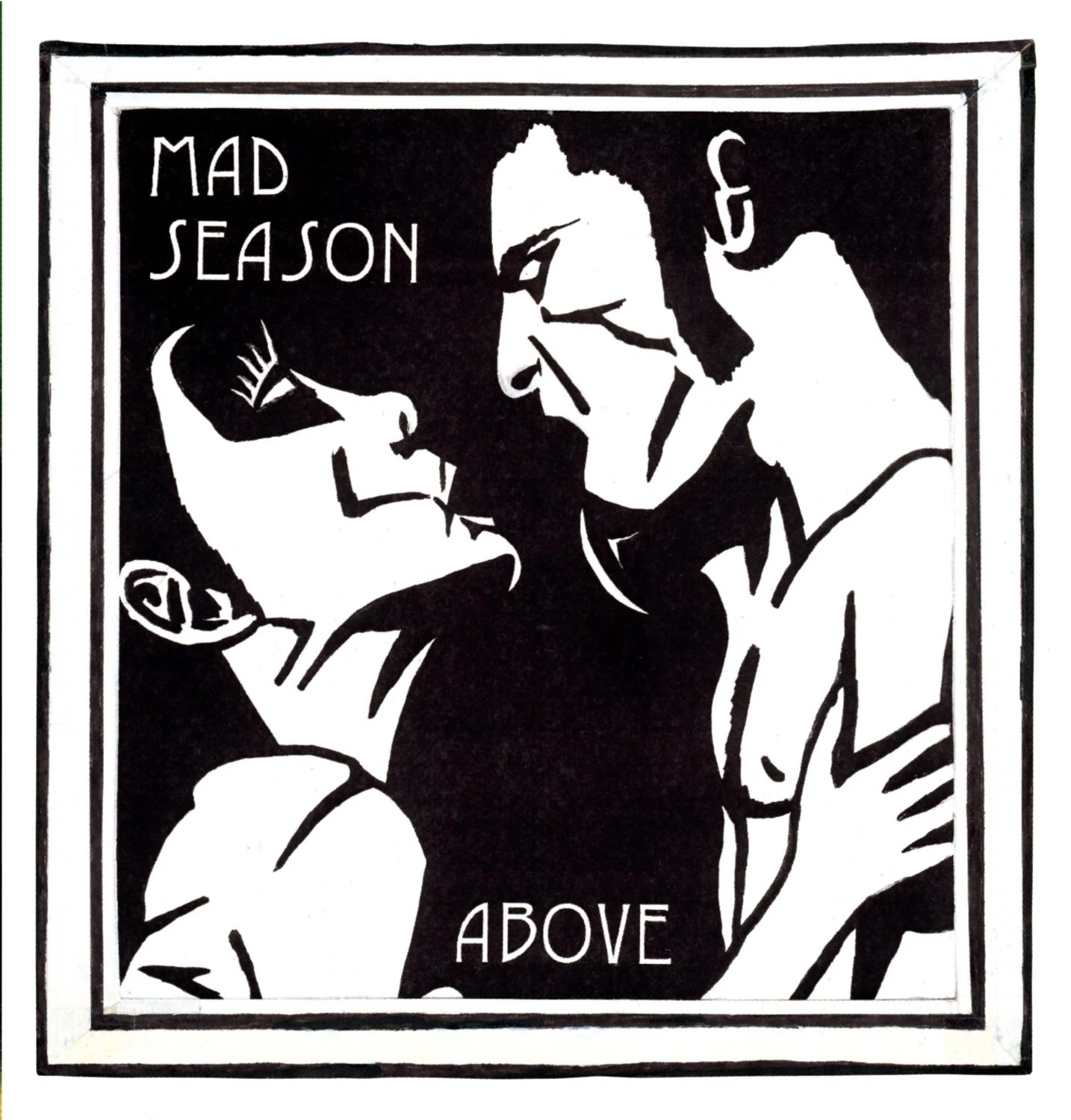
Supergroups rarely justify their existence. Mad Season were the exception. Bringing together Alice in Chains' frontman Layne Staley, Pearl Jam guitarist Mike McCready, and Screaming Trees duo Barrett Martin (drums) and John Baker Saunders (bass), they created something hauntingly intimate rather than bombastic.
Supergroup! Rock's 23 greatest all-star lineups, ranked
Blues, jazz and psychedelic rock drift through songs consumed by addiction, regret and fragile hope. Knowing what lay ahead for both Staley and Saunders only deepens the album's emotional power.
Key track: 'River of Deceit'
11. Stone Temple Pilots – Core (1992)
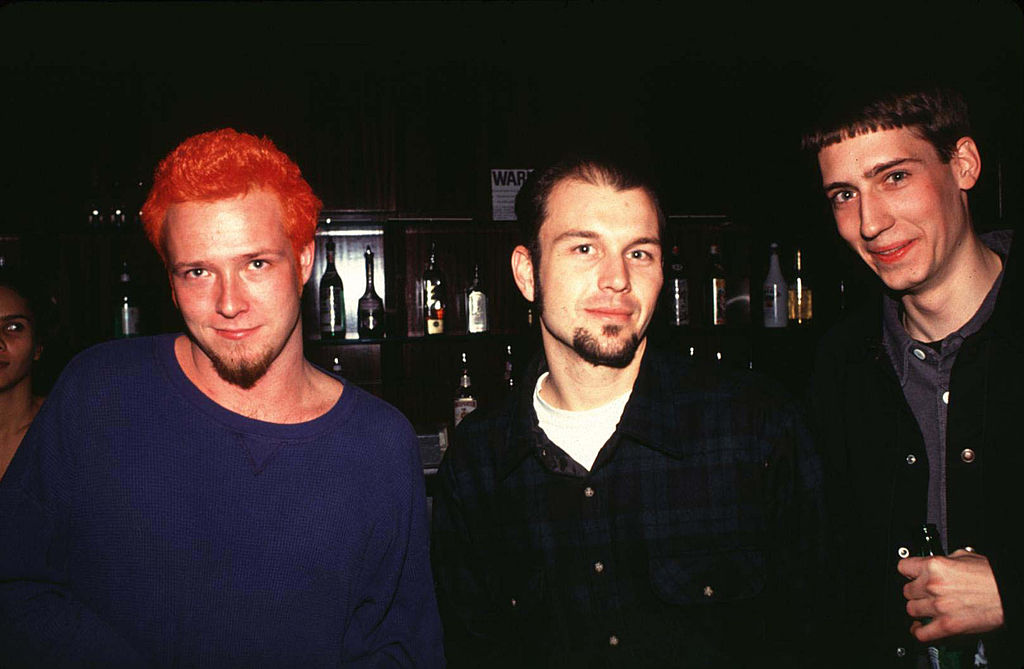
Dismissed by some critics on release as grunge-by-numbers, Core has actually aged remarkably well. Yes, Stone Temple Pilots owed a debt to Pearl Jam and Alice in Chains, but they also brought a swagger and melodic instinct all their own.
Dean DeLeo's inventive guitar work constantly sidesteps cliché, while Scott Weiland sounds like a genuine rock star rather than an anguished everyman. From the pulverising riffs of 'Dead & Bloated' to the soaring hooks of 'Plush', Core remains one of the decade's great hard rock debuts.
Key track: 'Plush'
10. Screaming Trees – Sweet Oblivion (1992)
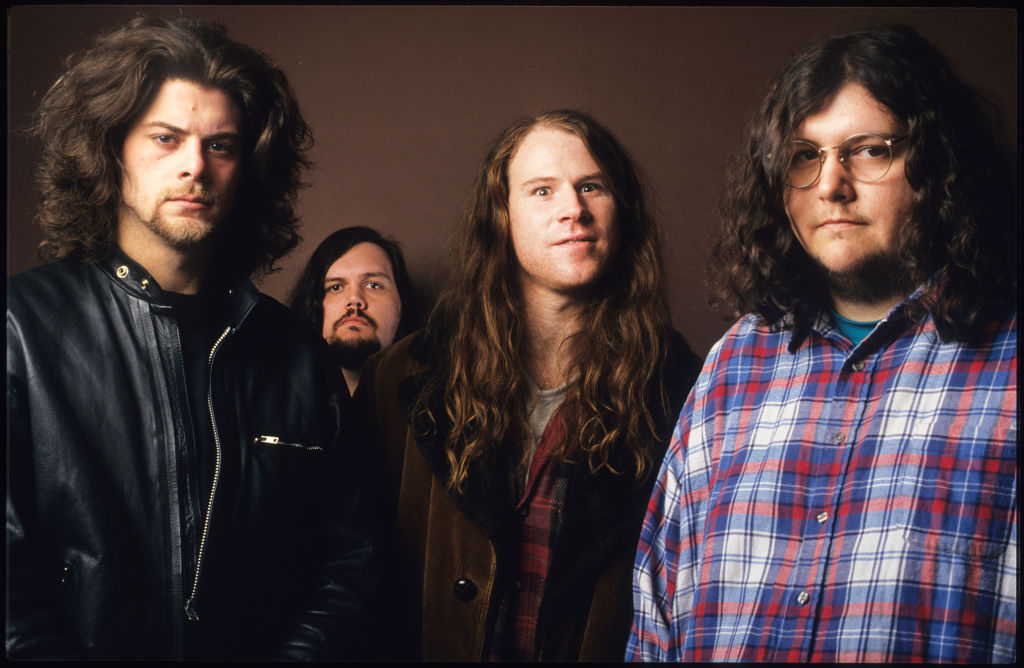
No grunge frontman sounded quite like Mark Lanegan. His weathered, whisky-soaked baritone gave Screaming Trees an identity all of their own, somewhere between psychedelia, classic rock and Pacific Northwest melancholy.
Sweet Oblivion was their commercial breakthrough, propelled by the irresistible 'Nearly Lost You', yet the album's deeper cuts are just as rewarding. It remains one of grunge's most underrated triumphs – a record that deserved to be every bit as famous as those above it.
Key track: 'Nearly Lost You'
9. Pearl Jam – Vs. (1993)
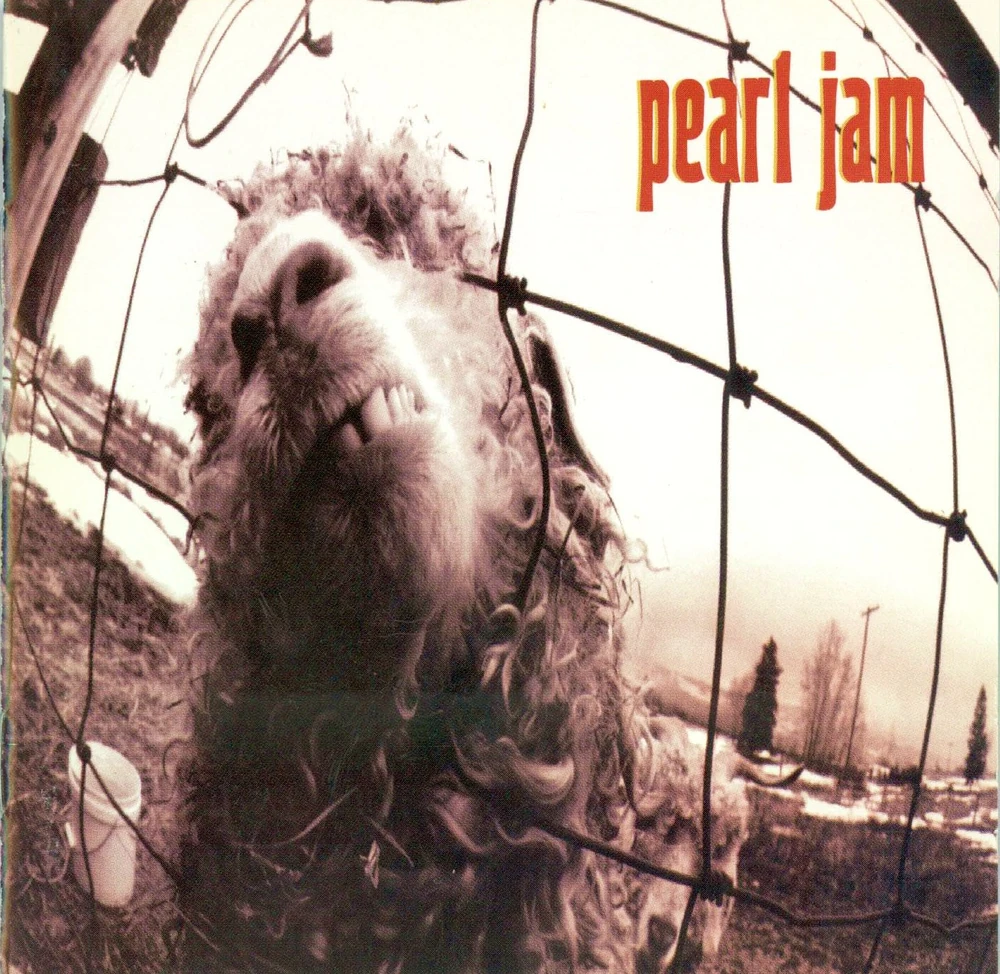
Vs. is Pearl Jam at their most urgent and unfiltered — a band rejecting fame even as it threatened to swallow them. The album is leaner, tougher and more volatile than Ten: sharper riffs, tighter rhythms, and Eddie Vedder pushing his voice into raw, emotional territory.
Lyrically, it’s a record about pressure, identity and resistance, themes that gave Pearl Jam a moral weight few of their peers matched. Musically, it’s explosive: from the punkish sprint of ‘Go’ to the aching beauty of ‘Daughter’. Vs. is the sound of a band fighting for its soul — and winning.
Key track: ‘Daughter’
8. Alice in Chains – Facelift (1990)

Something of a foundational text for grunge, Facelift didn’t just prefigure grunge — it helped define its darker, heavier DNA. Alice in Chains fused metal weight with bleak introspection, creating a sound that felt both punishing and strangely beautiful.
Layne Staley’s voice is already extraordinary here: elastic, anguished, capable of switching from menace to melancholy in a single phrase. Jerry Cantrell’s riffs give the album its granite foundation, while the harmonies hint at the emotional depth they’d later explore on Dirt. Facelift is the moment grunge found its shadow — and one of the genre’s most powerful debuts.
Key track: ‘Man in the Box’
7. Temple of the Dog – Temple of the Dog (1991)
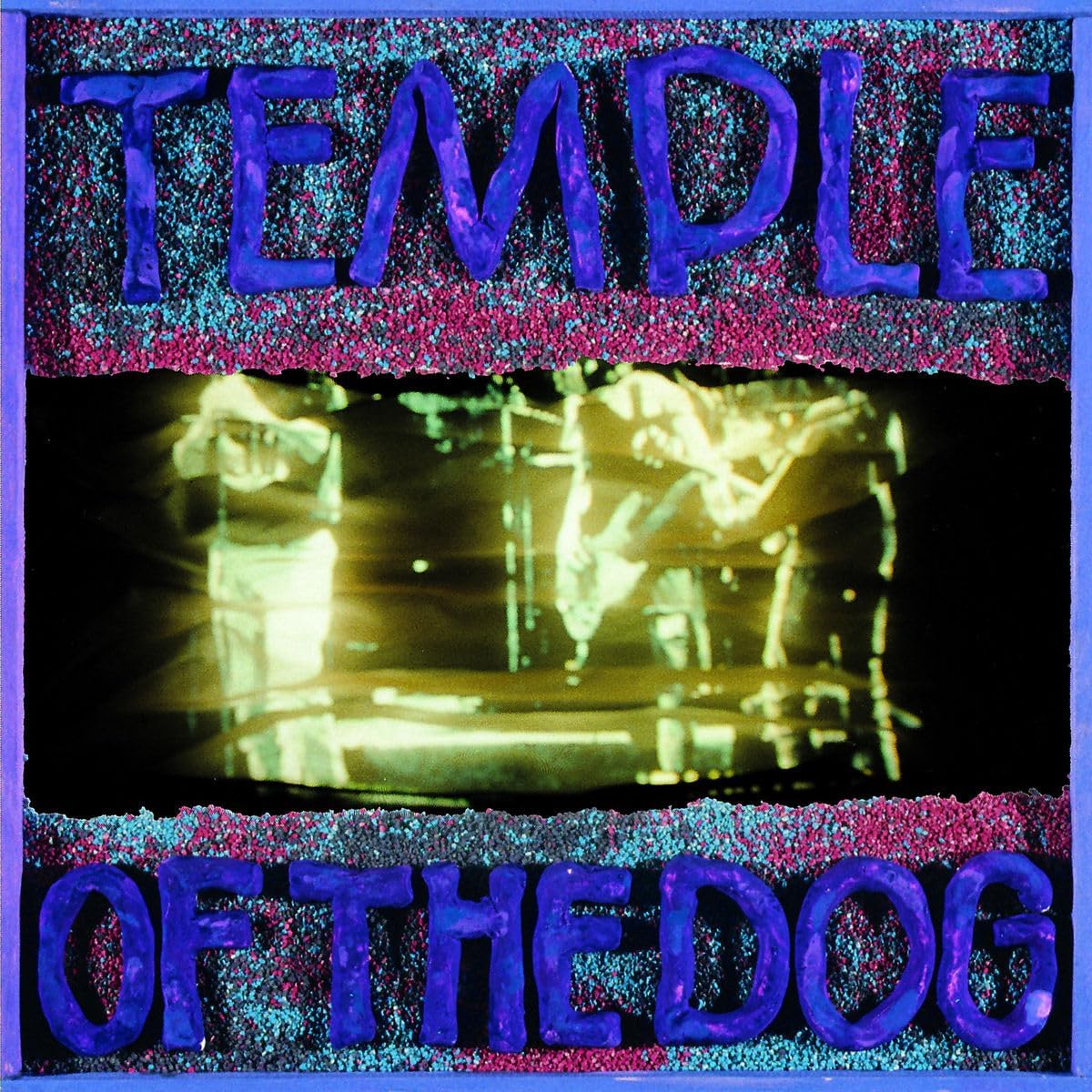
Born from grief and friendship, Temple of the Dog is the emotional heart of the Seattle scene — a one‑off collaboration that captured lightning in a bottle. Chris Cornell’s tribute to Andrew Wood, frontman of grunge pioneers Mother Love Bone, became something bigger: a soulful, expansive record where grunge’s heaviness meets classic‑rock warmth.
The interplay between Cornell and a young Eddie Vedder is electrifying, and the band’s loose, open‑hearted performances give the album a sense of communal catharsis. It’s not just historically important — it’s one of the most moving, musically rich records to emerge from the era.
Key track: ‘Hunger Strike’
6. Nirvana – In Utero (1993)
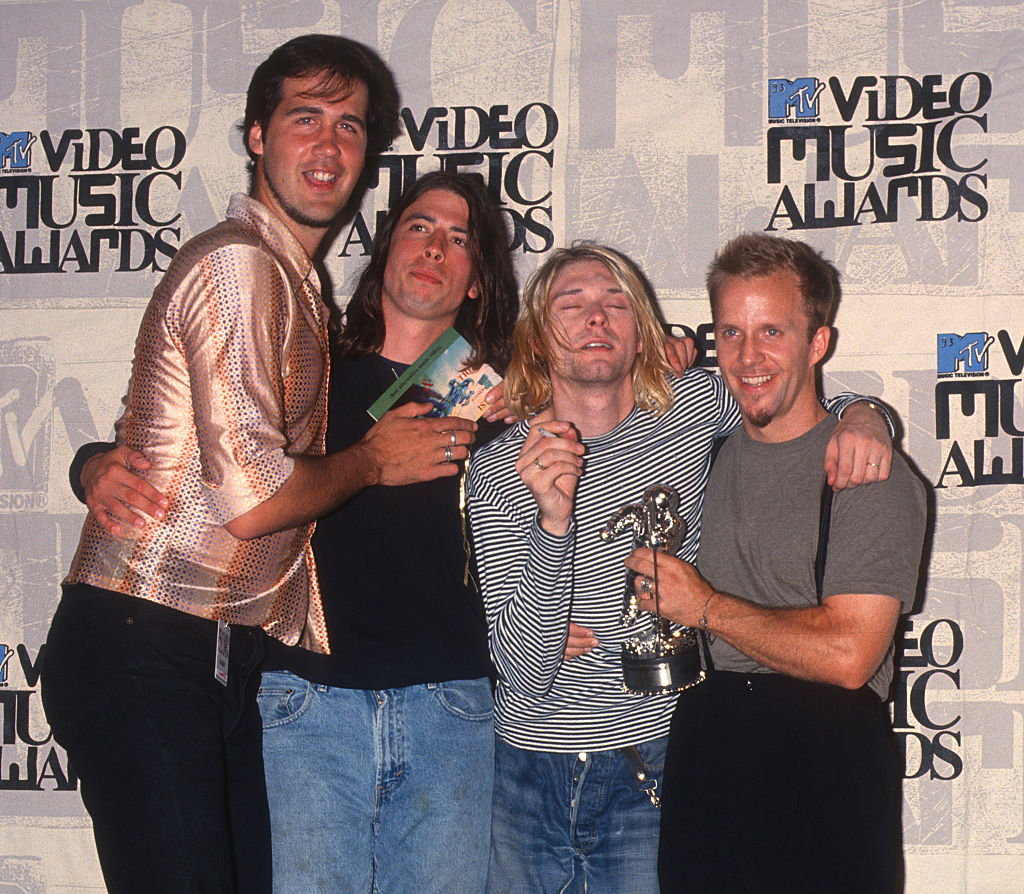
In Utero is Nirvana at their rawest and most uncompromising — a deliberate swerve away from Nevermind’s polish and a return to the serrated edges of their early sound. Steve Albini’s abrasive production gives the album a visceral honesty: scalding guitars, wounded vocals, and songs that feel like they’re clawing their way out of the speakers. Yet beneath the noise sits some of Cobain’s sharpest writing, full of melody, vulnerability and black humour. It’s the grunge album that proved Nirvana weren’t interested in being icons — they wanted to be truthful.
Key track: ‘Heart‑Shaped Box’
5. Soundgarden – Badmotorfinger (1991)

Before Superunknown expanded their horizons, Badmotorfinger established Soundgarden as the heaviest, most technically ferocious band of the grunge era. The riffs are granite‑hard, the rhythms twisted and muscular, and Chris Cornell’s vocals hit operatic heights few rock singers could reach.
What makes the album so compelling is its precision: beneath the sludge‑metal weight sits intricate musicianship and a dark, sardonic intelligence. Songs like ‘Rusty Cage’ and ‘Outshined’ showed a band capable of both brute force and swaggering hooks. Badmotorfinger is the sound of Soundgarden sharpening their claws — a towering, metallic cornerstone of early‑’90s American rock.
Key track: ‘Rusty Cage’
4. Pearl Jam – Ten (1991)
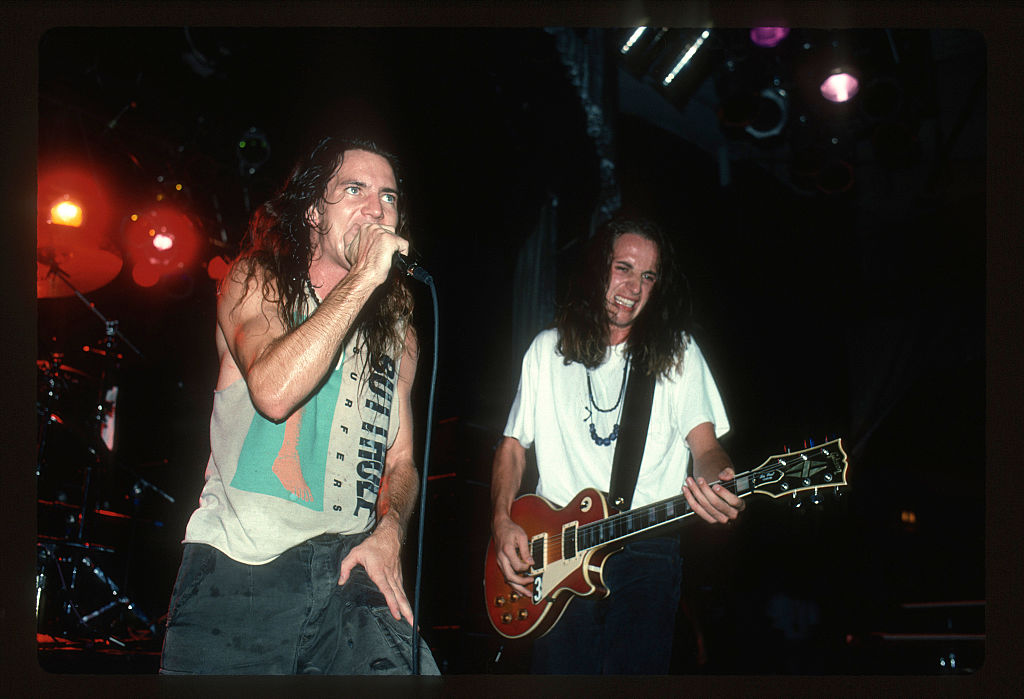
Pearl Jam's debut is the emotional core of early‑’90s grunge — muscular, melodic and driven by Eddie Vedder’s extraordinary ability to turn private turmoil into widescreen catharsis. The album’s blend of classic‑rock warmth and alternative‑rock intensity set Pearl Jam apart from their peers, giving the genre a sense of grandeur without losing its rawness.
Tracks like ‘Alive’ and ‘Jeremy’ feel mythic now, but the album’s deeper cuts show a band already thinking beyond the Seattle template. Ten became a generational touchstone, the record that made Pearl Jam both stadium giants and reluctant spokespeople for a restless, disillusioned youth.
Key track: ‘Alive’
3. Soundgarden – Superunknown (1994)
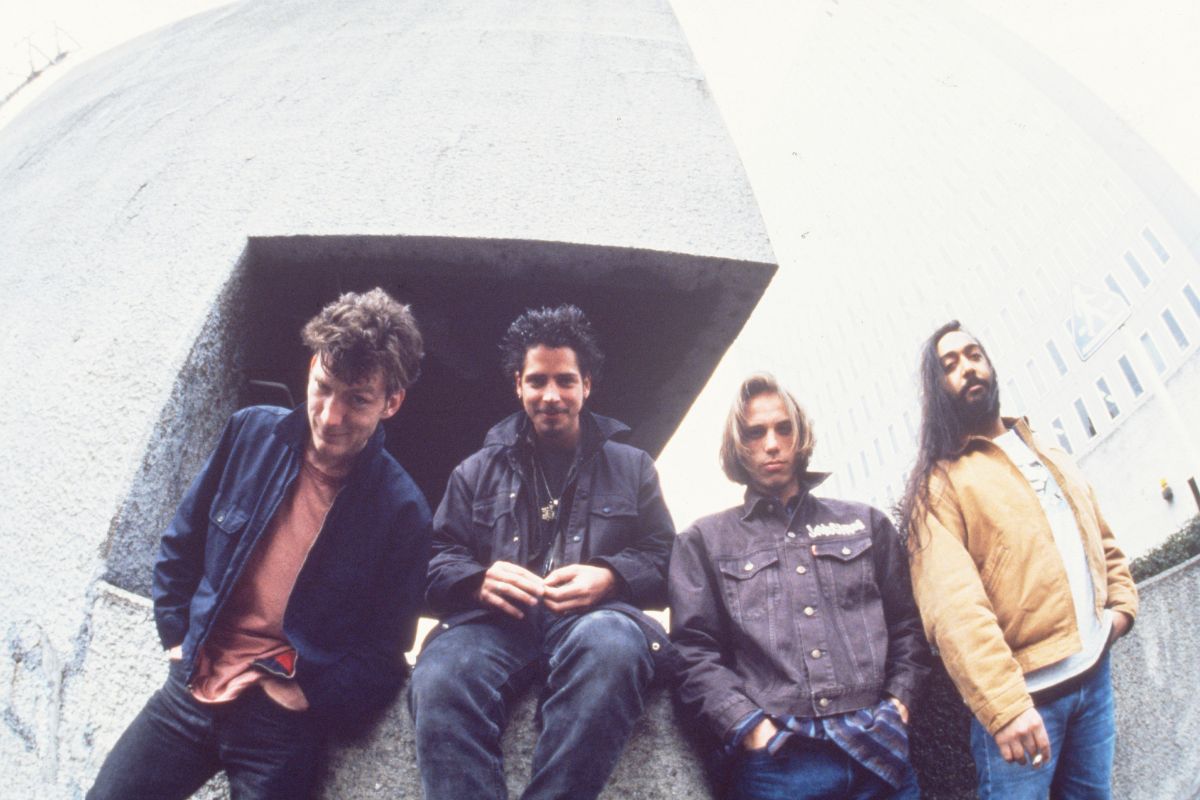
Their 1994 fourth album finds Soundgarden at full, panoramic power — heavy, psychedelic, experimental and unexpectedly emotional. The band stretched grunge into stranger shapes: odd time signatures, molten riffs, spectral harmonies and Chris Cornell’s astonishing voice, capable of both operatic lift and raw vulnerability.
1994 albums: The 17 greatest LPs from the Nineties' most momentous year
The album’s breadth is what makes it endure: the doomy churn of ‘4th of July’, the kaleidoscopic swirl of ‘Black Hole Sun’, the taut menace of ‘Fell on Black Days’. It’s a record that feels huge without ever losing its grit, the moment Soundgarden transcended the Seattle scene and became one of America’s most ambitious rock bands.
Key track: ‘Black Hole Sun’
2. Nirvana – Nevermind (1991)
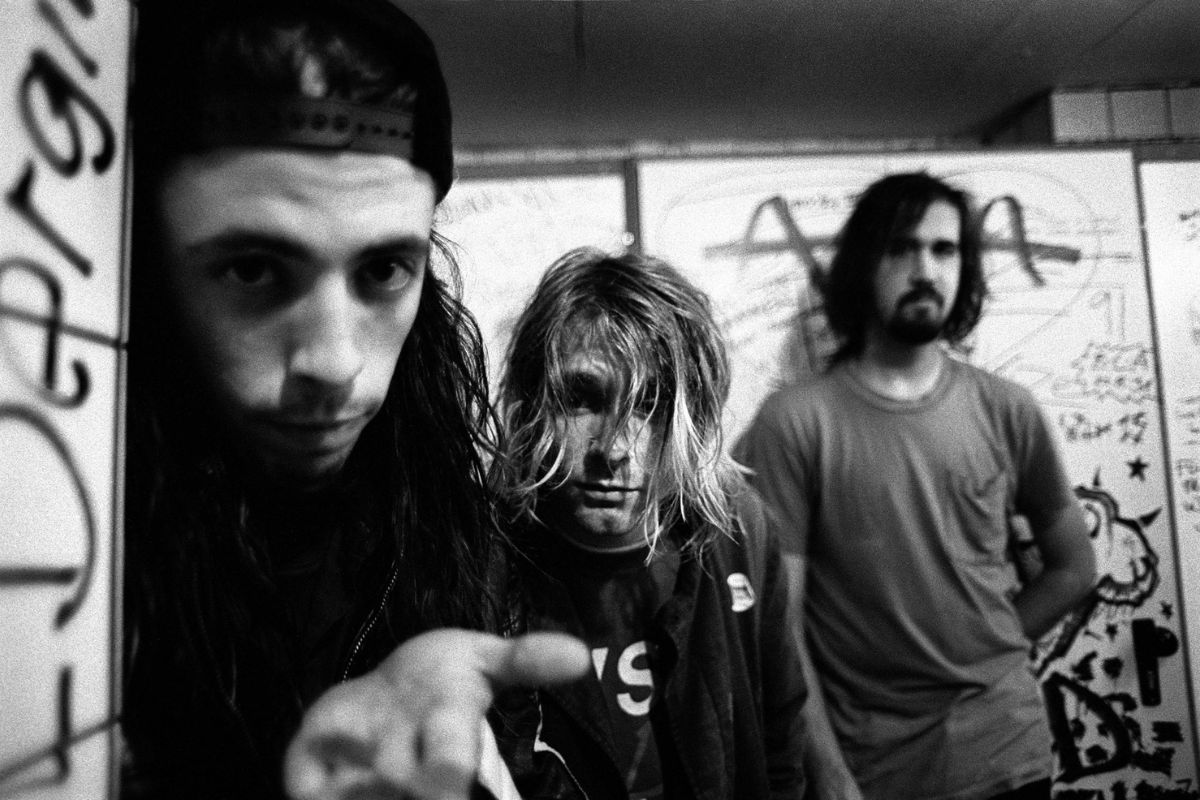
Nevermind didn’t just redefine grunge — it detonated the entire American rock landscape. What still stands out is the sheer force of its clarity: Butch Vig’s production sharpened Nirvana’s ragged power without sanding off the edges, letting Kurt Cobain’s melodic instincts shine through the noise.
The album’s quiet‑loud dynamics, serrated guitars and wounded, explosive vocals created a template that countless bands tried to imitate but never matched. Even now, Nevermind feels both feral and immaculate, a record that captured disaffection with startling precision while accidentally becoming a global phenomenon. It remains the moment grunge broke the mainstream wide open.
Key track: ‘Smells Like Teen Spirit’
1. Alice in Chains – Dirt (1992)
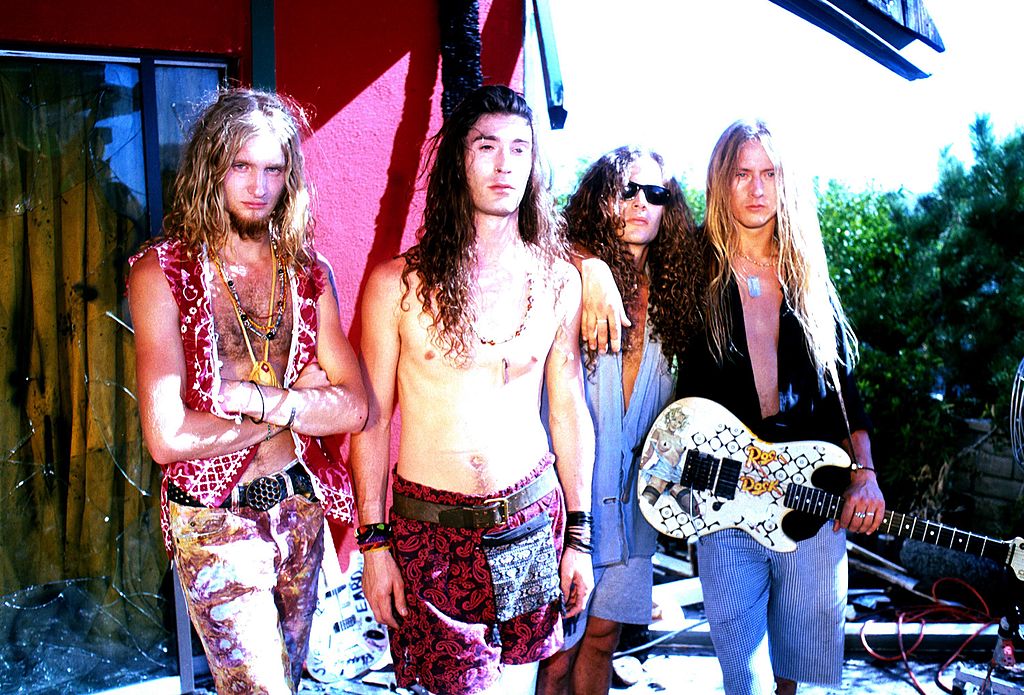
The sophomore LP from Seattle's Alice in Chains edges out its fellow Seattle sophomore Nevermind because it goes somewhere darker, deeper and far more dangerous — and it does so with absolute conviction. Where Nirvana channelled disaffection into catharsis, Alice in Chains confronted addiction, self‑destruction and despair head‑on, turning personal ruin into something mythic.
The album’s sound is heavier, more oppressive, more claustrophobic: Jerry Cantrell’s serrated riffs, Layne Staley’s harrowed harmonies, and that unmistakable dual‑vocal blend that feels like two ghosts singing from the same wound.
What makes Dirt the defining grunge album is its emotional honesty. There’s no irony, no distance, no pose — just raw confession delivered with staggering musical precision. It’s the record that shows grunge wasn’t just a cultural moment but a psychological one, capable of articulating pain with operatic intensity. Nevermind changed the world; Dirt stares straight into it.
Key track: ‘Rooster’
Pics Getty Images
Top pic Pearl Jam, 1992. L-R Eddie Vedder, Stone Gossard, Dave Abruzzese, Jeff Ament, Mike McCready