For decades, the disappearance of Jim Sullivan has lingered at the edges of rock history like a half‑remembered dream: a story told in whispers, a name passed between collectors, a mystery that refuses to settle.
Sullivan wasn’t a household figure, but he was close enough to touch the spotlight: a gifted Los Angeles singer‑songwriter with friends in the Wrecking Crew, a cult‑classic debut album, and a voice that carried both warmth and unease. Then, in March 1975, he drove into the New Mexico desert and simply vanished.
No body. No clues. No explanation. Just an abandoned car, a guitar left behind, and a silence that has lasted half a century.
It’s one of rock’s most haunting cold cases — a story where the music feels eerily entangled with the fate of the man who made it.
A rising talent on the fringes of fame
Jim Sullivan arrived in Los Angeles in the late 1960s, part of the city’s fertile singer‑songwriter scene. He had the kind of presence people remembered: tall, charismatic, a natural performer. Musicians liked him. Producers liked him. He was the sort of artist who seemed destined to break through.
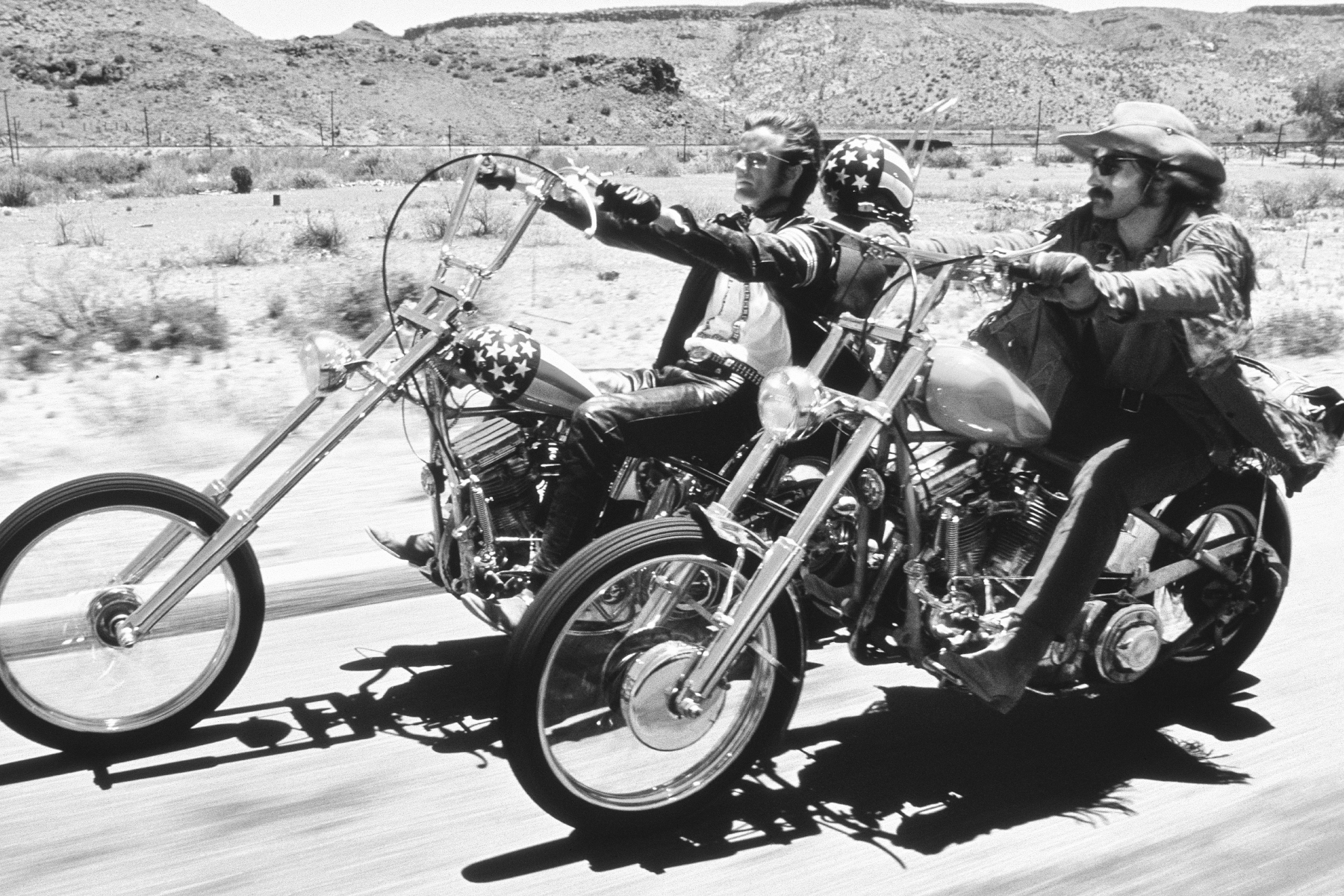
Through his Hollywood connections, he befriended actor Dennis Hopper, who cast him, uncredited, as a guitarist at a hippie commune in his cult-classic 1969 film Easy Rider.
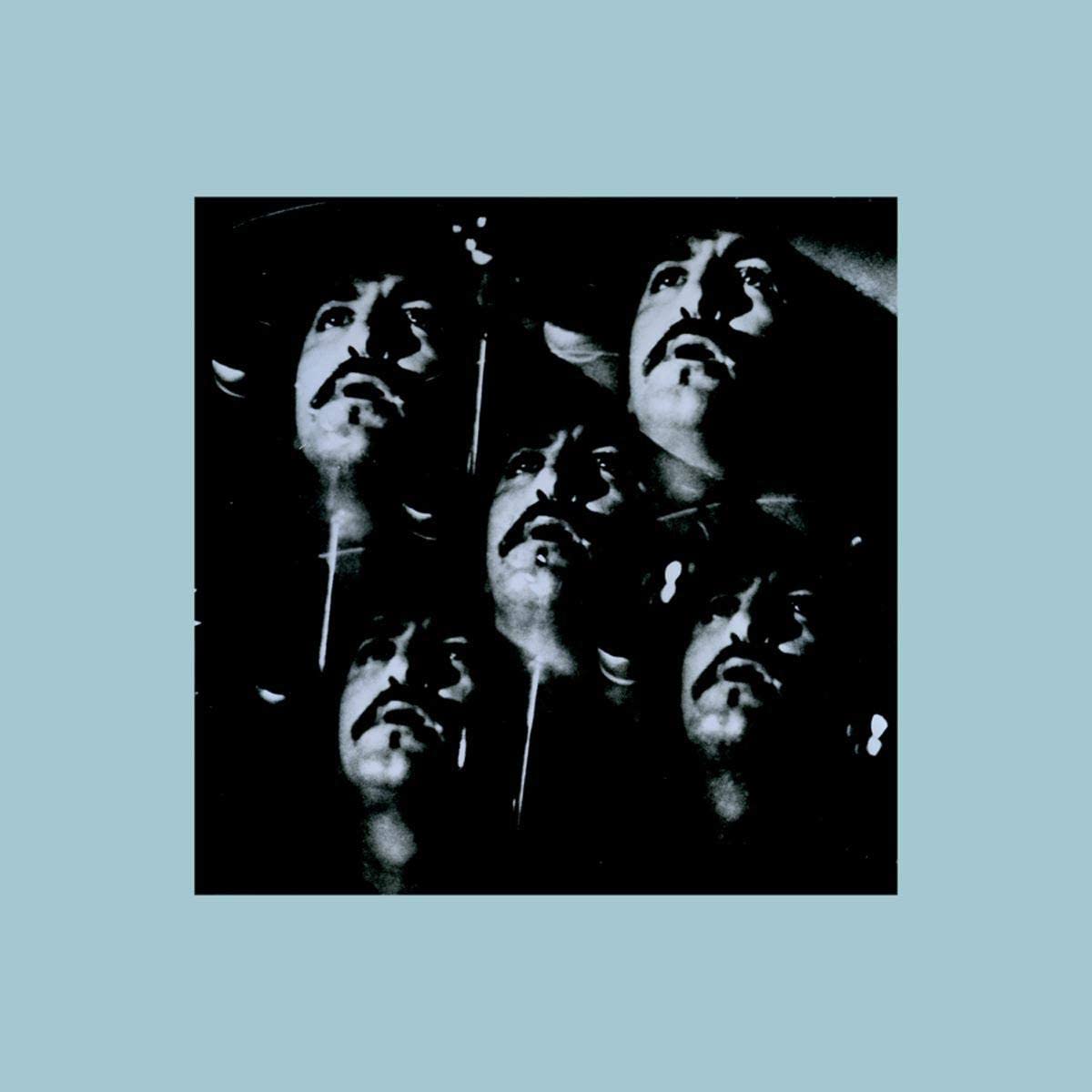
In 1969, he recorded U.F.O., an album that didn’t sound like anything else in the Laurel Canyon orbit. Built around Sullivan’s warm baritone and a shimmering, slightly uncanny production style, it blended folk, country and psychedelia into something quietly otherworldly.
The title track is the album’s centre of gravity — eerie, spacious, and full of strange imagery. The arrangement feels like a desert night: wide, empty, slightly supernatural. Sullivan sings about being taken away, watched, followed. It’s impossible not to hear it now as a premonition.
The Wrecking Crew played on it. The songs were full of drifting characters, lonely highways, and strange premonitions. It was the work of a man who seemed to be looking at the world from a slight angle — close enough to touch it, but somehow apart.
The album barely sold. But over time, it became a cult artefact: a record that collectors whispered about, a lost gem that felt charged with mystery.
A life unravelling
By the mid‑1970s, Sullivan’s career had stalled. He was struggling financially, drinking heavily, and watching opportunities slip away. His marriage was under strain. Los Angeles, once a place of possibility, had become a dead end.
In early 1975, Sullivan decided to leave California and try his luck in Nashville. He packed his Volkswagen Beetle, said goodbye to his wife and son, and set off alone. It was meant to be a fresh start — a chance to reset his life and find work as a songwriter.
He never arrived.
The last known movements
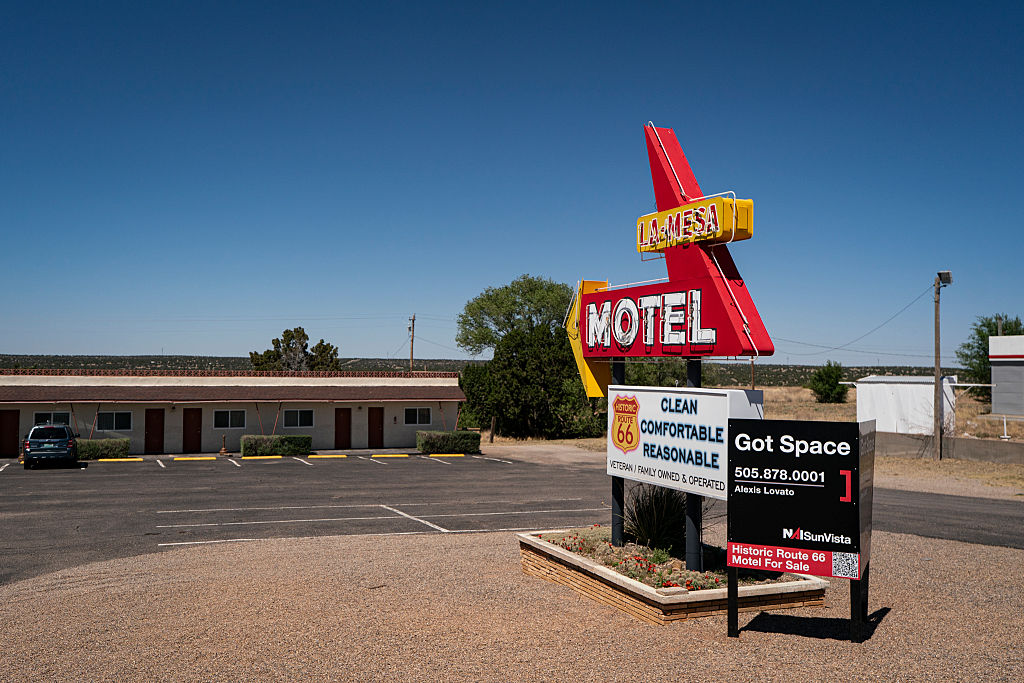
On 4 March 1975, Sullivan checked into the La Mesa Motel, on Route 66 in Santa Rosa, New Mexico. He paid for the room but didn’t stay. He left the key on the counter and drove off again, heading into the desert.
The next day, his car was found on a remote ranch 26 miles away. Inside were his wallet, his ID, his clothes, and his guitar. Nothing was missing. Nothing suggested a struggle. The car was locked. Sullivan was gone.
Ranch workers reported seeing him briefly — disoriented, perhaps, or simply out of place — but the accounts were vague and contradictory. No one saw where he went next. No one saw him leave. He had walked away from his car and disappeared into the vast, empty landscape.
Search teams combed the area. No body was found. No footprints. No trail. Nothing.
What happened? The four theories
Over the years, several theories have circulated, each plausible enough to consider, none strong enough to settle the case.
Accidental death
The simplest explanation is that Sullivan wandered into the desert and succumbed to exposure. But the area was searched extensively. If he had collapsed nearby, he should have been found.
Foul play
Rumours have long suggested that Sullivan may have encountered trouble on the ranch — a confrontation, a misunderstanding, something that escalated. But there is no evidence, no witnesses, and no confession.
Voluntary disappearance
Some have speculated that Sullivan chose to vanish, overwhelmed by personal and professional collapse. But he left behind money, identification, and his guitar — the one object musicians rarely abandon.
Something stranger
Because U.F.O. is filled with lyrics about leaving, drifting, vanishing and being taken away, fans have occasionally indulged in supernatural speculation. It’s poetic, but not credible. Still, the eerie tone of the album has helped the myth endure.
The truth is simple and brutal: no theory fits. Sullivan’s disappearance is a perfect void.
The music that feels like a premonition
Part of what makes Sullivan’s story so haunting is the uncanny resonance between his fate and his music. U.F.O. is full of songs about escape, isolation and the pull of the unknown. The album’s atmosphere — drifting, unsettled, slightly unreal — feels like a prelude to the story that followed.
Listen to 'Jerome', the most uncanny track on the album. It's sparse, hypnotic, almost weightless. Sullivan’s vocal feels distant, as if he’s singing from the edge of consciousness. The lyrics hint at drifting, dislocation and a kind of emotional exile. It’s the sound of someone already half‑gone.
When listeners discovered the album decades later, after Sullivan’s disappearance became known, the songs took on a ghostly quality. It felt as if he had written his own vanishing into the grooves.
That’s the strange power of the story: the way the art and the life seem to echo each other, even though they were never meant to.
A mystery that refuses to close
Today, Jim Sullivan is remembered as a cult figure — a talented musician whose life ended in a riddle. His disappearance remains one of rock’s great unsolved mysteries, a story with no ending, no closure, and no explanation.
It’s the kind of tale that lingers because it feels mythic: a man driving into the desert, leaving everything behind, and stepping into silence. A life that flickered brightly, then vanished. A voice preserved on a single, haunting album.
In the end, Sullivan’s story is not just a mystery — it’s a reminder of how fragile a life can be, and how easily a person can slip out of the frame. The desert keeps its secrets. And Jim Sullivan remains one of them.
Five other rock disappearances and unsolved mysteries
Bobby Fuller (The Bobby Fuller Four)
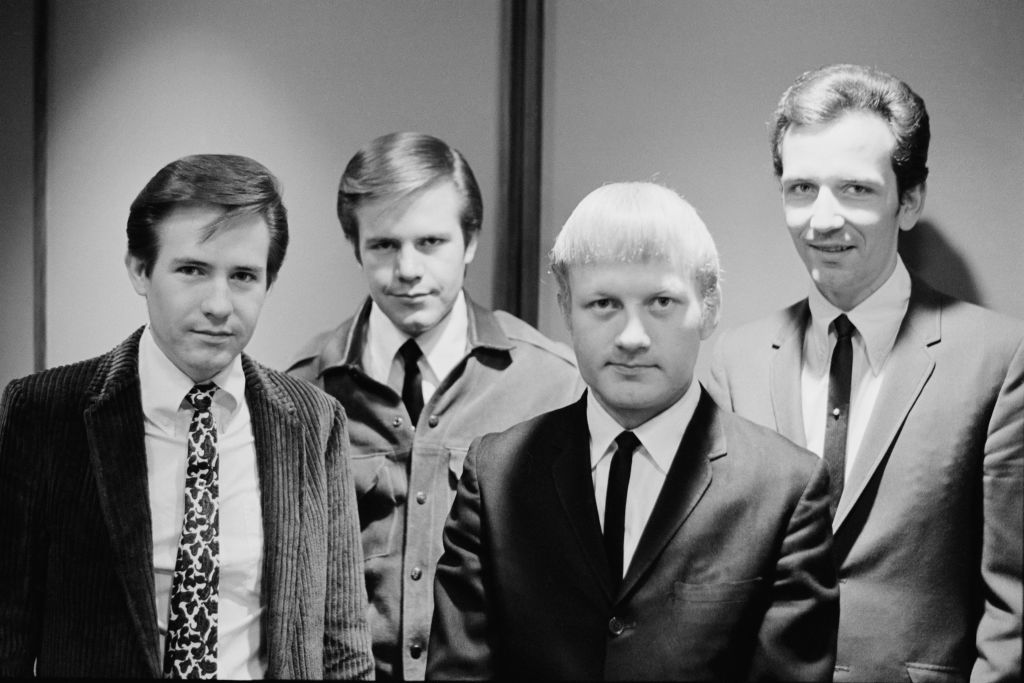
Found dead in a car outside his LA apartment in 1966 under suspicious circumstances — bruises, gasoline, and a police report that raised more questions than answers.
Richey Edwards (Manic Street Preachers)
Vanished in 1995 after years of emotional turmoil. His car was found near the Severn Bridge. He was declared legally dead in 2008.
Jim Morrison (The Doors)
Officially died in a Paris bathtub in 1971 — but with no autopsy, conflicting accounts, and decades of speculation, the circumstances remain contested.
Paul Williams (The Temptations)
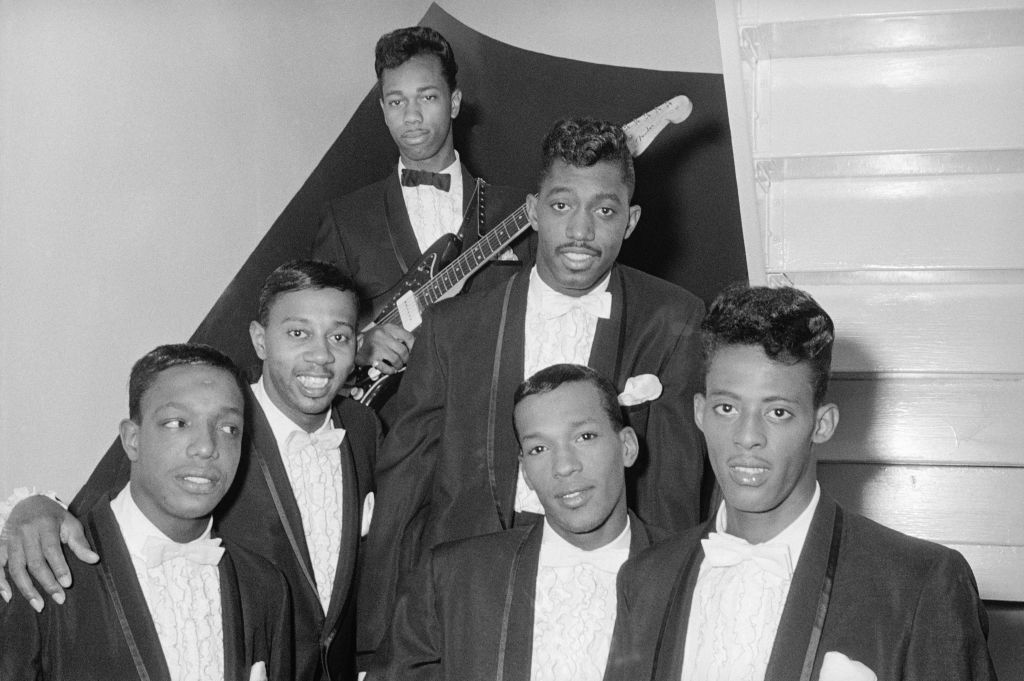
Died in 1973 from a gunshot wound ruled a suicide — despite evidence that didn’t fully align with the official conclusion.
Robert Johnson (blues legend)
Died in 1938 under murky circumstances — poison, jealousy, illness, or mythic folklore. His burial site remains uncertain.
Pics Getty Images. Top pic: Discogs