Sometimes, after years of commercial decline or creative treading of water, an artist suddenly recaptures the zeitgeist.
This isn't just a ‘return to form’: it is often a total reinvention. Sometimes it is triggered by a new collaborator (Johnny Cash fans will know this as the ‘Rick Rubin effect’), or a personal tragedy that sharpens the pen, or simply the liberation of no longer caring about the charts.
These records are vital because they bridge the gap between the fire of youth and the wisdom of age, proving that artistic relevance isn't a young person's game. They serve as a reminder that the most interesting thing an icon can do is surprise us one last time.
1. Marvin Gaye: Midnight Love (1982)
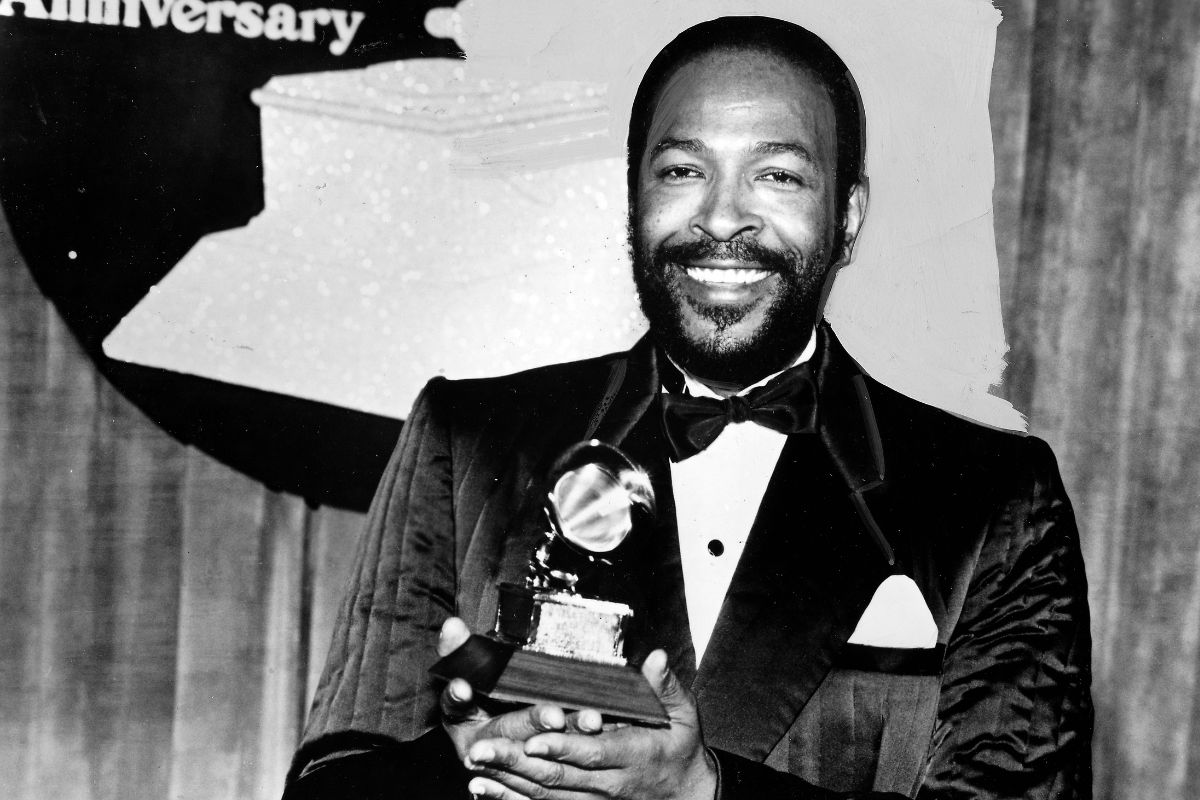
Exiled in Belgium and battling addiction, Marvin Gaye seemed like a relic of the Motown era. Midnight Love was his high-tech redemption. By embracing the 80s aesthetic – specifically the Roland TR-808 drum machine – he created ‘Sexual Healing’, a track that redefined soul for a new decade. The album was a sophisticated blend of reggae, funk, and synth-pop that proved Gaye’s sensual genius was timeless, marking a triumphant final act before his tragic death two years later.
2. Steely Dan: Two Against Nature (2000)
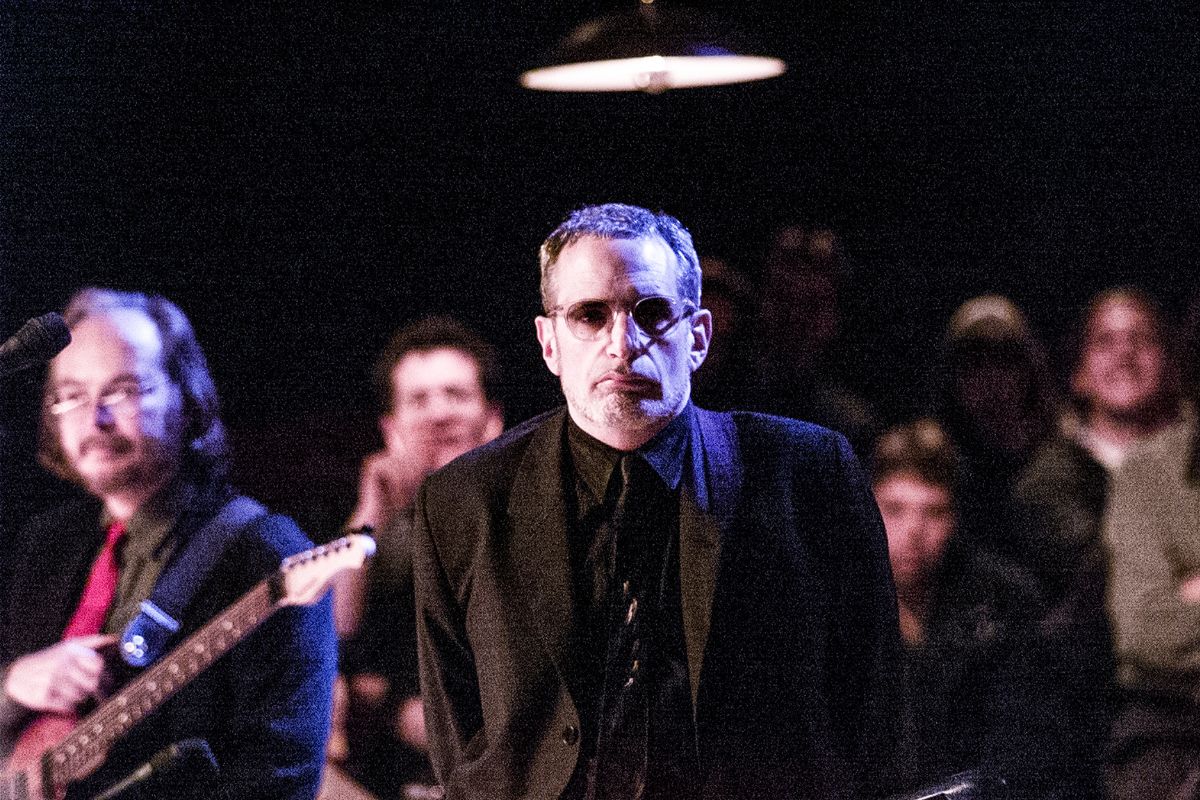
Twenty years after their ‘final’ album (1980’s Gaucho, a three-year odyssey of obsessive studio refinement), Donald Fagen and Walter Becker returned as if they had never left. While the music landscape had shifted toward grunge and hip-hop, Steely Dan doubled down on their signature jazz-rock perfectionism.
The album’s dry, pristine production and cynical, literary lyrics felt strangely fresh in the digital age. It was a clinical success that swept the Grammys, proving that their obsession with harmonic complexity and session-musician excellence remained unrivalled.
3. Paul McCartney: Chaos and Creation in the Backyard (2005)
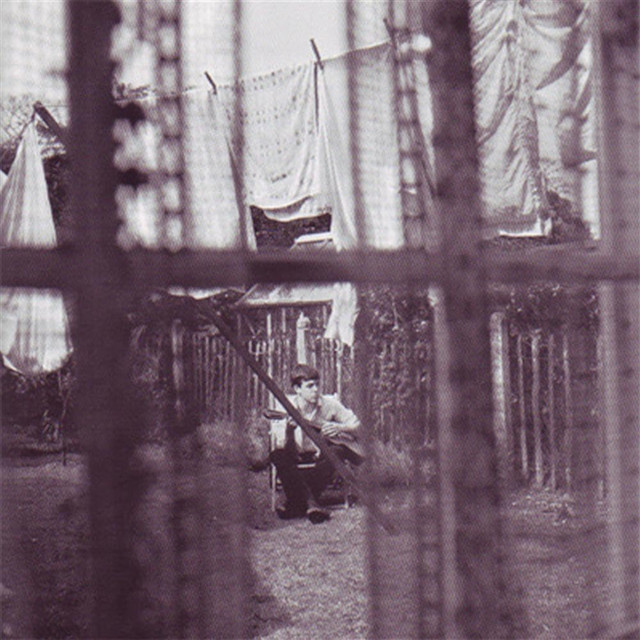
Chaos and Creation… marked a genuine late-career renaissance for Paul McCartney by stripping away polish and reconnecting him with introspective songwriting. Working closely with producer Nigel Godrich, McCartney was pushed to refine melodies, revisit emotional themes, and play most instruments himself, resulting in a focused, cohesive sound.
Critics praised its vulnerability and craft, comparing its intimacy to his finest work. After a run of uneven albums, it reaffirmed his relevance not as a nostalgia act but as a still-restless artist capable of subtlety, melancholy, and melodic brilliance well into his career.
4. Tina Turner: Private Dancer (1984)
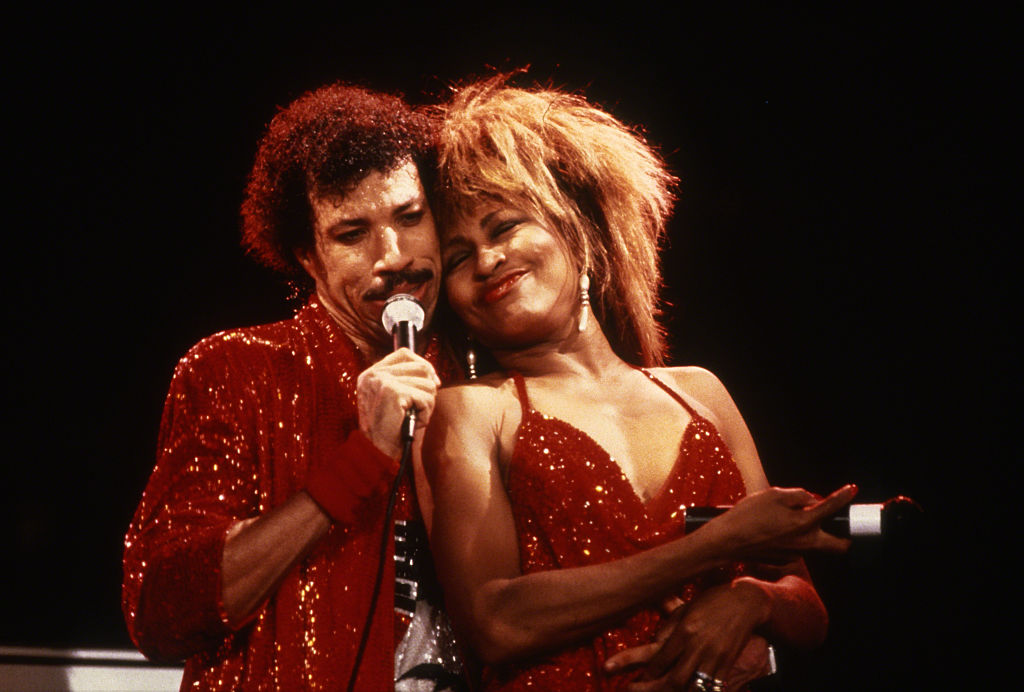
At age 44, Tina Turner pulled off the most improbable transformation in rock history. After years spent in the professional wilderness following her escape from Ike Turner, she pivoted from R&B ‘revue’ singer to a global rock empress. Private Dancer paired her powerhouse vocals with sleek, modern production from the likes of Mark Knopfler. It was a defiant, polished masterpiece that sold millions and established Turner as a symbol of resilience and feminine power for a new generation.
5. Bruce Springsteen: The Rising (2002)
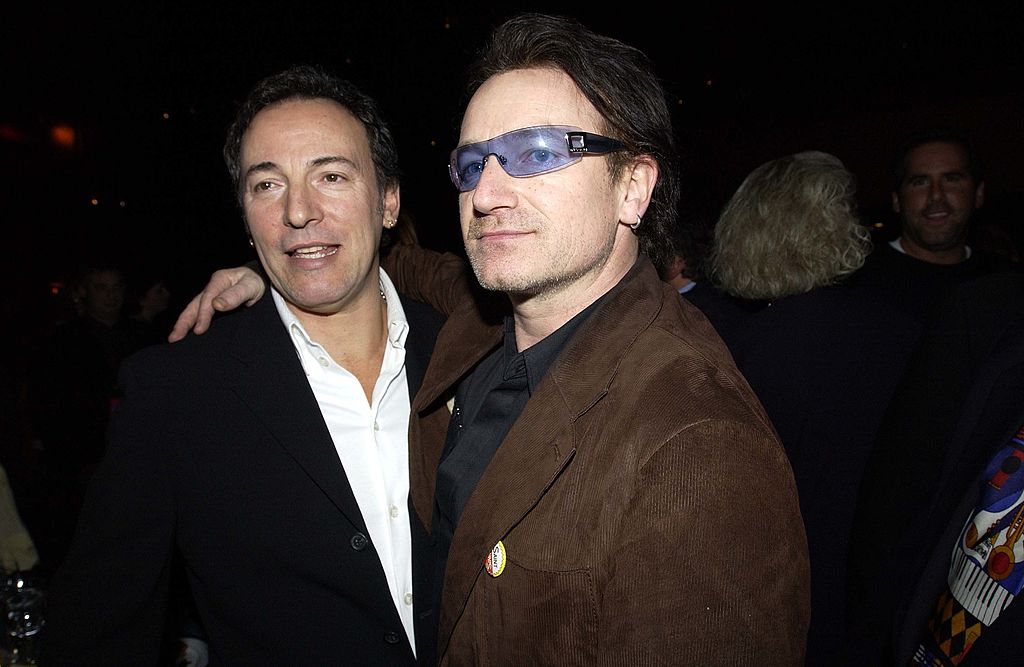
Following a decade of lower-key releases, Springsteen reunited the E Street Band to help a grieving America process the aftermath of 9/11. The Rising wasn't just a commercial comeback; it was a spiritual one. It captured the communal power of the band's peak years while adding a mature, elegiac weight. It re-established ‘The Boss' as the nation’s pre-eminent storyteller, capable of finding hope in the midst of profound tragedy.
6. A Tribe Called Quest: We Got It from Here... Thank You 4 Your Service (2016)
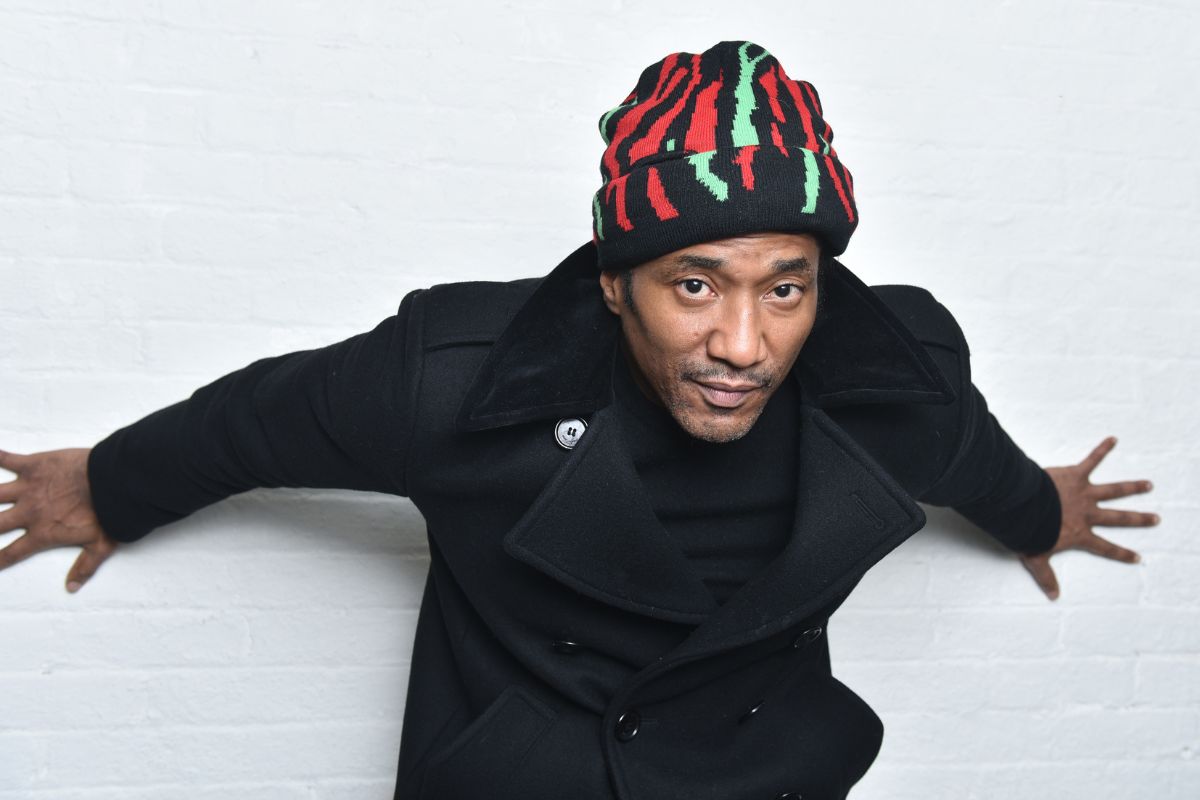
Released 18 years after their previous album and shortly after the death of Phife Dawg, this record was a miracle. It didn't sound like a ‘throwback’; it sounded like the most urgent hip-hop album of 2016. By blending their classic jazz-rap DNA with modern political urgency and psychedelic flourishes, the Tribe proved their chemistry was indestructible, delivering a final statement that felt both nostalgic and vital.
7. Bob Dylan: Time Out of Mind (1997)
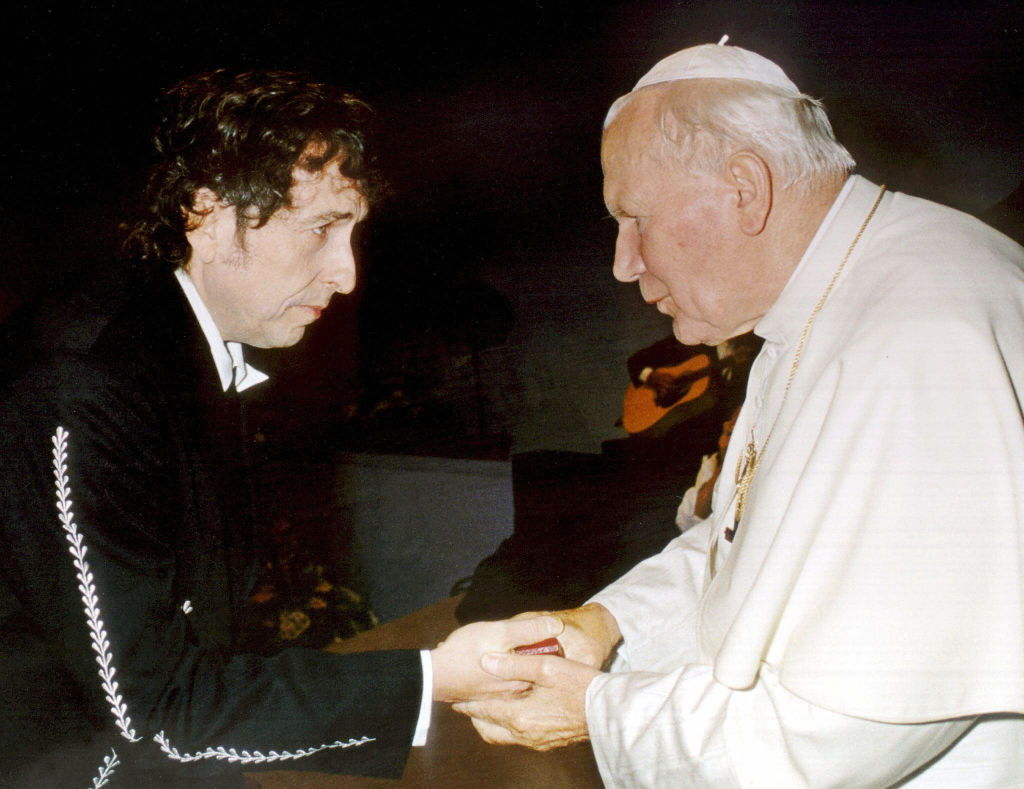
By the mid-90s, many had written Dylan off as a spent force, but Time Out of Mind was a thunderclap that signalled the arrival of his fertile, fascinating ‘late period’. Produced by Daniel Lanois with a swampy, atmospheric gloom, the record found Dylan inhabiting the role of a weary, cynical traveller.
His voice had aged into a soulful rasp, perfectly suited for the dark meditations on love and time found in songs like ‘Not Dark Yet’. It swept the Grammys and kicked off a creative streak that has lasted over two decades, proving that Dylan’s capacity for reinvention was – and remains – limitless.
8. Robert Plant & Alison Krauss: Raising Sand (2007)

Robert Plant famously spent decades avoiding a Led Zeppelin reunion, and this collaboration with bluegrass star Alison Krauss proved exactly why. By stepping away from stadium-rock bombast and into a world of haunting folk, country, and rockabilly, Plant found a new, hushed vocal register.
T-Bone Burnett’s reverb-soaked, atmospheric production created a spooky, midnight vibe and the album became a massive critical and commercial hit, winning Album of the Year and redefining Plant as a master of roots music.
10. Neil Young: Freedom (1989)
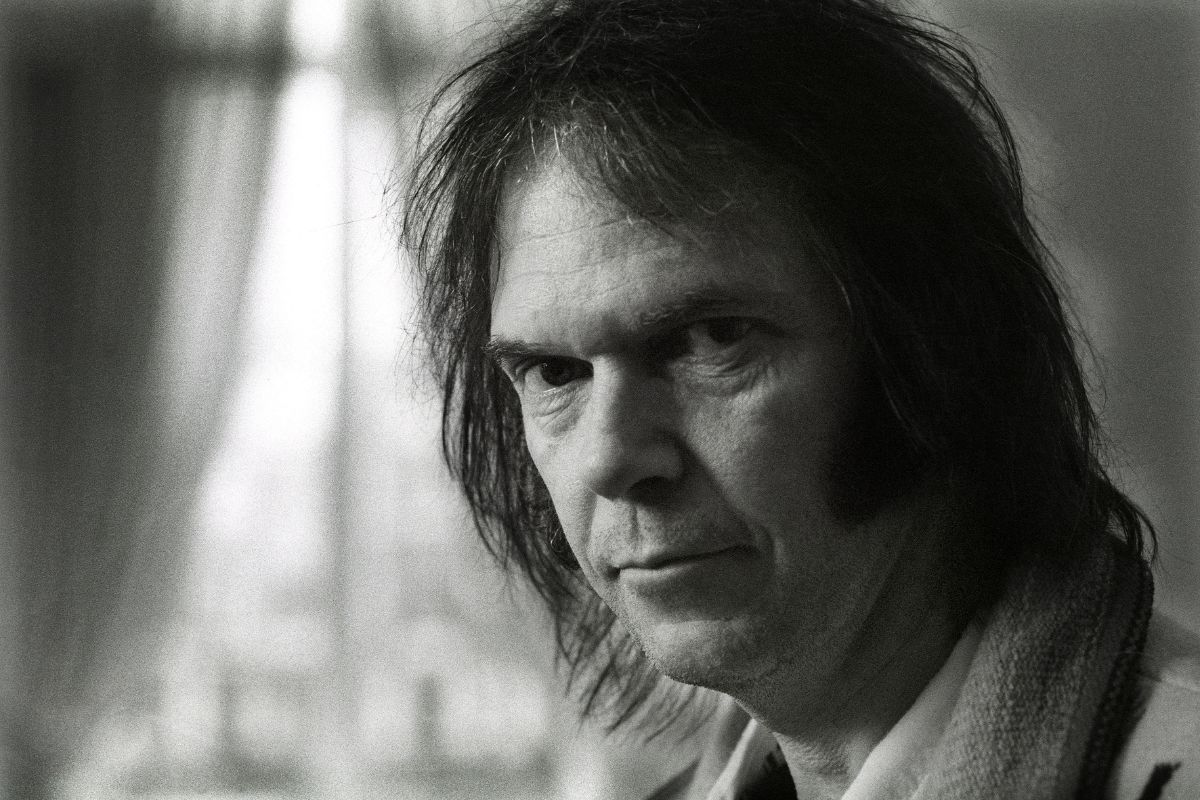
Neil Young spent the 1980s confusing his fans and label with genre-hopping experiments in rockabilly (Everybody’s Rockin’), synth-pop (Trans) and new wave (1986’s soulless Landing on Water). Freedom was the moment he returned to his ‘Godfather of Grunge’ roots.
Anchored by the anthemic ‘Rockin' in the Free World’, the album combined acoustic vulnerability with distorted, garage-rock fury. It re-established Young as a vital social critic and a sonic pioneer, perfectly timing his return to coincide with the alternative rock explosion that he had heavily influenced.
11. Loretta Lynn: Van Lear Rose (2004)
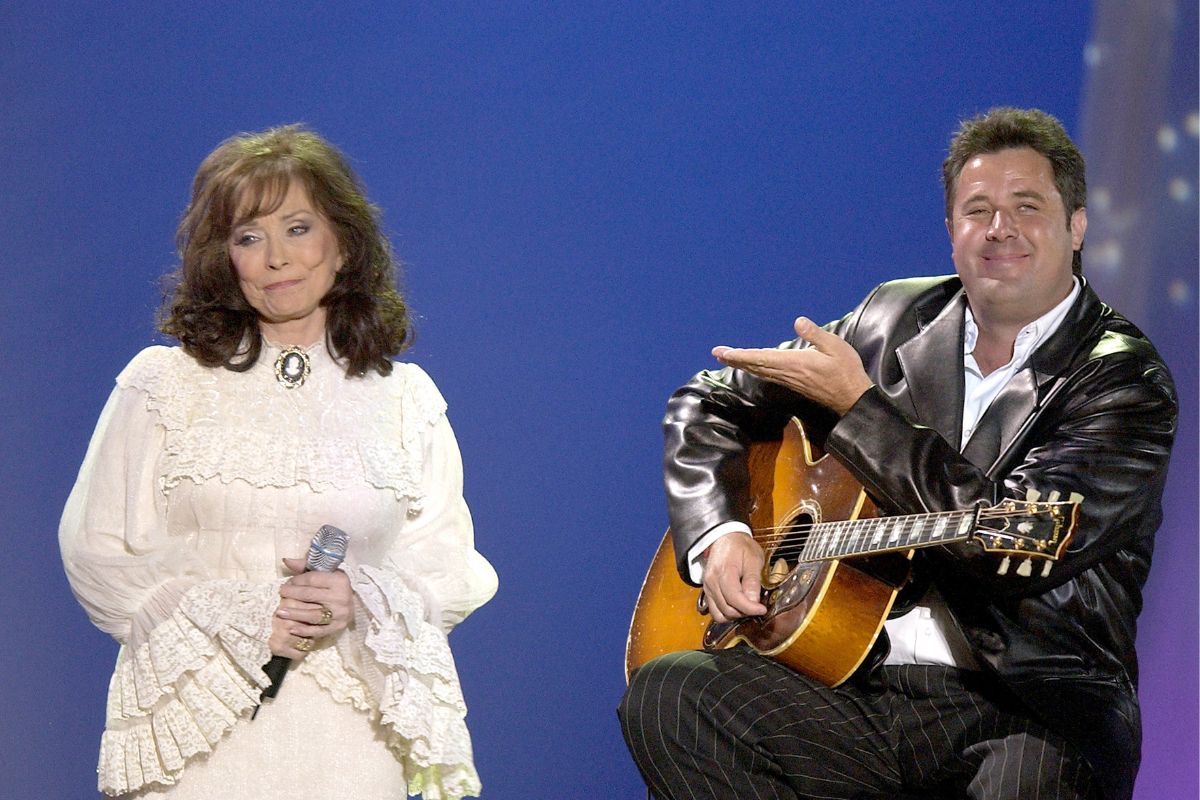
Produced by Jack White of The White Stripes, this was a startling collision of country royalty and garage-rock grit. White’s raw production allowed Lynn’s traditional songwriting to shine through a thicket of distorted guitars and thumping drums. At 72, Lynn sounded more energized and relevant than she had in decades. It was a ‘cross-generational’ masterpiece that introduced the Coal Miner’s Daughter to a hipster audience without sacrificing an ounce of her authentic Appalachian soul.
Just listen to ‘Women’s Prison’, below. This is Loretta Lynn at her most cinematic and stone-cold country. It’s a first-person narrative of a woman who catches her husband cheating, kills him, and ends up on death row. It follows the story all the way to the ‘final walk’, capturing a grit that few modern country artists would dare to touch.
11. Muddy Waters: Hard Again (1977)
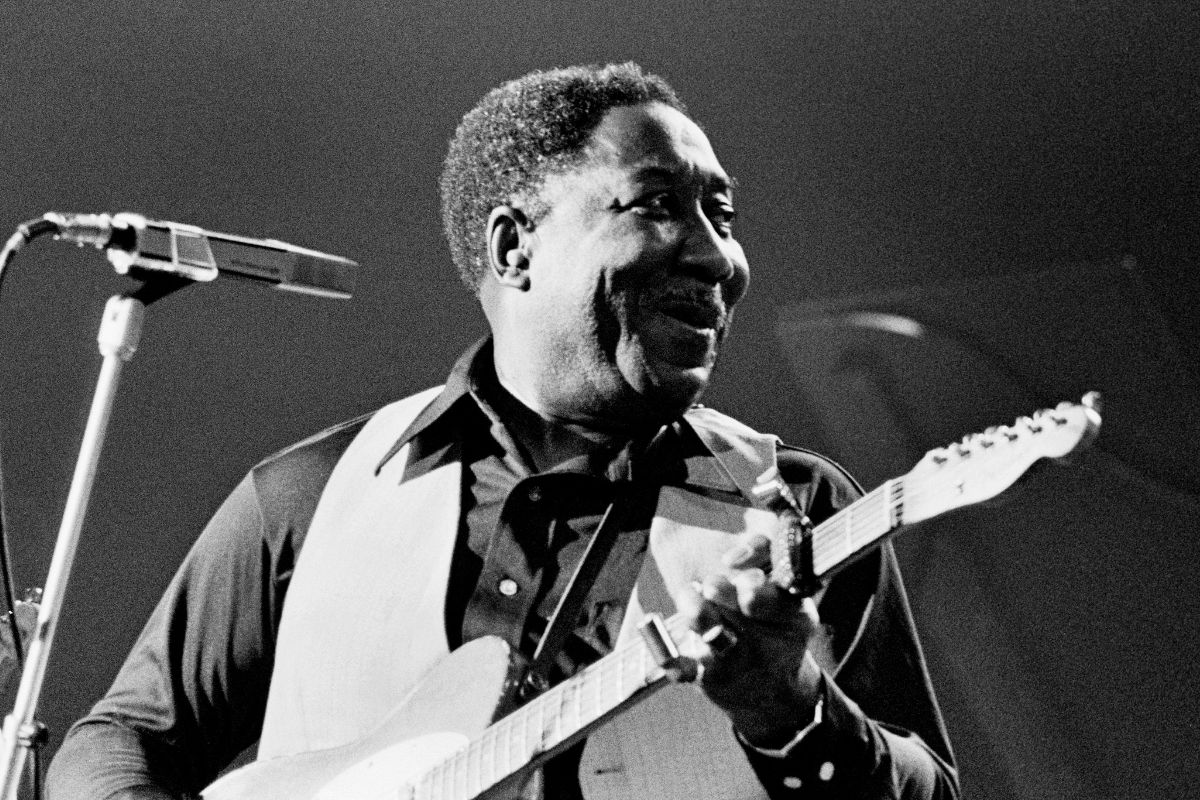
By the mid-70s, the ‘father of modern Chicago blues’ was being stifled by experimental production. When he signed with Blue Sky, producer Johnny Winter stripped away the gimmicks, capturing Muddy in a raw, live-in-the-studio setting. The result was an explosion of grit and vitality. Muddy’s voice sounds like rolling thunder, and his slide guitar is ferocious. It didn't just win a Grammy; it proved that the Delta blues remained a potent, dangerous force in the age of disco.
12. Scott Walker: Tilt (1995)
Scott Walker’s Tilt is perhaps less a comeback than a radical artistic reinvention – but that makes it one of the most fascinating late-career albums here. Once the smiling pop idol of the Walker Brothers, Walker had spent decades retreating from the mainstream before emerging from an 11-year silence with something almost unrecognisable.
Tilt is a terrifying, industrial-operatic collision of dissonant strings, pounding percussion and fractured vocals, seemingly designed to obliterate any memory of his 1960s past. It was commercially obscure, but artistically seismic, establishing Walker as a fearless avant-garde figure. Few musicians have ever reinvented themselves so completely – or so late.
Here's 'Farmer in the City': slow, atmospheric, haunting:
13. Johnny Cash: American IV: The Man Comes Around (2002)
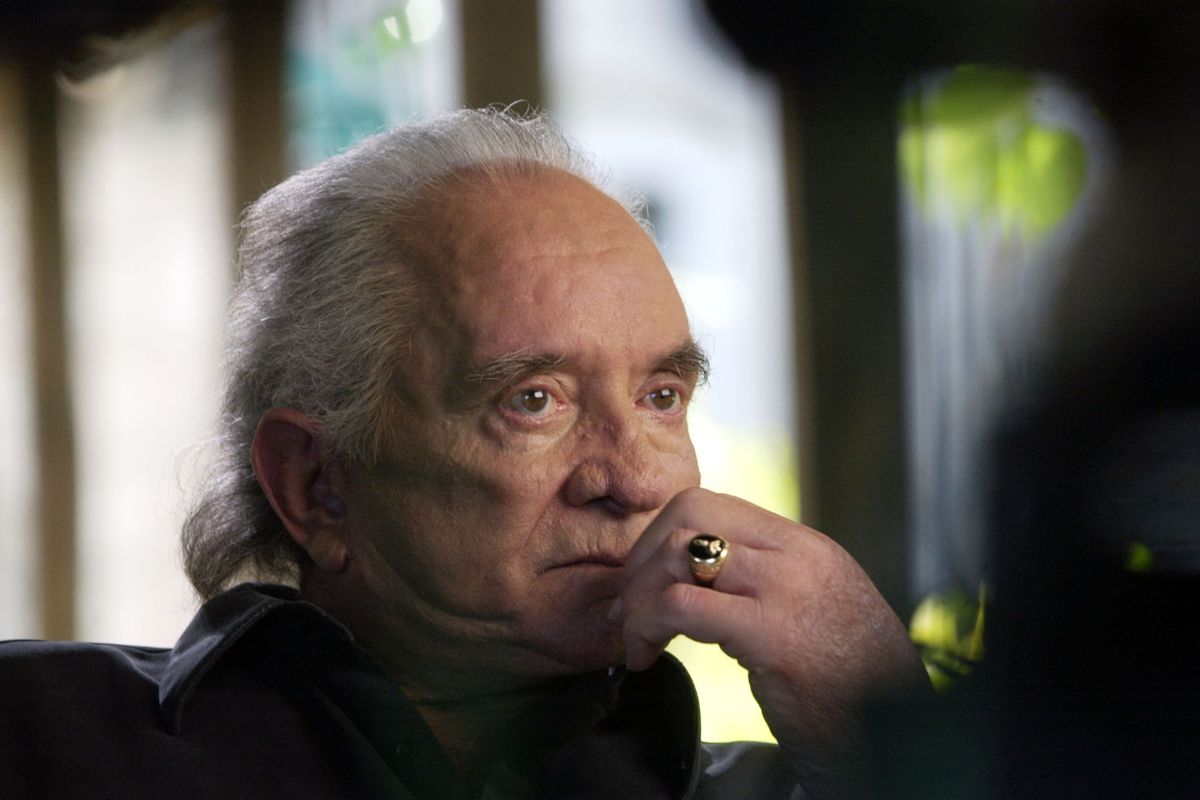
Released just a year before Cash’s death, this album completed one of the greatest career rehabilitations in music history. Under the guidance of Rick Rubin, the ‘Man in Black’ stripped away the Nashville gloss to reveal a voice that sounded like crumbling granite.
By covering Nine Inch Nails and Depeche Mode alongside traditional hymns, Cash found a way to speak to a generation of alternative rock fans while remaining true to his outlaw roots. The haunting vulnerability of ‘Hurt’ redefined his entire legacy, transforming him from a country legend into a universal symbol of mortality and grace. It is a stark, breathtaking final testament.
All pics: Getty Images