Laurel Canyon gave the world some of the most influential music of the 1960s and early 1970s.
Jim Morrison, Frank Zappa, David Crosby, Joni Mitchell and the Mamas & the Papas were among the artists who gravitated towards the wooded hills above Los Angeles, creating a close-knit musical community whose songs came to define an era.
But what if their remarkable concentration in one small neighbourhood was more than a happy accident? A controversial conspiracy theory suggests that the counterculture's unlikely birthplace was connected to the American military-industrial complex – and that the music scene may have served a hidden political purpose.
According to the theory, the aim was not simply to encourage young people to rebel, but to turn that rebellion against itself. By cultivating or infiltrating the counterculture, its supposed architects could encourage drug abuse, instability and scandal, eventually associating the wider movement with violence and social disorder. The ultimate target, in this interpretation, was the anti-Vietnam War movement and the broader challenge to American authority that the hippie generation represented.
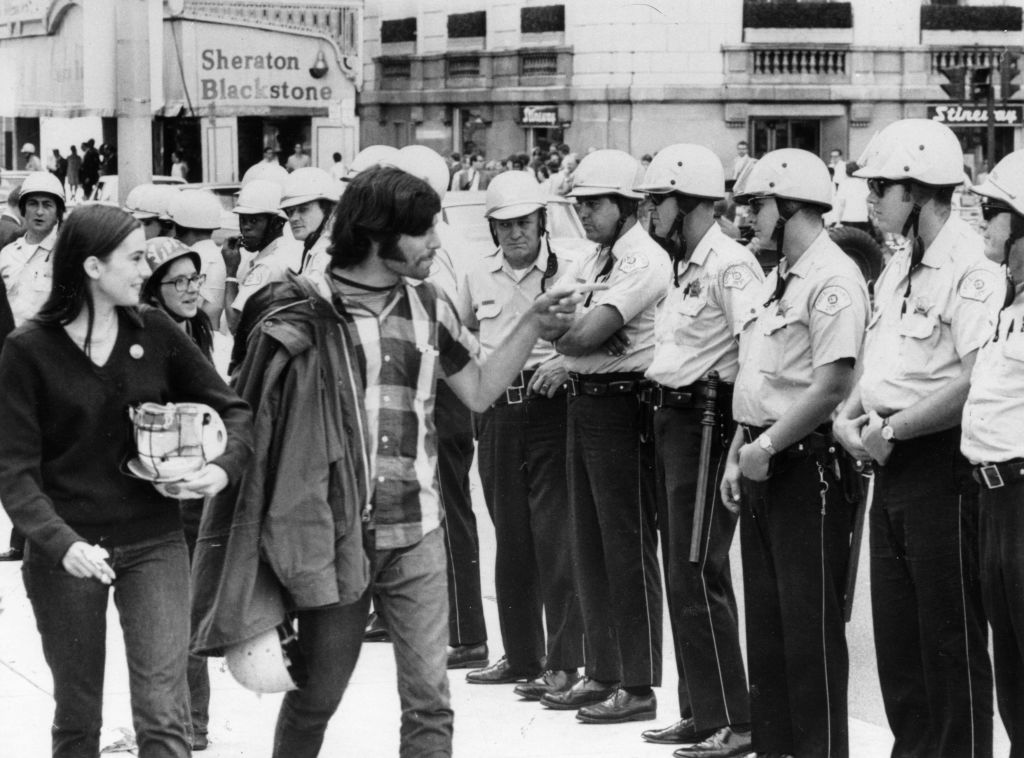
It sounds like the plot of a paranoid thriller. Yet the theory draws on several genuine historical details: musicians with military family connections, a secret military film studio operating in the canyon, and a cast of famous artists whose lives sometimes intersected with some of the darkest episodes of the era. Taken together, these details have fuelled a story considerably more sinister than the familiar tale of young musicians finding one another in the California sunshine.
The clues that fuelled the theory
The military fathers of the counterculture
One of the theory's most frequently cited details is the family background of several prominent musicians.
Jim Morrison's father, George Stephen Morrison, was a senior US Navy officer who commanded American naval forces during the 1964 Gulf of Tonkin incident, which helped provide the justification for escalating US involvement in Vietnam. The singer's image as an anti-establishment provocateur therefore sat in striking contrast to his father's military career.
Frank Zappa's father was a chemist and mathematician who worked in the defence industry, including at the US Army's Edgewood Arsenal, a facility associated with chemical warfare research. John Phillips of the Mamas & the Papas was the son of a retired Marine Corps officer and had himself attended military school. Stephen Stills of Crosby, Stills & Nash also came from a military family.
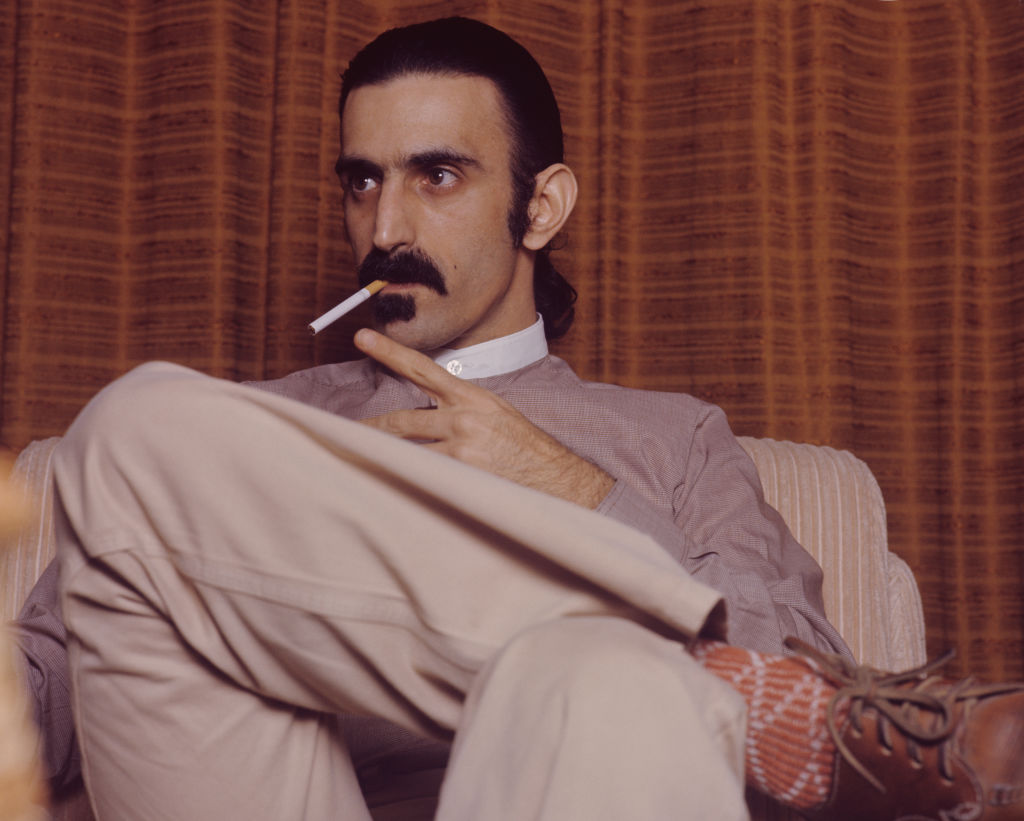
For conspiracy writers, these connections are more than biographical curiosities. Why, they ask, did so many influential figures in a movement associated with rebellion, anti-war protest and suspicion of government authority have such close family connections to the military?
A secret film studio in the hills
The theory's most intriguing geographical detail is also a matter of historical record. From 1947 until 1969, Lookout Mountain Air Force Station operated from a secluded site on Wonderland Avenue in Laurel Canyon.
This classified military film and photographic facility produced material for the US military and the Atomic Energy Commission, including films documenting nuclear weapons and atomic tests. Its work required people with Hollywood skills, from technicians and sound specialists to other film-industry professionals.
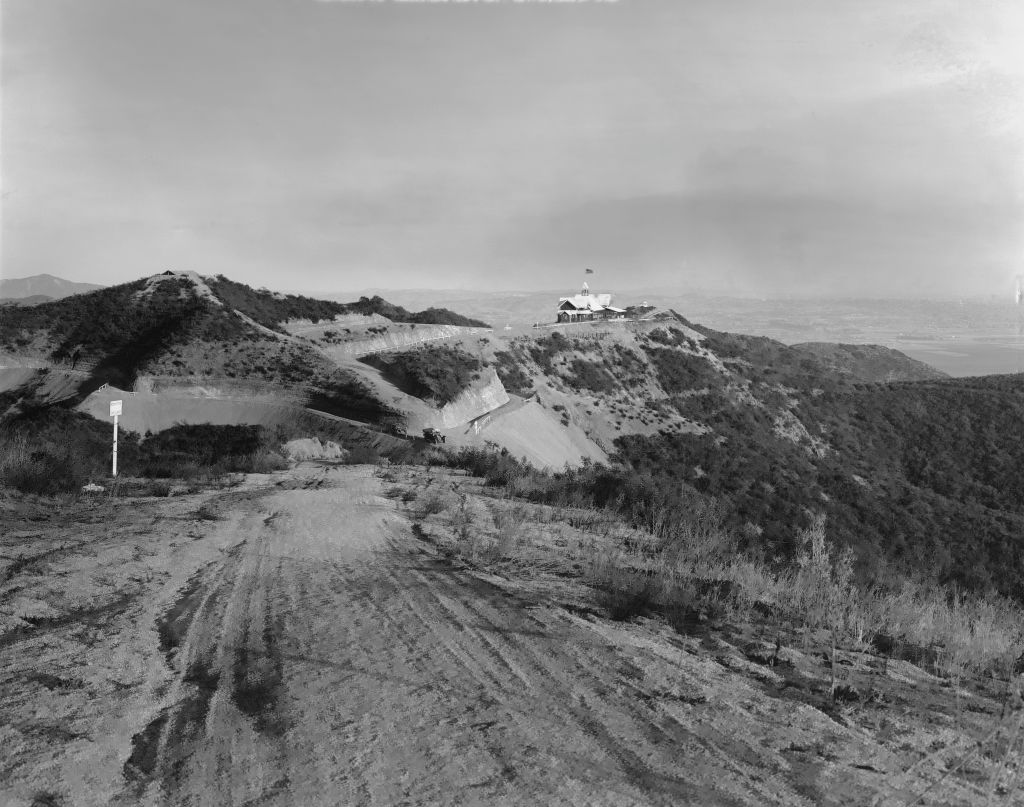
Here, then, was a secret government installation in the very neighbourhood that became synonymous with the counterculture. It was operating as the musical community began to take shape, and it brought military activity and the film industry into close proximity.
For those looking for a hidden explanation of Laurel Canyon's cultural importance, the existence of such a facility offers an apparently compelling starting point. If the government was already operating a secretive production centre in the hills, might its activities have extended beyond the films it was known to make?
A remarkable concentration of musicians
Laurel Canyon's appeal was not confined to one or two artists. Jim Morrison and the Doors, Joni Mitchell, Frank Zappa, members of the Byrds, the Mamas & the Papas and numerous other musicians and songwriters lived in or around the area or moved through its social circles.
James Taylor, Carly Simon, Jackson Browne and the Beach Boys' Brian Wilson were residents; the Eagles also lived in the Canyon in the early 1970s. An extraordinary pool of talent, in short, and between them a huge part of the sound of late '60s and early '70s America.
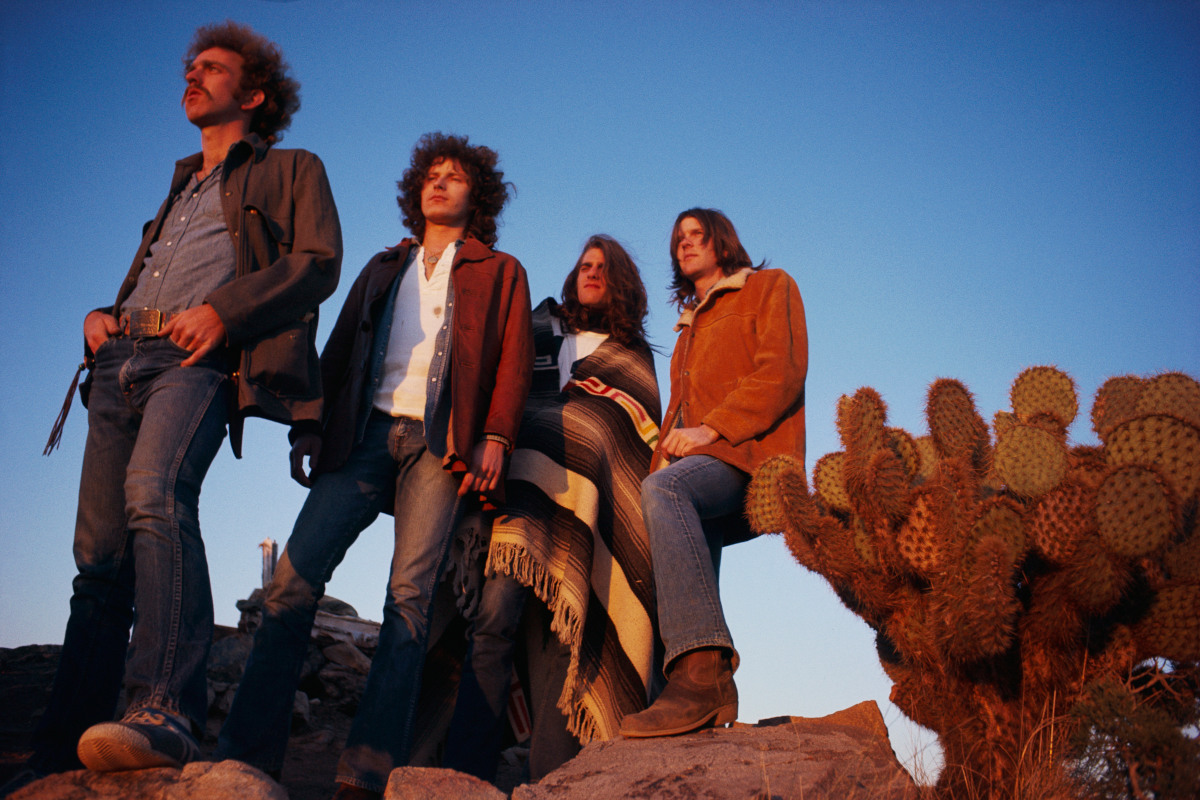
The resulting network was unusually productive. Artists met at parties, visited one another's homes, exchanged ideas and formed musical partnerships. The canyon became associated with a particular mixture of folk, rock, psychedelia and countercultural attitudes, with its residents enjoying both a retreat from the city and easy access to Los Angeles's music business.
The sheer number of significant musicians who gathered in one small area has become another element of the theory. Was this simply a fortunate meeting of like-minded creative people, or was there something more deliberate behind the concentration?
Charles Manson and the dark side of the dream
The theory becomes darker still when it turns to Charles Manson. Before the 1969 murders of actress Sharon Tate and six other victims, Manson had established connections with people in the Los Angeles music business. He befriended Beach Boys drummer Dennis Wilson, spent time living with Wilson and members of his group, and came into contact with record producer Terry Melcher. Manson hoped to launch a musical career, and some of his material was recorded or considered by people in the industry.
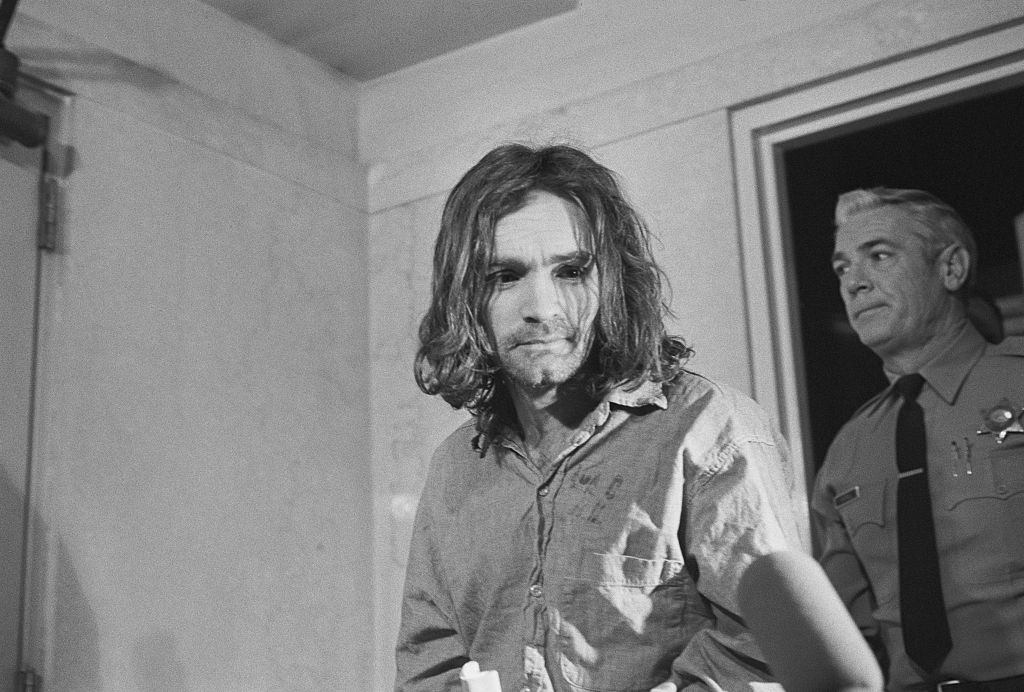
He also crossed paths with Neil Young, who later recalled meeting Manson and recognising his musical ambitions. Indeed, Young tried to help Manson get a record deal - and later wrote the song 'Revolution Blues' (on 1973's On the Beach LP) from Manson’s dark, apocalyptic perspective, featuring chilling lyrics about Laurel Canyon and targeting famous stars.
These connections placed Manson on the fringes of the wider Laurel Canyon world, where musicians, producers, aspiring performers and hangers-on frequently encountered one another.
Conspiracy accounts take these documented associations a step further. In their most sinister interpretation, Manson was not merely a manipulative criminal who exploited his access to the music scene, but part of a wider process through which the counterculture could be made to appear dangerous and destructive.
The murders, along with the era's wider associations with drugs, violence and tragedy, could then be presented as evidence of a deliberate effort to turn the ideals of peace and love into a cautionary tale – and to undermine the anti-war movement in the process.
What does the evidence actually tell us?
The clues are real, but the conclusions drawn from them require much closer scrutiny. When the individual claims are examined, the apparent connections become considerably less conclusive.
The military families
The family backgrounds of Morrison, Zappa, Phillips and Stills are striking when assembled into a list. But these musicians belonged to a generation born largely during or shortly after the Second World War, when military service and defence-related employment were widespread in American society. Having a father in the armed forces was hardly an unusual background for a baby boomer.
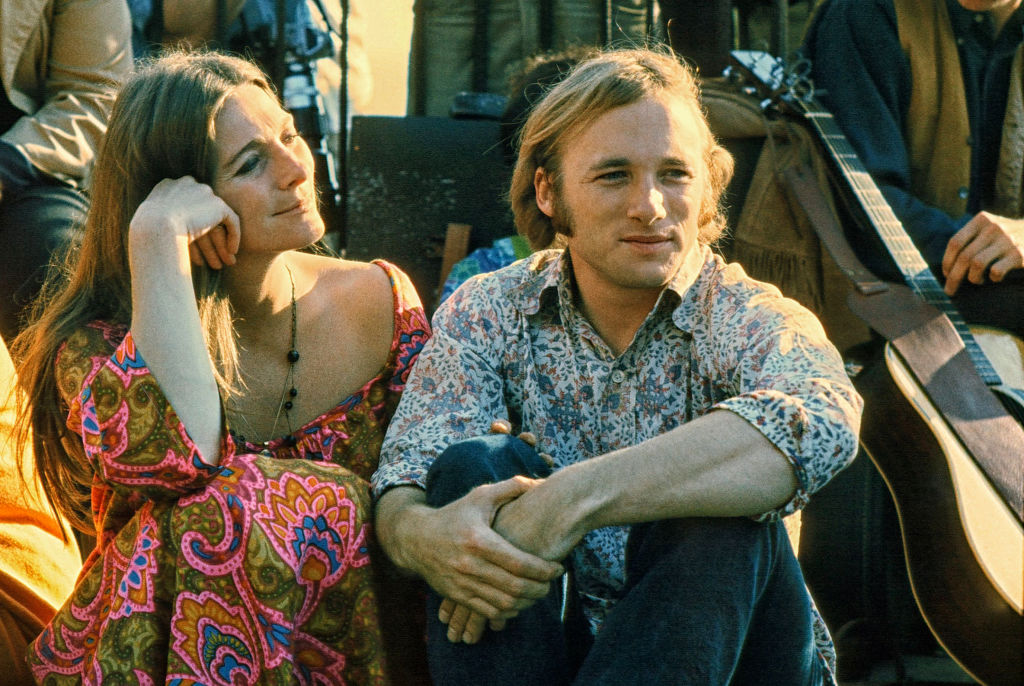
More importantly, a parent's profession tells us little about a child's subsequent career. It certainly does not demonstrate that the child was recruited into a covert operation.
The theory also tends to exaggerate how suddenly these artists appeared. Morrison had studied at UCLA, where he met future Doors keyboard player Ray Manzarek. The two began developing the band in 1965, and the group built its reputation through rehearsals and club performances before achieving major success. Morrison was a poet and songwriter, and his lack of formal musical training is not evidence that his career was manufactured.
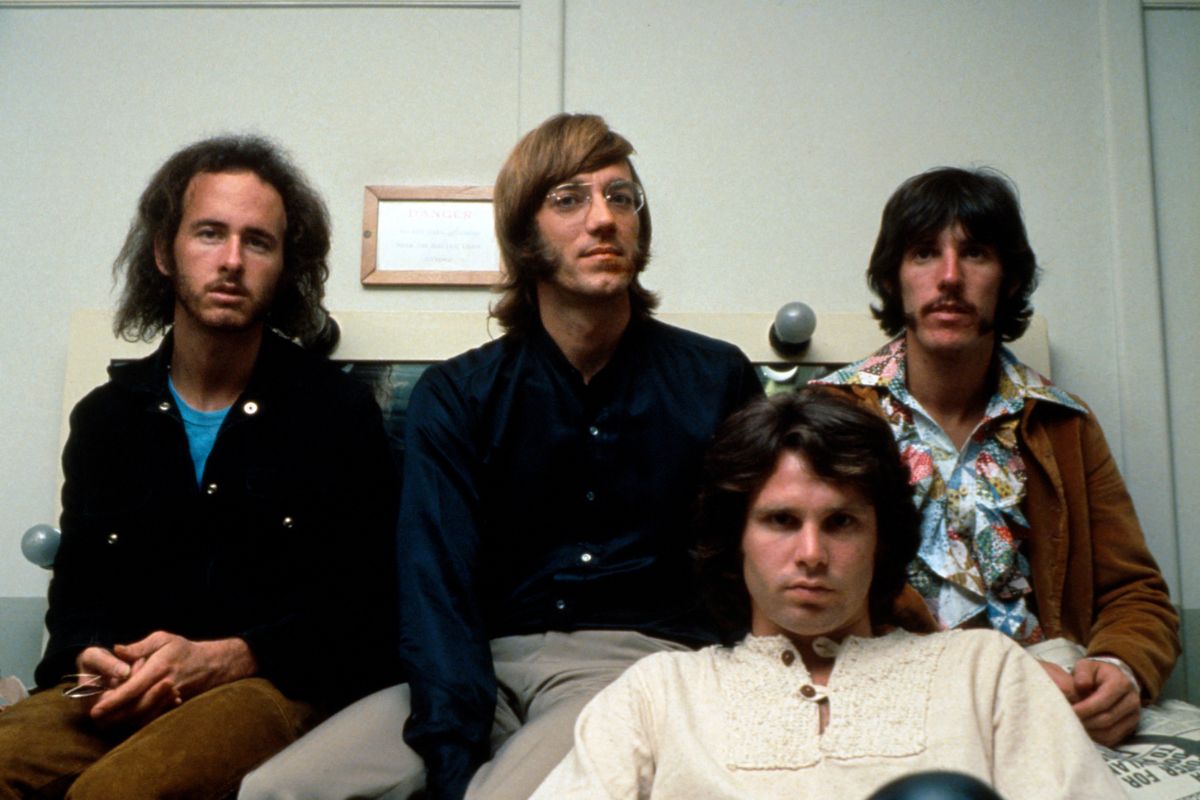
To turn these family connections into evidence of a coordinated project would require something more substantial: records of recruitment, communications between officials and musicians, or proof of funding and direction. The theory has not established such a link.
Lookout Mountain
Lookout Mountain Air Force Station was a genuine secret facility, and its presence in Laurel Canyon is a legitimate reason to investigate the history of the area. But its documented work concerned military film and photography. Its existence does not establish that it directed, monitored or engineered the nearby music scene.
The distinction is crucial. A government facility producing classified films is not, by itself, evidence of a programme to manipulate popular culture. To support that claim, there would need to be records connecting the station to the musicians, their management, their recordings or a wider political strategy.
No convincing evidence of such a coordinated programme has emerged. The facility's real secrecy lends the theory atmosphere, but secrecy in one area does not prove a hidden operation in another.
A musical community does not need a master plan
The concentration of musicians in Laurel Canyon can also be explained by the geography and economics of Los Angeles. The area offered attractive homes and a degree of seclusion while remaining close to the Sunset Strip, the clubs where musicians performed and the recording industry that could advance their careers.
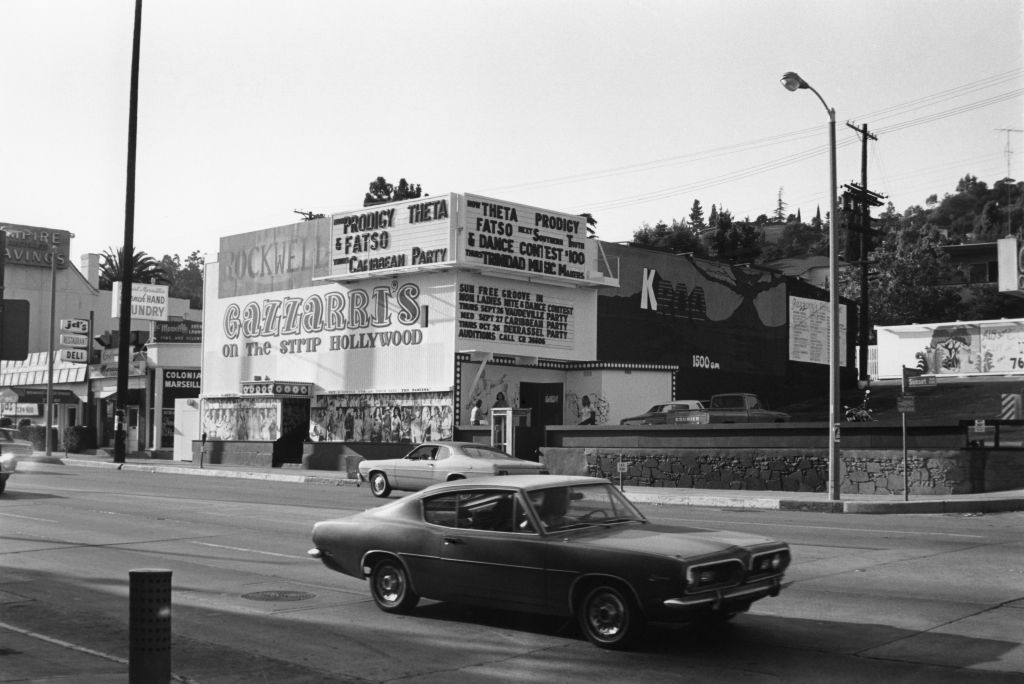
Creative communities often form in places where people can afford to live, work and socialise near one another. Once a few musicians settle in an area, others may follow through friendship, professional contacts or the simple appeal of being surrounded by like-minded people. The resulting network can look remarkably purposeful in retrospect, even when it developed organically.
Laurel Canyon was not the only place where such creative concentrations emerged. The fact that this particular community produced an extraordinary amount of influential music does not mean that its formation was directed from above.
Manson's connections do not establish a government operation
Manson's contacts with Dennis Wilson, Terry Melcher and Neil Young are part of the historical record. But there is no credible evidence that he was a government asset or that the murders were orchestrated as part of a campaign against the counterculture.
His real connections to musicians and producers are not proof of the alleged covert purpose. The same applies to the wider catalogue of deaths, crimes, overdoses, suicides and house fires that conspiracy accounts sometimes assemble into a single narrative.
The period was marked by drug use, intense personal pressures and the ordinary risks of a community that attracted large numbers of young people living unconventional lives. Individual tragedies deserve to be investigated on their own evidence, rather than treated as proof of a coordinated operation simply because they occurred in the same place or period.
The idea that the murders were deliberately engineered to discredit anti-war protest is a particularly serious claim. It requires evidence of planning, involvement and motive that the theory has not supplied.
What the musicians remembered
The people who lived through Laurel Canyon's musical flowering have generally described a less mysterious explanation.
Former Byrds bassist Chris Hillman recalled moving there in 1964 because he needed somewhere to live. He found a room almost by chance, in a beautiful hillside setting just minutes from the Sunset Strip. The canyon offered a quiet retreat while keeping its residents close to the clubs, venues and record-industry professionals who could help their careers.
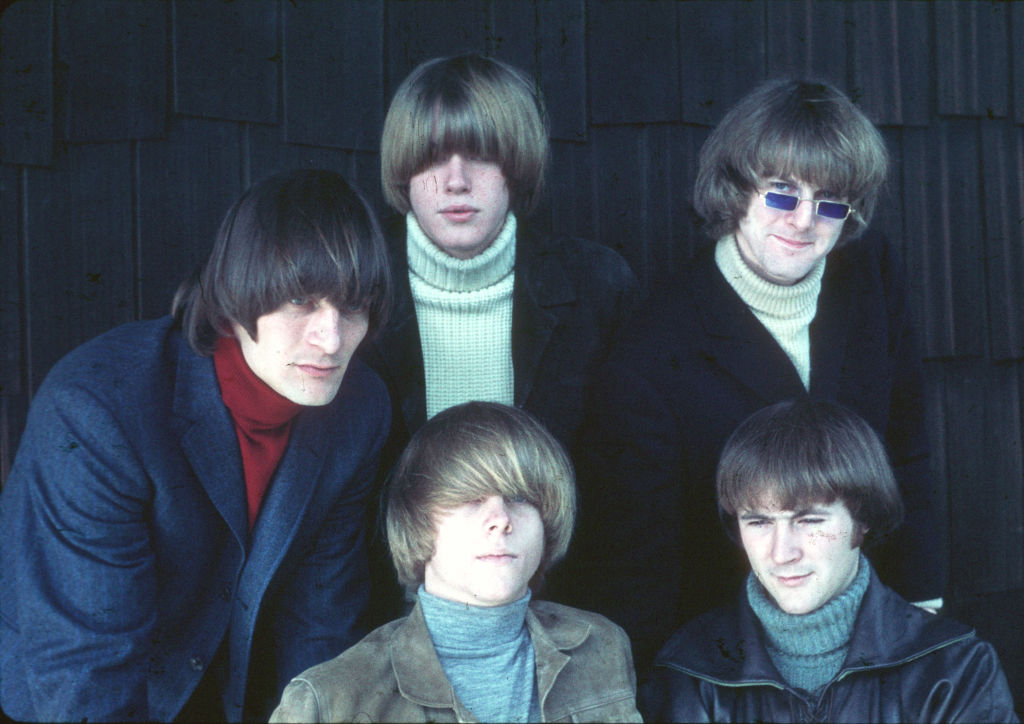
That combination was crucial. The Troubadour and Whisky a Go Go were nearby; Los Angeles was already a centre of the recording business; and homes in the canyon gave young musicians space to write, rehearse and socialise. Artists passed through one another's homes, formed bands, shared songs and developed new musical relationships. The scene was a network that grew through proximity and chance, rather than a formal organisation with a membership list or a central plan.
Joni Mitchell, one of Laurel Canyon's defining singer-songwriters, later described the community as a place that had been 'healthy and productive and inspiring' for her. Her recollection reflects the way many participants have remembered it: as an unusually fertile artistic environment, not a project directed by the state.
That does not mean the scene was an idyllic paradise. There were rivalries, exploitation, addiction, tragedy and the commercial pressures that accompanied success. The counterculture was never as innocent as its most nostalgic portraits suggest. But its contradictions do not, by themselves, establish that it was engineered.
A conspiracy in search of evidence?
The Laurel Canyon theory endures because it brings together several compelling ingredients: secret military activity, famous musicians with unexpected family backgrounds, a cultural movement that challenged authority and a string of tragedies that became part of rock mythology. It also offers a neat, unsettling answer to a difficult question: how could so much influential music emerge from one small corner of Los Angeles?

But the crucial distinction is between a series of intriguing coincidences and evidence of a coordinated operation. The military fathers were real. So was Lookout Mountain Air Force Station. Manson did have connections to the music business. None of those facts, however, establishes that the counterculture was deliberately cultivated to undermine opposition to the Vietnam War.
The more prosaic explanation is also the more persuasive. Laurel Canyon was close to the music business, offered attractive places to live and brought together musicians whose tastes and talents complemented one another. The scene's political significance and its darker episodes subsequently made it fertile ground for speculation.
Sometimes history really does contain secret institutions and covert government projects. But the existence of one does not make every nearby cultural event part of the same plot. Laurel Canyon's music may have been extraordinary, but the available evidence suggests it grew from human connections, creative experimentation and good fortune – not a military experiment designed to discredit a generation.
Pics Getty Images