Led Zeppelin was never a ‘singles band’.
While their peers chased three-minute radio spots, Jimmy Page, Robert Plant, John Paul Jones, and John Bonham were busy constructing cathedrals of sound that required the full real estate of an LP side to breathe. Their greatness lies in the deep cuts – the tracks where folk mysticism, thunderous blues, and avant-garde production collided.
Ranking their catalogue is a journey through shifting dynamics, from the ‘light and shade’ of acoustic balladry to some of the heaviest grooves ever committed to tape.
Led Zeppelin songs ranked
27. Good Times Bad Times (from Led Zeppelin, 1969)
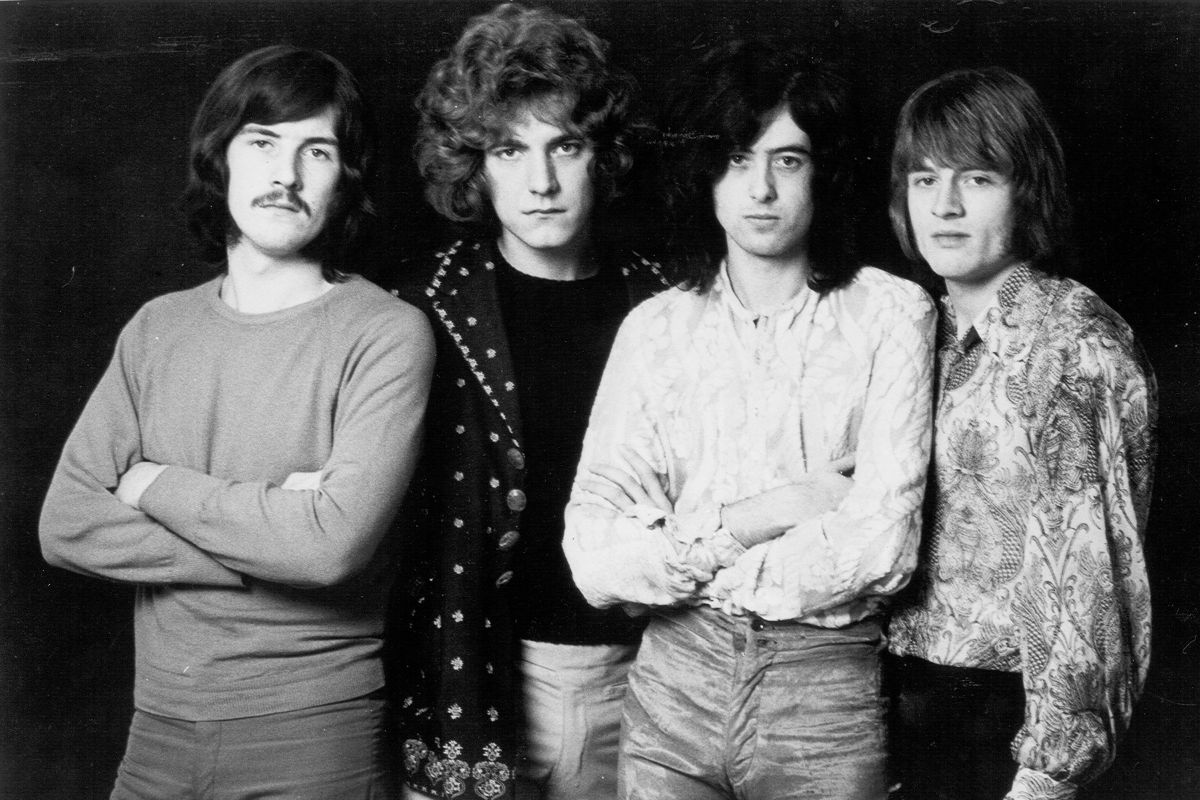
The world’s first taste of Led Zeppelin was this explosive hard rocker, the opener to their 1969 debut album. In just under three minutes, it established their blueprint: Page’s sharp riffs, Plant’s banshee wail, and Bonham’s revolutionary ‘triplet’ bass drum patterns. It’s a masterclass in efficiency… from a band that would soon become famous for their excess.
26. Houses of the Holy (from Physical Graffiti, 1975)
Originally intended for the album of the same name, this Physical Graffiti track is pure, unadulterated funk-rock. It features a jaunty, syncopated groove that proves the band could be playful without losing their heavy edge. It’s a celebration of the ‘holy’ power of the concert experience.
25. In My Time of Dying (from Physical Graffiti, 1975)
A sprawling, eleven-minute slide-guitar odyssey. This is the band at their most raw and improvisational, taking an old gospel standard and supercharging it with a heavy, grinding blues rhythm. It also contains some of John Bonham’s most potent drumming (of which more later…).
24. The Battle of Evermore (from Led Zeppelin IV, 1971)
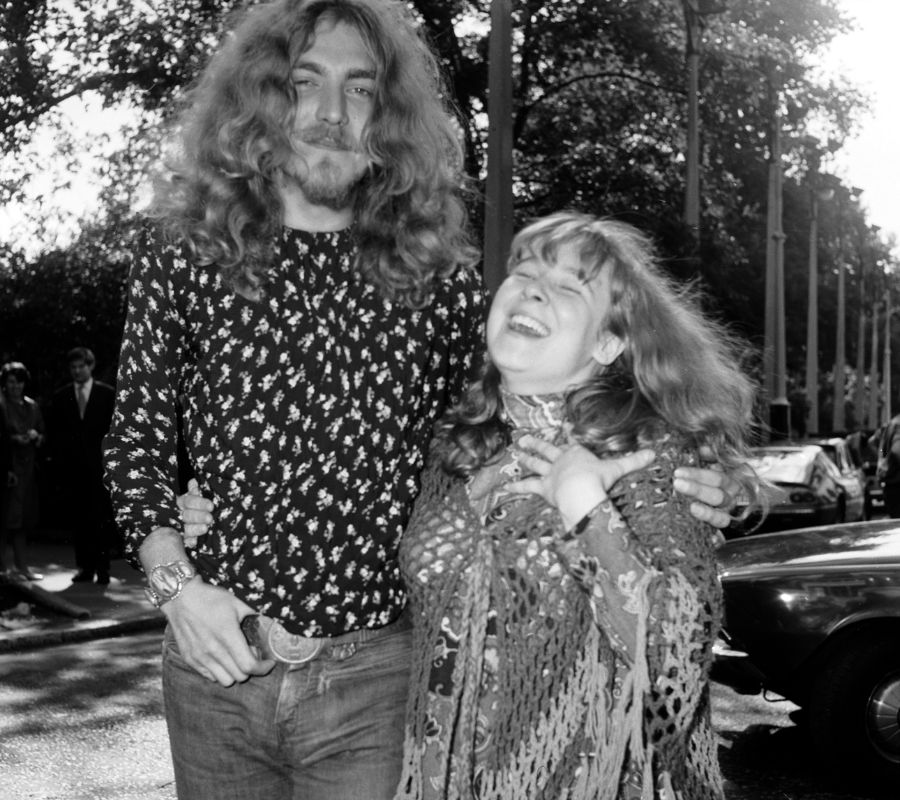
A beautifully elegiac, Tolkienesque folk epic featuring Sandy Denny, the only guest vocalist to ever appear on a Zeppelin studio track. The mandolin-driven melody and the haunting vocal interplay between Plant and Denny create a mystical atmosphere that defines the band’s deep connection to English mythology.
23. Communication Breakdown (from Led Zeppelin, 1969)
High-energy, proto-punk at its finest. Page’s down-stroke riffing on this track was a massive influence on the burgeoning punk scene, specifically on Johnny Ramone. It’s short, sharp, and violent – a reminder that before they were mystical stadium gods, Led Zep were a lean, mean blues-rock machine.
22. Trampled Under Foot (from Physical Graffiti, 1975)
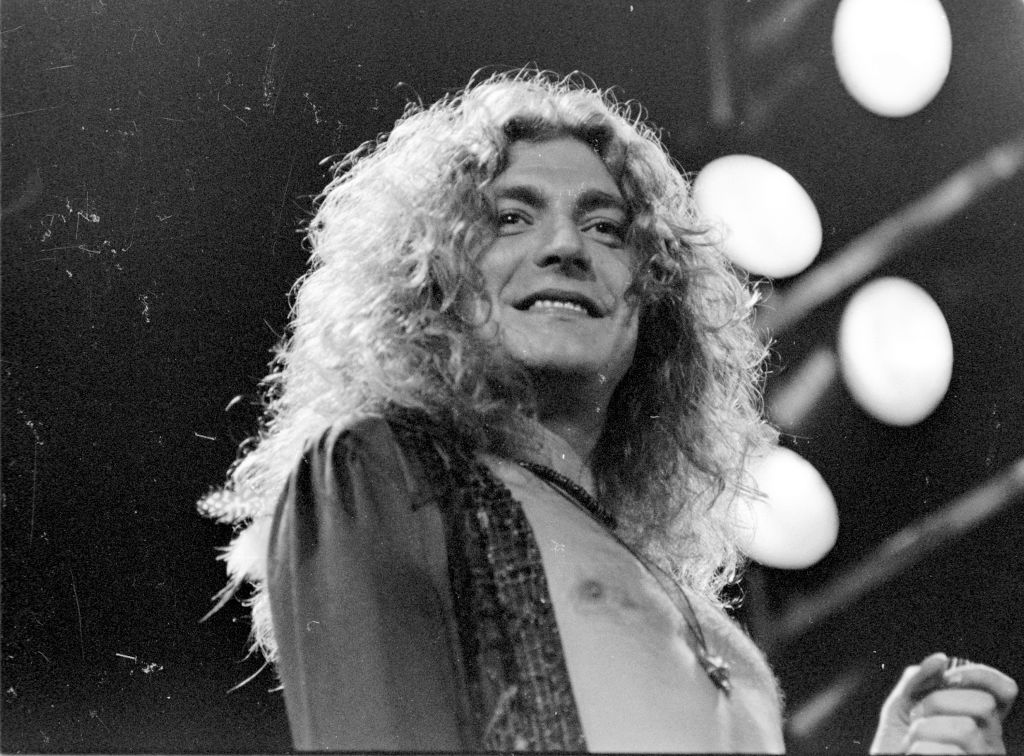
John Paul Jones takes centre stage here with a driving clavinet riff inspired by Stevie Wonder’s ‘Superstition’. This is Zeppelin’s version of funk, built on a relentless, motoring beat that mimics the ‘car’ metaphors that crop up across the lyrics. It’s one of their tightest, most danceable grooves.
21. Thank You (from Led Zeppelin II, 1969)
Among the swaggering hard rock highlights of their second album comes this rare moment of genuine, earnest vulnerability from Robert Plant. Written as a tribute to his wife Maureen, the song features a beautiful Hammond organ solo by Jones and a delicate acoustic arrangement. It proved that the band behind the revered ‘Hammer of the Gods’ sound was equally capable of profound tenderness.
20. What Is and What Should Never Be (from Led Zeppelin II, 1969)
This track perfectly illustrates Page’s ‘light and shade’ philosophy. It fluctuates between dreamy, jazz-inflected verses and explosive, crashing choruses. The panning effects during the bridge show Page’s growing sophistication as a producer, creating a disorienting, psychedelic experience for the listener.
19. No Quarter (from Houses of the Holy, 1973)
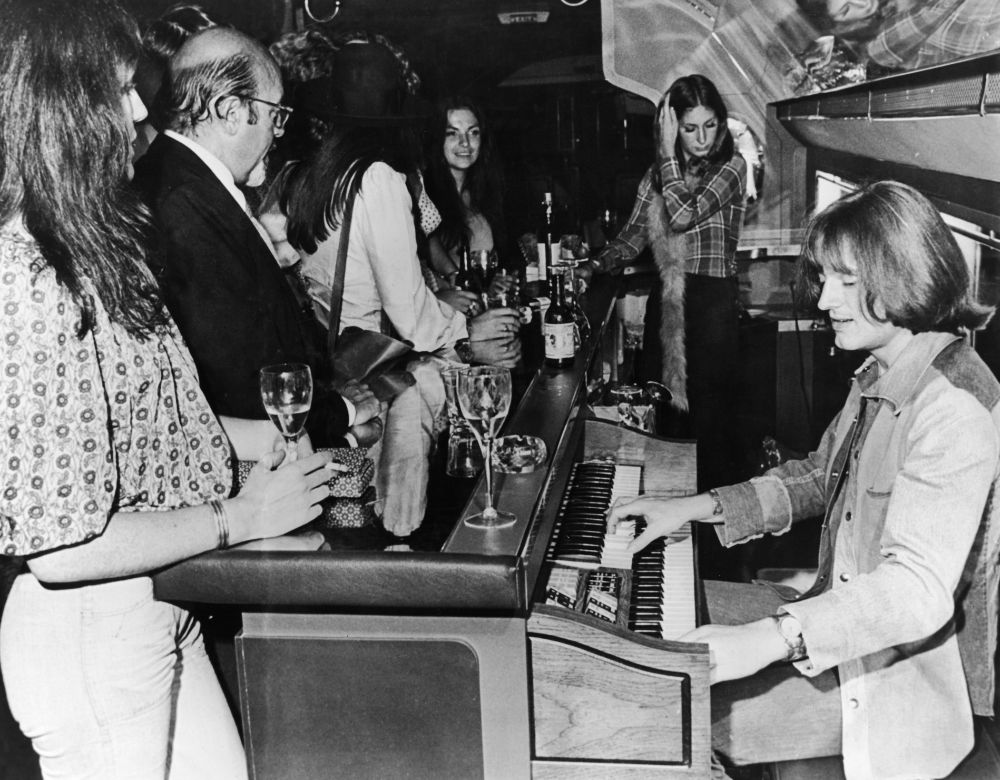
‘No Quarter’ is a moody, atmospheric masterpiece led by John Paul Jones’s submerged, phased electric piano, which gives the track its eerie, aquatic feel. The song unfolds like a slow journey through a frozen, fog-covered landscape, with Robert Plant’s cryptic lyrics evoking Norse imagery and mythic isolation.
Jimmy Page’s solo is restrained and textural, emphasizing mood over flash. It’s a brilliant crystallisation of the band’s interests in fantasy, atmosphere, and studio experimentation, and one of their most haunting and immersive soundscapes.
18. Heartbreaker (from Led Zeppelin II, 1969)
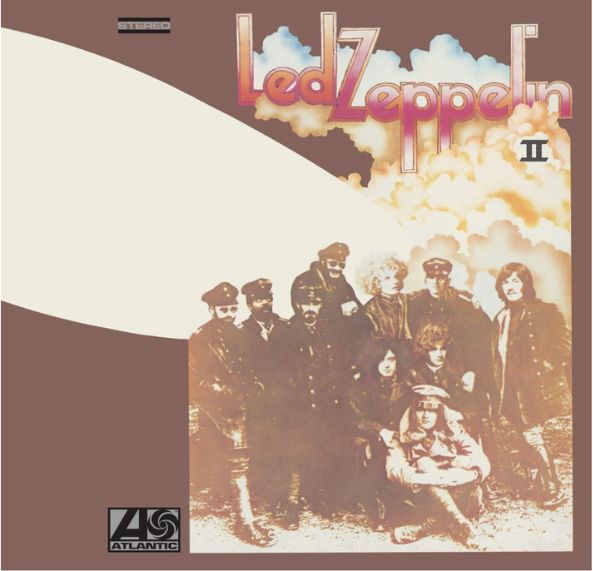
The riff that launched a thousand garage bands. Built around one of Jimmy Page’s most irresistible guitar hooks, 'Heartbreaker' distilled blues, hard rock and swagger into four unforgettable minutes.
The track is famous for Page’s unaccompanied guitar solo in the middle, a spontaneous, largely improvised burst of virtuosity that broke free from conventional blues phrasing and changed the way countless guitarists approached the instrument. Its bends, pull-offs and rhythmic freedom became a rite of passage for aspiring rock players.
When the band crashes back in behind him, the release of tension is almost overwhelming, with John Bonham’s thunderous drumming and John Paul Jones’ muscular bass making the final section hit even harder. It remains one of Led Zeppelin’s purest statements of raw rock power.
17. Babe I'm Gonna Leave You (from Led Zeppelin, 1969)
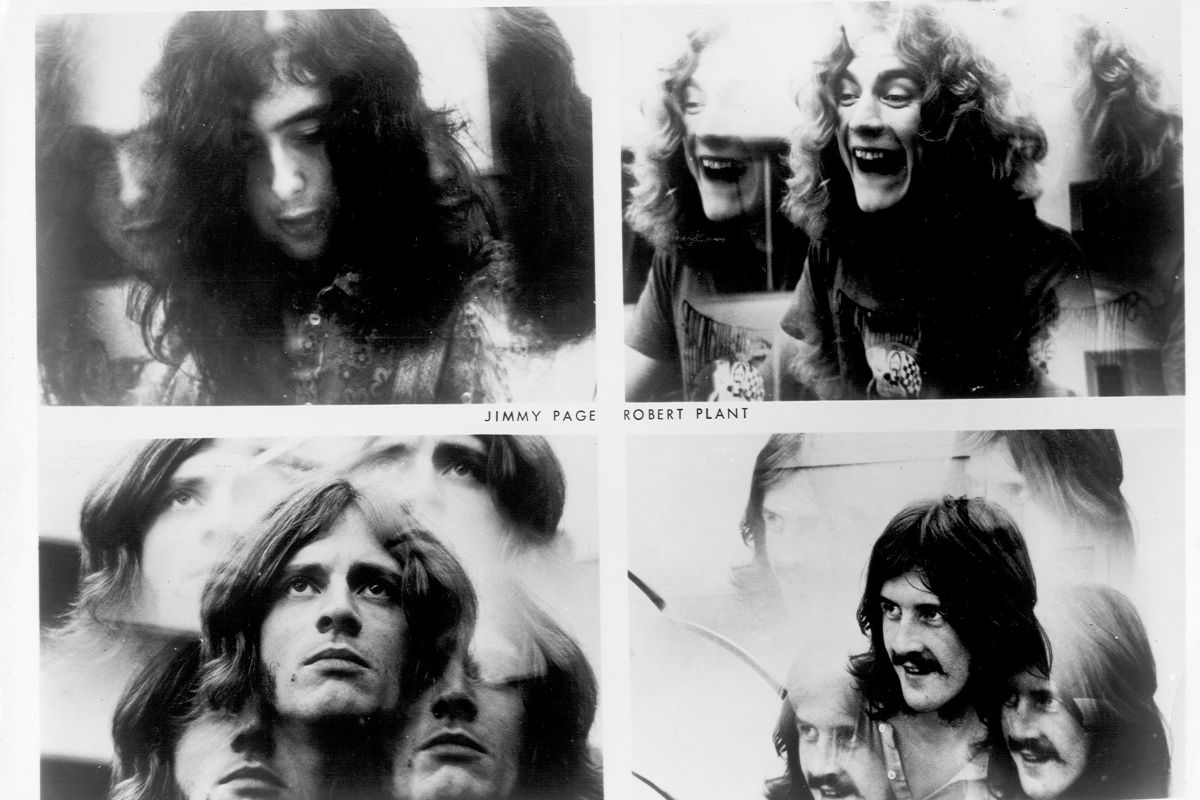
A dynamic rework of a Joan Baez folk song. The band takes the listener from delicate fingerpicking to world-ending crescendos. Plant’s vocals here are particularly impressive, moving from a whisper to a tormented scream, perfectly capturing the agony of a forced departure.
16. The Ocean (from Houses of the Holy, 1973)
Named after the ‘ocean’ of fans seen from the stage, this track features a massive, funky riff and a rare vocal harmony section. It’s one of Led Zep's most joyful recordings, ending with a 1950s-style doo-wop rave-up that showcases their diverse musical interests.
15. Ten Years Gone (from Physical Graffiti, 1975)
With its emotional depth and layered guitar work, this is a highlight from Led Zeppelin’s sprawlingly eclectic 1975 double LP Physical Graffiti. Jimmy Page overdubs create a shimmering, reflective texture, while Robert Plant’s lyric recalls love, regret, and time passed. Its slow build and dynamic shifts show rare vulnerability, blending melancholy with grandeur in a way few Zeppelin tracks achieve so fully or memorably.
14. Immigrant Song (from Led Zeppelin III, 1970)
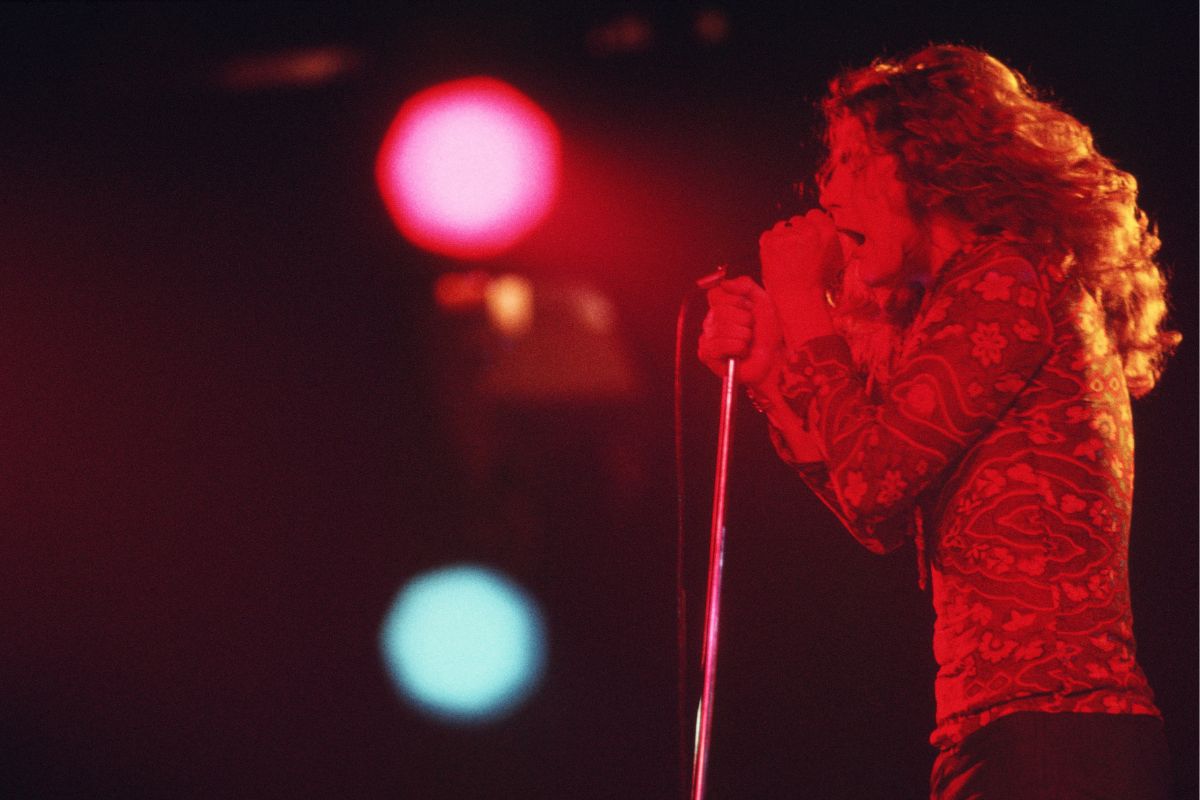
Built around a staccato, galloping riff and Robert Plant’s iconic ‘Valhalla’ howl, ‘Immigrant Song’ is widely considered the birth of a whole genre – so-called Viking Metal. Its lyrical obsession with Norse mythology and thunderous drive paved the way for bands like Bathory, Enslaved, and Amon Amarth.
While Led Zeppelin III is primarily defined by its pastoral, acoustic folk experimentation, this track serves as a ferocious, electrified outlier. Lean and clocking in at under three minutes, it packs enough power to level a city – the ultimate statement of intent.
13. Going to California (from Led Zeppelin IV, 1971)
A gorgeous, acoustic palate cleanser after some of Led Zep IV’s more swaggering tracks – ‘Black Dog’, ‘Rock and Roll’, 'Stairway to Heaven'. Plant’s lyrics about searching for a woman with ‘love in her eyes and flowers in her hair’ captured the fading hippie idealism of the era. The mandolin and acoustic guitar work are breathtakingly delicate, showing the band’s mastery of folk.
12. Dazed and Confused (from Led Zeppelin, 1969)
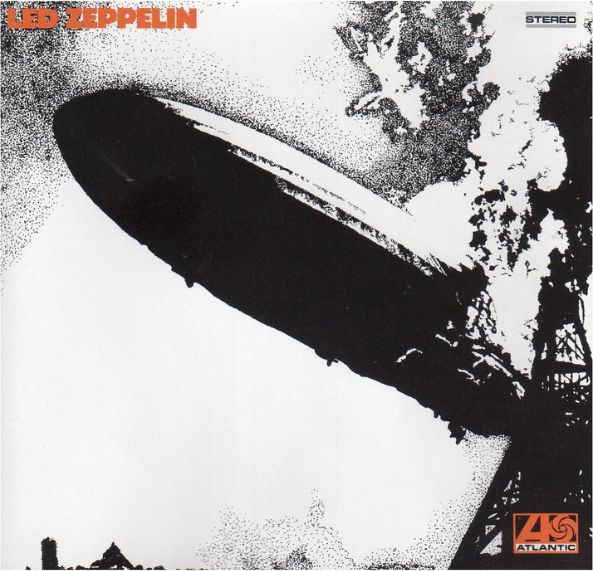
The centrepiece of Led Zeppelin's early live shows, 'Dazed and Confused' is a mesmerising descent into heavy, psychedelic blues that hinted at entirely new possibilities for rock music.
From John Paul Jones' ominous descending bassline to Jimmy Page's eerie use of a violin bow across his guitar strings, the track constantly shifts between whispered suspense and explosive power. Live, it regularly stretched beyond 20 minutes, becoming a showcase for the band's telepathic interplay and fearless improvisation.
Robert Plant's haunted vocal and John Bonham's immense, dynamic drumming complete a performance that feels both primal and theatrical. More than half a century later, it remains a masterclass in tension, release and sonic experimentation.
11. Black Dog (from Led Zeppelin IV, 1971)
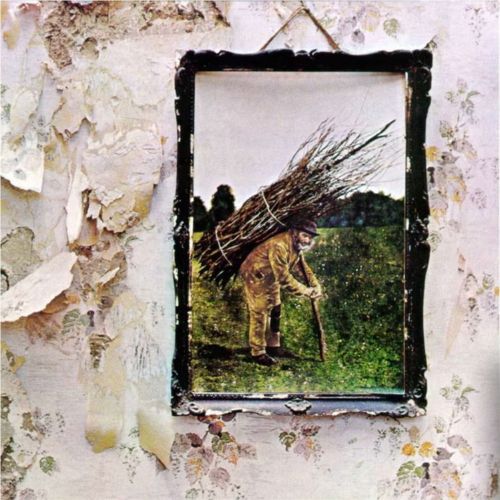
A complex, interlocking puzzle of a song, Led Zep IV's opener disguises extraordinary musicianship beneath its swaggering surface. The famous call-and-response between Robert Plant's unaccompanied vocal lines and Jimmy Page's winding guitar riff constantly wrong-foots the listener, with shifting accents that make it a rhythmic nightmare for most bands. Inspired by Fleetwood Mac's Oh Well, Page deliberately wrote a riff that seemed to defy the beat, yet Bonham, Jones and Page lock together with effortless precision.
The title, meanwhile, has nothing to do with the lyrics. It was inspired by a large black Labrador-type dog that wandered in and out of sessions at Headley Grange, the former workhouse where Led Zeppelin recorded much of their untitled fourth album. The animal became a familiar companion to the band, and when it came time to name the track, 'Black Dog' simply stuck. The music itself, however, remains one of Zeppelin's greatest displays of groove, invention and sheer confidence.
Era-defining: the top 10
10. Ramble On (from Led Zeppelin II, 1969)
The ultimate road song. Combining Tolkien references with a driving, melodic bassline, 'Ramble On' perfectly captures the spirit of wandering, of a life-defining quest. The transition from the light, percussion-driven verses to the heavy, soaring choruses is one of the most satisfying moments in their entire discography.
9. Over the Hills and Far Away (from Houses of the Holy, 1973)
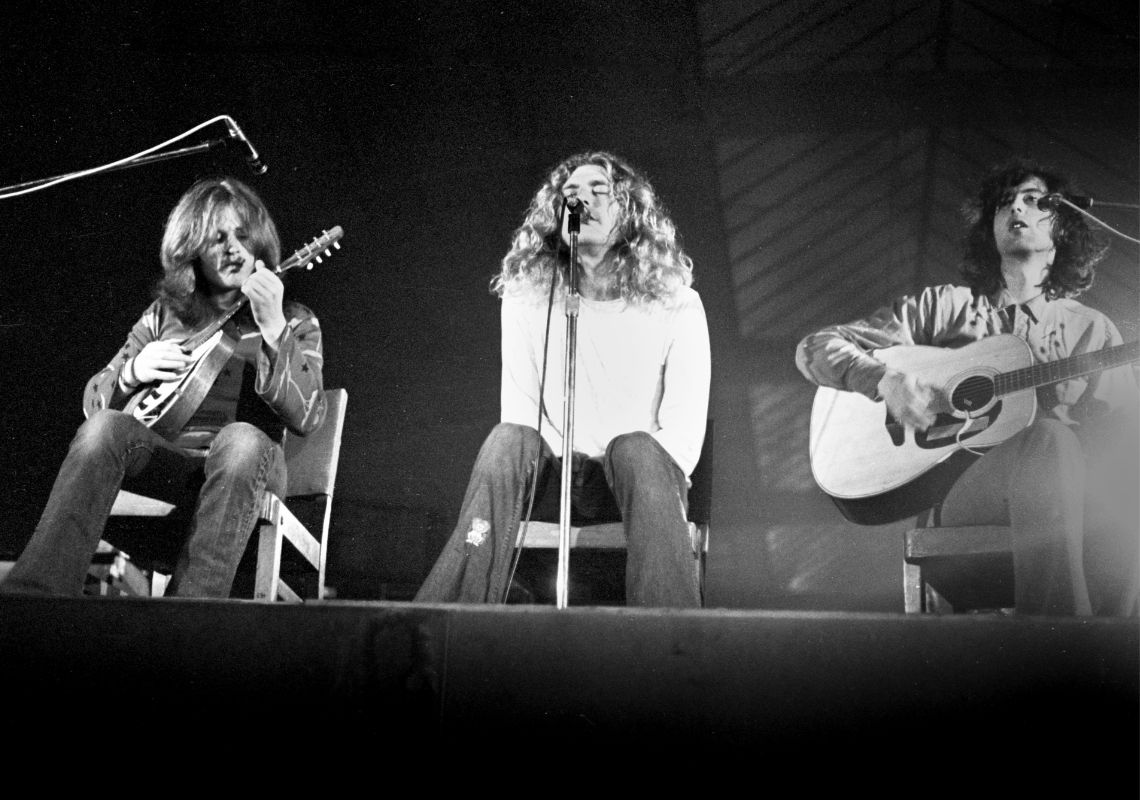
This track is the quintessential example of the band's acoustic-to-electric transition. It begins with a beautiful, intricate acoustic guitar melody before Bonham’s drums kick the door down. It’s a song about the journey of life, and it feels as expansive as its title suggests. The interplay between Page’s shimmering guitars and Jones’s melodic bass creates a lush, pastoral landscape that remains one of their most enduring and beloved compositions.
8. Since I've Been Loving You (from Led Zeppelin III, 1970)
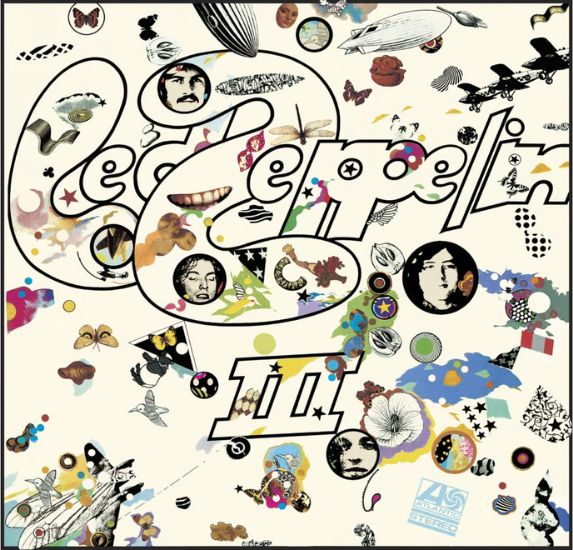
Widely considered one of the greatest blues recordings in history. Unlike their earlier, more derivative blues tracks, this was an original composition that showcased a newfound maturity. Recorded live in the studio, you can hear the squeak of Bonham’s bass drum pedal and the raw emotion in Plant’s voice. Page’s solo is a masterwork of phrasing and soul, proving that he was more than just a riff-maker – he was a premier blues soloist.
7. Rock and Roll (from Led Zeppelin IV, 1971)
A pure burst of adrenaline born from a jam session when Bonham started playing the intro to Little Richard’s ‘Keep A-Knockin’. It’s a tribute to the roots of the genre, played with a ferocity that only Zeppelin could muster.
It’s been decades since its release, but that opening snare crack still serves as the universal signal for a high-voltage night. It’s the sound of a band having the time of their lives while playing at the absolute limit.
6. When the Levee Breaks (from Led Zeppelin IV, 1971)
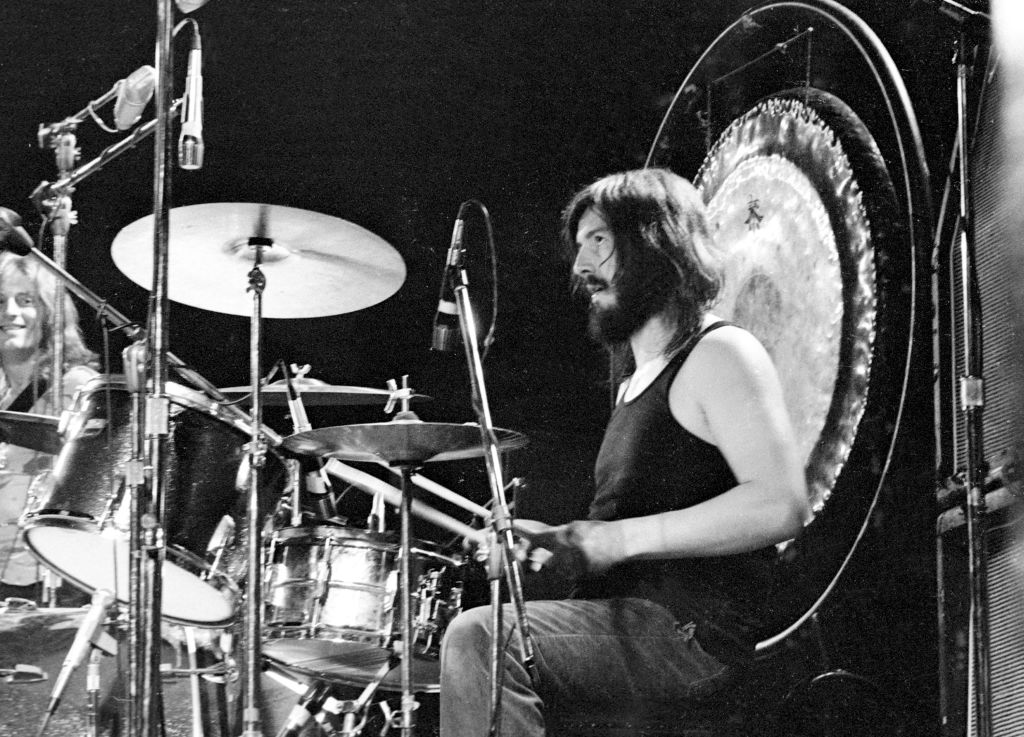
Everything about this track is colossal, but it all starts with the drums. Recorded in the stone hallway of the Hampshire manor house Headley Grange to capture a natural, echoing thud, John Bonham’s beat is perhaps the most sampled rhythm in music history.
The backwards-echo on the harmonica and Page’s heavy, swampy slide guitar create an apocalyptic atmosphere that feels like a natural disaster caught on tape. It is the heaviest the band ever sounded.
5. The Rain Song (from Houses of the Holy, 1973)
Supposedly, George Harrison told Jimmy Page that Zeppelin never did any ‘real’ ballads. Page responded by writing this seven-minute masterpiece (even subtly nodding to Harrison’s ‘Something’ in the opening chords). It’s a lush, orchestral arrangement featuring a beautiful Mellotron part by Jones.
The song builds with an exquisite, slow-burn intensity, eventually erupting into a powerful, emotional climax before drifting back into a quiet, peaceful resolution. Perhaps Zeppelin’s most beautiful arrangement.
4. Achilles Last Stand (from Presence, 1976)
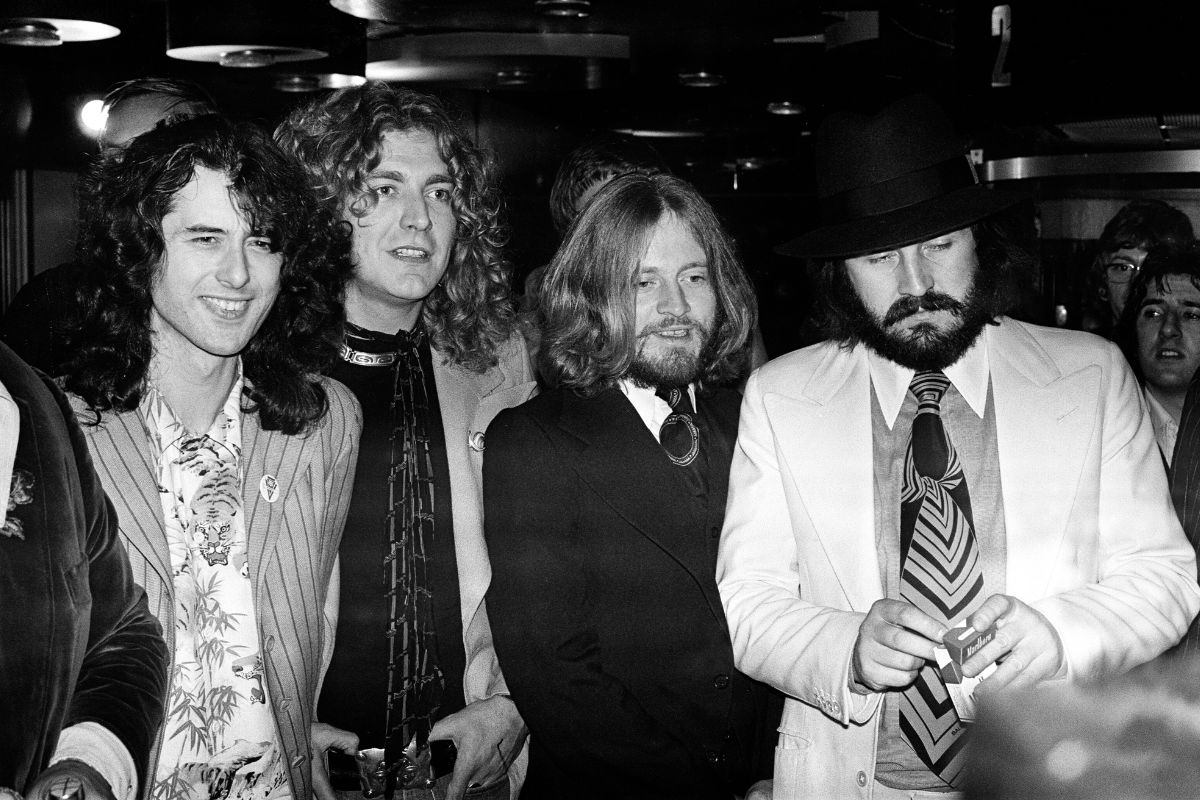
A galloping, ten-minute epic that serves as a testament to the band’s power even during their most difficult years. Page’s multi-tracked army of guitars creates a wall of sound that supports one of Bonham’s most complex and athletic performances.
It’s a song about travel, mythology, and the burden of fame, delivered with a frantic, breathless energy that never lets up. It is the definitive ‘late Zeppelin’ track, proving that they were still the masters of the epic some five years after ‘Stairway to Heaven’.
Hammer of the Gods: the final three
3. Kashmir (from Physical Graffiti, 1975)
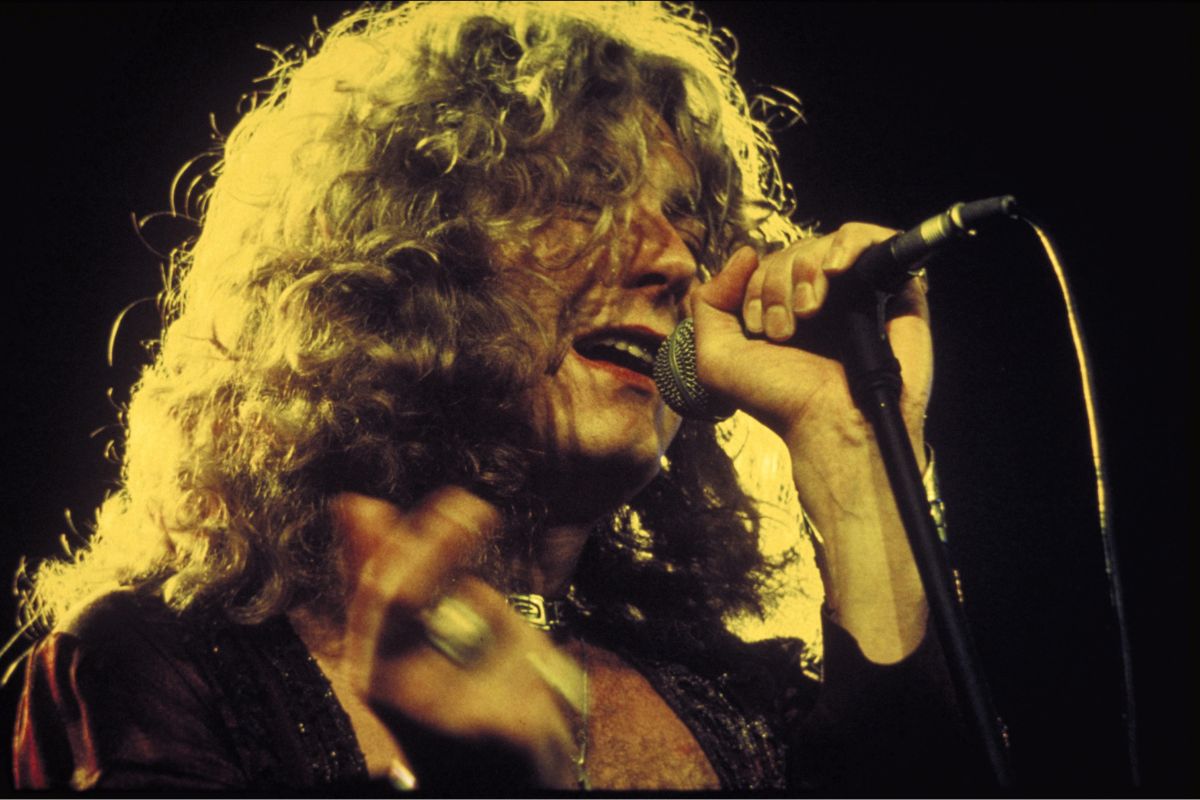
Robert Plant often referred to this as the ‘definitive’ Led Zeppelin song, and it’s hard to argue. Built on a soaring, ascending riff that clashes against Bonham’s steady, driving 4/4 beat, it creates a hypnotic, trancelike state. The addition of an orchestra and brass brings a cinematic, Middle Eastern flavour that was entirely unique to rock at the time.
It’s a song that feels ancient and futuristic all at once, a majestic desert odyssey that captures the band's ambition and their ability to transcend the boundaries of blues-rock. The roar that greets its intro in the clip below gives us goosebumps every time.
2. Whole Lotta Love (from Led Zeppelin II, 1969)
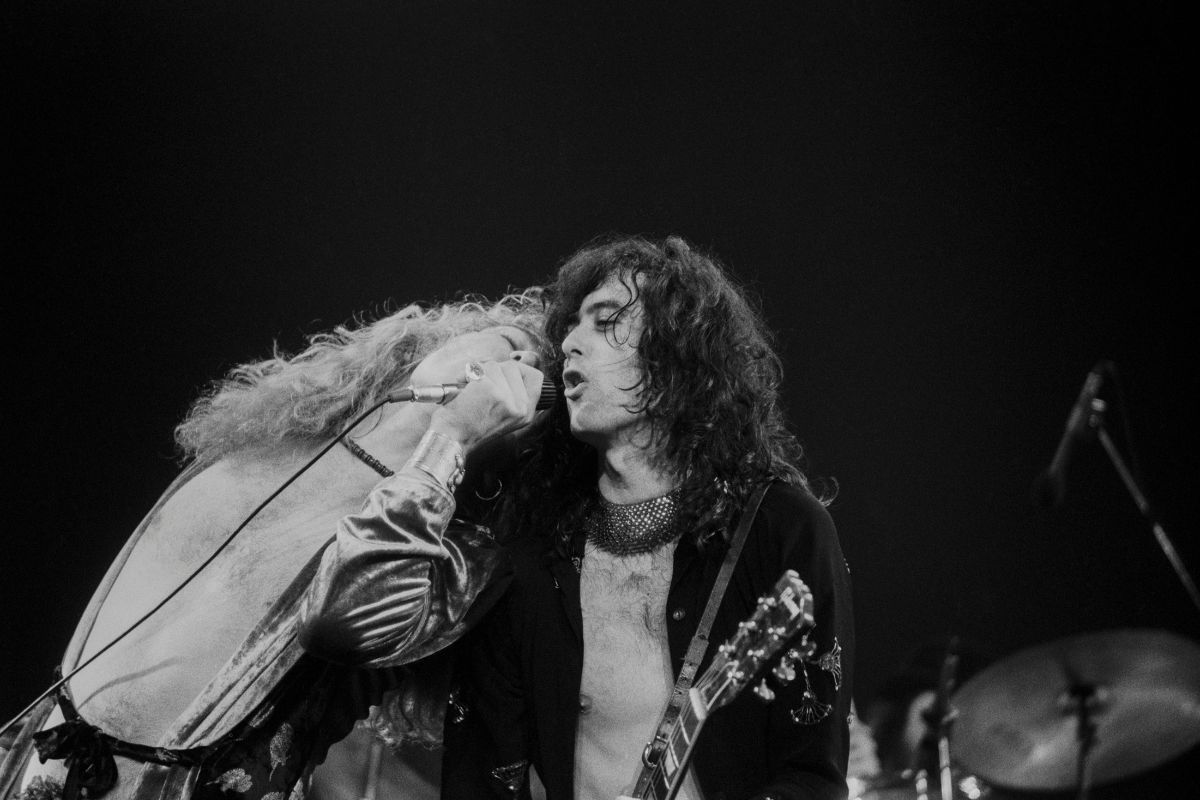
‘Whole Lotta Love’ comes close to rivalling ‘Stairway’ as Led Zeppelin’s defining moment because it fuses raw power with studio innovation in a way few rock songs ever have. It opens with that iconic riff from Jimmy Page – stark, swaggering, and instantly recognisable.
The track then dissolves into an experimental middle section: a psychedelic sound collage featuring theremin, radical stereo panning, echo, and vocal manipulation, creating a sonic trip unlike anything on the radio in 1969: a perfect balance of primitive blues force with futuristic studio wizardry.
Finally, it erupts back into form, capped by one of the most iconic screams ever committed to tape by Robert Plant, sealing its reputation as Zeppelin’s most electrifying statement.
1. Stairway to Heaven (from Led Zeppelin IV, 1971)
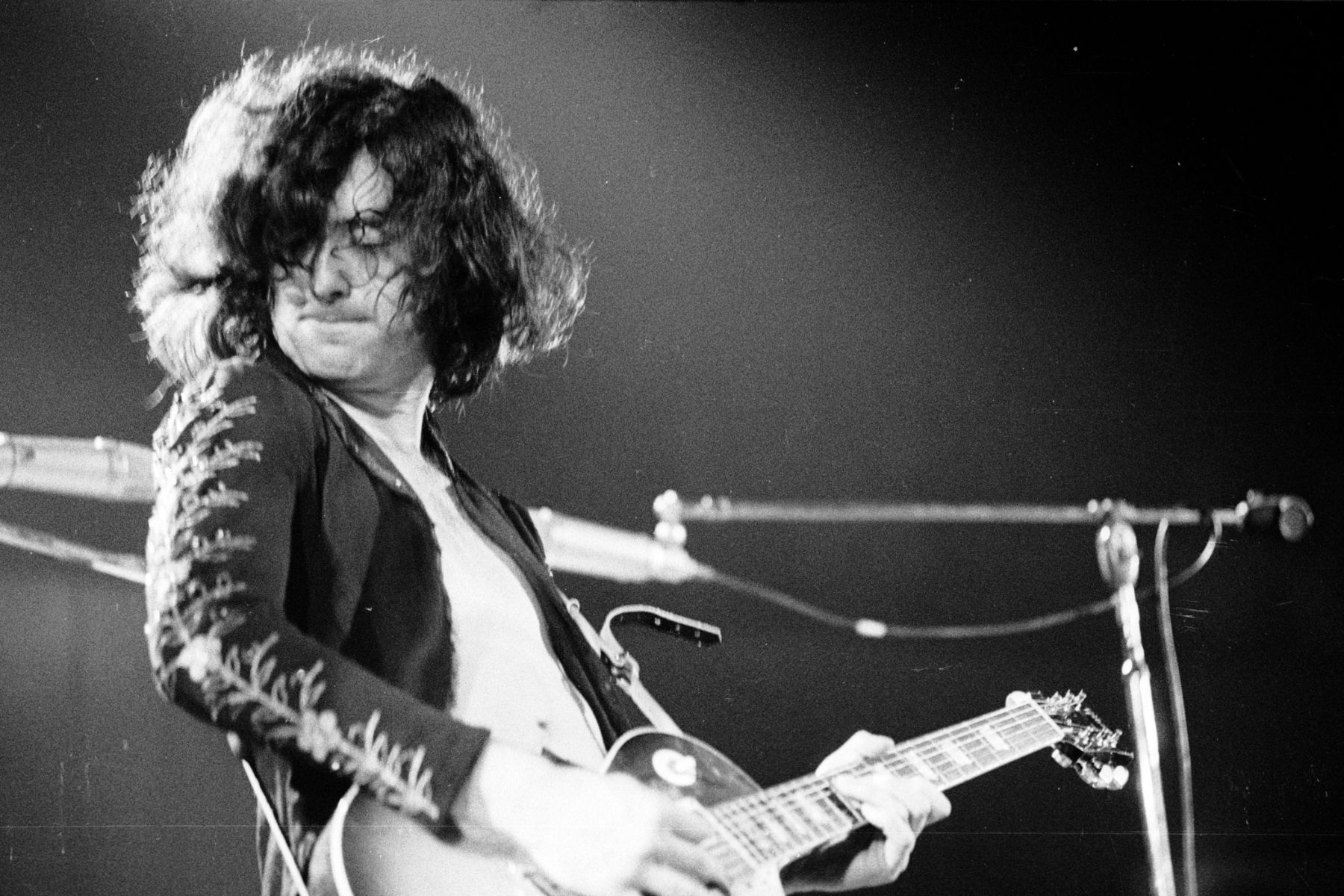
It is the most famous song in the history of rock for a reason. Stairway to Heaven is a masterclass in musical architecture, beginning as a fragile folk meditation with acoustic guitar, gentle recorders and Robert Plant’s enigmatic lyrics, before gradually gathering momentum through shimmering 12-string guitars, subtle bass and, at last, John Bonham’s thunderous drums halfway through. Every new section feels inevitable, yet somehow surprising, drawing the listener ever higher towards an unforgettable climax.
Jimmy Page’s solo is widely regarded as one of rock’s greatest: lyrical rather than flashy, unfolding like a story rather than a display of technique, before giving way to Plant’s soaring final vocal. The song’s cryptic imagery has inspired decades of debate, from earnest attempts to decode its symbolism to bizarre myths about hidden backward messages, only deepening its aura of mystery.
Remarkably, despite never being released as a UK single, Stairway to Heaven became a cultural phenomenon through album sales and FM radio, eventually turning into the defining centrepiece of Led Zeppelin’s live shows. It has been played, analysed and imitated almost beyond measure, yet its sense of grandeur and quiet magic remains undiminished. Few songs have ever felt so timeless – or so monumental.
Pics Getty Images