Few moments in music are as intriguing as when an artist who has reached the top decides they've had enough.
After conquering the charts, winning over millions of fans or earning the admiration of their peers, some musicians have turned their backs on fame, retreating from the spotlight with little explanation and no apparent desire to return.
The reasons vary. Syd Barrett's departure from Pink Floyd was bound up with personal struggles, while Cat Stevens renounced pop superstardom after a profound spiritual awakening. Others, from Bobbie Gentry to Mark Hollis, chose private lives over the relentless demands of the music business. Some continued making music on their own terms; others left their former careers behind almost entirely.
What unites them is the decision to step away from the public life their success had brought them. These are 11 remarkable stories of musicians who reached extraordinary heights, then chose a different path – leaving fans to wonder what might have happened if they'd stayed.
1. Syd Barrett
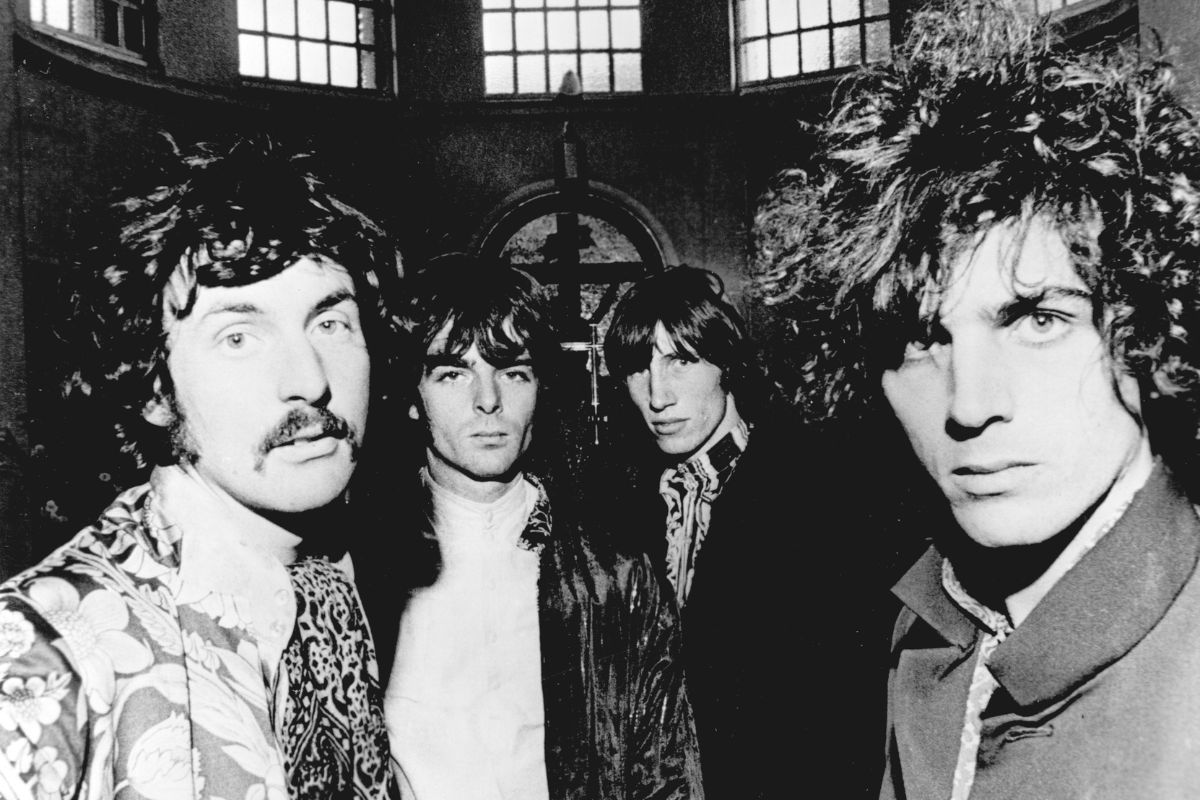
Sudden and monumental departures don't come much bigger than this one. A founding member of Pink Floyd, Syd Barrett was the band's original frontman and primary songwriter, known for his whimsical style of psychedelia and stream-of-consciousness writing. However, by 1968, his behaviour became increasingly erratic, reportedly due to heavy use of psychedelic drugs and possible underlying mental health issues.
This led to his departure from the band, replaced by his old Cambridge mate David Gilmour. Barrett's brief solo career included the albums The Madcap Laughs and Barrett, but by 1972, he had withdrawn from the public eye entirely. He retreated to Cambridge, where he lived a reclusive life, focusing on painting and avoiding the music industry. Barrett's sudden exit and subsequent retreat into obscurity have contributed to his enduring legacy as a tragic figure in rock history.
2. Cat Stevens
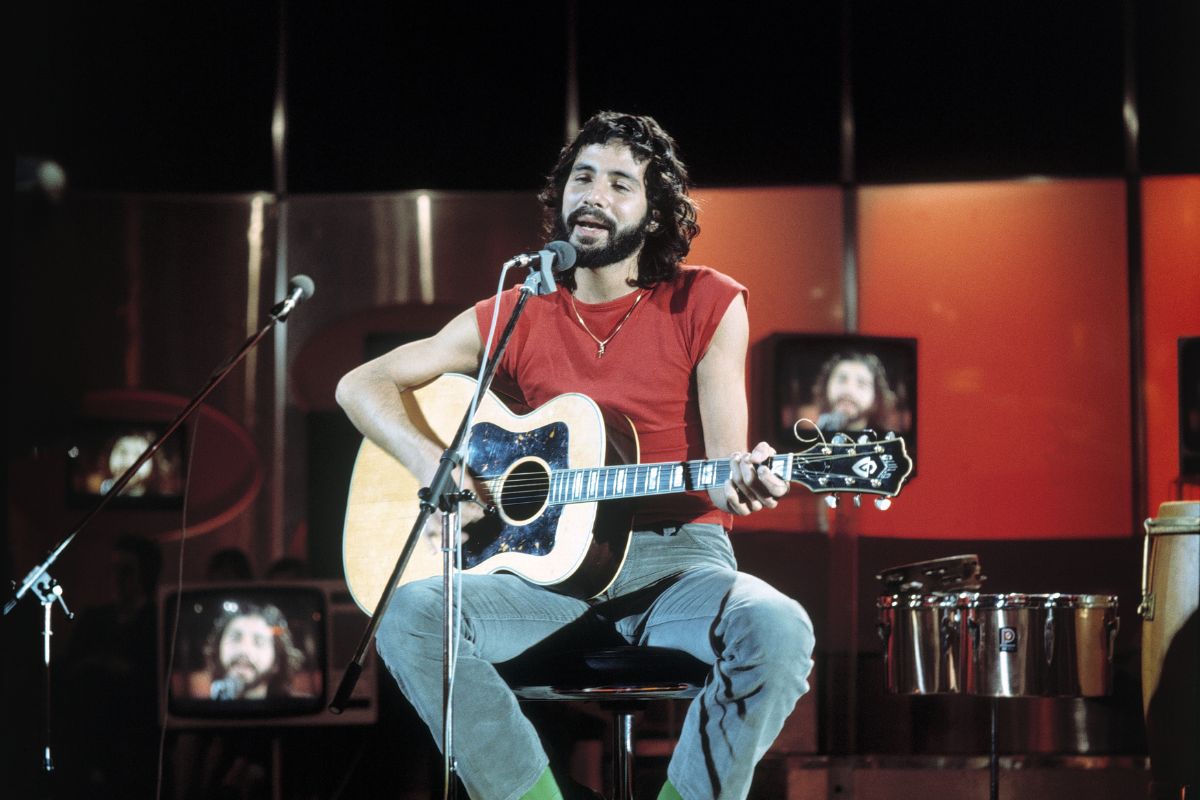
After achieving international fame with hits like 'Father and Son' and 'Peace Train', Stevens experienced a series of life-changing events, including a near-drowning incident in 1976, which led to a profound spiritual awakening. In 1977, he converted to Islam, changed his name to Yusuf Islam, and retired from the music industry, focusing instead on religious and philanthropic endeavours.
This sudden departure puzzled fans and the media, as Stevens not only stopped performing but also distanced himself from his past musical work. His hiatus lasted nearly three decades, during which he dedicated himself to education and humanitarian causes. In 2006, Stevens returned to music with the album An Other Cup, marking a significant shift in his artistic and personal journey.
3. Peter Green (Fleetwood Mac)
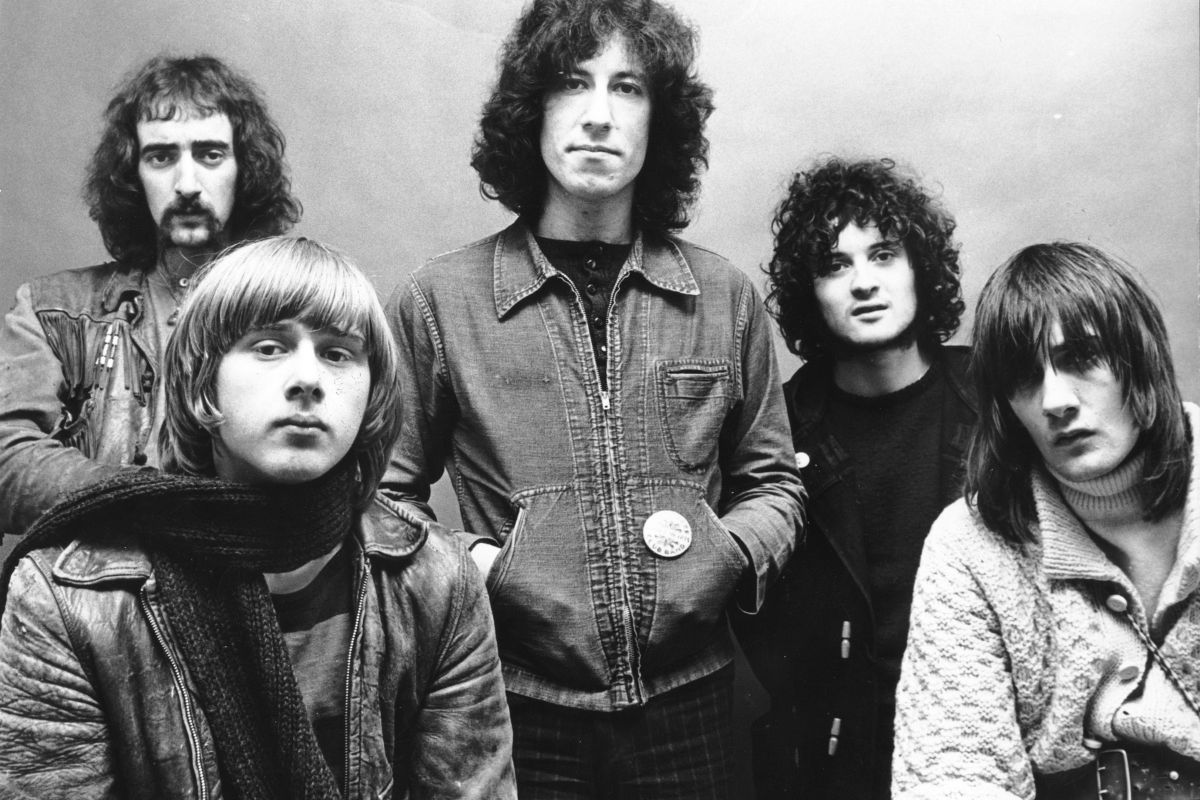
By the late 1960s, Peter Green had cemented his reputation as one of Britain’s finest blues guitarists, penning classics like 'Albatross' (which you know, even if you don't know it - listen below) and 'Black Magic Woman'. Yet in 1970, just as Fleetwood Mac were gaining international attention, Green departed suddenly, citing mental health struggles exacerbated by drug use and spiritual disillusionment.
He largely withdrew from the public eye for decades, performing sporadically and rarely recording, leaving fans and fellow musicians stunned by his absence. His brief but brilliant career has since attained near-mythic status, with his emotive playing and songwriting continuing to influence blues and rock guitarists worldwide, demonstrating that sometimes genius shines brightest when it blazes briefly.
4. Bill Withers
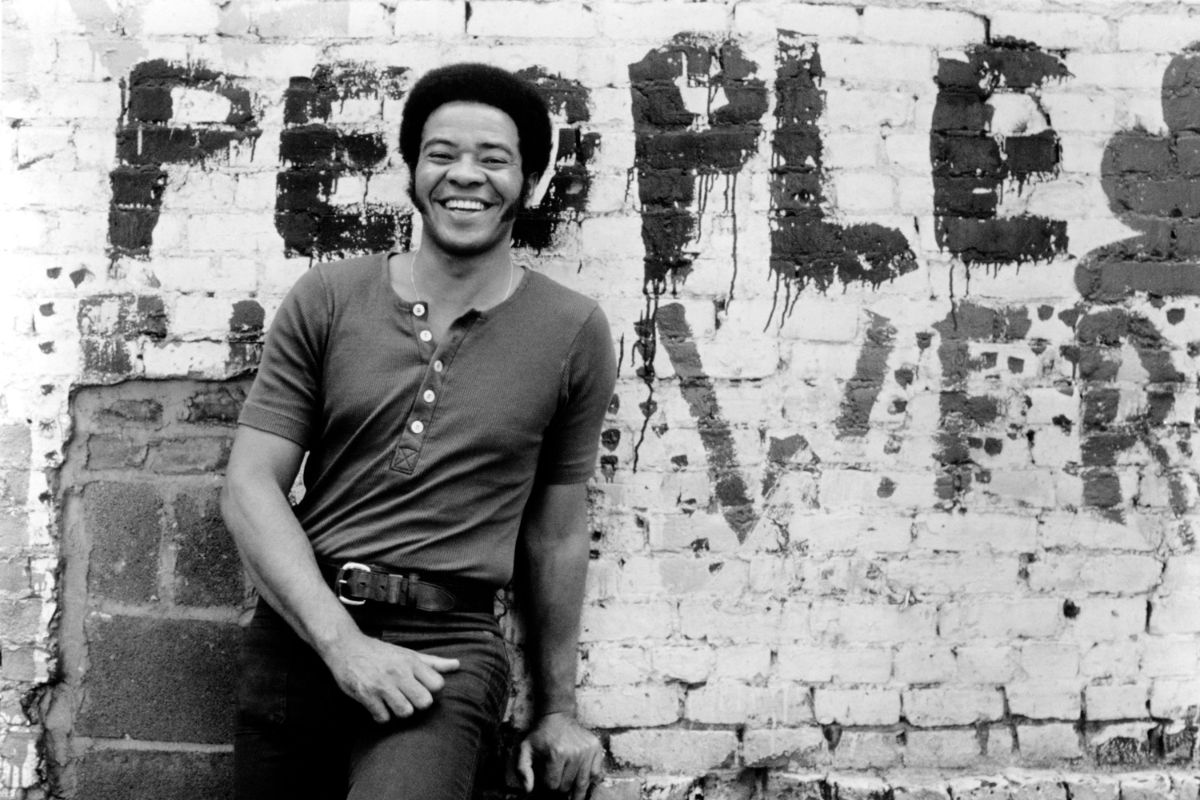
By the mid-1970s, Bill Withers had become a soul and R&B icon, penning timeless classics such as 'Ain’t No Sunshine', 'Lean on Me' and 'Use Me'. Yet at the peak of his career, he quietly stepped away from the industry, frustrated by the music business’s demands and politics.
Withers recorded only a handful of albums after the late 1970s, rarely touring or promoting new material, and largely vanished from public life. The emotional directness, warmth, and humanity of his songs continue to resonate, proving that even a relatively brief recording career can leave an enduring, transformative mark on popular music.
5. Bobbie Gentry
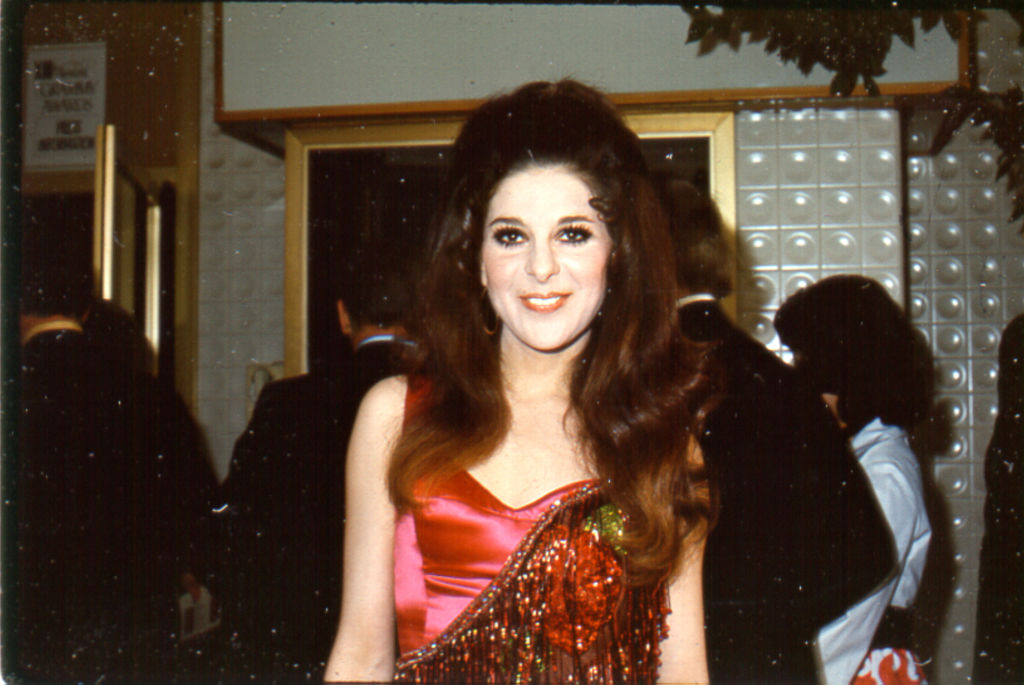
The Southern Gothic 'Ode to Billie Joe' was one of the biggest hits of 1967, making Mississippi's Bobbie Gentry an international star. She followed it with a string of acclaimed albums, television appearances and successful Las Vegas shows, establishing herself as far more than a one-hit wonder. Then, at the turn of the 1980s, she simply stopped performing.
Gentry's final public appearance came in 1982, and she has neither recorded nor performed publicly since. There was no dramatic farewell, no explanation and no comeback tour – just an extraordinarily successful artist slipping quietly out of sight. Gentry’s disappearance remains one of popular music’s most intriguing mysteries.
6. Lauryn Hill
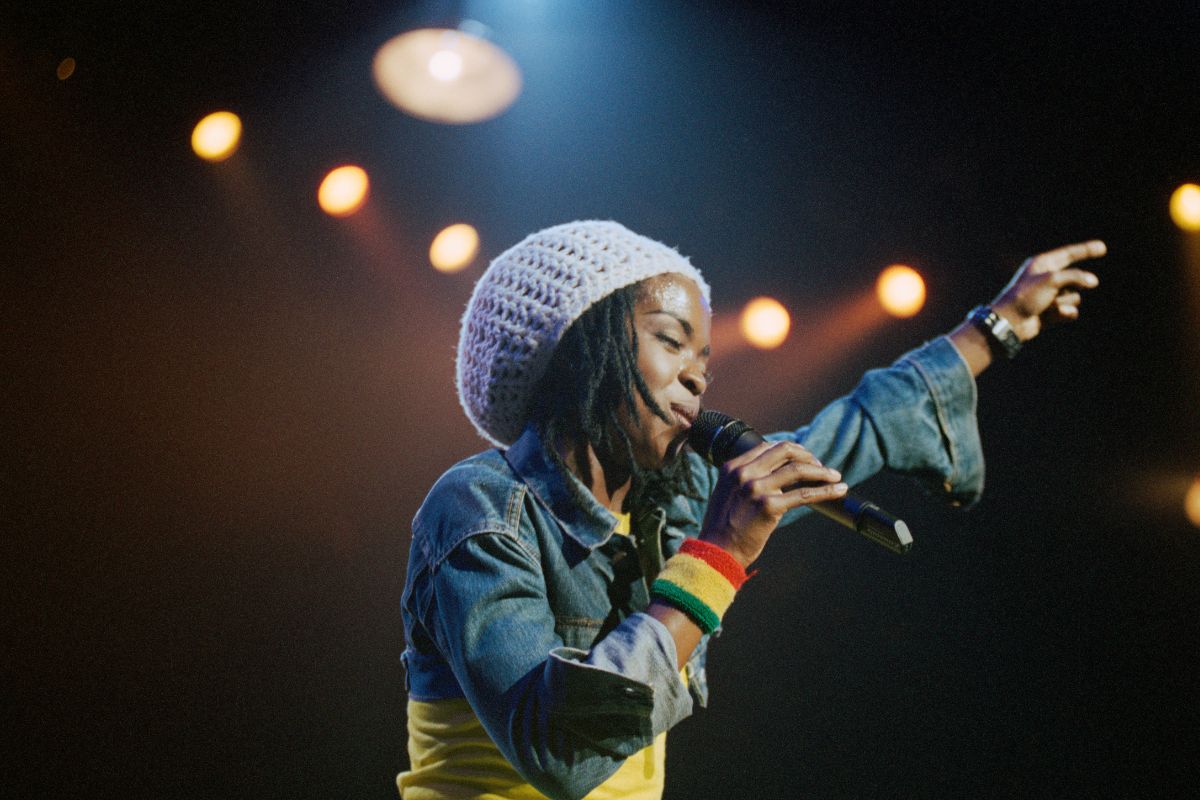
At the height of her fame, after the monumental success of The Miseducation of Lauryn Hill (1998), Lauryn Hill stunned the world by retreating almost entirely from music. Critics hailed her as a genius, fans adored her, and her influence stretched across hip-hop, R&B, and soul.
Then she vanished from the public eye, cancelling tours and refusing to record. The shock was seismic: a cultural icon, barely 23, walking away from a career that seemed limitless. Her absence only deepened her mystique, cementing her as a figure of both reverence and tragic “what might have been.”
Why? Hill cited immense pressure, exhaustion, and a sense of being exploited by the music industry. The constant demands of fame, touring, and recording left her feeling creatively and spiritually drained. In interviews, she framed her retreat as a need for personal and artistic authenticity, choosing her family, faith, and inner peace over commercial success. She also expressed disillusionment with the industry’s priorities, emphasizing that the environment around her often stifled genuine expression.
7. Grace Slick (Jefferson Airplane)
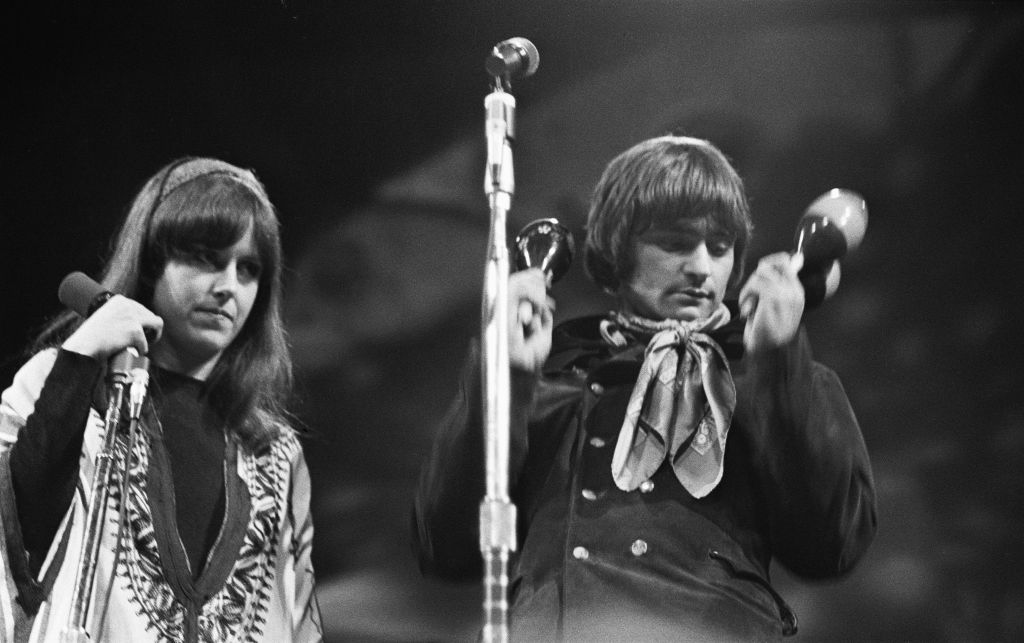
As the unmistakable voice of Jefferson Airplane, Grace Slick helped define psychedelic rock with songs such as 'White Rabbit' and 'Somebody to Love'. She later enjoyed further chart success with Jefferson Starship and Starship, but by the late 1980s she had decided she'd had enough. After Jefferson Airplane’s reunion tour in 1989, she retired from rock performance and turned to painting.
Her explanation was wonderfully blunt: she believed rock was a young person’s game, declaring that rock stars over 50 looked stupid and should retire. Slick had no interest in pretending to be young forever – or carrying on singing songs she no longer believed in.
8. Mark Hollis (Talk Talk)
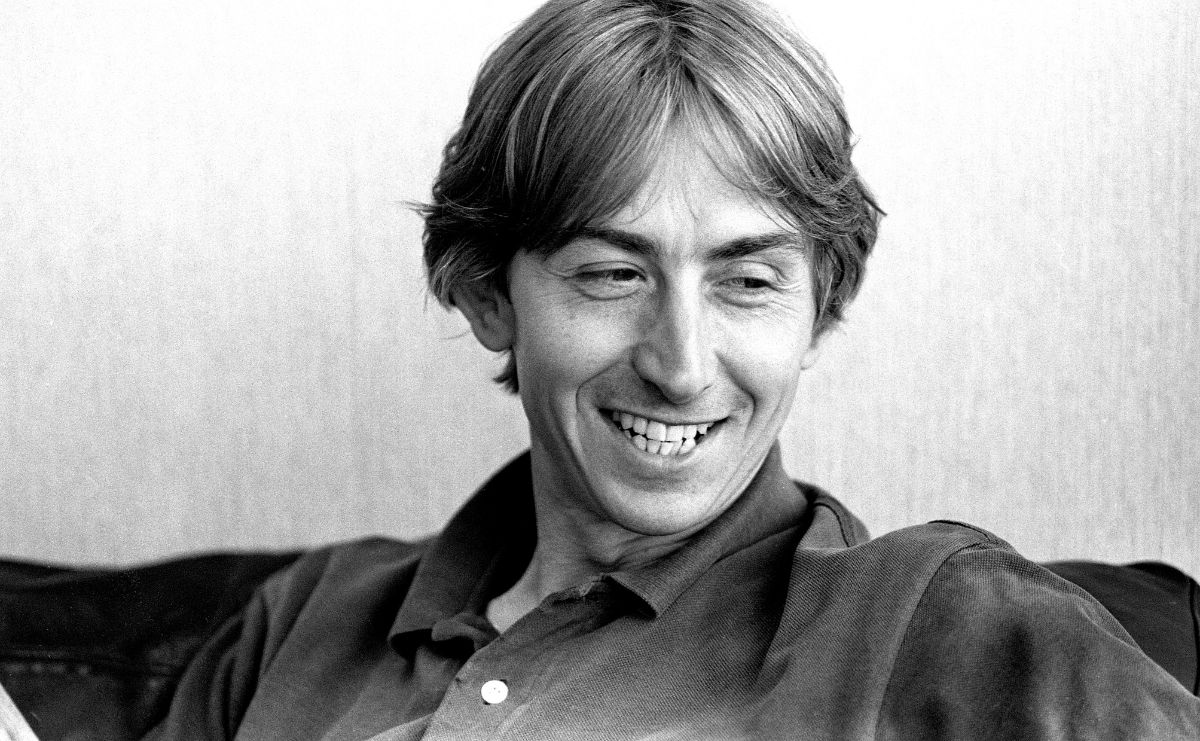
Talk Talk began the 1980s as synth-pop hitmakers, but Mark Hollis gradually steered the band towards something far more adventurous. Albums such as Spirit of Eden and Laughing Stock abandoned commercial convention in favour of hushed, atmospheric and unpredictable music, earning the group a formidable artistic legacy.
After Talk Talk split, Hollis released one solo album in 1998, then largely withdrew from music altogether. His reasoning was less about disillusionment than priorities: he wanted to be present for his family, and felt he couldn't tour while being the father he wanted to be. Hollis chose private life over the demands of a career, leaving behind a small but extraordinary body of work.
9. Scott Walker
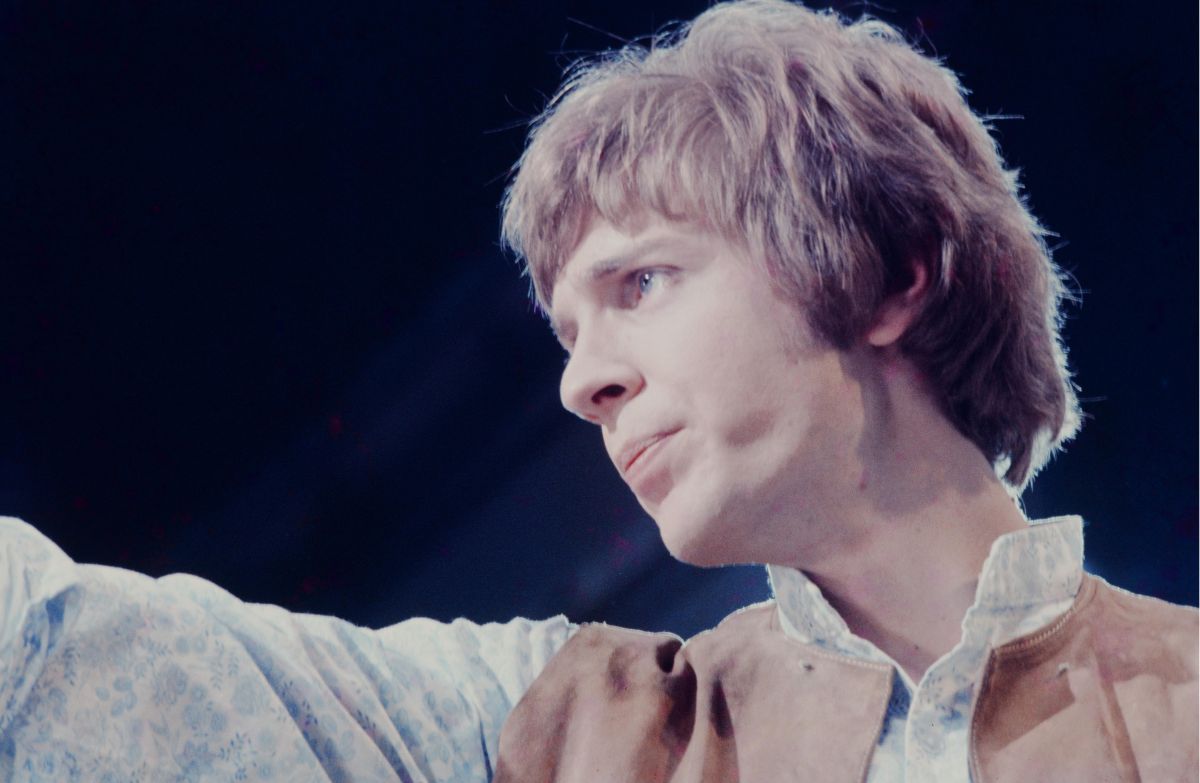
Before he became one of music's most enigmatic cult figures, Scott Walker was a bona fide teen idol. As the frontman of The Walker Brothers, he enjoyed a level of fame in 1960s Britain comparable to Beatlemania, with hits including 'The Sun Ain't Gonna Shine Anymore' making him one of the era's biggest stars. Yet Walker soon became uncomfortable with celebrity and increasingly drawn towards more challenging artistic pursuits.
His solo albums moved steadily away from chart-friendly pop and into darker, more experimental territory. Although he continued recording intermittently, Walker spent much of his later career avoiding the spotlight, granting few interviews and cultivating an almost monastic distance from modern celebrity culture.
Albums such as Tilt, The Drift and Bish Bosch turned him into a hero for adventurous musicians while distancing him further from mainstream audiences. Rather than chasing fame, Walker spent decades dismantling it, exchanging superstardom for artistic freedom and leaving behind one of popular music's most fascinating reinventions.
10. John Deacon (Queen)
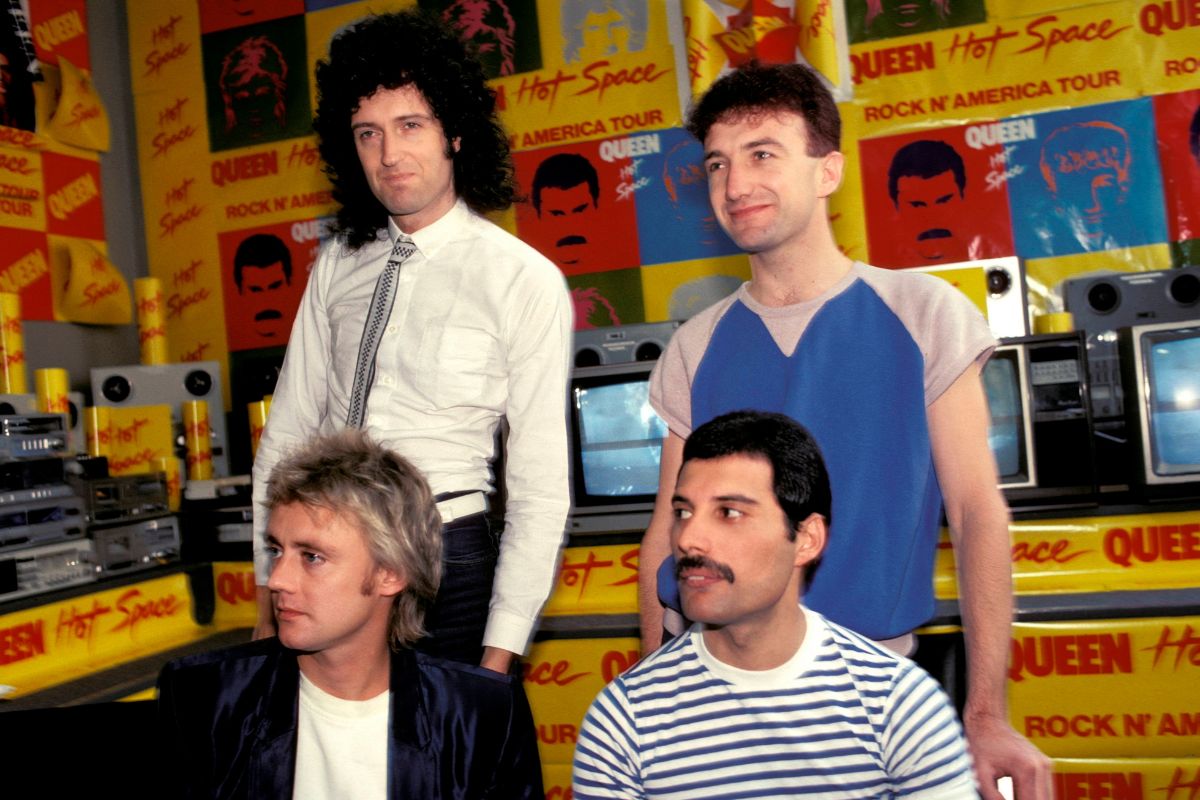
As Queen's quietly brilliant bass player, John Deacon helped write some of the band's most enduring hits, including 'Another One Bites the Dust', 'I Want To Break Free' and 'You're My Best Friend'. While Freddie Mercury, Brian May and Roger Taylor became larger-than-life public figures, Deacon remained famously reserved, preferring to let his music do the talking.
After Mercury's death in 1991, Deacon gradually withdrew from the music industry. Although he participated in the Freddie Mercury Tribute Concert and contributed to a handful of posthumous Queen projects, by the late 1990s he had effectively retired. Unlike many rock stars who announce farewell tours and carefully stage-manage their exits, Deacon simply disappeared from public life.
He rarely gives interviews, avoids public appearances and has steadfastly resisted attempts to lure him back onto the stage. For Queen fans, his retreat remains one of rock's most remarkable acts of quiet self-erasure: a musician who achieved almost everything imaginable, then chose a private life over perpetual celebrity.
11. Kate Bush
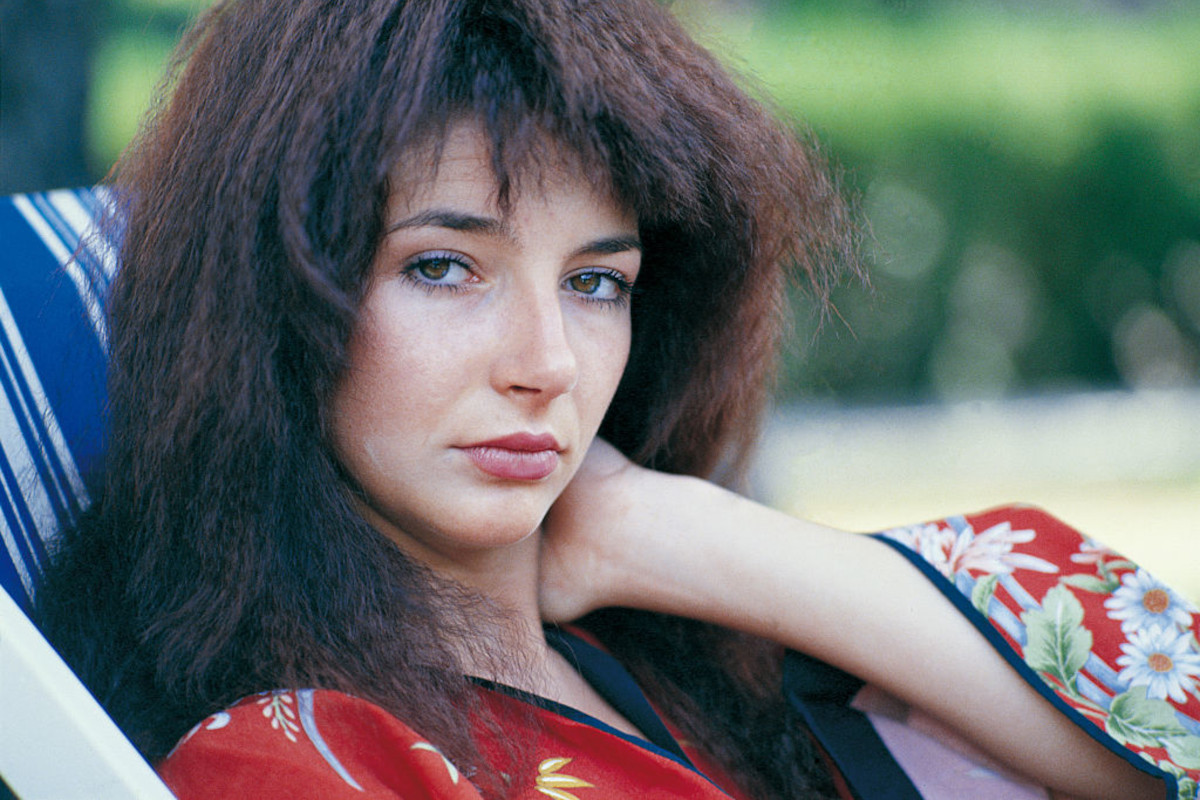
OK, a somewhat nuanced entry. Kate Bush was one of Britain's biggest pop stars, scoring a No. 1 hit with 'Wuthering Heights' at just 19 and going on to make Hounds of Love, one of the defining albums of the 1980s. Yet after her elaborate 1979 tour, she largely withdrew from live performance, concentrating instead on writing, recording and producing music on her own terms.
Bush continued releasing albums, but kept a remarkably low public profile, prioritising her creative work and family over the demands of celebrity. She finally returned to the stage in 2014, performing 22 sold-out shows in London – her first major run of concerts in 35 years. It wasn't a return to the touring circuit so much as a rare exception to her carefully guarded privacy. Bush hadn't abandoned music; she'd simply chosen to experience success on her own terms, away from the relentless glare of the spotlight.
Pics Getty Images