
In 1966, The Lovin’ Spoonful took the US charts to No. 1 with ‘Summer in the City’, a sweaty, swaggering portrait of urban summer.
Forty-five years later, LMFAO’s ‘Party Rock Anthem’ reached the same spot, propelled by synthesizers, club beats and an entirely different kind of dance craze. In between came some of the biggest songs in popular music: soul anthems, disco smashes, power ballads, pop spectacles, R&B blockbusters and the first wave of digital-era dance music.
So what happened to pop in those 45 years? We’ve picked a US No. 1 single from every five-year interval, beginning in 1966 and ending in 2011. The result is a kind of musical time machine: ten songs that, taken together, reveal just how dramatically the sound of the mainstream changed.
10 years ago: Sia – ‘Cheap Thrills’ (2016)
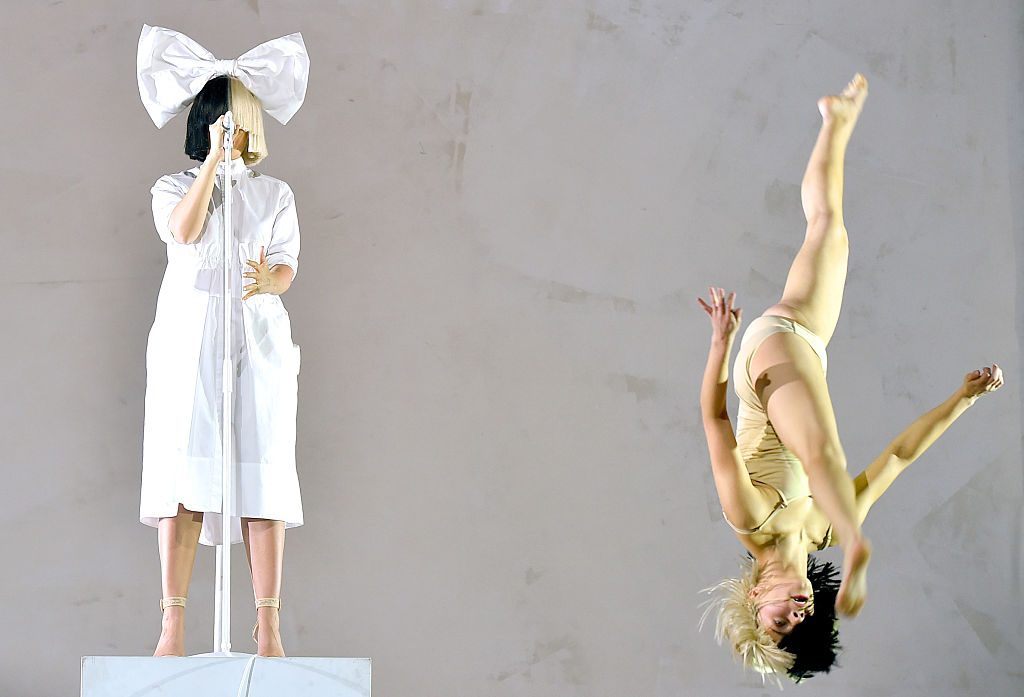
Sia finally reached the top of the US charts as a lead artist with ‘Cheap Thrills’, a deceptively simple dance-pop anthem originally written for Rihanna. Released on Sia’s album This Is Acting, the song became a huge late-summer hit in 2016, helped by its irresistible reggae-inflected rhythm and instantly recognisable chorus.
It reached No. 1 on the Billboard Hot 100 in August and stayed there for four weeks, eventually becoming Sia’s first US No. 1 as a performer. It replaced Drake’s ‘One Dance’ at the top and was itself displaced by The Chainsmokers and Halsey’s ‘Closer’. The success was particularly remarkable given that Sia had spent much of her career deliberately avoiding the spotlight: by 2016, she was one of pop’s biggest stars while remaining almost completely hidden behind her trademark wig.
15 years ago: LMFAO ft. Lauren Bennett & GoonRock – ‘Party Rock Anthem’ (2011)
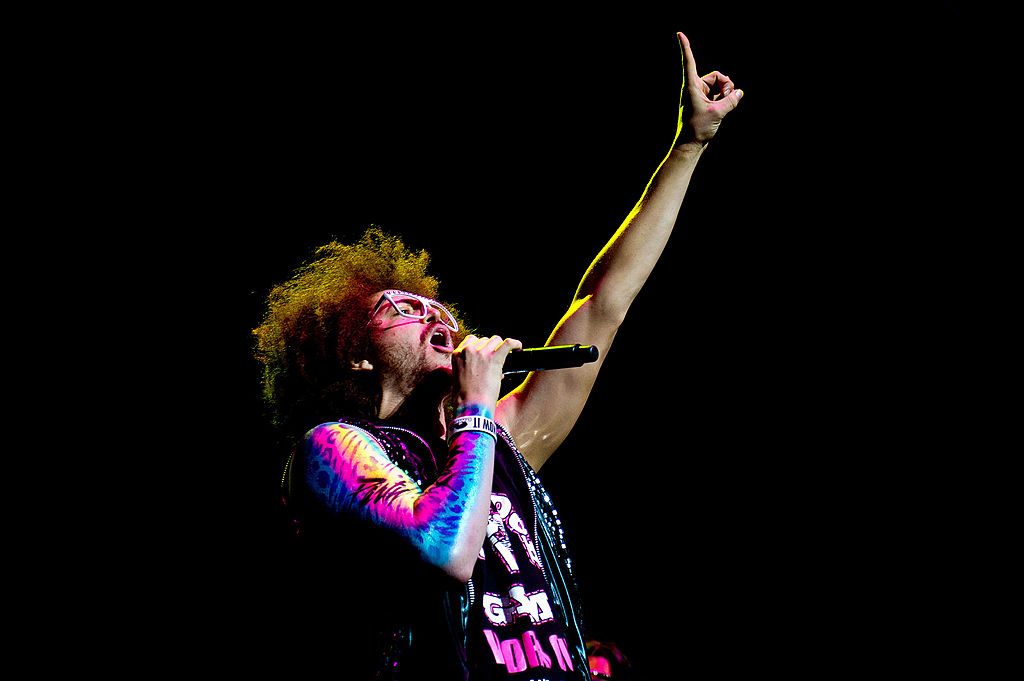
Few songs better captured the anything-goes exuberance of early-2010s dance-pop. 'Party Rock Anthem' turned LMFAO’s deliberately ridiculous party aesthetic into a global phenomenon, helped enormously by its infectious shuffle dance and hugely popular video.
It reached No. 1 on the Billboard Hot 100 in July 2011 and stayed there for six weeks, holding off hits including Pitbull’s 'Give Me Everything', which had occupied the summit immediately before it. The song ultimately became Billboard’s No. 2 single of 2011, behind Adele’s 'Rolling in the Deep', and remained in the Hot 100 top ten for a remarkable 29 weeks.
20 years ago: Fergie – ‘London Bridge’ (2006)
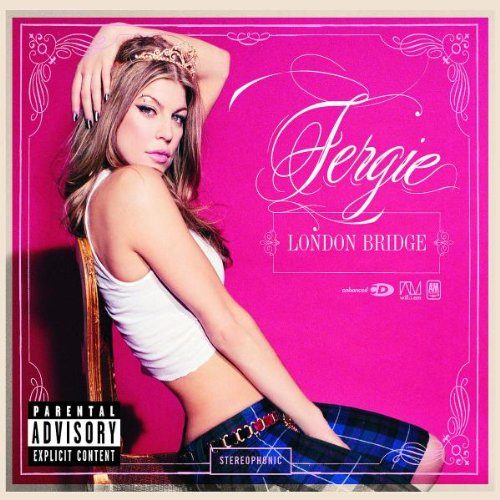
Fergie announced her arrival as a solo star with this brash, swaggering slice of mid-2000s pop-rap. Fresh from the phenomenal success of the Black Eyed Peas, she proved she could command the charts alone: 'London Bridge' reached No. 1 on the Billboard Hot 100 in August 2006 and stayed there for three weeks.
It replaced Nelly Furtado’s 'Promiscuous' at the top, then held off Justin Timberlake’s 'SexyBack' before finally being dethroned by it. The success launched Fergie’s solo career in spectacular fashion, paving the way for The Dutchess, which would produce another three US No. 1s.
25 years ago: Destiny’s Child – ‘Bootylicious’ (2001)
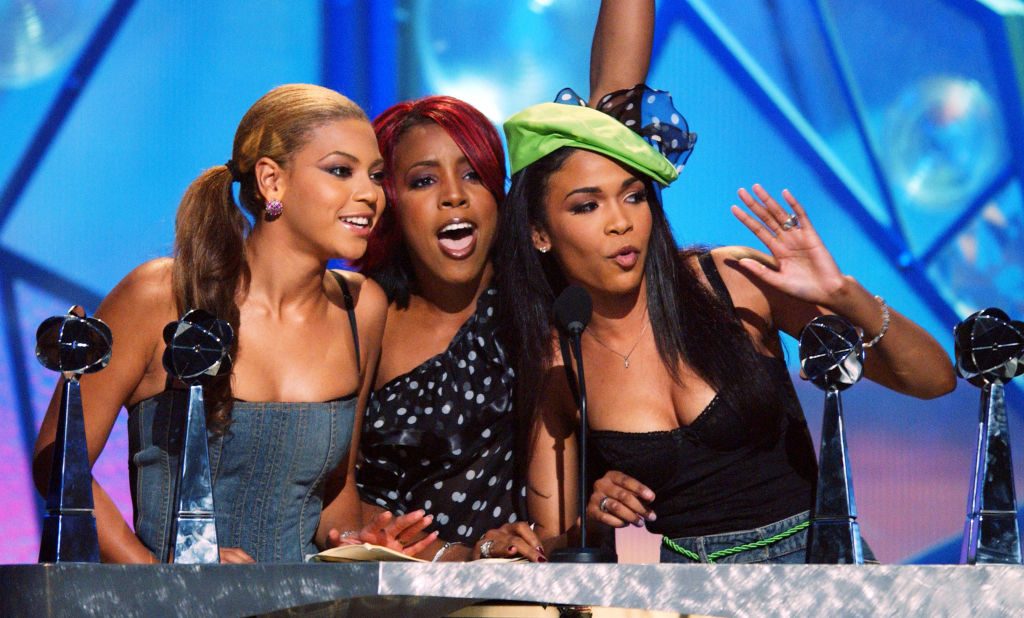
By 2001, Destiny’s Child had become one of the biggest groups in pop, and 'Bootylicious' was a particularly knowing example of their formula: R&B vocals, a swaggering groove and a hook designed to lodge permanently in the brain. The song famously borrowed the guitar riff from Stevie Nicks’ 'Edge of Seventeen', turning it into a futuristic-sounding pop hit.
It shot from No. 7 to No. 1 on the Billboard Hot 100 in August 2001 and spent two weeks at the top, becoming Destiny’s Child’s fourth US No. 1 in just two years. It was followed at No. 1 by Alicia Keys’ 'Fallin’'.
30 years ago: Los Del Río – ‘Macarena (Bayside Boys Mix)’ (1996)
Few No. 1s have been as inescapable – or as unlikely – as this Spanish dance phenomenon. Los del Río had originally recorded 'Macarena' in 1993, but the Bayside Boys’ remix added English-language vocals and a club-friendly beat, transforming it into a global craze.
In the US it spent an astonishing 14 weeks at No. 1, from August into November 1996, eventually becoming Billboard’s No. 1 song of the entire year. It had already been on the Hot 100 for months before reaching the summit and remained there for 60 weeks in total. Remarkably, its final week at No. 1 came on its 46th week on the chart.
35 years ago: Bryan Adams – ‘(Everything I Do) I Do It for You’ (1991)
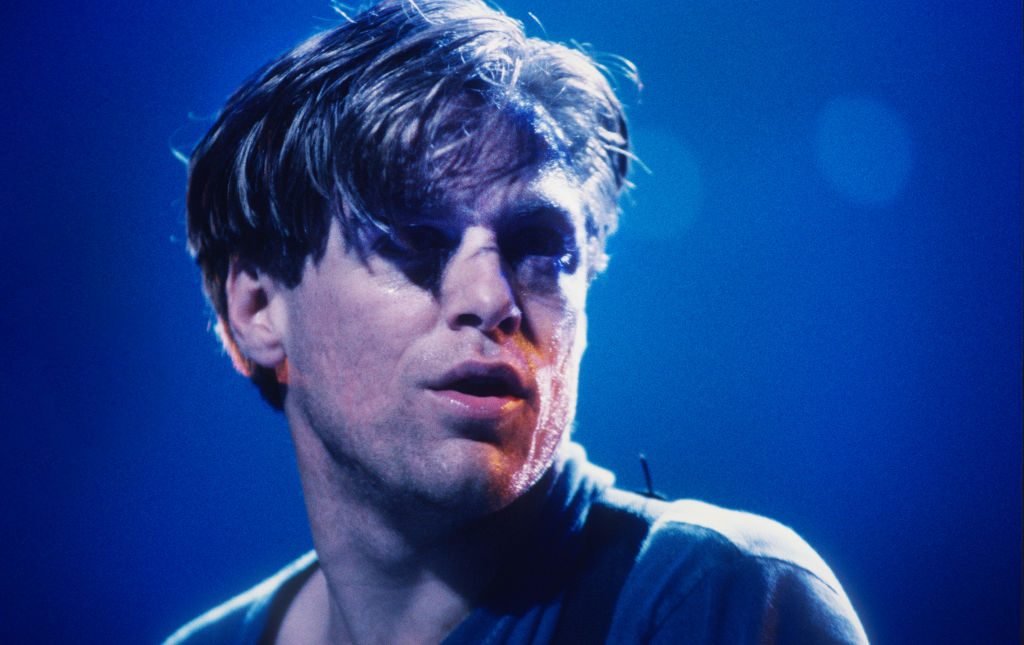
The ultimate 1991 power ballad, Bryan Adams’ contribution to Robin Hood: Prince of Thieves became vastly bigger than the film itself. Its sweeping strings, deliberately simple melody and huge emotional payoff turned it into one of the defining hits of the early 1990s.
In America it spent seven consecutive weeks at No. 1, making it the longest-running US chart-topper of 1991 and the year's No. 1 Billboard single. It was finally displaced by Paula Abdul’s 'The Promise of a New Day'. The UK run was even more extraordinary: 16 consecutive weeks at No. 1, then a record for the British chart.
40 years ago: Madonna – ‘Papa Don’t Preach’ (1986)
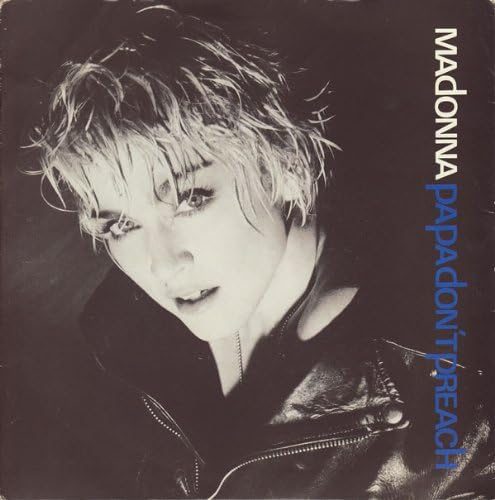
Madonna was already one of the biggest stars in the world when 'Papa Don’t Preach' arrived, but its controversial teenage-pregnancy storyline gave her another talking point beyond the music. The combination of baroque strings, dance-pop production and Madonna’s increasingly assertive image made it an enormous summer hit.
It reached No. 1 on the Billboard Hot 100 on 16 August 1986 – Madonna’s 28th birthday – and stayed there for two weeks. It was her fourth US chart-topper and followed 'Live to Tell' to the summit, giving that year's album True Blue an extraordinarily strong start.
45 years ago: Diana Ross & Lionel Richie – ‘Endless Love’ (1981)
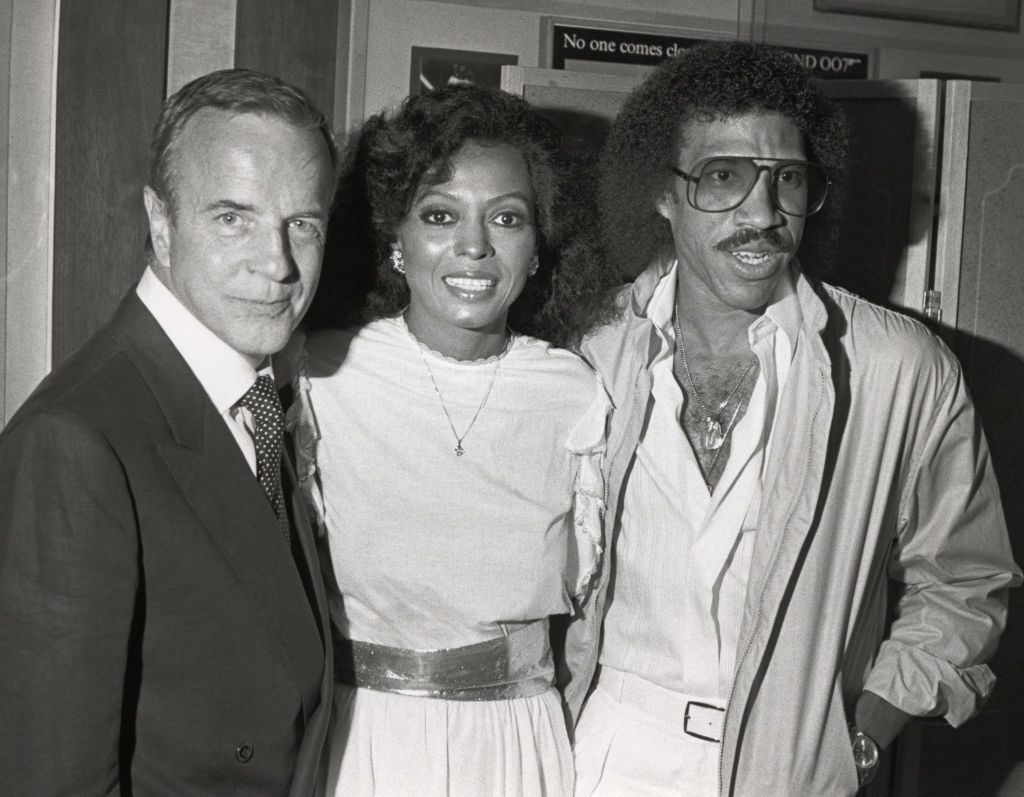
Two of Motown's biggest stars joined forces for the title song of the Brooke Shields movie Endless Love, producing one of the era's quintessential romantic duets. Lionel Richie wrote the song and produced it with James Anthony Carmichael, while Gene Page supplied the lush orchestral arrangement.
'Endless Love' reached No. 1 on the Billboard Hot 100 in August 1981 and stayed there for an extraordinary nine weeks, making it the second-biggest-selling US single of the entire year, behind Kim Carnes' 'Bette Davis Eyes'. It also topped Billboard's R&B and Adult Contemporary charts. For Diana Ross, it became the biggest-selling single of her career.
50 years ago: Elton John & Kiki Dee – ‘Don’t Go Breaking My Heart’ (1976)
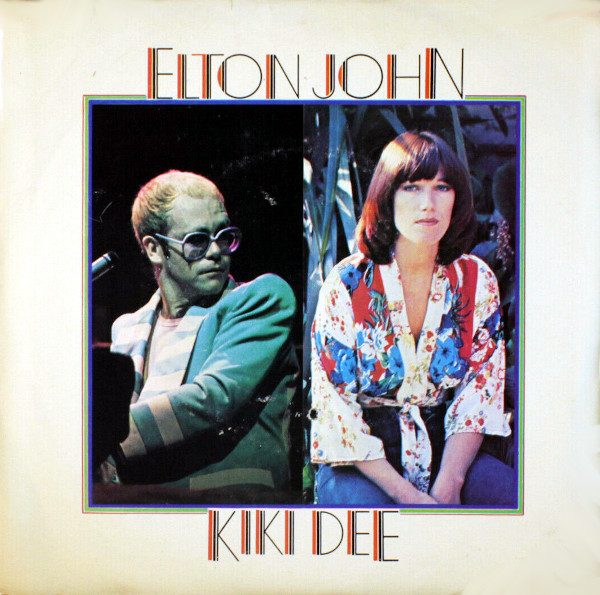
A wonderfully buoyant piece of 1970s pop, 'Don’t Go Breaking My Heart' paired Elton John with Kiki Dee for what sounded like an effortlessly spontaneous duet. In reality, it was meticulously constructed, with multiple vocal overdubs and a sizeable string section.
The gamble paid off spectacularly: it became Elton’s sixth US No. 1, spending four weeks atop the Billboard Hot 100. It also gave him his first British No. 1, where it stayed at the summit for an even more impressive six weeks. In America it was ultimately Billboard’s No. 2 song of 1976, behind only the year's biggest hit: Wings' 'Silly Love Songs'.
Bee Gees – ‘How Can You Mend a Broken Heart’ (1971)
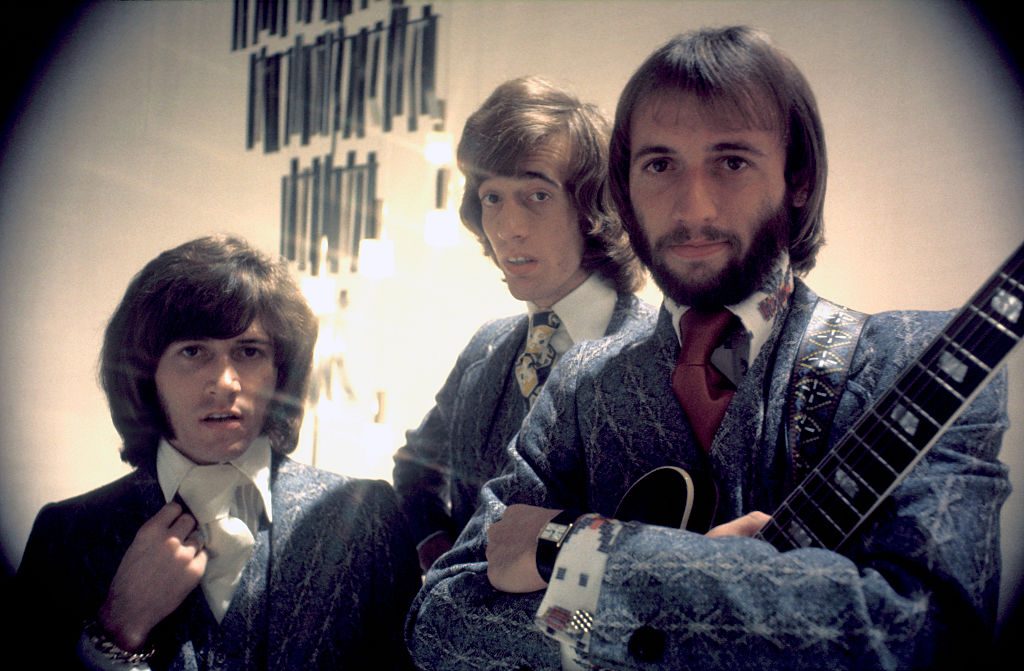
Before disco transformed their fortunes later in the decade, the Bee Gees were already capable of deeply soulful balladry. 'How Can You Mend a Broken Heart' was written by Barry and Robin Gibb and became their first US No. 1, reaching the summit in August 1971 and remaining there for four weeks.
It took the top spot from James Taylor's 'You've Got a Friend', and was itself replaced by Paul and Linda McCartney's 'Uncle Albert/Admiral Halsey'. Billboard ultimately ranked it No. 5 among the biggest US singles of 1971. Its success was especially significant because the Bee Gees had yet to become the global disco superstars they would be later in the decade.
The Lovin’ Spoonful – ‘Summer in the City’ (1966)
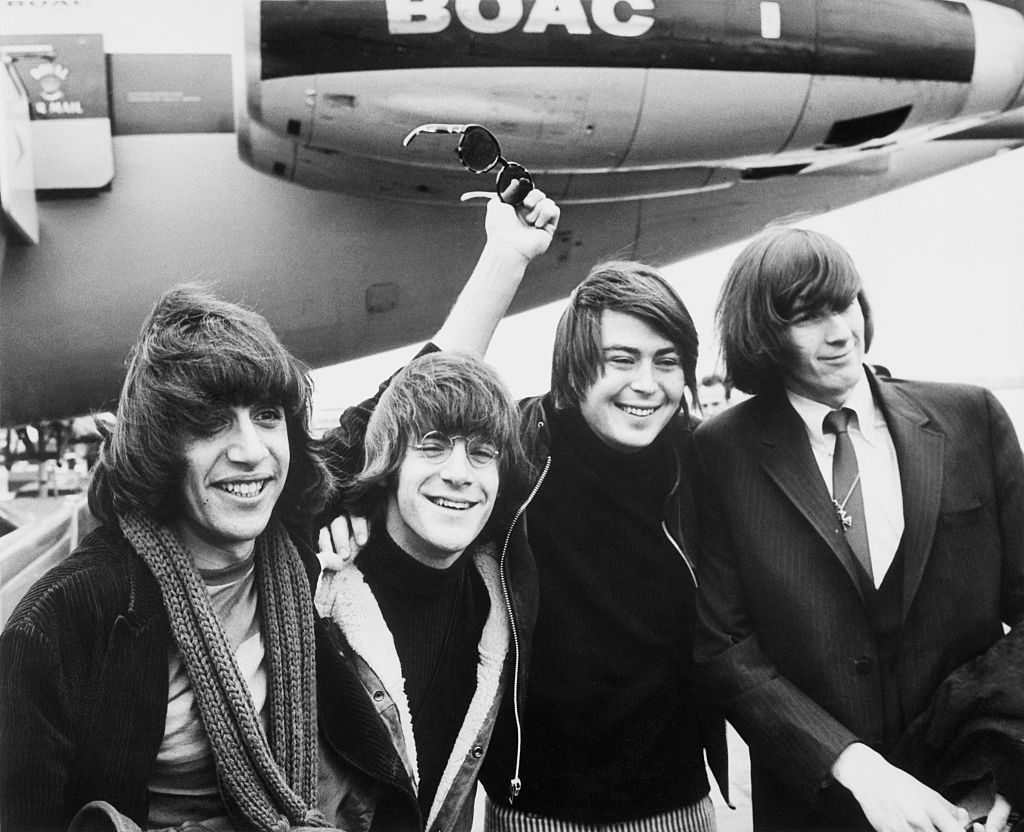
Few records captured a particular moment quite as vividly as 'Summer in the City'. The Lovin’ Spoonful transformed the supposedly carefree idea of summer into something sweaty, noisy and urban, complete with car horns, pneumatic-drill sounds and a pounding rhythm. Released in July 1966, it climbed rapidly and reached No. 1 on the Billboard Hot 100 in August, staying there for three weeks.
It was the Lovin’ Spoonful’s only US No. 1, although 'Daydream' and 'Did You Ever Have to Make Up Your Mind?' had both reached No. 2. It finally surrendered the top spot to Donovan’s 'Sunshine Superman'.
Pics Getty Images


