
Rock tours are supposed to spread the music. The most infamous ones somehow became much bigger than that.
They spawned riots and lawsuits, bankrupted bands, inspired mockumentaries, featured malfunctioning giant fruit, transported livestock across continents and occasionally seemed determined to destroy the very musicians at their centre. Yet these disasters, excesses and acts of glorious folly have become part of rock mythology, retold almost as often as the songs themselves.
Sometimes the music was transcendent; sometimes it was barely audible beneath the chaos. Either way, these are the tours that became legends for reasons their creators never quite intended.
1. Black Sabbath bring Stonehenge, 1983)
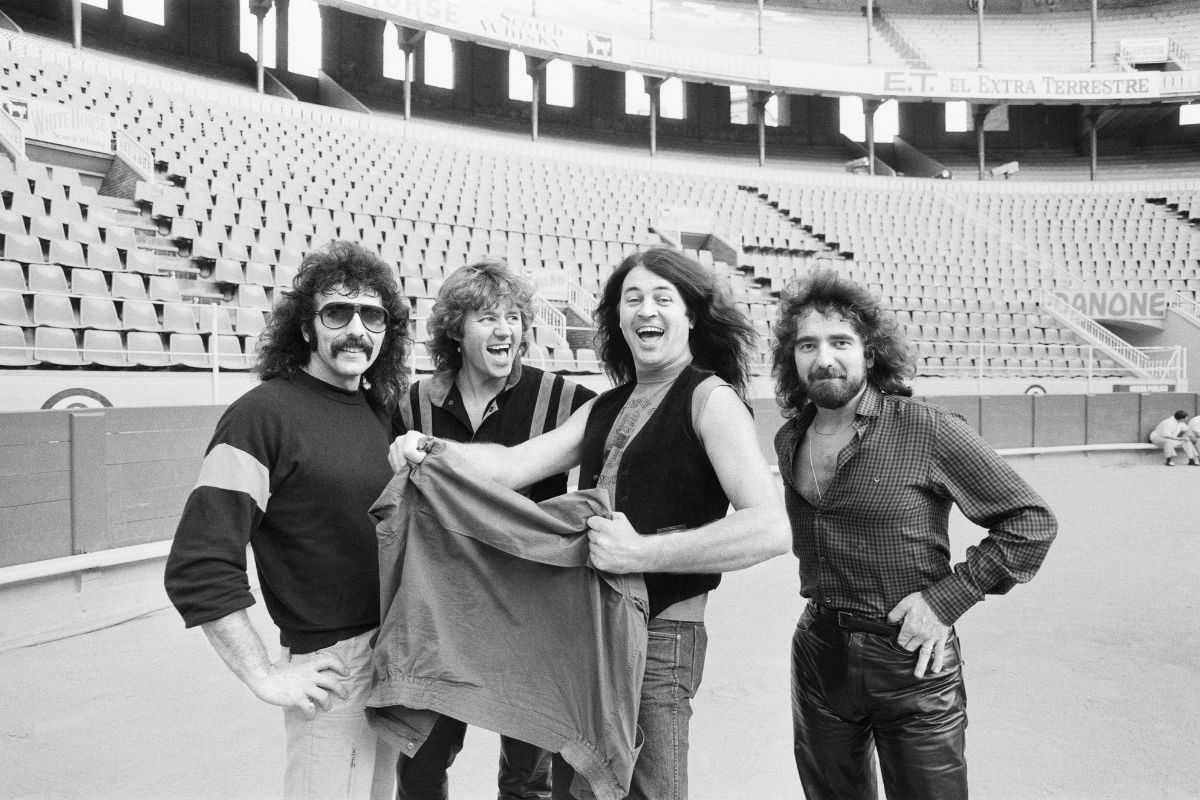
Notoriously, Black Sabbath guitarist Tony Iommi went down the pub with former Deep Purple singer Ian Gillan in 1983 after Ronnie James Dio left the band. The way Gillan tells it, he woke up the following morning with a) a sore head and b) in Sabbath. The subsequent album, Born Again, boasted one of the worst covers in the history of heavy metal.
But while it features on nobody’s list of the best Sabbath albums of all time, Born Again is by no means as bad as its reputation suggests and was, in fact, quite the commercial success. But the accompanying tour proved to be one of the most notorious in rock history. That was largely on account of the giant Stonehenge set, which famously failed to fit into many venues, but famously gave film director Rob Reiner an idea for This is Spinal Tap.
The story goes that bassist Geezer Butler sketched a Stonehenge backdrop on a napkin, giving measurements in feet. Here's the funny bit: the builders read Butler's specs in metres, not feet, and delivered a set of 30-ft, heavy-duty fibreglass monoliths. Aside from the massive construction bill, the band had to pay for a fleet of trucks to haul around 'rocks' that, mostly, ended up sitting in the parking lot outside the concert venues.
2. ZZ Top put a zoo on stage, 1975
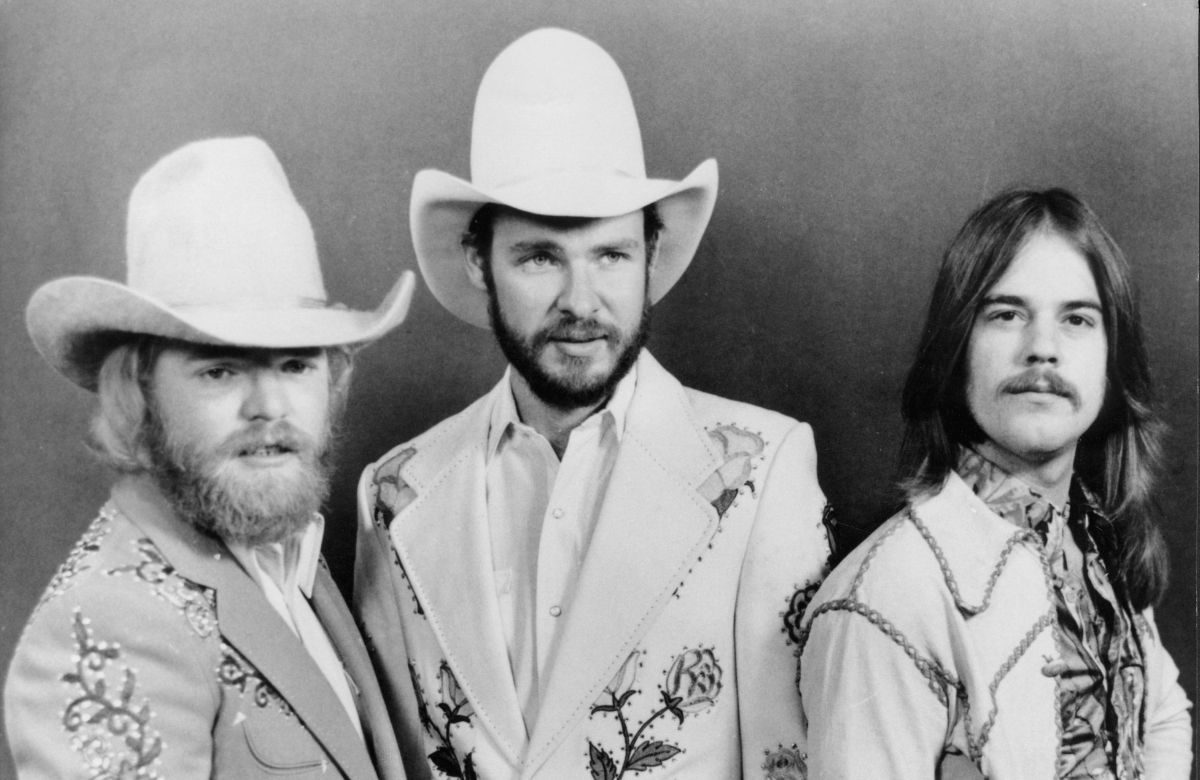
Two blokes with extravagant beards (Dusty Hill, Billy Gibbons) and one bloke without a beard, who was, quite brilliantly, named Frank Beard, ZZ Top were a great Texan boogie band who weren’t exactly noted for their visual appeal until 1983's Eliminator era - when the huge beards and shades came out. But to celebrate the release of their Fandango! album in 1975, the trio decided to bring a little bit of Texas to the rest of the US in the unlikely form of the Worldwide Texas Tour.
With support acts ranging from Lynyrd Skynyrd, Bob Seger and Aerosmith to Blue Oyster Cult, Styx and Foreigner, this was quite the hot ticket. But the main innovation was the band’s decision to introduce Texan flora and fauna to the nation in the form of a stage set that included a longhorn steer, a bison, two buzzards, a pair of rattlesnakes and plenty of authentic cacti and yucca plants.
This crazy endeavour cost a reported $100,000 and weighed 35 tons. Remarkably, no one seems to have been injured or eaten during the 97-date tour, which was judged to be a great success.
3. U2 get stuck inside a lemon, 1997
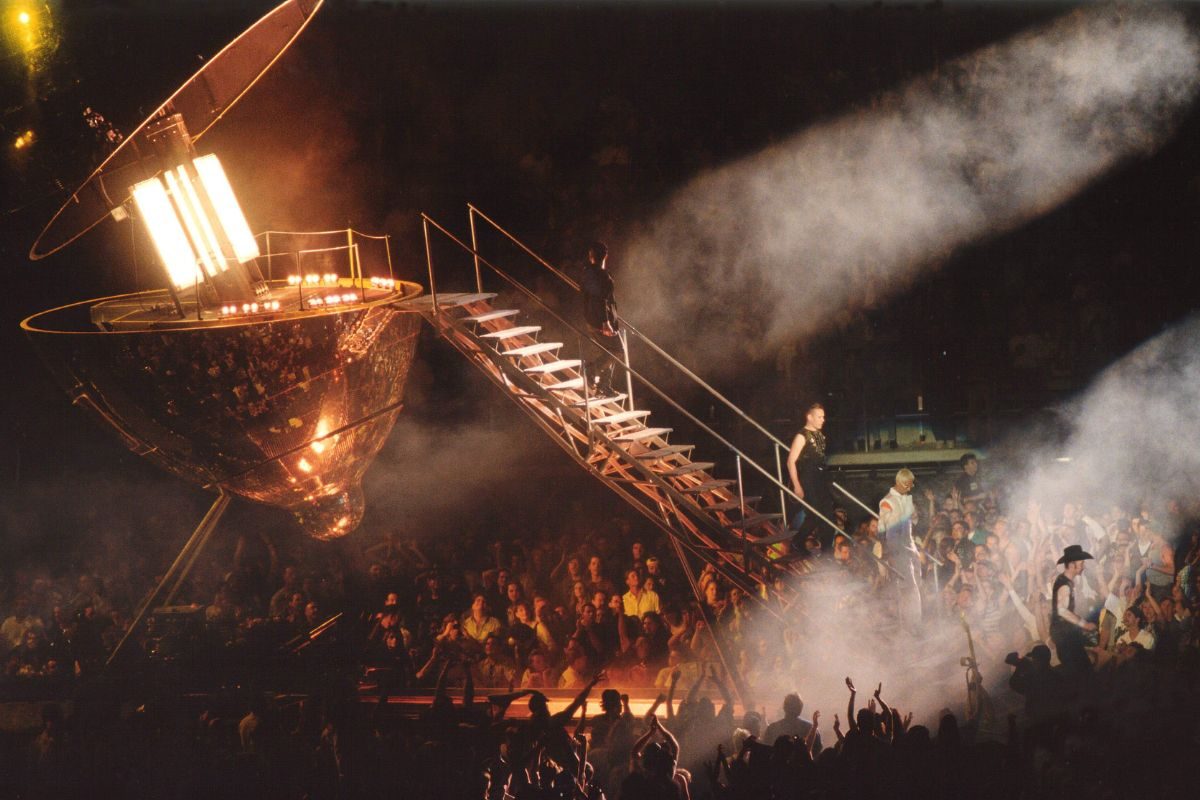
The PopMart Tour was U2’s most ambitious and most uneasy spectacle: a deliberate collision of irony, consumer culture, and stadium-scale technology. The band leaned hard into self-aware satire – giant LED screens, a towering golden arch, even a massive lemon-shaped mirrorball – but the message often got lost beneath malfunctioning gear and half-finished songs.
The aforementioned lemon came to symbolise the tour's overreach. The 40-foot, mirror-ball-encrusted citrus would lower from the stage, allowing the band to emerge for the encore. In both Oslo and Tokyo, however, the lemon’s hydraulics jammed. The band was trapped inside the citrus fruit for several minutes while roadies frantically tried to pry them out with crowbars.
4. ELP turn mad scientists (1973-74)
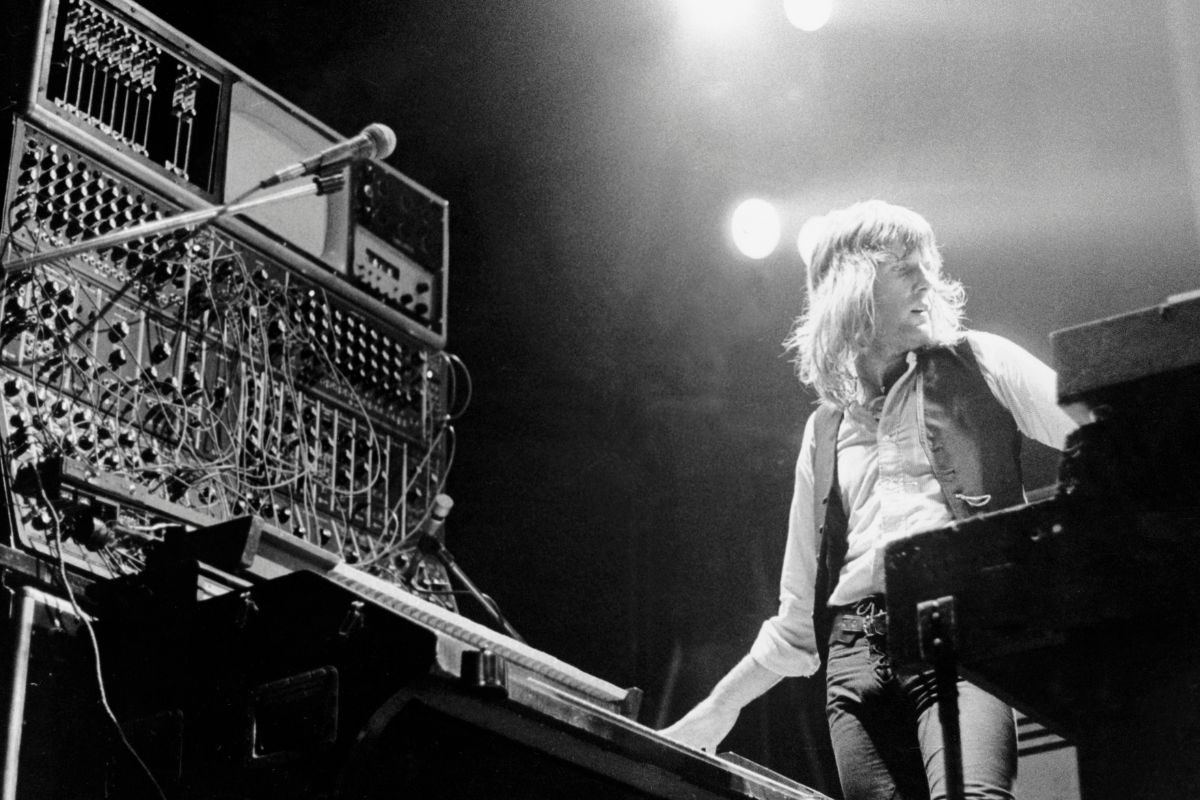
The Brain Salad Surgery tour was prog rock’s logistical nightmare and ultimate flex. Emerson, Lake & Palmer toured with an arsenal of Moog synthesizers, rotating grand pianos, custom-built stages, and enough equipment to require an entire truck convoy. Musically, the shows were virtuosic and overwhelming; financially, they were perilous.
There was occasional real physical peril, too. Keith Emerson commissioned a custom-built Steinway housed in a massive steel gyro-rig that would spin 360 degrees while he played. At one 1973 performance, the show's accompanying pyrotechnics detonated prematurely, injuring his hands, causing minor cuts, and breaking a fingernail.
Costs ballooned, setup times stretched endlessly, and technical failures became part of the experience. While audiences marvelled at the spectacle, the strain behind the scenes was immense. The tour crystallized both the glory and absurdity of 1970s prog: a genre so obsessed with grandeur it nearly collapsed under its own weight. ELP survived, but the era of unchecked excess was clearly approaching its end.
5. Mötley Crüe just go too far, 1980s
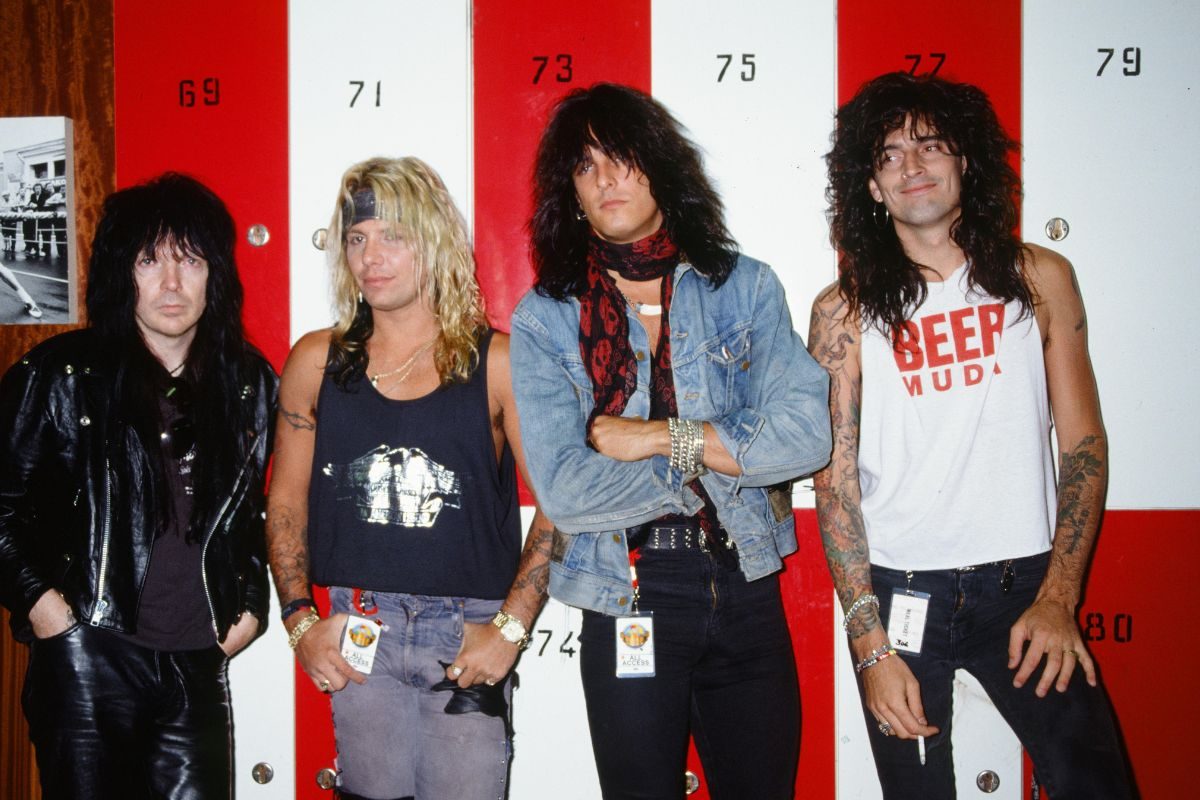
Few tours embodied ’80s rock excess like Mötley Crüe’s mid-decade rampage. These tours weren’t just concerts; they were traveling bacchanals. Drugs, sex, arrests, hotel destruction, and genuine tragedy blurred into the nightly routine. Vince Neil’s manslaughter conviction following a drunk-driving incident cast a long shadow, while band members openly competed in self-destruction.
Onstage, the chaos became part of the brand – a spectacle of danger that fans consumed alongside the hits. It was outrageous, magnetic, and ultimately unsustainable. These tours cemented Mötley Crüe’s myth as the last great sleaze-rock villains, but they also revealed the physical and moral cost of treating excess as entertainment.
6. The Who hit peak Moon, 1973
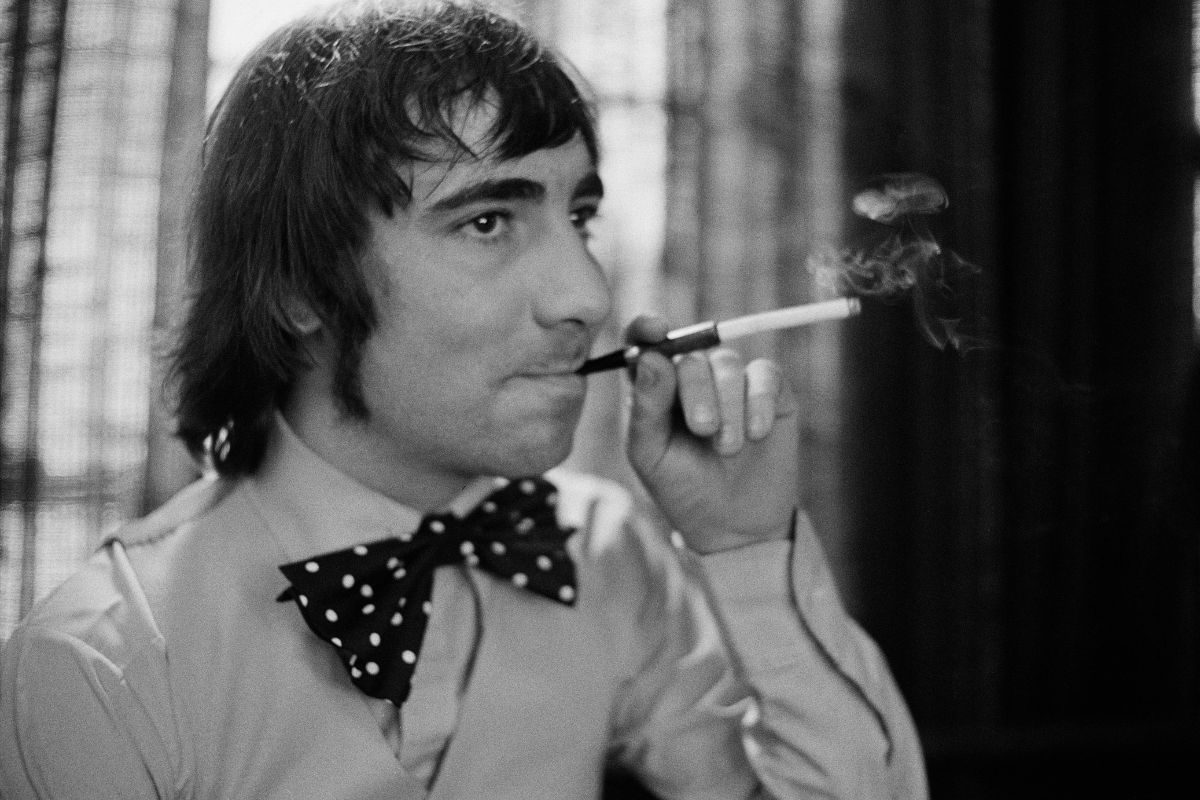
By 1973, The Who were a stadium-filling powerhouse – and barely holding together. Keith Moon’s alcoholism turned every show into a high-risk event. He collapsed onstage multiple times, was hospitalized mid-tour, and even had a fan brought up to play drums during one infamous gig. Pete Townshend was exhausted, Roger Daltrey furious, and the sense of volatility was palpable.
Yet the performances, when they worked, were ferocious. The tour exposed the paradox at the heart of The Who: a band at the peak of its power, undermined by the very behaviour that once made it dangerous and exciting. From here on, the chaos felt less rebellious and more tragic.
7. The Kinks get banned from America, 1965
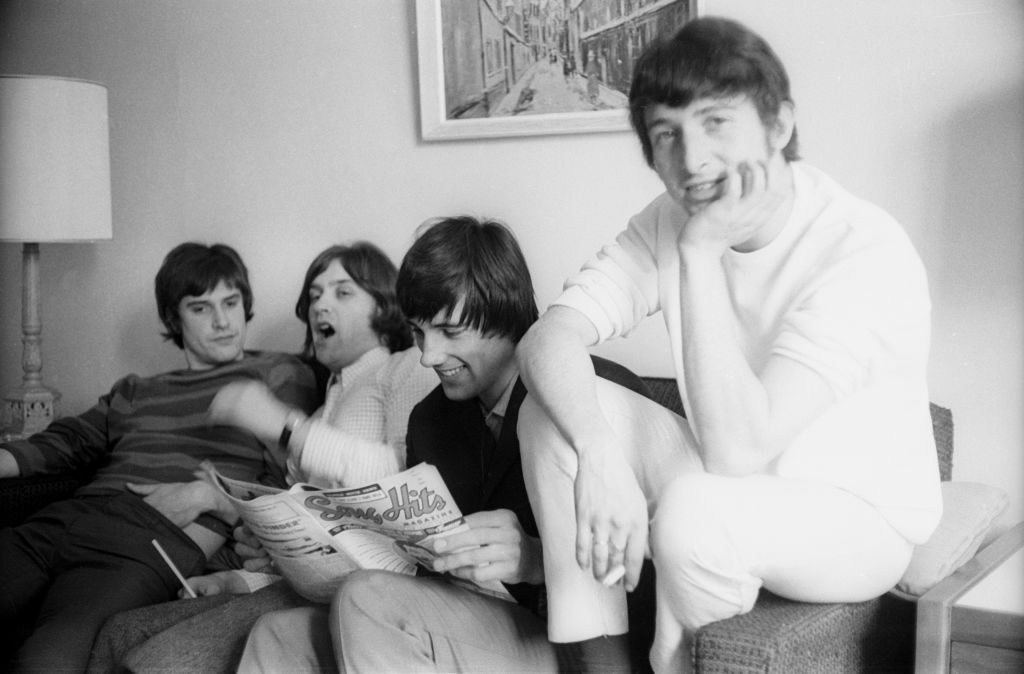
Few bands have sabotaged their own success quite as spectacularly as The Kinks.
In 1965, riding high on hits like 'You Really Got Me' and 'All Day and All of the Night', Ray Davies and company embarked on their first major American tour. It quickly descended into chaos. The band quarrelled incessantly, fought with promoters and television crews, and earned a reputation for being difficult, if not impossible, to manage.
Then came the hammer blow: the American Federation of Musicians effectively barred The Kinks from performing in the United States. The exact reasons remain disputed – stories range from backstage fights to breaches of union regulations – but the consequences were devastating. For nearly four years, at the height of the British Invasion, one of Britain's greatest bands was shut out of the world's biggest music market.
Ironically, the enforced exile helped Ray Davies turn inward, producing a string of quintessentially English masterpieces that might never have existed had America welcomed them with open arms.
8. The Rolling Stones: chaos at Altamont, 1969
The Stones’ tour of North America in 1969 was their first in that country since 1966, thanks largely to the complications of drugs charges and other shenanigans. Mick Taylor’s first tour with the band, having replaced Brian Jones, was mostly triumphant and was described by many contemporary critics as one of the greatest rock tours of all time.
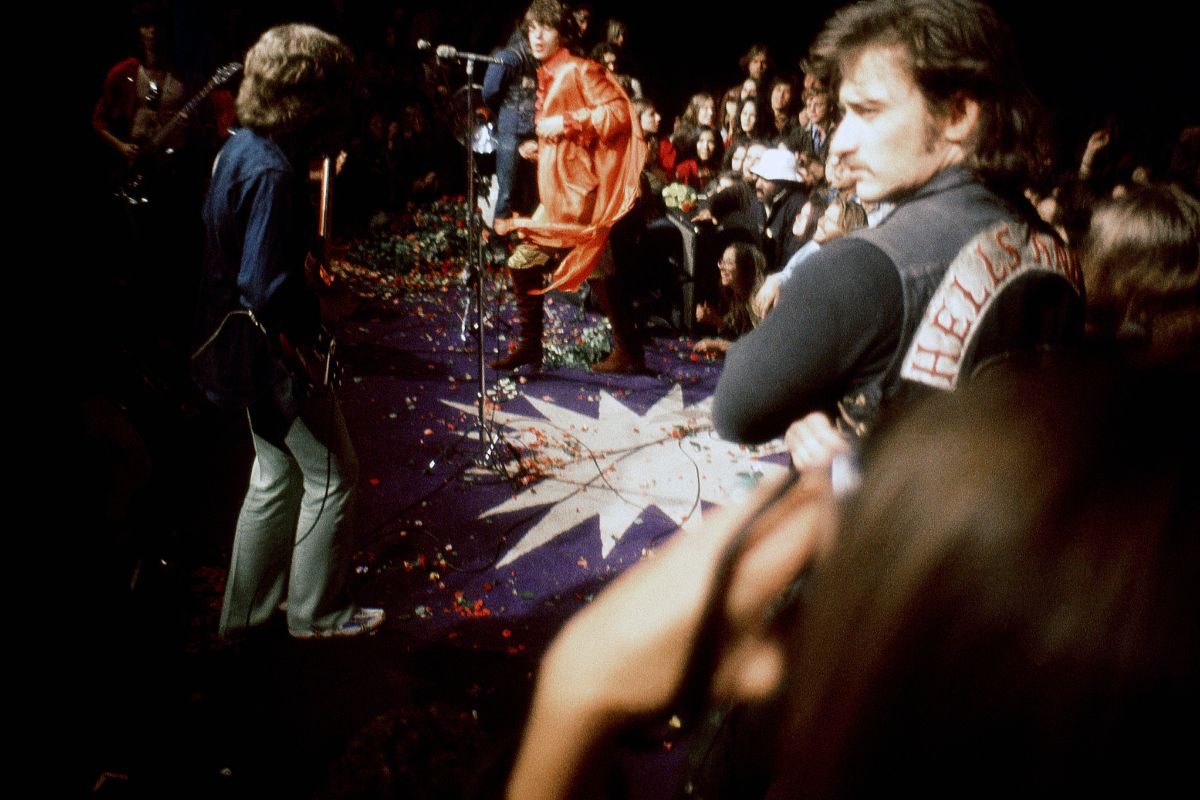
Next, however, came the free festival at Altamont Speedway on December 6, 1969. The Stones had been stung by accusations of high ticket prices on the tour, so decided to end it with a free show at Altamont, which was thought of as a counterpart to Woodstock, which had unfolded amid good vibes in Bethel, New York, four months earlier.
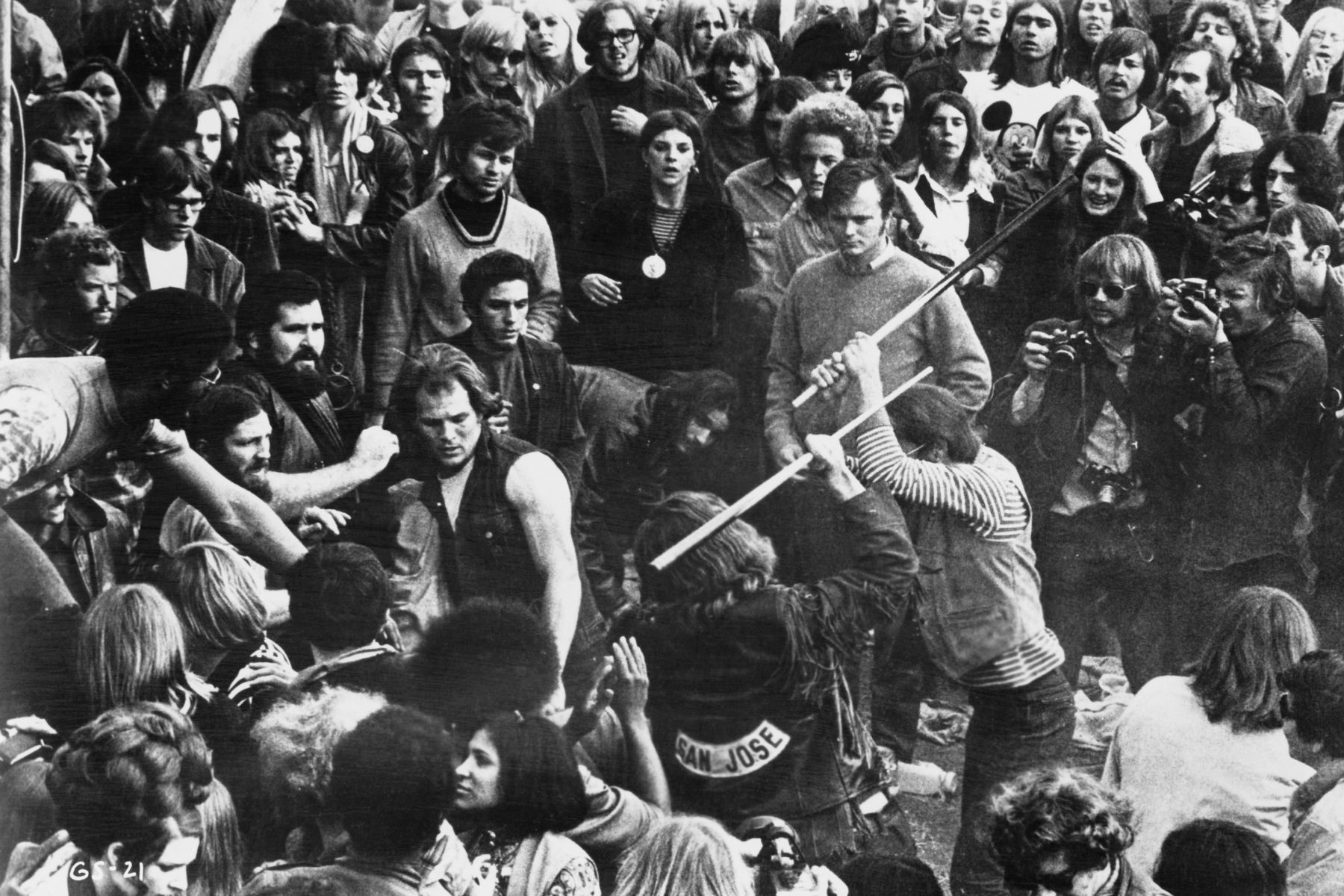
They certainly assembled a great bill, including Santana, Jefferson Airplane, Crosby Stills Nash & Young, and the Grateful Dead (who never actually played). But Mick and co.'s big mistake was in hiring the Hells Angels to act as security and paying them in beer. Accounts differ as to how this came about and who was responsible. But in the resulting melee, young black man Meredith Hunter was stabbed to death and the ‘Hippy Dream’ died.
9. Led Zeppelin go over the top, 1977
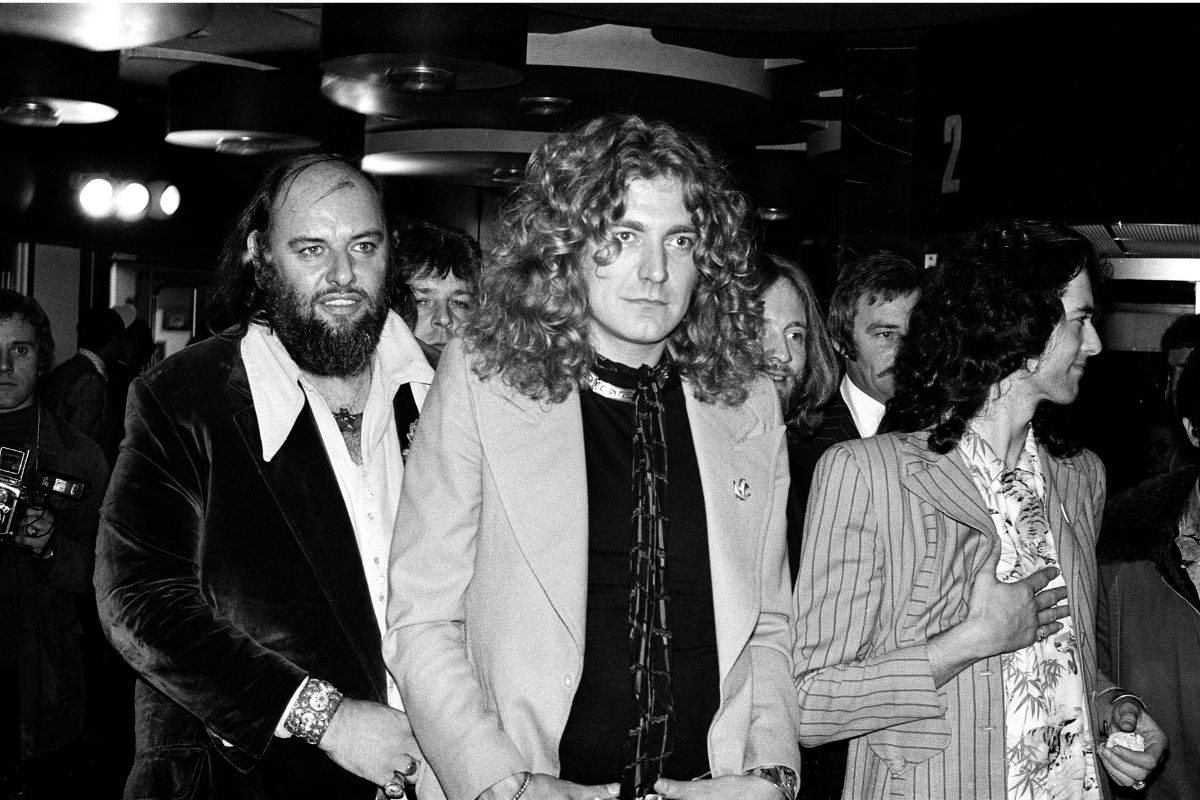
Led Zeppelin’s 1977 North American tour is the definitive portrait of rock royalty in a state of bloated, paranoid decay. By this stage, the band was less a musical unit and more a sovereign state, insulated from reality by their private jet, Caesar’s Chariot, and a security detail notorious for its brutality. The atmosphere was heavy with substance-fuelled tension and violence, reaching a dark nadir in Oakland when the band’s inner circle brutally assaulted a member of Bill Graham’s staff.
- 1977, USA: the tour that left Led Zeppelin in ruins
- We ranked the Led Zeppelin albums. And the top 3 may surprise you...
On stage, the performances were polarized: Jimmy Page often struggled through heroin-dampened sets, yet the band could still summon moments of earth-shattering power that proved why they ruled the decade. The tour never reached its conclusion; it was abruptly cancelled in July following the sudden, tragic death of Robert Plant’s five-year-old son, Karac. It remains a grim monument to the era of stadium-rock excess, marking the moment the world’s biggest band began to buckle under its own immense gravity.
10. Roger Waters hits back, 1977
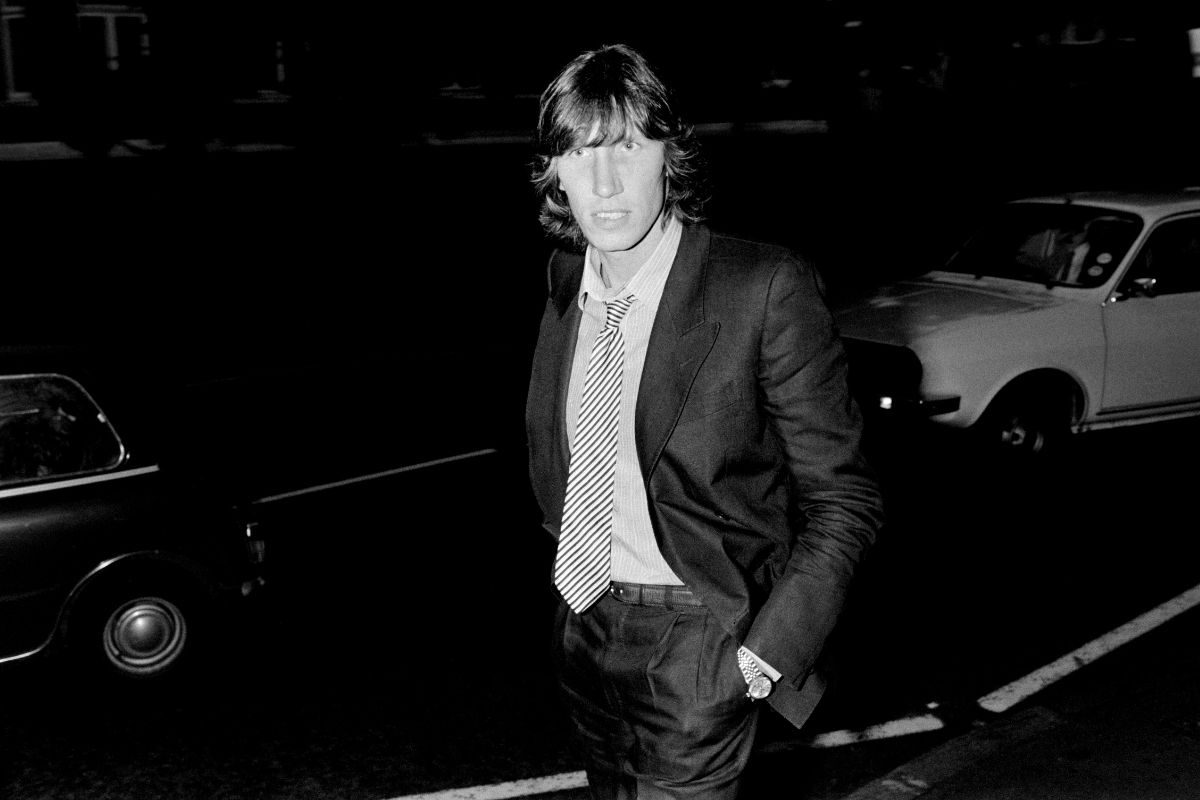
Roger Waters was an unlikely punk rocker, but he out-gobbed the expectorating punk hordes, inspiring a key track on one of the greatest albums of all time. The incident happened on the last date of Pink Floyd’s gruelling 1977 Animals tour at Montreal’s Olympic Stadium, in front of 80,000 people.
The way Roger tells it, he had become so upset by a guy in the front row who was shouting and screaming that he hocked a loogie at the unfortunate if over-excited gent, which caused the bassist no end of shame. So much so that the incident inspired the song ‘In the Flesh’ on Floyd’s masterpiece, The Wall.
11. The Sex Pistols conquer America by collapsing, 1978
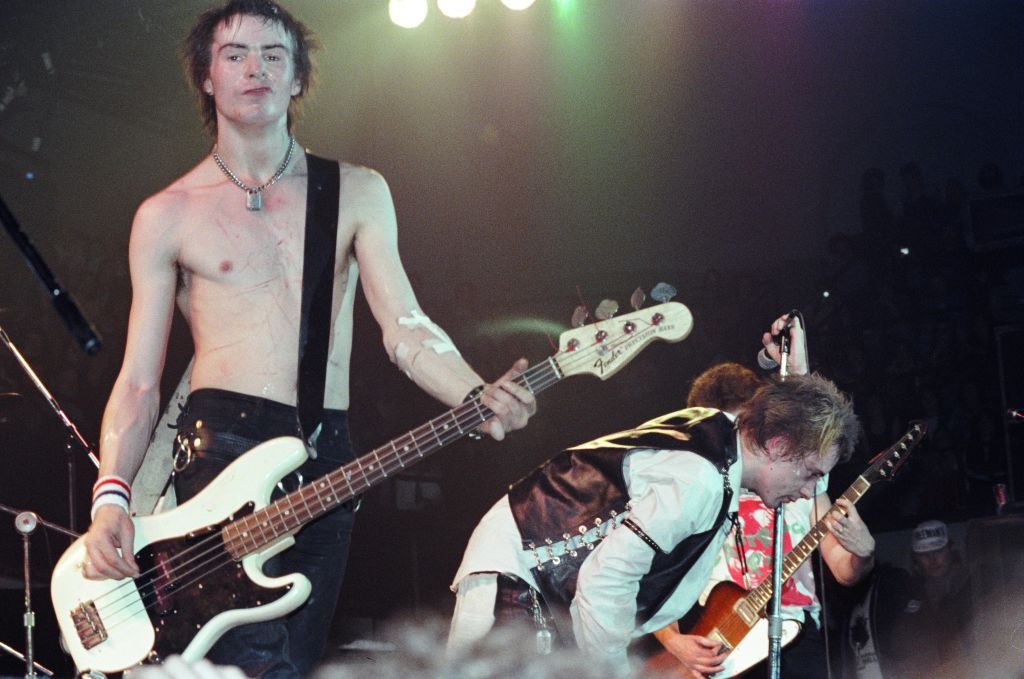
The Sex Pistols' first American tour lasted just two weeks, but few tours have burned more brightly – or more catastrophically.
Promoter Bill Graham, with a wicked sense of humour, booked the band into venues across the conservative American South: Atlanta, Memphis, San Antonio and Baton Rouge. Predictably, culture shock ensued. Audiences alternated between fascination and hostility, Sid Vicious descended deeper into addiction, and Johnny Rotten grew increasingly disillusioned with manager Malcolm McLaren's manipulation of the band.
The final show, at San Francisco's Winterland Ballroom on 14 January 1978, ended with Rotten staring into the crowd and asking: "Ever get the feeling you've been cheated?"
It was less a concert than an obituary. Within hours, the Sex Pistols had effectively ceased to exist.
12. AC/DC recommend you lock up your daughters, 1977
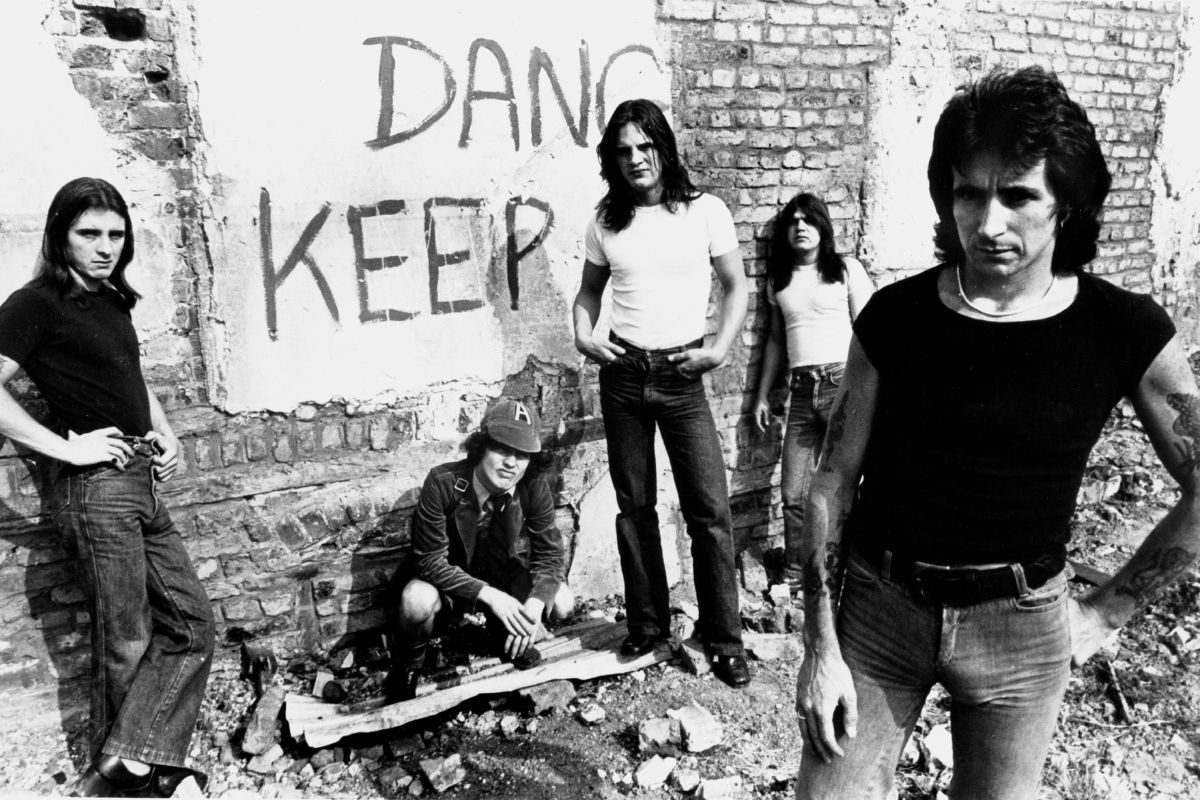
According to the internet, the Black Ice World tour of 2008-2010 is the key AC/DC tour, because it made so much money. But the band’s first visit to the UK in the summer of 1976 seems like more fun. Bizarrely, back then the Australian rockers were treated by the press as a punk band – even though they had nothing to do with punk and, indeed, actively despised it.
AC/DC had a residency at the Marquee Club in London during their Lock Up Your Daughters tour in August, but also found time to play dates around the UK, which were, by all accounts, eventful if ill-attended. At the Bath Pavilion, for example, they were supported by an up and coming band called Mötörhead, playing one of their earliest gigs.
Someone had decided that, presumably because of Angus Young’s schoolboy outfit, AC/DC should be accompanied by a buxom ‘schoolgirl’ wearing a ‘Lock Up Your Daughters’ headband and wielding a hockey stick suggestively, though alas there were few daughters – nor, indeed, anyone else – present. If everyone who subsequently claimed to have been at these shows had actually been there, however, the venues would have been packed.
13. Yes swim too far out, 1973-74
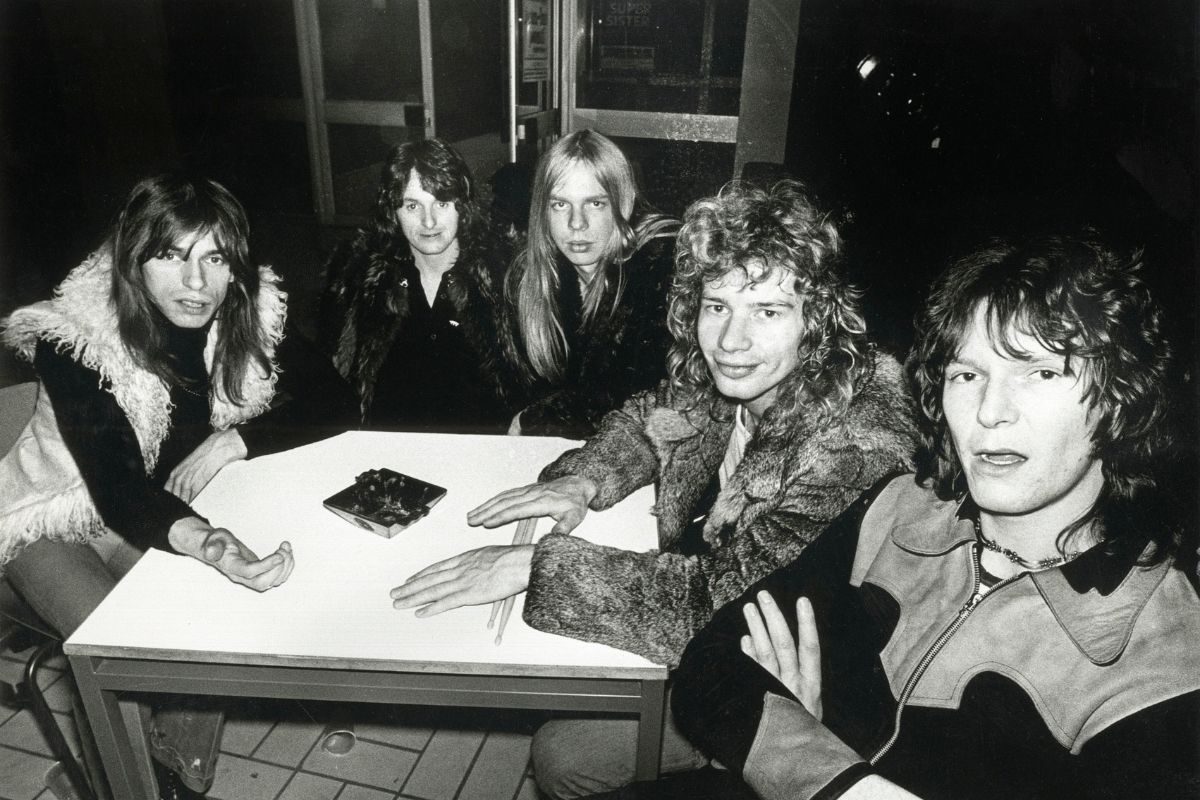
Yes took prog rock’s conceptual ambition to its breaking point with Tales from Topographic Oceans, a double album built around four side-long tracks inspired by Hindu scripture. Translating that abstraction to the stage proved divisive. Concerts often featured the album played in full, testing audience patience and amplifying tensions within the band.
- These are the 21 greatest prog rock albums of all time – ranked
- 1973 in prog rock: the 15 albums that made '73 prog paradise
Rick Wakeman openly loathed the material, reportedly reading newspapers onstage (and even ordering and eating a curry) during performances – not-so-subtle acts of protest. While some fans embraced the cosmic sprawl, others drifted away, unsure whether this was transcendence or self-indulgence.
The Tales from Topographic Oceans tour marked the moment when prog’s excess became impossible to ignore, both critically and internally. Soon after, Wakeman quit, and Yes were forced to recalibrate – leaner, tighter, and more commercially minded.
14. The Beatles do their own thing, 1964
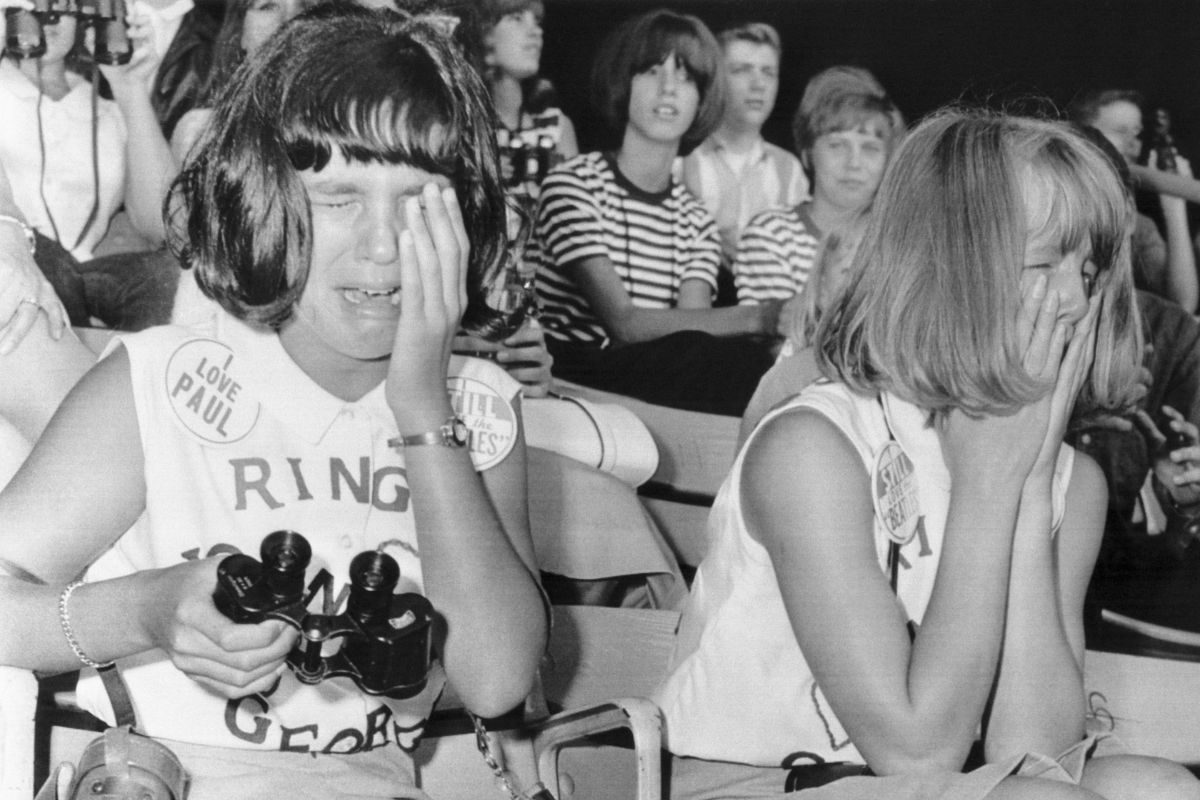
Back in the 1960s, the Stones were positioned at the surly, dirty, foul-mouthed counterparts to those nice, clean, mop-topped Beatles boys. But the reality was often somewhat different. The Fabs soon tired of playing to audiences of screaming teenage girls, above whom their music could rarely be heard. So they took to singing obscene version of their songs to amuse themselves, as support act The High Numbers, who later became The Who, discovered.
- The Beatles' 19 lost No. 1 singles
- This is The Beatles' most overlooked album. It's also the one that changed everything
In Paul Rees's biography of John Entwistle, The Ox, he tells the story of The High Numbers supporting The Beatles at Blackpool Opera House in 1964. The bassist described how, as usual, it was impossible to hear a note of music above the noise. But those old theatre dressing rooms always had a speaker feed on the wall coming directly from the stage microphones. So after their set, The High Numbers settled back to listen to The Beatles.
In notes written for his proposed autobiography, Entwistle remarked: 'Soon, the four of us were crying with laughter at the words they were singing and which only we were able pick up on'. We'll leave the reinvented titles ('It's Been a Hard Day's xxxx', 'I Wanna Hold Your xxxx' to your imagination.
15. Guns N’ Roses & Metallica: fireworks and riots, 1992
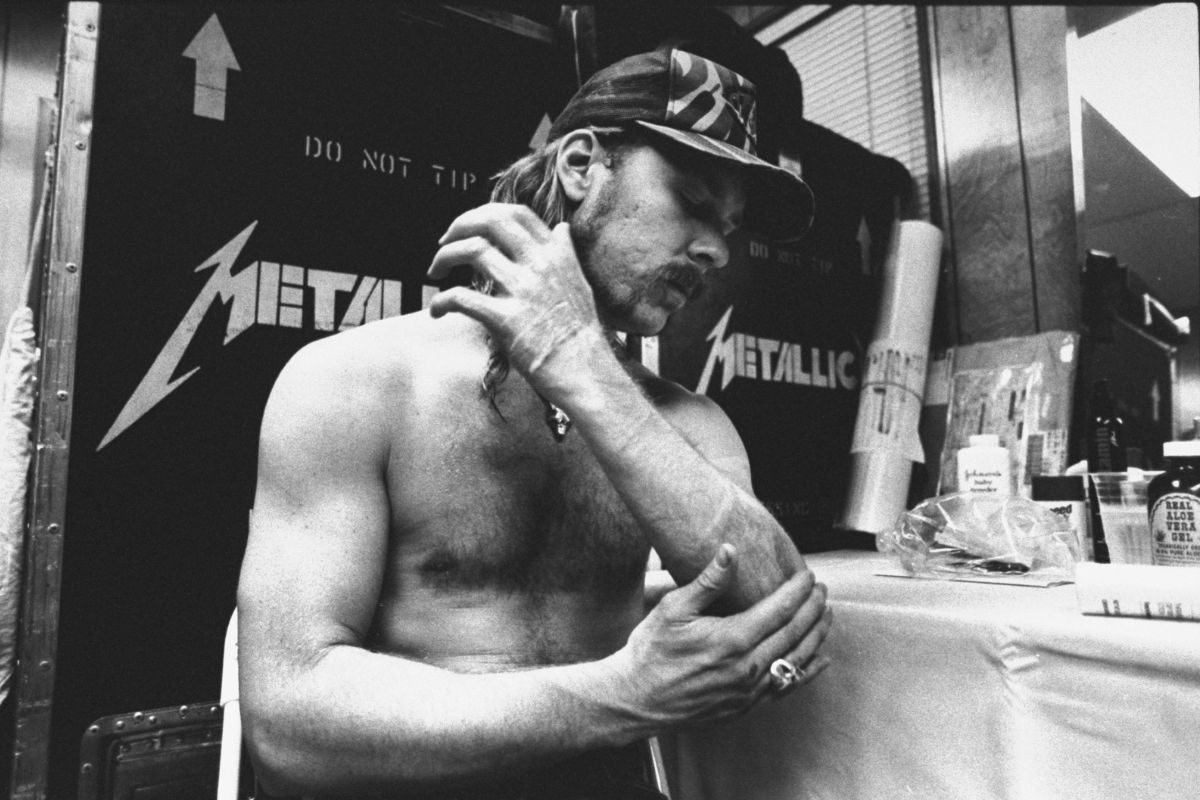
The 1992 co-headlining stadium tour featured Guns N’ Roses and Metallica at the peak of their powers, yet the pairing proved to be a volatile match that ultimately descended into a literal riot. The fundamental friction lay in their clashing work ethics: Metallica operated with military precision, while Axl Rose’s notorious tardiness created a constant powder keg of tension.
The disaster reached its nadir in Montreal when Metallica frontman James Hetfield was severely burned by a pyrotechnic mistake (he strayed into the path of 12-foot-high special-effects flames), forcing an abrupt end to their set. When GNR finally emerged hours later to a restless crowd, Axl Rose complained of vocal issues and walked off after just 50 minutes. The result was a massive, city-wide riot that caused millions in damages, perfectly encapsulating the self-destructive arrogance of the 'Sunset Strip' era.
And... two legendary tours we'd like to celebrate
David Bowie becomes Ziggy Stardust (1972-73)
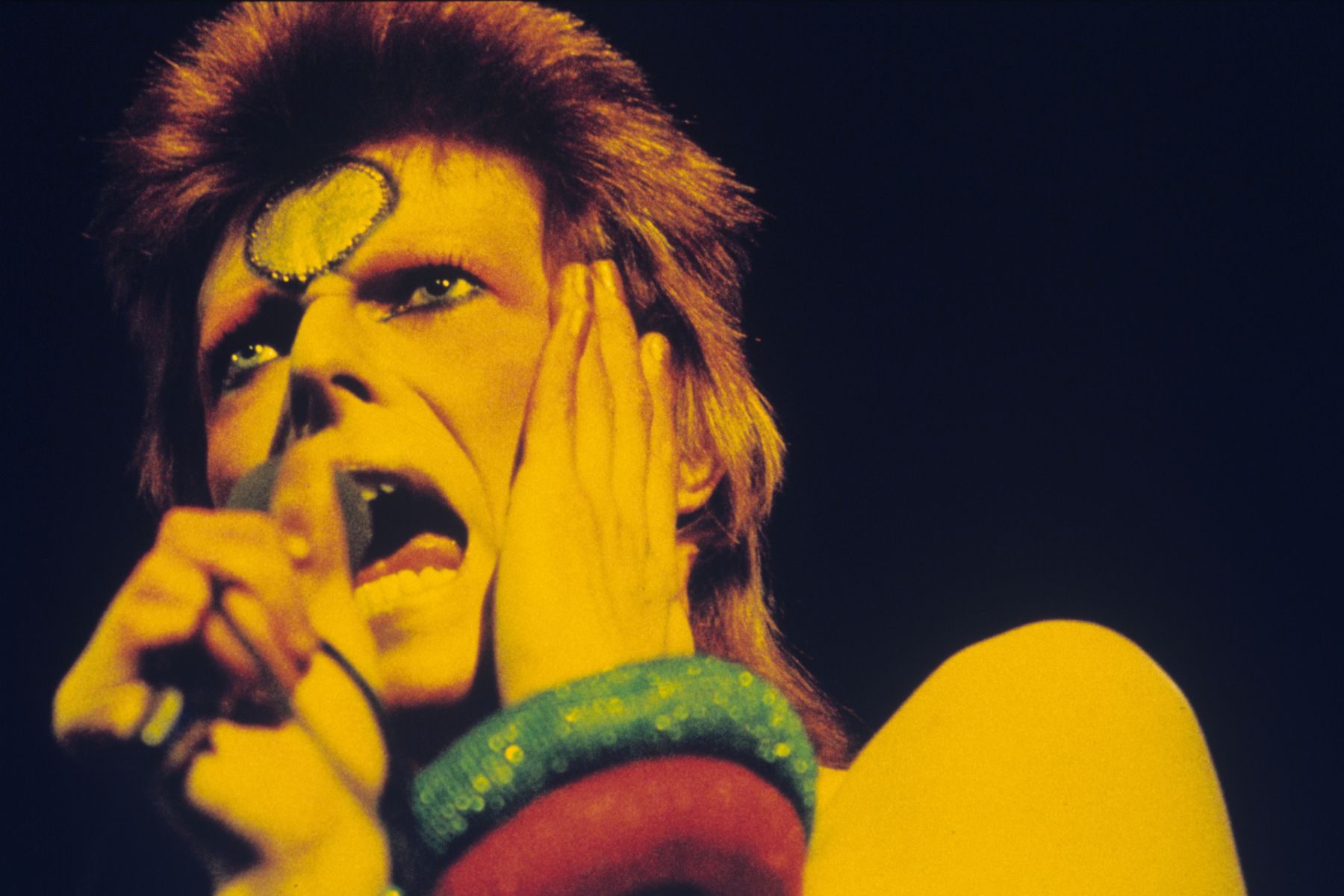
The Ziggy Stardust tour wasn't infamous because it was chaotic. It was infamous because David Bowie convinced half the world he actually was Ziggy Stardust.
Night after night, Bowie blurred the lines between performance and reality, appearing in outrageous costumes, sporting impossible red hair and cultivating an androgynous alien persona unlike anything rock audiences had previously encountered. Conservative commentators were appalled; teenagers were mesmerised.
The tour reached its most shocking moment at London's Hammersmith Odeon on 3 July 1973 when Bowie announced: "Not only is this the last show of the tour, but it's the last show we'll ever do." The audience thought he was retiring completely. In reality, he was killing Ziggy before Ziggy consumed him.
It remains one of the most dramatic acts of artistic self-destruction in rock history.
The Grateful Dead follow the Wall of Sound (1974)
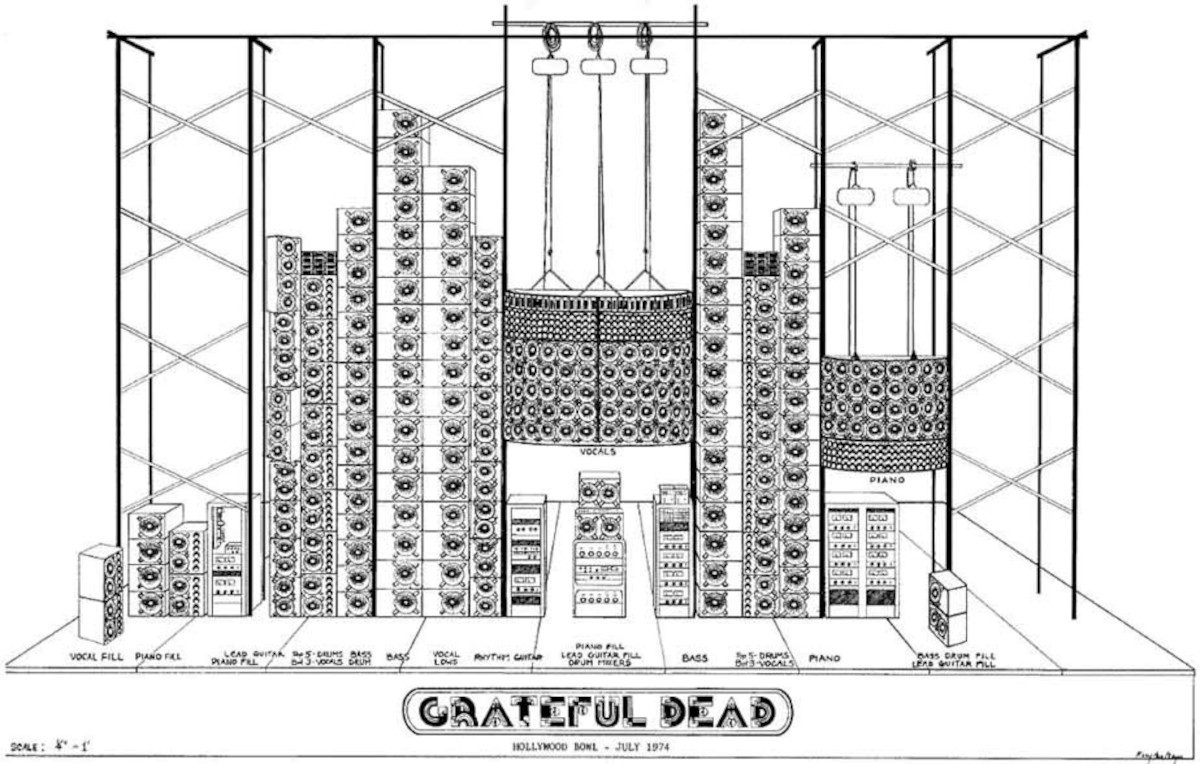
The Grateful Dead's Wall of Sound tour was one of the most gloriously impractical ideas ever attempted.
The band commissioned a gigantic sound system weighing around 75 tons and standing three storeys high, featuring hundreds of speakers and dozens of amplifiers. It offered astonishing clarity and volume, but at a terrifying cost. The Dead needed multiple trucks and a small army of road crew just to move the thing from city to city.
Every concert became a logistical military operation. The band loved the sound; their accountants less so. The expense helped push the group into a lengthy touring hiatus in late 1974.
Yet for Deadheads, the Wall of Sound remains the ultimate monument to rock idealism: a wildly expensive, hopelessly impractical dream built simply because the band thought music should sound better than anyone else imagined possible.
Pics: Getty Images
Top pic: Keith Moon and Pete Townshend of The Who on their flight home from America, December 1973


