Few rock albums were ever conceived on such a grand scale as Pink Floyd's The Wall.
Fewer still escaped the studio to become a stage spectacular and a feature film. Yet for all its ambition, Roger Waters’ sprawling meditation on isolation, alienation and psychological collapse was being created at a time when Pink Floyd itself was coming apart.
The album, the extraordinary live show, and the film that followed were not three separate projects so much as three stages in the same story. Each made The Wall bigger, stranger and more ambitious – and each brought the tensions within Pink Floyd closer to breaking point.
It was a spectacular achievement. It was also, as film director Alan Parker later put it, a 'miserable' experience to make.
The old Floyd was disappearing
By the time Pink Floyd began recording The Wall in 1978, the atmosphere within the band was already far removed from the collegial creativity of The Dark Side of the Moon and Wish You Were Here.
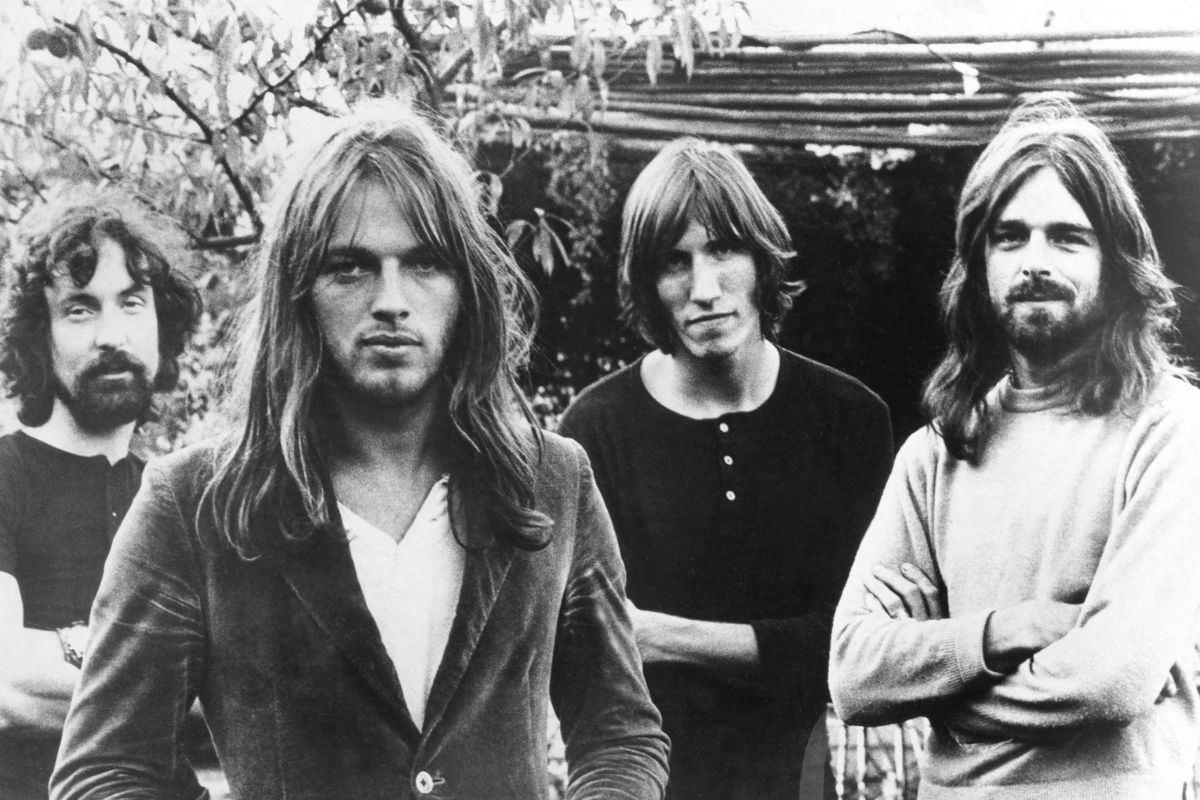
Roger Waters had developed a concept around a fictional rock star, Pink, whose emotional barriers are represented by the construction of a wall between himself and the outside world. It was an intensely personal project, drawing on Waters’ own experiences of fame, bereavement, childhood and estrangement. Increasingly, it became his project, too.
Bob Ezrin was brought in to help shape the sprawling material, while David Gilmour made important contributions, particularly to the music of songs such as ‘Comfortably Numb’. But the old Pink Floyd democracy was disappearing.
Sidelined
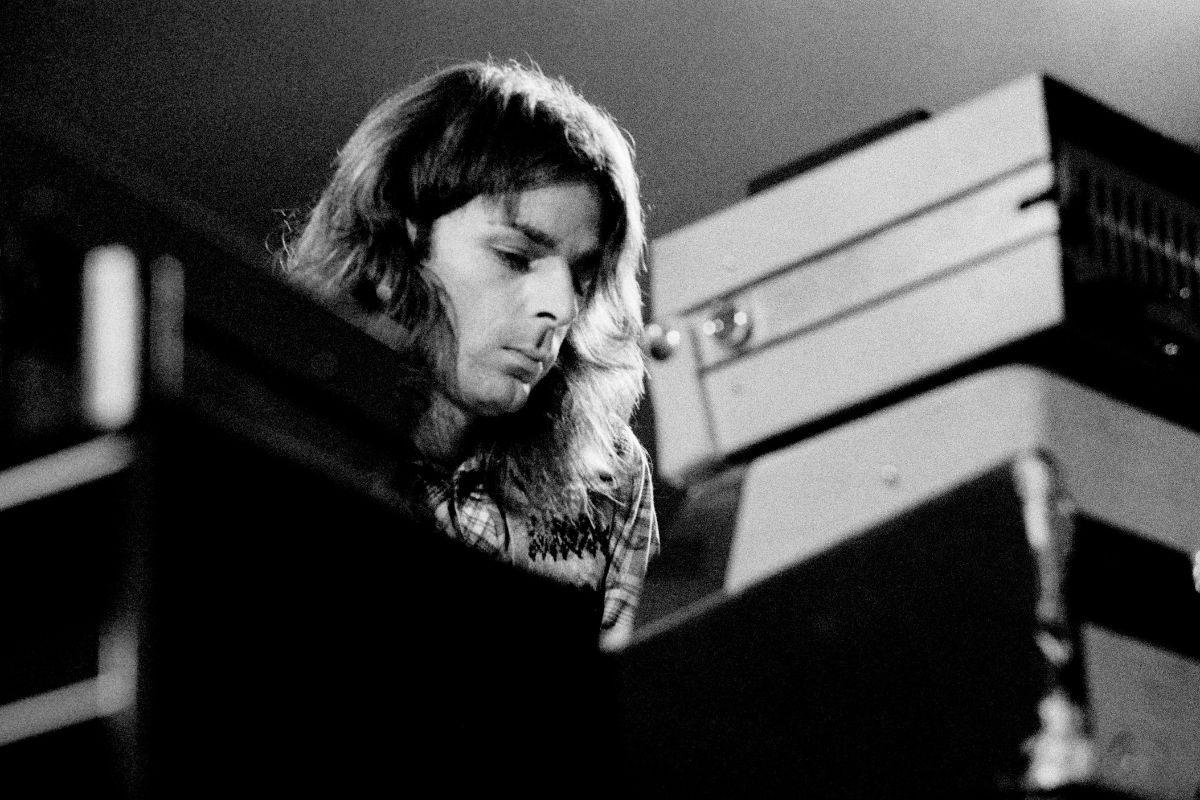
Most dramatically, Richard Wright was effectively pushed out of the band during the sessions. Waters regarded the keyboard player as insufficiently committed to the project; Wright, for his part, felt that Waters was making it increasingly difficult for him to contribute. The dispute ended with Wright leaving Pink Floyd as a full member, although he was retained as a salaried musician for the forthcoming concerts.
It was an extraordinary development. Wright had been one of the architects of Pink Floyd’s sound, his atmospheric keyboards crucial to the spaciousness of albums such as Meddle, The Dark Side of the Moon and Wish You Were Here. Now one of the four men who had made Pink Floyd was effectively working for the other three.
And the band had financial problems to contend with. The spectacular live production being devised for The Wall would require enormous amounts of money before a single ticket was sold. The bigger the idea became, the greater the financial risk.
The result was one of rock’s most successful albums – and one of its most revealing. The Wall sounds like a monumental Pink Floyd statement, but behind the scenes the band was becoming increasingly difficult to recognise as a democratic unit.
Then came the stage show.
'Grotesque'
If The Wall was an album about emotional barriers, the concerts were going to build one in front of the audience – literally.
The production was spectacularly, almost absurdly, ambitious. During each performance, a huge wall was constructed brick by brick between Pink Floyd and the audience. By the time it was complete, it stood around 40 feet high and contained roughly 340 cardboard blocks.
That was only the beginning.
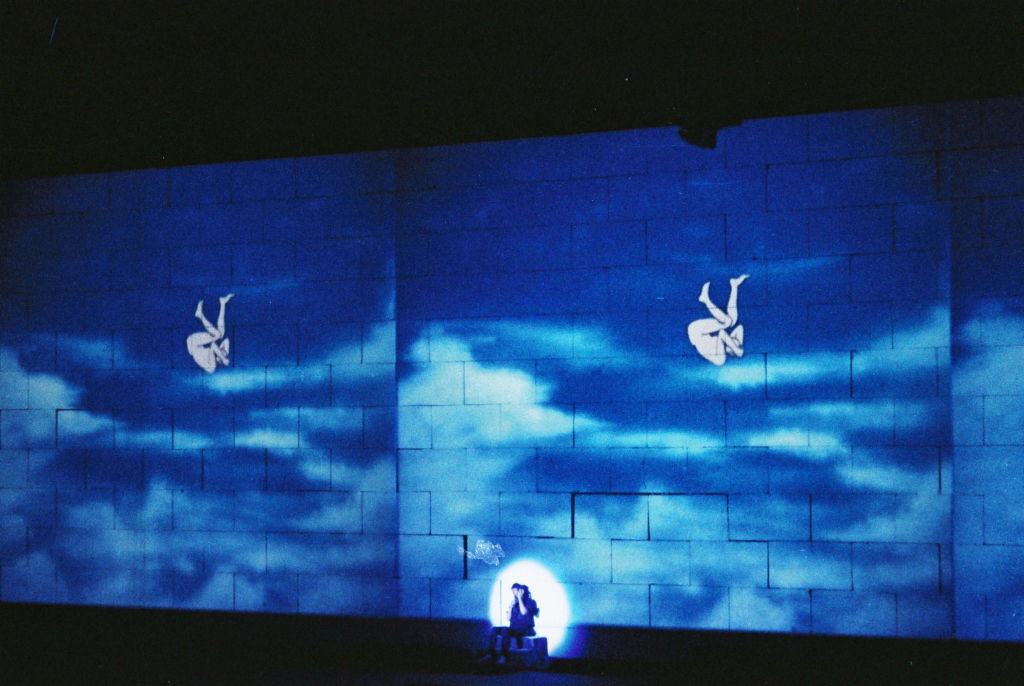
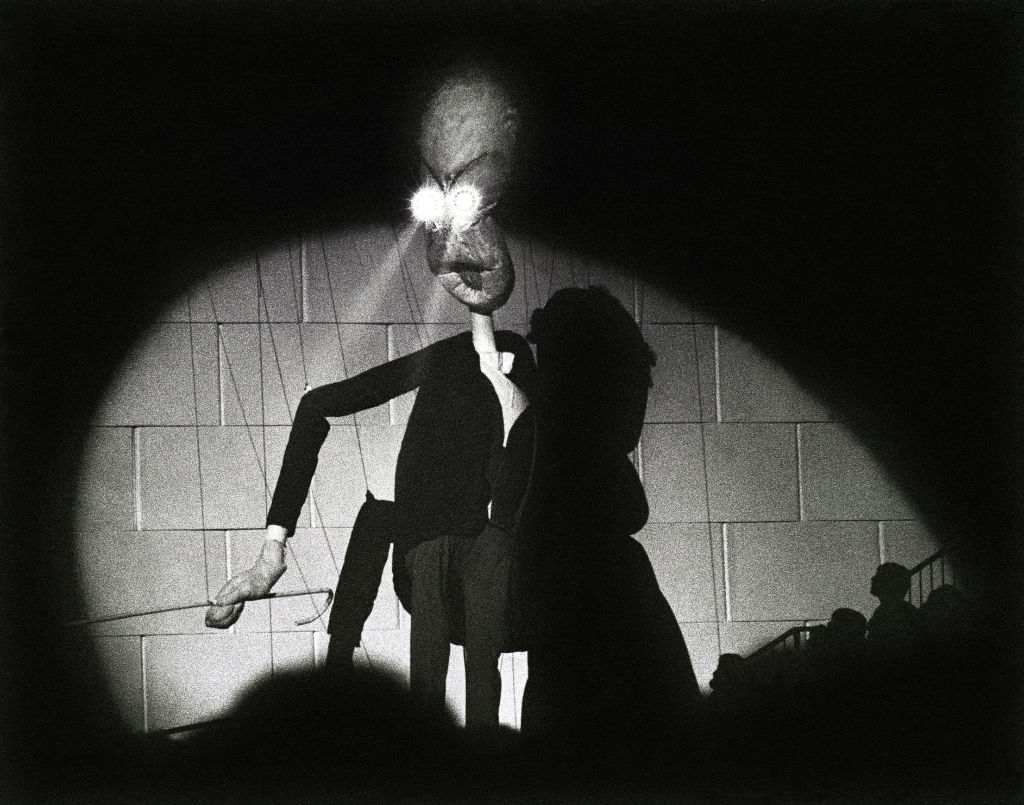
Gerald Scarfe’s grotesque animations – full of marching hammers, grotesquely distorted figures and nightmarish imagery – were projected onto the wall. Giant inflatable versions of characters from the story appeared above the stage. And the concert began with a wonderfully unsettling deception: surrogate musicians, dressed and masked to resemble the members of Pink Floyd, appeared to be the band before the real musicians were revealed.
A logistical nightmare
It was part rock concert, part theatre and part multimedia installation.
It was also a logistical nightmare.
The sheer quantity of equipment and scenery meant that The Wall could not simply be taken into the usual arena circuit. Rather than attempting a conventional tour, Pink Floyd performed only a small number of shows in carefully selected venues – Los Angeles, New York, London and Dortmund in 1980 and 1981. The restrictions were an inevitable consequence of trying to turn a rock concert into something closer to a travelling theatrical production.
And the expense was extraordinary. The tour reportedly lost money, with Wright – now technically a former member but employed as a touring musician – apparently the only member of Pink Floyd to make a profit from it.
There was something almost painfully appropriate about it. The Wall was a show about separation, and the people performing it were becoming increasingly separated themselves.
The band members were hardly behaving like a happy touring unit. Waters was increasingly isolated from the others, while the scale and complexity of the production made ordinary band camaraderie almost irrelevant.
Yet The Wall was also becoming something much larger than Pink Floyd.
And that led inevitably to Hollywood.
The problems started immediately
Turning The Wall into a movie should, in theory, have been a natural progression.
Instead, it became a collision between three exceptionally strong personalities: Roger Waters, Gerald Scarfe and director Alan Parker.
The original plan was considerably closer to the stage show. Concert footage would be combined with animation and additional scenes, with Waters himself playing Pink. But the practical reality proved troublesome almost immediately.
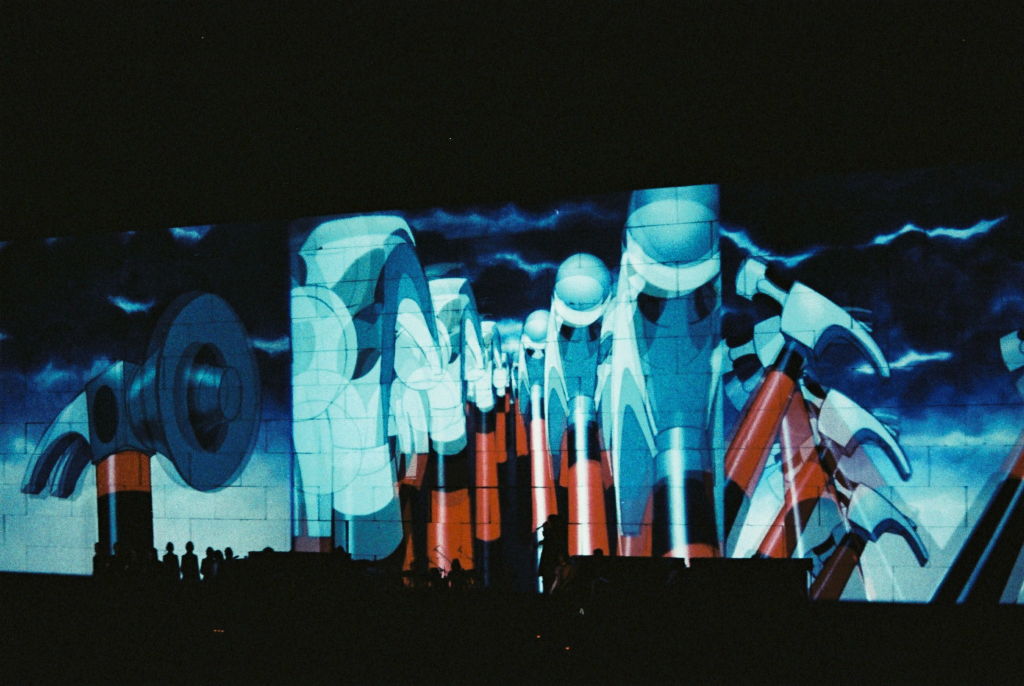
Five Wall concerts at London's Earl's Court in June 1981 were filmed, but the footage was ultimately considered technically inadequate for cinema. The low-light conditions and equipment used meant that the material did not have the required resolution, while some sequences had not been filmed successfully at all.
Parker also believed that the concert material did not belong in the film. The stage production already worked as theatre; a movie required something different.
So one of the central ideas of The Wall began to disappear. And so did the idea of Roger Waters as Pink.
Waters had originally intended to play the central character himself, but Parker persuaded him that someone else was needed. The eventual choice was Bob Geldof, then best known as the frontman of the Boomtown Rats.
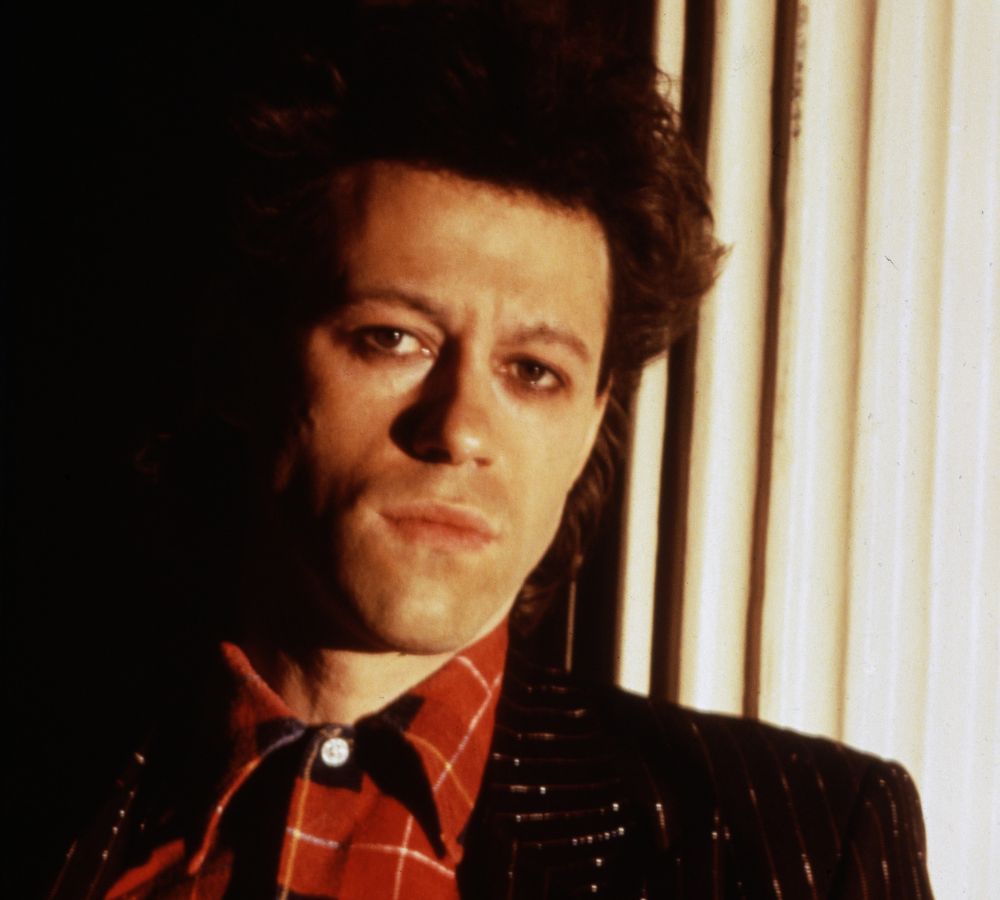
Geldof was initially far from enthusiastic about the whole proposition. According to the story subsequently told by those involved, he thought the idea was ridiculous – a reaction that perhaps made him a particularly appropriate choice to play a rock star descending into madness.
Meanwhile, Scarfe was attempting to translate his extraordinary visual imagination into animation. The result would become one of the film's defining features, but the process created yet another competing vision.
'Unnerving and unpleasant'
Parker, Waters and Scarfe were all trying to make The Wall into something different.
And all three were used to getting their own way.
The arguments became increasingly fierce. Parker later recalled that Waters and Scarfe were both strong-willed and that compromise was in short supply. Waters, meanwhile, described the making of the film as 'unnerving and unpleasant', saying that the three men had fallen out badly.
Eventually Parker took the most drastic possible step: he sent Waters away for six weeks.
It sounds like something from a comedy about an impossible film set, but Parker has explained that the enforced absence gave him the freedom to develop his own vision of the movie without Waters constantly challenging it. When Waters returned, Parker then had to confront the awkward reality that the project was, in Waters’ eyes, a collaboration.
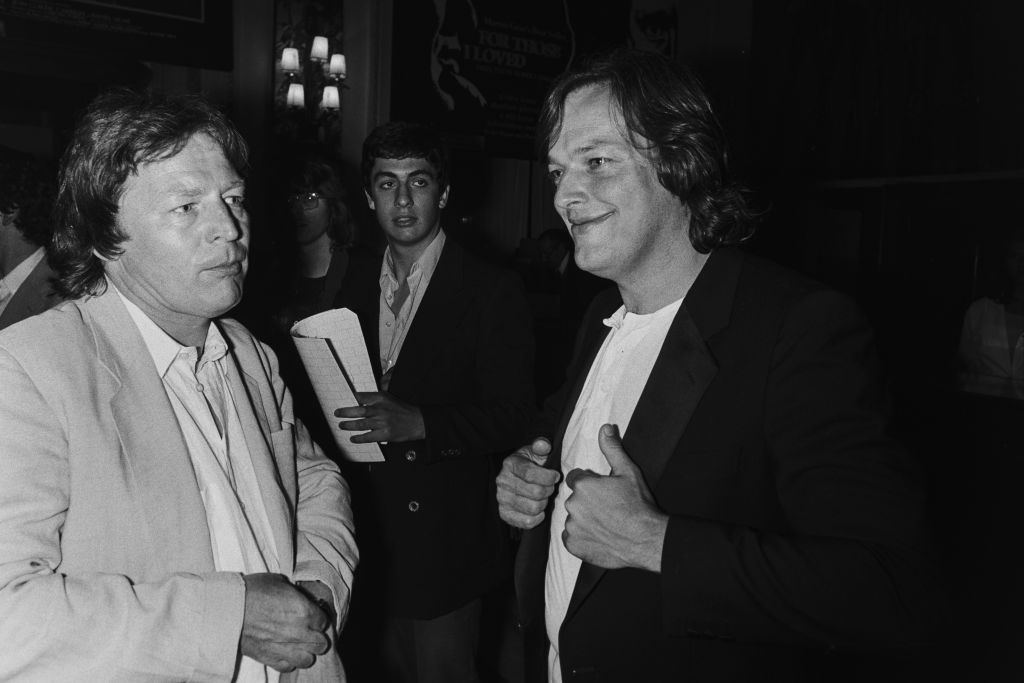
It was hardly a recipe for tranquillity.
Parker's later verdict was memorable. He said he should never have made Pink Floyd The Wall: not because he was ashamed of the finished film – he remained proud of it – but because making it had been too 'miserable' an experience for him to take pleasure in remembering.
The irony is that the film is remarkable precisely because so many competing visions collided within it. Scarfe's animation, Waters' concept, Parker's direction and Geldof's performance produced something that was neither conventional rock movie nor straightforward concert film.
But by then, Pink Floyd's internal divisions had become almost impossible to conceal.
The final cut
The Wall saga did not actually end with the film. If anything, its aftermath made the band's situation even clearer.
The next Pink Floyd album, The Final Cut, was released in 1983. Waters dominated it to such an extent that it is often described as effectively a Roger Waters solo project with Pink Floyd – although that shorthand should not obscure the contributions of Gilmour and Mason, nor the fact that it was released under the Pink Floyd name.
It was also the band's final studio album with Waters.

The creative relationship that had once produced Meddle, The Dark Side of the Moon and Wish You Were Here had become something very different. Wright was no longer a full member. Mason's involvement had diminished during the Wall sessions. Gilmour and Waters were increasingly divided over both music and control.
In that sense, The Wall did not literally break up Pink Floyd. It did something more interesting – and more destructive.
It turned the band's internal tensions into part of the very machinery of the project. The album was about building barriers; the concerts placed an enormous physical barrier between performers and audience; the film became a battle between three competing creative personalities. And, all the while, the four members of Pink Floyd were becoming less and less like a band.
The Wall itself eventually came down. Pink Floyd did not.
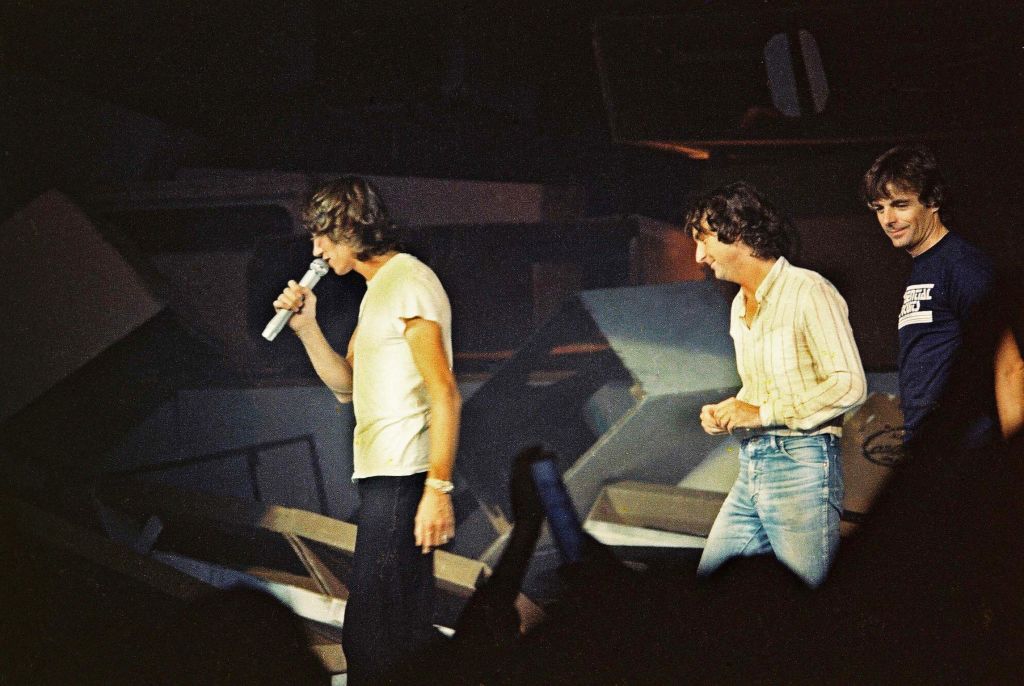
Not immediately, anyway.
But the old Pink Floyd – the strange, collaborative, exploratory quartet that had somehow transformed psychedelic experimentation into some of the most sophisticated rock music ever recorded – was already disappearing behind it.
By the time The Final Cut arrived, there was barely anything left to tear apart.
Pics Getty Images. Top pic David Gilmour, 1980