The opening of Queen’s 1975 masterpiece LP A Night at the Opera doesn’t begin with the operatic soaring of ‘Bohemian Rhapsody’ or the heartfelt charm of ‘You’re My Best Friend’.
Instead, it starts with a cold, descending piano arpeggio that feels like a predator stalking its prey. As Freddie Mercury’s voice enters, dripping with a disdain so sharp it practically bleeds through the speakers, it becomes clear that this is no ordinary rock song. It is a musical assassination.
‘Death on Two Legs (Dedicated to...)” remains one of the most savage ‘poison pen’ letters in music history. It was a declaration of war against the band’s former manager, Norman Sheffield, and the legal and financial fallout that followed would nearly derail the album before the world ever heard it.
Top of the charts... and broke
To understand the venom behind the lyrics, we have to look at Queen’s dire circumstances in 1974. Despite having a massive hit with ‘Killer Queen’ and a successful album in Sheer Heart Attack, the members of Queen were, by all accounts, broke. They were signed to a production deal with Trident Studios, managed by one Norman Sheffield. And, while the band was touring the world and topping charts, they were living on a meagre weekly allowance that barely covered rent and food.
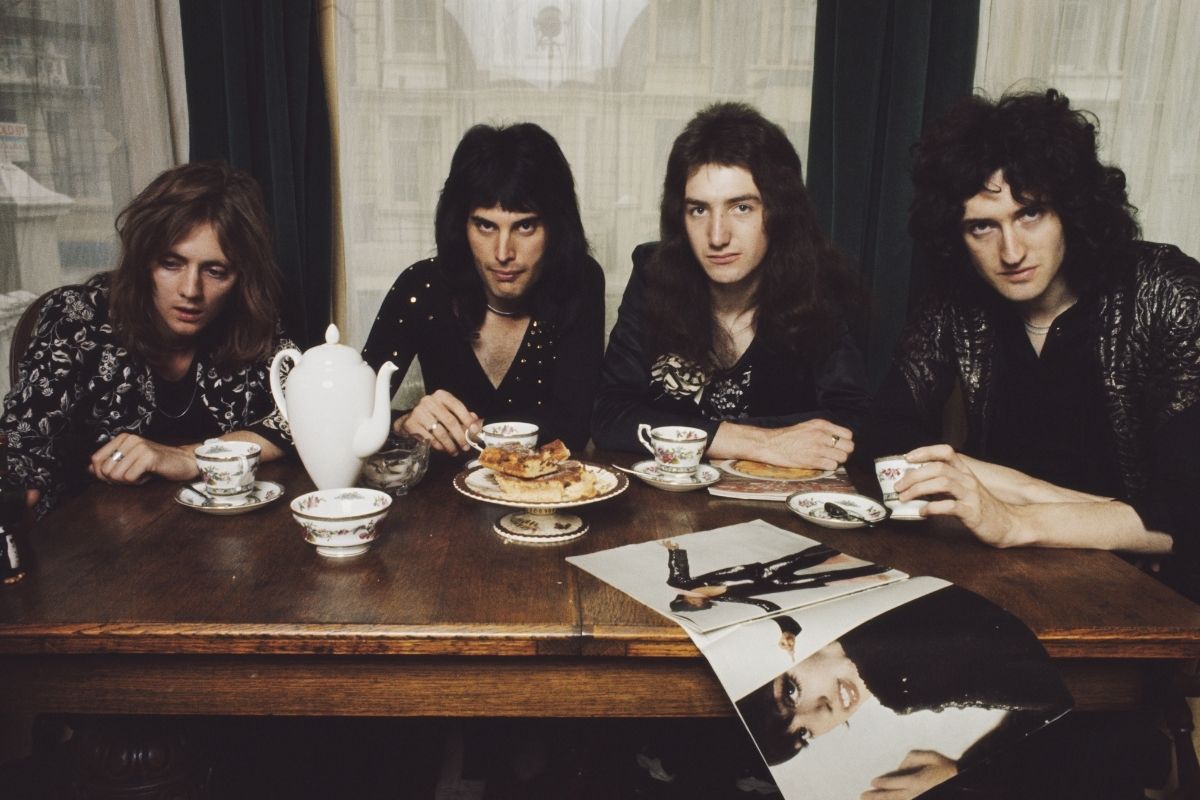
The tension snapped when Freddie Mercury requested a small advance to buy a piano, only to be denied. The contrast between their perceived global stardom and their actual bank balances created a pressure cooker of resentment. When the band finally severed ties with Sheffield and Trident to sign with John Reid (then Elton John's manager), the bridge wasn't just burned – it was nuked.
When Queen entered the studio to record A Night at the Opera, Mercury brought with him a set of lyrics that shocked even his bandmates. He didn't just want to complain about a bad contract; he wanted to dismantle Sheffield’s character. He lays into the character who ‘sucks my blood like a leech’; who has ‘screwed my brain till it hurts’; who has ‘taken all my money, and you want more’.
The vitriol was intense
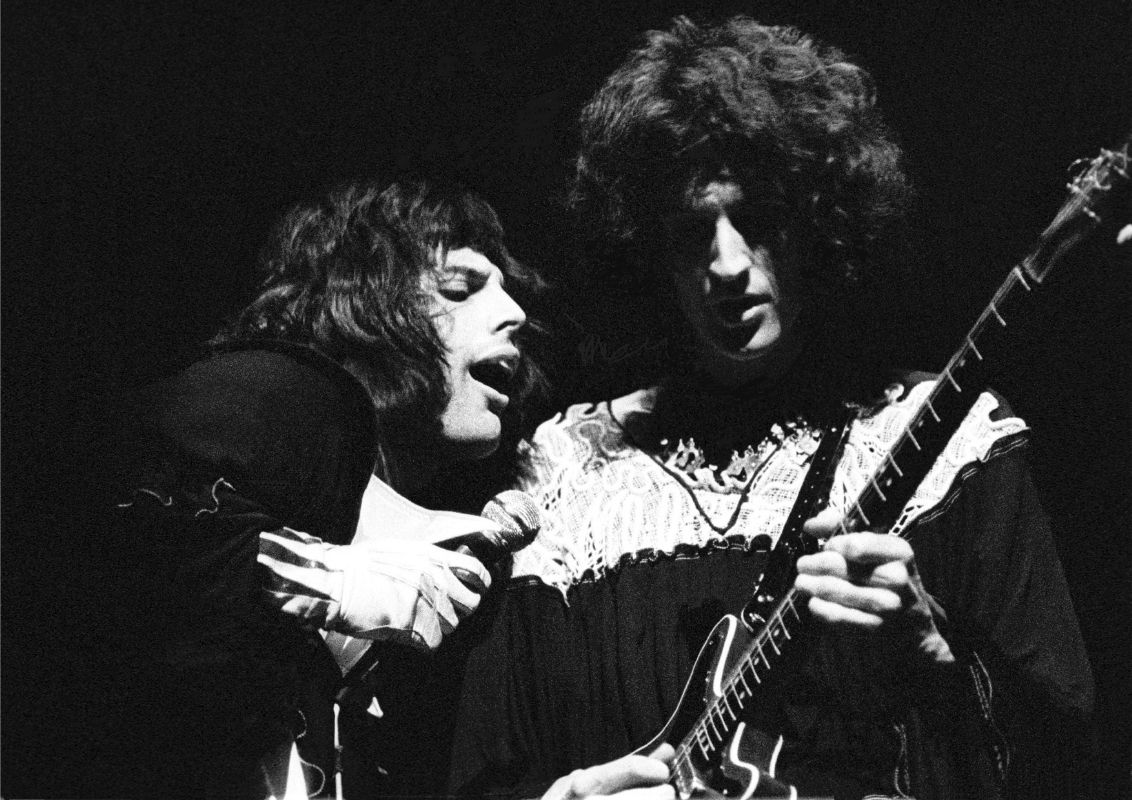
Mercury’s insults ranged from the financial to the deeply personal, calling the subject a ‘dog with disease’ and a ‘sewer rat decaying in a drain’. The vitriol was so intense that guitarist Brian May initially felt uneasy about performing it, fearing it was too cruel.
However, the raw energy of the track – fuelled by May's snarling guitar riffs and Roger Taylor’s aggressive drumming – eventually won the band over. It was the perfect, high-octane opener for an album that was designed to be their make-or-break moment.
The trouble began before the needle even touched the wax. Norman Sheffield, upon hearing rumours of the song’s content and seeing the ‘Dedicated to...’ subtitle, recognized himself immediately. He wasn't about to let the insult go unanswered.
Sheffield and Trident moved to sue the band and EMI for defamation. The legal battle was a nightmare for a band that was already financially overextended. To ensure the album could be released on schedule, a settlement had to be reached. In a move of staggering irony, Queen – who were writing the song because they felt they had been robbed of their earnings – had to pay a significant out-of-court settlement to Sheffield just to be allowed to release the song that attacked him.
The ‘Dedicated to...’ part of the title remained, but the name was never officially printed. In live performances, Mercury would often dedicate the song to ‘a real motherf***er of a gentleman’, leaving the audience in no doubt as to his target without inviting further lawsuits.
Airing their dirty laundry
Beyond the gossip and the legal drama, ‘Death on Two Legs’ served a vital purpose: it established Queen as a band that would no longer be trifled with. It was an assertion of sovereignty. By airing their dirty laundry so publicly and aggressively, they signalled to the industry that they were taking full control of their destiny.
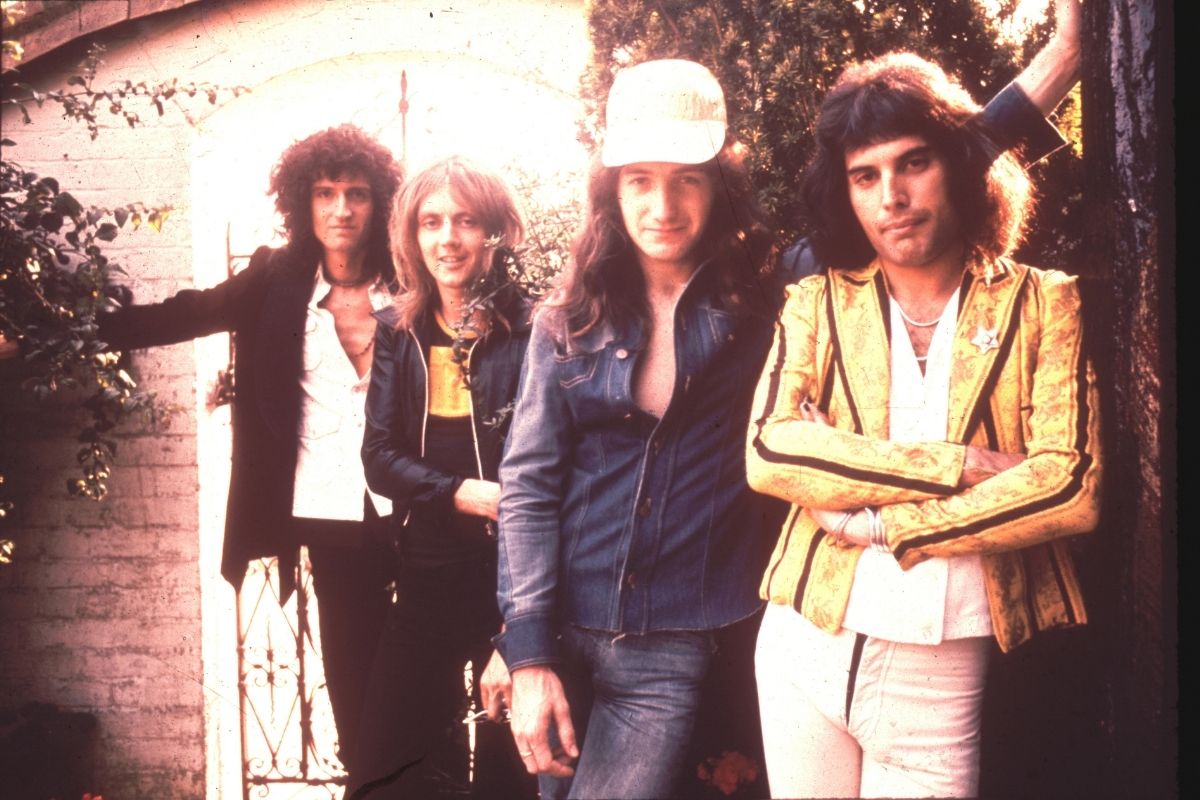
The song set the stage for the rest of A Night at the Opera. It cleared the air, allowing the band to move from the darkness of a legal battle into the whimsical experimentation of ‘Seaside Rendezvous’ and the epic scale of ‘The Prophet’s Song’. Without that initial release of tension, the album might never have reached its creative heights.
Legacy of a grudge
Today, ‘Death on Two Legs’ stands as the gold standard for the revenge song. It lacks the metaphor or subtlety found in other rock feuds; it is a direct, visceral strike. It reminds us that the best rock music often comes from a place of genuine conflict and that sometimes, the only way to move past a ‘spectacular landing’ – to borrow a phrase from the Eagles’ Joe Walsh – is to scream about the crash that preceded it.
For Queen, the song was more than just a hit; it was the sound of a band breaking their chains. They paid the price – literally – to tell their truth, and in doing so, they created a masterpiece that still feels as dangerous today as it did in 1975.
Five more infamous poison-pen songs
‘How Do You Sleep?’ – John Lennon (1971)
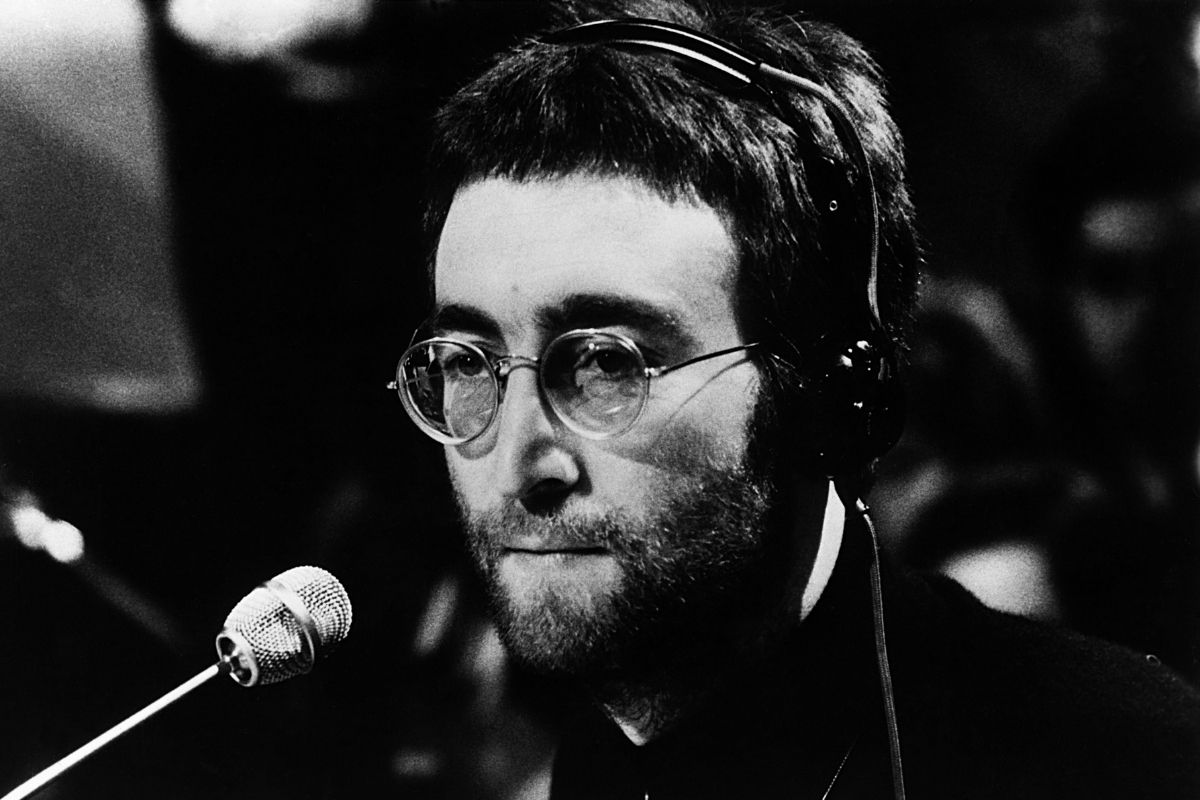
Lennon’s 1971 strike against Paul McCartney is a masterclass in public pettiness. After years of growing resentment within the Beatles, John took aim at Paul’s solo career and ‘pretty boy’ public image, famously singing, ‘The only thing you done was “Yesterday”’. Backed by George Harrison on slide guitar, the track turned a private brotherhood’s collapse into a global spectator sport.
‘Positively 4th Street’ – Bob Dylan (1966)
Dylan didn't need a heavy riff to be lethal. In just under four minutes, he dismantled the ‘critics and cynics’ of the folk scene who felt he had betrayed them by going electric. It’s a relentless barrage of cold indifference, effectively telling his former friends that their opinions were irrelevant to his artistic journey.
‘You’re So Vain’ – Carly Simon (1972)

This remains the ultimate ‘whodunit’ of 1970s rock. Simon’s sharp, smooth lyrics about an ego-driven lover who ‘walked into the party like you were walking onto a yacht’ perfectly captured the ego and attitude of the era. While she eventually confirmed the second verse is about Warren Beatty, the song's lasting power lies in its universal dismissal of arrogance.
‘The Hollow’ – A Perfect Circle (2000)
A potent, psychological poison-pen song, even though its target is a archetype rather than a specific celebrity. Maynard James Keenan, frontman of alt.rockers A Perfect Circle, uses the track to deliver a biting, cynical takedown of a hollow, parasitic individual seeking empty physical validation to mask their internal void.
Instead of a standard love song, Keenan weaponizes his lyrics to expose the subject's desperate, transactional nature, singing about feeding a hunger that can never be satisfied. It is a venomous critique of emotional superficiality, dripping with the band’s signature dark contempt, making it a masterclass in alternative rock spite.
‘Sweet Home Alabama’ – Lynyrd Skynyrd (1974)
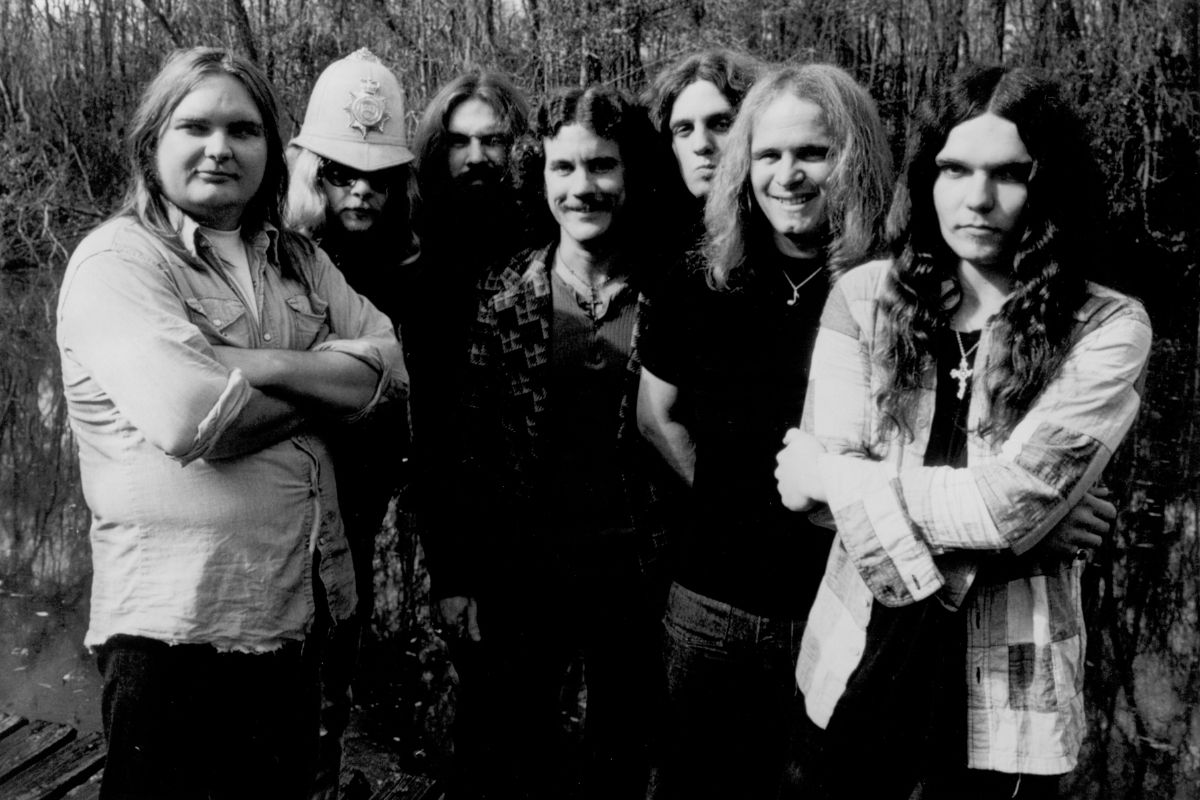
This is one of the most famous musical feuds and direct call-outs in rock history. Angered by Neil Young’s songs ‘Southern Man’ and ‘Alabama’ – which criticized the American South for its history of racism and slavery – Lynyrd Skynyrd fired back with their signature anthem. Ronnie Van Zant directly targets Young, concluding that ‘aSouthern man don't need him around anyhow’.
Pics Getty Images