For most musicians, a band is a vehicle for creative expression or commercial ambition: a professional commitment that ends when the stage lights dim.
However, for a select group of radical outliers, the music was merely the soundtrack to a totalizing, all-encompassing lifestyle. These groups functioned as nomadic tribes, ideological cells, or high-stakes emotional laboratories where the boundaries between private life and public performance were intentionally dissolved.
Whether living in rural communes, adopting monastic discipline, or wandering the globe in a state of shared psychedelic anarchy, these artists rejected the standard industry 'career' in favour of a 24/7 commitment to a shared vision. To join these bands was to surrender the individual to the collective, proving that sometimes, the most revolutionary thing a group can produce isn't an album, but a completely new way of existing in the world.
1. The Grateful Dead
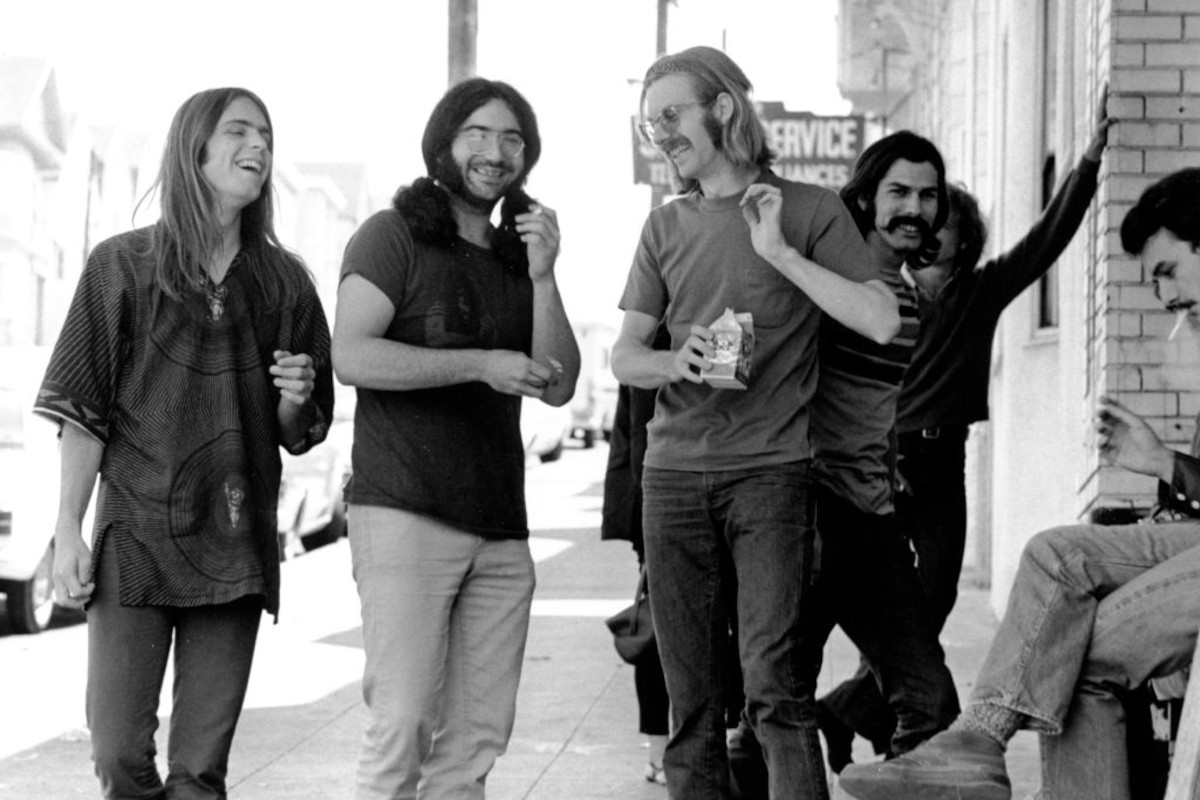
The Dead weren't just a band; they were a traveling circus and a nomadic tribe. Their way of life involved pioneering the 'Deadhead' subculture, where fans followed them from city to city in a permanent psychedelic caravan. They rejected the music industry's standard 'product' model, allowing fans to tape their shows and creating a self-sustaining economy of tie-dye and 'miracles' (free tickets to Dead concerts, given to fans in need).
The Lifestyle: A decentralized, LSD-fuelled community where the boundary between performer and audience was intentionally blurred.
2. Magma
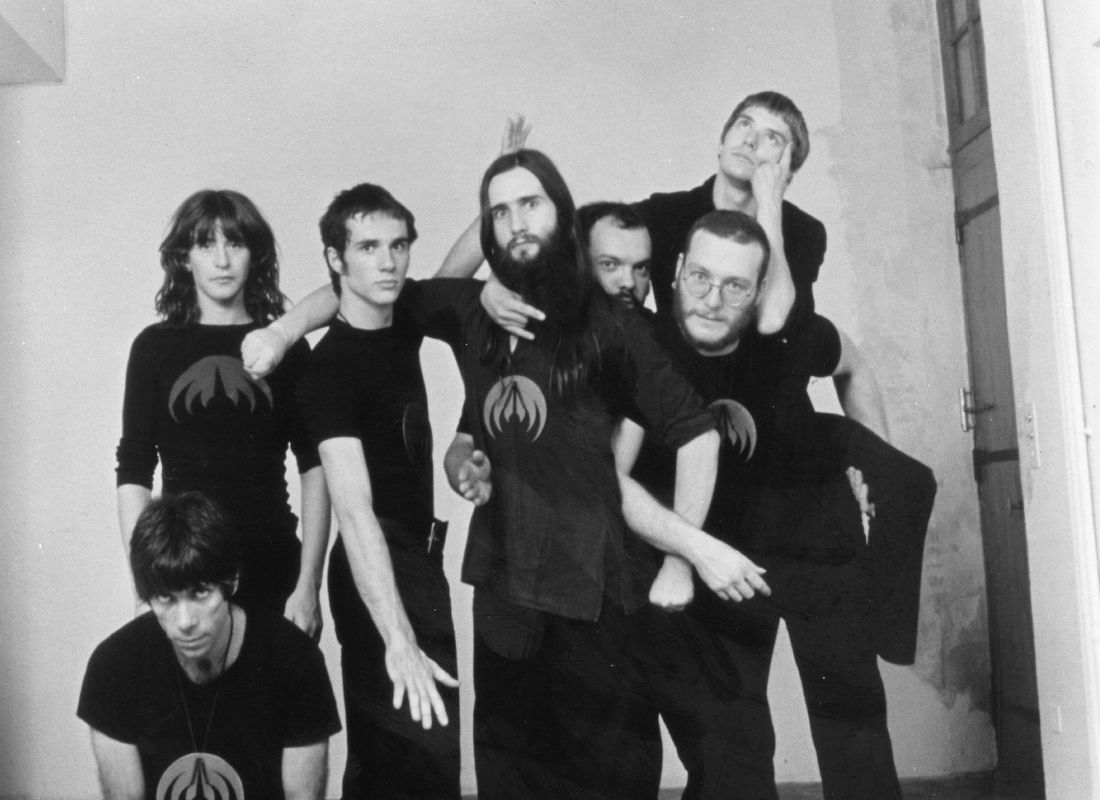
To play in the French prog-rock band Magma, you don't just learn chords: you learn a whole new language. Founder Christian Vander created 'Kobaïan', a phonetic language used to tell the multi-album saga of a doomed Earth and a distant planet. Joining the band requires an immersion into Vander's complex spiritual and linguistic mythology.
The Lifestyle: Living within a self-generated science-fiction universe, fuelled by a unique musical genre called 'Zeuhl'.
3. Minor Threat / Fugazi
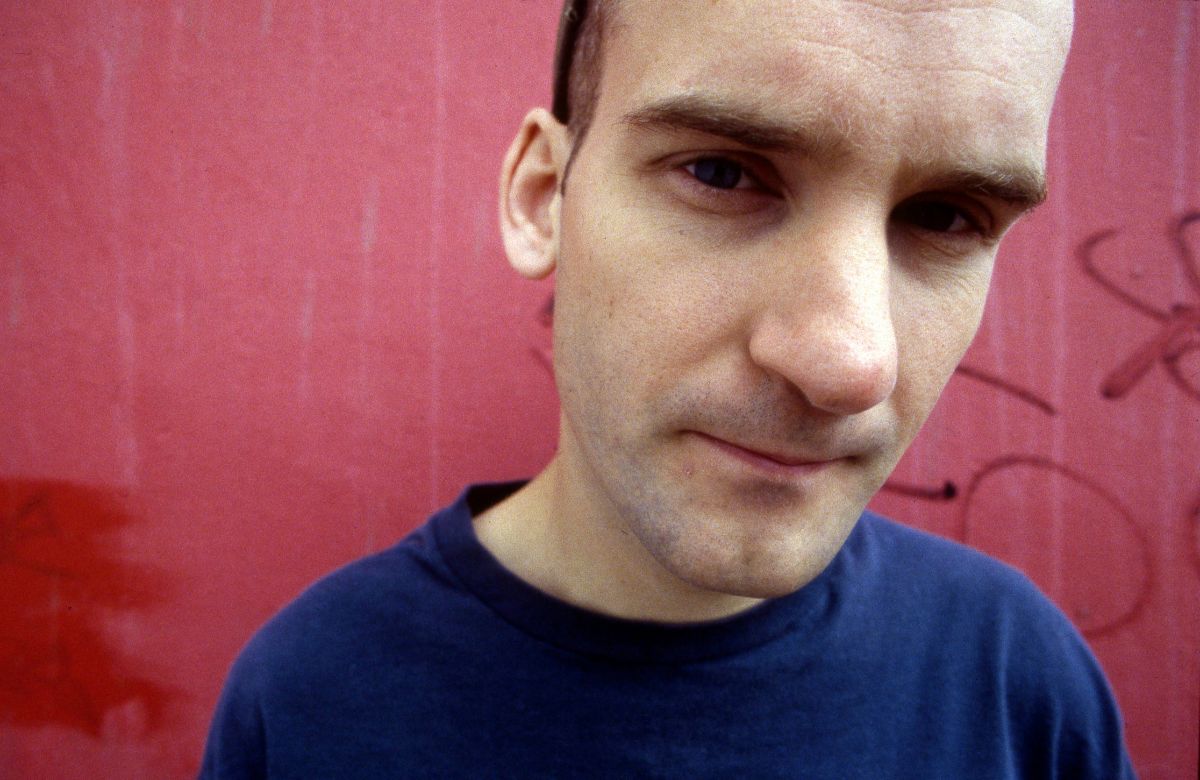
Ian MacKaye didn't just start a band; he started a moral movement. Through Minor Threat, he birthed 'Straight Edge', a revolutionary lifestyle of total sobriety that rejected the drug-fuelled hedonism of the 1980s hardcore scene. By swearing off alcohol, tobacco, drugs and casual sex, MacKaye and his adherents turned personal restraint into a political act.
Later, with Fugazi, he pioneered a self-sufficient, ethics-driven way of life that prioritized the fan over profit. This fiercely independent ethos included strictly enforced $5 shows and $10 CDs, alongside a total refusal of corporate sponsorship, proving that a band could thrive entirely outside the predatory machinery of the mainstream music industry.
The Lifestyle: Principled resistance. Every aspect of these bands' lives – from what they ate to how they booked tours – was a deliberate, documented rejection of exploitative industry practices.
4. Crass

The ultimate anarcho-punk experiment. Crass lived together in Dial House, an open-access commune in the English countryside. They shared all their income, grew their own food, and operated as a self-contained propaganda machine. To be in Crass was to commit to a 24/7 lifestyle of anti-consumerism, pacifism, and DIY self-sufficiency.
The Lifestyle: Total ideological purity. They wore only black, lived without central heating, and used their album sleeves to distribute radical political pamphlets.
5. The Monks
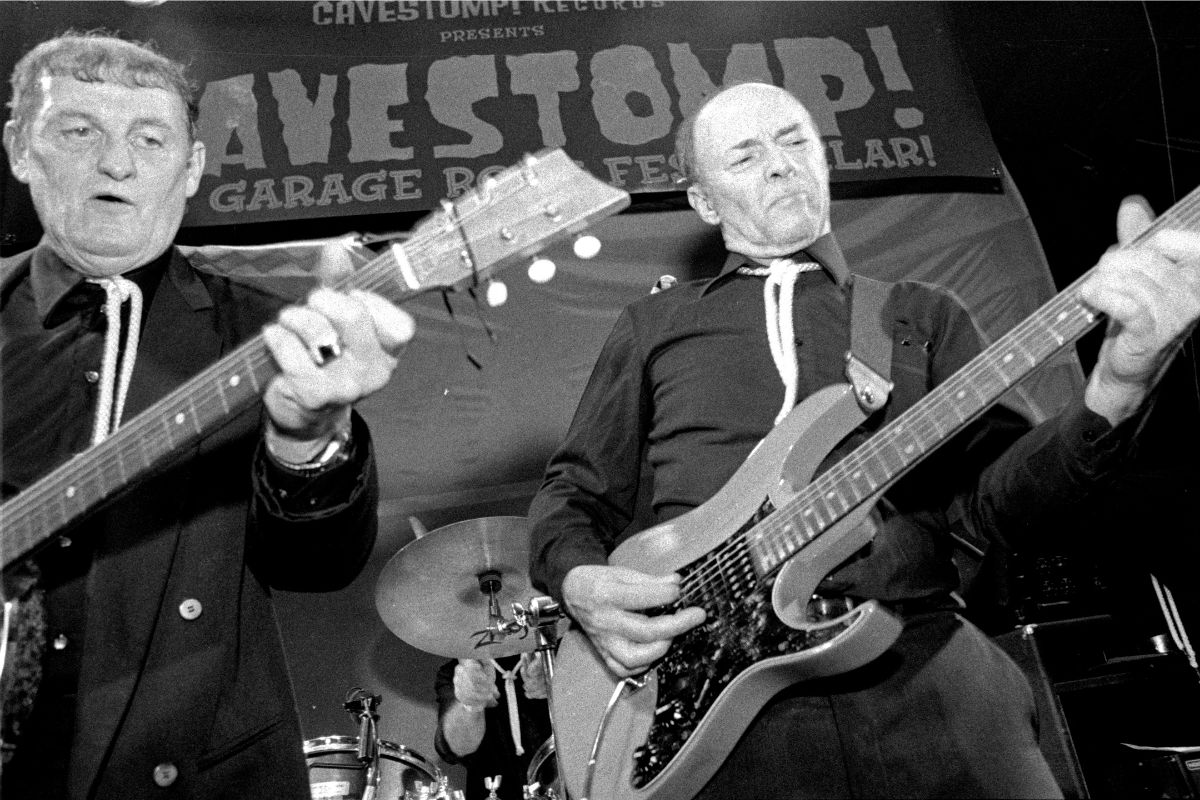
Formed by five American GIs stationed in West Germany in the mid-60s, The Monks were a radical exercise in discipline and anti-rock. They adopted a "way of life" that was entirely visual and philosophical, discarding pop conventions to wear black habits, nooses around their necks, and – most famously – Medieval-style tonsured heads.
The Monks' sonic assault was just as severe; they fused piercing vocals and anti-Vietnam War sentiment with screeching guitar feedback and the frantic, percussive clatter of a six-string banjo. This aggressive, avant-garde cocktail created a proto-industrial sound that modern critics now recognize as a vital, primitive spark that prefigured the punk rock explosion.
The Lifestyle: They lived a life of rhythmic asceticism, rejecting the "soft" melodies of the era for a jarring, repetitive sound meant to mirror the cold, hard reality of military life and the Cold War.
6. Amon Düül II
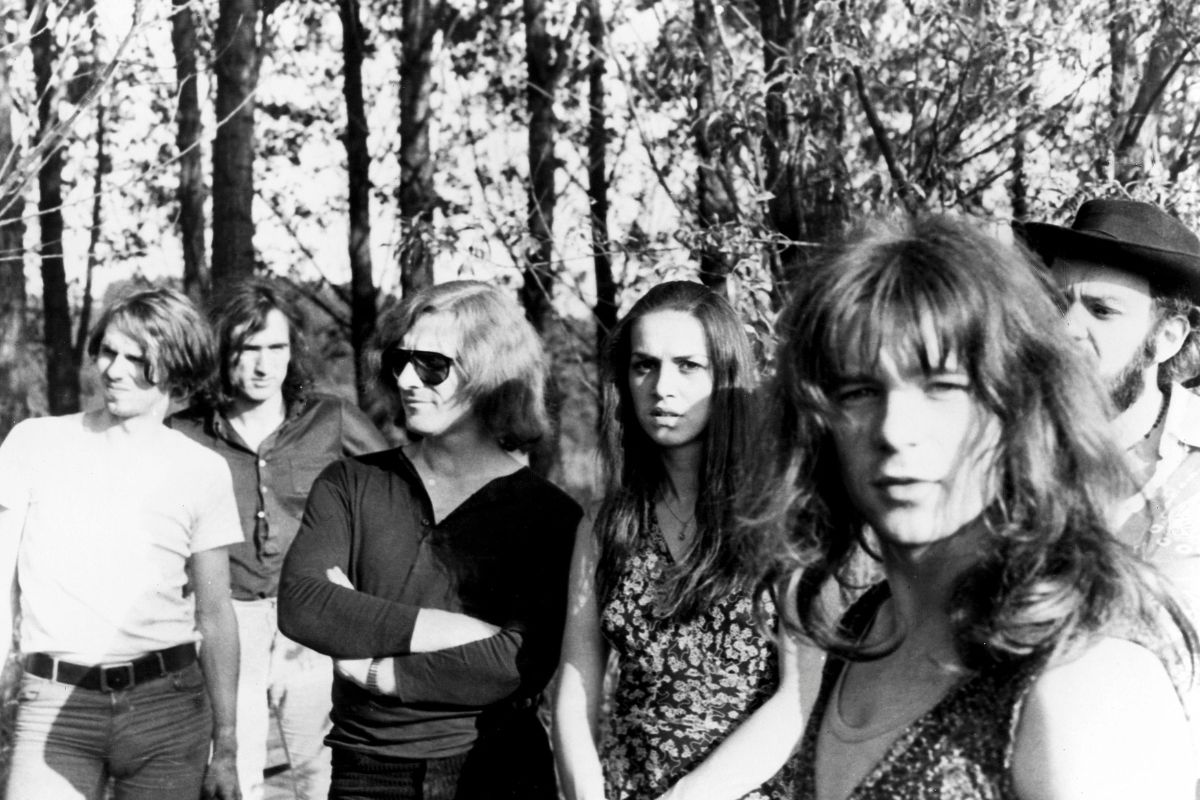
Emerging from the radical Commune 1 in Munich, Amon Düül II represented the point where political revolution met musical anarchy. The commune was a hub of free love and anti-authoritarian protest; the band was simply the loudest part of that social upheaval.
Members shifted between making music and making manifestos, viewing their sprawling, improvisational jams as a direct challenge to the 'square' German society of the time.
The Lifestyle: Communal chaos as a political act: a 24-hour rejection of the nuclear family and capitalist structure.
7. Sun Ra Arkestra
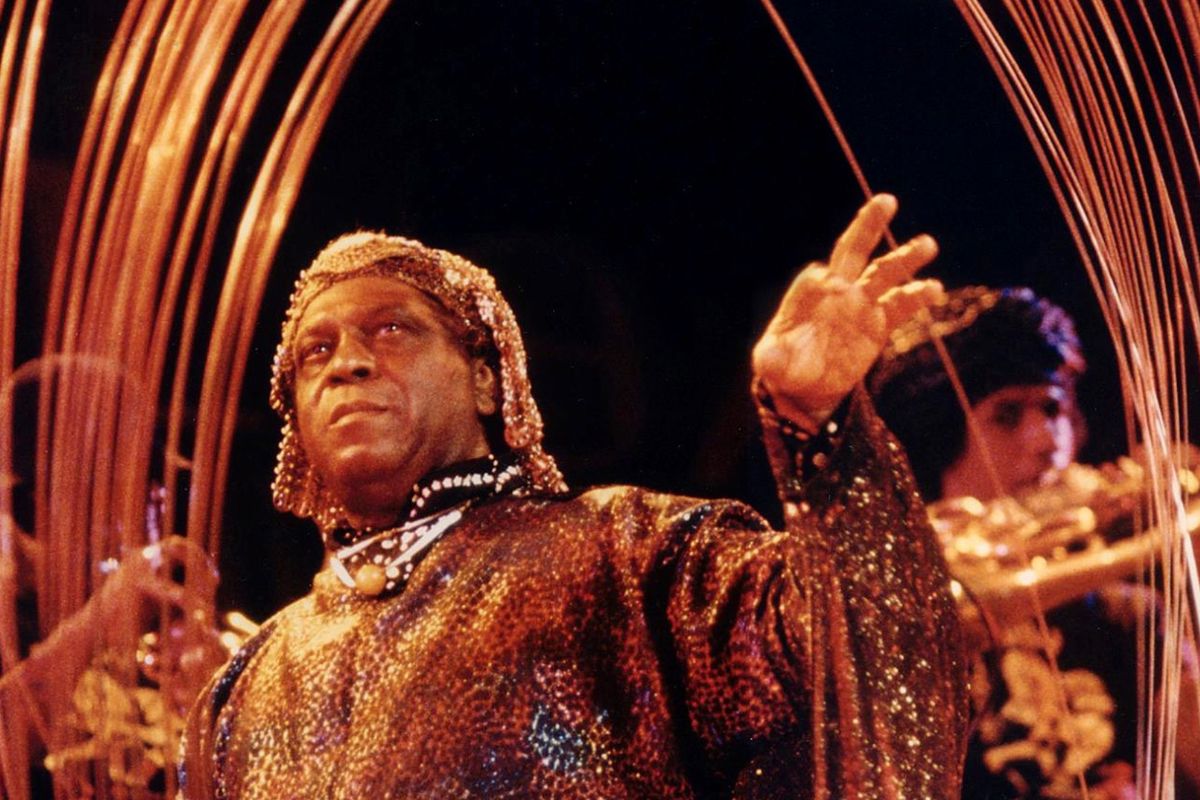
Arguably the ultimate example of music as a total belief system. Sun Ra didn't just claim to be from Saturn; he and his Arkestra lived as if they were a cosmic diplomatic mission. Living communally in a Philadelphia row house (and later elsewhere), the members practiced for hours daily under Sun Ra’s strict, quasi-religious discipline.
The Lifestyle: Afro-futurist transcendence. Their identity was a 24/7 commitment to Ra’s philosophy of Space Age salvation, involving elaborate costumes and a total rejection of earthly societal norms.
9 more bands who blurred the line between music and life
8. Black Flag
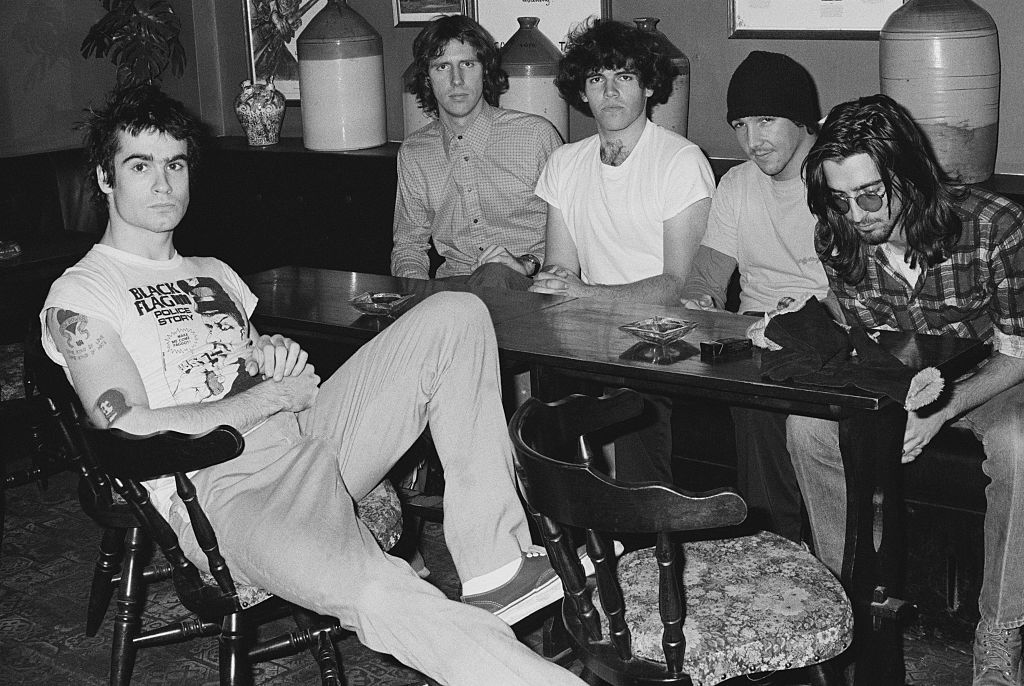
Being in Black Flag was less like being in a band and more like surviving a paramilitary boot camp. Under the uncompromising direction of Greg Ginn, the band lived in squalor, practiced for ten hours a day in a windowless room, and toured relentlessly in a cramped van.
The Lifestyle: Hardcore asceticism. They lived on the fringes of society, surviving on 'police-dog' food and grit, viewing the physical and mental endurance of the tour as a test of their punk-rock purity.
9. Einstürzende Neubauten
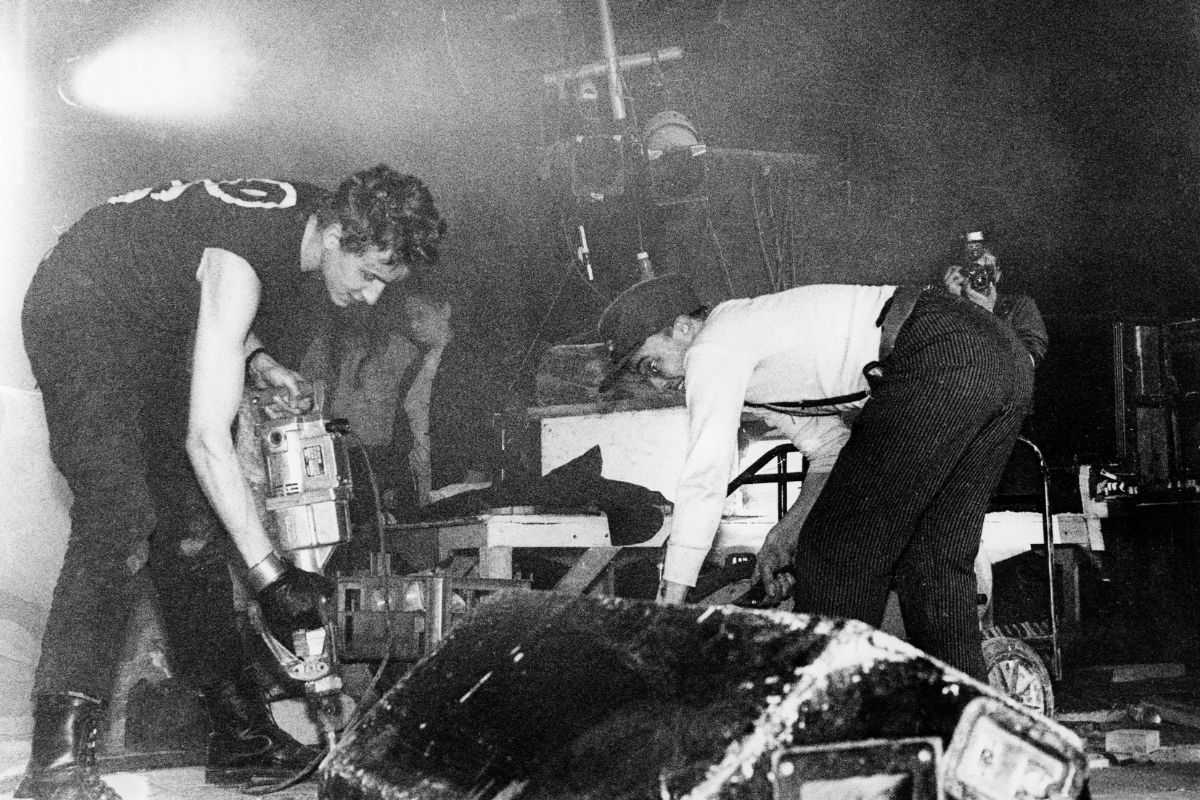
In their early years, this West Berlin collective didn't just play music; they lived a life of industrial survivalism. They scavenged scrap metal from construction sites to build their instruments and lived in squats near the Berlin Wall, treating the city's decay as their primary creative input.
The Lifestyle: A brutalist, avant-garde existence where the act of living amidst rubble was the art itself.
10. The 13th Floor Elevators
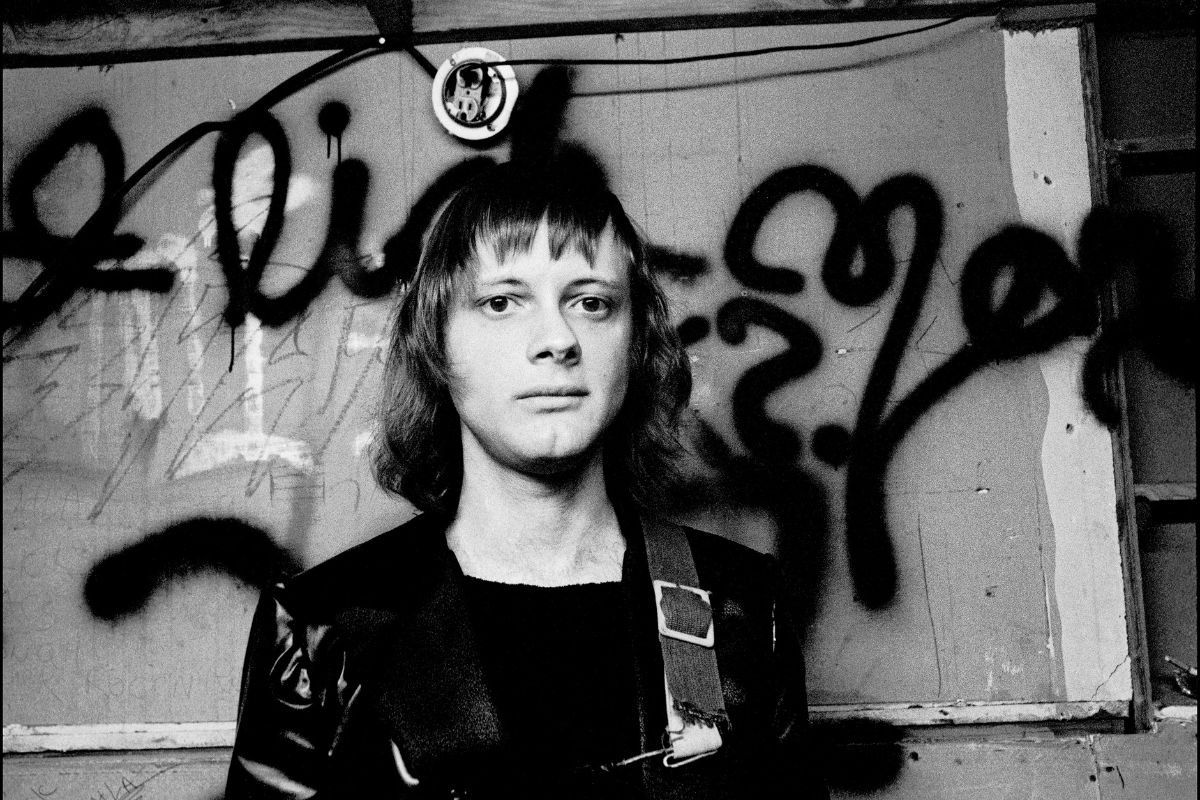
Led by Roky Erickson, this band was dedicated to the psychedelic quest. They didn't just take drugs; they viewed LSD as a sacramental tool for expanding the human mind, often living together in 'acid houses' in Texas. Their 'electric jug' instrument was meant to mimic the vibrations of a brain on a permanent trip.
The Lifestyle: A dangerous, uncompromising commitment to chemical enlightenment that eventually led to state-enforced institutionalization for its leader.
11. Hawkwind
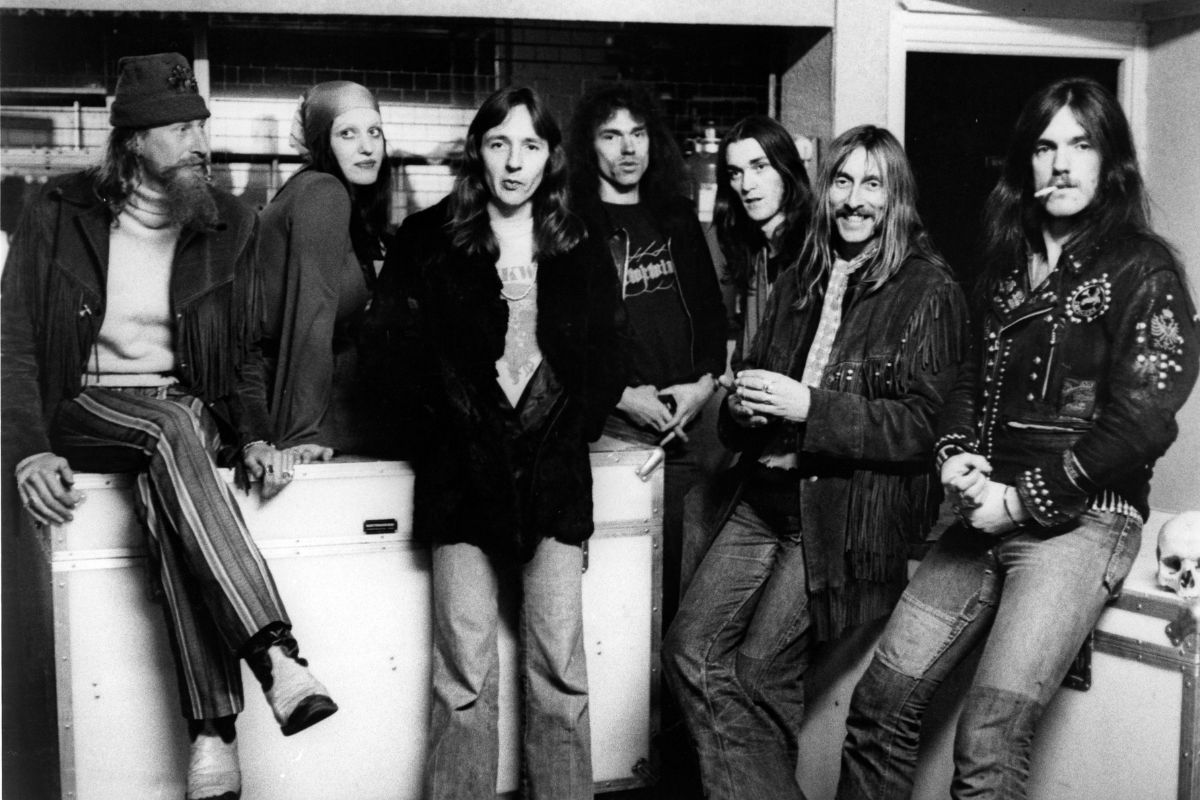
If the Grateful Dead were a hippie caravan, Hawkwind was a marauding space-rock pirate ship. During the early 70s, the band lived in a state of permanent, speed-fuelled anarchy in London’s Ladbroke Grove. They functioned as a community of urban guerrillas, often playing for free at protests or outside the gates of festivals they weren't invited to.
The Lifestyle: A gritty, high-volume squat-culture existence where sci-fi writers (like Michael Moorcock), dancers (Stacia), and future legends (Lemmy) all lived as a singular, chaotic entity.
12. The Residents
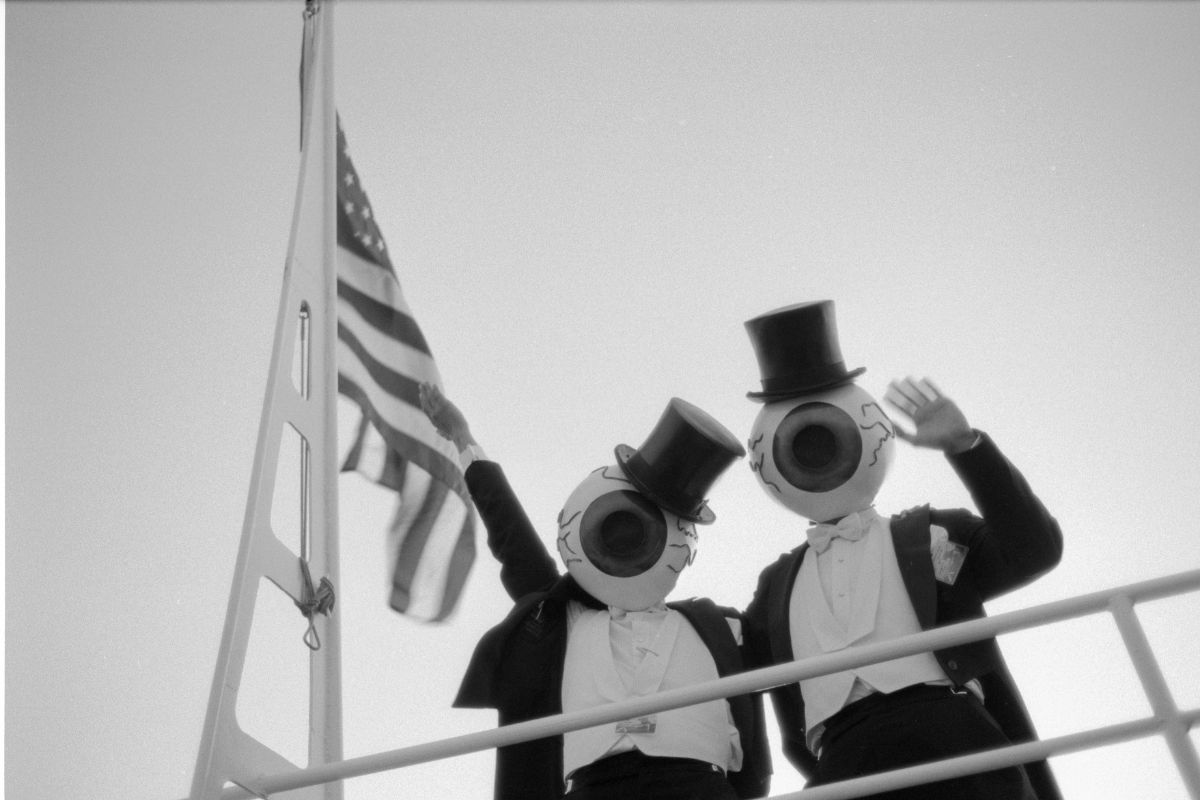
The Residents are less a band and more a decades-long commitment to total anonymity and conceptual subversion. By hiding behind iconic eyeball masks and tuxedos, the collective successfully erased the cult of personality, turning their existence into a permanent art installation.
This way of life is governed by the Theory of Obscurity, which posits that an artist’s best work is created without the influence of an audience. It is a tireless, multimedia crusade against the commercial music industry’s conventions.
The Lifestyle: Anti-celebrity as an art form. By erasing the 'artist', The Residents forced the audience to focus entirely on the work, living a secret life where the mask is the only reality the public is ever allowed to see.
13. The Mamas & the Papas
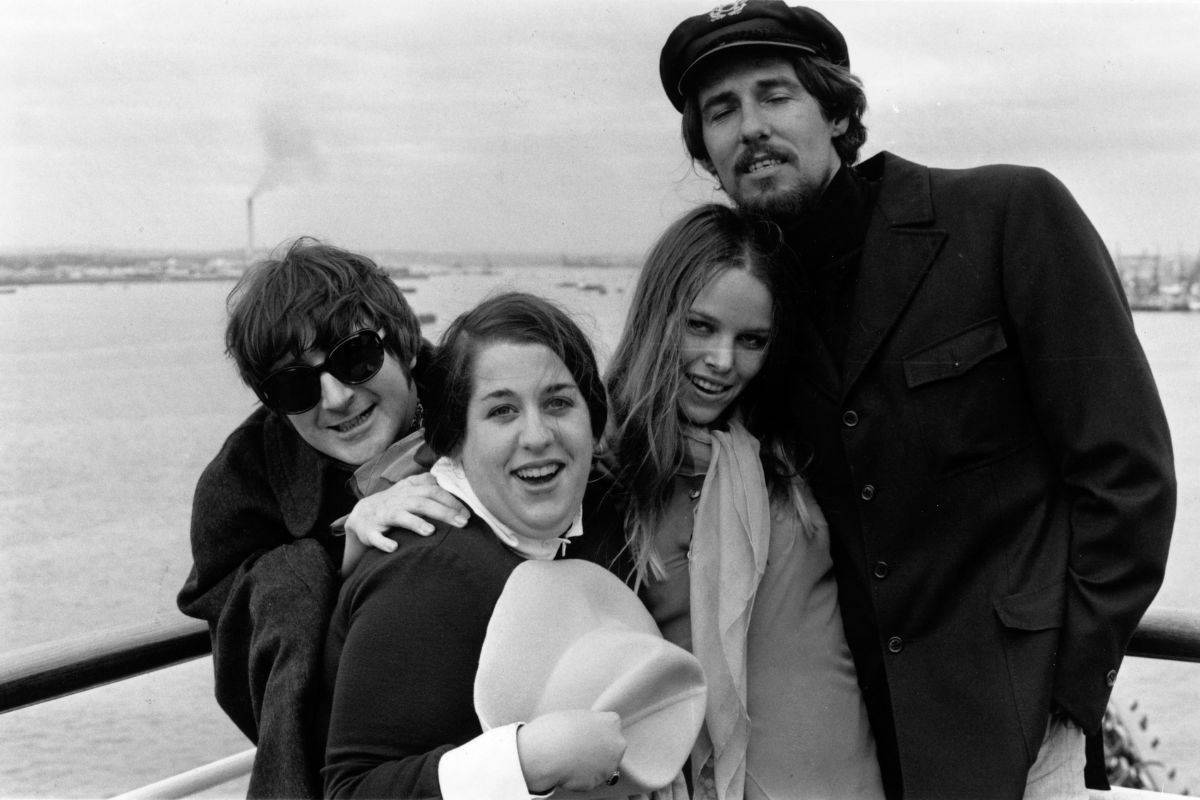
If the mid-60s California dream had a dark, tangled heart, it was this quartet. Their way of life was defined by a volatile 'musical polyamory' where creative harmony was fuelled by domestic chaos. Living together in a state of hedonistic intimacy, the band members were perpetually entangled in affairs and betrayals – most notably between Michelle Phillips and Denny Doherty – that served as the direct inspiration for their sun-drenched hits.
The Lifestyle: A high-stakes social experiment in open living that proved that the Summer of Love was often underpinned by brutal interpersonal jealousy.
14. The Incredible String Band
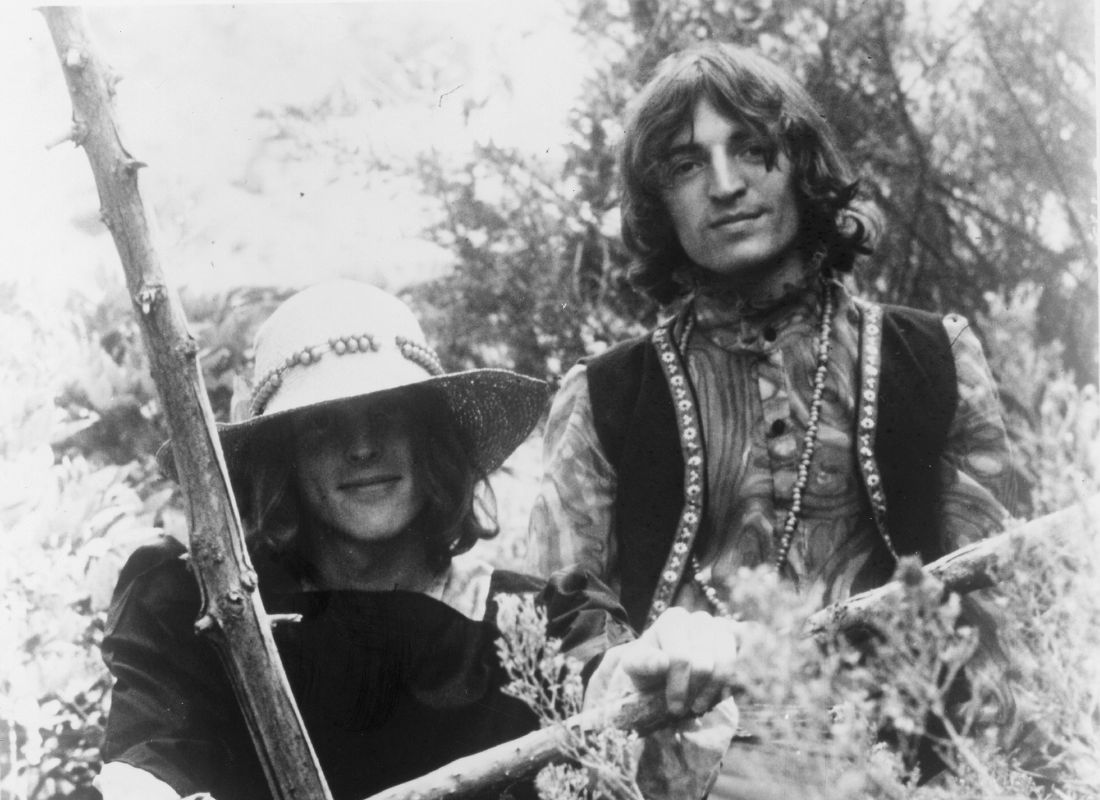
This Scottish duo didn't just play folk; they inhabited a homemade cosmology of pastoral mysticism. Retreating to a communal farm in the late 60s, Mike Heron and Robin Williamson lived a life of eccentric spiritual exploration, adopting Scientology and blending it with Celtic folklore and Eastern philosophy.
The Lifestyle: A total immersion into the whimsical. Heron and Williamson lived in a world of pan-cultural instruments and psychedelic hand-drawn art, treating their daily existence as a colourful, multi-dimensional spiritual quest.
15. KISS
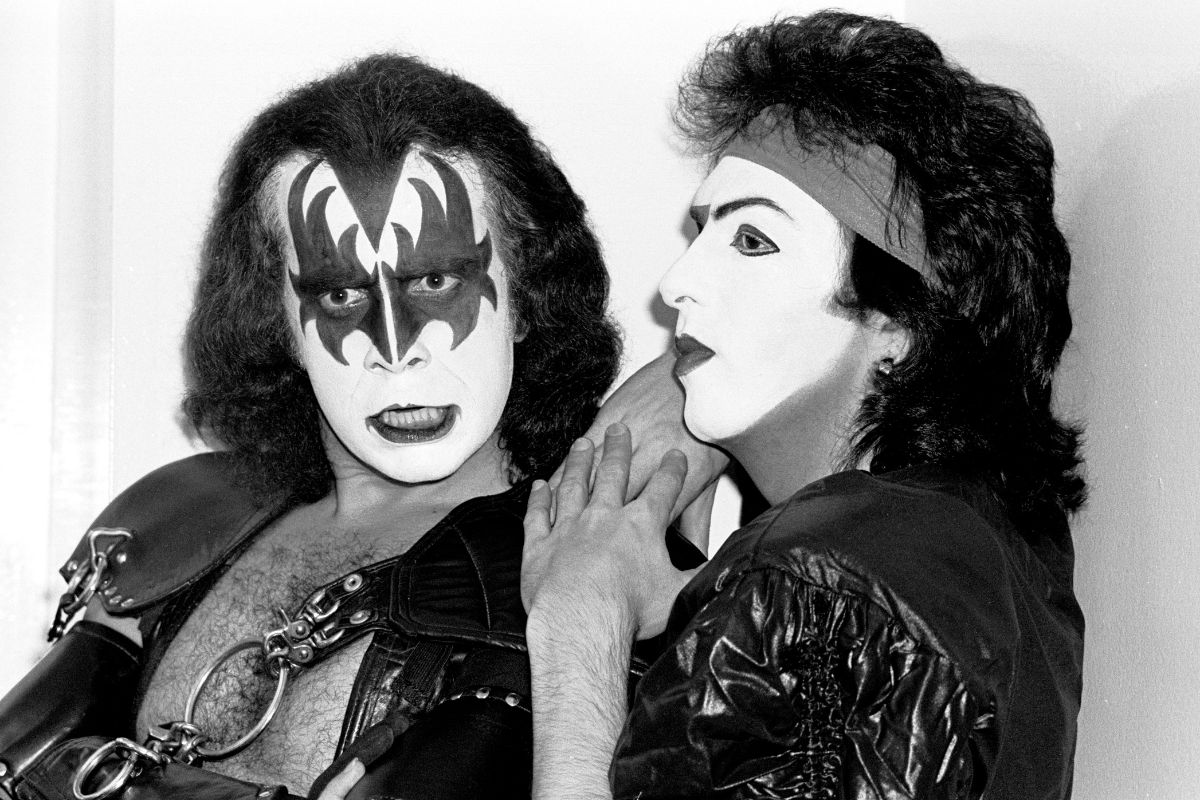
While often dismissed as a commercial machine, the original KISS way of life was a radical commitment to myth over humanity. In their early years, the band swore a blood oath never to be seen in public without their makeup. They became their characters – The Starchild, The Demon, The Spaceman, The Catman – refusing to let the 'real' person interfere with the iconic brand.
The Lifestyle: Total anonymity through identity. They sacrificed their private faces to become living, breathing comic book archetypes, a level of branding that bordered on a secular religion.
16. The Polyphonic Spree
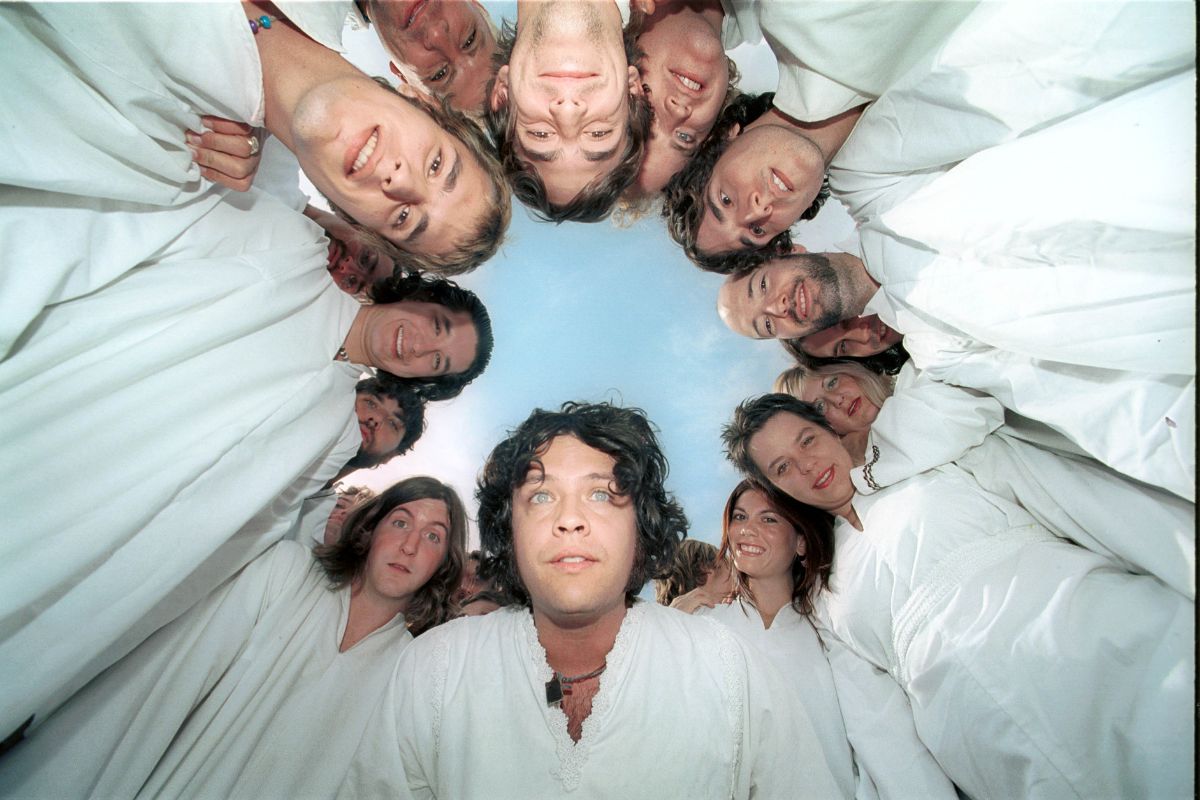
With up to 28 members adorned in matching choral robes, this sprawling Dallas ensemble feels more like a sunshine-pop cult than a traditional rock band. Led by the messianic Tim DeLaughter, the group emphasizes a 'collective' identity where individual ego is swallowed by a symphonic wall of sound. Featuring harps, horns and exuberant vocal layering, their performances radiate a forced, technicolour optimism: a dizzying, spiritual experience that blurs the line between a musical touring act and a psychedelic congregation.
The Lifestyle: A communal, 'Big Family' aesthetic that demands total aesthetic and emotional synchronization from every member.
Pics Getty Images