
Rock music is defined as much by its vocal personalities as by its riffs, rhythms, or lyrics.
Some voices invite instant affection, drawing listeners into their emotional world, while others provoke bewilderment, irritation, or even outrage. Across decades, certain singers have become iconic not just for technical skill, but for their distinctiveness – the way they break norms, bend phrasing, or embrace theatricality.
From the high, piercing wails of prog-rock tenors to gravelly, theatrical growls, from avant-garde experimentation to raw, unpolished intensity, rock singing often teeters between genius and challenge. These extremes can polarize audiences, with some listeners finding brilliance where others hear excess. In compiling this list of the 27 most divisive rock voices, we consider not only technical prowess but also the charisma, daring, and individuality that make each singer unforgettable.
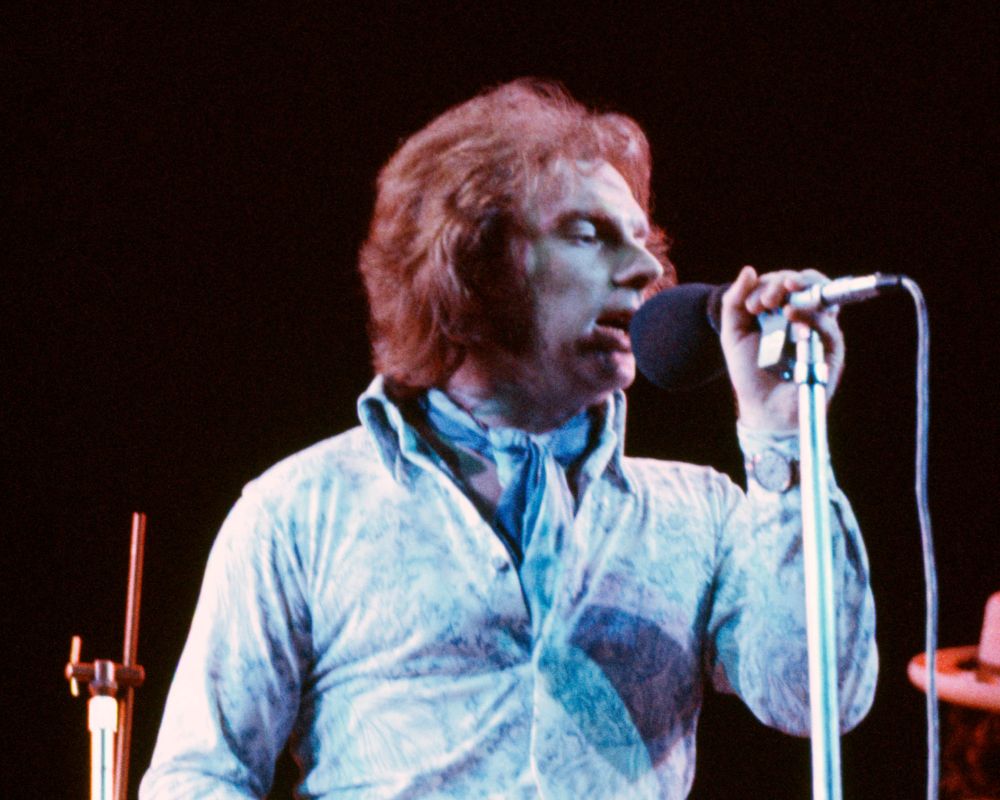
25. Van Morrison
Soulful and emotive: Van the Man’s voice is instantly recognisable – but it's not for everyone. His growls, scats, and occasional nasal delivery divide listeners: some hear raw passion and spiritual intensity, while for others it may sound like affectation or grating idiosyncrasy. The blend of Celtic grit, R&B phrasing, and improvisatory phrasing creates a deeply personal sound that inspires devotion – but also occasional frustration.
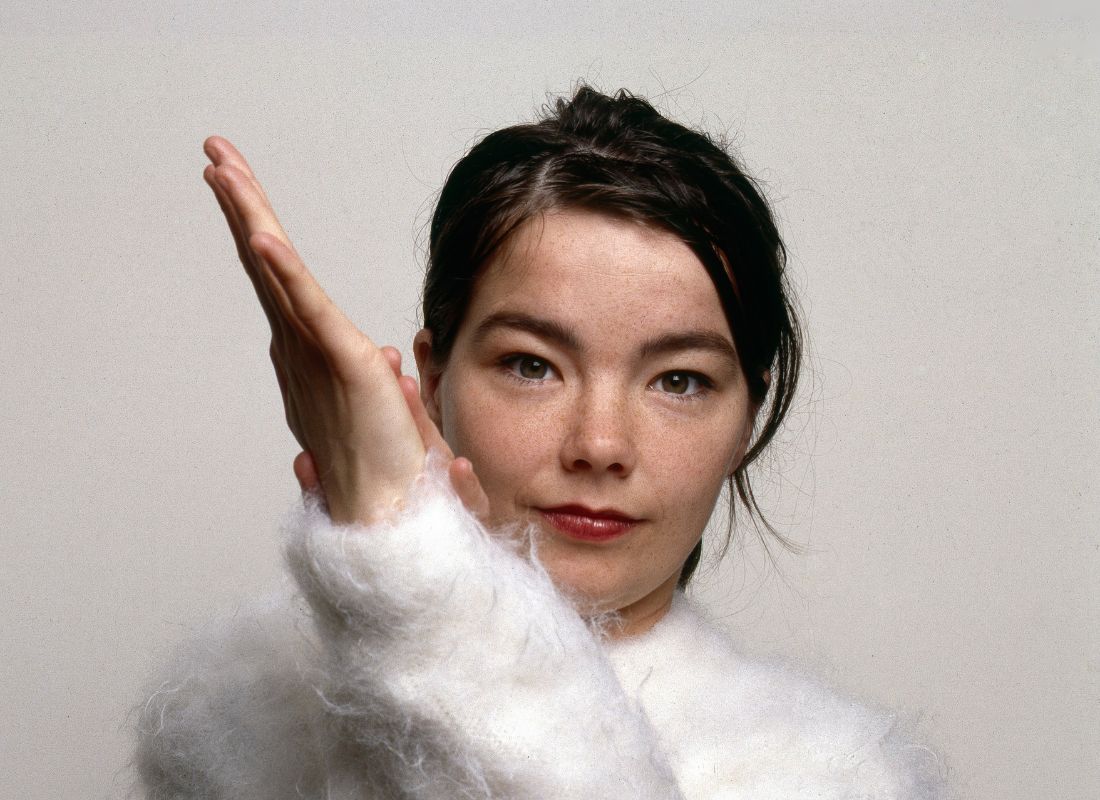
24. Björk
Björk’s voice is once heard, never forgotten — a collision of childlike fragility and raw, elemental force. Her timbre leaps from whispered delicacy to ecstatic, full‑bodied wails, creating an emotional charge few singers match. Fans celebrate her fearless experimentation, inventive phrasing and ability to sound vulnerable, curious and otherworldly at once. Yet that same intensity can be challenging: some listeners find Björk’s voice piercing or unconventional, making her one of modern music’s most divisive vocalists.
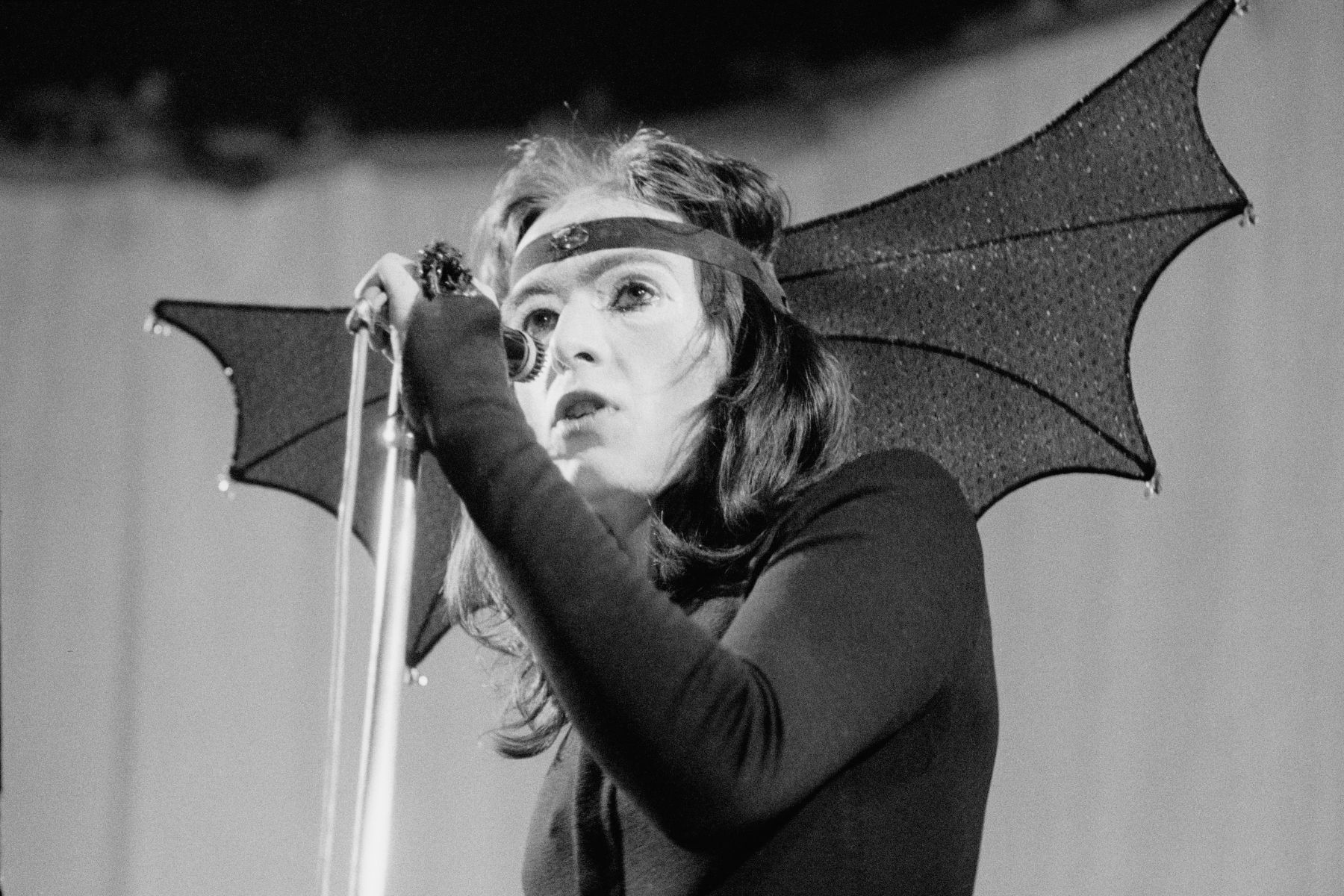
23. Peter Gabriel (Genesis era)
Peter Gabriel’s early Genesis-era voice is theatrical, expressive, and highly stylized, blending falsetto, dramatic phrasing, and operatic inflections. Fans admire its emotional range, storytelling power, and unique character, which helped define prog rock’s theatricality. Yet his idiosyncratic delivery can split opinion: some find it overblown, affected, or overly melodramatic, especially on longer, multi-sectioned tracks. Gabriel’s voice demands attention and interpretation, making it unforgettable but occasionally challenging for casual listeners.
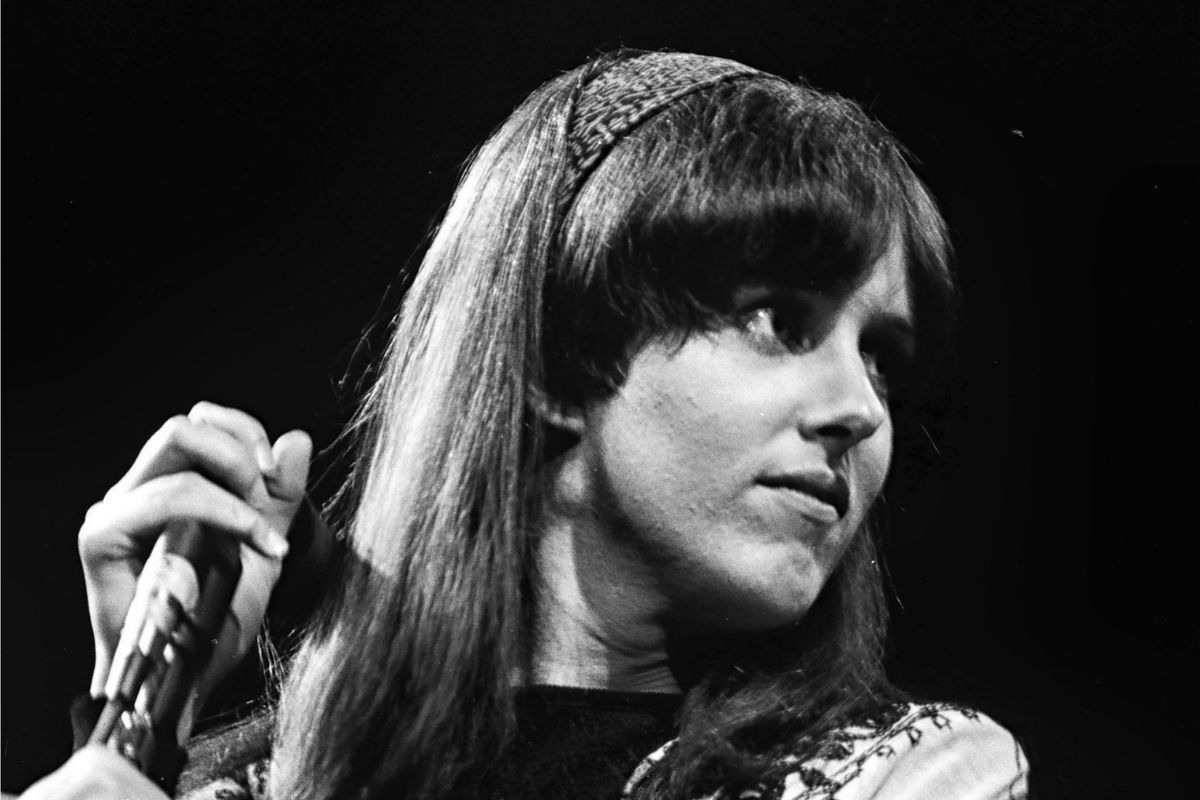
22. Grace Slick (Jefferson Airplane)
A crucial element in Jefferson Airplane’s arresting psychedelic soundworld was the powerful, somewhat eccentric voice of singer Grace Slick. Her soaring highs and commanding delivery convey intensity and charisma. Some listeners find that intensity electrifying and iconic, while others perceive shrillness or excessive theatricality. Slick’s idiosyncratic timbre and fearless expressiveness make her voice unforgettable, inspiring both devotion and critique across generations of rock fans.
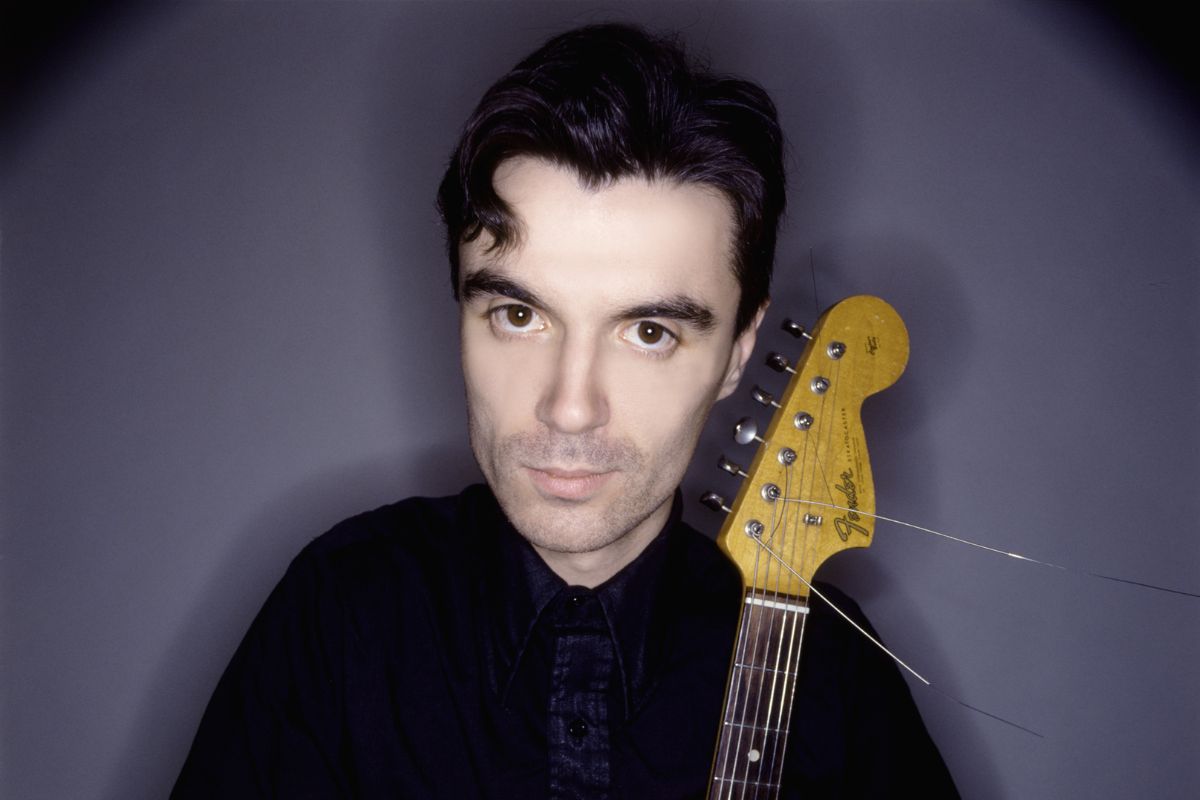
21. David Byrne
Quirky, nervy, utterly unmistakable: we could be describing both David Byrne's vocal style and the sound of his band Talking Heads, so perfectly do the two complement each other. Byrne's idiosyncratic delivery – nervous phrasing, clipped enunciation, and conversational tones – divides listeners. Fans admire its charm, wit, and rhythmic precision, while others can find it affected, even emotionally detached. Byrne’s vocal style reinforces his experimental, cerebral approach to music, making it both distinctive and polarizing in the broader landscape of rock and pop.
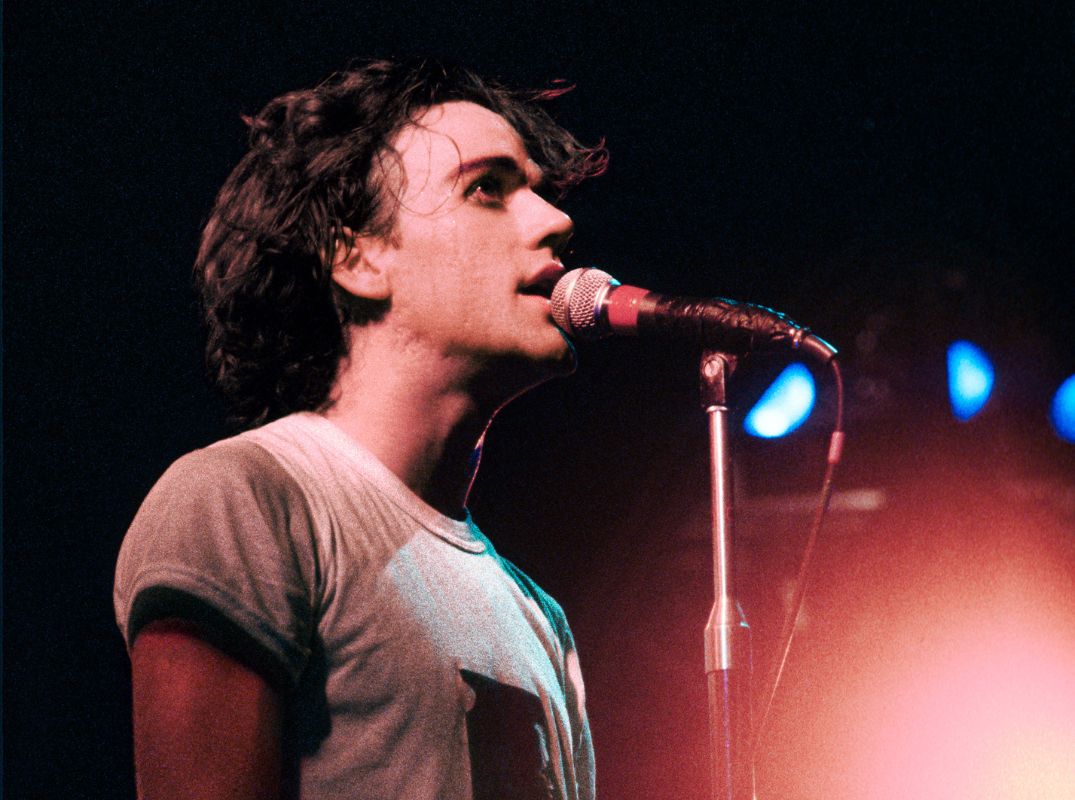
20. Michael Stipe
An interesting case of stylistic development. Michael Stipe's mumbled, enigmatic early singing style on albums like Murmur and Reckoning made lyrics nearly indecipherable, which some fans found hauntingly mysterious and others simply frustrating. As his voice matured, he embraced a more open, emotional tone ('Losing My Religion', 'Everybody Hurts'), which drew praise for vulnerability but also criticism for being overly earnest.
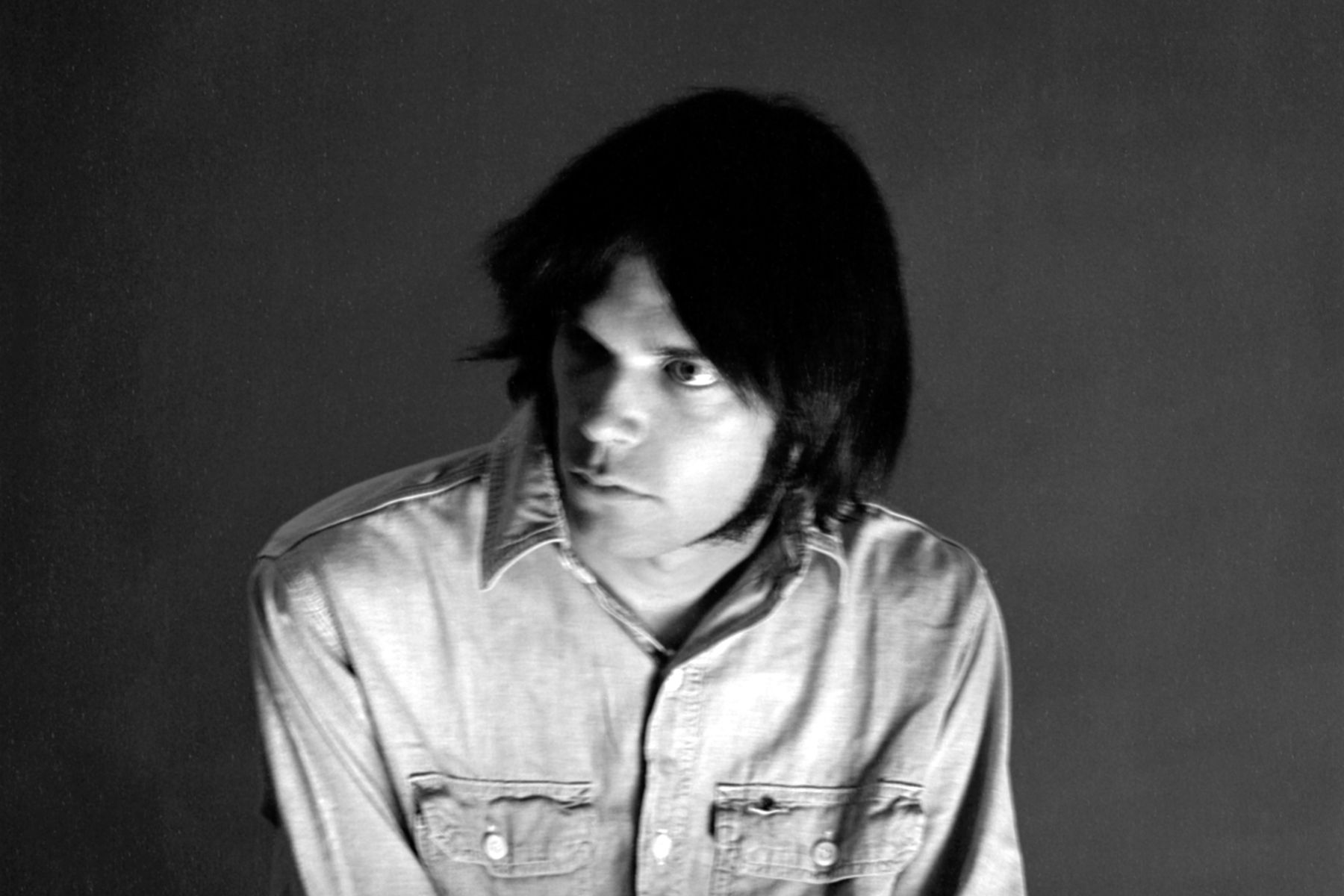
19. Neil Young
Neil Young’s high, quivering tenor can convey vulnerability, anguish, and intimacy with extraordinary power, particularly on acoustic tracks like 'Old Man' or 'Harvest Moon'. However, the same fragility can sound nasal, strained, or uneven to some, especially on louder, distorted electric performances such as 'Cortez the Killer' or 'Rockin’ in the Free World'.
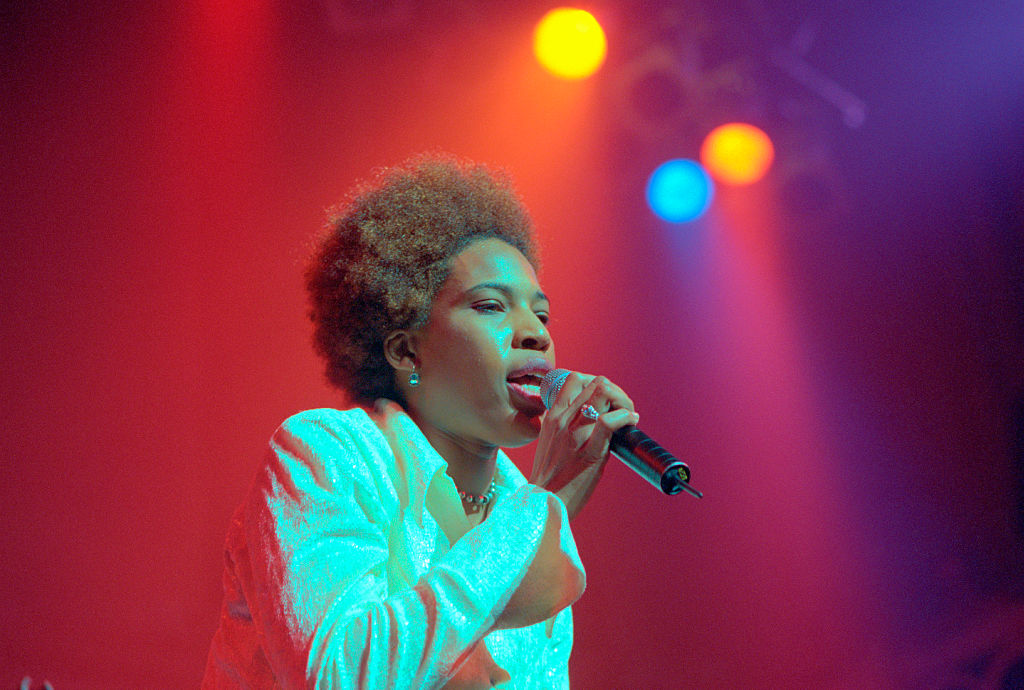
18. Macy Gray
Macy Gray’s voice is a raspy, quivering, smoke‑tinged instrument that sounds instantly lived‑in — part Billie Holiday ache, part eccentric pop croak. Fans love its warmth, personality and emotional wobble; critics find it mannered, scratchy or distractingly idiosyncratic. Her phrasing can feel slurred, playful or deliberately off‑kilter, giving her music huge character while making Gray one of modern soul‑pop’s most polarising vocalists.
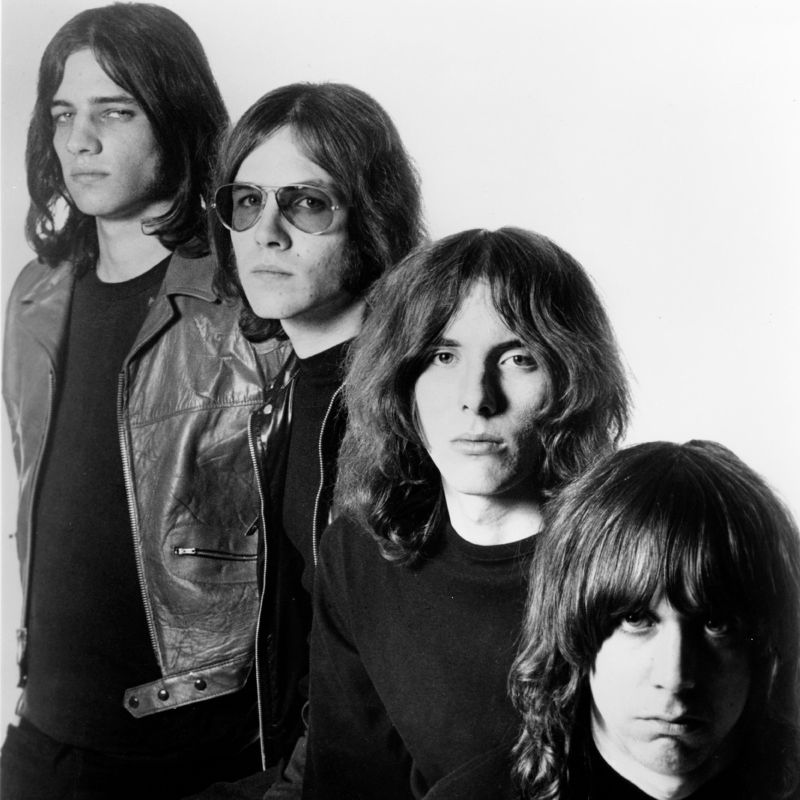
17. Iggy Pop
Raw, primal, and relentlessly energetic, Iggy Pop’s voice has always been a lightning rod for opinion. On iconic tracks like 'Lust for Life' or 'The Passenger', his sneering delivery, jagged phrasing, and occasional growls convey danger, urgency, and a thrilling sense of rebellion. For many, that unpredictability and intensity are exhilarating, perfectly capturing the spirit of punk and proto-punk. Yet for others, the same qualities can feel abrasive, harsh, or even grating. His voice embodies both chaos and charisma.
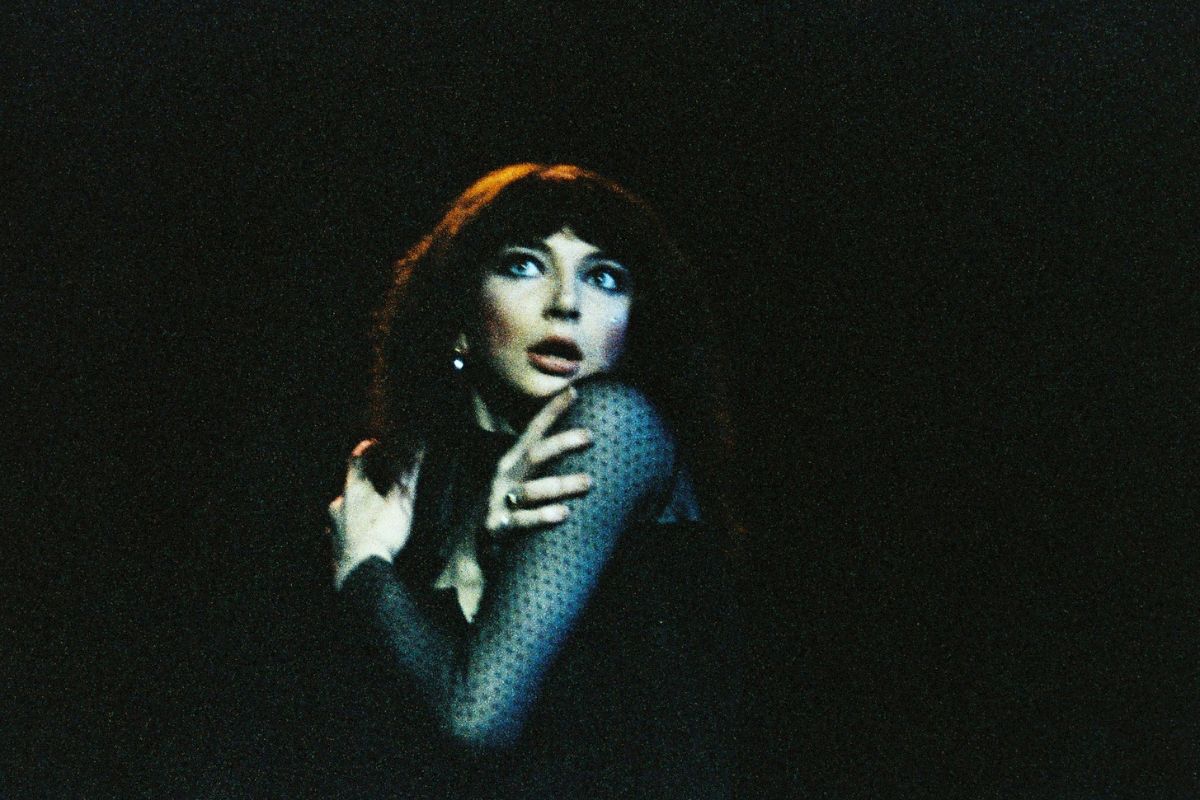
16. Kate Bush
Can anyone move so effortlessly from ethereal whispers to soaring, dramatic high notes as Kate Bush? Most listeners are mesmerised by her range, creativity, and operatic flair, while others find her delivery overwrought or eccentric. That willingness to push vocal boundaries – combining fragility, power, and unusual timbres –ensures her singing is instantly recognisable, captivating many while challenging conventional expectations, and securing her place as one of rock’s most distinctive voices.
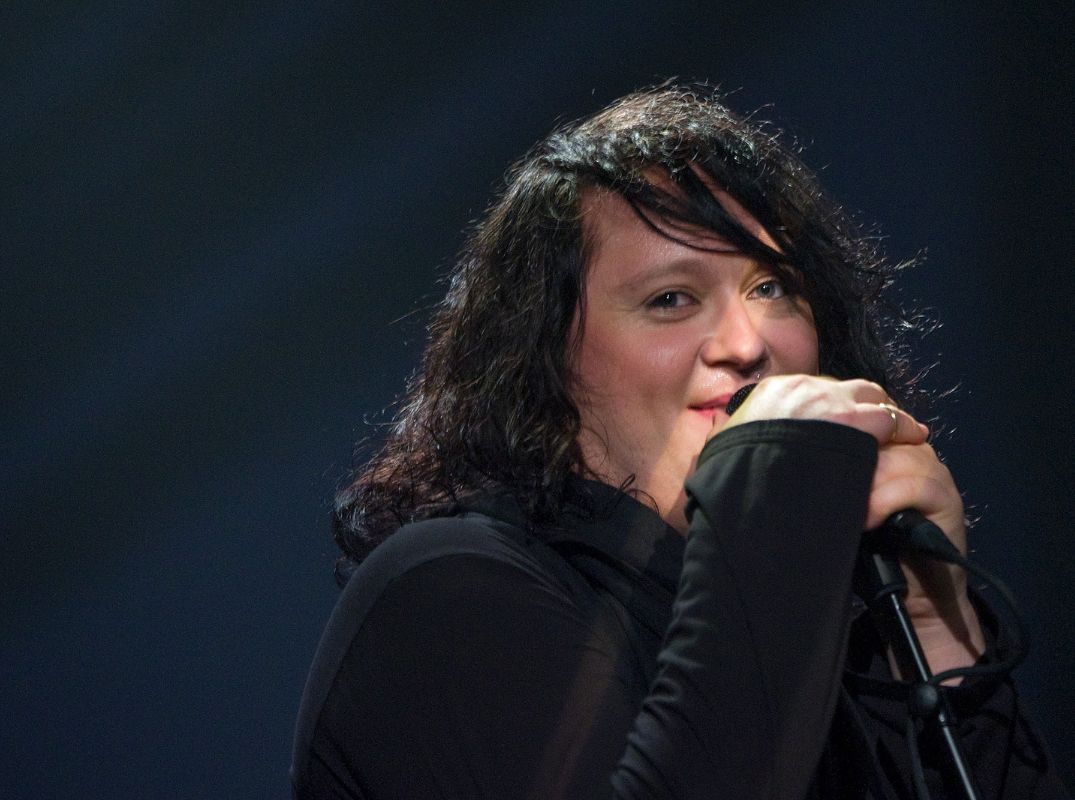
15. Antony/ANOHNI
Antony/ANOHNI’s voice is haunting, ethereal, and emotionally raw, blending fragility with operatic power. Some listeners are captivated by the intimacy, vulnerability, and dramatic expressiveness, while others find it unconventional or challenging. Its distinctive timbre and bold emotional honesty ensure that encounters with ANOHNI’s vocals are either profoundly moving or difficult to embrace.
14. Geddy Lee (Rush)
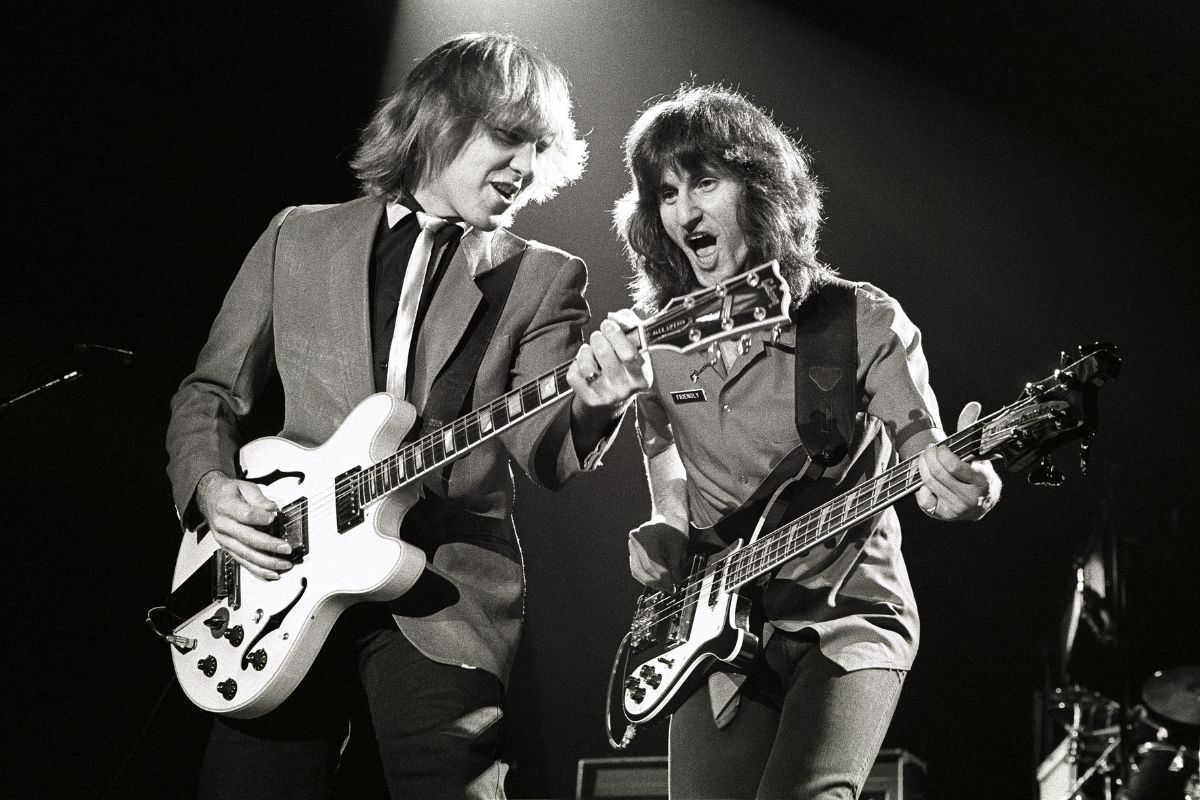
High-pitched, sharp, and intensely expressive, there's no mistaking the Rush frontman's voice. Early Rush albums amplified its shrill, virtuosic quality, thrilling prog fans but challenging casual listeners. From Moving Pictures (1981) onward, Lee subtly toned down the extremes, coinciding with Rush’s shift toward more grounded, concise songwriting. The vocal refinement matched the band’s move from sprawling, fantastical prog epics to tighter, lyrically relatable tracks, making his signature timbre slightly more accessible while retaining the idiosyncratic energy that defines his voice. It’s still unmistakably Geddy.
13. Captain Beefheart
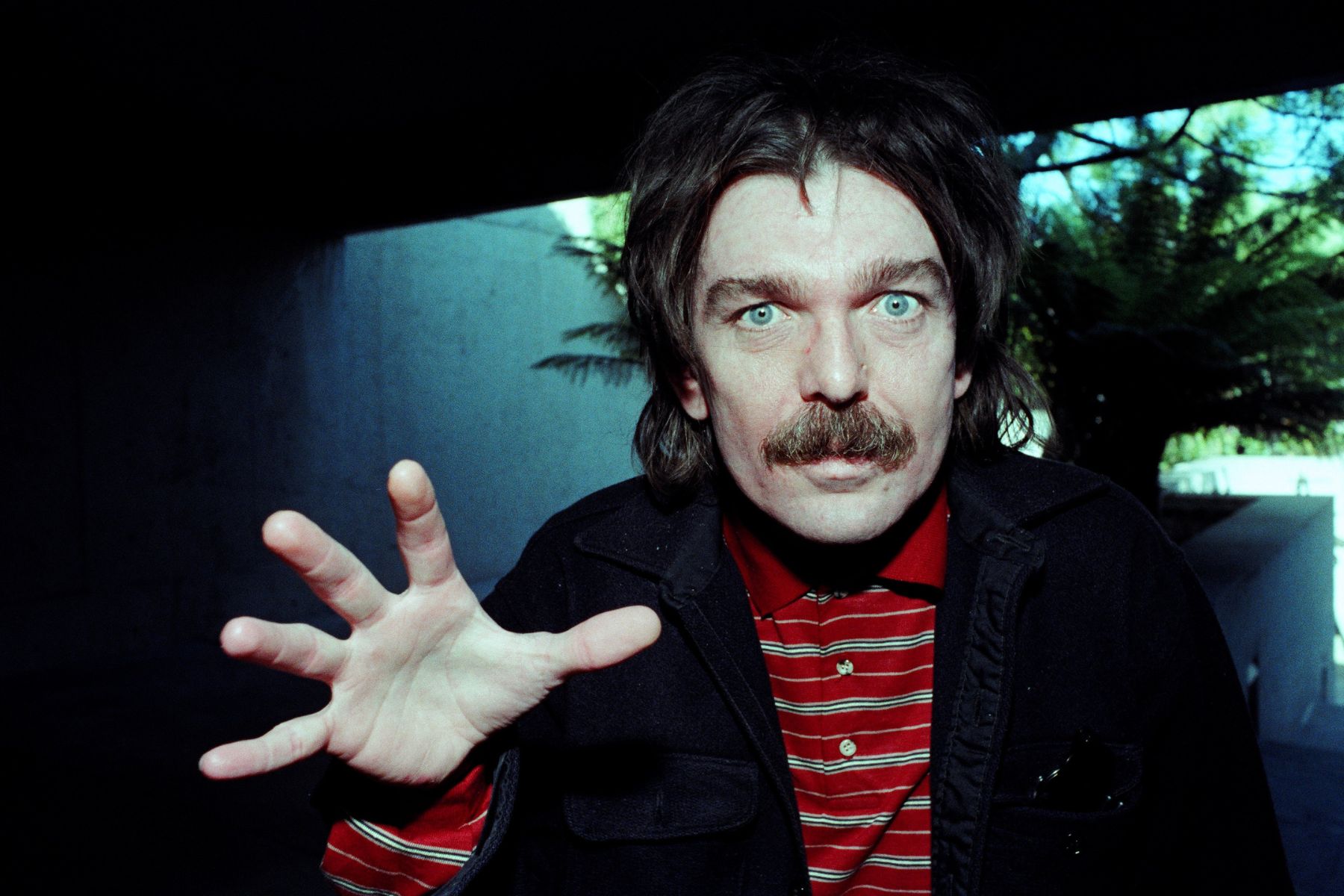
Don van Vliet, aka Captain Beefheart, was rock’s ultimate maverick, defying convention with jagged rhythms, surreal lyrics, and uncompromising experimentation. His voice – gravelly, growling, and wildly expressive – is central to Beefheart's appeal, twisting melody into eccentric, primal sounds that both challenge and captivate listeners. It transforms his music into an unpredictable, unforgettable experience, making Beefheart’s artistry inimitable and contentious in equal measure.
12. Bob Dylan
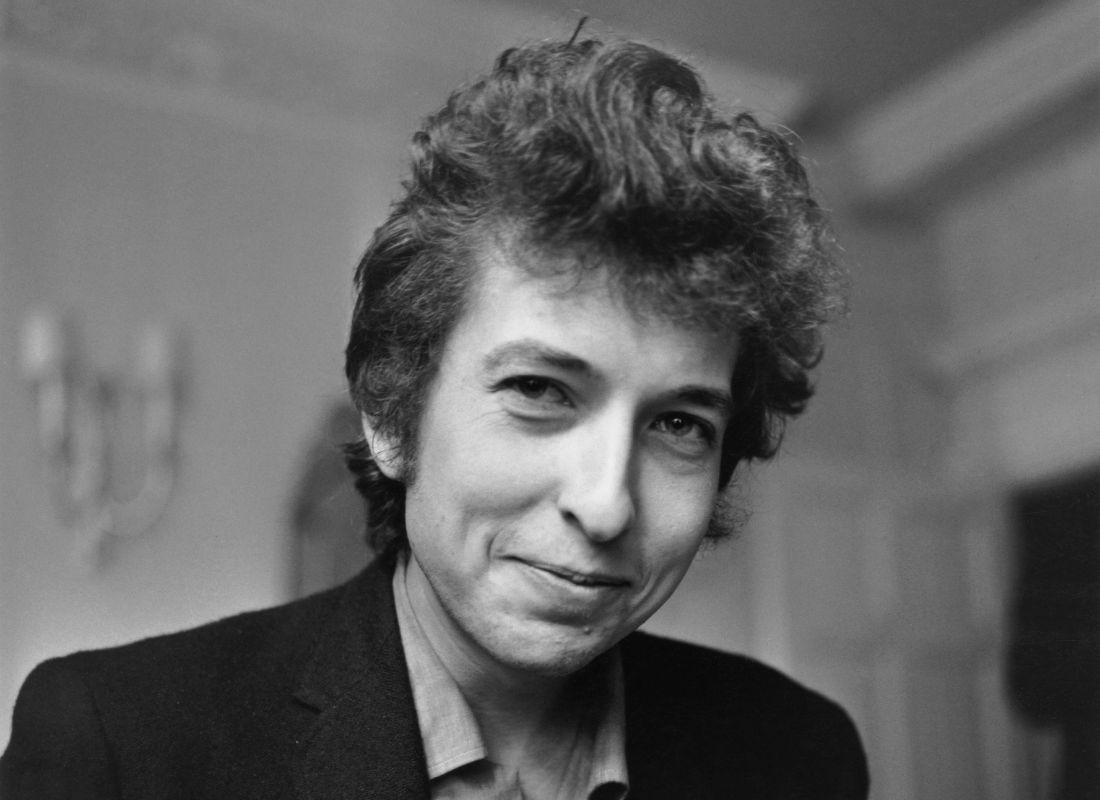
'Like sand and glue' was David Bowie's pithy description of Bob Dylan’s voice, on his own breakthrough 1971 album Hunky Dory. Nasal, half-spoken, and prone to irregular phrasing, Dylan's voice can grate or enchant depending on the listener. Its conversational intimacy allows lyrics to dominate, turning songs into vivid narratives. Few singers could replicate its slurred, world-weary charm. Love it or hate it, Dylan’s voice defines his music, making him one of rock’s most singular vocalists.
11. Mark E. Smith
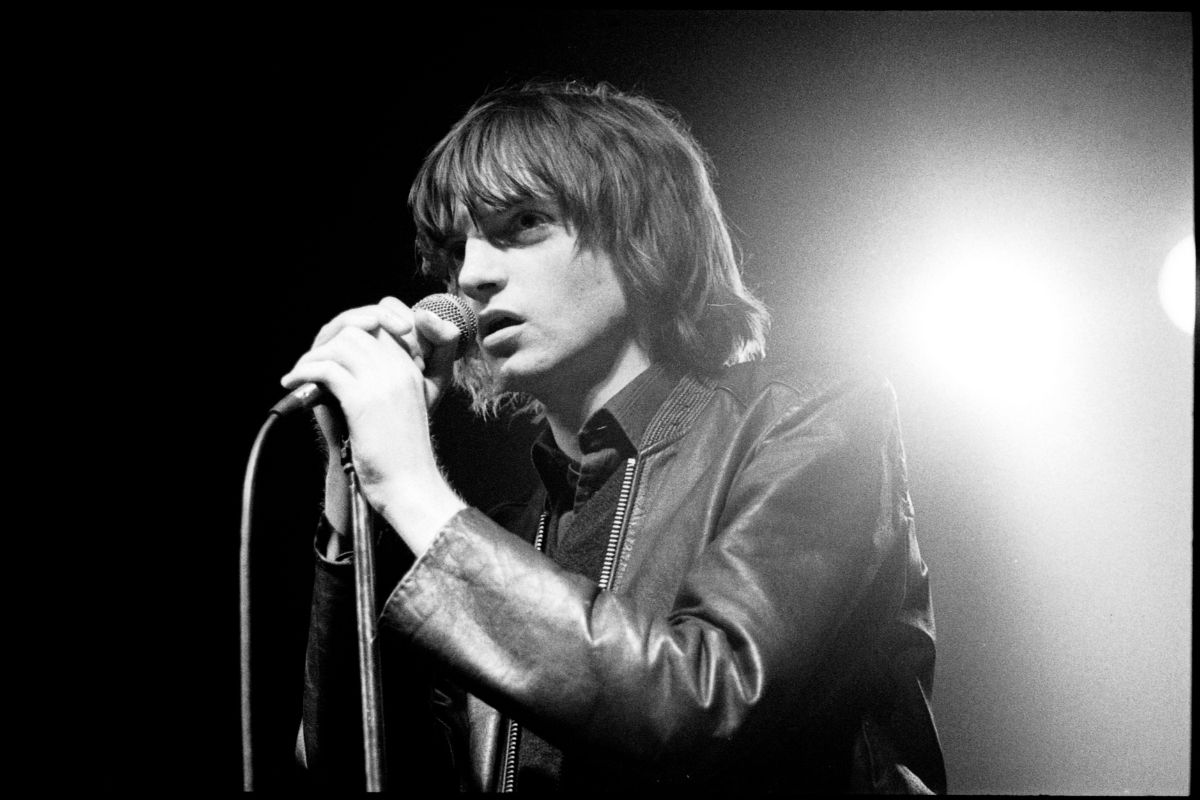
Whenever the topic of 'bands who don't sound like anyone else' crops up, The Fall are in the mix. And deservedly so. For more than 40 years they created deliciously off-kilter soundworlds – and at the centre of it all was singer Mark E. Smith. His surreal song-stories were delivered in an unmistakable voice – gravelly, sneering, confrontational. His idiosyncratic delivery, including odd, clipped suffixes and off-kilter enunciations, twists ordinary words into something uncanny. Often described as abrasive or irritating, it’s also magnetic, drawing listeners into Smith’s disjointed narratives.
10. Frank Zappa
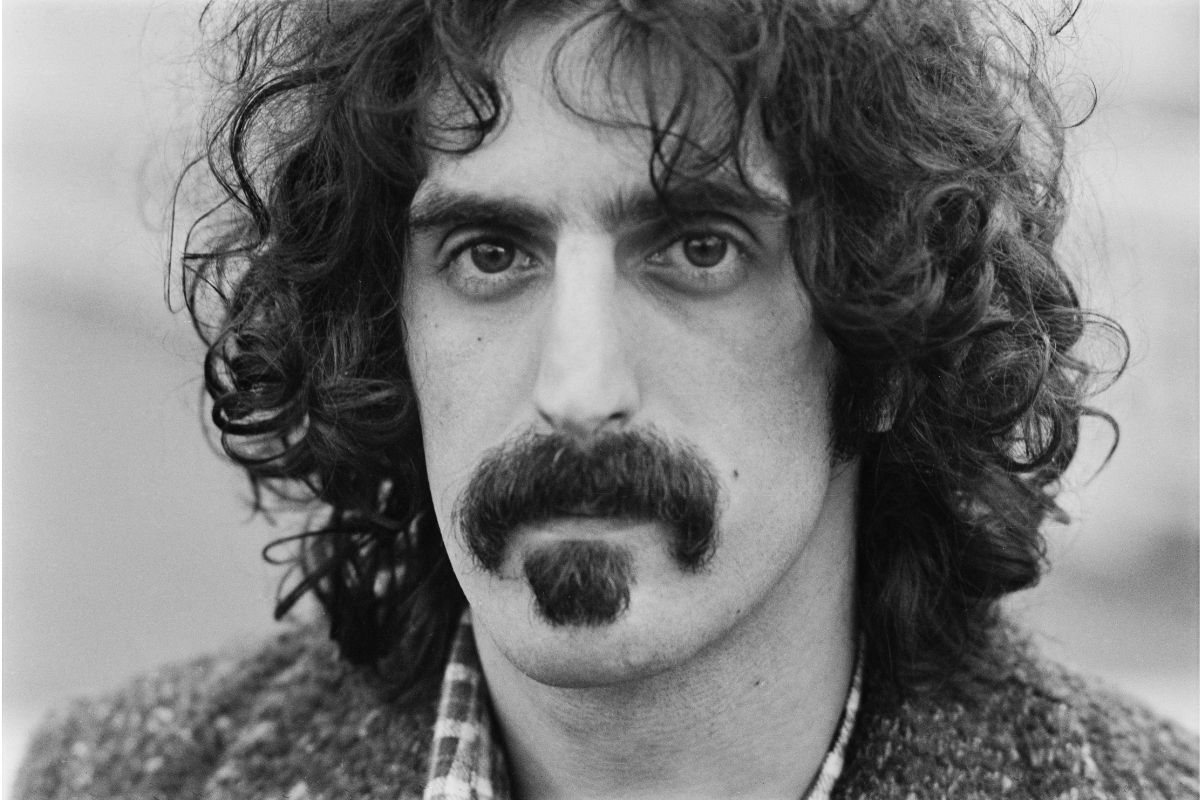
Zappa's vocals often seem more like another instrument than a conventional singing voice: theatrical, quirky, equal parts satire, irony, and raw musicality. His idiosyncratic phrasing, sudden pitch shifts, and exaggerated enunciation can delight or alienate listeners. As such, it perfectly complements Zappa's always complex, avant-garde compositions. Defying expectations and dividing opinions, Zappa's voice is a unique blend of humour, eccentricity, and virtuosity.
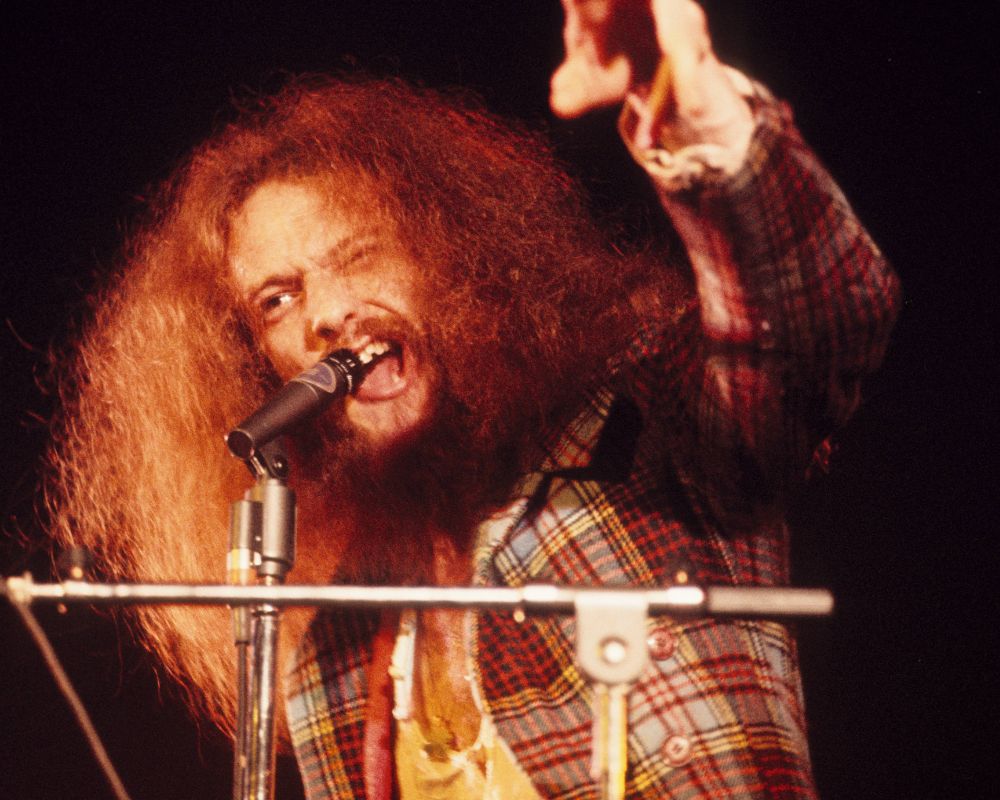
9. Ian Anderson (Jethro Tull)
Ian Anderson’s voice is as distinctive as his flute‑wielding stage persona — a sharp, nasal, almost sneering delivery that cuts through Jethro Tull’s folk‑prog swirl. Fans hear wit, character and theatrical bite; critics find it grating, mannered or oddly reedy. His phrasing can feel half‑sung, half‑spoken, giving Tull their eccentric charm while ensuring Anderson remains one of rock’s most divisive vocalists.
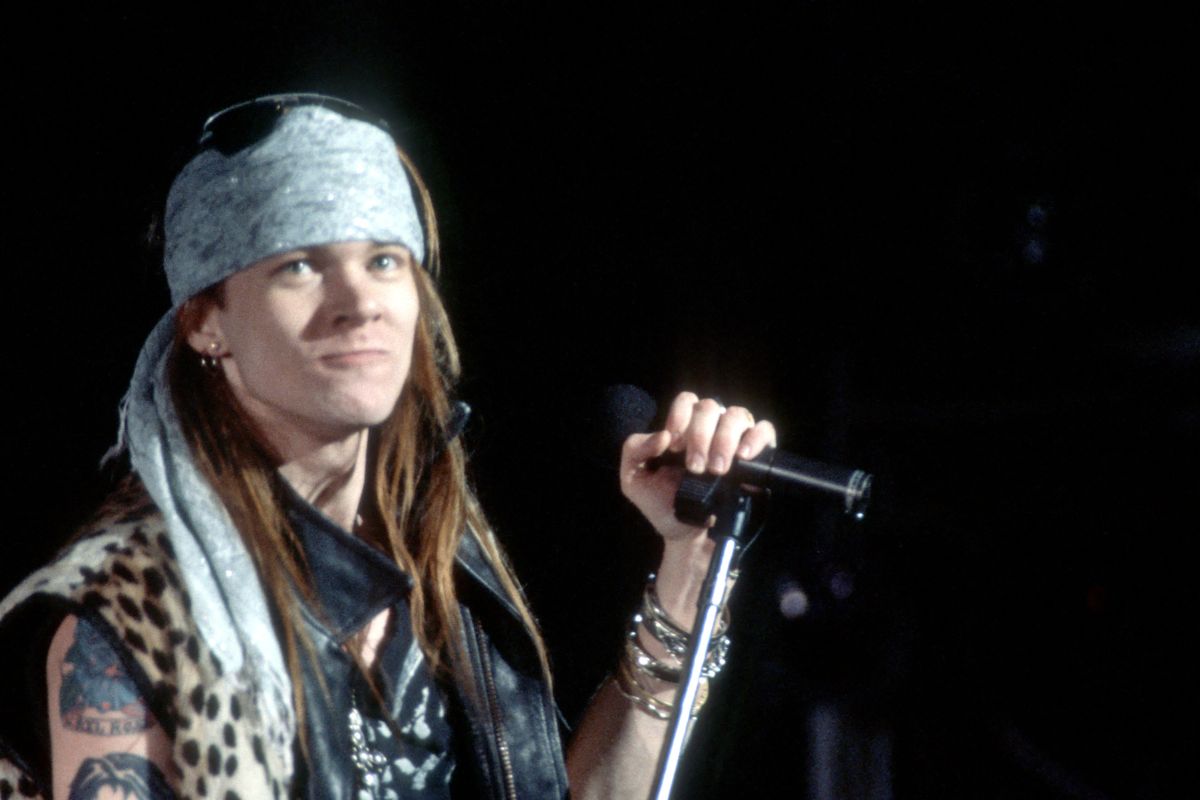
8. Axl Rose
Love him or loathe him, Axl Rose possesses one of rock's most extraordinary vocal ranges. He can shift from a rasping growl to an ear-splitting wail within a single phrase, giving songs like Welcome to the Jungle their thrilling unpredictability. Admirers hear unmatched intensity and drama; detractors hear an abrasive, nasal screech that can quickly become exhausting.
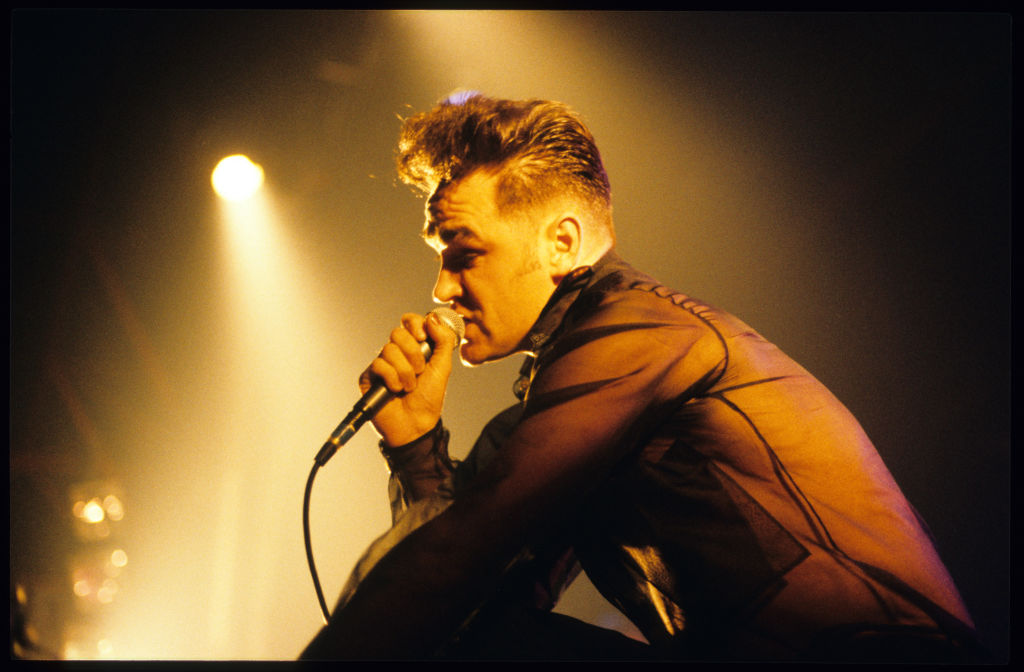
7. Morrissey
Morrissey's unmistakable baritone is rich with melancholy, irony and theatrical self-pity. His languid phrasing and emotional vulnerability transformed ordinary observations into miniature dramas, making him one of Britain's defining lyricists. Yet that same detached, mournful delivery strikes many listeners as monotonous, overly mannered or self-indulgent, especially when paired with his famously bleak worldview.
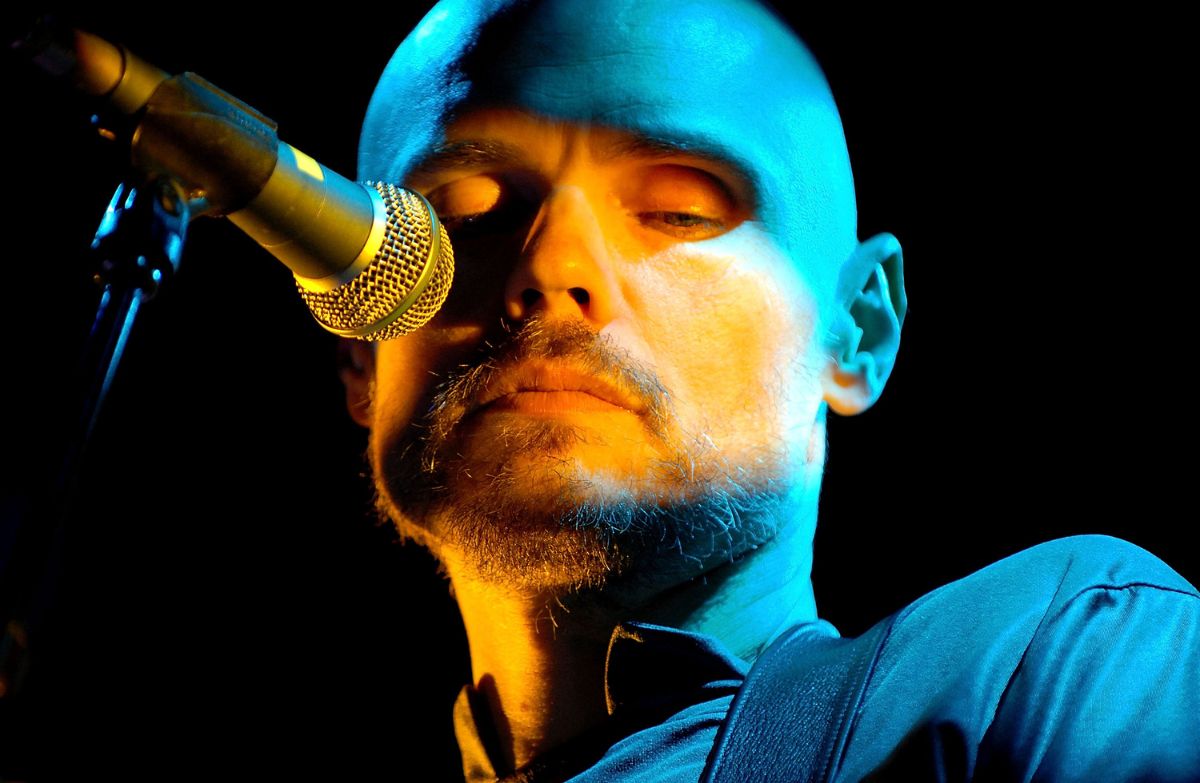
6. Billy Corgan
As Smashing Pumpkins frontman, Billy Corgan's high, nasal tenor became one of alternative rock's defining sounds during the 1990s. Floating above dense layers of distorted guitars, it lends songs an aching vulnerability and dreamlike quality that fans adore. Critics, however, have long argued that its pinched, whiny timbre lacks warmth, making even great songs an acquired taste.
5. Thom Yorke
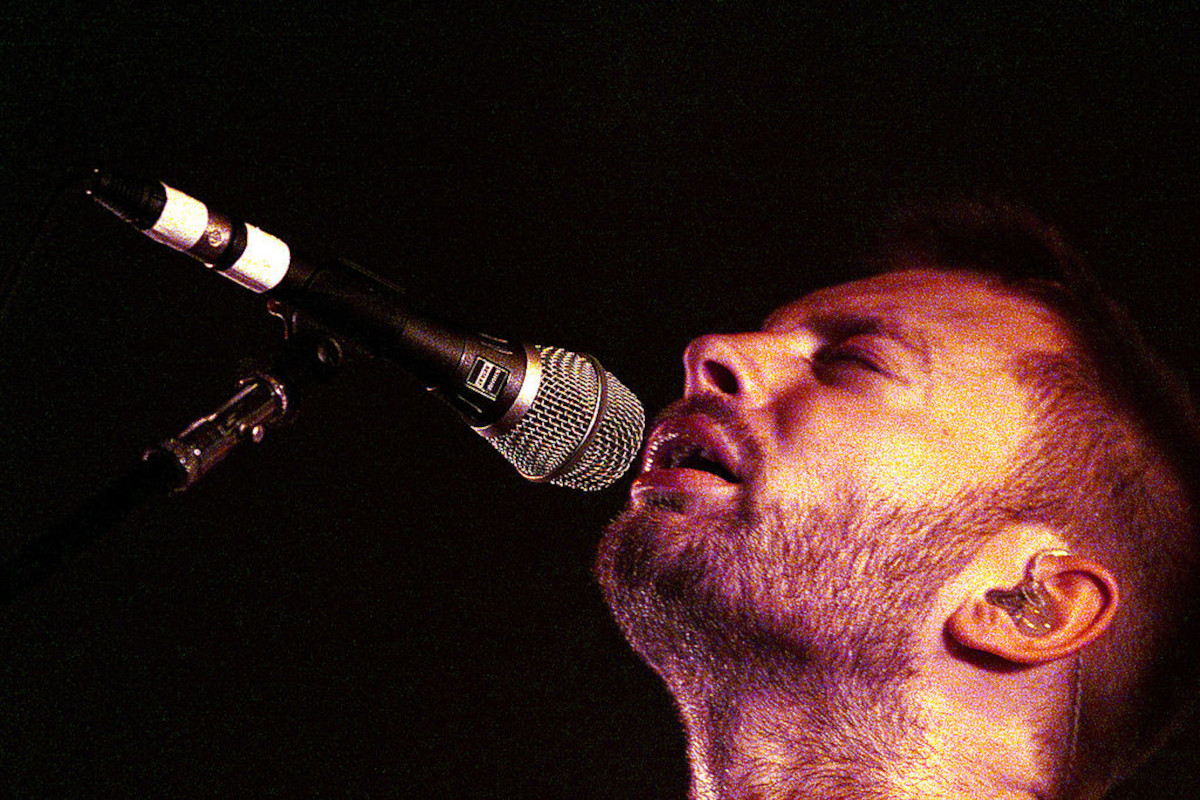
Thom Yorke sings as though every note carries emotional weight. His delicate falsetto, anxious vibrato and expressive phrasing turned Radiohead's music into something hauntingly intimate, capable of conveying alienation like few others. For sceptics, though, his breathy, mournful delivery can sound perpetually miserable, with every song seemingly wrapped in the same atmosphere of existential despair.
4. Perry Farrell (Jane's Addiction)
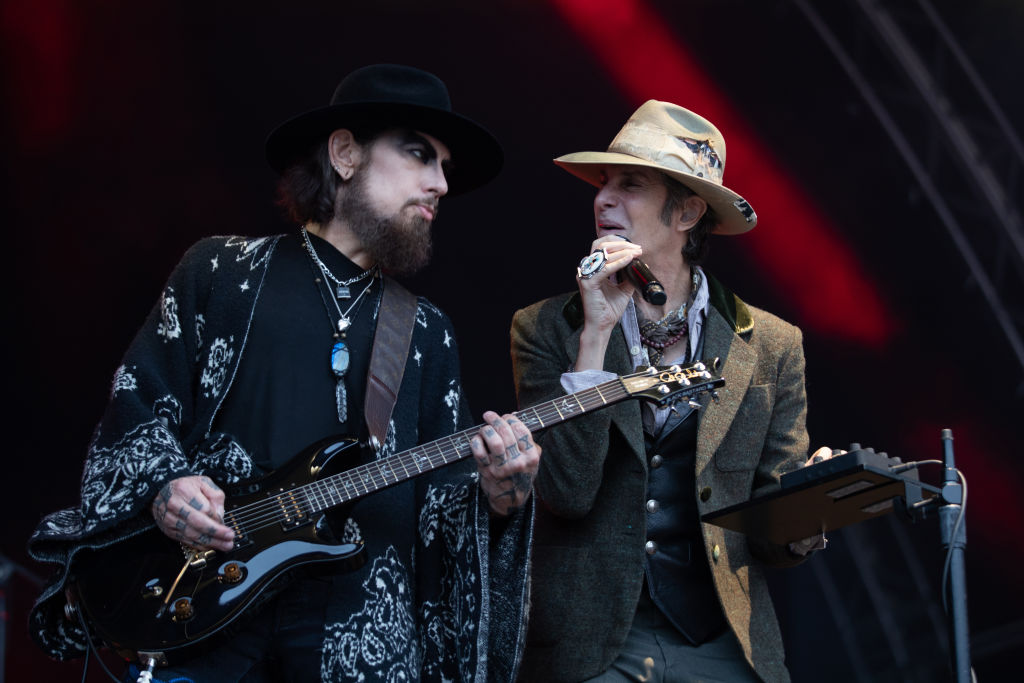
Perry Farrell's voice is as unconventional as the music he helped pioneer. His elastic, nasal tenor veers between seductive whispers, theatrical yelps and ecstatic cries, adding an unpredictable edge to Jane's Addiction's alternative rock. Fans hear fearless individuality and expressive freedom; detractors hear an erratic, off-key singer whose eccentricity sometimes overwhelms the songs themselves.
3. Robert Smith
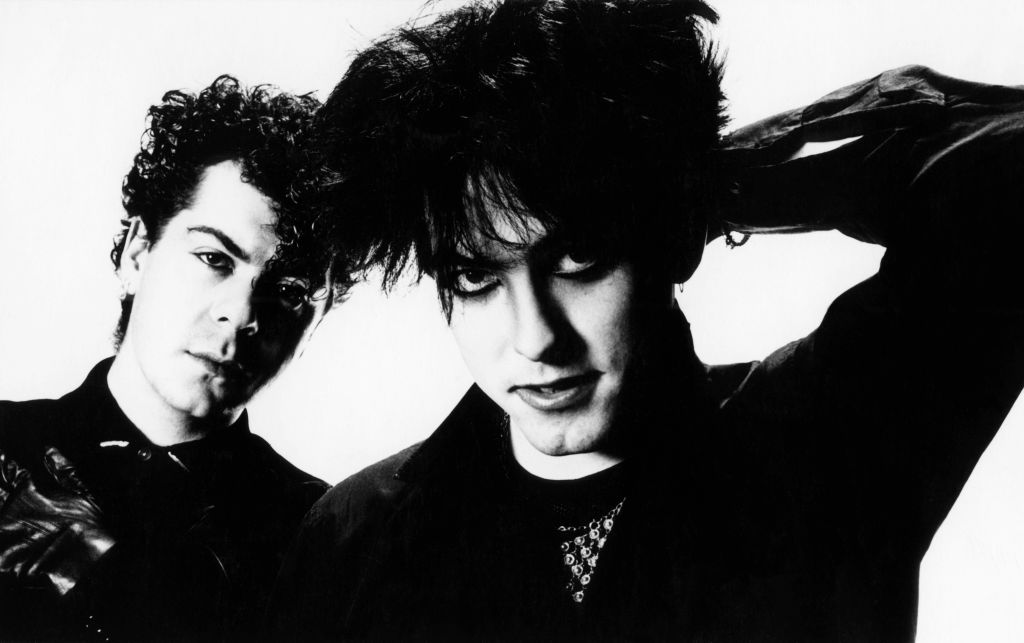
Robert Smith's fragile, wavering voice perfectly complements The Cure's blend of gothic melancholy and shimmering pop. His slightly breathless delivery gives songs an emotional honesty that has inspired generations of alternative musicians. To critics, however, the same qualities can sound thin, overly plaintive and permanently drenched in adolescent angst, regardless of the subject matter.
2. Tom Waits
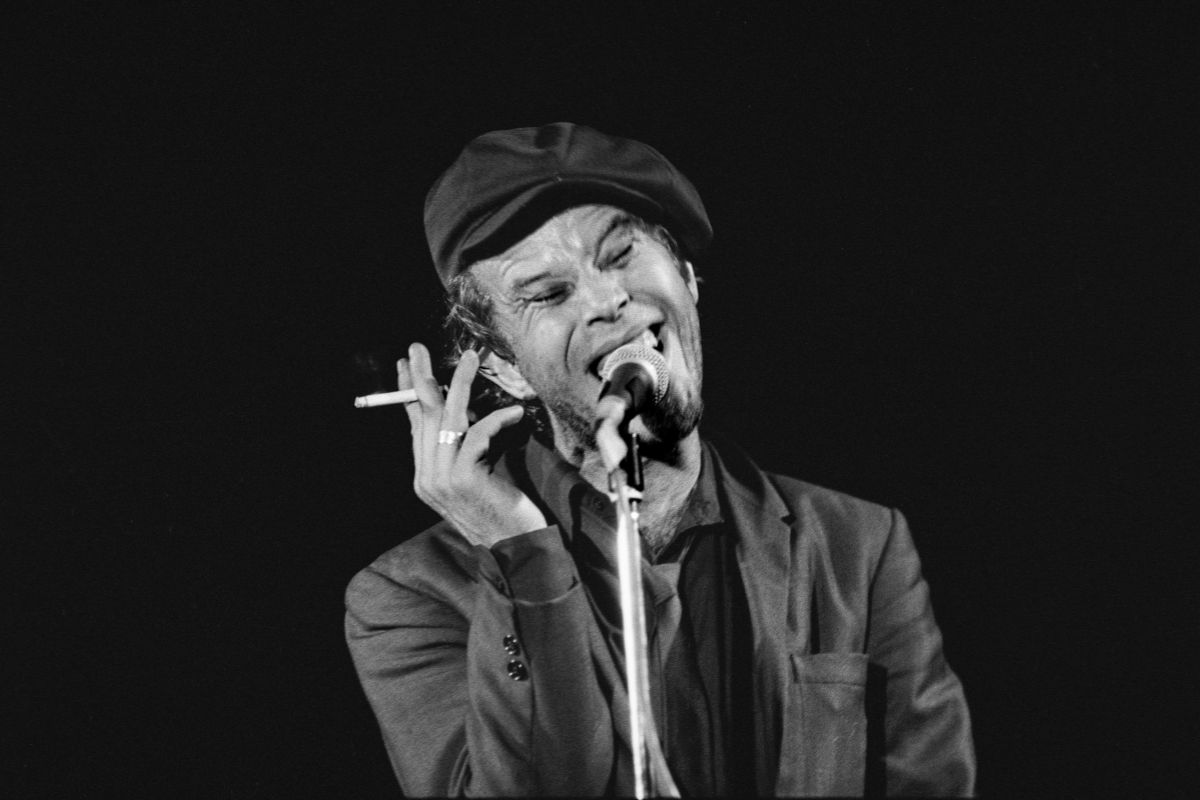
Tom Waits’ voice has arguably travelled in the opposite direction to Nick Cave's. Early recordings were rough-edged but relatively conventional; over time, his timbre deepened into guttural growls, rasping howls, and peculiar inflections that defy traditional singing. Some listeners find it abrasive or grotesque, others spellbinding.
Its eccentricity – blurring speech and song – conveys character, emotion, and narrative with unmatched intensity. Waits’ evolving vocal persona has made him one of rock’s most idiosyncratic, and compelling singers, turning his voice into a central instrument of his artistic identity.
1. Yoko Ono
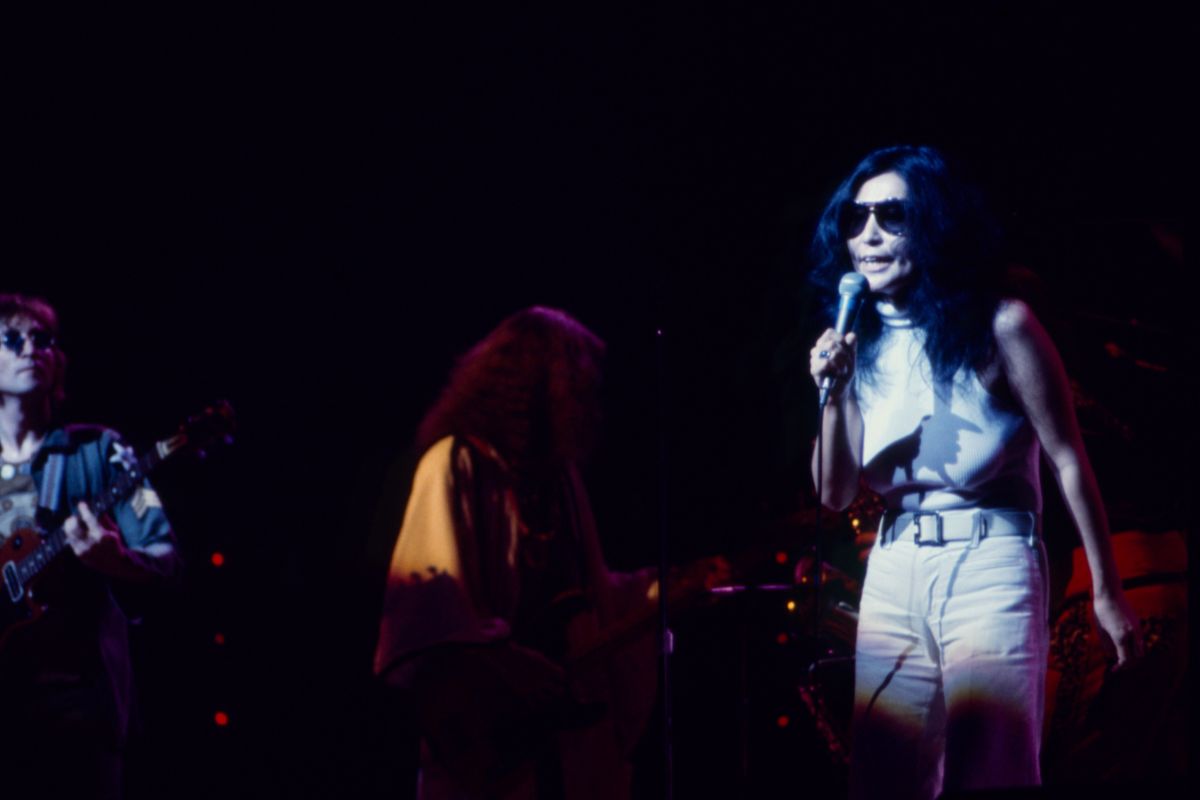
One voice in rock deserves the label 'avant-garde' (and, while we're here, 'divisive') more than all others. Yoko Ono’s singing blends wailing, shrieks, primal vocalizations, and unconventional phrasing, often eschewing melody entirely in favour of raw expression. Listeners accustomed to traditional singing may find it jarring or grating, while others hear unfiltered emotion, daring experimentation, and fearless artistry.
Ono’s voice challenges conventions, transforming sound into performance and activism, and demanding that audiences confront music as visceral experience. Her fearless, uncompromising approach makes her one of the most controversial figures in rock history. A perfect demonstration is 'Why' from her 1971 album Fly, where her piercing, improvisational vocals push emotional and sonic boundaries, exemplifying both her alienating and captivating qualities. Listen, if you dare, below:
Pics Getty Images


