
Rock stars have always thrived on rebellion.
From Elvis’s swivelling hips to punk’s safety pins, outrage has long been part of the deal – a badge of authenticity, even. But sometimes the provocation spills beyond the stage or the studio and becomes something altogether more combustible. Whether it’s a drunken rant, a misguided political statement, or simply a moment of unchecked ego, these incidents remind us that fame and self-awareness rarely go hand in hand.
In an age before PR crisis management and social media apologies, a single sentence or gesture could ignite a national scandal – and sometimes still can. The following 13 cases trace that uneasy dance between artistic freedom and public offence. Some were defiant, others repentant, but all left behind a story that says as much about our culture as it does about them.
1. John Lennon, early 1970s
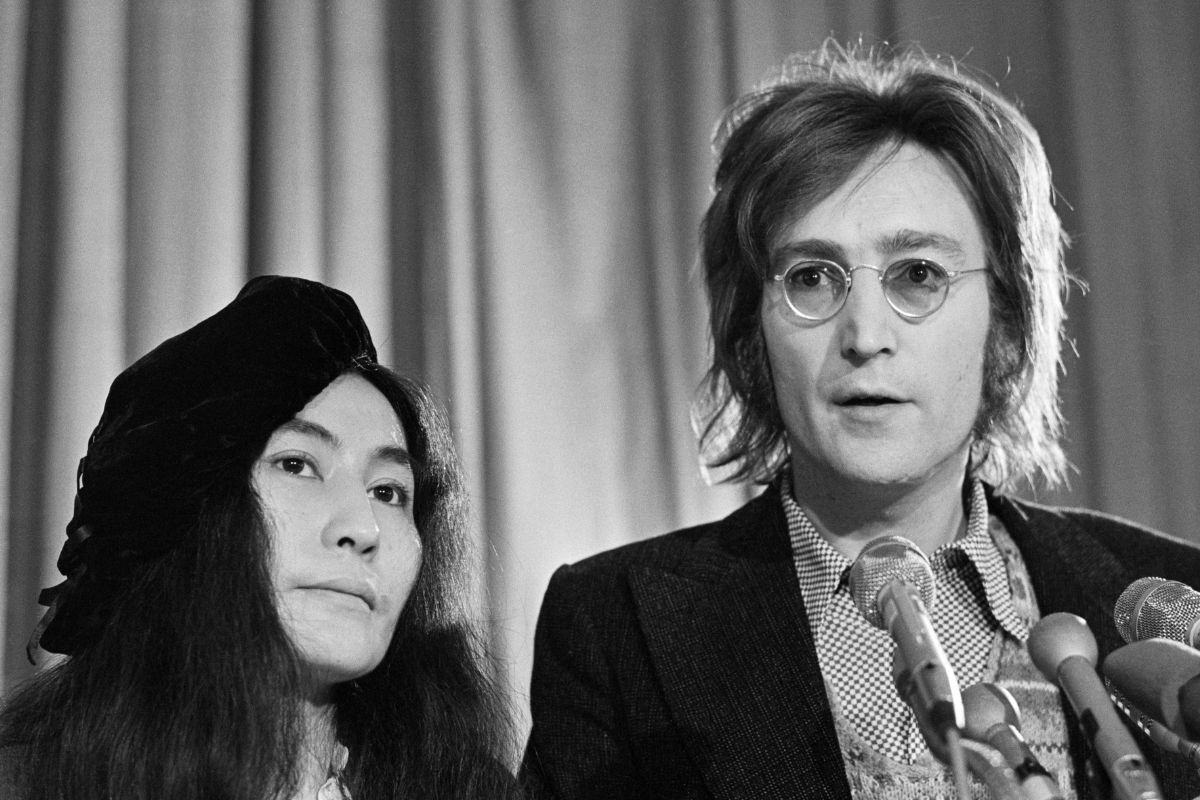
John Lennon’s most notorious outburst came in 1966, when he casually observed that the Beatles were 'more popular than Jesus'.
The remark, made during an interview with a British journalist, caused relatively little fuss in the UK – but when it was republished in the US, it sparked an extraordinary backlash. Beatles records were burned, radio stations banned their music and Lennon was forced to apologise, explaining that he had been commenting on the decline of Christianity rather than claiming superiority for the Beatles. It was hardly his last controversial statement.
By the early 1970s, Lennon had become an outspoken anti-war activist, supporting left-wing causes and attracting the attention of the Nixon administration. But 'more popular than Jesus' remains the ultimate example of a rock star saying something that instantly became much bigger than he expected.
2. Eric Clapton, 1976

On 5 August 1976, Eric Clapton, performing solo at the Birmingham Odeon, shocked his audience with an extraordinary and controversial onstage rant. Drunk and irritable, he praised the anti-immigration politician Enoch Powell, declaring that Britain should 'keep Britain white' and warning against the country being 'swamped' by immigrants.
Clapton's remarks were immediately incendiary, sparking national outrage and condemnation from both fans and the press. The backlash was so intense that it directly contributed to the creation of the anti-racist campaign Rock Against Racism, which sought to challenge prejudice in the music scene.
Clapton later claimed his comments were a drunken tirade and described them as 'disgusting', though many observers debate how much they reflected his genuine views at the time. Regardless, the incident remains one of the darkest moments in his public career.
3. David Bowie, 1976

The mid-’70s saw David Bowie at his most brilliant and most bewildering. As the 'Thin White Duke', he exuded icy glamour – and then, in a now-notorious incident at Victoria Station, appeared to give a Nazi-style salute from a car window.
Around the same time, he told Playboy that Hitler was 'one of the first rock stars', apparently admiring his stagecraft. Whether an ironic experiment or a cocaine-fuelled lapse, the remarks shocked fans. Bowie later disowned them, blaming drugs and madness, and soon retreated to Berlin to rebuild both his art and his reputation.
4. Ozzy Osbourne, 1982
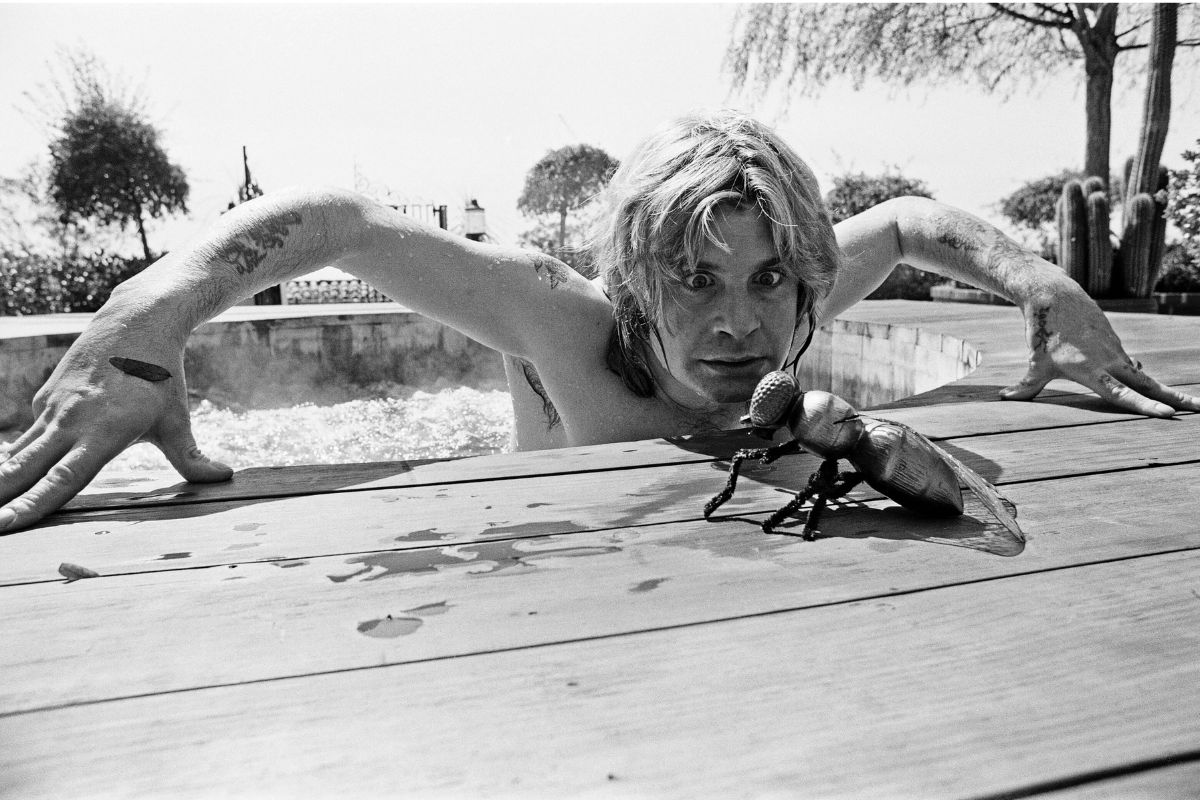
In Des Moines, Iowa, in January 1982, an over-excited fan hurled what turned out to be a very real, though possibly already dead, bat onto the stage. Believing it to be a prop, Ozzy Osbourne picked it up and bit off its head – and instantly entered rock folklore. The fallout was immediate: screaming headlines, moral panic among parents, and condemnation from animal-rights groups.
Osbourne was rushed to hospital for a series of rabies shots and later claimed the whole thing was an unfortunate misunderstanding. Yet the incident cemented his image as heavy metal’s Prince of Darkness', a persona he both mocked and embraced, transforming an appalled public’s outrage into one of rock’s most enduring legends.
5. Elvis Costello (1979)
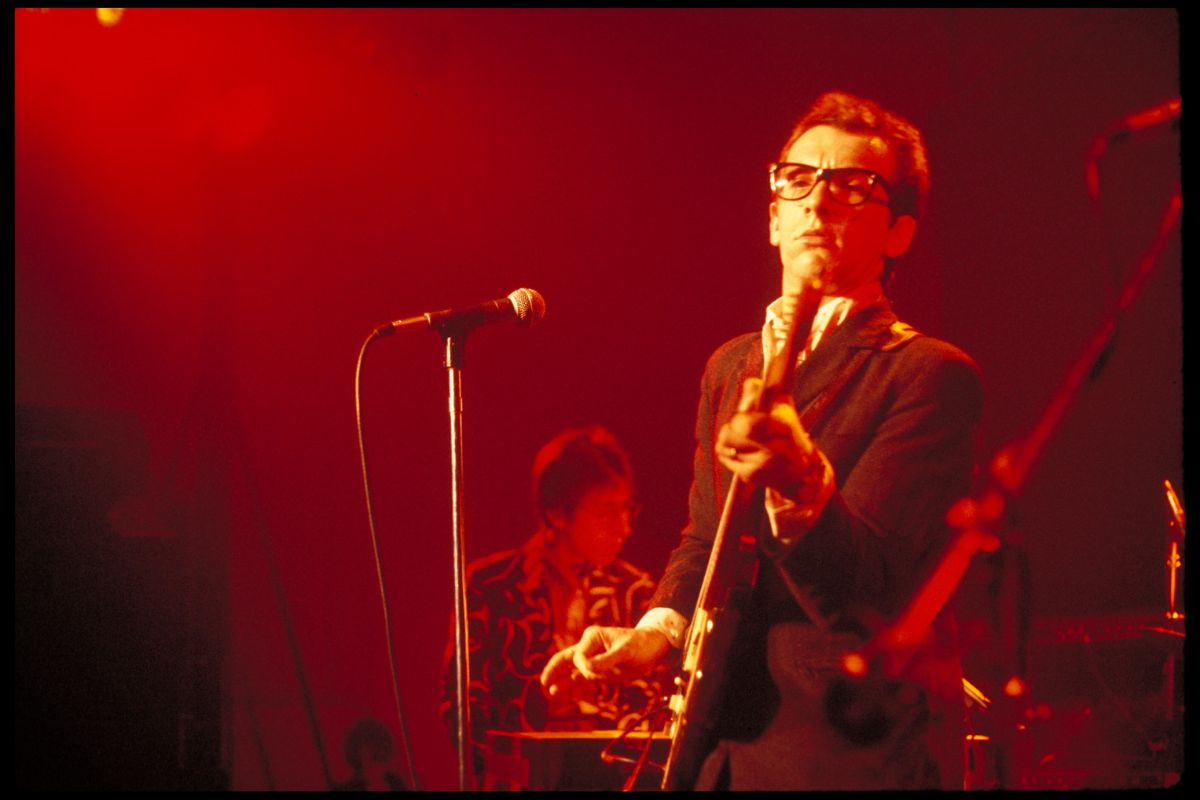
In 1979, Elvis Costello’s meteoric rise nearly ended in a Holiday Inn bar in Columbus, Ohio. During a drunken, late-night argument with members of Stephen Stills' band, Costello sought to end the conversation by being as 'obnoxious and offensive as possible'. He launched into a vitriolic tirade, using vile racial slurs to describe soul legends Ray Charles and James Brown.
When the exchange was leaked to the press, the backlash was instantaneous and devastating. Costello, who had recently performed at Rock Against Racism events, found his progressive credentials incinerated overnight. He held a desperate press conference in New York to explain that he didn't actually hold those bigoted views and was merely using 'shock tactics' to get people to leave him alone.
Though he eventually repaired his career, the incident remained a permanent stain, serving as a cautionary tale about the toxic intersection of alcohol, ego, and the limits of 'ironic' provocation.
6. Ted Nugent, 2007
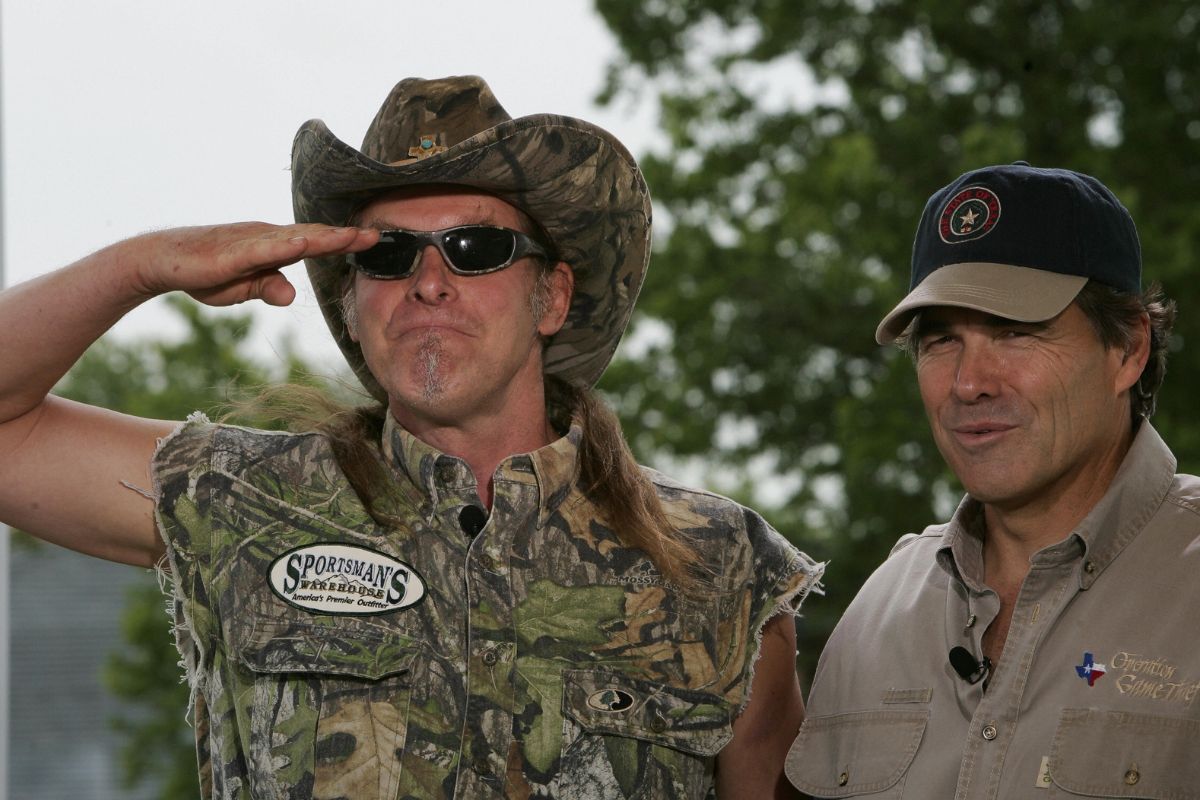
Ted Nugent has long blurred the line between performance and political rally, but his 2007 tirade took things up a notch. Brandishing two assault rifles on stage, he screamed obscenities about Barack Obama and Hillary Clinton, telling them to 'suck on my machine gun'.
The footage went viral – and even some of his fans recoiled. Nugent’s defenders called it theatre; his critics called it dangerous incitement. Either way, it confirmed that the 'Motor City Madman' had swapped rock’s rebellion for full-blown right-wing rage.
7. Noel Gallagher (Oasis), 1996
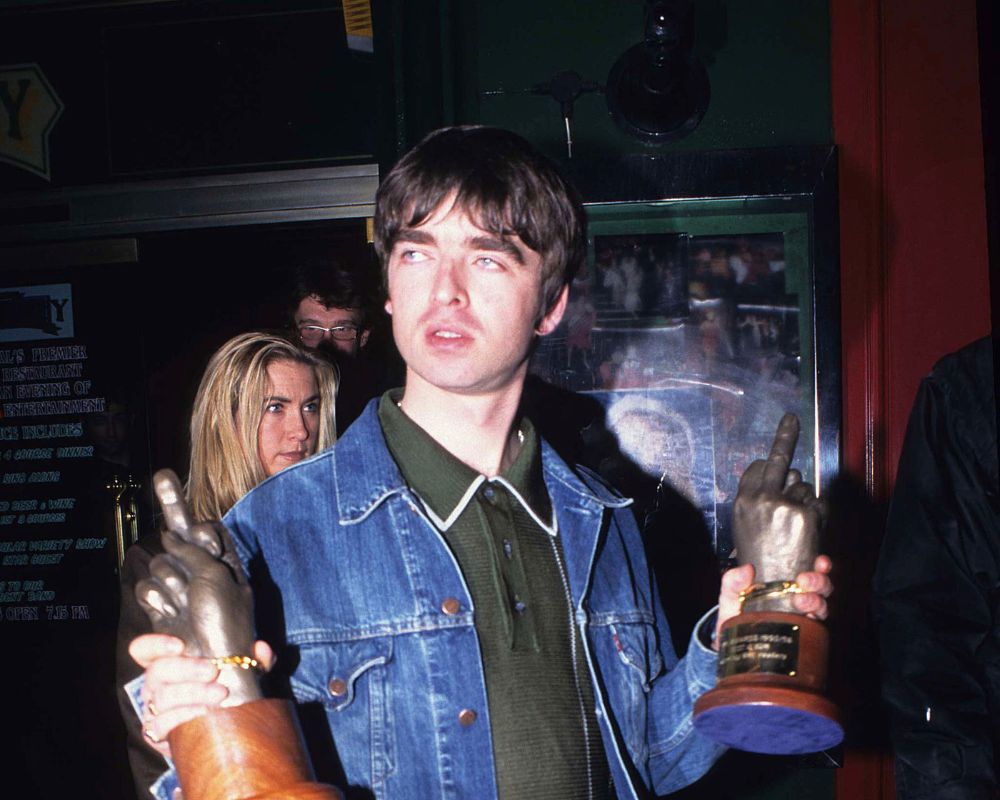
At the height of Britpop hubris in 1996, Oasis collected yet another Brit Award, and Noel Gallagher seized the moment to make a memorable quip. Pointing at presenter Michael Hutchence of INXS, he sneered: 'Has-beens shouldn’t be presenting awards to gonna-be’s'. Hutchence was reportedly taken aback and visibly hurt, though he maintained his composure on stage.
The audience reaction was mixed: some laughed and cheered at the cheeky arrogance, while critics decried it as petulant and disrespectful. In retrospect, the remark perfectly encapsulated the swagger and self-assured brashness of Oasis and Britpop more broadly – loud, laddish, and defiantly confident, yet blissfully unaware of how quickly cultural tides could turn against them.
8. Roger Waters (Pink Floyd), 2000s–2020s
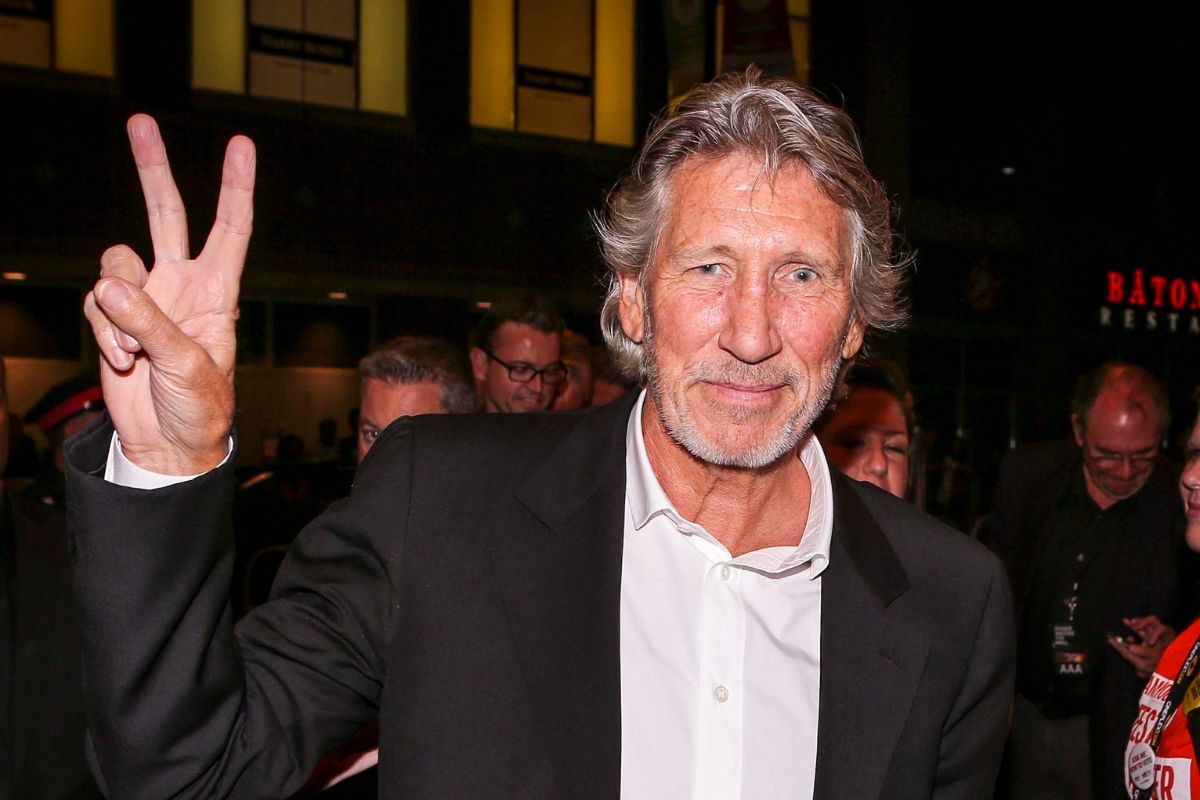
Long known for his political intensity, Roger Waters’ outspoken criticism of Israel and dramatic stage imagery – including flying pigs emblazoned with the Star of David – have provoked repeated accusations of antisemitism. Several European cities have attempted to cancel his shows; others have hosted protests outside.
Waters insists his target is government policy, not Jewish identity, and many defend him as a fierce advocate for Palestinian rights. Yet the controversy lingers, reminding us how quickly political conviction can collide with cultural sensitivities.
9. Morrissey, 2010s–2020s
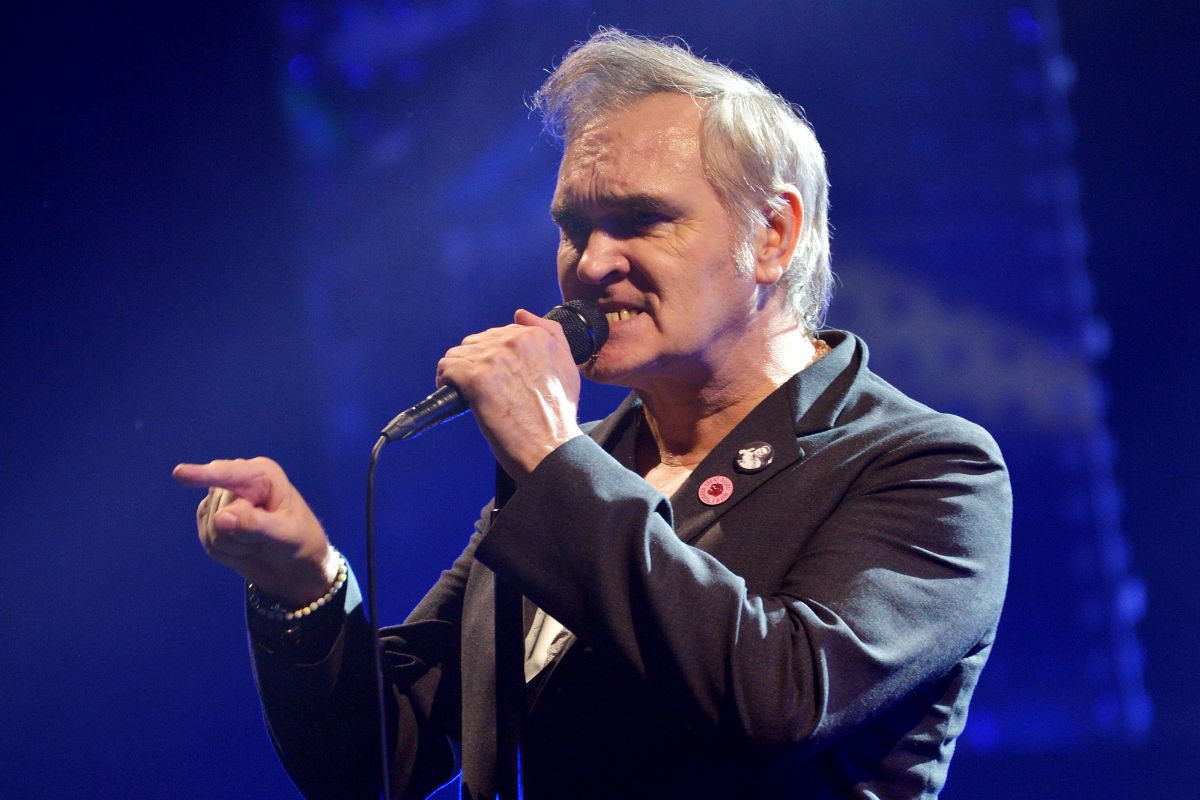
Once indie’s most adored outsider, Morrissey has spent the past decade steadily alienating even his most loyal followers. He has publicly expressed support for the far-right For Britain party, criticised immigration, and made provocative anti-halal remarks, often wearing party badges on television with brazen pride. These statements sparked boycotts, with record shops dropping his albums and festivals distancing themselves from his performances.
Critics and fans alike have debated Moz's motives: some suggest he is deliberately trolling the politically correct, relishing the outrage his comments provoke; others see a more melancholy picture of a once-beloved icon, embittered and disconnected from his earlier humanist ethos. Either way, this new Morrissey is a far cry from the tender, reflective misfit who once sang, 'There Is a Light That Never Goes Out'.
10. Phil Anselmo (Pantera), 1995–2016
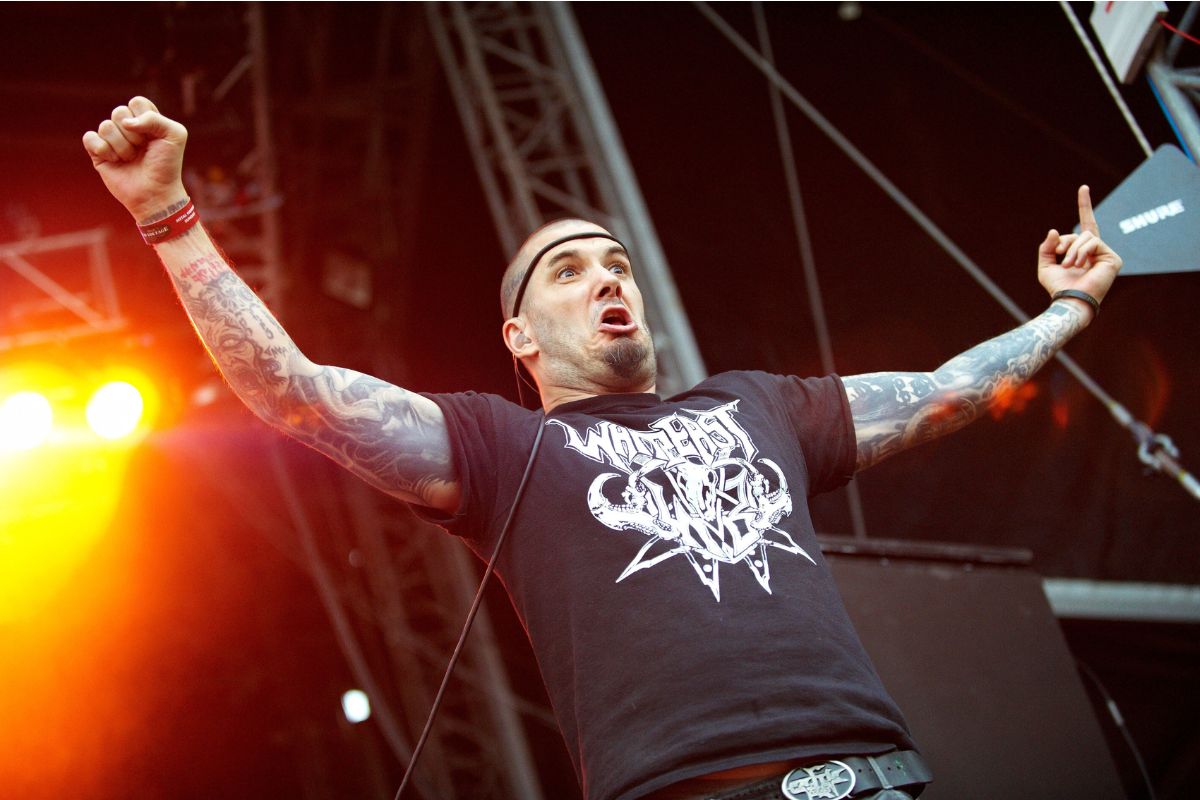
Few metal frontmen have courted controversy quite like Phil Anselmo. Over the years, he’s been filmed giving apparent Nazi salutes and seemingly shouting 'white power' at shows. In the 1990s, he launched into an onstage rant defending Pantera against accusations of racism – a defence that only deepened the unease.
Anselmo has alternately apologised, deflected, and insisted he was being ironic. For many, though, irony is a poor excuse when the imagery evokes something so ugly. Even in metal’s world of provocation, Anselmo’s missteps still divide opinion.
11. Van Morrison, 2020–2021

During the COVID-19 pandemic, folk-rock legend Van Morrison reinvented himself not as a troubadour but as one of Britain’s loudest lockdown sceptics. Declaring restrictions 'fascist', he wrote a string of protest songs, including 'Born to Be Free', 'As I Walked Out', and 'No More Lockdown', railing against government-imposed curbs on live performance and everyday life.
He was joined by fellow musicians such as Eric Clapton, who collaborated with him on the single 'Stand and Deliver', a protest anthem in the same spirit. Critics accused Morrison of spreading misinformation and irresponsibility, while some long-time collaborators quietly distanced themselves. Morrison defended his stance as a fight for artistic and personal liberty, but the controversy left fans bewildered by this unexpected, defiant chapter in his storied career.
12. The Dixie Chicks / Natalie Maines, 2003
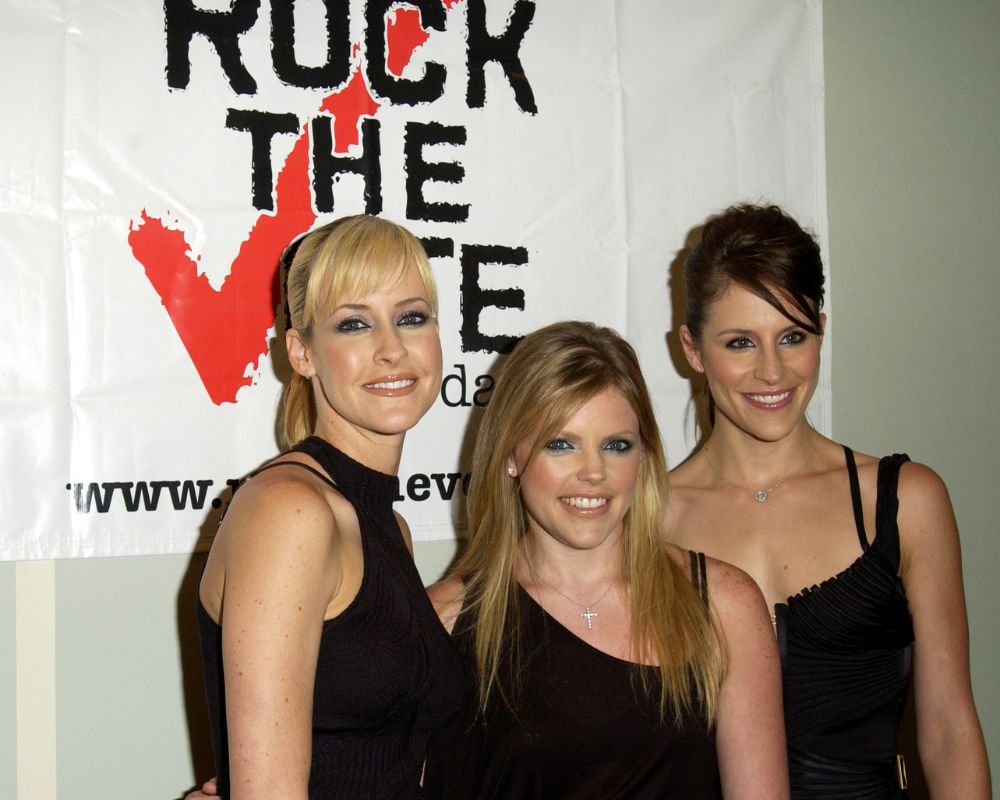
Onstage in London at the height of the Iraq War build-up, Dixie Chicks frontwoman Natalie Maines told the crowd she was 'ashamed the President of the United States is from Texas'. It was a brief, off-the-cuff remark – but the backlash at home was seismic. Radio stations banned their songs, fans burned albums, and the trio became symbols of America’s culture wars. Years later, their quiet courage looks prescient, but at the time, it nearly ended their career.
13. Elvis Presley (1970)
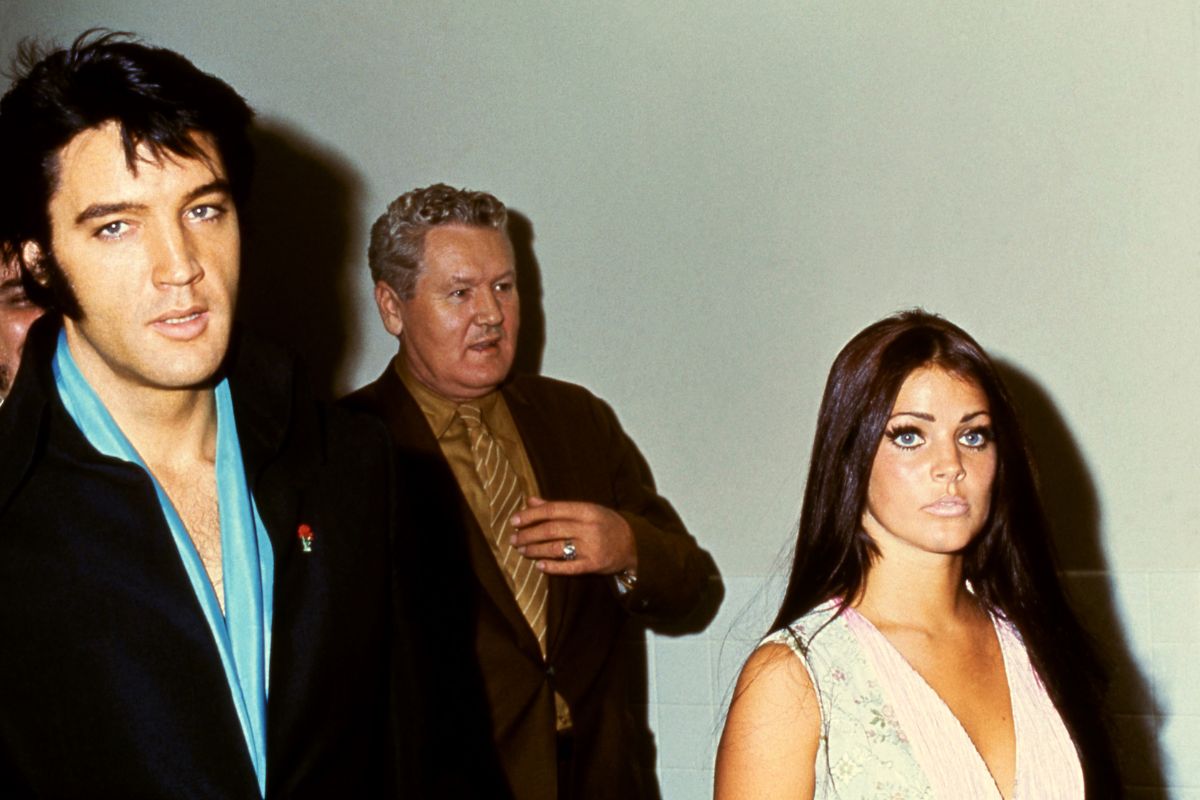
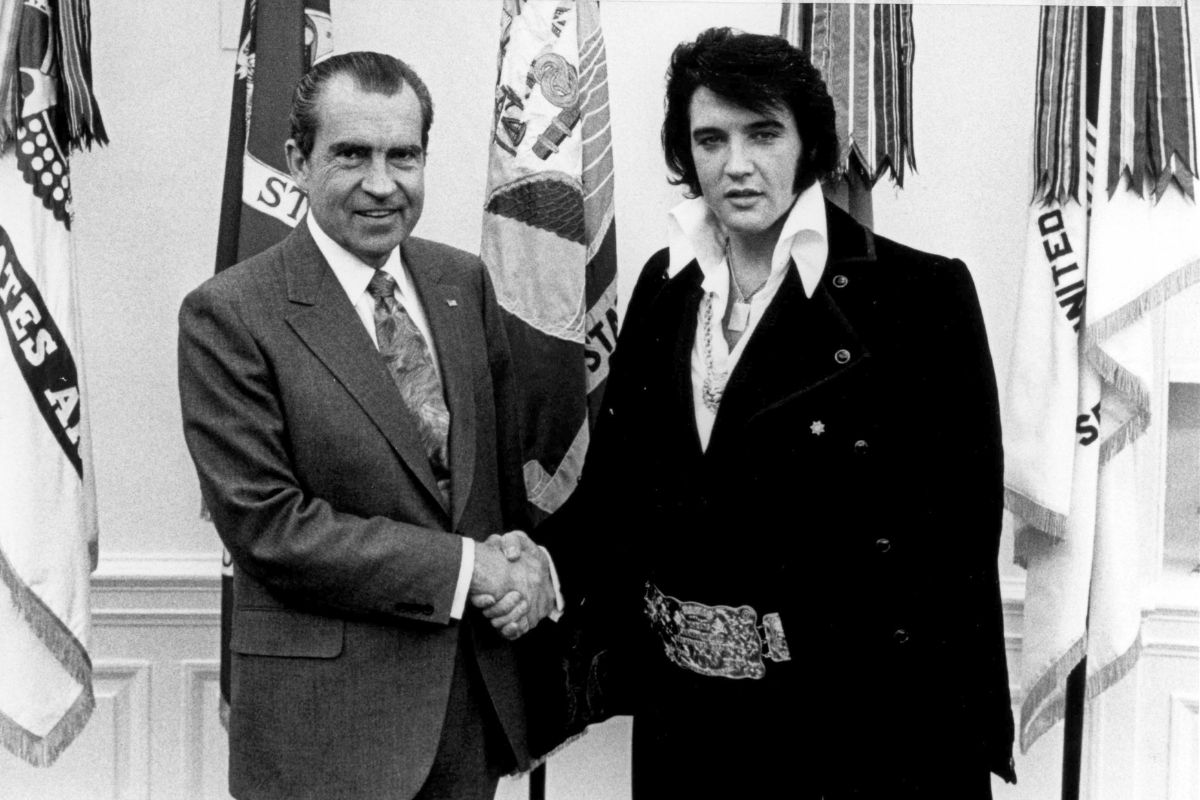
Elvis Presley’s most controversial moment wasn't a public outburst, but a private, bizarre crusade against the very counterculture he helped create. In December 1970, a disillusioned Elvis flew to Washington D.C. to hand-deliver a letter to President Richard Nixon. In it, the 'King of Rock and Roll' denigrated The Beatles as a primary source of 'anti-American spirit' and blamed modern music for the rise of drug culture.
Clad in a purple velvet tunic and carrying a Colt .45 pistol as a gift, Elvis requested to be made a 'Federal Agent-at-Large' in the Bureau of Narcotics and Dangerous Drugs. The irony was profound: while Elvis was positioning himself as a moral guardian against the 'filth' of the hippie movement, he was simultaneously struggling with a massive dependency on heavy prescription pharmaceuticals.
This secret meeting, immortalized in a famous photograph, remains one of the strangest collisions of rock royalty and political power in history.
If rock music has a defining characteristic, it’s its refusal to behave. From the absurd to the offensive, these incidents show how the genre’s greatest icons have pushed buttons as eagerly as they’ve pushed boundaries. Some of their missteps feel shocking; others, almost quaint.
Yet taken together, they form a kind of accidental history – of rebellion, ego, freedom, and folly. For every apology that followed, there’s a reminder of why we’re drawn to rock stars in the first place: not for their diplomacy, but for their audacity, and for the glorious messiness that comes with it.
Pics Getty Images


