There’s something about the duo that seems to invite musical mischief.
With only two people in the room, there’s nowhere to hide – but there’s also extraordinary freedom. Often the dynamic is built on opposites: an extrovert and an introvert, noise and silence, rhythm and melody, technology and raw physicality.
The result can be far stranger than the conventional rock-band format allows. Perhaps it’s no coincidence that the duo flourished during the anything-goes 1980s, when punk’s DIY spirit collided with electronic experimentation and genre boundaries began to dissolve.
But the strangest duos have never really followed fashion. From primitive electronics and industrial noise to minimalist blues and avant-garde pop, these pairings prove that you don’t need four people to make a very strange noise.
1. Suicide
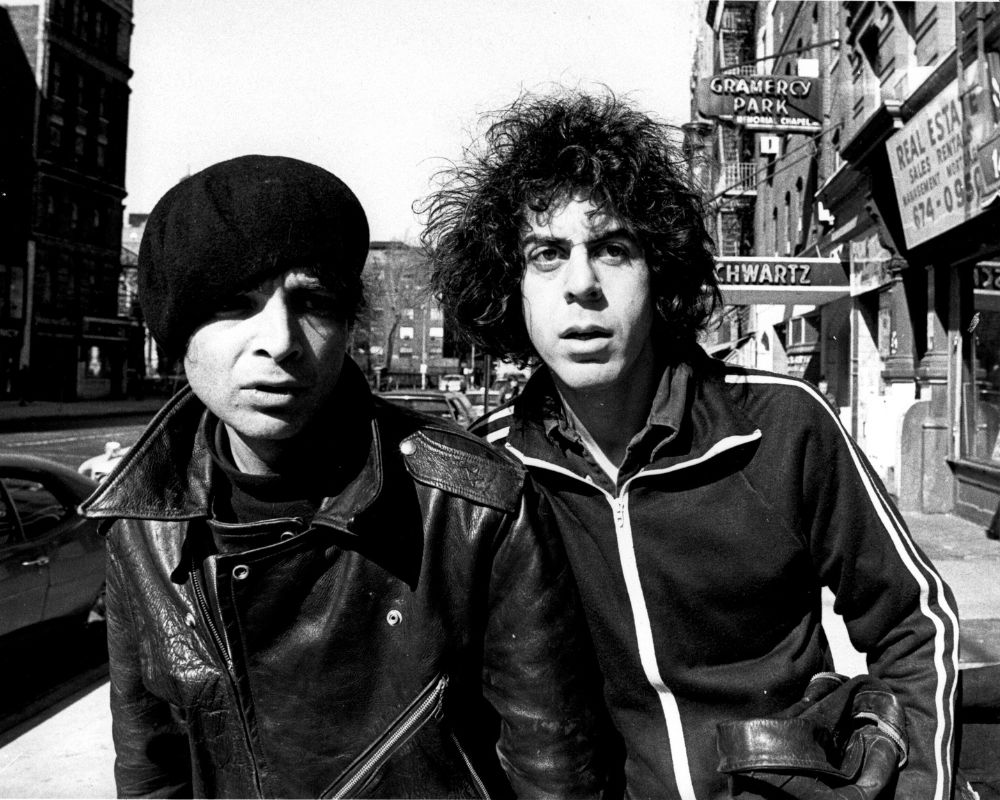
Alan Vega and Martin Rev reduced rock music to its most primitive components: voice, rhythm and noise. There was no drummer, no guitarist and barely a conventional song structure. Rev’s primitive electronics throbbed and buzzed while Vega delivered his lyrics with the manic intensity of a street-corner preacher.
Their self-titled 1977 debut sounded less like punk than an ominous transmission from the future. It was confrontational, minimalist and often genuinely unsettling – a two-man band that somehow sounded bigger, stranger and more dangerous than groups ten times their size.
At their strangest: 'Frankie Teardrop'
2. Silver Apples
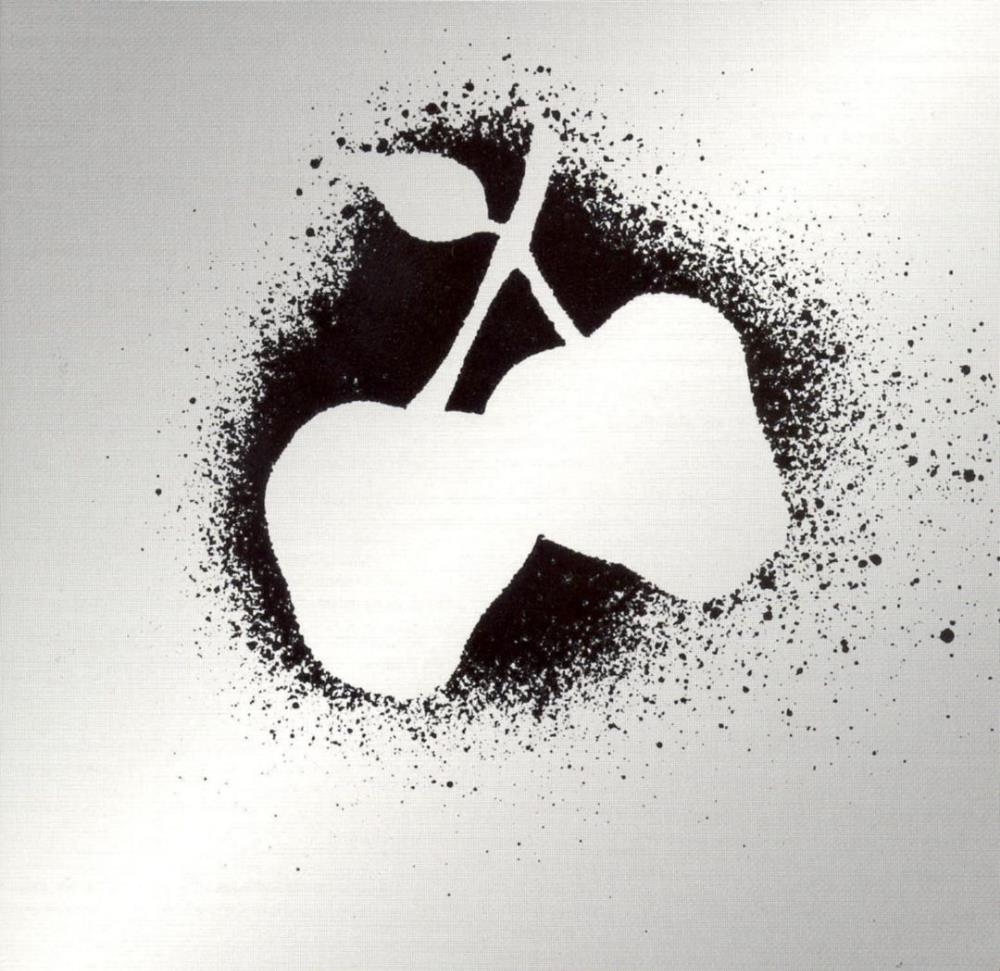
The idea was simple enough: Simeon sang and played a homemade electronic instrument called the, er, Simeon, while Danny Taylor provided percussion. The results were anything but simple. Silver Apples’ self-titled 1968 debut sounded like psychedelic folk music beamed back from another planet, with primitive oscillators colliding with Taylor’s hypnotic drumming. There were only two of them, but their music suggested an entire psychedelic orchestra disappearing down a wormhole.
Decades before electronic music became ubiquitous, Silver Apples were already imagining a world in which rock bands didn't necessarily need guitars.
At their strangest: 'Oscillations'
3. The Associates
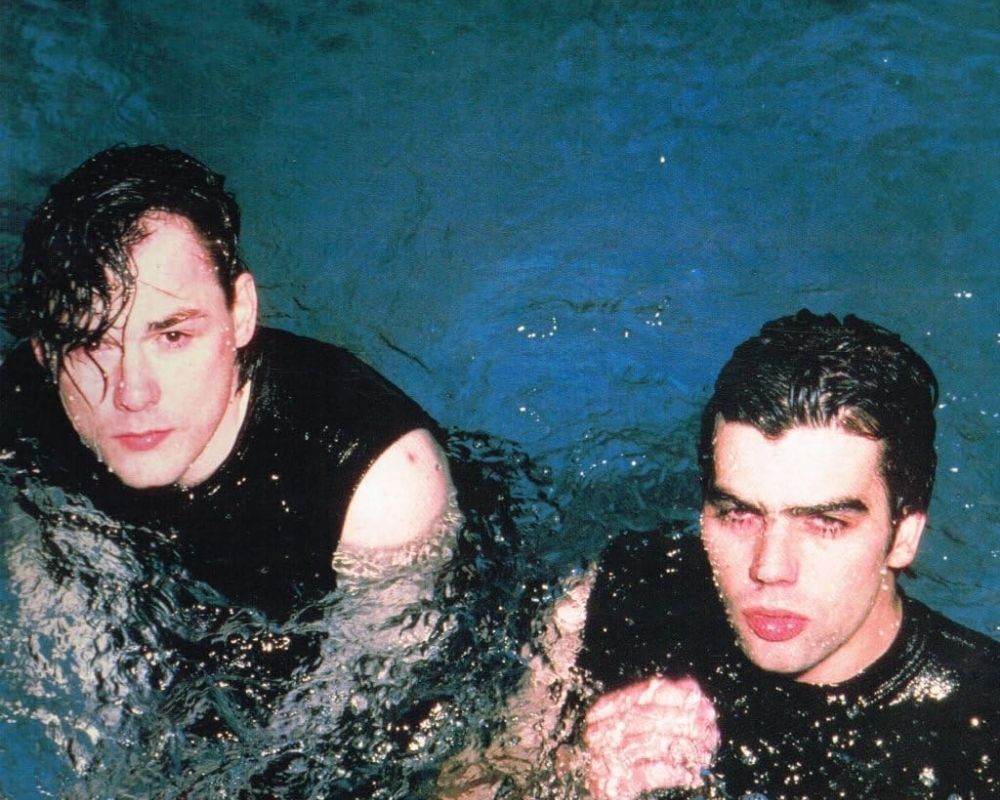
Billy Mackenzie and Alan Rankine were the sort of duo who seemed determined to make pop music as strange as possible. On Fourth Drawer Down, their 1981 collection of singles and B-sides, perfectly conventional ideas were subjected to bizarre studio experiments: programmed percussion, atonal guitars, eerie echoes, found sounds and Mackenzie's extraordinary voice, which could leap from a whisper to an operatic shriek without warning.
Then came Sulk, where the pair somehow turned all this sonic eccentricity into something approaching mainstream pop. 'Party Fears Two' is a magnificent contradiction: a huge, melodramatic pop song filled with strange textures and Mackenzie's gloriously unhinged vocal performance. The album reached No. 10 in Britain, but it was also the last studio album made by the original Mackenzie-Rankine partnership.
If anything, Fourth Drawer Down remains the better advertisement for their singular chemistry: this was pop music that sounded as though it might fly apart at any moment.
At Their Strangest: 'Q Quarters'
4. D.A.F.
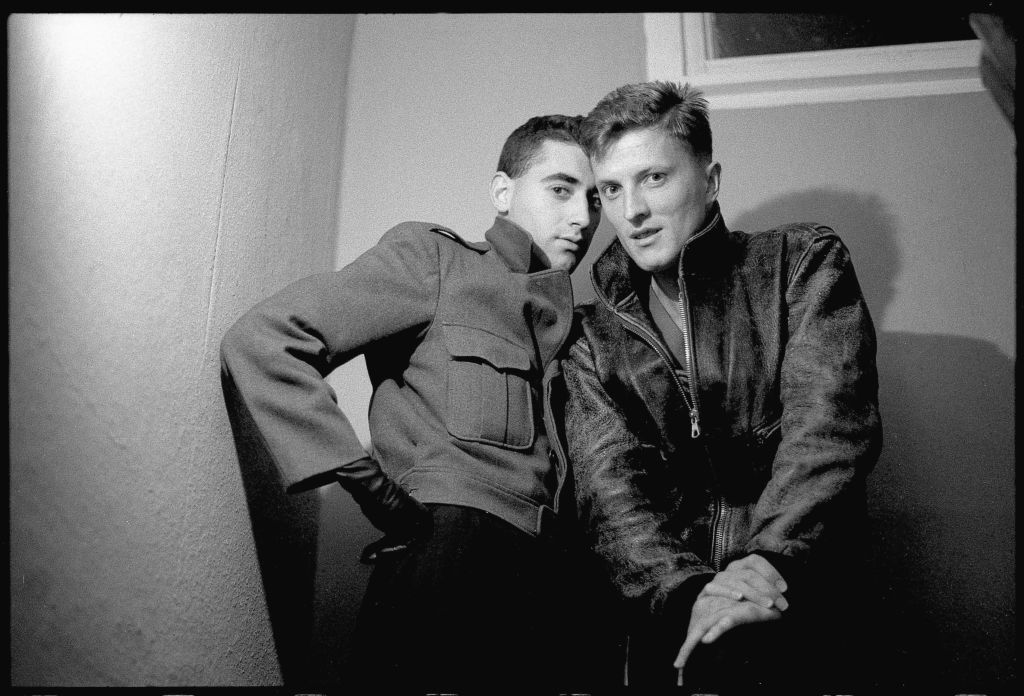
German duo D.A.F. – it stands for Deutsch Amerikanische Freundschaft, or 'German American Friendship' – stripped industrial music down to its bare essentials: Robert Görl's pounding electronic rhythms and Gabi Delgado-López's confrontational vocals.
Their music could be brutally repetitive, but repetition was the point. Tracks such as 'Der Mussolini' turned minimalism into something physical, sweaty and vaguely threatening, sitting somewhere between punk, techno and performance art.
With just two musicians, D.A.F. created music that felt less like a conventional band than a particularly aggressive nightclub malfunction.
At their strangest: 'Der Mussolini'
5. Yello
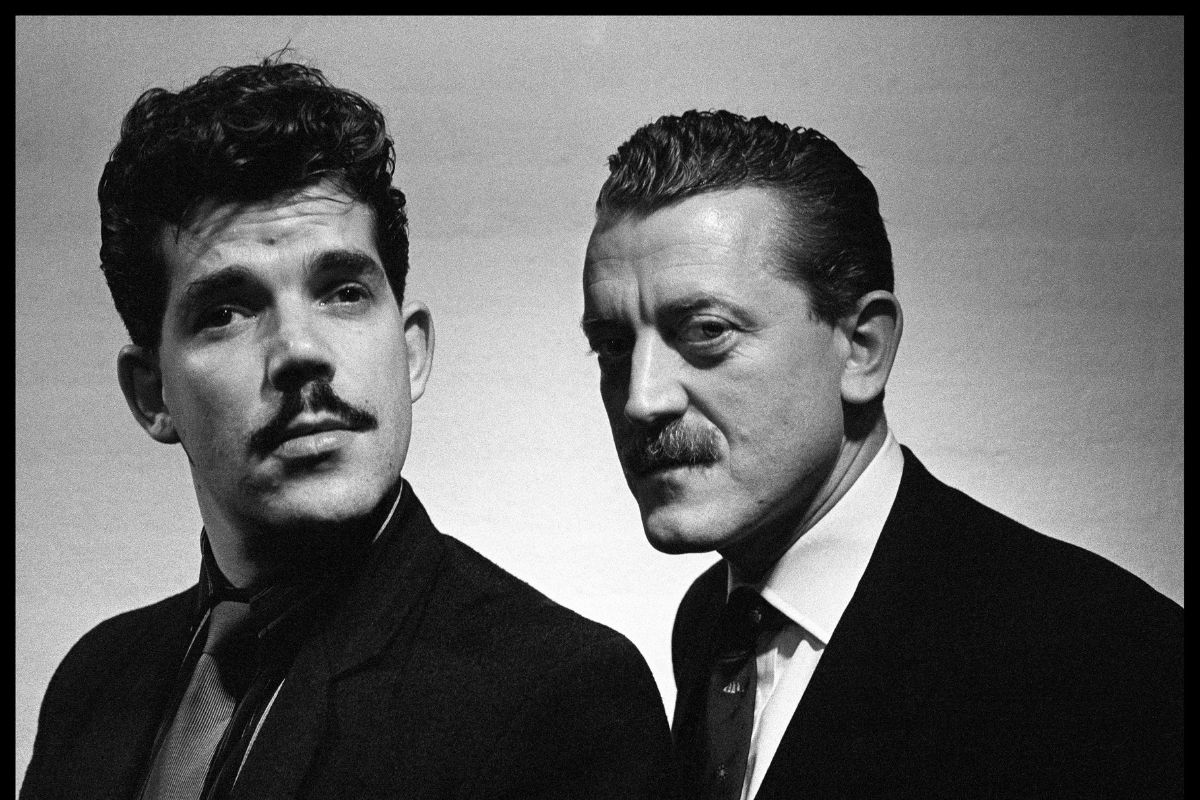
Yello are technically a duo, although their music often sounds as though an entire recording studio has been locked in a room and given permission to misbehave. Dieter Meier provides the deep, deadpan vocals and eccentric persona; Boris Blank constructs the bizarre electronic soundscapes around him. Their music can be sleek, funky and danceable one moment, then suddenly veer into cartoonish sound effects, avant-garde electronics and inexplicable vocal noises.
They were particularly strange because they didn't seem remotely interested in behaving like a rock band. Even by the standards of electronic music, Yello occupied their own peculiar universe.
At their strangest: 'Oh Yeah'
6. Soft Cell
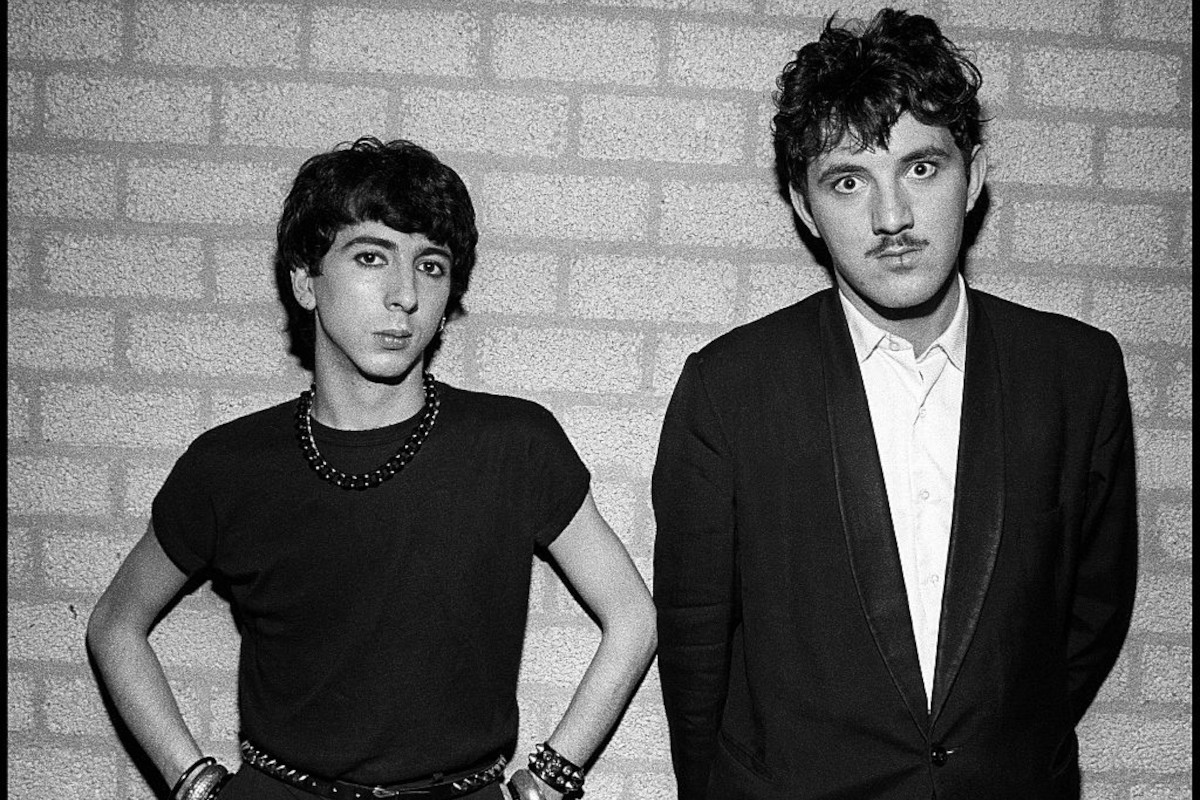
Marc Almond and David Ball proved that you didn't need a conventional rock lineup to make a song feel enormous. Almond's theatrical, often anguished vocals were set against Ball's stark synthesizers and drum machines, creating a sound that was simultaneously glamorous, seedy and deeply melancholy.
Their breakthrough, Tainted Love, made them international stars, but the duo's stranger material reveals a much more experimental side. Songs such as 'Sex Dwarf' pushed their fascination with decadence and electronic minimalism into deliberately uncomfortable territory. Soft Cell could make a synthesizer sound like a neon-lit nightclub at 3am – and then make that nightclub feel profoundly sinister.
At their strangest: 'Sex Dwarf'
7. The Creatures
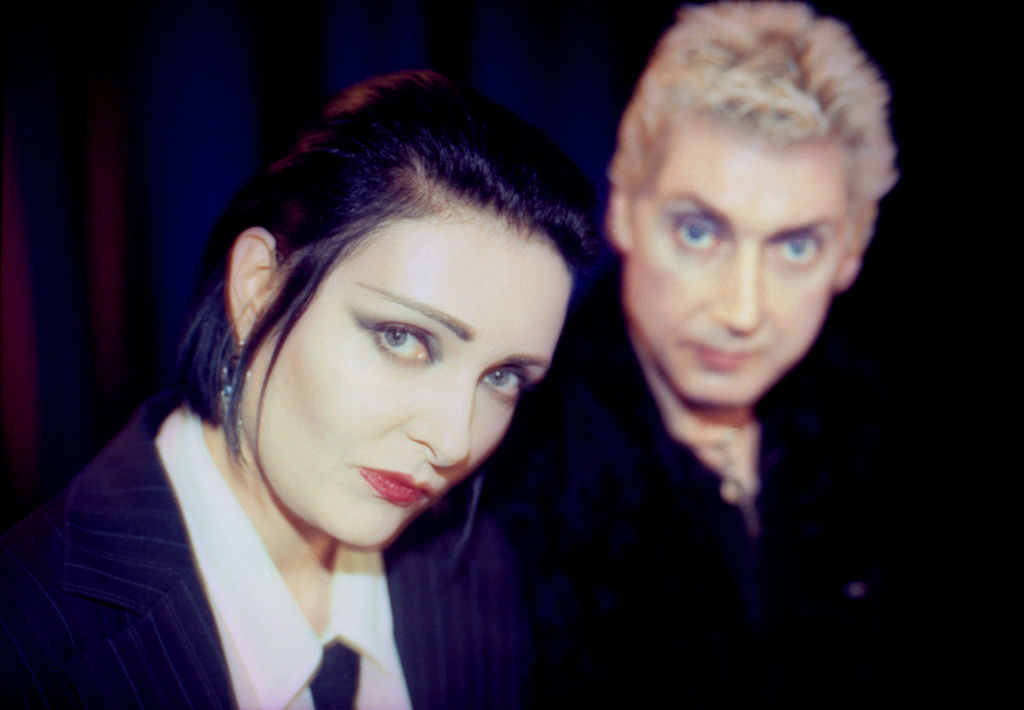
When Siouxsie Sioux and drummer Budgie stepped away from Siouxsie and the Banshees, they discovered that dispensing with a conventional rock lineup could be liberating. The Creatures' music was built around percussion, voice and atmosphere, with Budgie's drumming drawing increasingly on tribal and world-music rhythms.
Their 1981 debut Feast was recorded in Hawaii and sounds appropriately tropical, psychedelic and slightly unhinged. There is very little conventional guitar-rock architecture here. Instead, Siouxsie's voice floats above a hypnotic rhythmic foundation, creating music that feels less like a stripped-down rock band than some exotic ritual accidentally captured on tape.
At their strangest: 'But Not Them'
8. Orchestral Manoeuvres in the Dark
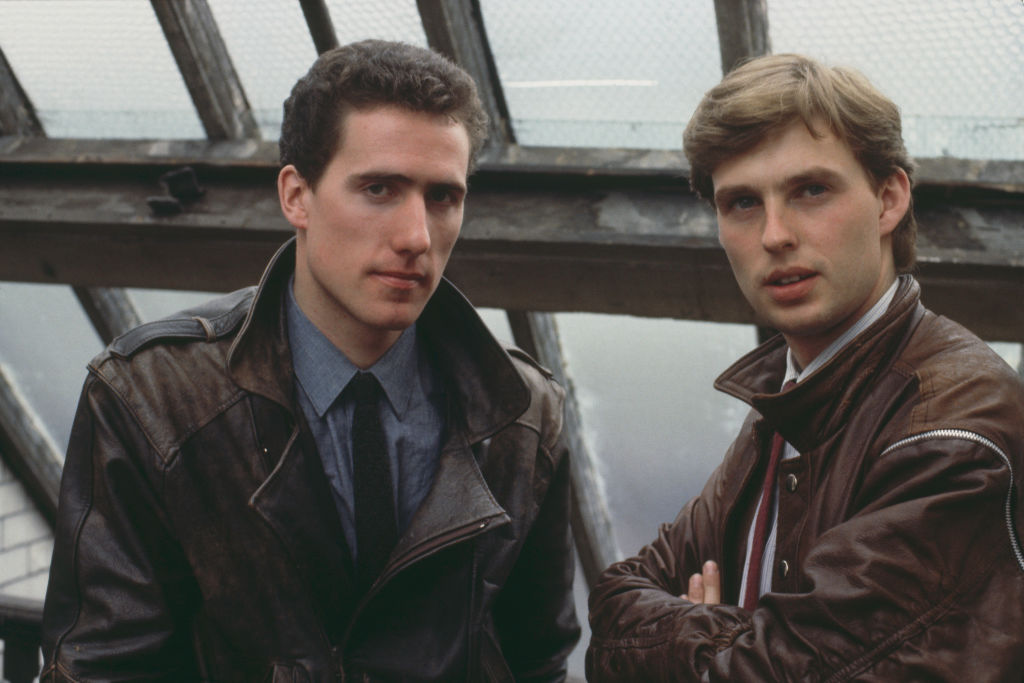
Andy McCluskey and Paul Humphreys met as teenagers in Merseyside, bonding over a shared love of Kraftwerk and electronic experimentation. Their early records were genuinely strange propositions — cold, minimalist meditations on nuclear power stations, Joan of Arc, and the nature of electricity itself.
Yet somehow they produced some of the most affecting pop melodies of the early 1980s. The tension between their cerebral, conceptual impulses and their instinct for a great hook made them one of new wave's most unlikely success stories, and one of its most enduring.
At their strangest: 'Stanlow'
9. They Might Be Giants
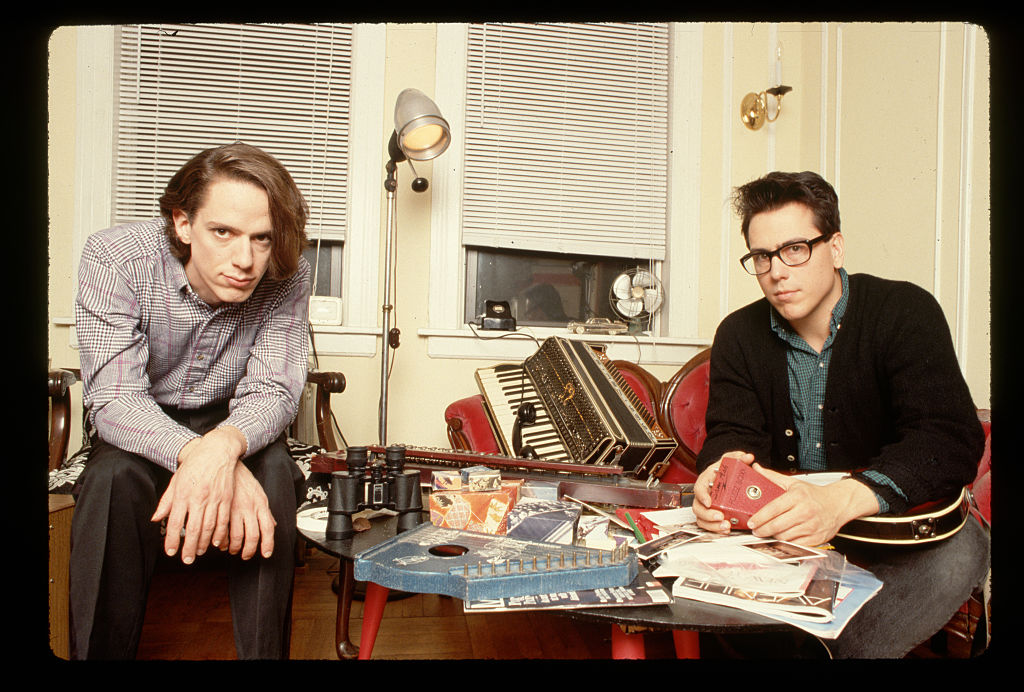
Johns Flansburgh and Linnell began their career playing to an answering machine — literally broadcasting songs via a telephone hotline before they had an audience. That absurdist, DIY spirit never left them. Their songs tackle particle physics, dead presidents, and the nature of consciousness with the same cheerful energy most bands reserve for love songs.
Categorically uncategorisable, they exist in a genre entirely of their own making — somewhere between new wave, children's music, and philosophy lecture — and have spent four decades being unlike anyone else in rock.
At their strangest: 'Cowtown'
10. Ween
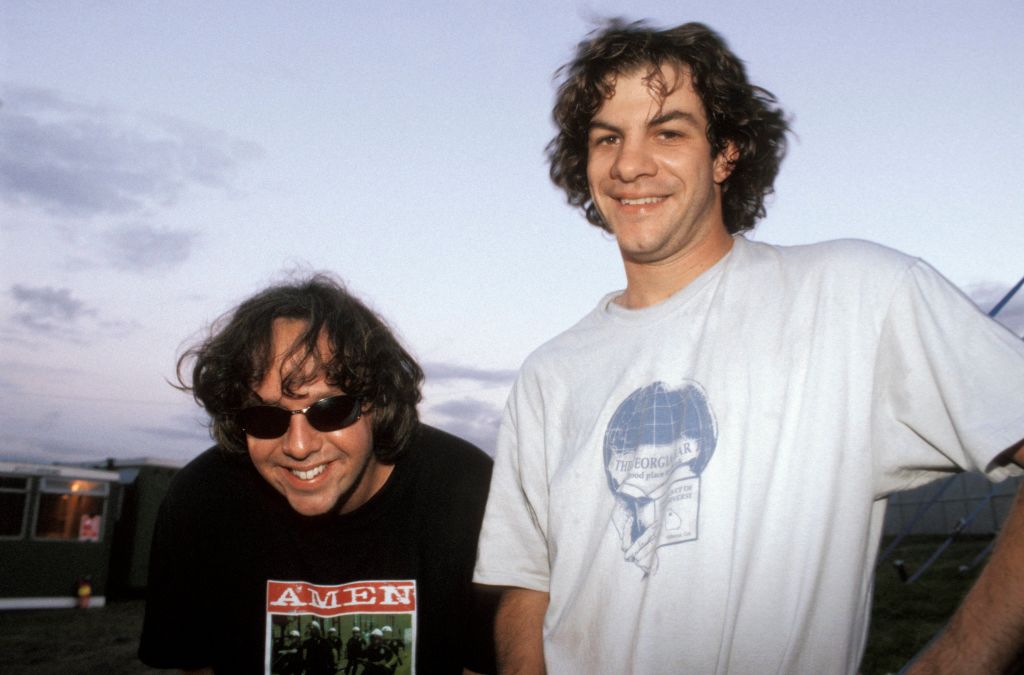
While Ween eventually expanded into a formidable five-piece touring band, their fundamental DNA is rooted entirely in a two-man creative partnership. Aaron Freeman (Gene Ween) and Mickey Melchiondo (Dean Ween) formed the act in middle school, operating for their crucial early decade as a pure duo backed only by a cassette drum machine.
Devoted to a mythical demon-god named Boognish, the pair used pitch-shifted vocals, home-recorded tape hiss, and surreal humor to parody—and master—virtually every genre in existence. Whether crafting sea shanties, outlaw country, or brown-noise psych-rock, Ween remains one of rock's most brilliantly bizarre double acts.
At their strangest: 'Ocean Man'
11. Death From Above 1979
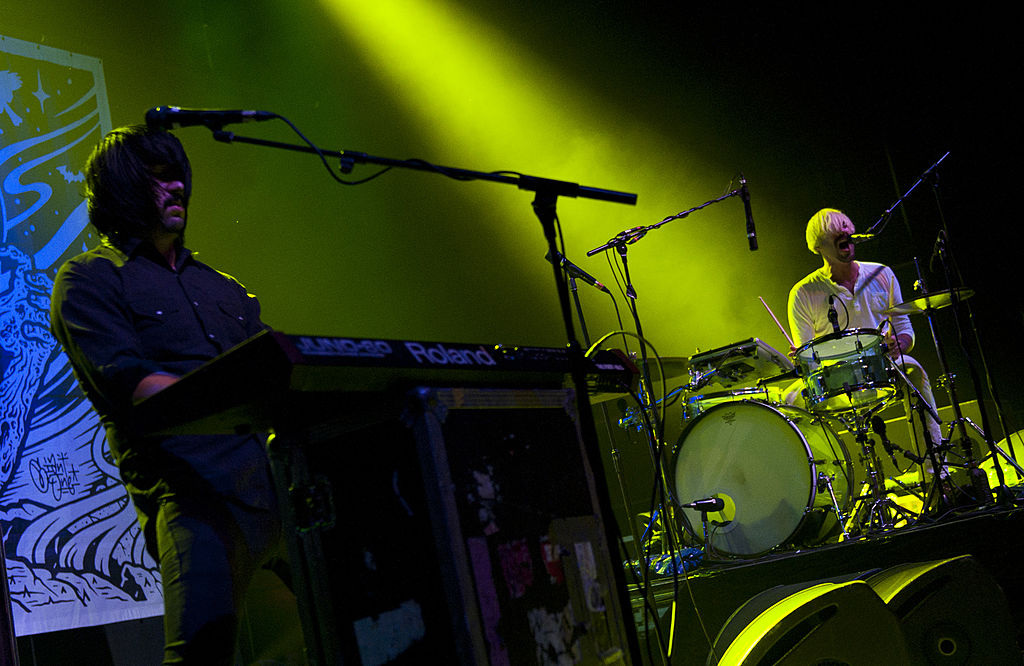
A bass guitar, a drum kit and absolutely no interest in restraint. Jesse F. Keeler and Sebastien Grainger took the two-piece format and made it sound violently oversized, with Keeler's distorted bass occupying the sonic territory normally reserved for a guitarist while Grainger hammered away behind the kit.
Their 2004 debut You're a Woman, I'm a Machine was a thrilling collision of punk, noise rock and dance music. The strange thing wasn't simply that they were a duo; it was that they sounded like a much larger band determined to destroy its own equipment.
At their strangest: 'Blood on Our Hands'
12. The White Stripes
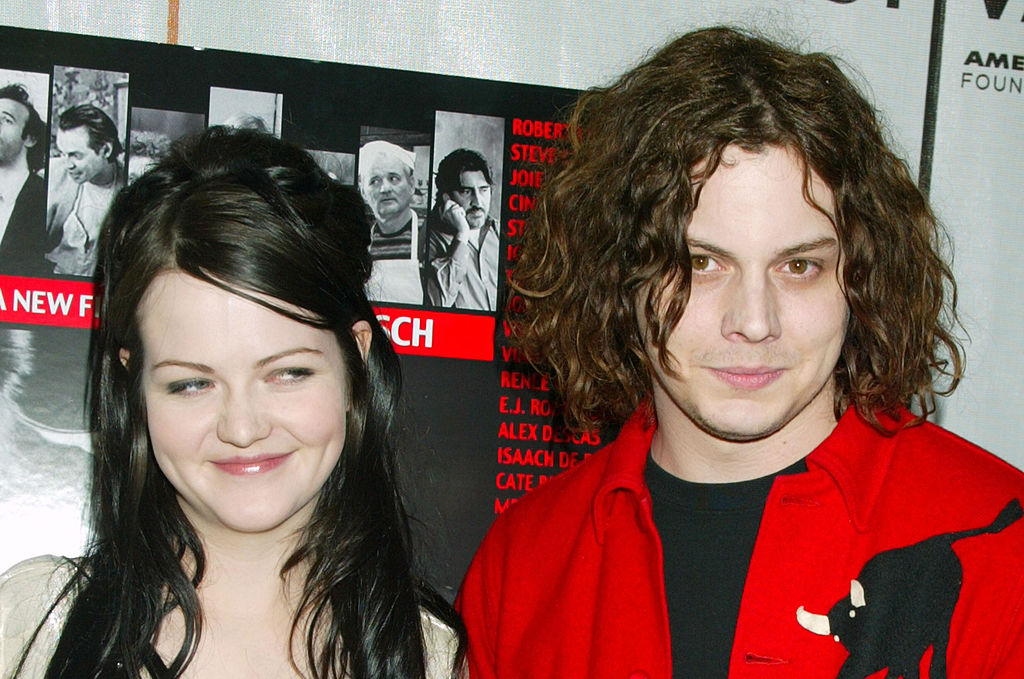
Jack and Meg White presented themselves as brother and sister — they were, in fact, ex-husband and wife — and built their entire aesthetic around that mythology of simplicity and mystery. Just guitar and drums, red and white, nothing else.
Jack's blues-drenched ferocity and Meg's deliberately primitive drumming shouldn't have worked, yet produced some of the most viscerally exciting rock of the 2000s. The deliberate constraints — no bass, no excess — made them stranger and more compelling than any technically accomplished band of their era.
At their strangest: 'Aluminum'
13. Lightning Bolt
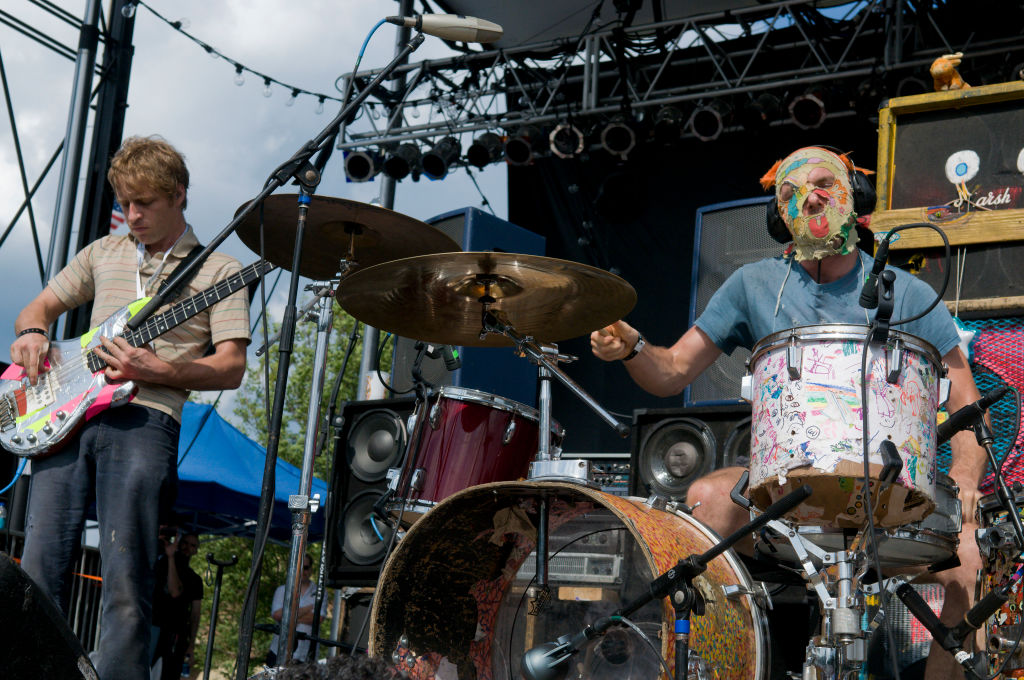
How do two people make this much noise? In Lightning Bolt's case, Brian Chippendale plays drums and sings through a microphone attached to his head, while Brian Gibson plays bass. That's it. Yet the Providence duo can sound like a collapsing hardcore band, an avant-garde jazz trio and a malfunctioning industrial machine simultaneously.
Their early performances, often staged in the middle of the audience rather than on a conventional stage, added to the sense of glorious chaos. There is something almost absurd about watching two men produce such a monumental racket – until the music starts.
At their strangest: 'Dead Cowboy'