
While for many rock stars, success and adulation can prove addictive, there are some who yearn for something else beyond the screaming crowds and swimming pools full of banknotes.
Here are 11 musicians who gave up fame – some temporarily, others for good – to pursue another path. Some found religion, others craved the peace of farm-work and a few are still trying to change the world.
11 rock stars who made strange career moves
11. Terry Chimes, The Clash
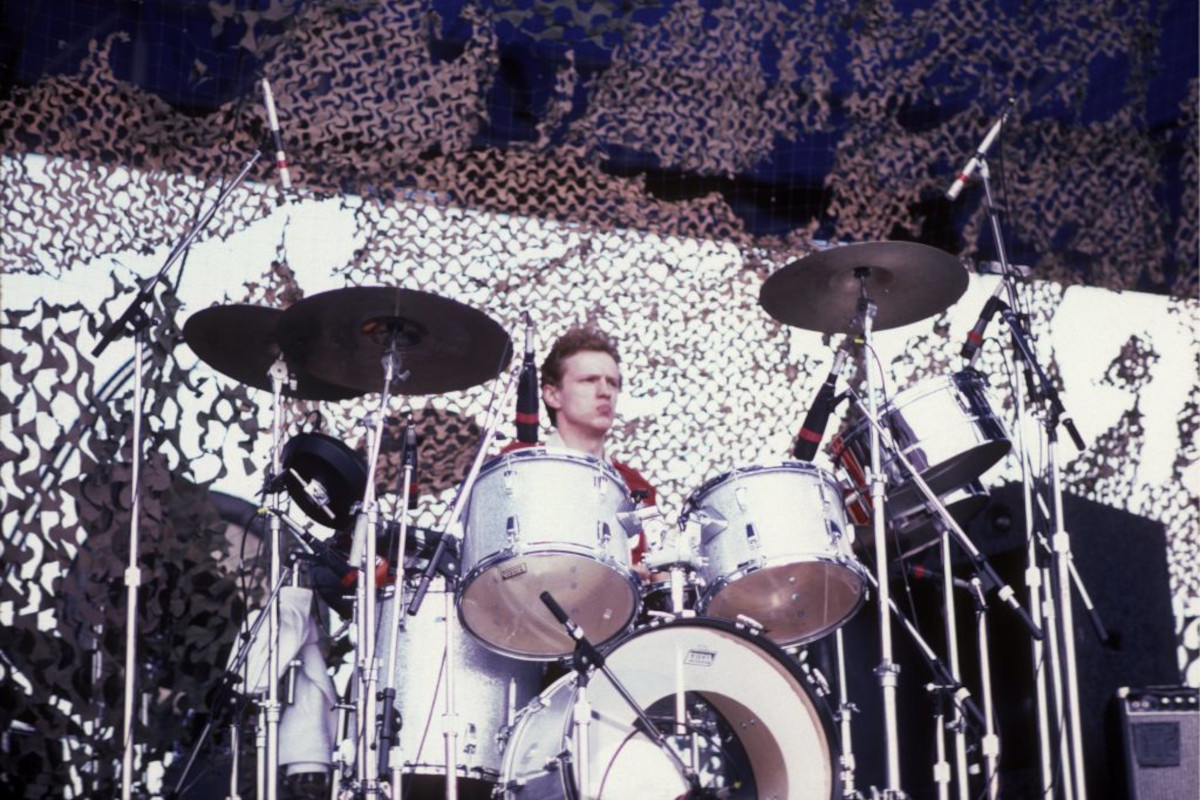
A bowling injury led to an unusual career pivot for former Clash, Black Sabbath and Billy Idol drummer Terry Chimes. "Once I was in Sun City with Black Sabbath and we went ten-pin bowling," Chimes told The Guardian in 2010.
"After three hours, my shoulder locked up. They said they would find a chiropractor. This guy came in, cracked all my joints and I could move my arm again. It made a big impression."
Chimes had been interested in medicine as a youth, but his head was turned by rock’n’roll and he joined The Clash as their on-off drummer in 1976. "After 15 years of that, I kind of had enough of being on the road and travelling and all the craziness," he told Radio X in 2025, "it’s full of crazy people, the music business – I was the only normal person there!"
Chimes enrolled on a chiropractic course in Bournemouth in the early ’90s, but before long, his past came back to haunt him. "I didn't tell anyone who I was," he told The Guardian, "but shortly afterwards they re-released ‘Should I Stay Or Should I Go’. It was No 1 for three weeks, and of course, I’m in the video, so the secret was out."
10. Bill Berry, R.E.M.
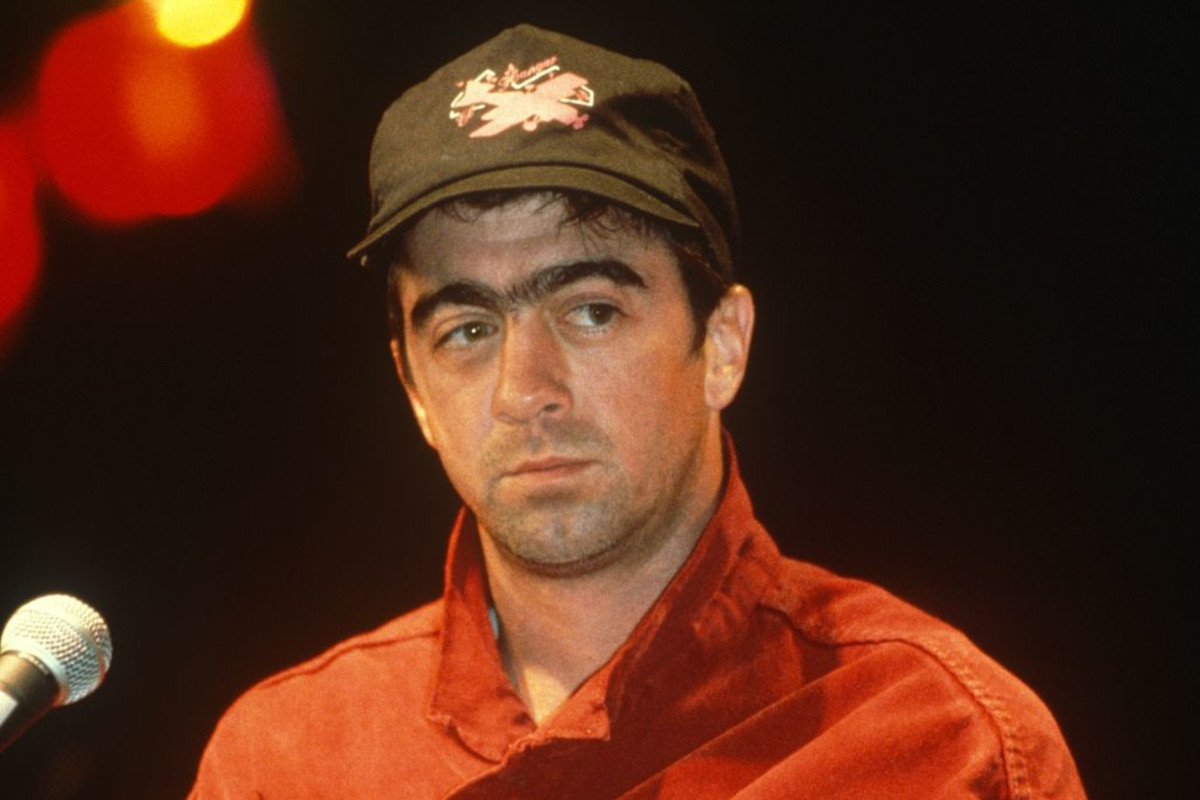
In 1997, R.E.M. were one of the biggest – and most critically adored – bands on the planet. But in October that year drummer Bill Berry called it quits. "I’ve been playing the drums since age nine," Berry said in an official statement.
"I’m at a point in my life where my priorities have shifted. I loved my 17 years with R.E.M. but I’m ready to… move on to a different phase of my life."
But this wasn’t a case of a band member moving on to another musical project – Berry retired from music altogether and began working full-time on his hay farm in Farmington, Georgia. Back in March 1995, Berry had a major health scare when he suffered an aneurysm on stage in Lausanne, Switzerland.
Though he recovered, the shock led to Berry taking stock, "I wasn’t specifically thinking about quitting the band, but maybe reassessing my priorities and things I want to do with the rest of my life," he told MTV.
"Maybe not as much travel, for one. Being away from home. I had a lot of time to lay around in a hospital bed and think about things. Maybe I started feeling sorry for myself."
R.E.M. continued as a three-piece until they split in 2011. In 2024, Berry told CBS News he regretted the way he handled his departure, "That was a weird time for me," he explained. "And I made it weird for these guys, too."
9. Dexter Holland, The Offspring
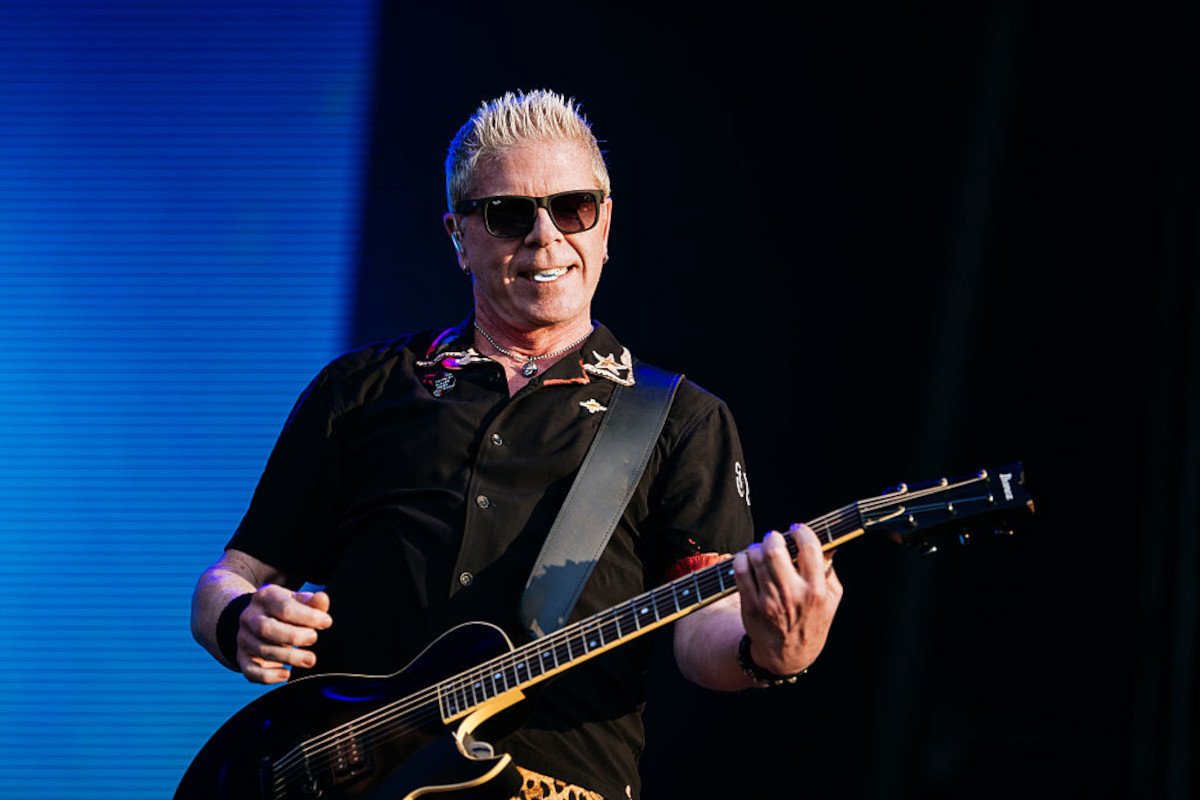
Back in the ’90s, The Offspring became one of the biggest rock bands on the planet with albums such as Smash – the best-selling album released by an independent record label, with over 11 million sales – and Americana. To uninformed onlookers, they were the epitome of brash, cartoonish punk rockers, but underneath the peroxide spikes, lead singer Dexter Holland was an intellectual heavyweight itching to complete his studies in molecular biology.
"When the band really started happening, my manager told me, 'In a couple of years, this [momentum] will be gone. You have to [take the opportunity] now,'" Holland told Forbes in 2026. "He was right."
In 2014, Holland was finally able to complete his PhD. "I didn’t like that it was incomplete," he said. "It was always in the back of my mind. It still took a lot of work, but I liked knowing there were more paths available to me."
Holland’s dissertation was a 175-page paper titled ‘Discovery of Mature MicroRNA Sequences within the Protein-Coding Regions of Global HIV-1 Genomes: Predictions of Novel Mechanisms for Viral Infection and Pathogenicity’ – a very long way from ‘Pretty Fly (For A White Guy)’.
"I am interested in virology and wanted to contribute in some small way to the knowledge which has been learned about HIV and AIDS," Holland wrote in a blog on the band’s website. "This terrible disease remains a worldwide epidemic – over 35 million people worldwide are currently infected and living with the HIV virus. Over one million people a year die from this disease."
Not content with his doctorate, Holland is also a licensed aircraft pilot and – according to his interview with Forbes – even has his eye on a trip to space, "To be a NASA astronaut, they want a PhD. and a thousand hours of jet time," Holland he said. "And I thought—actually, I could apply."
8. Richard Coles, The Communards

Brit synth-pop duo The Communards – singer Jimmy Sommerville and multi-instrumentalist Richard Coles – burned bright and fast, scoring two massive hits with their versions of ‘Don’t Leave Me This Way’ (1986) and ‘Never Can Say Goodbye’ (1987) in the few years they were active. When they split in 1988, Sommerville pursued a solo career while Cole sought a higher calling. He studied theology at King’s College London and was ordained as a Church Of England priest in 2005.
"I was a chorister when I was a kid, so I had breathed the atmosphere," Coles told The Guardian, "but I’d always thought religion was all wicked nonsense. Suddenly I found myself attending church.
"I discovered that I needed it, as a human being… I actually think my pop past helps me all the time: you’re performing all the time, the hours are long, people look at you funny, you dress up, and there’s music. It’s actually not dissimilar."
7. Terminator X, Public Enemy
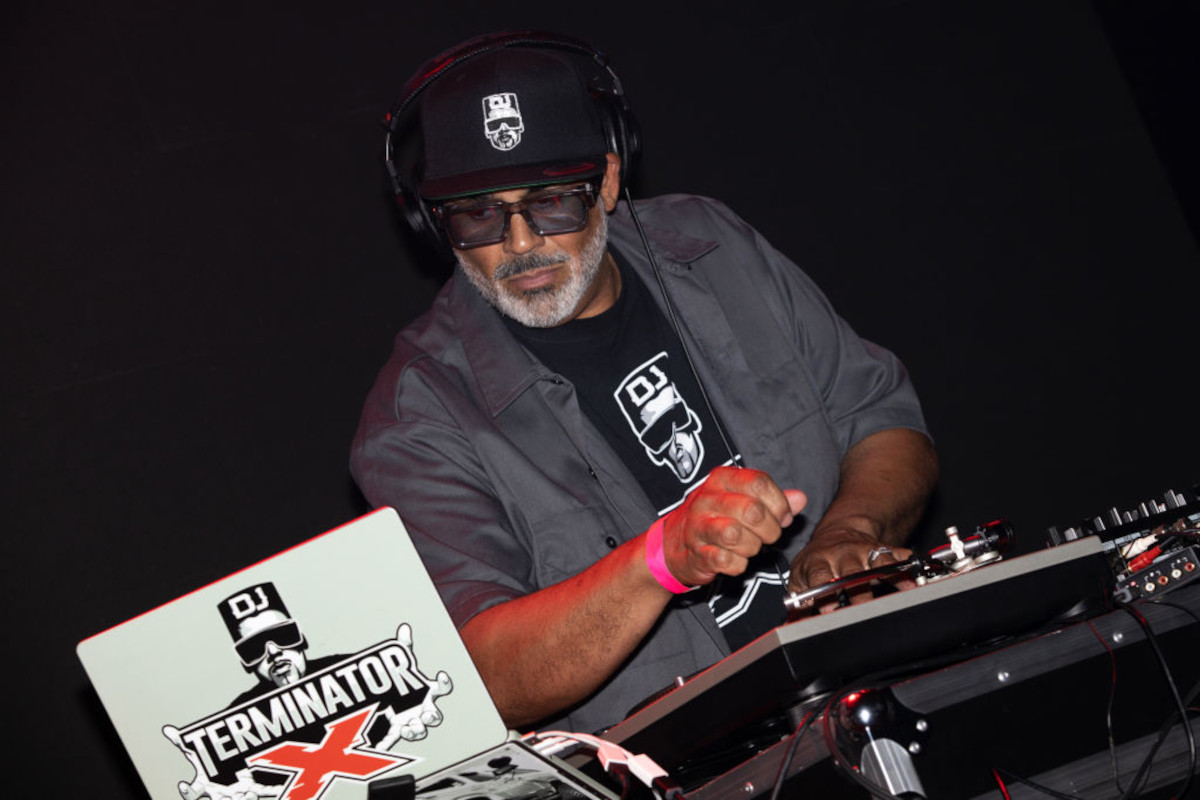
Turntable wizard Terminator X played a pivotal part in hip-hop pioneers Public Enemy’s glory years before retiring from music in the late ’90s. A radical career change followed when he briefly worked for the family business, an emu farm in North Carolina.
"I didn’t agree on the way things were being done, so I stepped out," he told Who? Magazine, "For some of the same reasons, I was trying to tell them about, it failed. Now they are raising goats. That is doing much better for them."
Over time though, the DJ’s career shift became the thing of legend, and it became widely believed that he was working on an ostrich farm – something that former bandmate Chuck D was keen to clear up in an interview with The Guardian. "It wasn’t an ostrich farm anyway," said Chuck, "it was an emu farm, and it was destroyed by a hurricane in the late 90s or early 00s. This just shows you how digital news never goes away.
"It’s like radiation. That’s why we have to watch it with news, because they’re still saying Terminator X has his ostrich farm, and no matter how many times we refute it, this same dumb-ass question comes up. It’s no one’s fault: it just shows how far we’ve got [to go] to get the space junk out of orbit, bro."
6. Cindy Birdsong, The Supremes
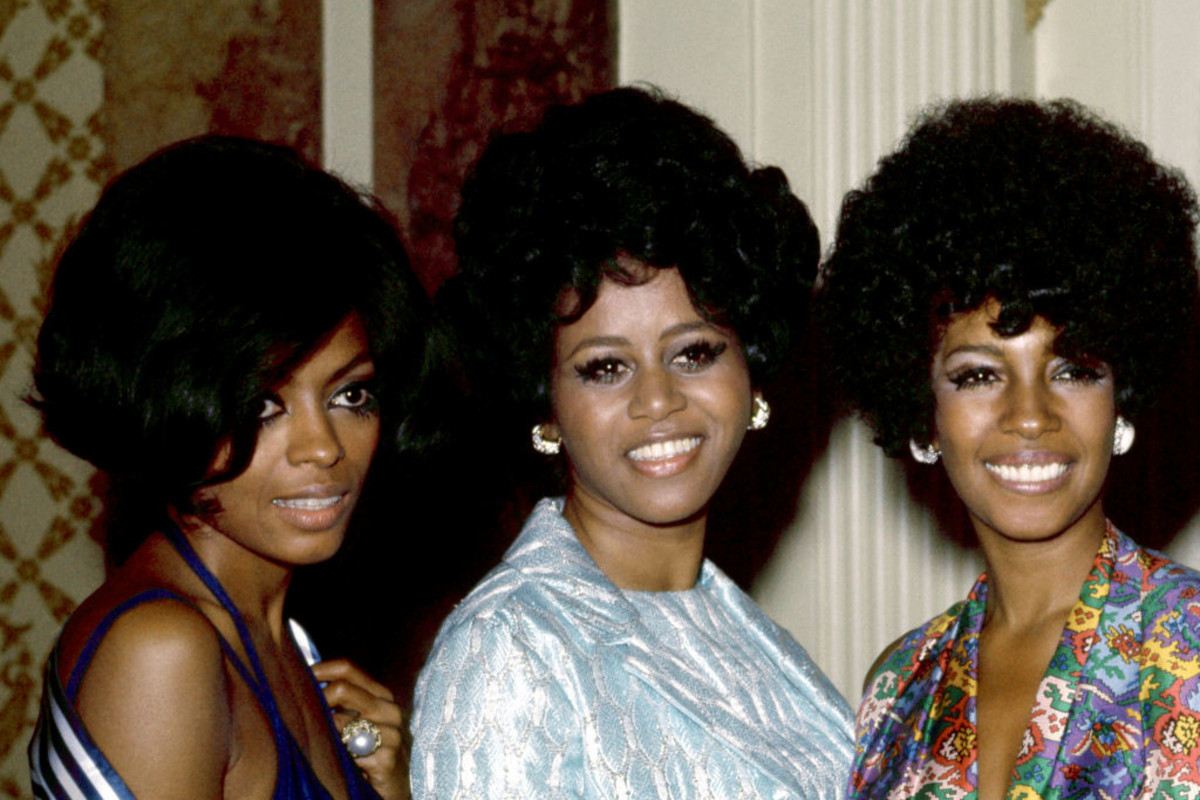
In 1960, nursing student Cindy Birdsong was asked by a childhood friend, Patsy Holt (later Patti LaBelle) to join her vocal group the Ordettes. Birdsong’s training was put on hold while she pursued a singing career, but despite a few minor hits over the next five years, stardom eluded The Blue Belles (as they’d eventually be called). In 1967, Birdsong hit the girl group jackpot when The Supremes came calling, looking for a replacement for Florence Ballard, who was becoming increasingly unreliable as a result of her alcoholism.
Birdsong’s decision to join The Supremes inspired Blue Belles bandmate Nona Hendryx to write the beautiful kiss-off ‘(Can I Speak To You Before You Go To) Hollywood’, released on LaBelle’s 1973 album Pressure Cookin’. Not counting a period of maternity leave from 1972-’73, Birdsong was a Supreme until she was fired in February 1976.
Following a spell backing Mary Wilson, Birdsong returned to nursing, working at the UCLA Medical Centre, Los Angeles, under her married name of Cindy Hewlett.
5. Feargal Sharkey, The Undertones
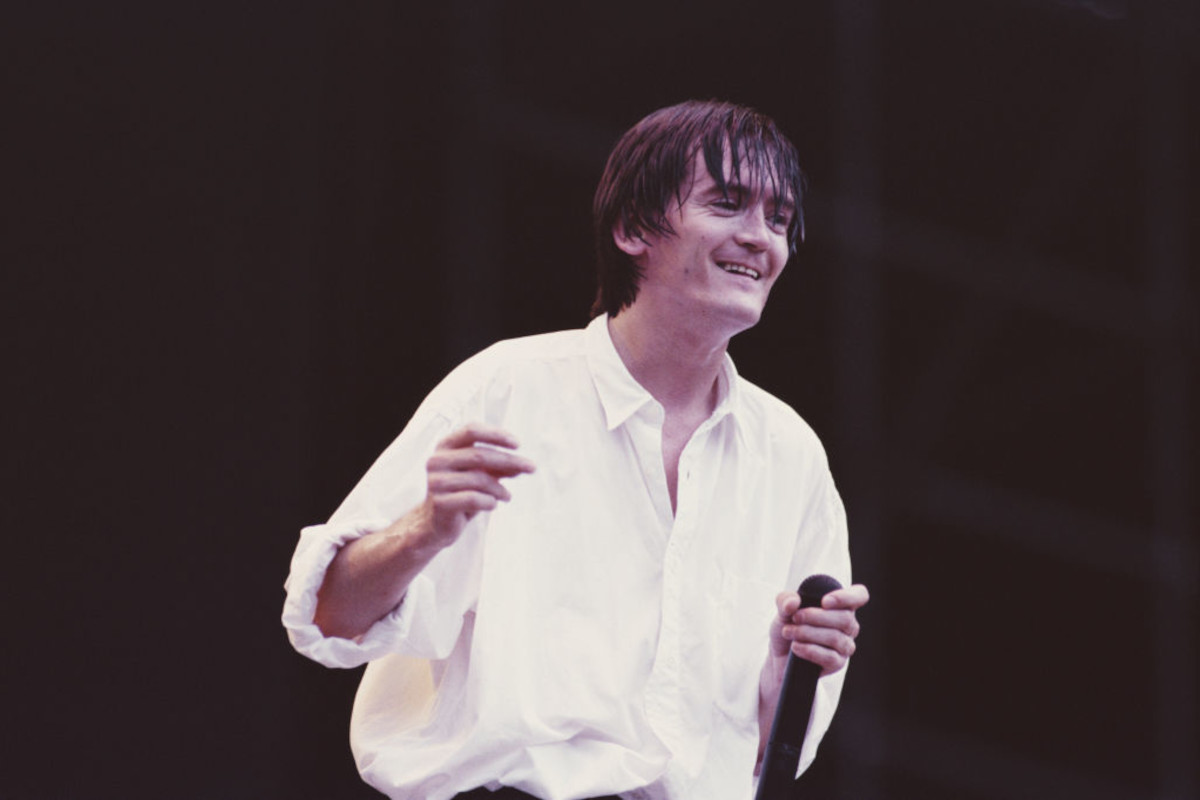
While it’s hard to deny that a teenage dream is so hard to beat, we can think of one thing that outdoes it – becoming an outspoken activist and campaigner who publicly calls out the failings of the UK’s privatised water companies. Feargal Sharkey first shot to fame as the singer of Northern Irish punk upstarts, The Undertones.
Back then, Sharkey was more likely to sing about his favourite confectionery (‘Mars Bars’) or annoying family members (‘My Perfect Cousin’) than exposing illegal sewage dumping. But after a successful solo career and a period working in the music industry, Sharkey – a keen fly fisher – turned his attention to the sorry state of the UK’s rivers.
He has since become one of the nation’s most prominent environmental campaigners and a vitally important voice in holding water companies to account.
4. David Lovering, Pixies

Just imagine – you’re the drummer in one of the most adored rock bands on the planet, when, out of the blue, you receive a fax telling you the band is done. Sounds brutal, but that’s what happened to David Lovering of Pixies in January 1993 when frontman Frank Black decided to call time on the band (bassist Kim Deal also received a fax, though guitarist Joey Santiago was called).
Lovering licked his wounds and drummed with artists including Nitzer Ebb and Tanya Donnelly, though he turned down Foo Fighters. When drumming gigs dried up towards the end of the decade, Lovering turned to – what else – magic.
Lovering’s interest began in 1994, when he was wowed by close-up magic on a trip to Los Angeles. "It was the first time I saw a really cool magic trick," Lovering recalled, "from that point on I was just taken… I learned every trick there was."
Lovering developed an act called ‘The Scientific Phenomenalist’, which sees him performing science experiments in a lab coat (‘I do kinda weird things that other magicians don’t do’). When Pixies reformed in 2004, Lovering put his wand aside, but he still occasionally performs magic, regularly sharing videos of card tricks and illusions on the band’s socials.
3. Pete Wishart, Runrig
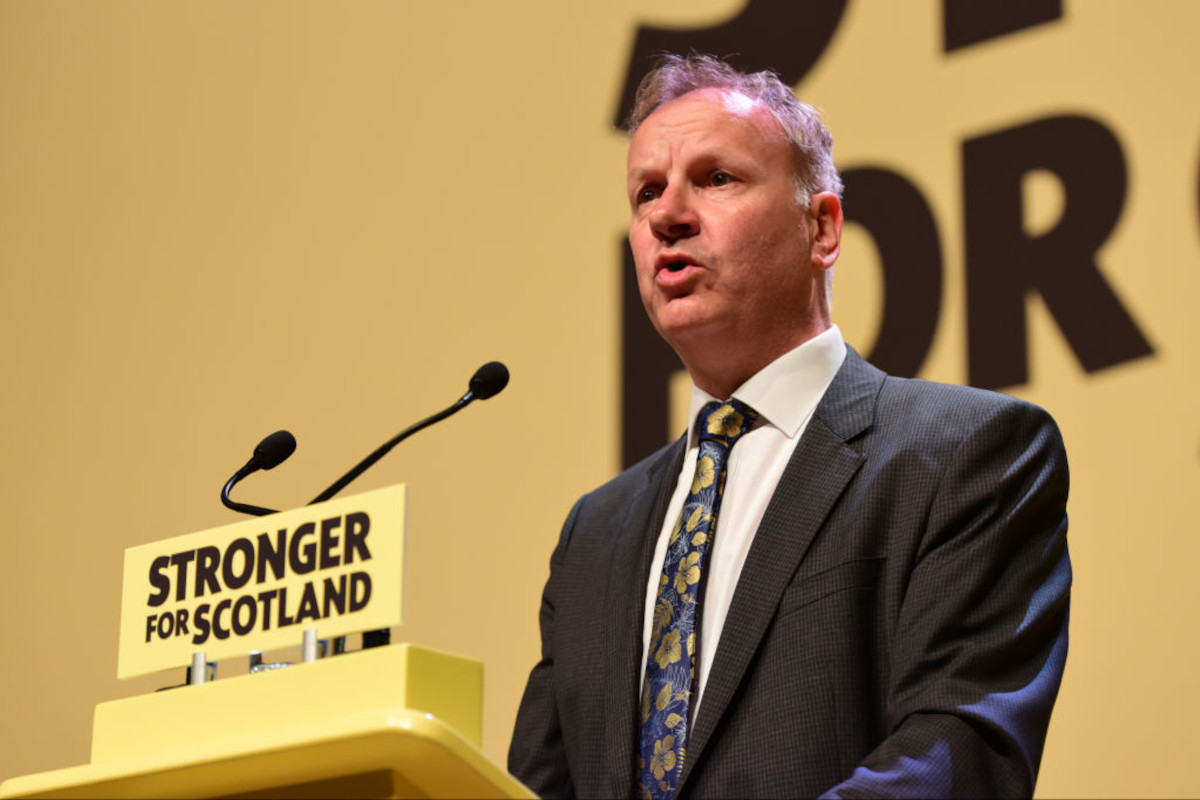
First elected to the House of Commons at the 2001 general election, Pete Wishart is currently the Scottish National Party’s longest-serving MP. But prior to politics, Wishart was the keyboardist in Celtic rock behemoths Big Country and Runrig. Though it might seem a long way from arena rock to Holyrood, Wishart has pointed out that it wasn’t as huge a leap as it may appear.
"Runrig were a political band," Wishart told The Guardian, "which suited me as I had a strong trades-union and student politics background. Where other bands discussed sex and drugs, Runrig debated the Scottish constitutional question."
Even so, Wishart’s CV caused a few raised eyebrows on doorsteps at first, "When I first stood for election there was quite a fuss because I'd been on Top of the Pops five times, but constituents just want you to do a good job."
2. Billy Corgan, The Smashing Pumpkins

As the leader of alt-rock heroes The Smashing Pumpkins, Billy Corgan wrote songs of sweeping melancholy and cathartic angst for troubled teens all over the world. But over the last few decades, Corgan has become increasingly involved in a business seemingly a world away from grunge – professional wrestling.
Corgan was a huge fan of wrestling as a kid and in 2011, co-founded Resistance Pro Wrestling, a promotion company which put on events around Chicago. He joined TNA Wrestling in 2015 and became its president the year after, then bought the National Wrestling Alliance in 2017.
In 2022, Corgan drew parallels between his life as a rock star and wrestling: "I like to define success as everyone on the team has to win. So if the NWA wins, you win, and if you win, the NWA wins. I think that comes back from all my years of being in bands.
"In my band there’s a lot of focus on myself and I understand why, but if my team, in this case my bandmates don’t believe in my vision or what I’m trying to accomplish, that undermines not just the success of the team, but myself.
"I think it’s a similar dynamic where it’s letting talents know that we either win together or we lose together. I think that creates a spirit of camaraderie. If you can set team goals, everyone takes some pride in ownership."
1. Jeff 'Skunk' Baxter, Steely Dan and The Doobie Brothers
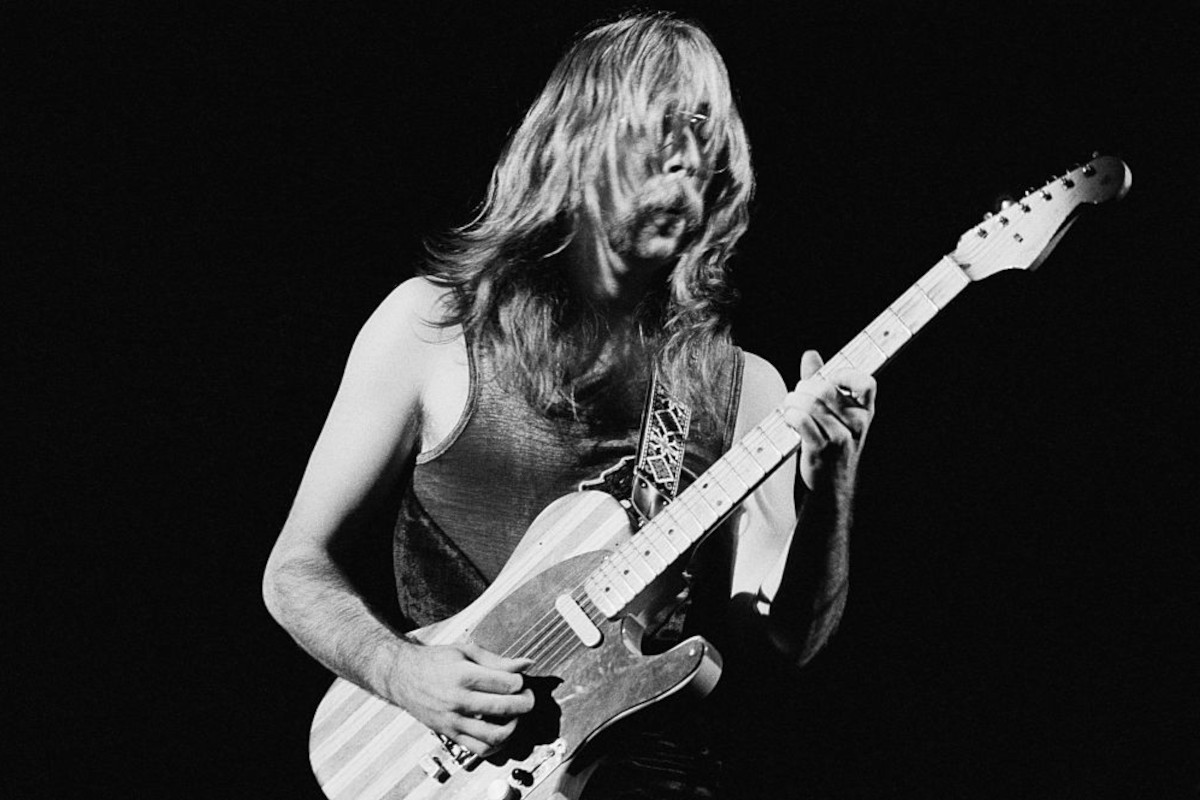
While the extravagantly moustachioed Jeff ‘Skunk’ Baxter’s musical CV is impressive, with his fluid fretwork gracing albums by Steely Dan, Joni Mitchell, Dolly Parton, The Doobie Brothers, Elton John and many more, the guitarist’s most unexpected collaboration came when he began working with the US government as a US national security expert.
Baxter’s path to the Pentagon began in the ’80s, when his interest in music recording tech led him to realise that hardware and software being developed by the US military – such as date-compression algorithms and large-capacity storage – could be used in music recording.
A neighbour of Baxter’s was a retired engineer who’d worked on the Pentagon’s Sidewinder missile programme and encouraged his musician pal with a plethora of military-related reading.
Baxter ended up writing a five-page paper that proposed the US’ Aegis anti-aircraft system be repurposed as a missile-defence system. Baxter gave the paper to a friend, the California Republican congressman Dana Rohrabacher, who was blown away by the proposal.
"We thought turntables were for playing records until rappers began to use them as instruments, and we thought airplanes were for carrying passengers until terrorists realized they could be used as missiles," Baxter told the Wall Street Journal. "My big thing is to look at existing technologies and try to see other ways they can be used, which happens in music all the time and happens to be what terrorists are incredibly good at."
Baxter has since consulted for the Pentagon’s Missile Defense Agency and NASA, as well as serving as the chairman of the Civilian Advisory Board for Ballistic Missile Defense.
All pics Getty Images
Top pic Smashing Pumpkins, 1992. L-R Billy Corgan, James Iha, Darcy Wretzsky. Out of shot: Jimmy Chamberlin


