Few Rolling Stones songs have acquired quite the afterlife of ‘You Can't Always Get What You Want’.
This 1969 track, which closes out their 1969 LP Let It Bleed, has become one of the band's best loved songs. Its grand, gospel-tinged arrangement give Mick Jagger's somewhat cynical lyrics an almost hymnal quality – and it ends the otherwise dark, decadent Let It Bleed LP on an oddly cathartic note of serenity.
It has turned up in films, television and countless memorable moments, and features in this year's John Lewis Christmas advert in a new version by Sam Fender. But the song's creation was almost as unusual as its sound, involving a classical choir, a substitute drummer, a visiting American musician and a rather distracted Brian Jones. Read on for the whole strange tale behind this Stones classic.
1. It began as a bedroom song
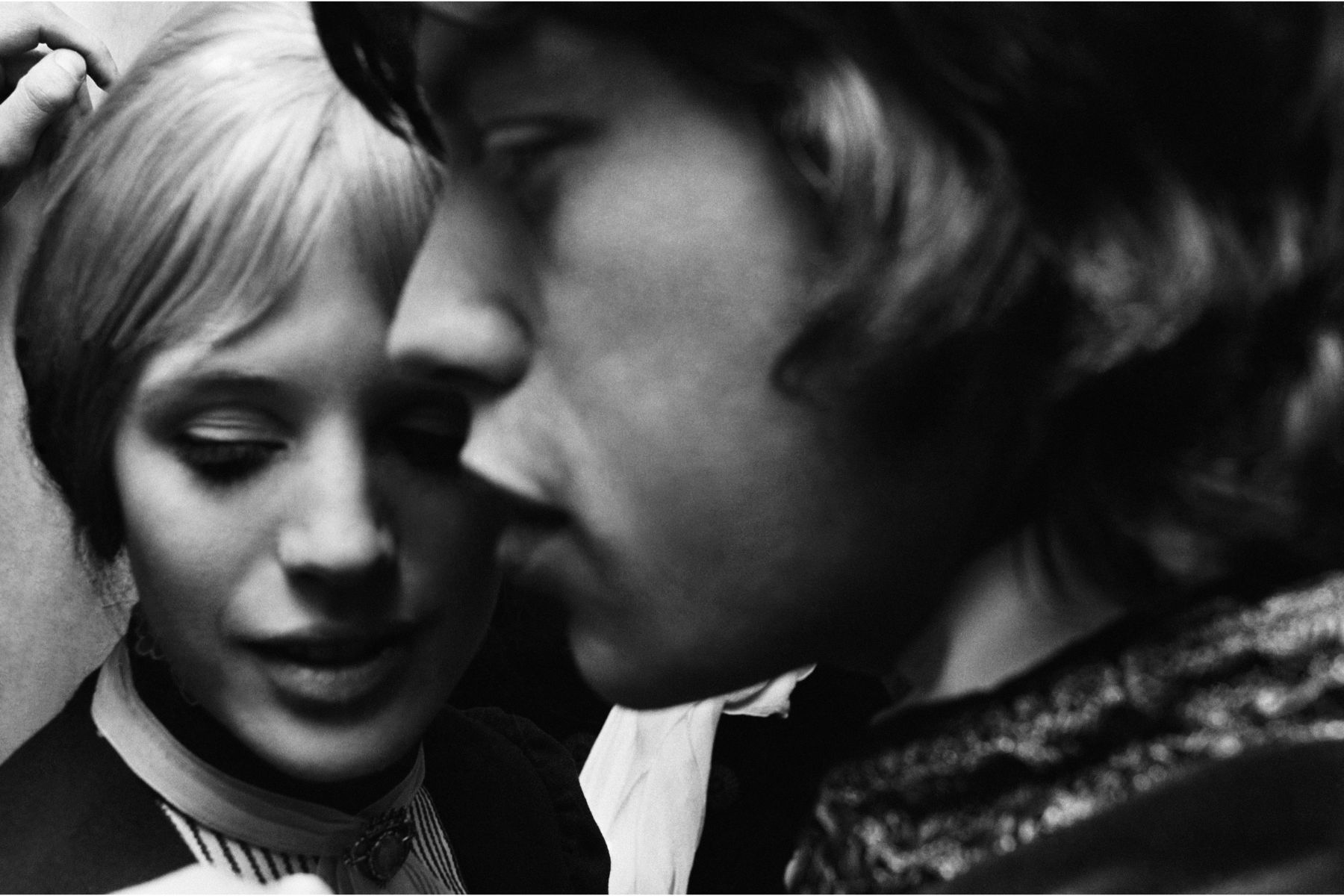
Mick Jagger has recalled that the song began as an acoustic guitar number, something he was working on at home rather than a grand rock production. Keith Richards helped develop it, finding the rhythm and arrangement that would turn Jagger's original idea into something much more expansive.
2. The choir was a very unlikely choice
Jagger initially wanted a gospel choir, but the Stones ended up using the London Bach Choir, a prestigious classical ensemble founded in 1876. The idea was partly a joke: the band thought it would be amusing to put such a traditional choir on a rock record. The singers reportedly struggled to lose their English accents, which remained audible in the recording. Indeed, the contrast between those hallowed accents and Jagger's languid drawl is a big part of the song's charm.
3. Charlie Watts didn't play the drums
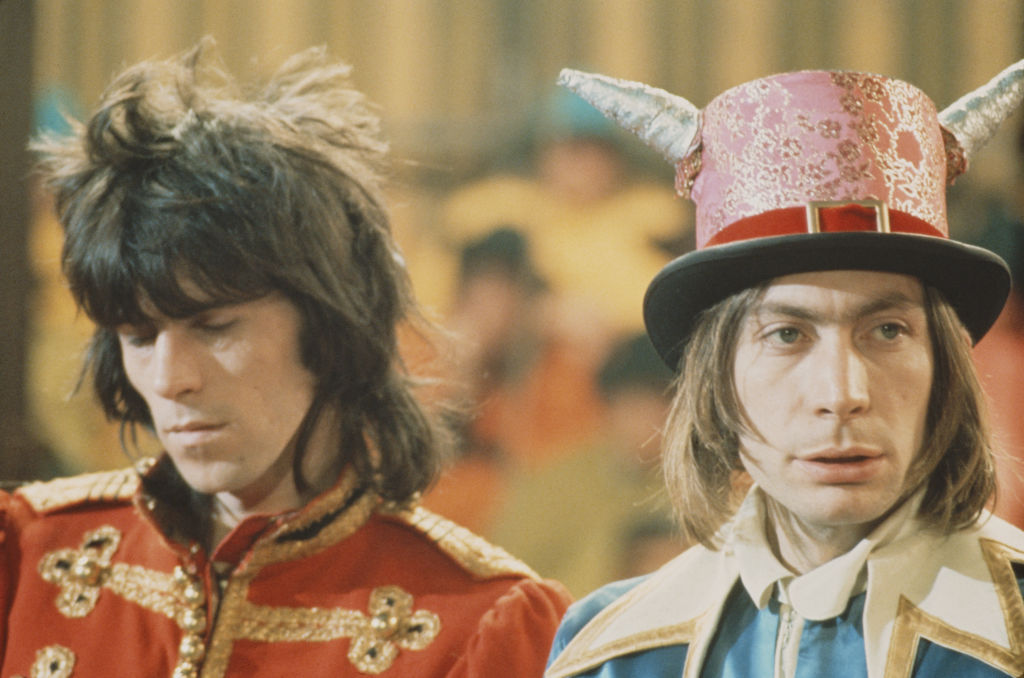
One of the song's most surprising details is that the drums were played not by the Stones' own Charlie Watts, but by producer Jimmy Miller. Watts was apparently struggling to get the right feel, so Miller took over. Watts was unhappy about being displaced, but later acknowledged that Miller's approach made him rethink his own studio drumming and helped him become a better recording musician. So that's all good then.
4. Al Kooper turned up and played the French horn
American musician Al Kooper (the man who gave us the iconic organ sound of Bob Dylan's 'Like a Rolling Stone') was in London when he was invited to the session. He was initially brought in to play piano, as regular Stones collaborator Nicky Hopkins wasn't available, but he also contributed organ and the memorable French horn introduction. Kooper later recalled that Brian Jones was also present – but seemed largely detached, lying on his stomach and reading an article about botany.
5. Who was 'Mr Jimmy'?
The lyric about standing in a queue at the Chelsea drugstore with 'Mr Jimmy' has inspired one of rock's more persistent stories. According to the tale, Jagger met a man called Jimmy Hutmaker at a pharmacy in Excelsior, Minnesota, during the Stones' 1964 American tour. Hutmaker supposedly told him that you can't always get what you want. It's a lovely anecdote, but there's no firm evidence that it happened – and Jagger has never confirmed it.
6. The Beatles helped inspire its sound
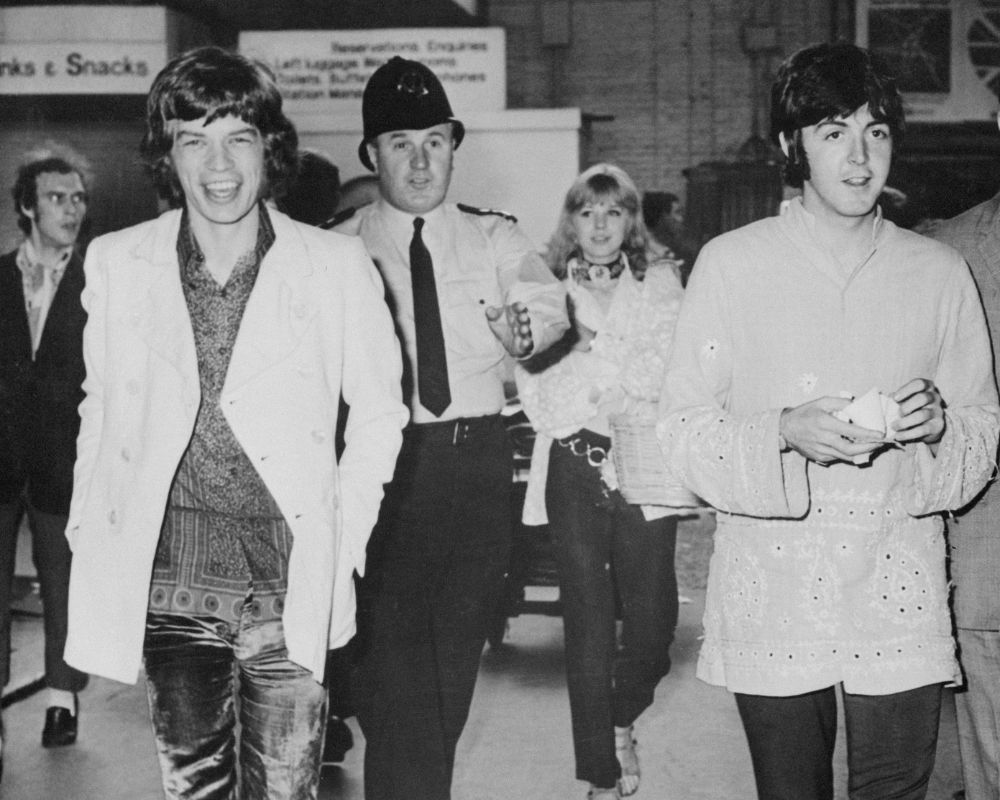
Jagger was impressed by the Beatles' use of orchestral arrangements on ‘Hey Jude’, particularly the way the instruments added something to the song rather than simply smothering it. He wanted to explore a similarly expansive approach, although the Stones went in a different direction, using a choir to give their recording its distinctive gospel-like quality.
7. Brian Jones was already drifting away
A sadder note, now, to the circumstances around the song. The recording took place in November 1968, just months before Brian Jones was dismissed from the Rolling Stones in June 1969. He died the following month.
Al Kooper's recollection of Jones lying around reading about botany during the session has often been taken as an illustration of how detached he had become from the band's work. It is a telling detail, although it doesn't establish exactly how much he contributed to the recording.
8. It was a B-side before it became a classic
The shorter version of ‘You Can't Always Get What You Want’ first appeared in July 1969 as the B-side of ‘Honky Tonk Women’. The much longer version, running to more than seven minutes, appeared on Let It Bleed in December. It's now the version most listeners know, with its extended arrangement giving the choir and instrumental passages room to breathe.
9. Its uplifting sound disguises some pretty dark lyrics
The song's chorus has the comforting quality of a hymn, but the verses are considerably less reassuring. Jagger sings of a Chelsea drugstore, a reception where a woman has bloodstained hands, and a political rally. The scenes are strange, disillusioned and sometimes unsettling. The tension between those lyrics and the soaring arrangement is central to the song's power: it sounds like a celebration, but it isn't quite one.
Pics Getty Images
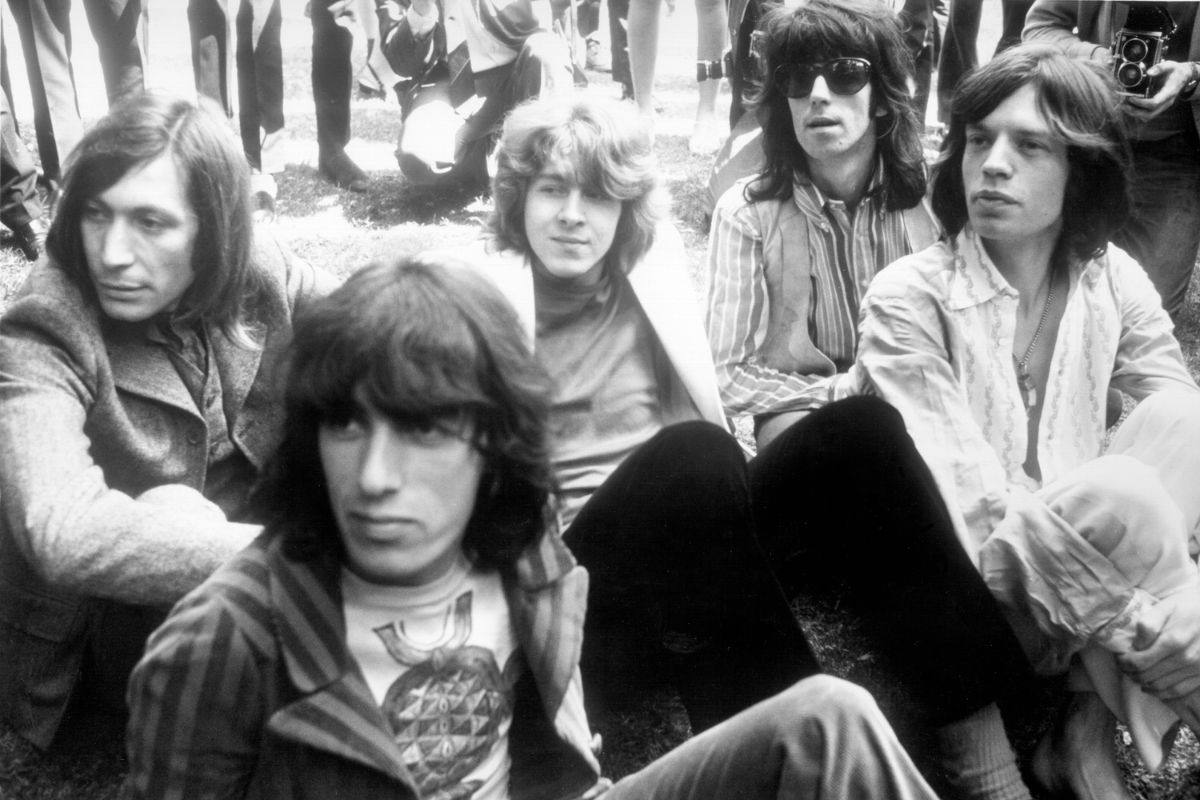
Top pic The Rolling Stones, 1969. L-R Bill Wyman, Mick Jagger, Keith Richards, Brian Jones, Charlie Watts