Imagine being a parent in America in 1985.
Your teenager is upstairs listening to heavy metal, and you've been told that the music might contain hidden messages instructing them to worship Satan – or even kill themselves. It sounds ridiculous now, but millions of Americans took such claims seriously.
The resulting Satanic Panic turned heavy metal into a cultural battleground. Evangelical campaigners warned of occult influence; politicians investigated supposedly corrupting lyrics; record companies were pressured to identify dangerous music; and rock stars found themselves defending their songs in courtrooms and even before the US Senate.
The panic also produced some extraordinary unintended consequences: bands with genuinely sinister imagery suddenly found themselves surrounded by publicity, while musicians who had never claimed to be Satanists were tarred with the same brush.
Some accusations were laughable, others had devastating consequences. These are 11 bands that became villains in America's bizarre war on Satanic rock.
1. Iron Maiden
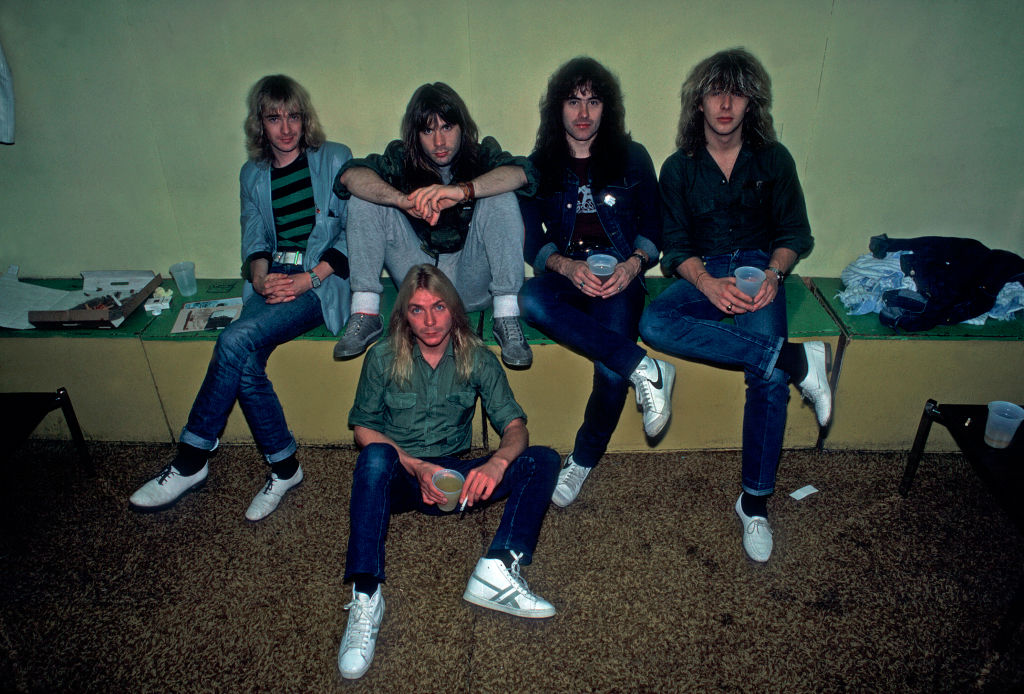
If any band looked as though it had been designed in a Satanic Panic laboratory, it was Iron Maiden. The title and artwork of The Number of the Beast were enough to provoke organised protests in America, with religious groups burning or smashing copies of the album and demonstrators sometimes surrounding venues on the 1982 tour.
The irony was that the album wasn't a celebration of Satanism at all. Bassist and band founder Steve Harris was furious that protesters apparently hadn't bothered to read the lyrics. The controversy nevertheless gave Maiden enormous publicity in America.
2. Judas Priest
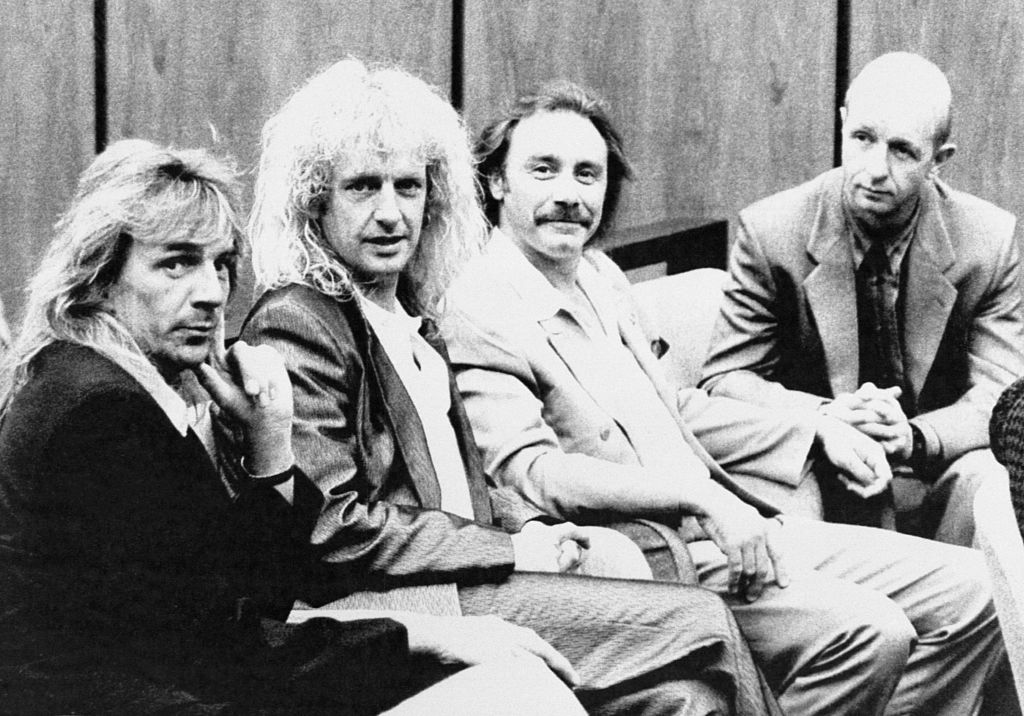
For Judas Priest, the Satanic Panic became something far more serious than angry letters and album burnings. In 1985, two Nevada teenagers attempted suicide after drinking and listening to Priest's 1978 album Stained Class. The parents eventually alleged that the band's music contained subliminal commands – most notoriously a supposed hidden 'do it' in Priest's cover of Spooky Tooth's 'Better by You, Better Than Me'.
The resulting lawsuit finally reached court in 1990, with the band accused of effectively brainwashing their fans. The judge ultimately found no evidence of deliberately embedded messages.
3. Ozzy Osbourne
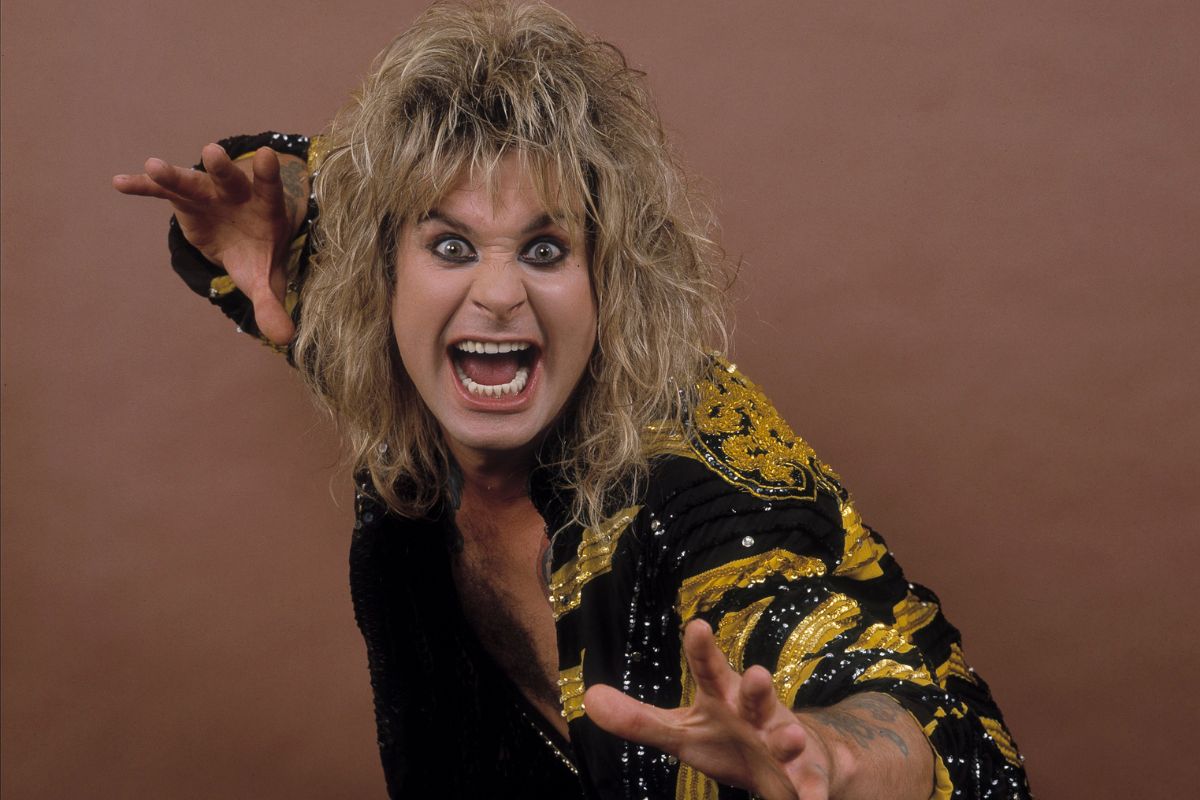
Ozzy didn't even need to be in Black Sabbath any more to become a Satanic Panic bogeyman. In 1985, the parents of Californian teenager John McCollum sued Osbourne, claiming that 'Suicide Solution' had contributed to their son's suicide. They alleged that satanic or subliminal messages had pushed him over the edge.
Ozzy insisted the song was actually a warning about alcoholism, inspired partly by the death of AC/DC's Bon Scott. The lawsuit was dismissed, with the court finding no evidence that the song encouraged suicide.
4. AC/DC
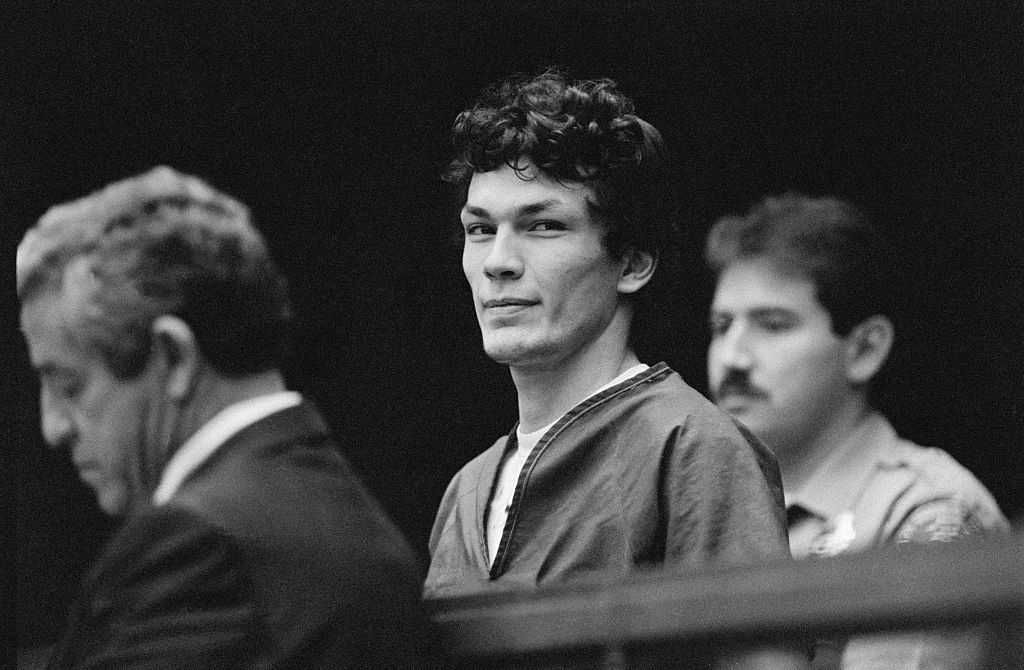
AC/DC became particularly unfortunate casualties of the Satanic Panic because one of their records appeared to have been adopted as the soundtrack to a real-life nightmare. When serial killer Richard Ramirez – the 'Night Stalker' – was arrested in 1985, the media fixated on his apparent interest in AC/DC and especially 'Night Prowler', the final track on 1979's Highway to Hell album.
His pentagram tattoo and subsequent 'Hail Satan!' courtroom theatrics made the connection irresistible to journalists and moral campaigners. The song suddenly looked less like adolescent sleaze and more like evidence of heavy metal's supposed corrupting power.
5. Led Zeppelin
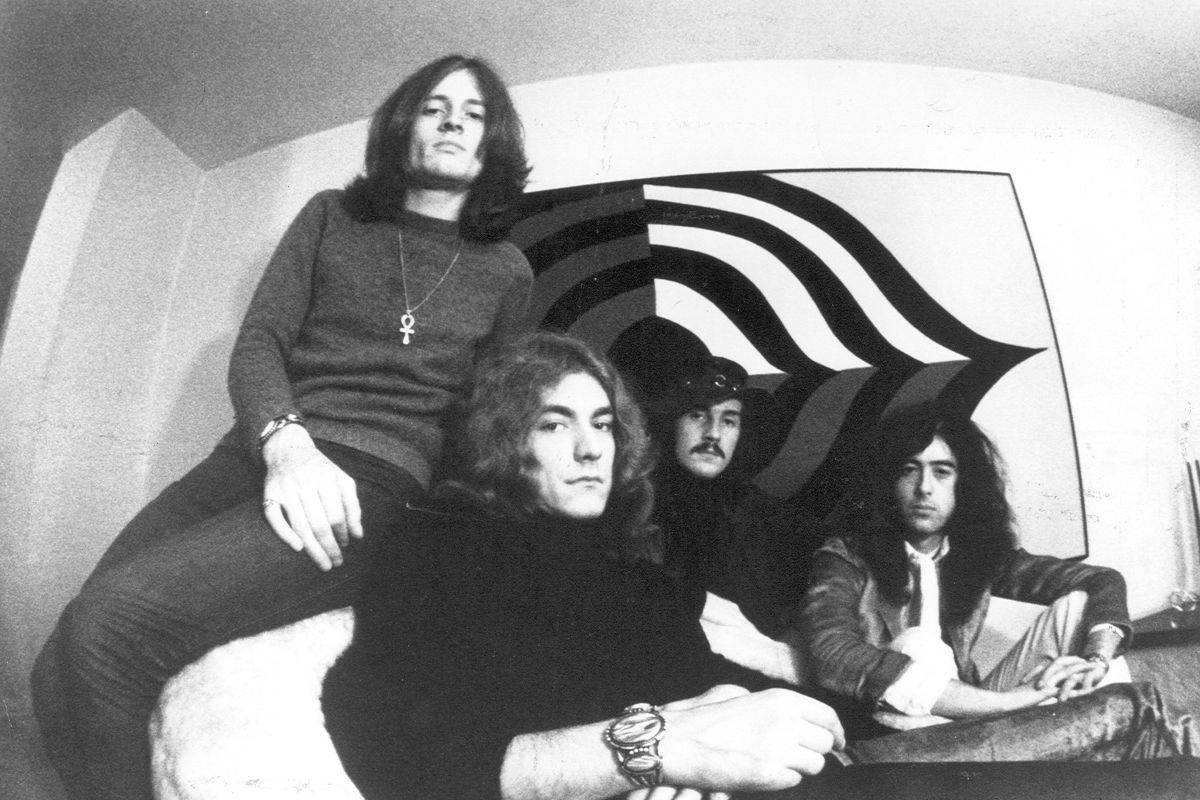
Long before the Satanic Panic reached full volume, Led Zeppelin had apparently hidden the Devil inside Stairway to Heaven. In 1982, a Christian television programme claimed that playing the song backwards revealed a lengthy Satanic message, including the alleged words 'Here's to my sweet Satan'.
The story was serious enough to reach the California State Assembly, where lawmakers considered legislation requiring warnings on records containing backmasked messages. Robert Plant was understandably unimpressed, calling the whole business sad. It remains perhaps the most famous example of Satanic Panic musical detective work.
6. Black Sabbath
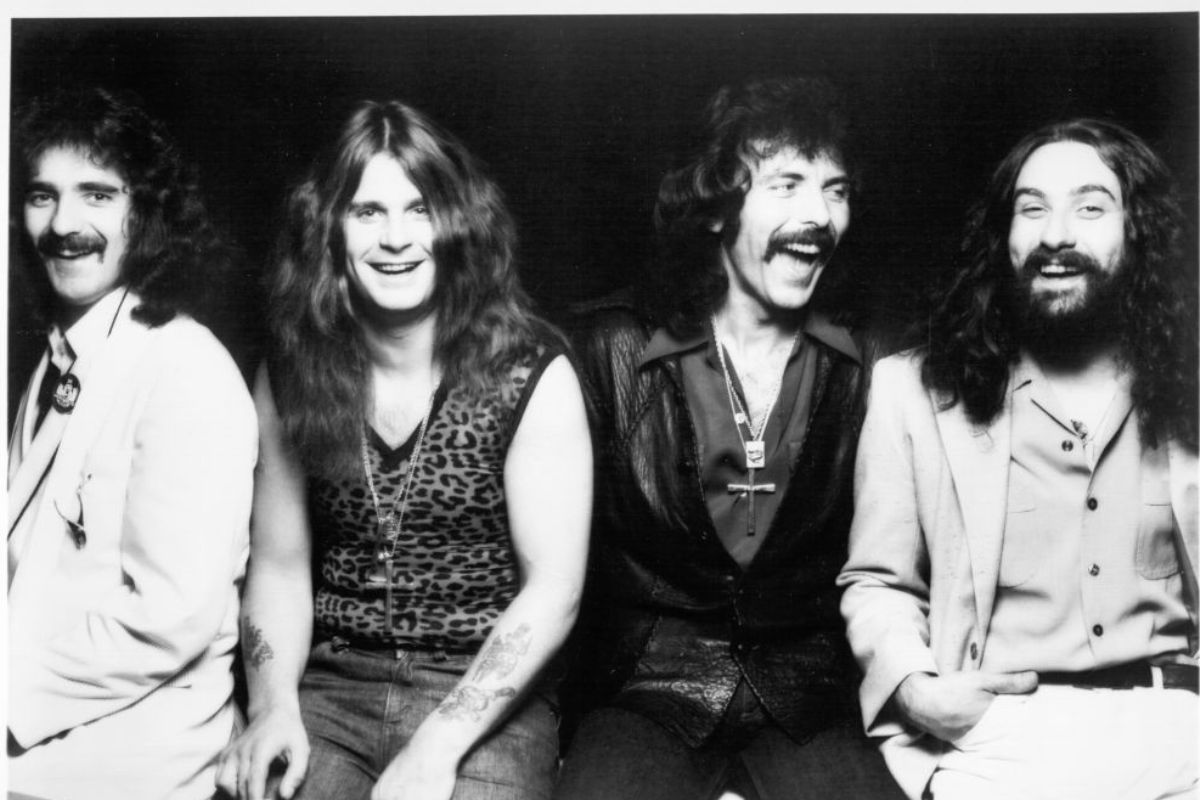
Black Sabbath had been making themselves sound Satanic since long before the phrase 'Satanic Panic' entered the vocabulary. The band's name, album artwork, Tony Iommi's famously ominous riffs and Ozzy Osbourne's theatrical persona made them an obvious target when America's occult paranoia intensified.
Crucially, however, Sabbath weren't actually Satanists: their songs frequently treated evil, war and the supernatural with horror rather than worship. By the 1980s, though, that distinction mattered little. Black Sabbath were among the bands routinely cited by campaigners as evidence that heavy metal was leading impressionable youngsters towards Satanism.
7. Mötley Crüe
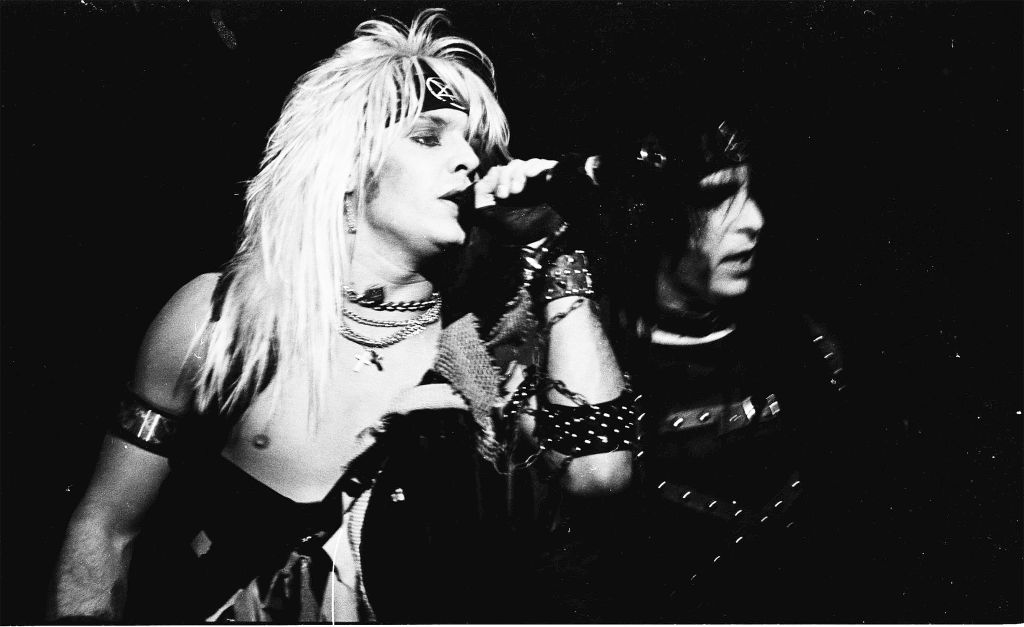
Mötley Crüe practically walked into the Satanic Panic wearing a pentagram. Their breakthrough 1983 album Shout at the Devil featured overt occult imagery and a title that Christian groups understandably found alarming. But the joke was rather more complicated: the band weren't actually advocating devil worship.
Nikki Sixx used Satanic imagery as part of the group's broader celebration of rebellion, danger and transgression. The album nevertheless became a perfect example of how the Panic worked: give conservative America a pentagram, some leather and a song called 'Shout at the Devil', and people would jump hastily to their own conclusions.
8. W.A.S.P.
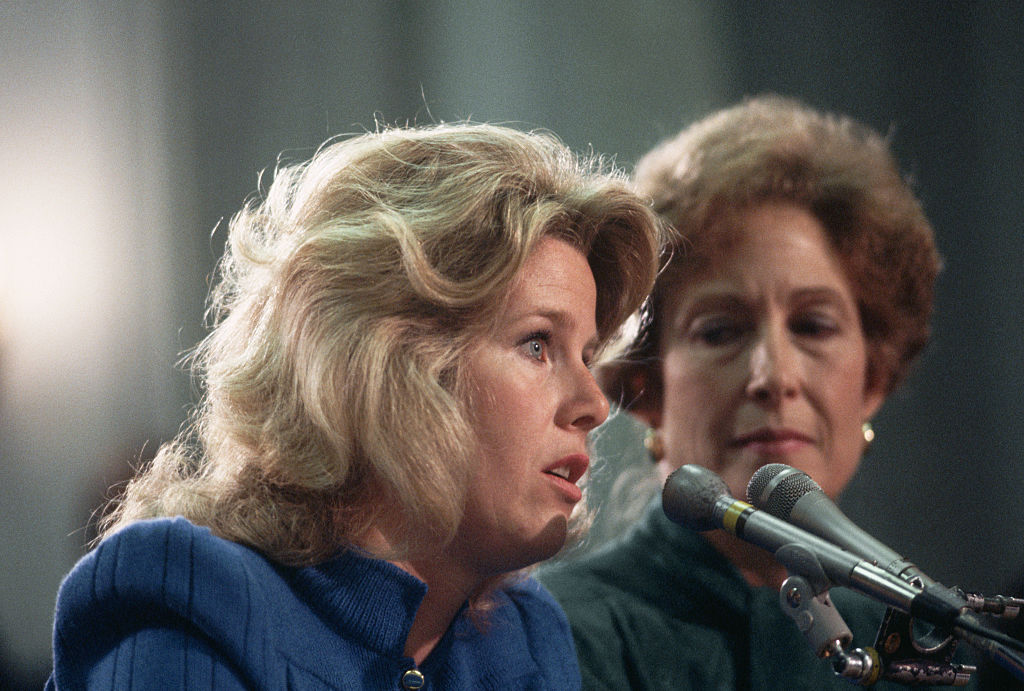
W.A.S.P. were less victims of mistaken identity than willing participants in the moral panic. Their outrageous imagery and songs such as 'Animal (F*** Like a Beast)' made them prime targets for the Parents Music Resource Center, which singled the band out during its campaign against supposedly corrupting rock music.
Tipper Gore famously read the song's lyrics aloud during the 1985 Senate hearings – inadvertently giving an obscure metal band an enormous amount of publicity. W.A.S.P. therefore demonstrate the slightly broader phenomenon behind the Satanic Panic: heavy metal's shock tactics and America's fears of them fed each other beautifully.
9. Twisted Sister
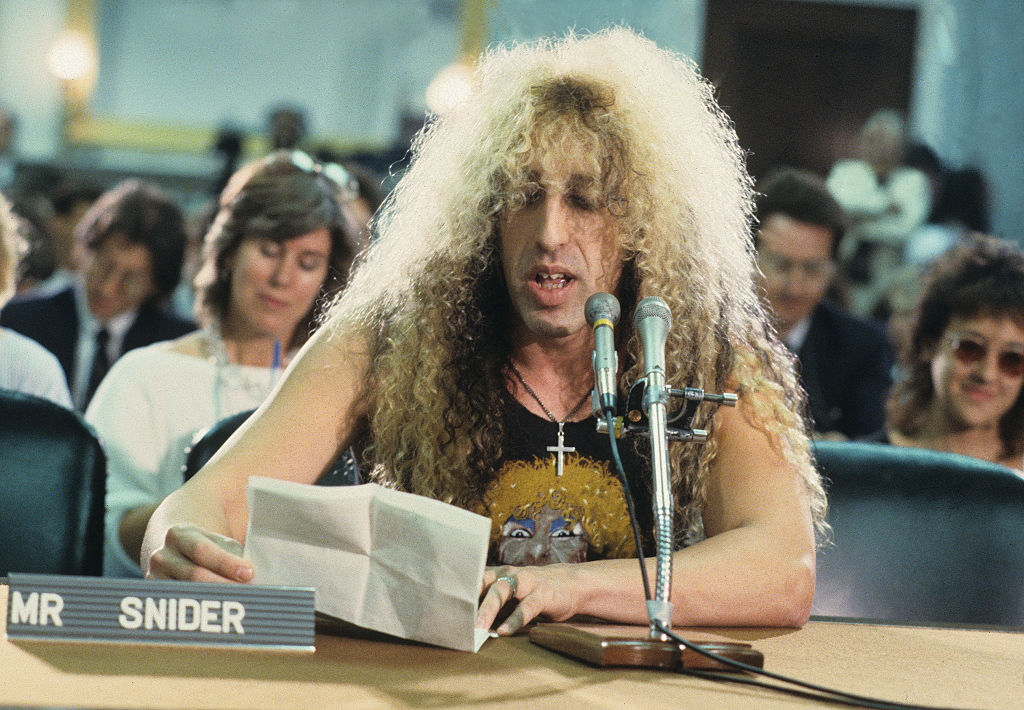
Twisted Sister weren't really a Satanic band at all, which makes their involvement particularly revealing. Their appearance in the Satanic Panic era was largely about the broader belief that rock music was corrupting America's children.
Their 1984 song 'We're Not Gonna Take It' is perhaps the strangest song on the PMRC's infamous 'Filthy Fifteen' list. The organisation classified it as 'violence', even though the lyrics contain no violence whatsoever. Dee Snider later suggested that campaigners had confused the song with its deliberately cartoonish video, in which an obnoxious father is subjected to increasingly ludicrous physical punishment.
Snider's calm demolition of the accusation became one of the most memorable moments of the 1985 Senate hearings – and a perfect illustration of how the Satanic Panic-era campaign against rock could become spectacularly literal-minded.
10. Queen
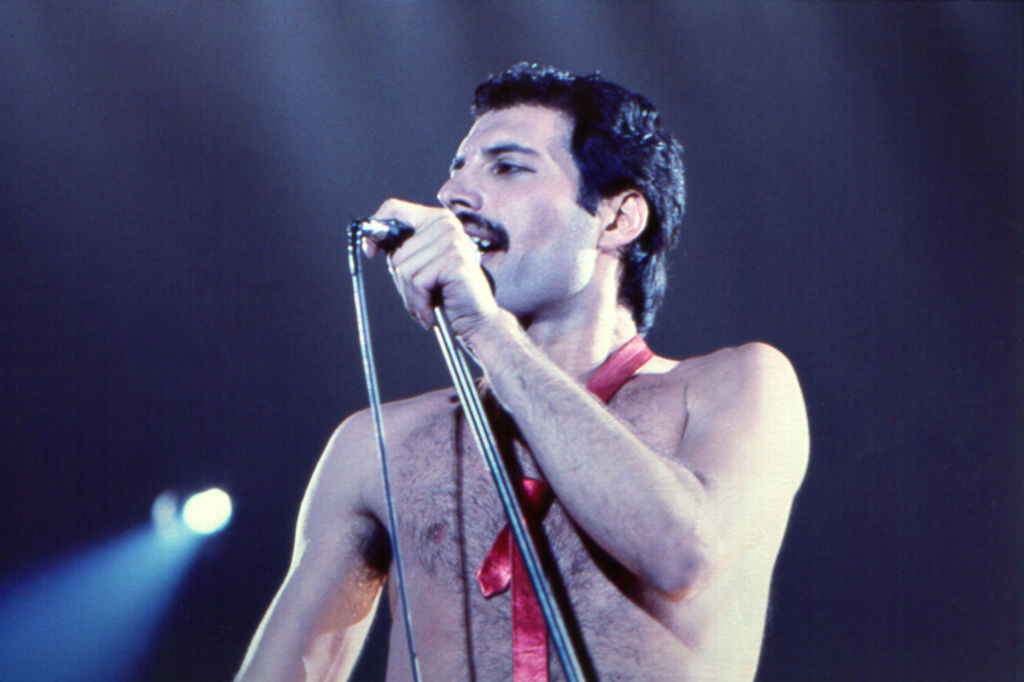
Even Freddie Mercury couldn't escape the backwards-message hunters. In the early 1980s, Christian evangelists claimed that the chorus of 'Another One Bites the Dust', when played backwards, seems to say 'it's fun to smoke marijuana' (listen below).
It wasn't quite a Satanic message, but it fell foul of exactly the same paranoid culture: the belief that apparently innocent pop records contained secret instructions capable of bypassing parents and reaching children's subconscious minds. The accusation was nonsense, but shows how far the panic had spread beyond explicitly 'occult' heavy metal.
11. The Eagles
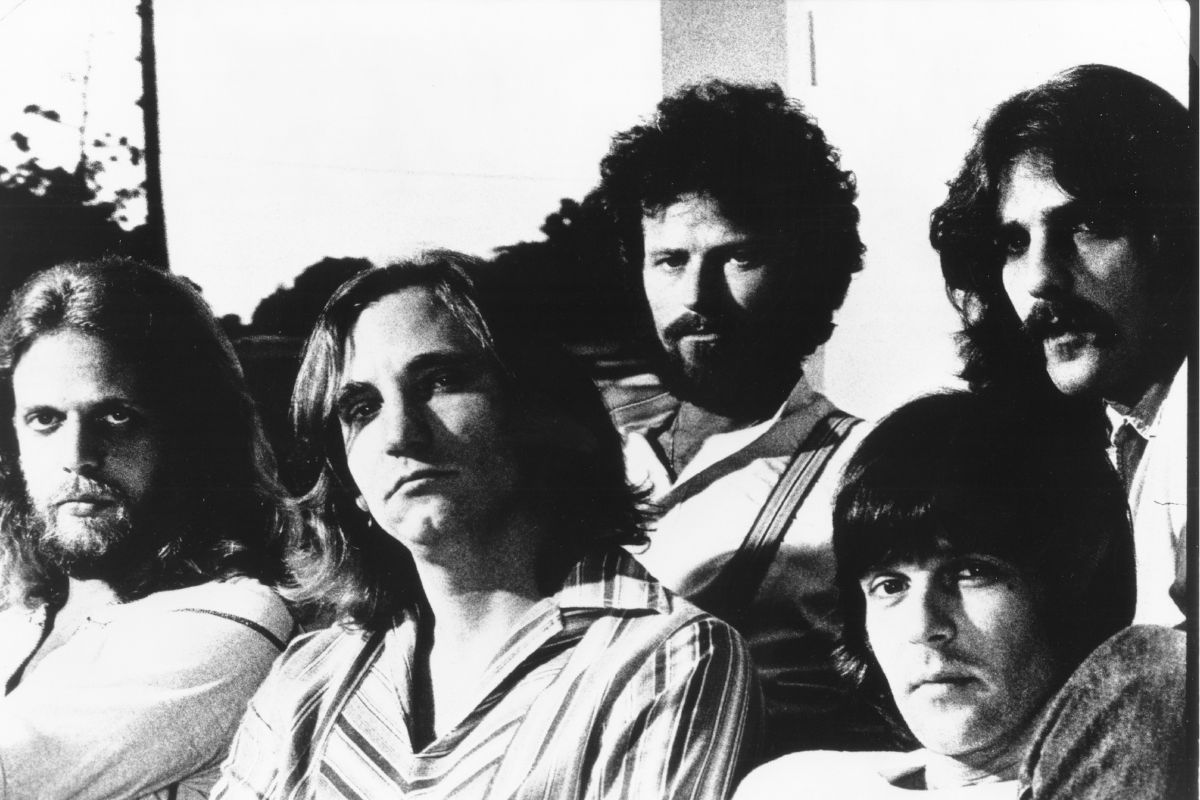
Even soft-rock giants the Eagles weren't immune. In the 1980s, Rev. Paul Risley of Cornerstone Church in Wisconsin claimed that ‘Hotel California’ was actually about a San Francisco hotel supposedly taken over by Anton LaVey and converted into the Church of Satan. He pointed to the song's reference to 1969 – the year the Church was founded – as evidence of its occult meaning.
The Eagles, unsurprisingly, denied it: Don Henley has repeatedly explained that the song was really about the darker side of the American dream.
Five other music-fuelled moral panics
Every generation seems to discover a new music that supposedly isn’t merely music, but a symptom of civilisation going wrong.
From jazz to grime, parents, politicians, religious groups and newspapers have repeatedly imagined that the latest sound is corrupting the young, destroying traditional values or even threatening society itself. The specifics change, but the script remains remarkably familiar: strange music, impressionable teenagers and adults convinced they know exactly where it will lead.
6. Tango – Europe and America, early 20th century
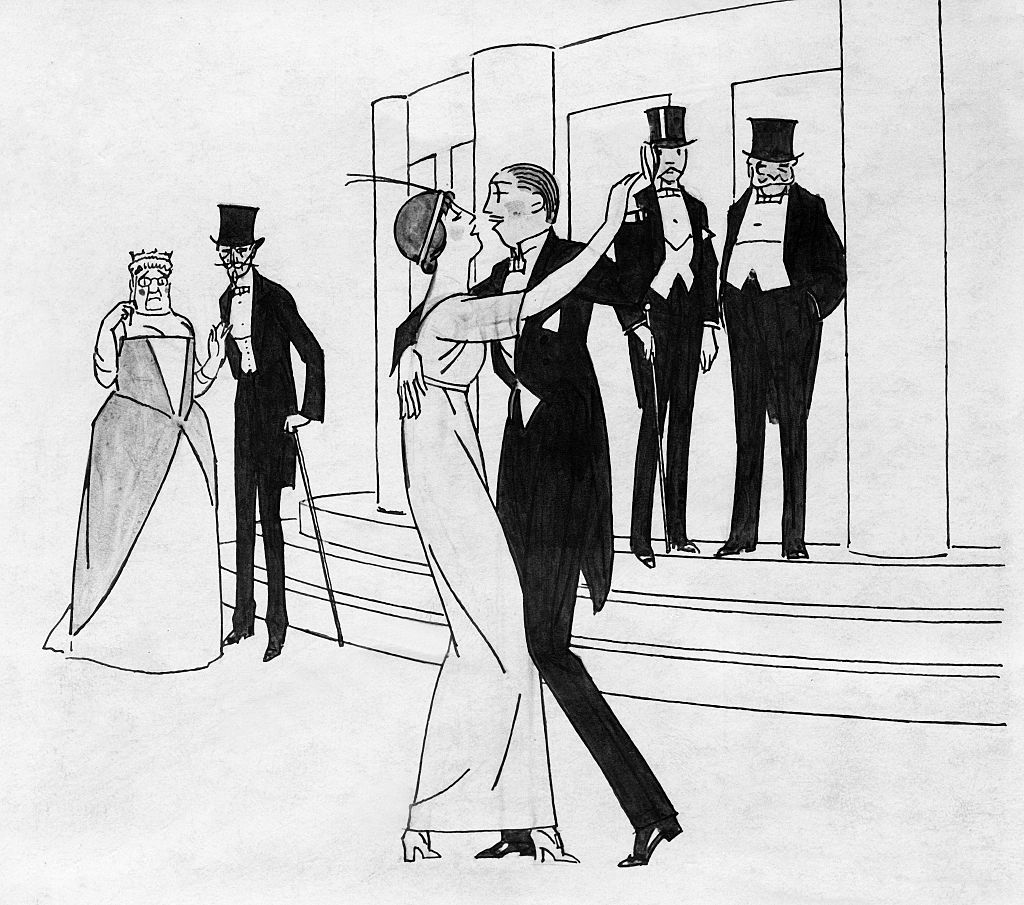
The tango today hardly seems an affront to standards of decency and order, but when it arrived in respectable European and American society it was considered scandalously sensual. Its close embrace, suggestive movements and origins in the working-class districts of Buenos Aires made it deeply suspect to some observers.
In 1913, the Archbishop of Paris reportedly condemned it, while dancing schools and social commentators debated whether respectable women should be allowed to perform it. The tango, like rock ’n’ roll decades later, was accused of turning music and dancing into an invitation to moral collapse.
2. Jazz – America, 1920s
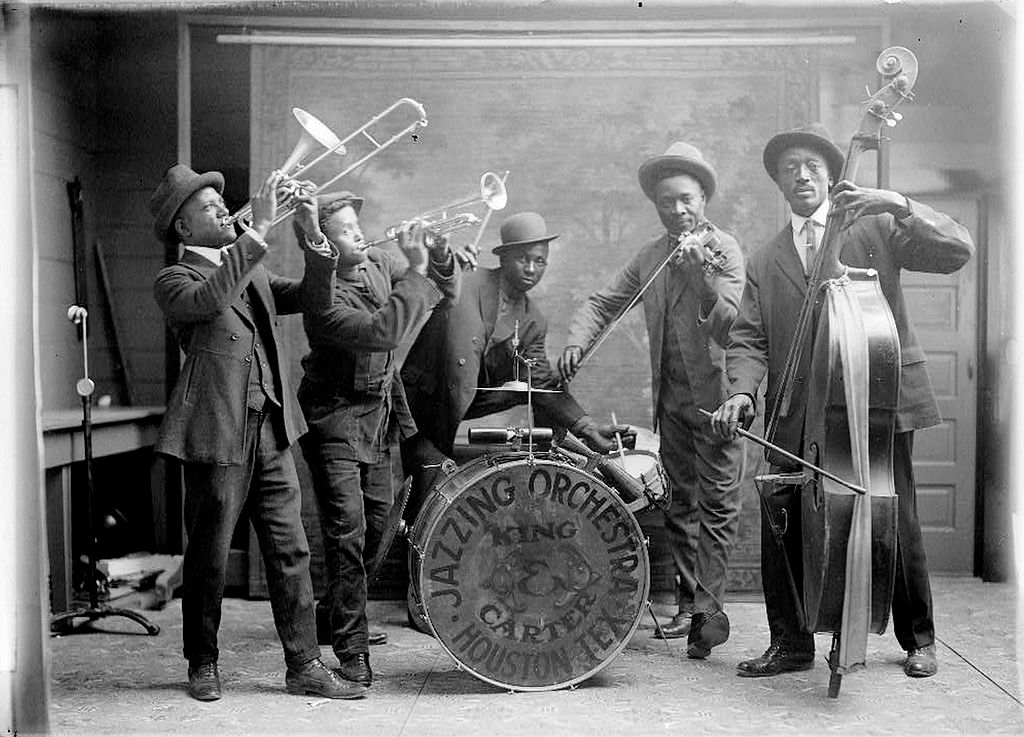
To its early opponents, jazz represented far more than a new musical style. Its improvisation, syncopation and association with Black musicians and nightlife made it a convenient target for anxieties about race, sexuality and changing social mores.
Critics warned that jazz encouraged promiscuity, juvenile delinquency and moral decay. Some religious groups regarded it as literally satanic. Yet the more respectable America tried to suppress it, the more irresistible jazz became to young people.
3. Rock ’n’ roll – America, 1950s
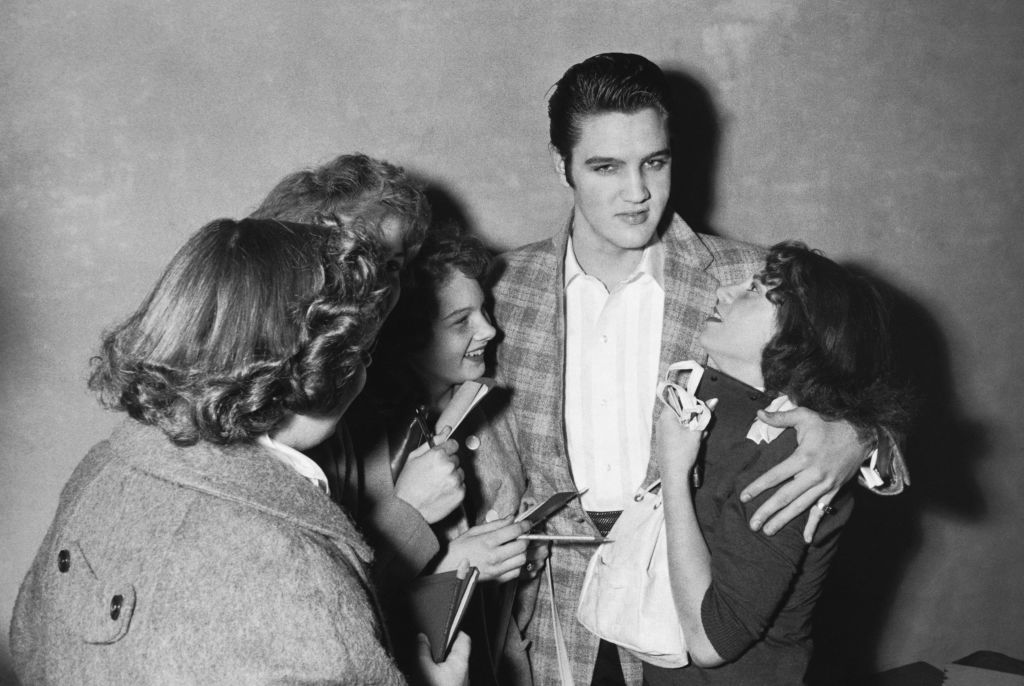
Rock ’n’ roll was routinely portrayed as the soundtrack to teenage rebellion. Elvis Presley’s swivelling hips became a particular source of outrage, while the genre’s Black roots added an uncomfortable racial dimension to the panic.
Critics fretted about sex, delinquency and the destruction of wholesome American values. Some radio stations banned individual records, while parents and politicians demanded greater control. The irony, of course, was that attempts to suppress rock only made it more thrilling to teenagers.
4. Punk – Britain, late 1970s
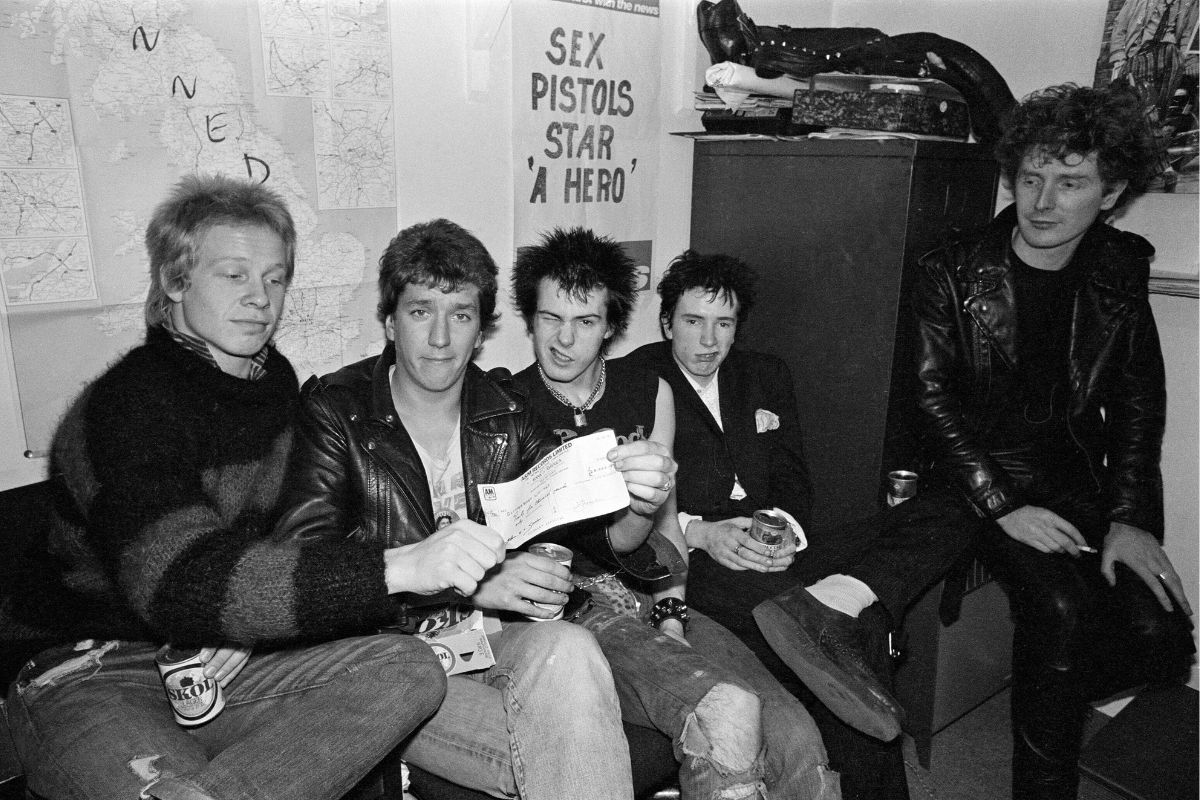
The Sex Pistols’ ‘God Save the Queen’ turned punk into a national morality tale almost overnight. Newspapers portrayed the movement as obscene, nihilistic and dangerous, while the sweary television appearances, ripped clothing and deliberately provocative lyrics seemed to confirm the worst fears of respectable Britain. The Pistols’ notorious Bill Grundy interview became the defining scandal.
Yet punk’s supposed threat was also its appeal: the sense that young people had finally found a music deliberately designed to irritate their parents.
5. Grime – Britain, 2000s

Grime produced a more modern version of the same panic. Politicians and sections of the press increasingly linked the music to gangs, violence and urban disorder, while police attempted to restrict performances using controversial risk assessments and Section 60-style powers.
Critics argued that certain lyrics glorified violence; supporters countered that grime was documenting the realities of life in deprived communities. The argument was strikingly familiar: once again, music was being blamed for social problems that plainly existed before the music did.
Pics Getty Images
Top pic Dee Snider of Twisted Sister appears at the PMRC senate hearing at Capitol Hill, Washington DC, United States, 19th September 1985