They're the bands who burst out of the gate with a thrilling debut, only to be undone by the treacherous terrain of album number two.
The sophomore curse isn’t just a music‑industry cliché; it’s a recurring moment where pressure, hubris, misfortune or misguided ambition collide with fragile momentum. Sometimes the second album is a sprawling overreach, sometimes a rushed retread, sometimes a record derailed by personal chaos. Whatever the shape, the impact is brutal: careers that once seemed limitless suddenly shrink, stall or collapse entirely.
This feature traces 13 acts whose second albums didn’t merely wobble but fundamentally altered their trajectory, ending their ascent or permanently altering their trajectory. These are the stories of promise undone, of talent derailed, of momentum lost forever.
13 Difficult Second Albums
1. Terence Trent D’Arby Neither Fish Nor Flesh (1989)

The follow‑up to Introducing the Hardline… arrived wrapped in grand statements about genius and reinvention – and promptly detonated his career. Instead of building on his soulful, chart‑friendly debut, though, Terence Trent D’Arby delivered a dense, self‑indulgent concept piece that baffled critics and alienated fans.
The label panicked, radio ignored it, and his superstar trajectory evaporated almost overnight. Few second albums have ever been so dramatically self‑sabotaging. It remains one of the clearest examples of the sophomore curse in modern pop.
2. The Darkness One Way Ticket to Hell… and Back (2005)
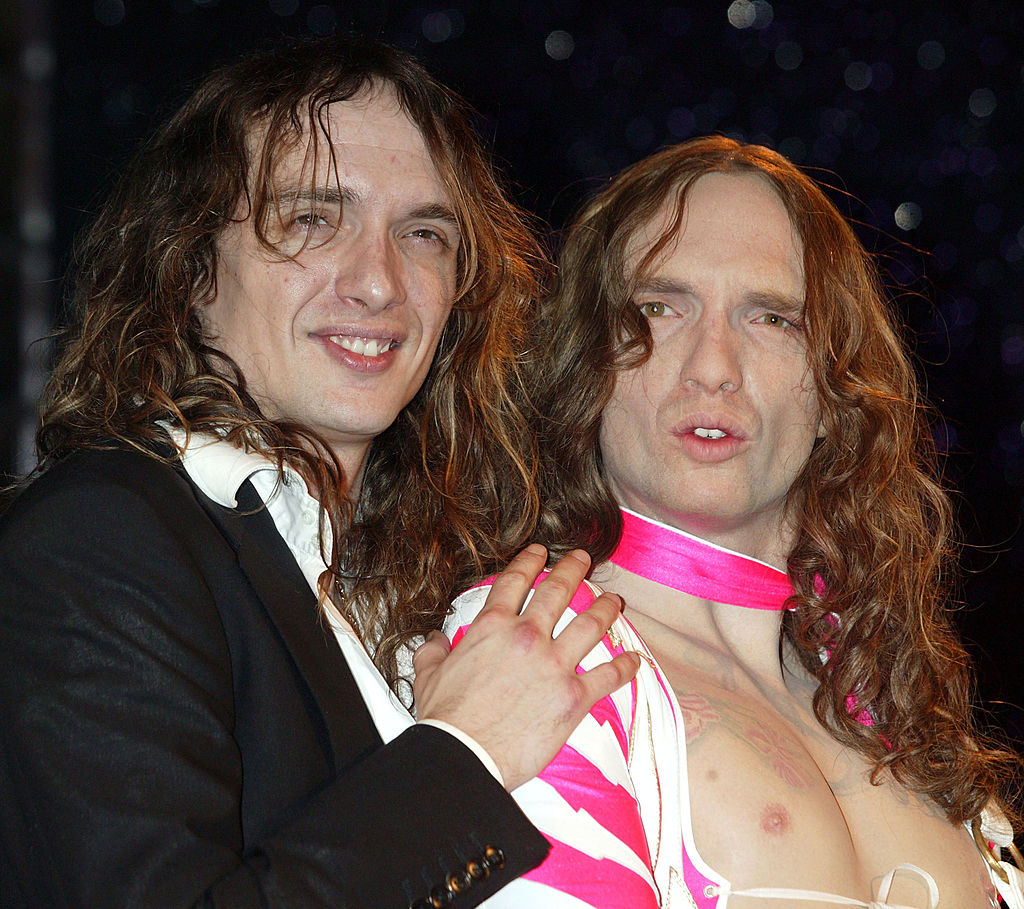
The Norfolk, UK glam rockers' follow‑up to Permission to Land was a cocaine‑fuelled explosion of excess – lavish production, spiralling budgets and a band losing control of its own parody. Instead of doubling down on their glam‑rock charm, they delivered a bloated, confused record that alienated fans and critics alike.
Justin Hawkins’ subsequent departure sealed the collapse. The Darkness eventually returned, but the imperial phase was gone forever.
3. Meat Loaf Dead Ringer (1981)
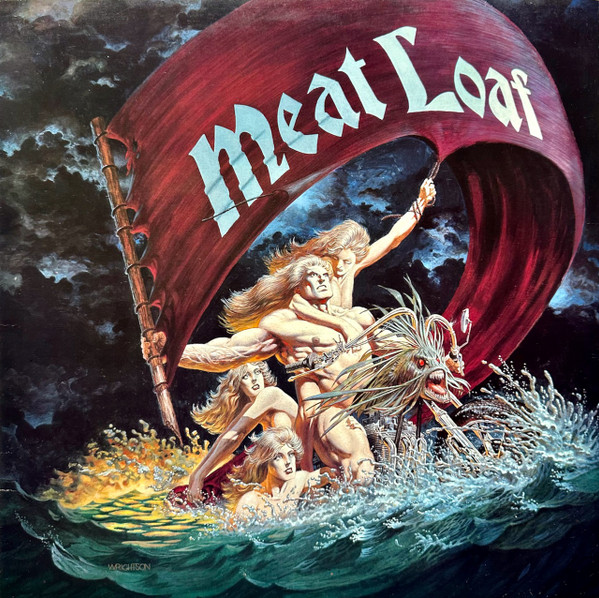
After Bat Out of Hell, expectations were astronomical – but vocal problems, legal disputes and exhaustion meant the follow‑up arrived years late and without the same fire. Dead Ringer wasn’t a catastrophe artistically, but commercially it froze Meat Loaf's career for nearly a decade.
The album marked the end of the singer’s imperial phase, leaving him adrift until the 1990s revival. A classic example of a sophomore record that didn’t destroy a career outright... but clearly ended its upward trajectory.
4. The Knack …But the Little Girls Understand (1980)
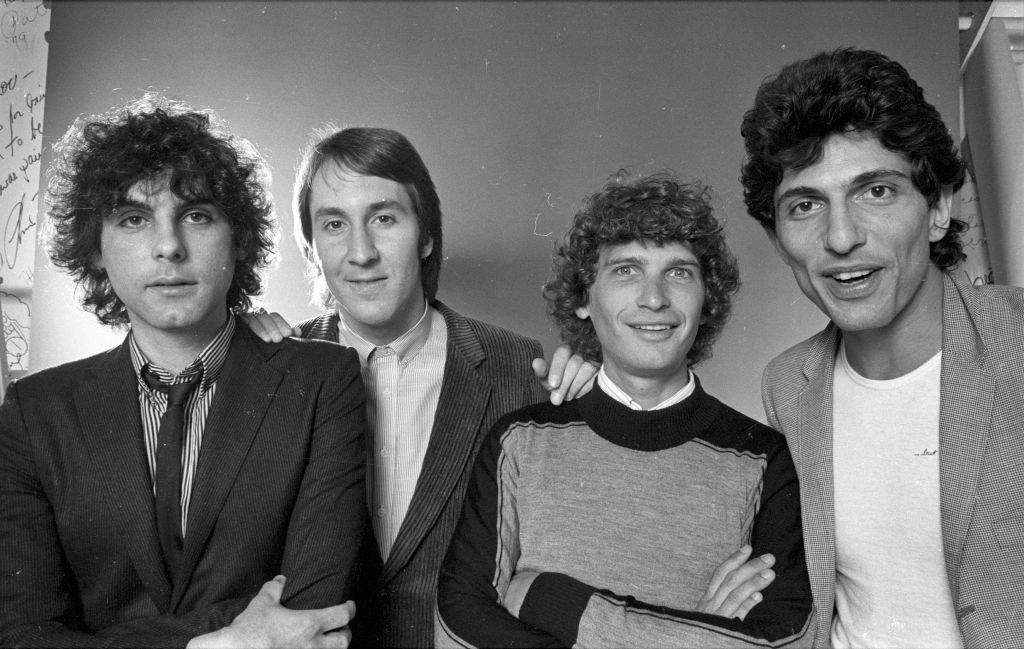
Rushed out in six months to capitalise on the huge success of their summer 1979 hit My Sharona, the Knack’s second album became a critical punching bag. The backlash – dubbed the 'Knacklash' by US critics – was ferocious.
Accusations of misogyny in their lyrics, overexposure driven by Capitol’s aggressive marketing blitz, and creative shallowness rooted in their retro image swirled around the band, turning them from overnight sensations into industry villains. The record’s limp reception ended their chart dominance instantly, and the Knack became one of rock’s fastest cautionary tales.
5. Arrested Development Zingalamaduni (1994)
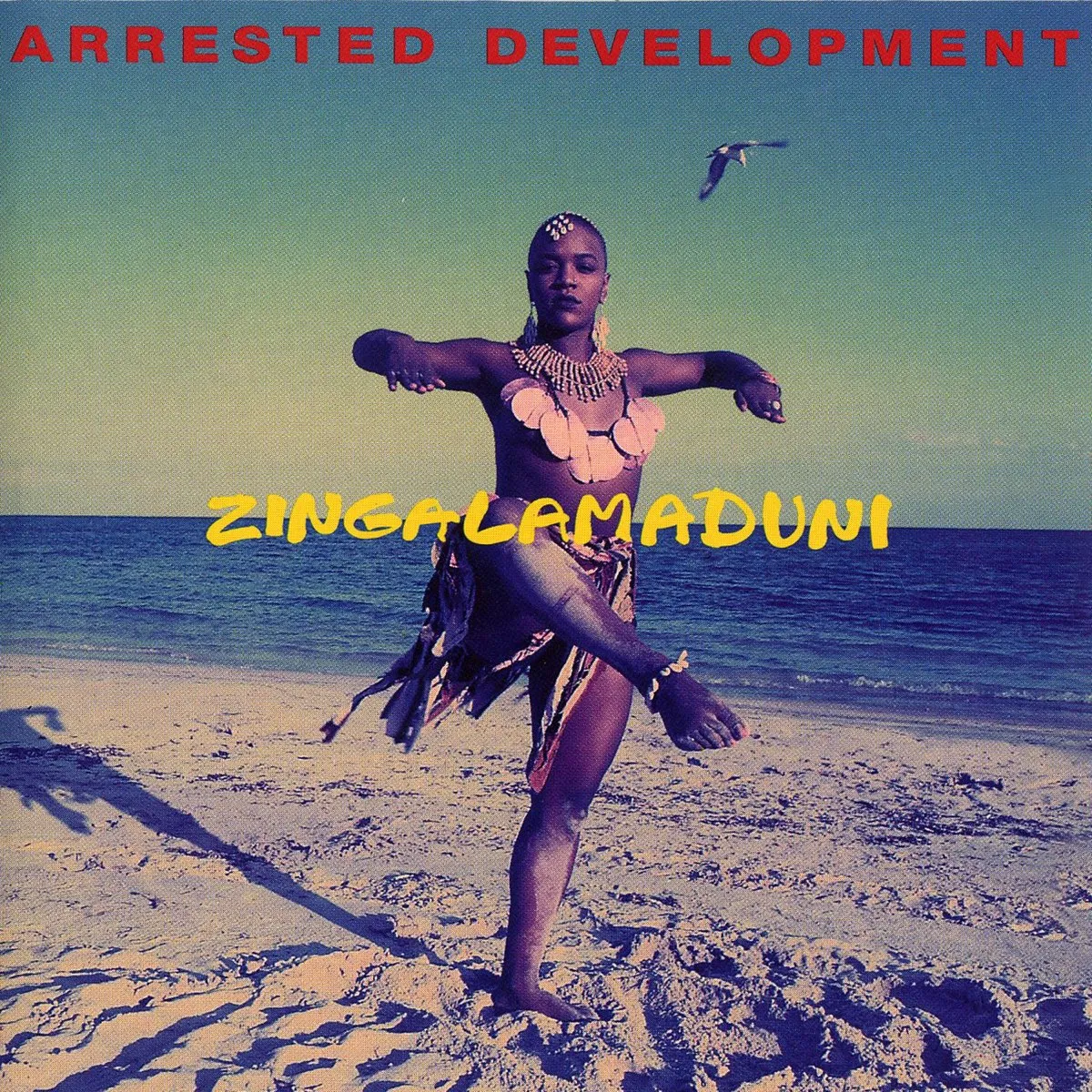
Few debuts were as celebrated as 3 Years, 5 Months & 2 Days in the Life Of..., which won Grammys and offered a thoughtful, Afrocentric alternative to gangsta rap. Expectations for its follow-up were immense. Zingalamaduni doubled down on the group's socially conscious message and sprawling musical ambition, but lacked the breakthrough hooks of 'Tennessee' and 'People Everyday'.
Critics were divided, sales fell dramatically, and the cultural tide had shifted towards grittier hip-hop. Almost overnight, Arrested Development went from rap's future to yesterday's news.
Great cover, though.
6. The Presidents of the United States of America – II (1996)
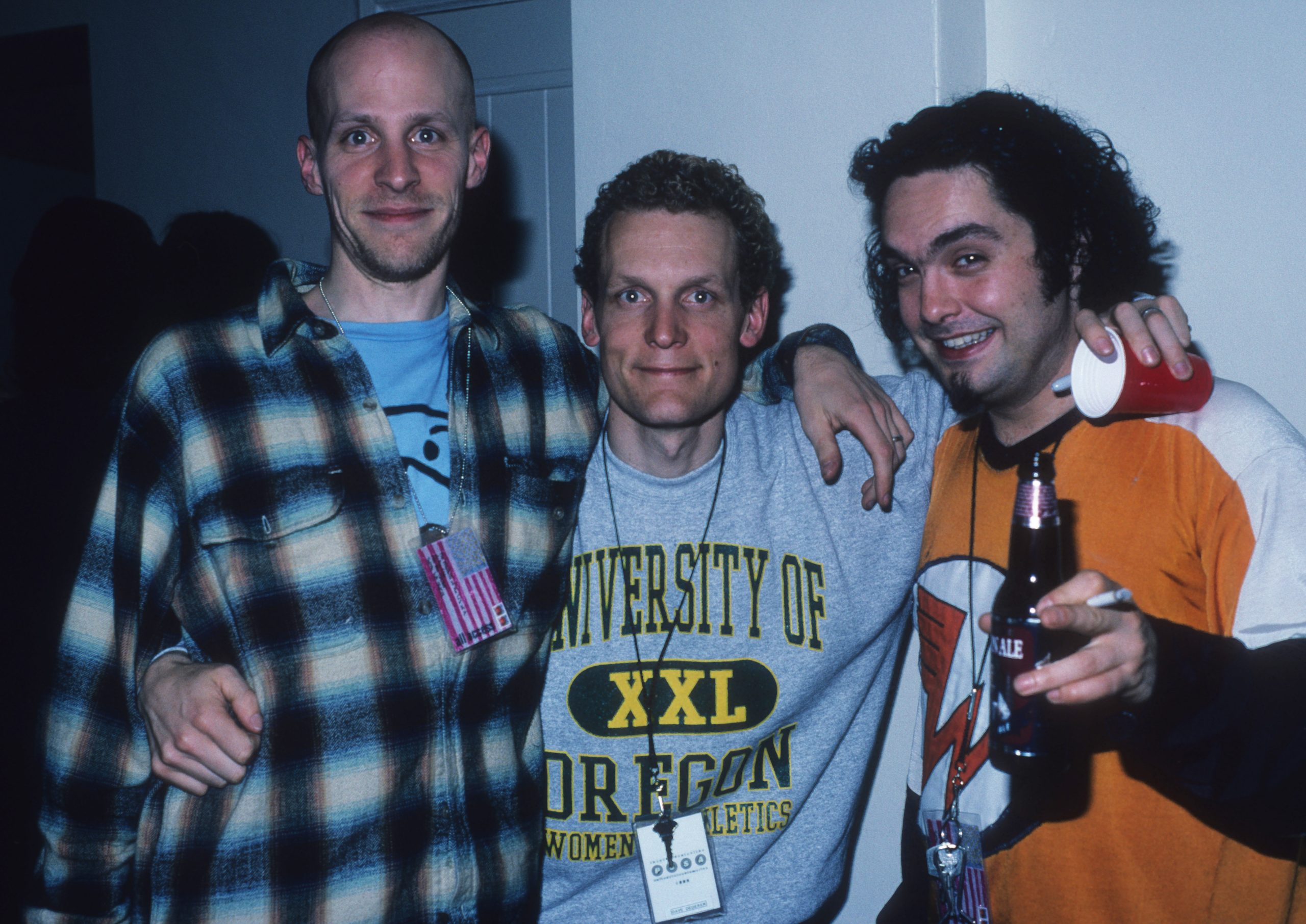
The Presidents' self-titled debut was one of the great left-field success stories of the 1990s, packed with irresistible oddball hits like Lump, Peaches and Kitty. The sequel, II, faithfully repeated the band's formula of quirky lyrics, crunchy minimalist guitars and infectious choruses – but the novelty had worn off.
Despite containing plenty of catchy songs, it lacked a genuine crossover smash and disappeared far more quickly than its predecessor. Within a couple of years, one of alternative rock's most distinctive bands had largely slipped from the mainstream conversation.
7. The Vines Winning Days (2004)

Craig Nicholls’ erratic behaviour, label panic and mounting pressure turned the second Vines album into a slow‑motion implosion. Winning Days lacked the spark and swagger of the Aussie garage rockers' 2002 debut Highly Evolved, and the surrounding chaos made the band impossible to support.
Tours collapsed, relationships fractured, and the hype bubble burst instantly. The Vines continued, but the moment had passed; their debut’s promise was never recovered. A modern example of how fragile early success can be.
8. Moby Grape Wow/Grape Jam (1968)
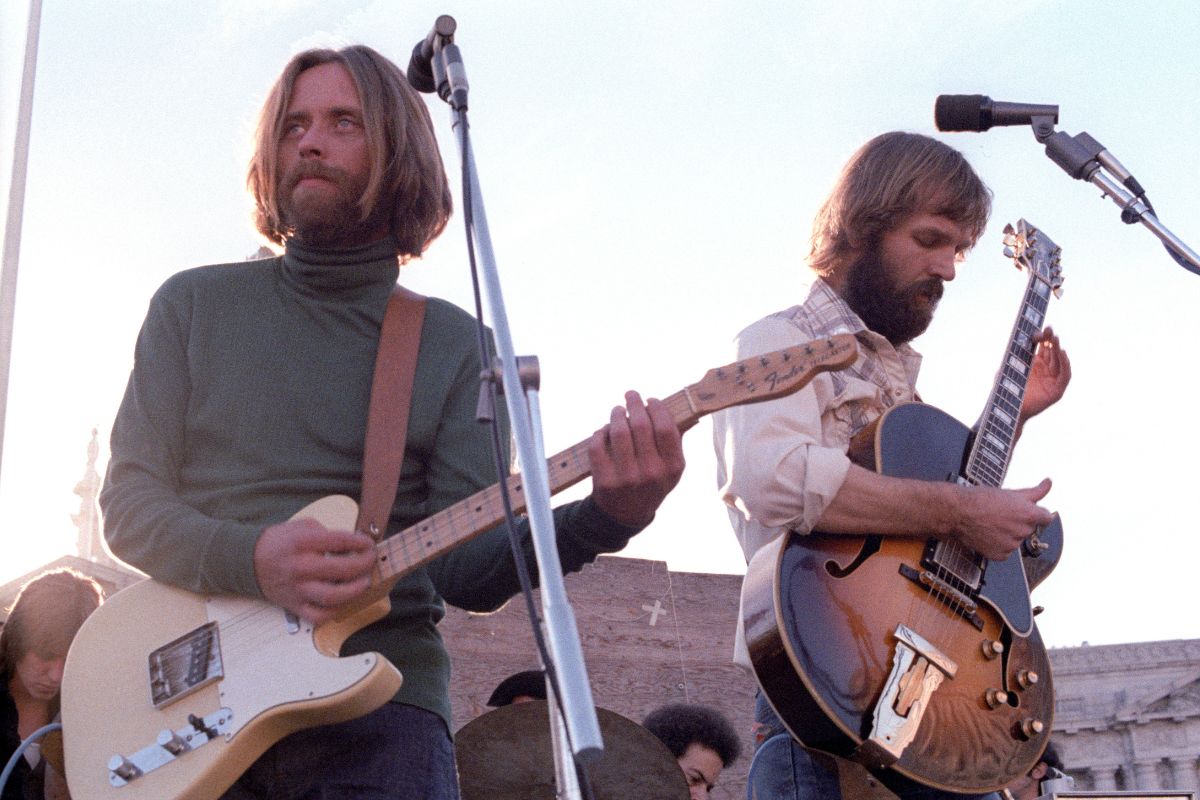
Few sophomore disasters are as infamous as Wow. Legal battles – including crippling disputes with manager Matthew Katz over the band’s very name – and managerial chaos that left them unable to control releases or promotion collided with a misguided attempt at psychedelic grandiosity.
The result was a sprawling, gimmick‑laden mess, complete with speed‑altered tracks and unnecessary orchestration. Critics recoiled, fans were bewildered, and the band’s once‑blazing momentum evaporated. In the space of a single album, one of the most promising groups of the 1960s went from future‑defining to cautionary tale.
9. Spin Doctors – Turn It Upside Down (1994)
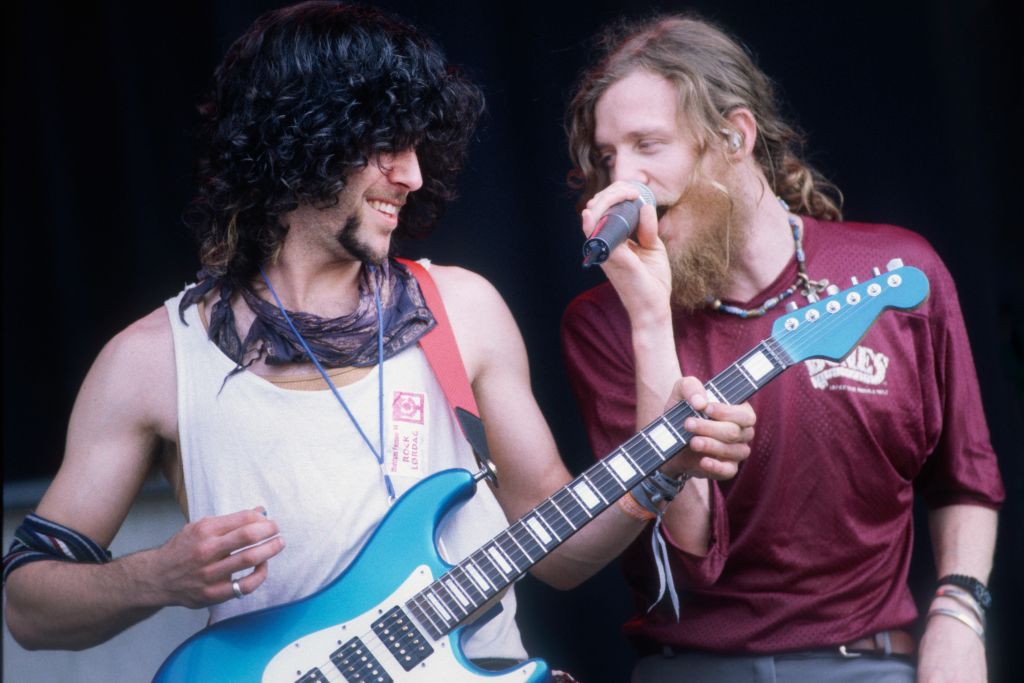
After the astonishing success of Pocket Full of Kryptonite – helped by ubiquitous singles Two Princes and Little Miss Can't Be Wrong – the Spin Doctors suddenly found themselves carrying impossible expectations. Turn It Upside Down sold respectably at first, but listeners expecting another batch of carefree radio anthems found a denser, funkier record that never produced a comparable blockbuster single.
Grunge had also transformed the musical landscape, making the band's sunny, jam-band optimism seem oddly out of step. Their commercial momentum evaporated almost as quickly as it had arrived.
10. The Stone Roses Second Coming (1994)
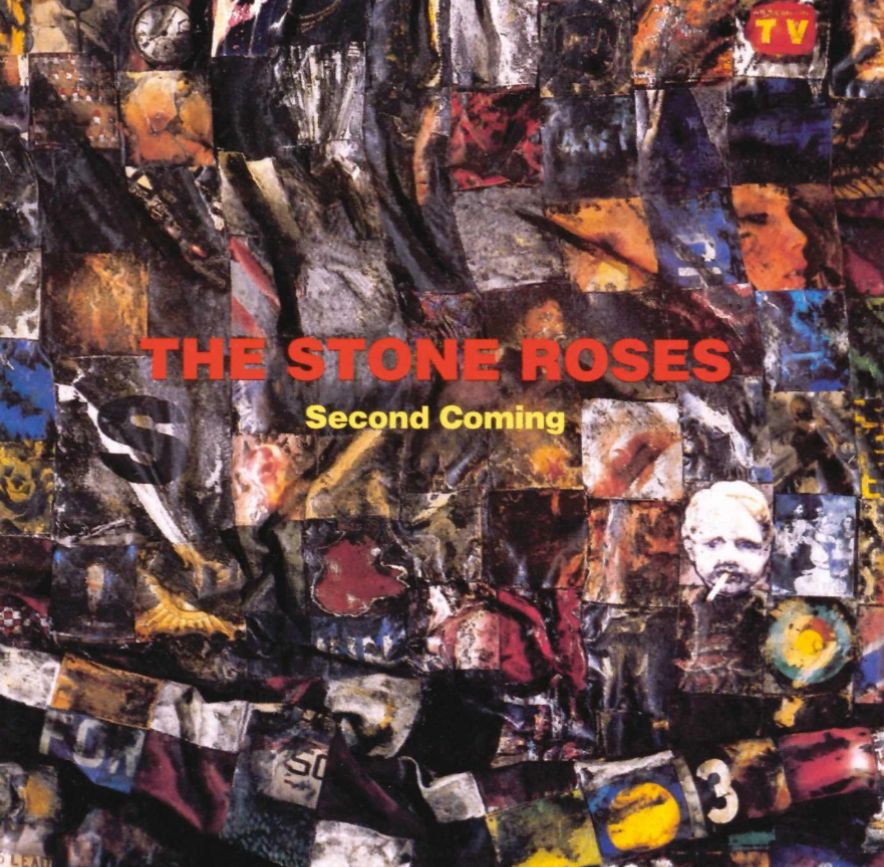
Few second albums have arrived carrying such impossible expectations. After the Stone Roses' era-defining 1989 debut, legal battles, record company disputes and internal tensions delayed the follow-up for more than five years. By the time Second Coming finally emerged, Britpop had rewritten the rules of British guitar music.
Rather than dreamy psychedelia, the band delivered a heavier, blues-rock record dominated by John Squire's increasingly virtuoso guitar playing. Though far from the disaster its reputation sometimes suggests, it couldn't live up to the mythology surrounding its predecessor. Within two years the band had imploded, leaving Second Coming as one of rock's most famous cases of second-album syndrome.
11. Jet Shine On (2006)
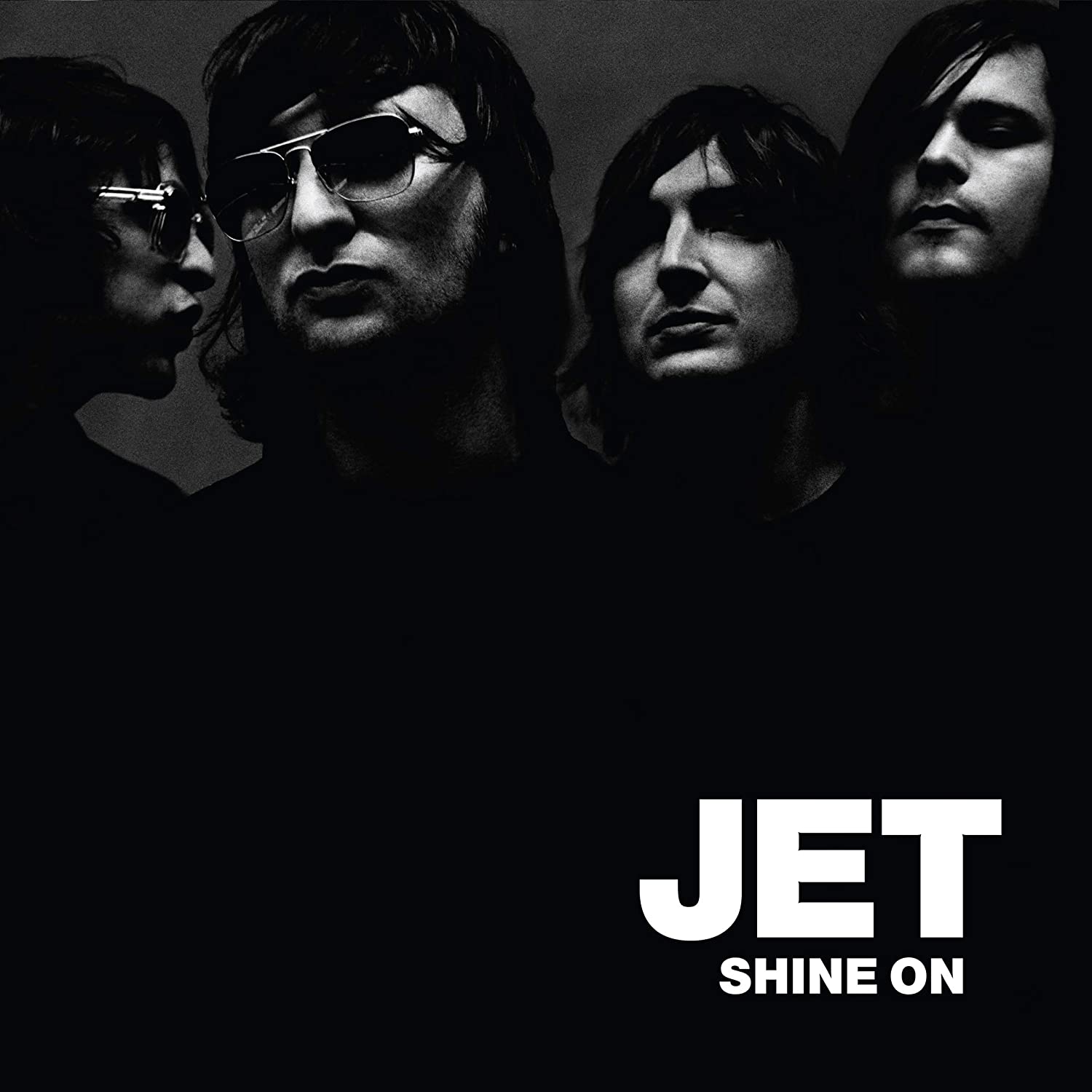
Jet's swaggering debut Get Born made them one of the biggest rock success stories of the early 2000s. Powered by ubiquitous hits such as Are You Gonna Be My Girl, the Australian quartet looked destined for arena-sized greatness. But Shine On arrived with far less urgency.
While polished and occasionally impressive, it lacked the explosive hooks and youthful hunger of its predecessor. Sales were respectable but a fraction of the debut's, and the band quickly lost ground in a rapidly changing rock landscape. Within a few years, Jet had all but disappeared from the mainstream.
12. Elastica The Menace (2000)
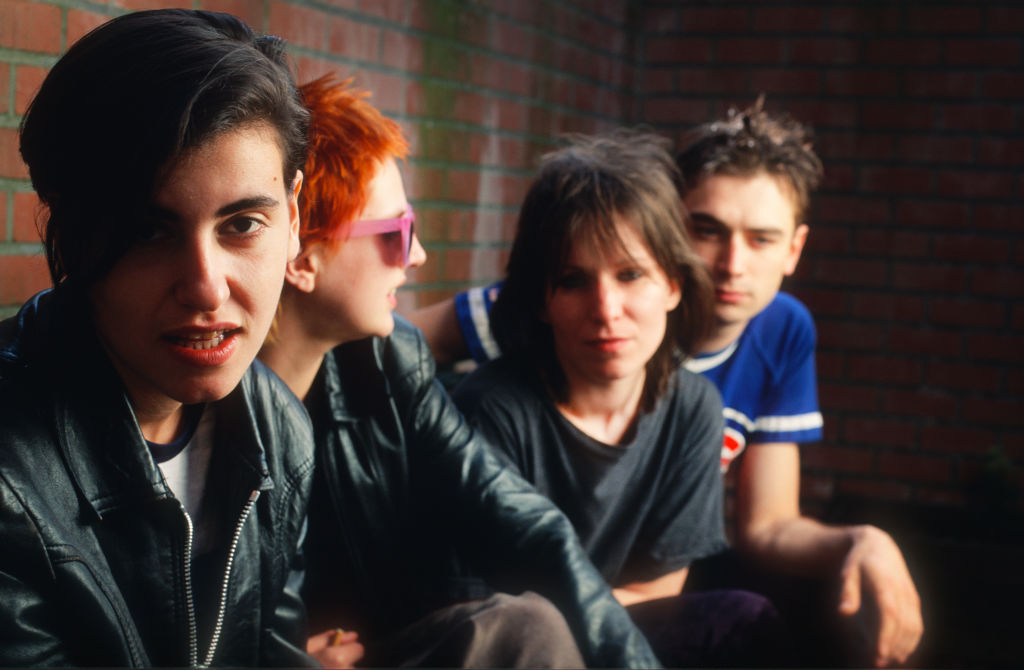
Few bands generated more excitement in Britpop than Elastica. Their razor-sharp 1995 debut was a critical and commercial triumph, channelling the angular post-punk of Wire, Gang of Four and The Fall. But legal disputes, drug problems and endless delays meant fans waited more than five years for a follow-up.
By the time The Menace finally appeared, Britpop itself was fading and the musical landscape had moved on. Though more ambitious and adventurous than its predecessor, it lacked the effortless immediacy of songs like Connection and Stutter. Reviews were mixed, sales disappointed, and the band split the following year.
13. Wolfmother Cosmic Egg (2009)
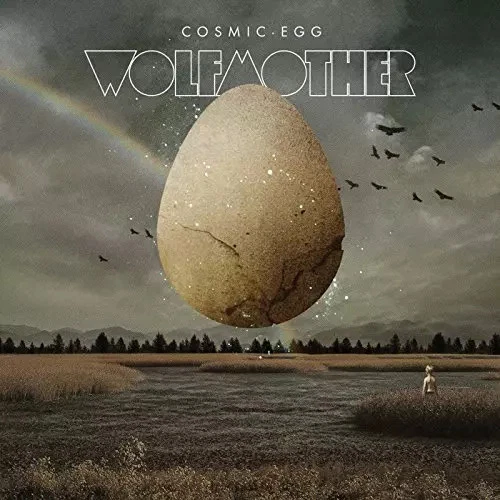
Wolfmother's self-titled debut was hailed as the return of classic hard rock, its thunderous riffs and psychedelic swagger earning comparisons with Led Zeppelin, Deep Purple and Black Sabbath. Success came quickly – but so did internal tensions. By the time Cosmic Egg appeared, frontman Andrew Stockdale was the only remaining original member.
Although the album contained plenty of muscular riffs and was generally well received, the excitement surrounding Wolfmother had evaporated. Without the chemistry and novelty that fuelled their debut, the band never regained their early momentum, becoming a cult act rather than the next great rock phenomenon.
And this one... no failure by ordinary standards, but for them it was
Hootie & the Blowfish – Fairweather Johnson (1996)
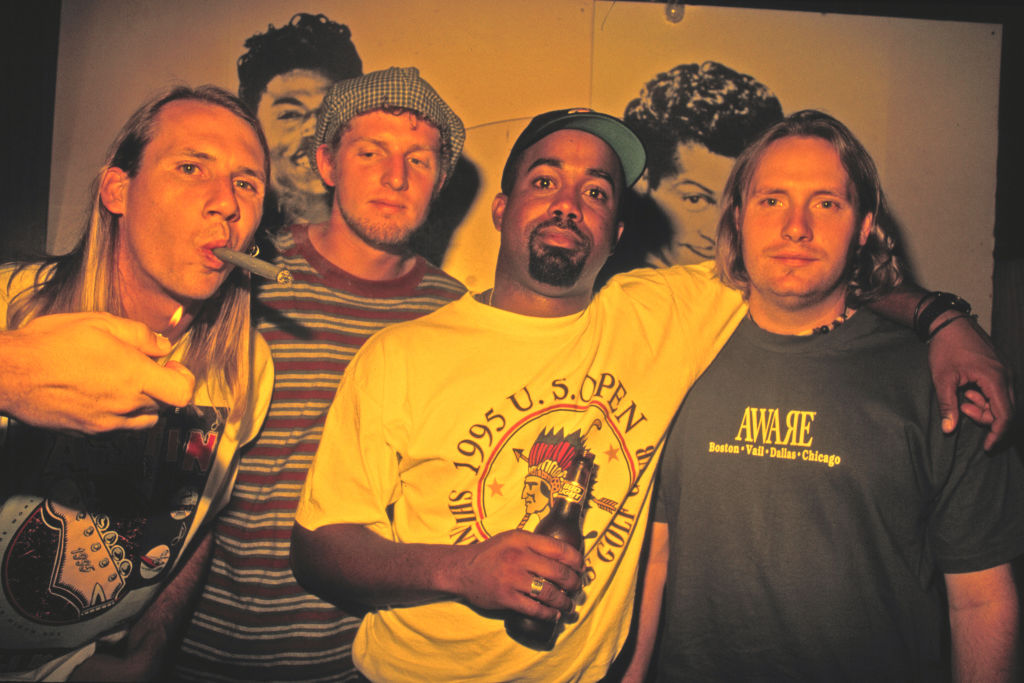
Following Cracked Rear View – one of the biggest-selling albums in American history – Hootie & the Blowfish faced an impossible task. Fairweather Johnson actually sold millions of copies and debuted at No. 1, achievements most bands could only dream of. Yet compared with its predecessor's astonishing 21 million-plus sales, it was widely viewed as a disappointment.
Lacking another monster hit on the scale of Only Wanna Be with You or Hold My Hand, the album marked the moment the band's extraordinary commercial dominance began to ebb. Sometimes, even enormous success can feel like failure when expectations become unrealistic.