
What is it about a real crime that makes a songwriter want to turn it into music?
Sometimes it is outrage. Sometimes fascination. Sometimes a feeling that the newspaper story has left something important unsaid.
Bruce Springsteen looked at Charles Starkweather and found a chilling meditation on violence and fate. 1Bob Dylan turned two real-life killings into fierce arguments about racism and injustice. The Smiths transformed the Moors murders into a mournful, unsettling song, while Nirvana hid the story of a terrifying kidnapping inside one of their quietest recordings.
Elsewhere, the subject is almost impossible to believe: a school shooting that inspired a huge pop hit, a serial killer rendered as a delicate piano song, a notorious Victorian murderer stalking the grooves of a heavy-metal classic. And in Tom Waits’ 'Georgia Lee', the music becomes an elegy for a child whose death attracted far less attention than it should have. These are the real stories behind 13 extraordinary songs.
1. Bruce Springsteen – 'Nebraska' (1982)
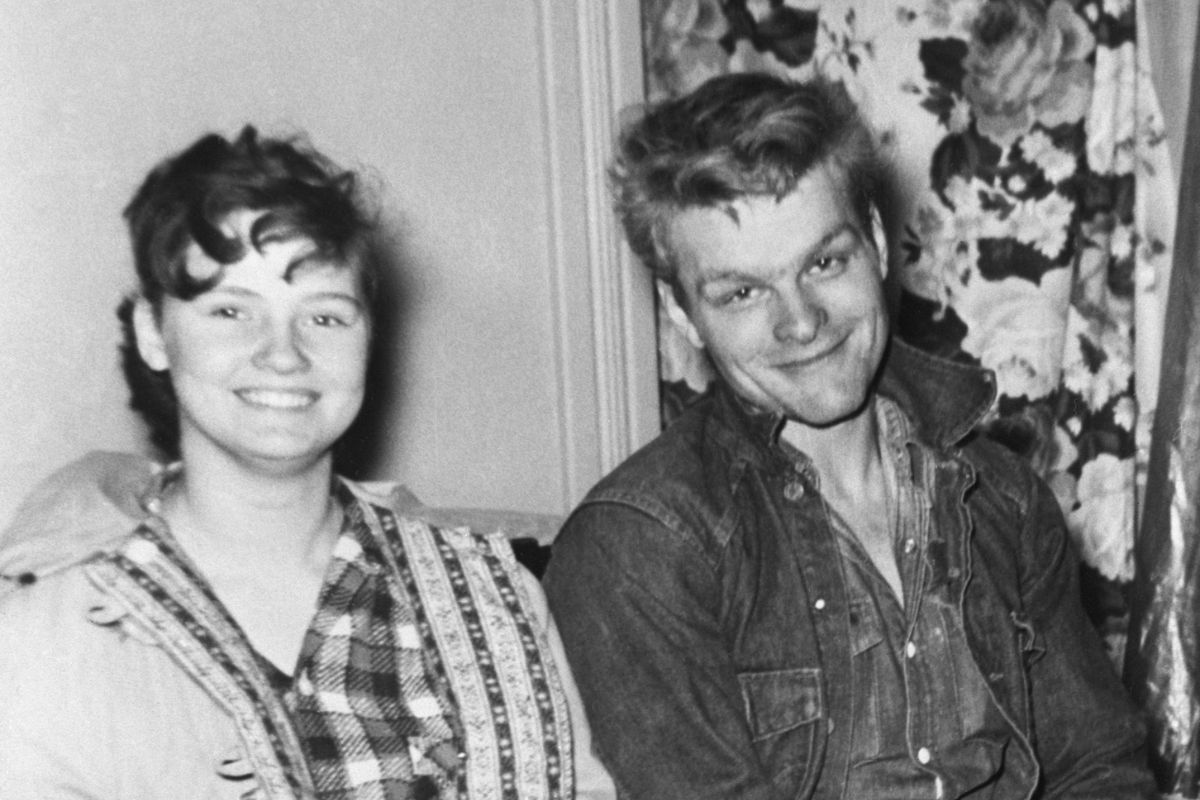
A bleak little murder ballad became the title track of one of Bruce Springsteen’s darkest albums. 'Nebraska' compresses the 1958 killing spree of Charles Starkweather and Caril Ann Fugate into a chilling first-person narrative, with Starkweather awaiting execution and trying to make sense of what he has done.
Springsteen strips away the usual rock drama: just a stark vocal, acoustic guitar and harmonica, leaving the story horribly exposed. The song doesn't attempt to explain Starkweather or turn him into a romantic outlaw. Instead, its eerie calm makes the violence seem even more disturbing. It is less a celebration of the killer than a meditation on the emptiness behind an infamous crime.
2. Bob Dylan – 'The Lonesome Death of Hattie Carroll' (1964)
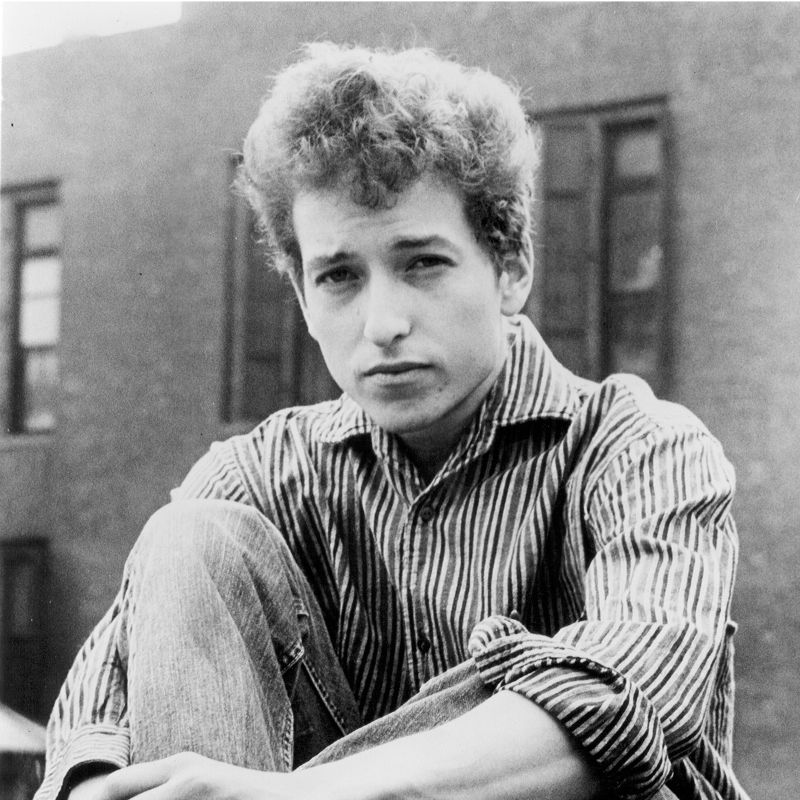
The facts are almost unbearably stark. On a February night in 1963, wealthy 24-year-old tobacco farmer William Zantzinger assaulted workers at a Baltimore hotel, including 51-year-old barmaid Hattie Carroll. Carroll died shortly afterwards; Zantzinger was convicted of assault and sentenced to six months in jail. Dylan transformed the case into something much larger: a furious indictment of class and racial inequality in America.
What makes the song so powerful is its deliberate imbalance. Dylan contrasts Zantzinger's privileged background with Carroll's life as a Black working woman and mother of ten, then lets the courtroom outcome speak for itself. The final verse famously returns to the two names, reminding us that the justice system may have closed the case, but Dylan isn't prepared to let the story disappear.
3. Sufjan Stevens – 'John Wayne Gacy, Jr.' (2005)
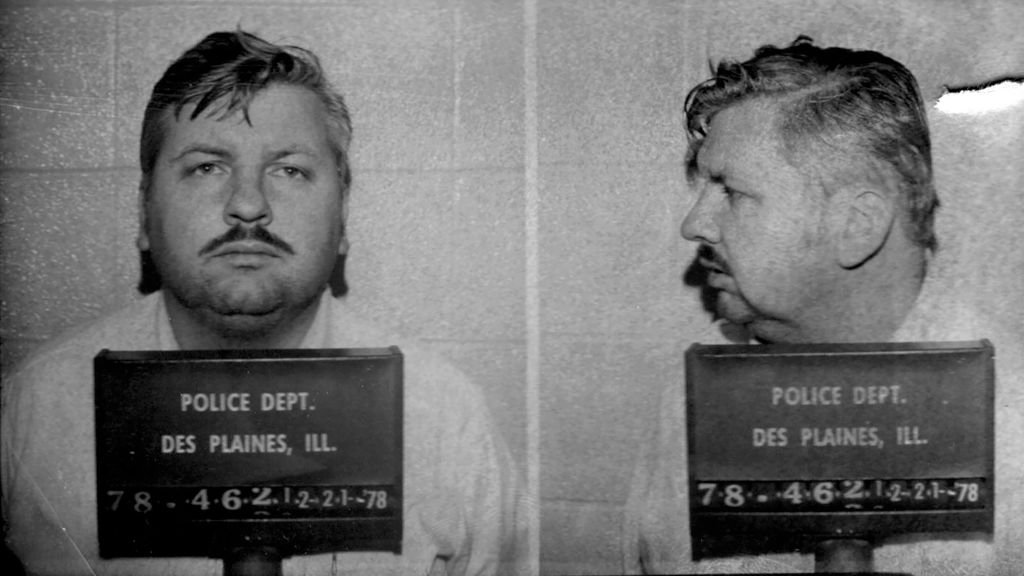
The title could hardly be more explicit: this is Sufjan Stevens writing about the serial killer who murdered at least 33 young men and boys in the 1970s. Yet the music is almost shockingly beautiful — delicate piano, hushed vocals and an arrangement that feels closer to a lullaby than a murder ballad.
That contradiction is the point. Stevens doesn't merely catalogue Gacy's crimes; he becomes interested in the uncomfortable possibility that monstrous people can also possess ordinary, recognisable qualities. The song ends by turning the gaze inward, suggesting that the capacity for darkness isn't confined to monsters on the news. It is one of the strangest and most unsettling pieces on Steven's 2005 album Illinois.
4. The Smiths – 'Suffer Little Children' (1984)
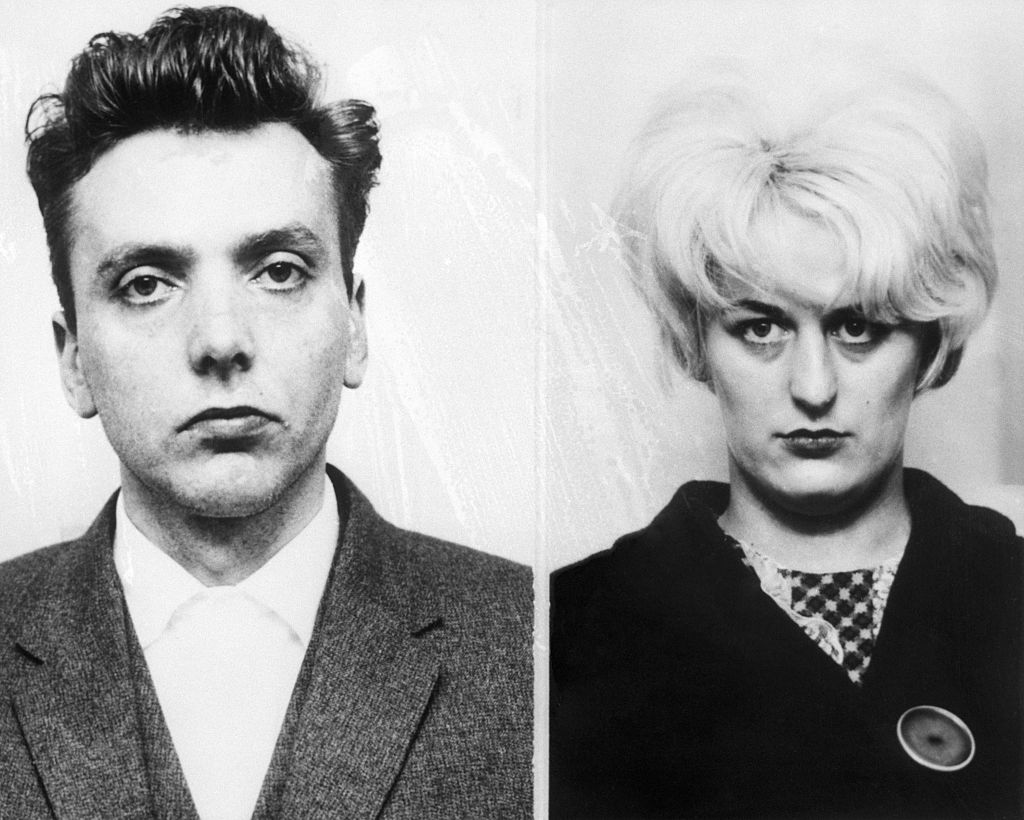
Few debut-album songs could have been a more unsettling introduction to a band. 'Suffer Little Children', the closing track on The Smiths' 1984 debut, draws on the Moors murders committed by Ian Brady and Myra Hindley in the Manchester area during the 1960s. Morrissey had read Emlyn Williams's Beyond Belief, a book about the case, and the subject became the basis for one of the earliest songs he wrote with Johnny Marr.
Musically, however, it is anything but lurid. Marr's chiming guitar and the song's slow, mournful progression give it the quality of a lament. Morrissey names several of the murdered children, while the recurring imagery of the moors and shallow graves creates an almost dreamlike sense of place.
The song was controversial from the beginning, understandably so given the horrifying crimes it addressed. But its intent was not to glamorise Brady and Hindley. Instead, it mourns the children and gives the case an eerie, elegiac quality. Even decades later, it remains one of the most haunting examples of a British pop song confronting a notorious crime.
5. Bob Dylan – 'Hurricane' (1976)
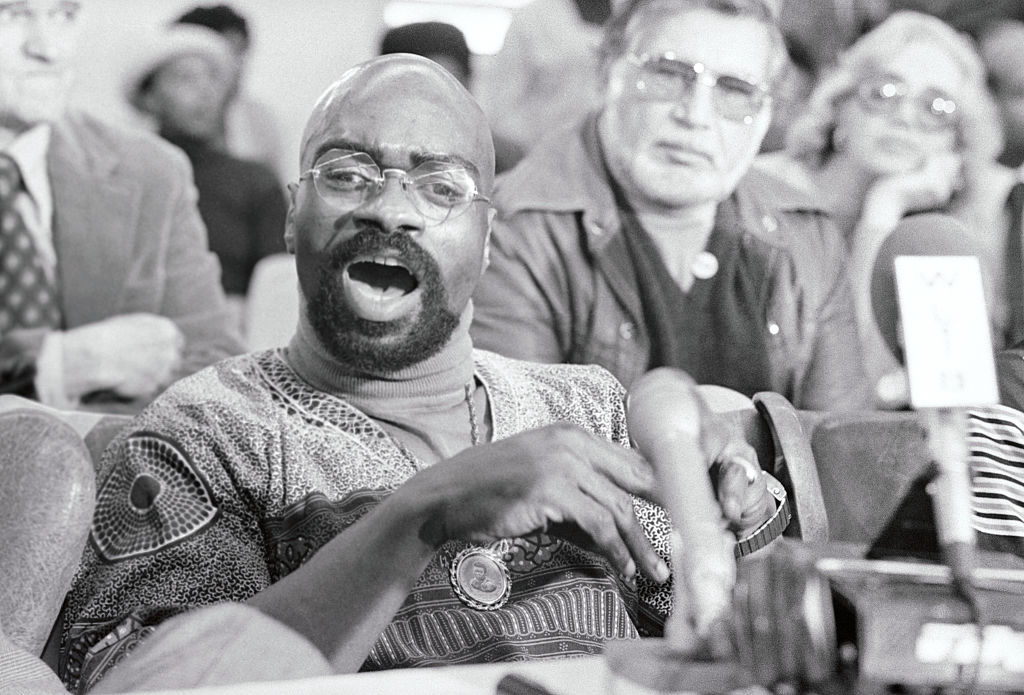
Dylan's eight-minute protest epic tells the story of Rubin 'Hurricane' Carter, the middleweight boxer convicted of a triple murder in New Jersey in 1966. Dylan became convinced that Carter had been unjustly imprisoned and turned his case into a sprawling narrative of racism, prejudice and a deeply flawed justice system.
It is unusually cinematic for Dylan: names, locations, courtroom details and accusations pile up at speed, while the repeated refrain turns Carter's imprisonment into a symbol of institutional injustice. Carter was eventually released after his convictions were overturned in the 1980s. Dylan's song helped make his case famous far beyond the boxing world.
6. The Rolling Stones – 'Midnight Rambler' (1969)
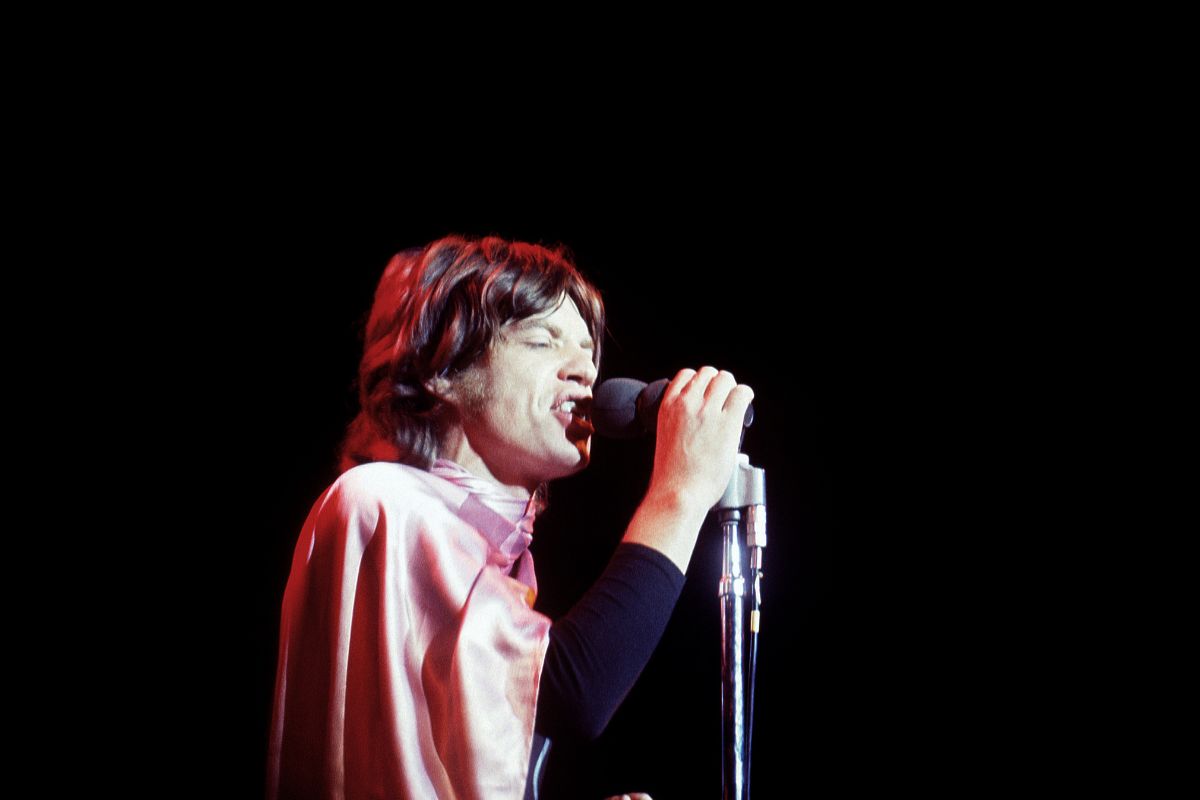
With its harmonica, creeping blues riff and Mick Jagger's increasingly menacing vocal, 'Midnight Rambler' sounds like a song that has wandered straight out of a nightmare. The lyrics evoke a predatory killer stalking his victims, and the song is widely associated with the Boston Strangler, Albert DeSalvo, who was accused of killing women in Boston in the early 1960s.
The connection isn't as literal as 'Hurricane' or 'Nebraska': Jagger drew on the wider mythology of the case rather than writing a straightforward biography of DeSalvo. But the result is one of the Stones' most unsettling performances — a blues song turned into a piece of psychological horror.
7. Tom Waits – 'Georgia Lee' (1999)
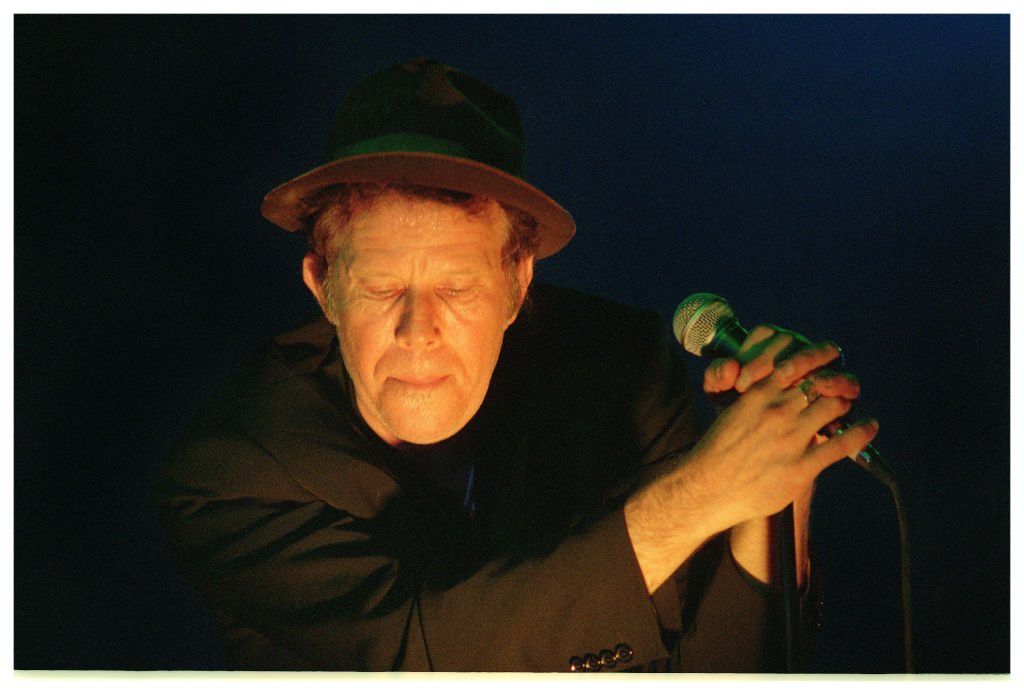
There is no fascination with a celebrity killer here, and no attempt to make a murderer into a gothic antihero. Tom Waits wrote 'Georgia Lee' because a child had been murdered and, in his view, the world had barely noticed. Georgia Lee Moses was a 12-year-old girl who disappeared in California in 1997 and was later found dead.
Waits turns that neglect into the song's central question. Instead of reconstructing the crime in detail, he addresses the dead child directly, asking why nobody was watching over her. The music is sparse and funereal, with Waits sounding less like a storyteller than someone standing at a graveside.
It is an important distinction in a list like this. True-crime songs can easily become fascinated by the perpetrator; 'Georgia Lee' is almost the opposite. Its subject is the victim, and its anger is directed at the indifference surrounding her disappearance. The result is one of Waits's most devastatingly tender songs.
8. Elvis Costello – 'Let Him Dangle' (1989)
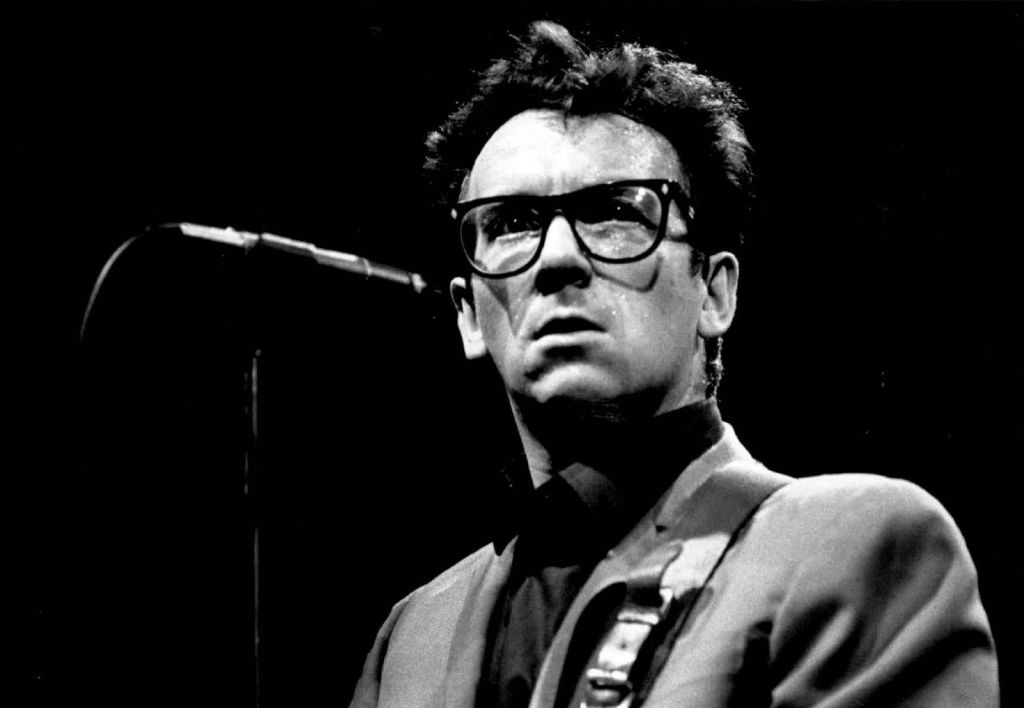
Elvis Costello turned a notorious British miscarriage-of-justice case into a furious argument about capital punishment. Derek Bentley was hanged in 1953 for his involvement in the killing of a policeman during a burglary, despite not being the person who fired the fatal shot. Costello had grown up hearing the case discussed in debates about the death penalty and eventually wrote 'Let Him Dangle' about it.
The song doesn't simply declare Bentley innocent; instead, Costello questions whether execution can ever amount to justice. Its title deliberately echoes the brutal language of capital punishment, making the song's moral anger impossible to miss.
9. The Boomtown Rats – 'I Don't Like Mondays' (1979)
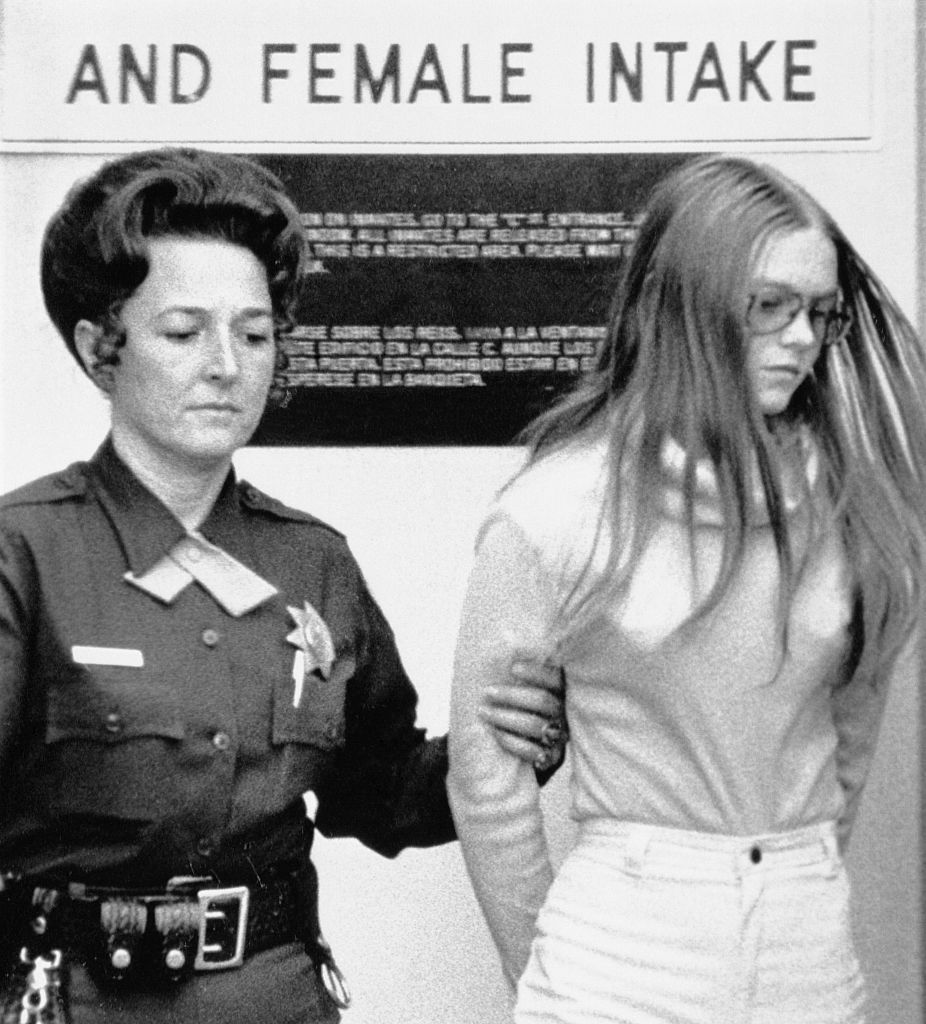
'Tell me why?' became one of the most recognisable choruses of the late 1970s, but the story behind it is horrifying. On a Monday morning in January 1979, 16-year-old Brenda Ann Spencer opened fire on children and adults outside a school in San Diego, killing two people and injuring others. Asked why she did it, she reportedly gave the chilling answer that inspired the Boomtown Rats song's title: “I don't like Mondays.”
Bob Geldof turned the incident into a sinister pop song about the incomprehensibility of apparently motiveless violence. Its glossy, theatrical sound deliberately clashes with the grim subject matter.
10. Judas Priest – 'The Ripper' (1976)
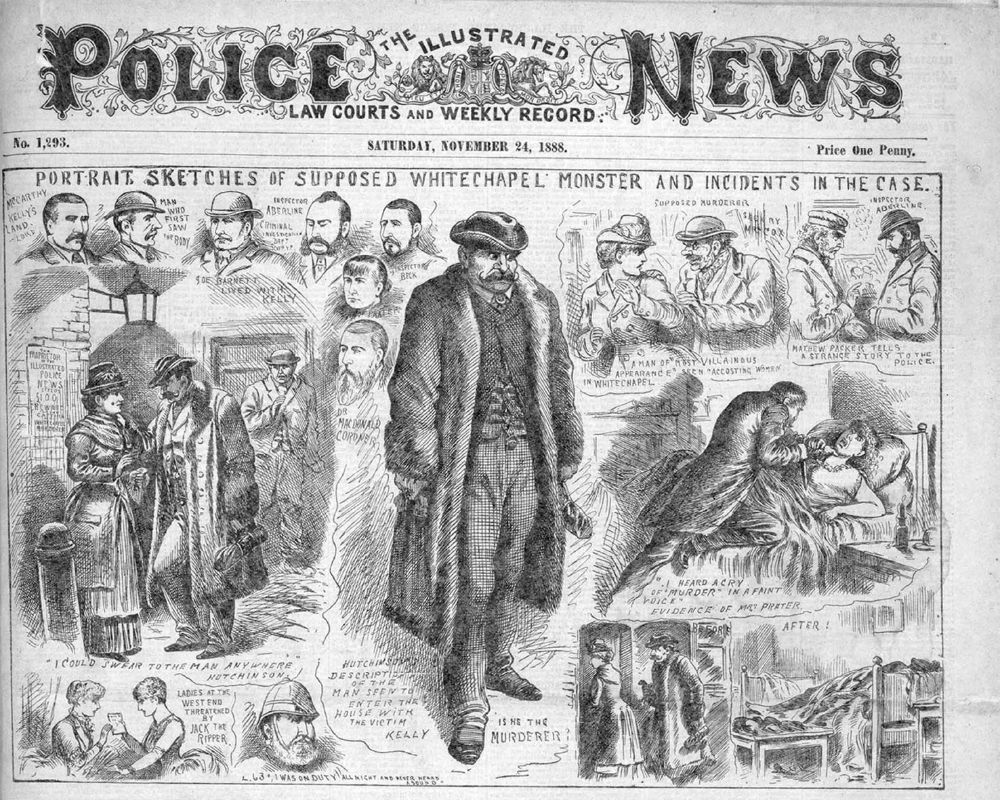
Heavy metal practically invented its own musical language for Jack the Ripper, and Judas Priest's 'The Ripper' is one of the best examples. Released on Sad Wings of Destiny in 1976, it turns Victorian London's most notorious unidentified killer into the subject of a short, theatrical horror story.
Rob Halford's vocals are suitably sinister, while the music moves between delicate passages and sudden bursts of menace. The great trick is that Priest don't need to describe the murders in graphic detail: the atmosphere does the work. Jack the Ripper becomes less a historical figure than a lurking presence, stalking the song itself.
11. Pearl Jam – 'Jeremy' (1992)
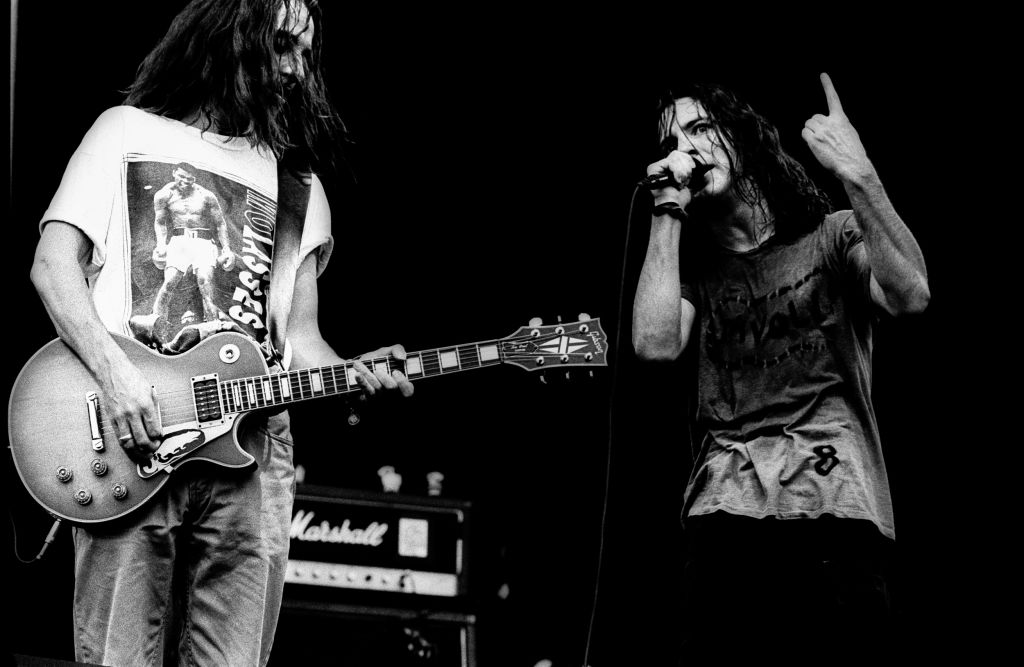
The song begins like a piece of teenage alienation, but its story is considerably darker. In 1991, Eddie Vedder read a newspaper report about 15-year-old Jeremy Wade Delle, who shot himself in front of his English class at a Texas high school. The tragedy reminded Vedder of a disturbing incident from his own school days, and 'Jeremy' grew out of those memories as much as the newspaper report.
The finished song became one of Pearl Jam's signature tracks, with its explosive chorus turning a local tragedy into a broader meditation on isolation, bullying and the ways adults can fail to see what is happening to troubled children.
12. Nirvana – 'Polly' (1991)
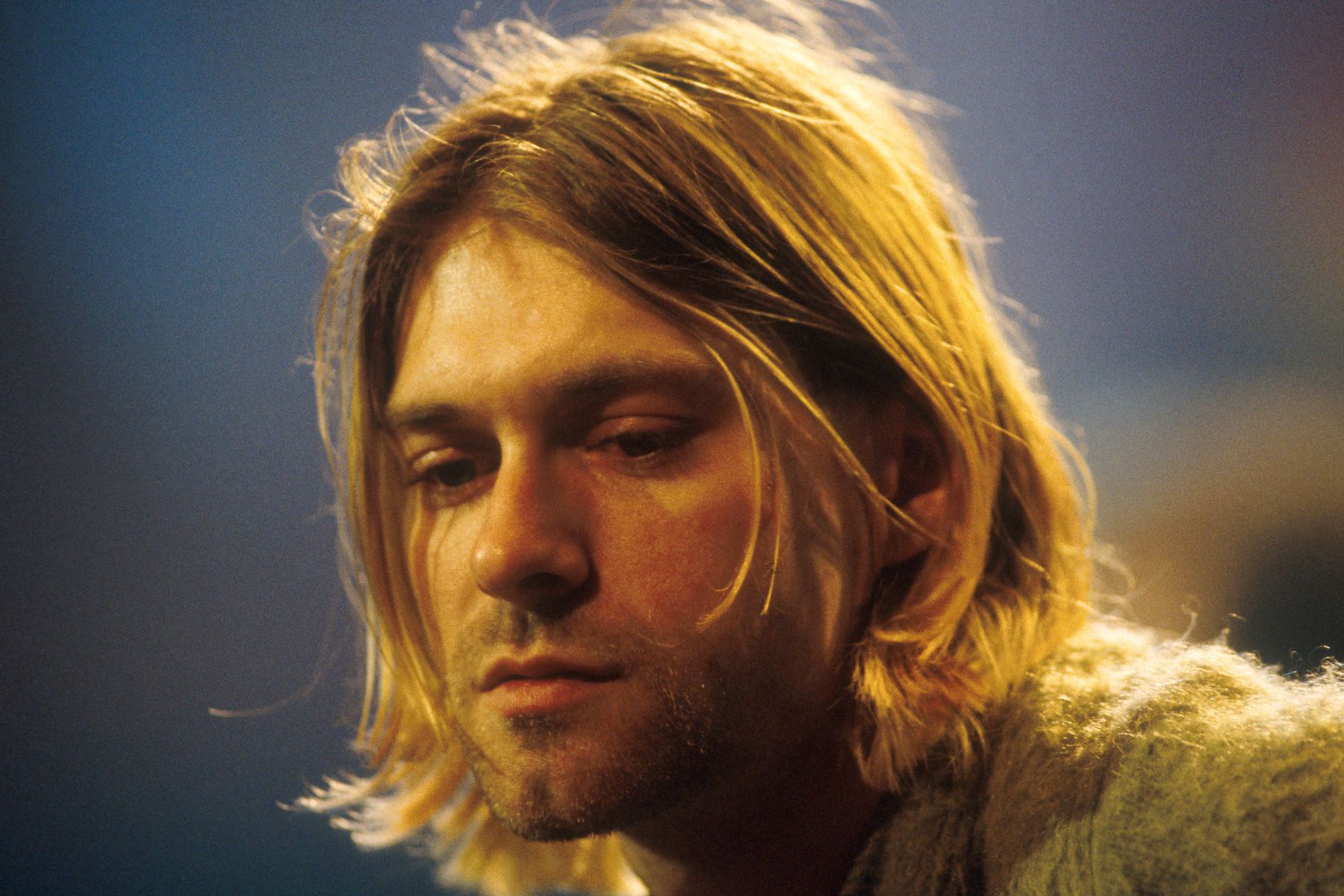
It is difficult to imagine a bigger contrast between subject and sound. 'Polly' is one of Nirvana's quietest, simplest songs, yet it was inspired by the 1987 abduction and assault of a 14-year-old girl in Tacoma, Washington. She was kidnapped on her way home from a concert, held captive and abused before eventually escaping.
Kurt Cobain's decision to write partly from the perspective of the perpetrator makes the song particularly disturbing. Rather than turning the victim into a character in a conventional narrative, he exposes the warped thinking of the abuser. The deceptively gentle guitar pattern makes the effect even more unsettling: 'Polly' sounds almost soothing until you understand what you are hearing.
13. Mark Knopfler – '5:15 A.M.' (2004)
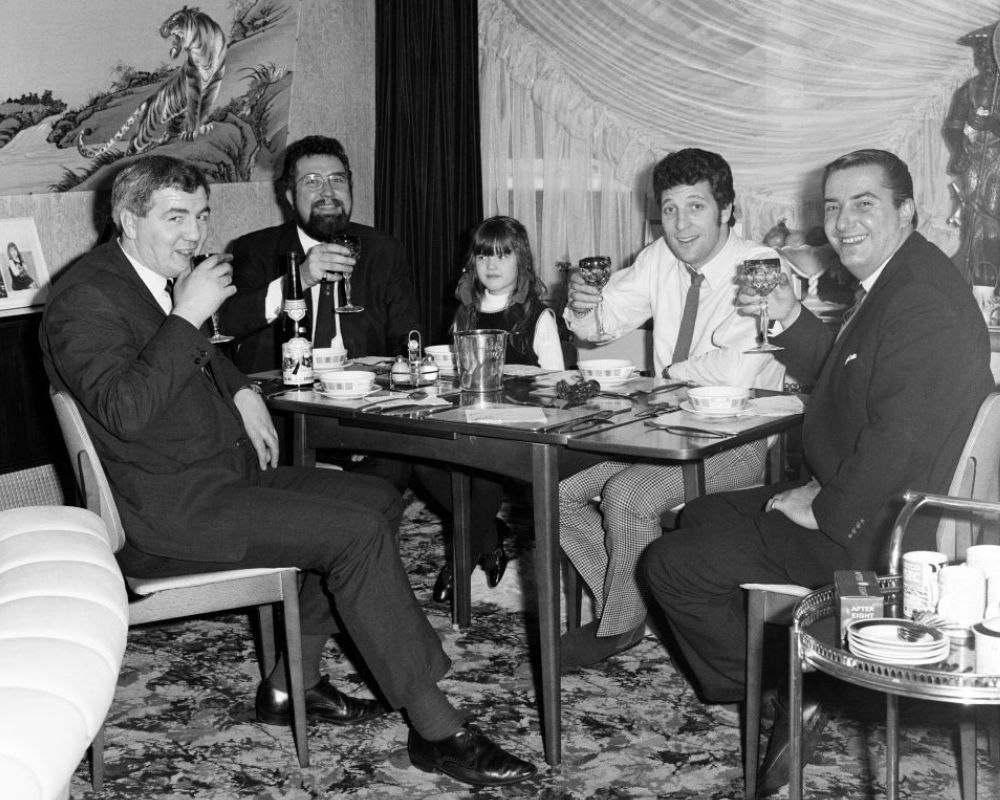
Dire Straits frontman Mark Knopfler grew up in Newcastle, where a notorious 1967 killing became part of the city's folklore. 5:15 A.M.', from Knopfler's 2004 solo album Shangri-La, revisits the 'one-armed bandit murder', in which bookmaker Angus Sibbet was shot and killed by Dennis Stafford and Michael Luvaglio.
Knopfler doesn't turn the story into a conventional murder ballad. Instead, he creates a shadowy nocturnal world of criminals, cars, money and fatal decisions, with the early-morning setting giving everything a film-noir quality. The title itself captures that strange hour when the night has gone on too long and bad decisions are about to become irreversible.
It is a particularly strong example of Knopfler's gift for turning local history into atmospheric storytelling. There is no grand moralising, just a sense that somewhere, long before Knopfler became famous, something terrible happened in the darkness of his home city — and the story stayed with him.
Pics Getty Images


